Blog

  • 11 Front Yard Garden Bridge Ideas for Unique Charm

    11 Front Yard Garden Bridge Ideas for Unique Charm

    I stared at my flat front yard one spring, feeling it lacked any pull to the door. Then I built a simple bridge over a dug-out dry creek. It changed everything—suddenly, walking up felt like entering a story.

    Neighbors slowed their cars. Guests smiled wider. That tiny span invited them in.

    I've messed up plenty since: wrong wood that warped, plants that flopped. But these bridges? They've taught me what sticks.

    11 Front Yard Garden Bridge Ideas for Unique Charm

    Here are 11 front yard garden bridge ideas pulled from my own yard work and friends' fixes. They're real, not fancy. You can handle any of these with basic tools and a weekend.

    1. Rustic Log Bridge Over Gravel That Slows Down Visitors
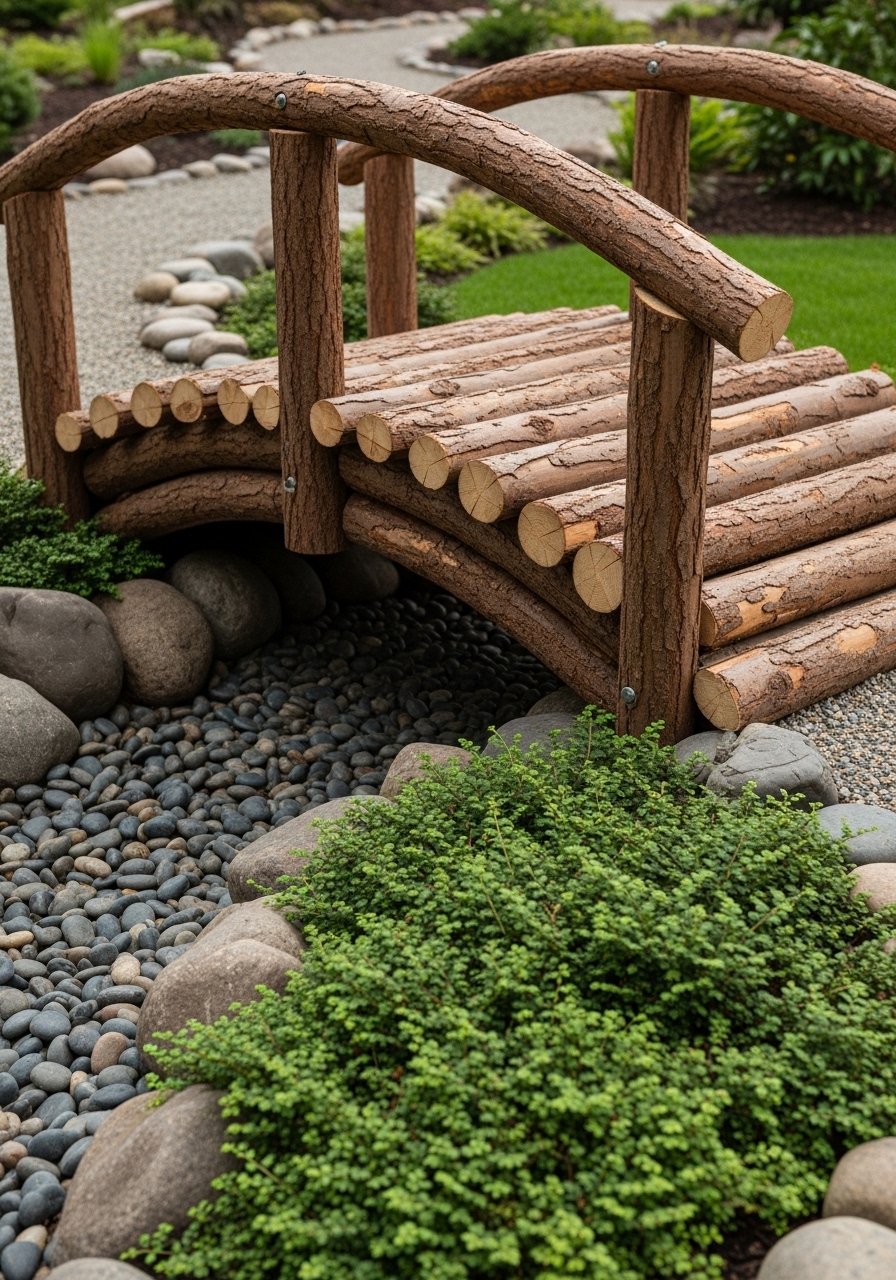
    I laid three fat logs side by side in my front yard, bridging a shallow gravel trench. It felt sturdy underfoot right away, and the crunch of rocks below made every step echo softly.

    Visually, it grounded the space—wild grasses softened the edges, pulling eyes from street to stoop. Emotionally, it warmed the walk up, like crossing into my own little world.

    Pay attention to log thickness; mine were 8 inches across to handle weight. I skipped sealant first time—big mistake, they silvered too fast in rain.

    Dig the trench shallow, 6 inches max, line with landscape fabric. Gravel fills it quick.

    What You’ll Need for This Look

    2. Arched Metal Bridge Framed by Climbing Vines
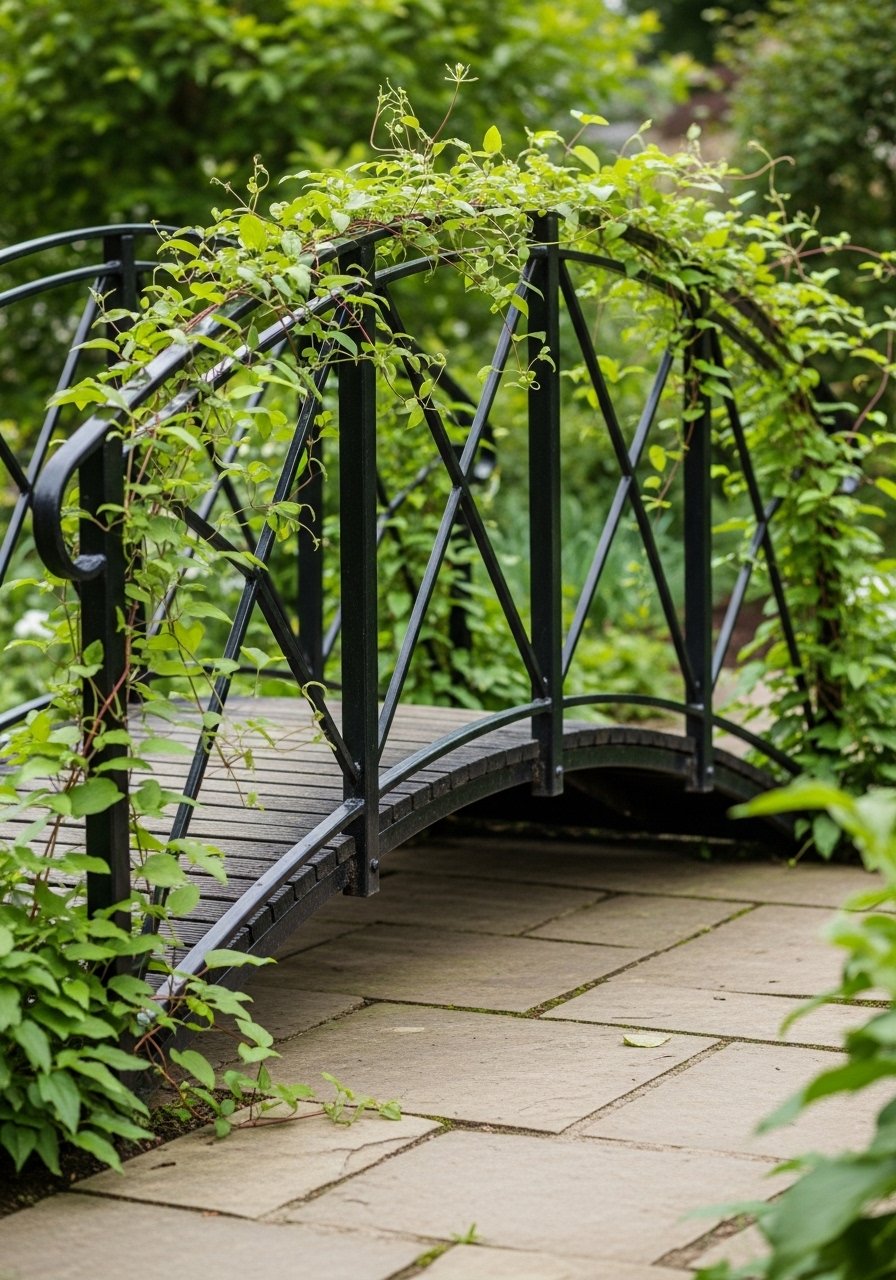
    My arched metal bridge went up in an afternoon over a mulched path. Vines grabbed it fast, turning sharp lines soft by summer.

    It drew the eye upward, making my narrow yard feel deeper. Walked over it daily—cozy shift from stark sidewalk.

    Choose galvanized steel; powder-coated mine chipped after a winter. Vines hide flaws, but anchor posts deep.

    Train clematis or honeysuckle along rails. Mulch underneath suppresses weeds.

    What You’ll Need for This Look

    3. Flat Stone Slab Bridge with Hostas That Hide Imperfections
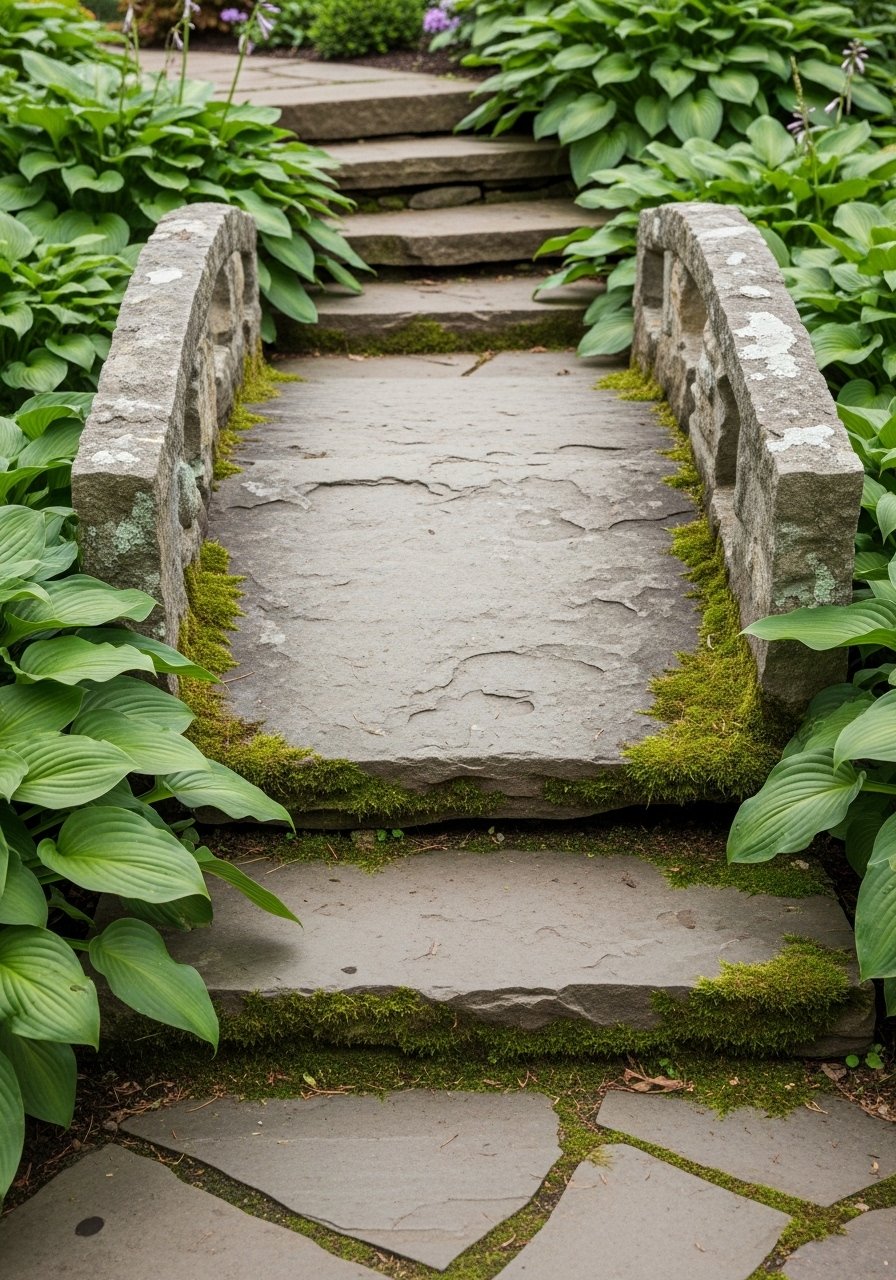
    I mortared flat stones across a damp path spot in my yard. Hostas filled gaps, thriving in the shade it created.

    Stepping stones felt solid, blending into the green. Yard looked intentional, not accidental.

    Slabs shifted once—no mortar underneath. Level the base first with sand.

    Hostas spread wide; one plant covers a lot. Edge with mulch.

    What You’ll Need for This Look

    4. Curved Bamboo Bridge for a Tropical Front Path
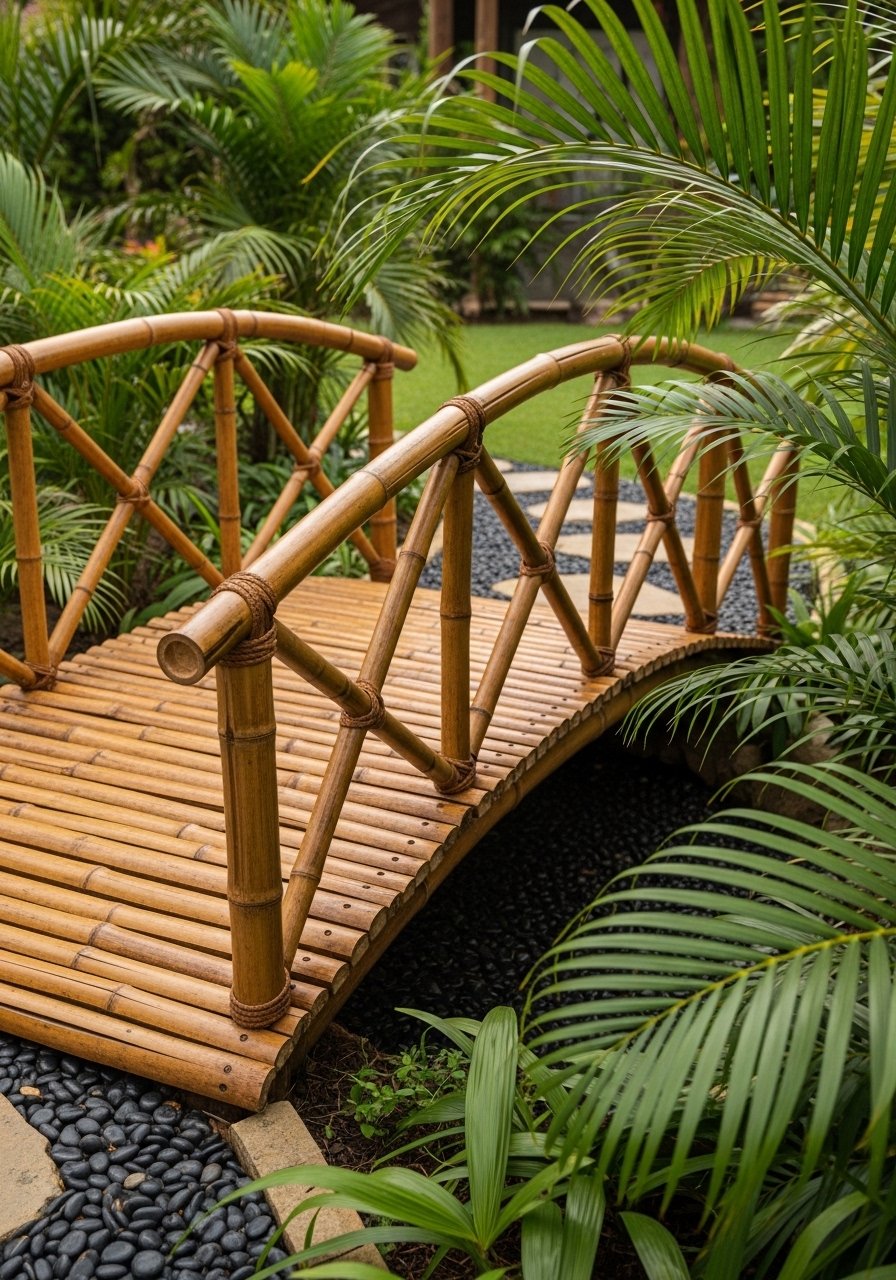
    Curved bamboo poles lashed together spanned my side path nicely. Palms nearby made it feel like a quick escape.

    The sway added life; guests paused to touch it. Softened my boxy yard edges.

    Bamboo splits in freeze—mine did once. Pick treated poles.

    Black pebbles below pop against green. Secure with zip ties.

    What You’ll Need for This Look

    5. Wrought Iron Bridge with Lantern Lights at Dusk
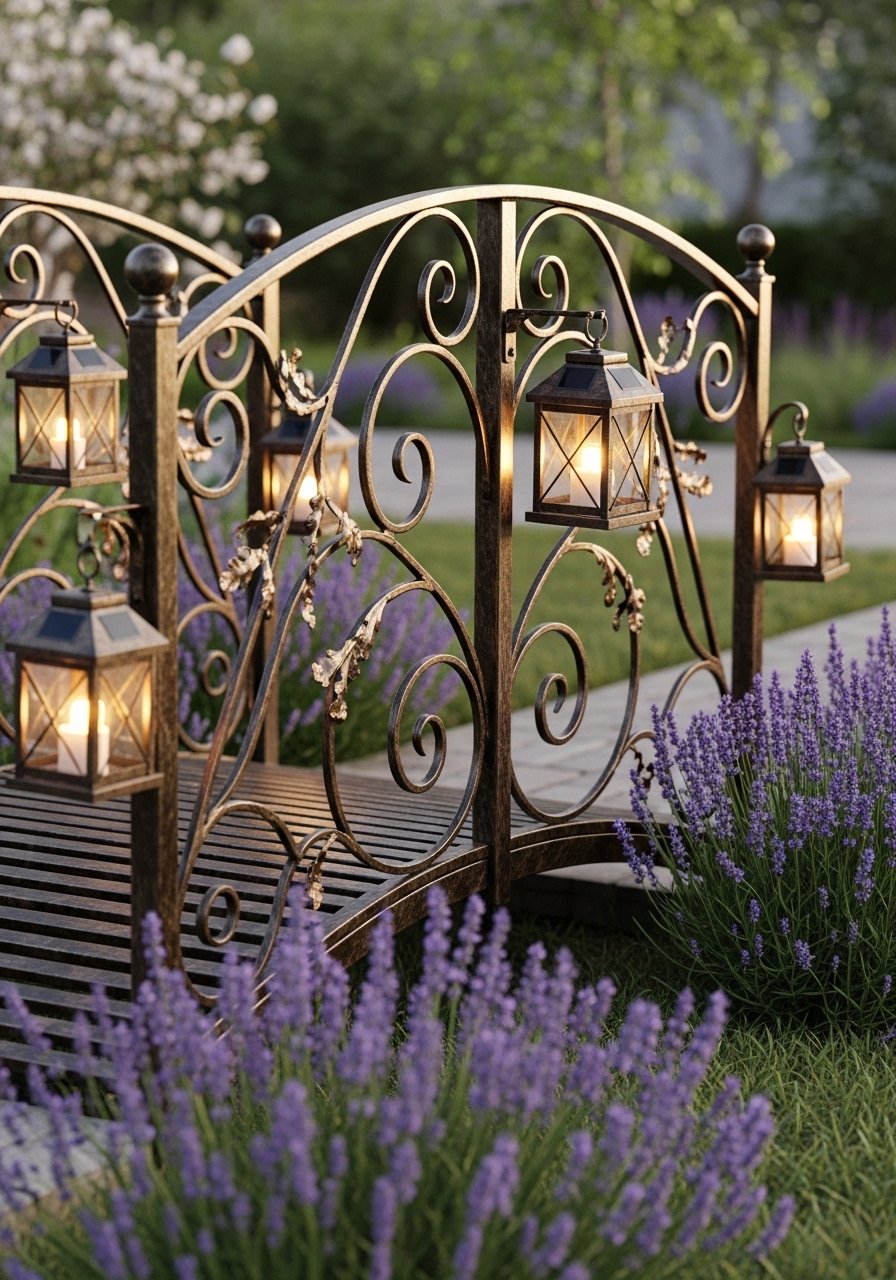
    Wrought iron bridge over stepping stones lit my evening walks. Lanterns hung low, casting pools of light.

    It made the front feel safe, welcoming after dark. Neighbors commented most then.

    Lights failed in wet—go solar sealed. Lavender softens iron's edge.

    Bolt to ground posts. Plants frame without crowding.

    What You’ll Need for This Look

    6. Moss-Covered Fairy Bridge in a Shaded Corner
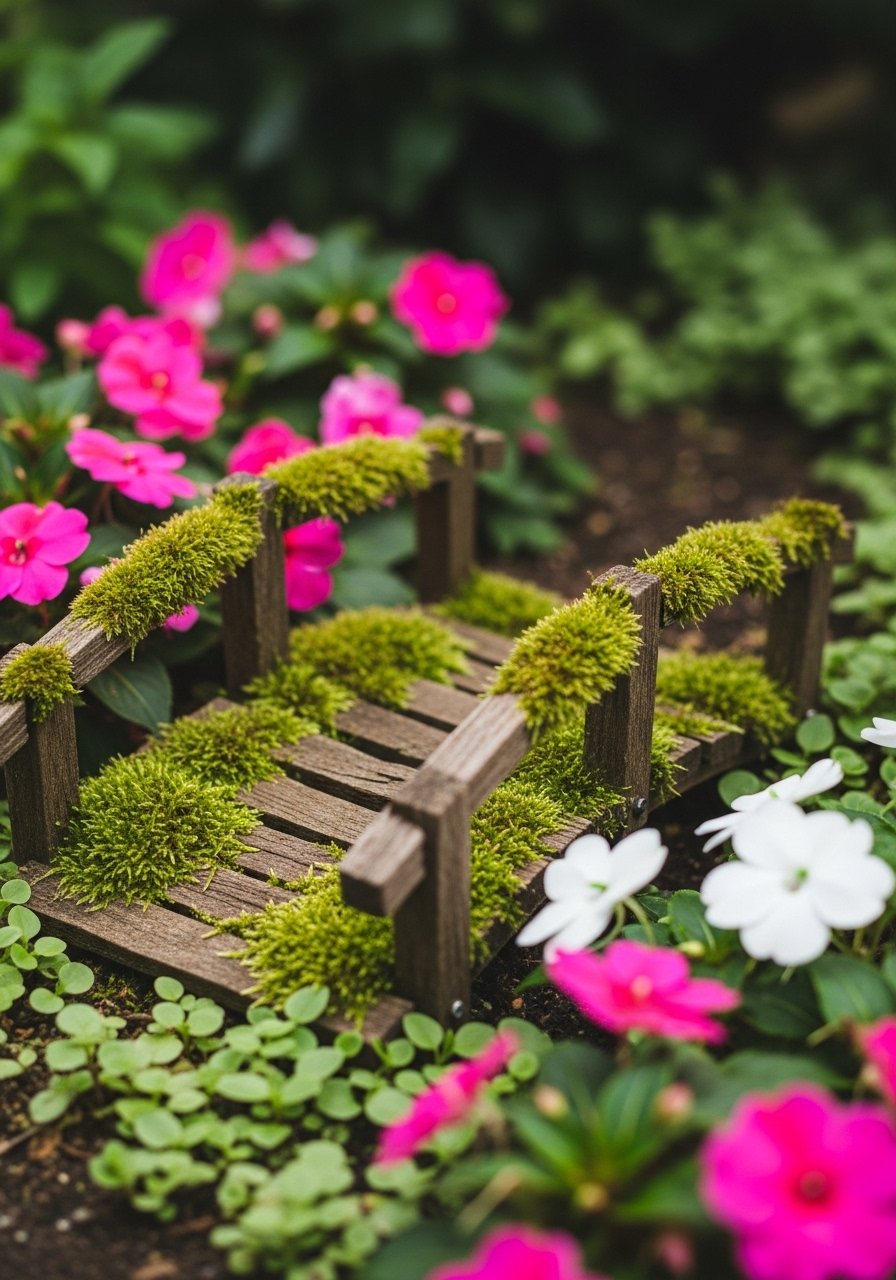
    Tiny wood slats bridged a fairy garden nook under my tree. Moss crept over fast, hostas nodding nearby.

    It charmed kids walking by—pure whimsy without trying. Felt hidden, peaceful.

    Wood rotted quick untreated. Stain it first.

    Impatiens add color pops. Keep moist.

    What You’ll Need for This Look

    7. Modern Cable Bridge Suspended Over Dry Creek
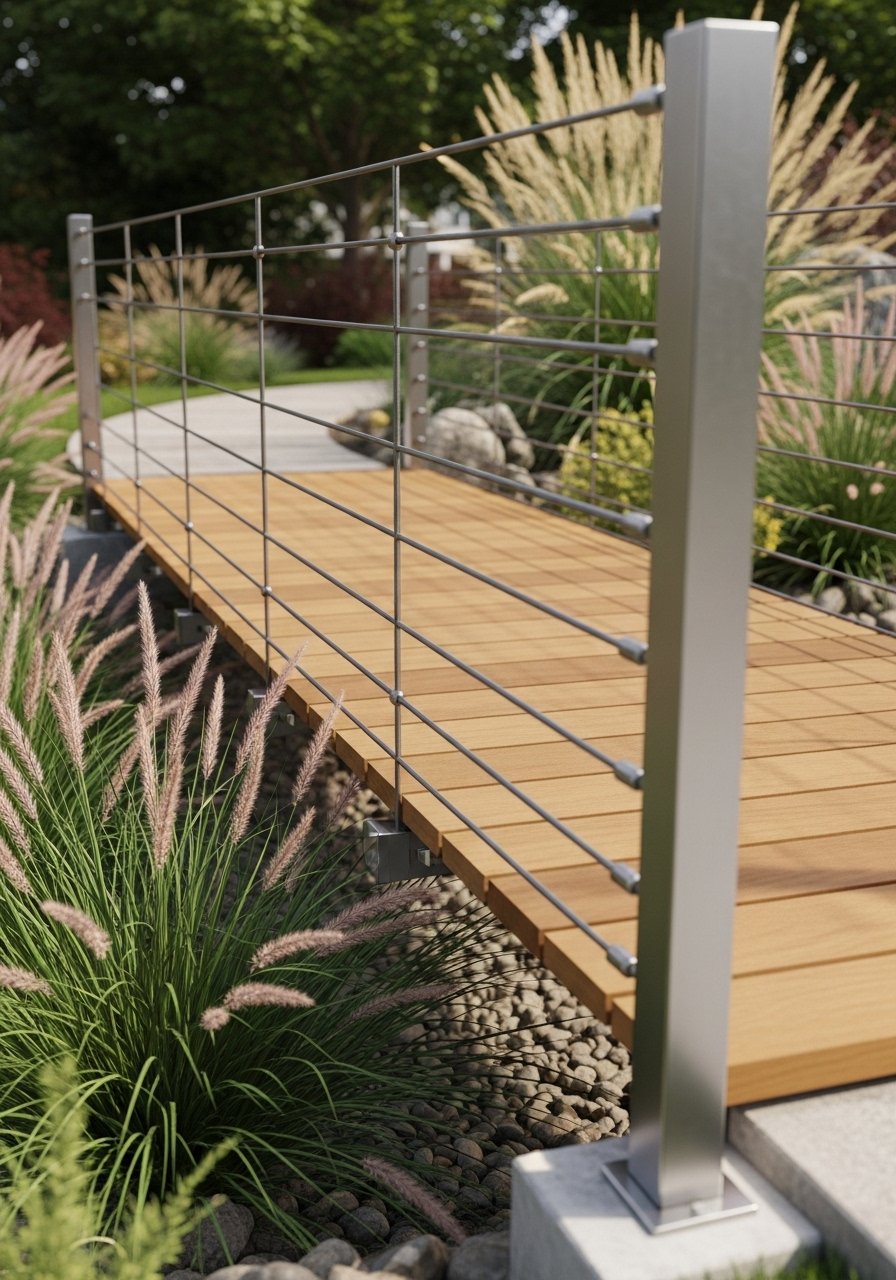
    Cable-suspended deck bridged my dry creek clean and modern. Grasses waved below, keeping it light.

    Walk felt airy; yard gained depth without bulk. Suited my simple style.

    Cables loosened—tighten yearly. Level posts exact.

    Grasses like fescue stay tidy.

    What You’ll Need for This Look

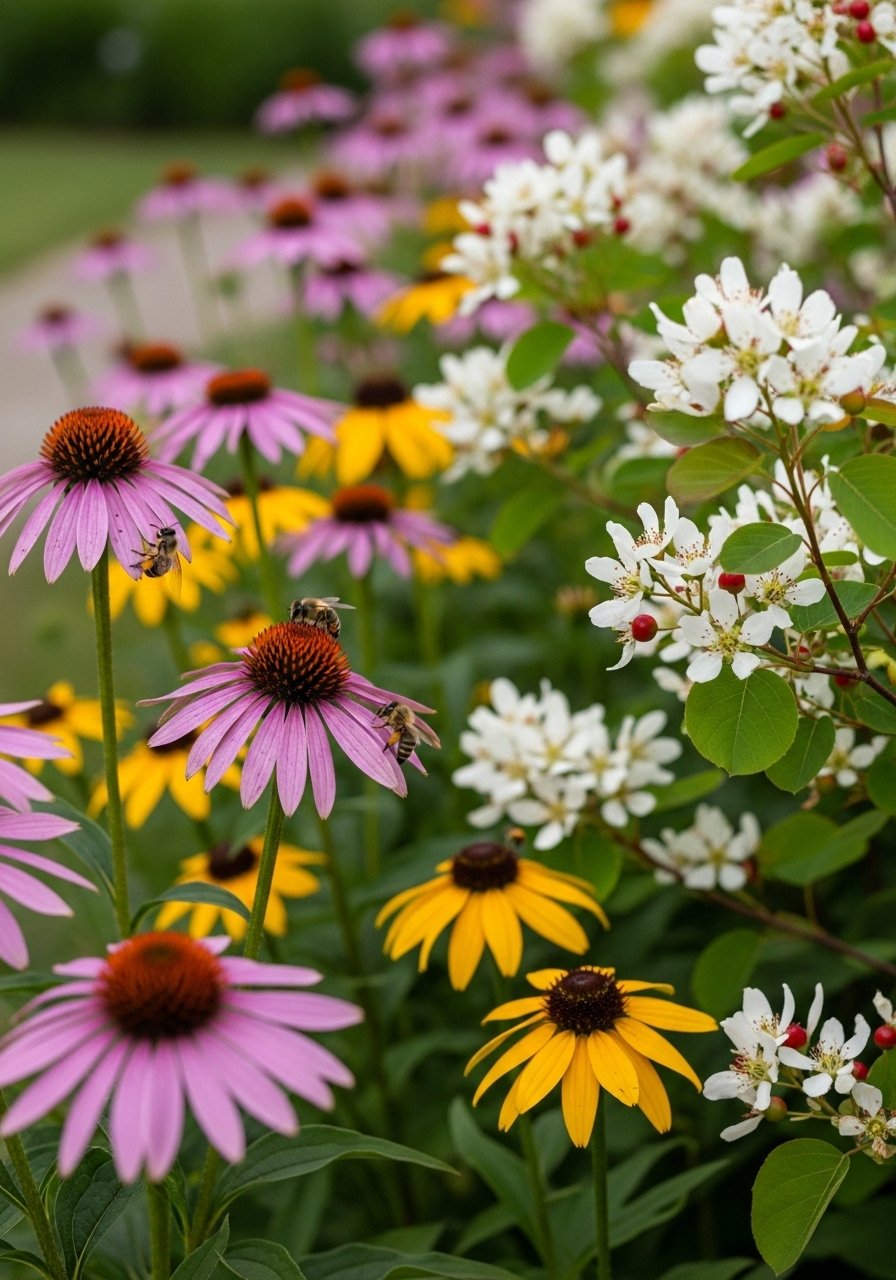
    8. Recycled Pallet Bridge with Native Wildflowers
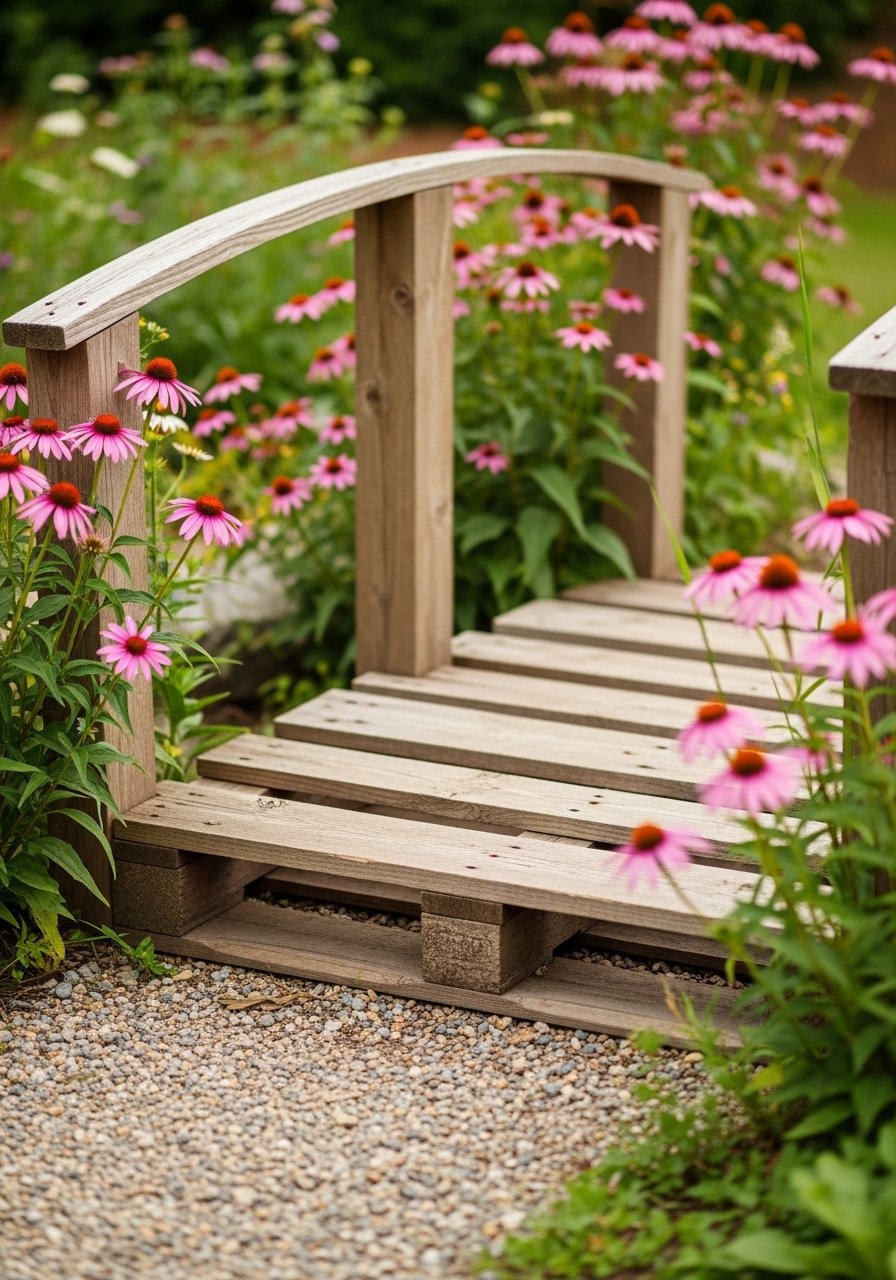
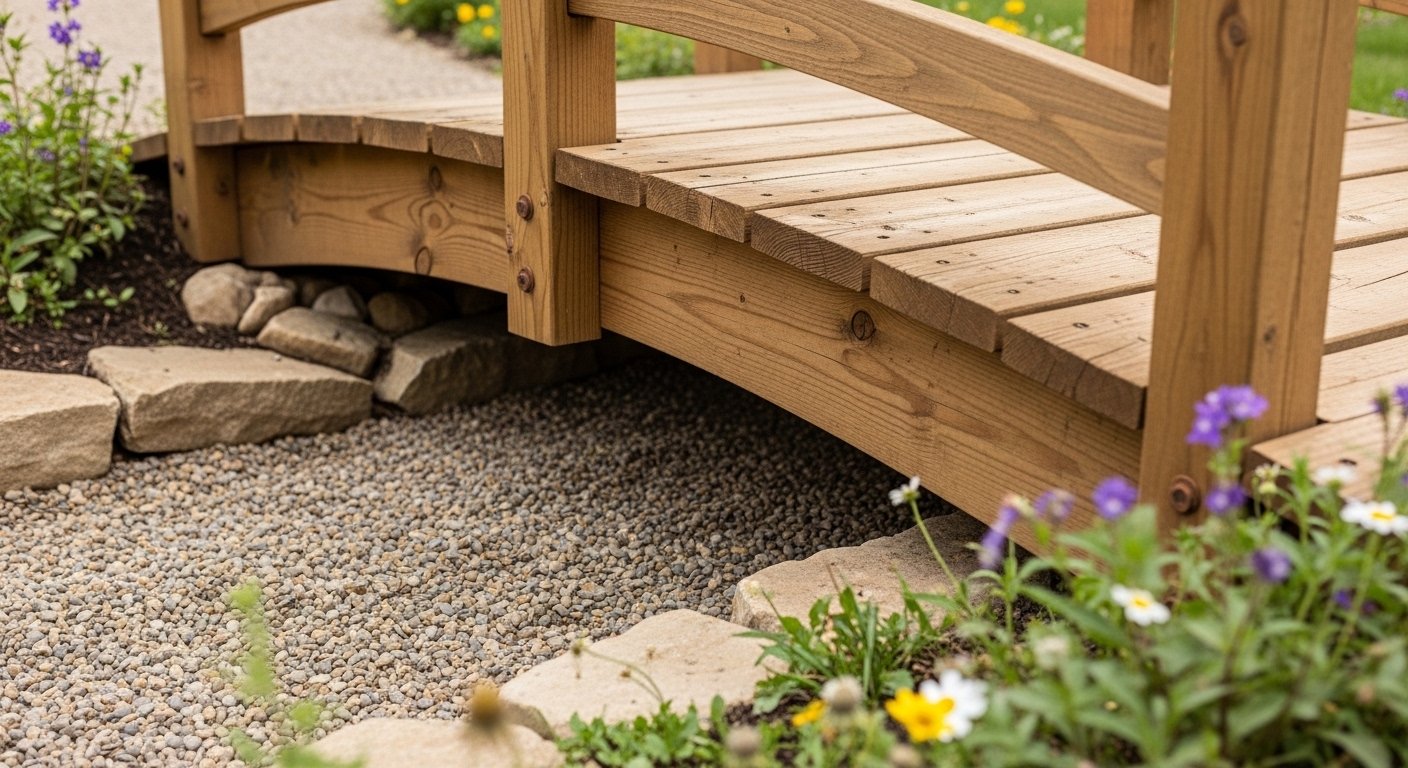
    Pallets disassembled and relaid bridged cheap over gravel. Wildflowers seeded in, buzzing with bees.

    Budget win; felt earned, not store-bought. Yard looked alive.

    Pallets splintered—sand smooth. Natives spread free.

    Gravel base drains well.

    What You’ll Need for This Look

    9. Japanese-Inspired Stone Arch with Maples

    Stone arch bridged my pebble path, dwarf maples flanking. Raked gravel below calmed the mind.

    Stepping through felt deliberate, yard more serene. Fall color popped.

    Maples outgrew fast—prune yearly. Stones heavy; get help.

    Pebbles shift less raked.

    What You’ll Need for This Look

    10. Log and Rail Bridge with Built-In Planters
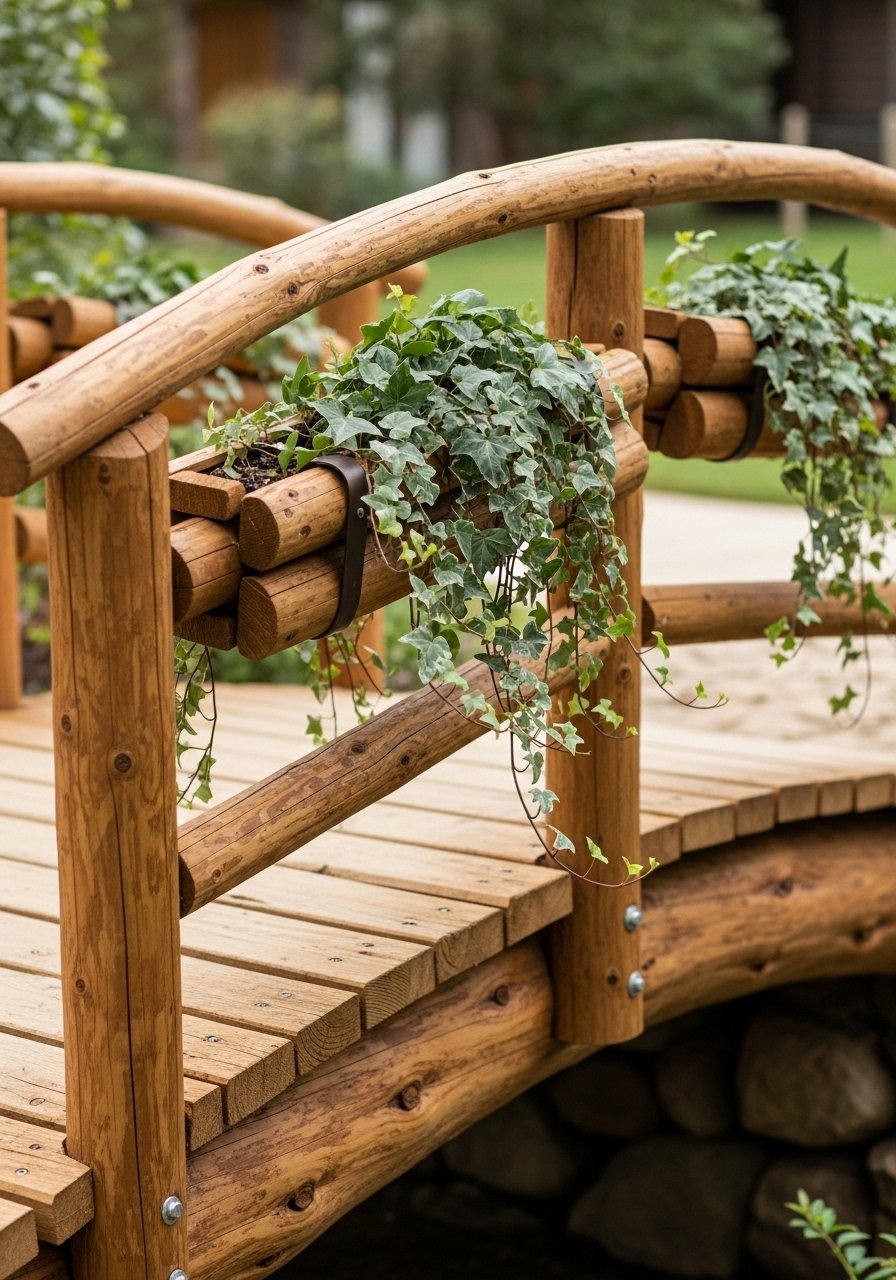
    Logs with rail planters bridged my walkway. Ivy trailed over, flowers nodding.

    Greenery right on the bridge made it lush. Guests lingered.

    Soil spilled first—line planters. Logs need flat tops.

    Ivy roots deep.

    What You’ll Need for This Look

    11. Cedar Boardwalk Bridge Lined with Sedges
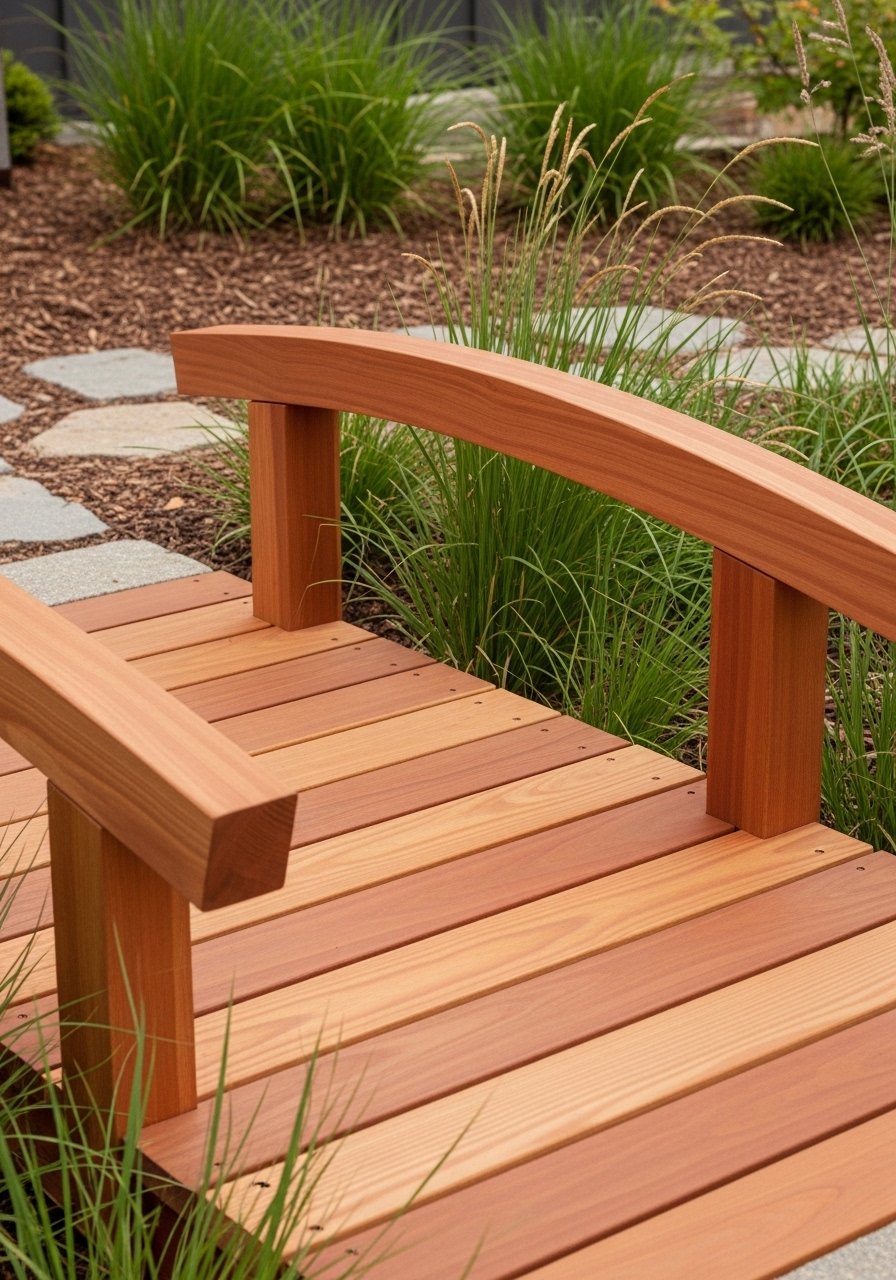
    Cedar boards laid flat bridged low and wide. Sedges lined it, swaying soft.

    Walk felt smooth, yard cozy. Low-maintenance win.

    Cedar grayed nice, but space boards for drainage.

    Sedges fill in thick.

    What You’ll Need for This Look

    Final Thoughts

    Pick one bridge idea that fits your yard's light and space. Start small—you don't need perfection.

    Mine evolved over years, and that's fine. Yours will draw eyes and smiles too.

    You've got this; dirt under nails builds the best charm.
  • 21 Front Yard Raised Bed Garden Ideas That Work

    21 Front Yard Raised Bed Garden Ideas That Work

    I stared at my front yard last spring, all patchy grass and zero curb appeal. It felt exposed, like the neighbors could see right through to the house. One raised bed changed that. Suddenly, there was life, privacy, color. No perfection—just plants that grew where I put them.

    Raised beds let you control the soil, skip the weeds, and make a small space feel full. I've killed a few layouts, but these ideas stuck.

    They work because they're simple, forgiving. You can do one this weekend.

    21 Front Yard Raised Bed Garden Ideas That Work

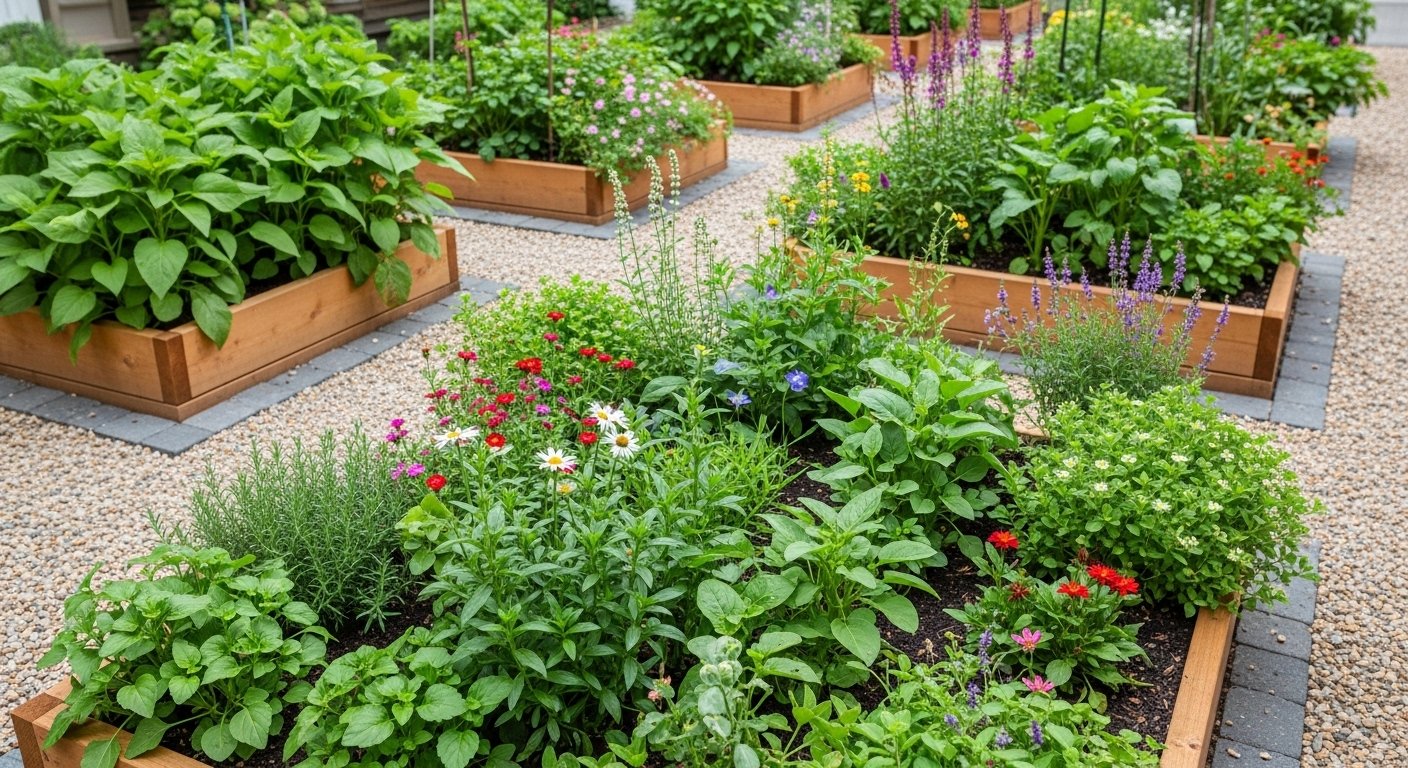
    These 21 front yard raised bed garden ideas come from my own yard messes and wins. Each one delivers real curb appeal without fuss. Start with whichever matches your spot—they all build confidence fast.

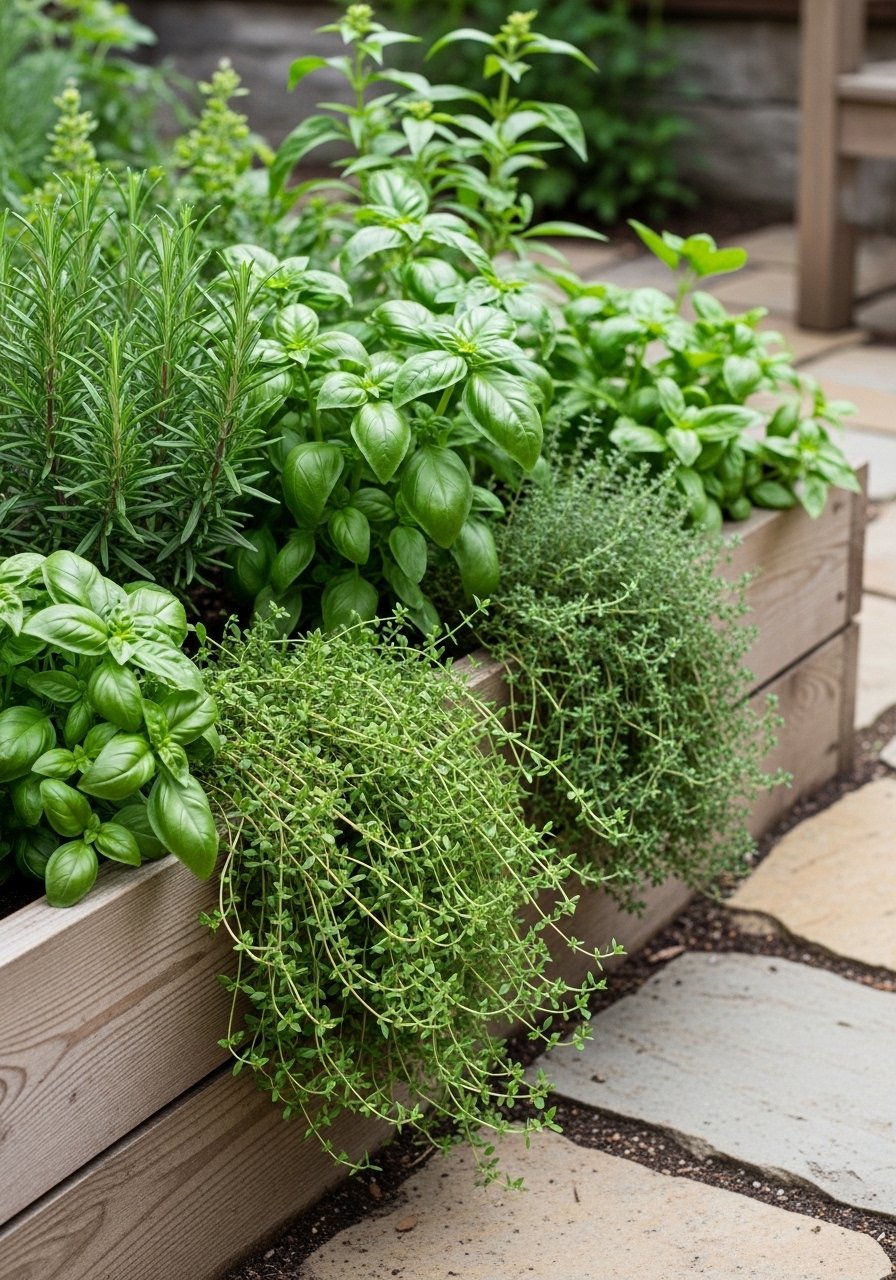
    1. Herb-Filled Corner Bed That Scents the Walkway

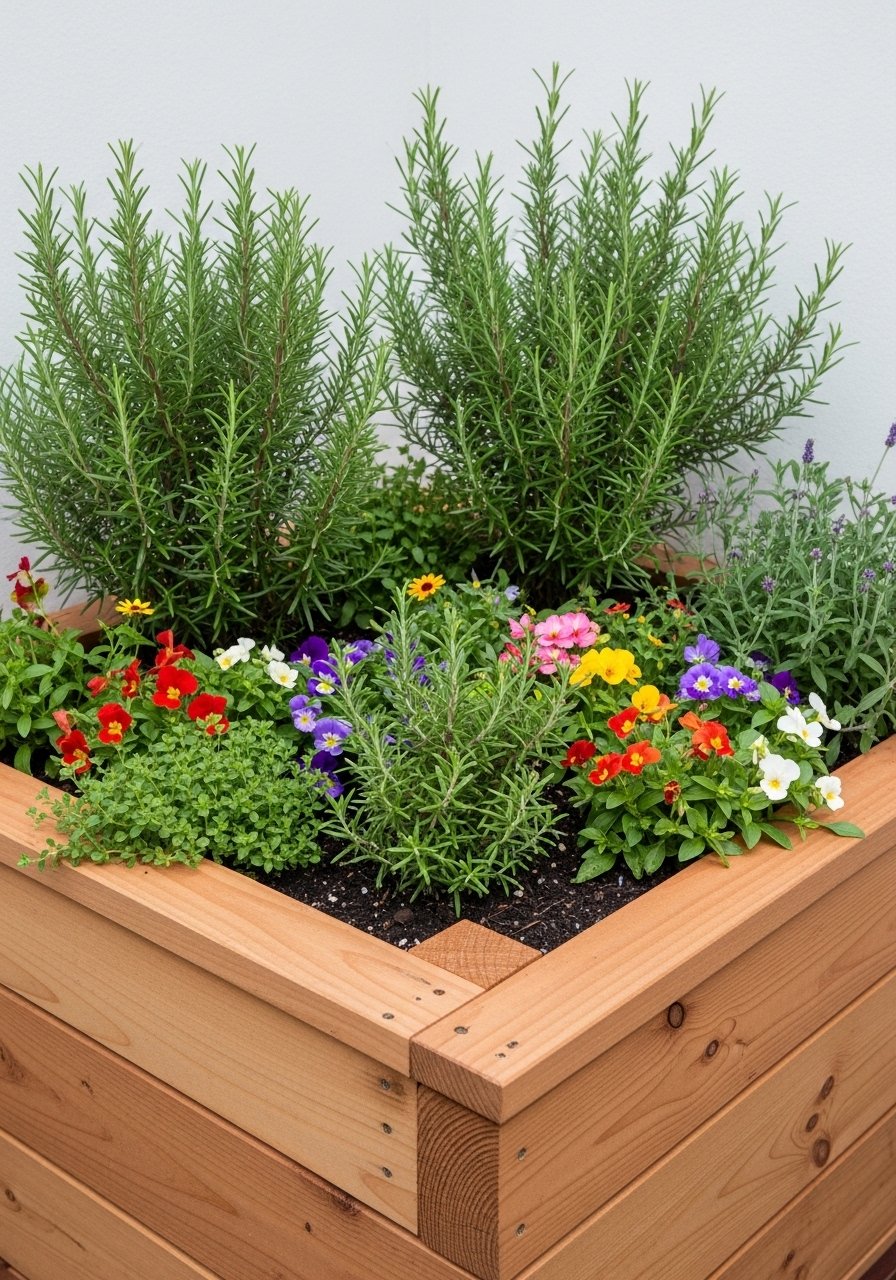
    I tucked a raised bed into the corner by my front steps. Planted rosemary, thyme, and basil tight together. Now every time I walk up, the air smells fresh, like a real kitchen garden right out front.

    It softens the hard lines of the house. The herbs grew bushy, hiding the bed's edges. Neighbors stop to pinch a leaf.

    Watch the sun—herbs like full blasts, so south-facing works best. I overwatered once; now I poke the soil first.

    What You’ll Need for This Look

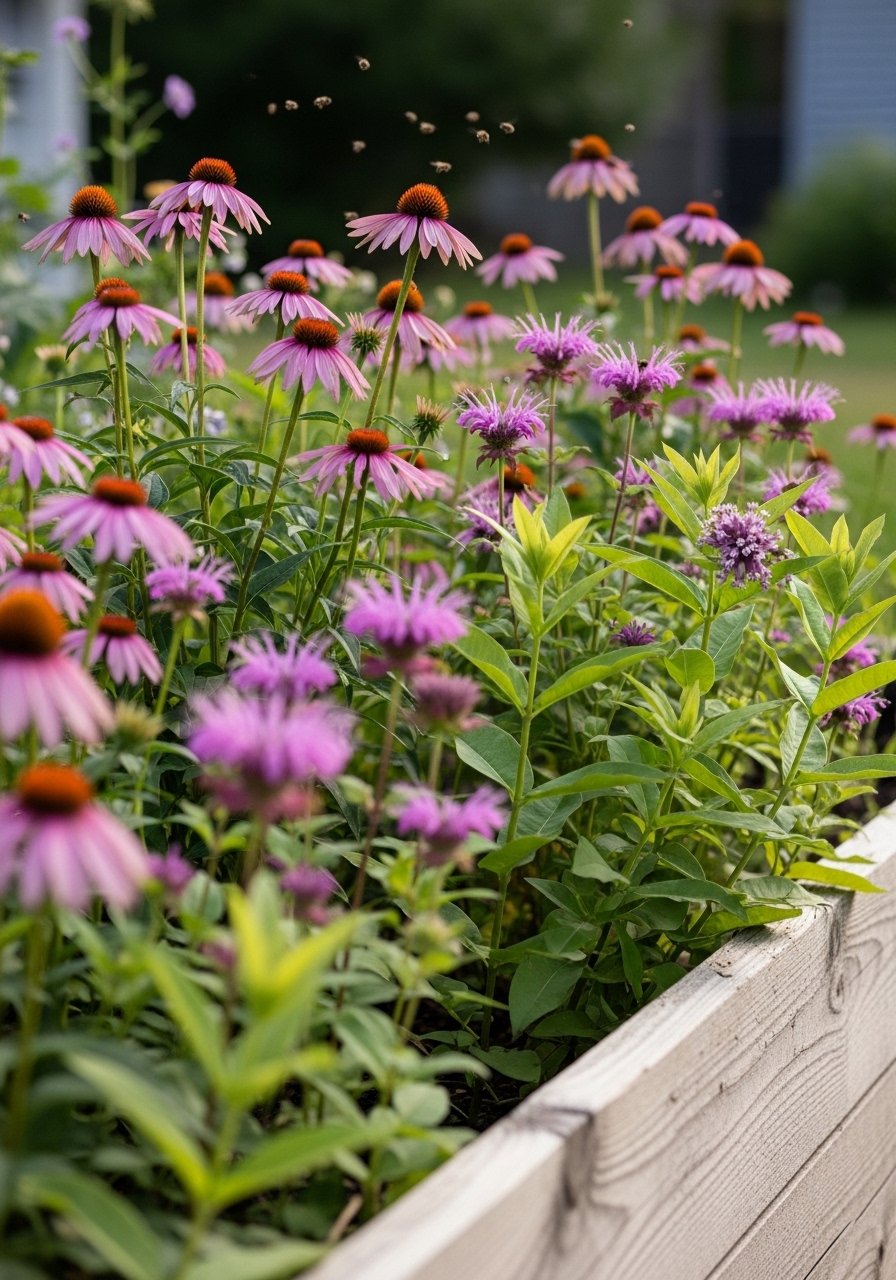
    2. Pollinator Bee Haven with Native Wildflowers

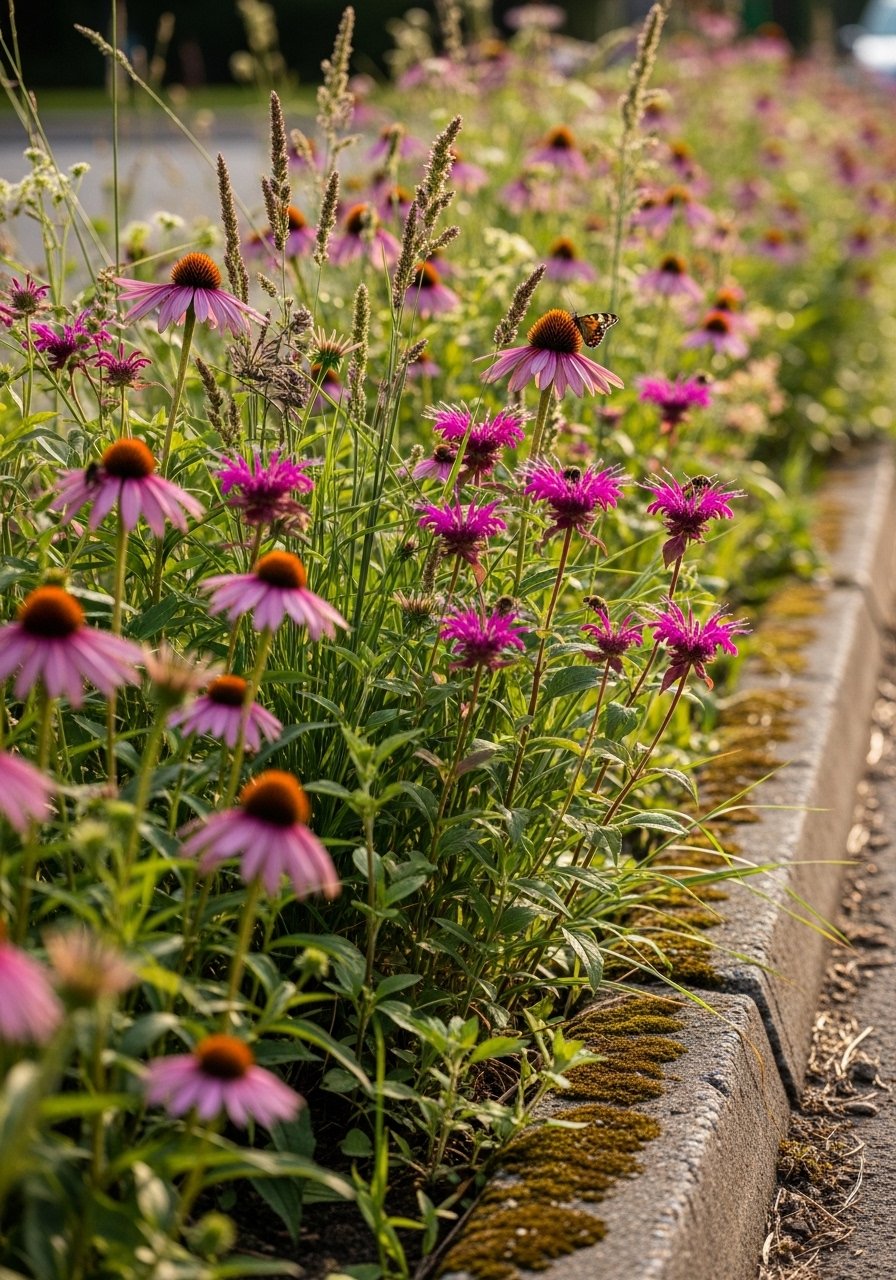
    My front yard bees were starving until I built this bed full of natives. Coneflowers and bee balm pull them in summer. It's alive now, humming softly.

    The flowers stand tall, framing the path without blocking the door. Colors pop against the house siding.

    Pick deer-resistant stuff—mine ignored the milkweed. Sun all day, or they flop.

    I planted too deep once; loosen soil for roots.

    What You’ll Need for This Look

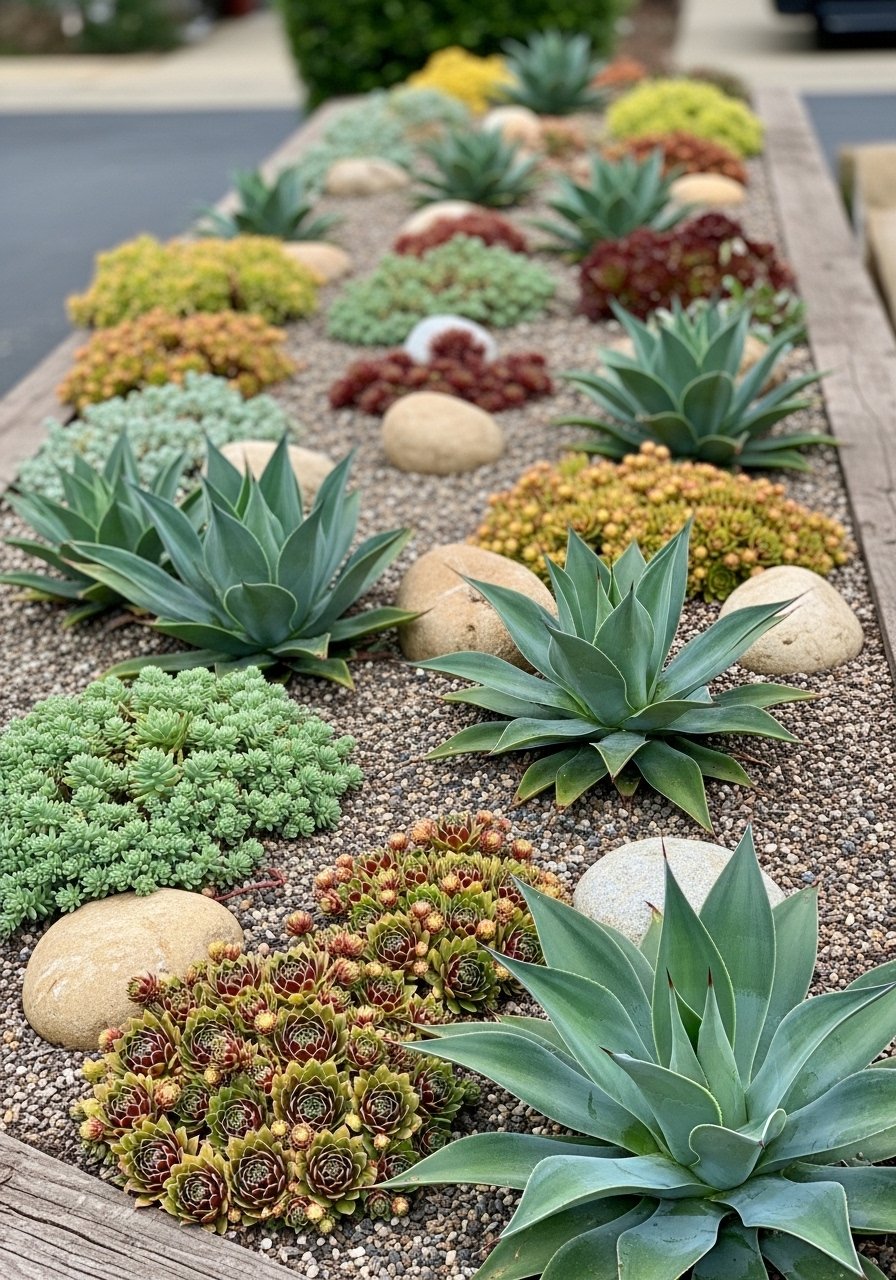
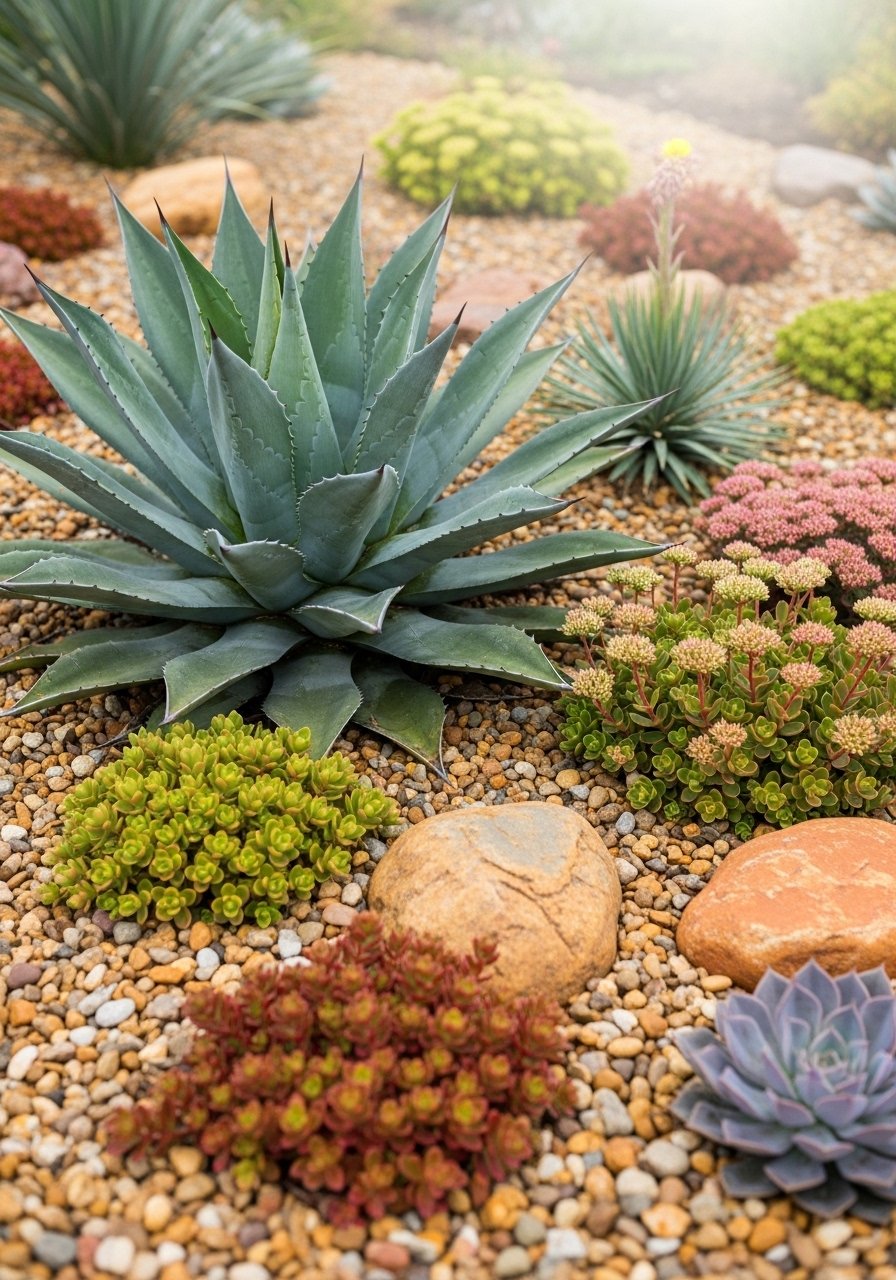
    3. Succulent Slope Bed for Dry Spots

    That shady slope by my driveway was barren. Filled a low raised bed with succulents—they thrive on neglect. Now it's a textured mound, soft underfoot.

    Reds and silvers mix with gravel for a clean look. No mud after rain.

    Group by water needs; sedum takes drought fine. I forgot drainage once—added rocks at bottom.

    Feels modern, low-work.

    What You’ll Need for This Look

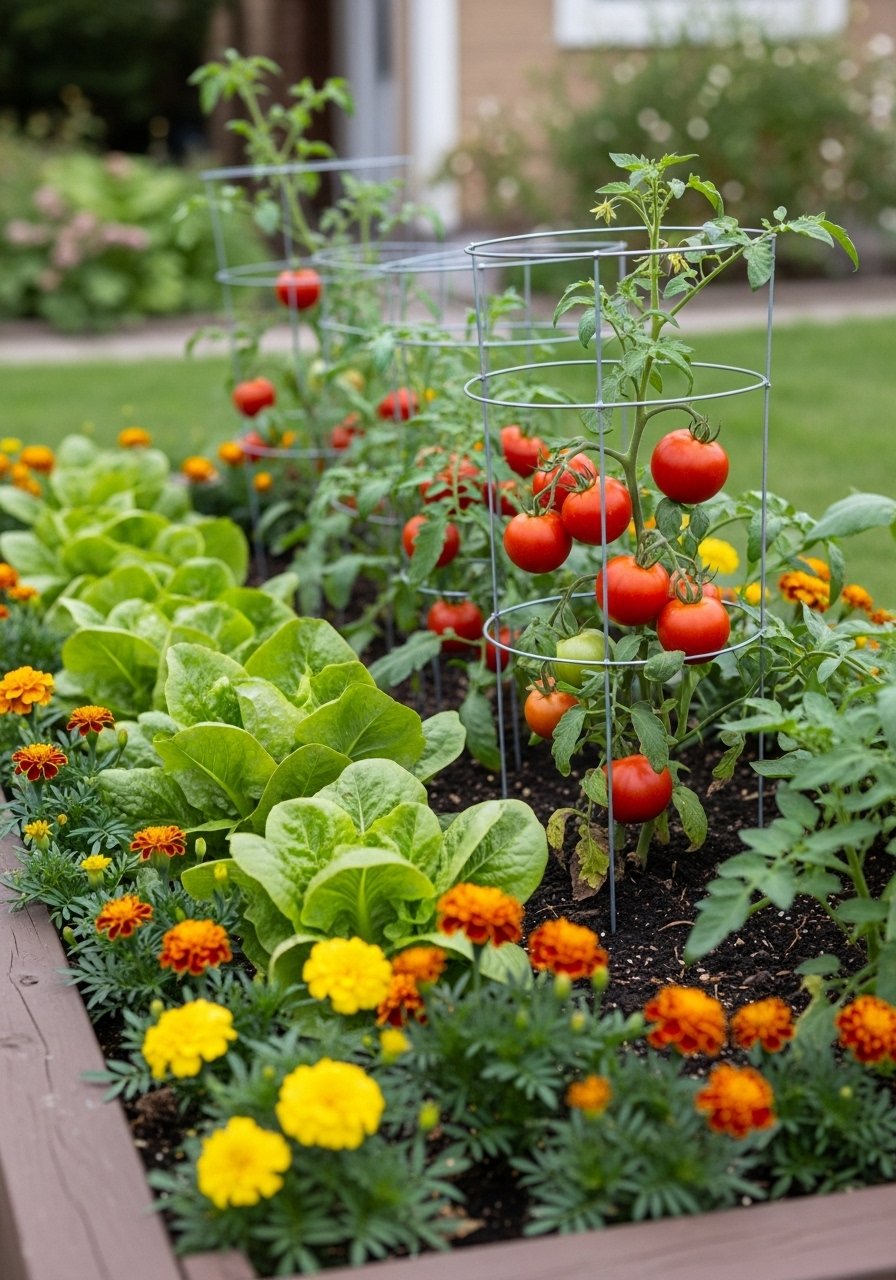
    4. Veggie Patch Hidden Behind Flowering Edgers

    I wanted fresh eats without the orchard look. Raised bed for tomatoes and lettuce, edged with marigolds. Looks like flowers, tastes like dinner.

    It draws eyes up, not to the veggies. Harvest feels sneaky-good.

    Full sun, good soil mix. Pests skip the marigolds—natural fence.

    Planted lettuce too close; space for air now.

    What You’ll Need for This Look

    5. Perennial Border That Fills Out Year Two

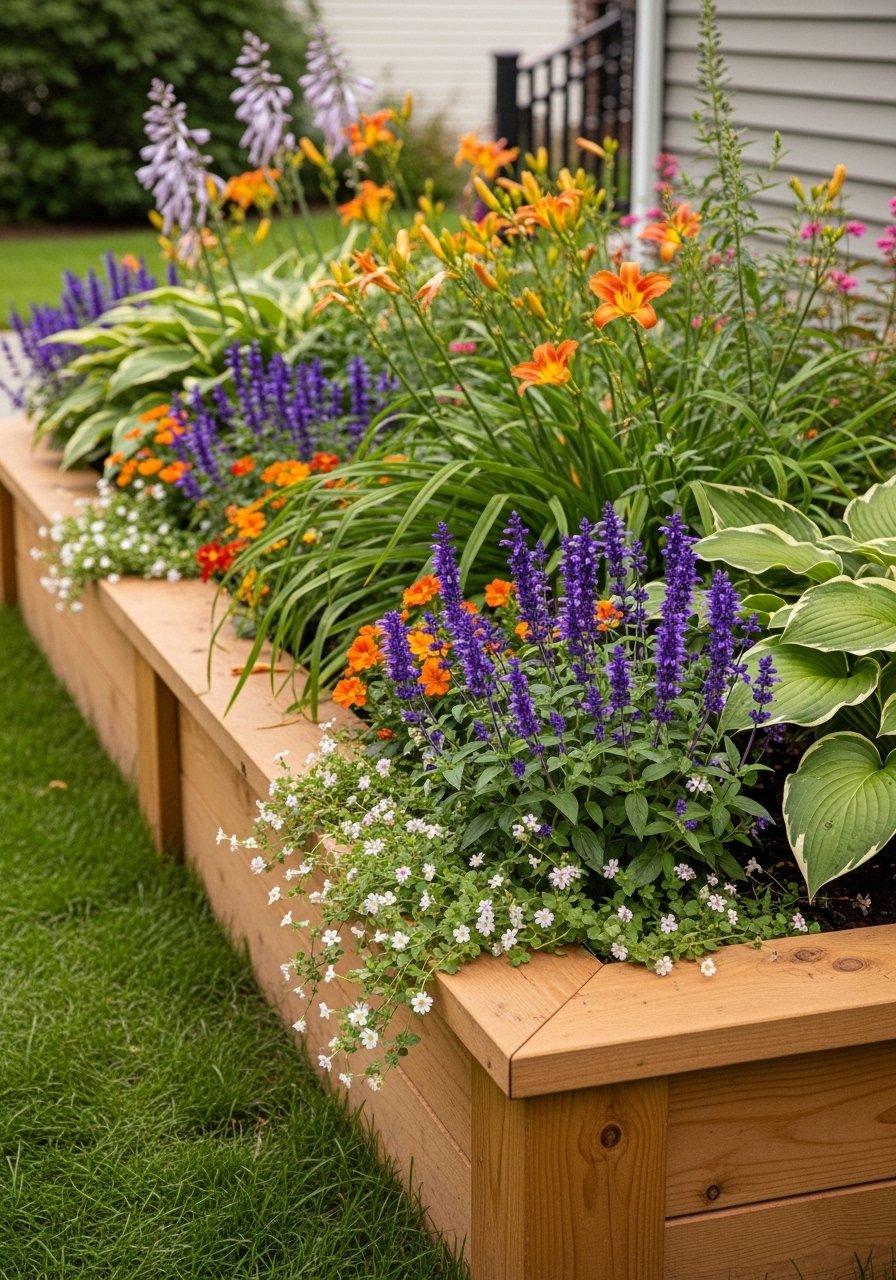
    First year, my border bed looked sparse. Year two, daylilies and hostas exploded. Now it's a soft green wall along the walk.

    Blooms cycle all season—cozy repeat. Hides the foundation.

    Part shade okay. Mulch heavy; weeds hate it.

    Bought wrong salvia once—too tall. Go compact.

    What You’ll Need for This Look

    6. Gravel-Base Bed for Drainage Wins

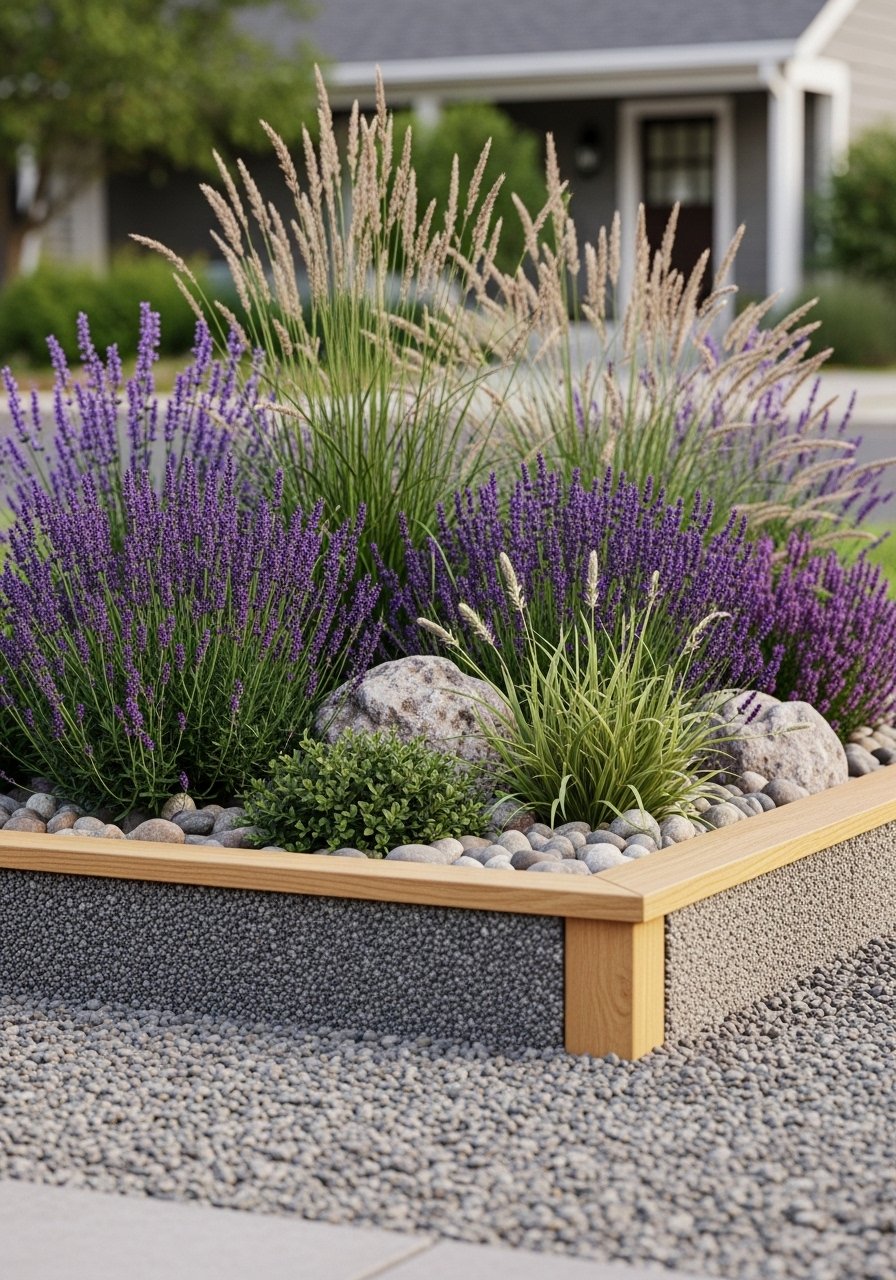
    Wet clay killed my old plants. Raised this bed on gravel—lavender loves it dry. Front yard stays tidy, no puddles.

    Texture from grasses softens gravel. Smells great hot days.

    Elevate 12 inches min. Layer coarse bottom.

    Overpacked gravel once; sift for flow.

    What You’ll Need for This Look

    7. Trellis-Backed Climbing Rose Bed

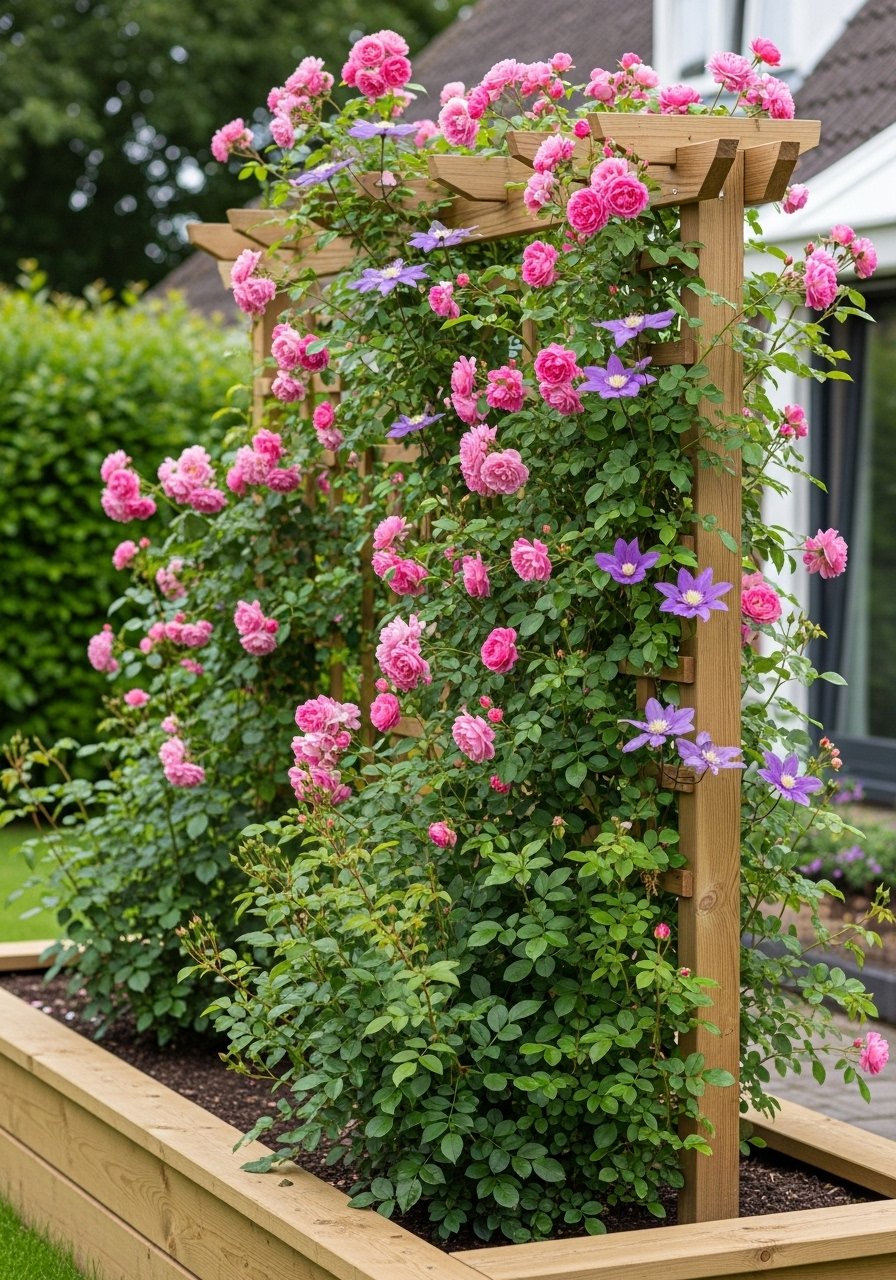
    Naked fence begged for cover. Bed at base with climbing roses and clematis—they grip the trellis fast. Privacy screen now.

    Blooms frame the door sweetly. Scents the entry.

    South exposure. Prune light yearly.

    Roses got powdery mildew—space air flow.

    What You’ll Need for This Look

    8. Color-Blocked Annual Bed for Punch

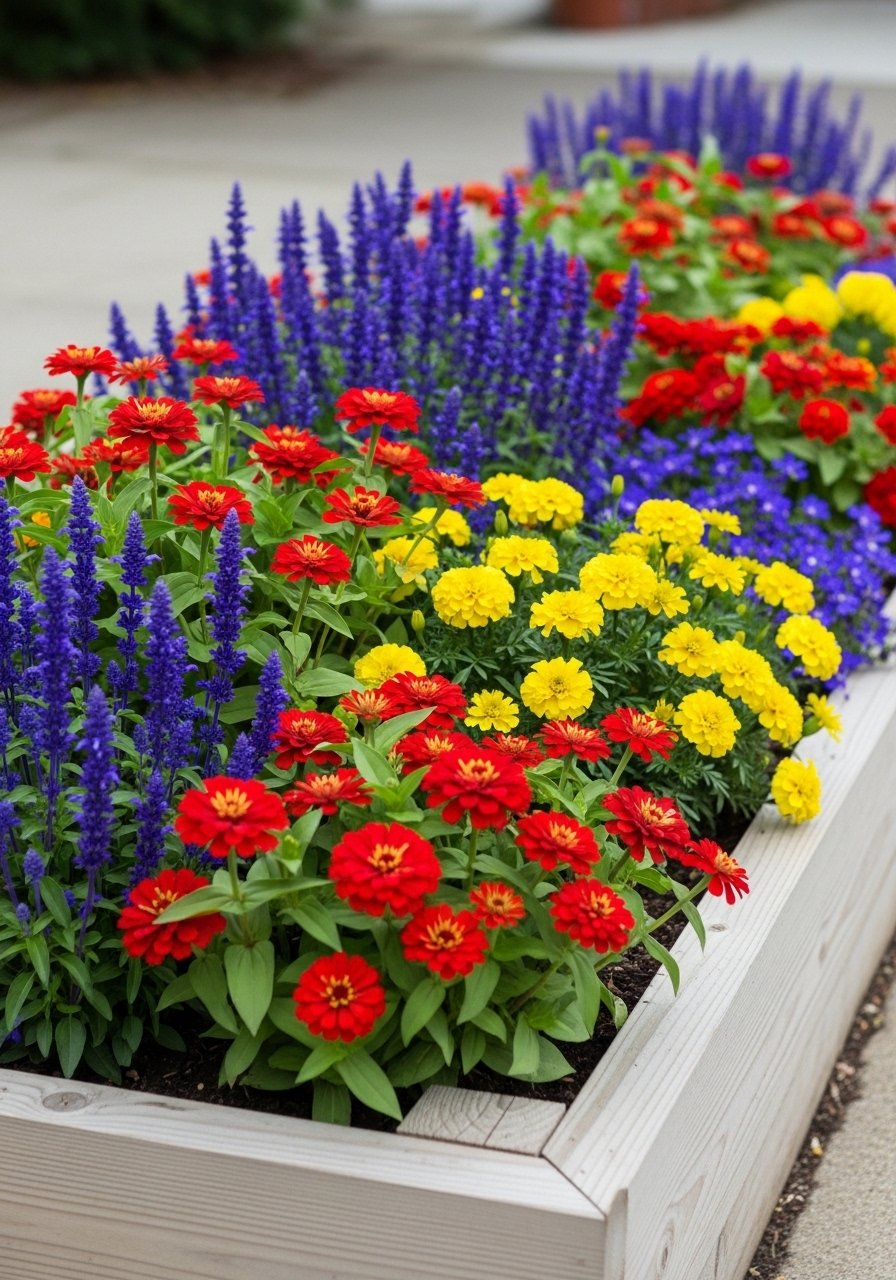
    Boring yard needed pop. Blocked reds, yellows, blues in one bed—zinnias lead. Looks intentional, draws the eye.

    Blocks shift as they grow, stays balanced. Kids love it.

    Full sun. Deadhead weekly.

    Mixed colors wrong once—stick to three.

    What You’ll Need for This Look

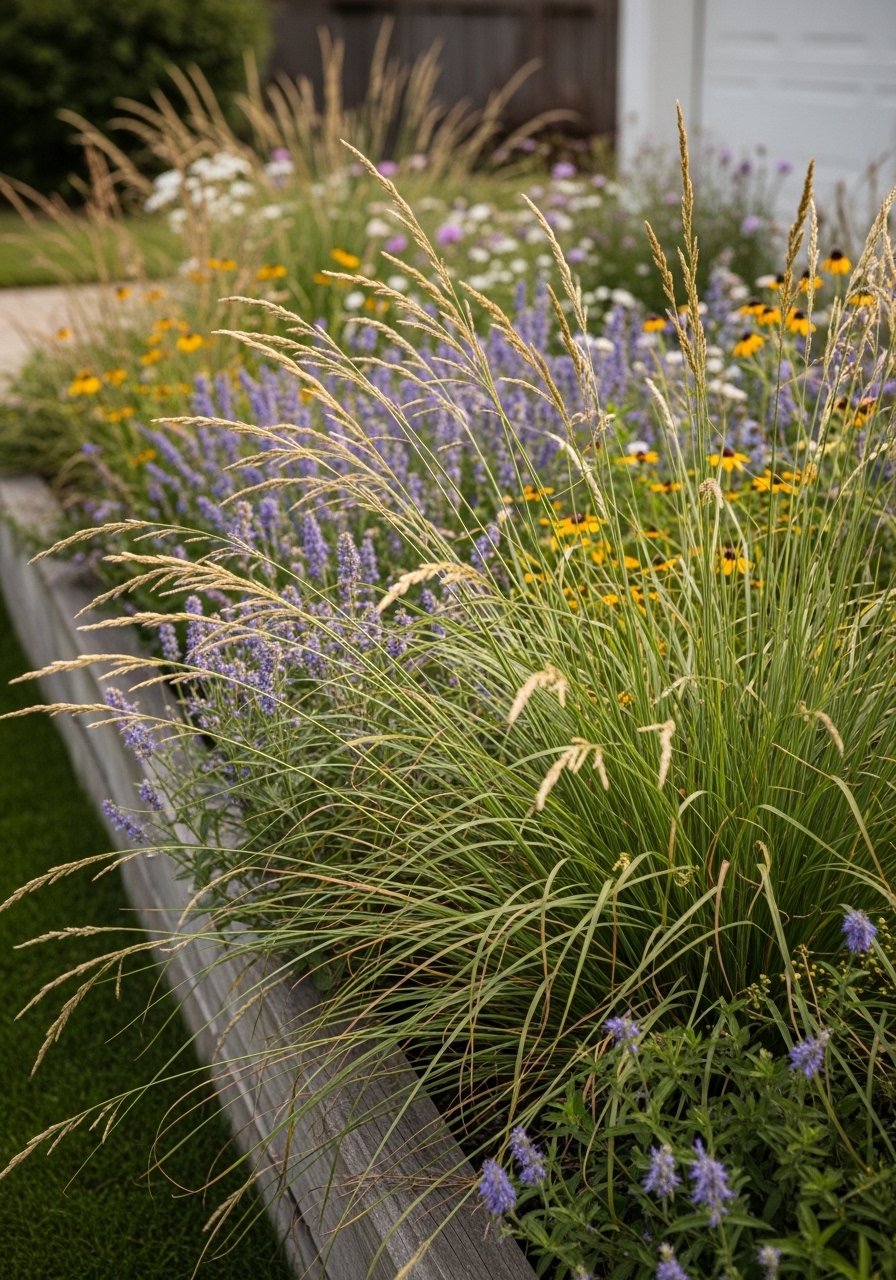
    9. Native Grass Mix for Low-Care Waves

    Tired of mowing. Natives like switchgrass in a long bed—waves in wind. Front feels wild but neat.

    Softens house edges. Butterflies come free.

    Dry soil fine. Cut back spring.

    Planted too wet spot—move to sun.

    What You’ll Need for This Look

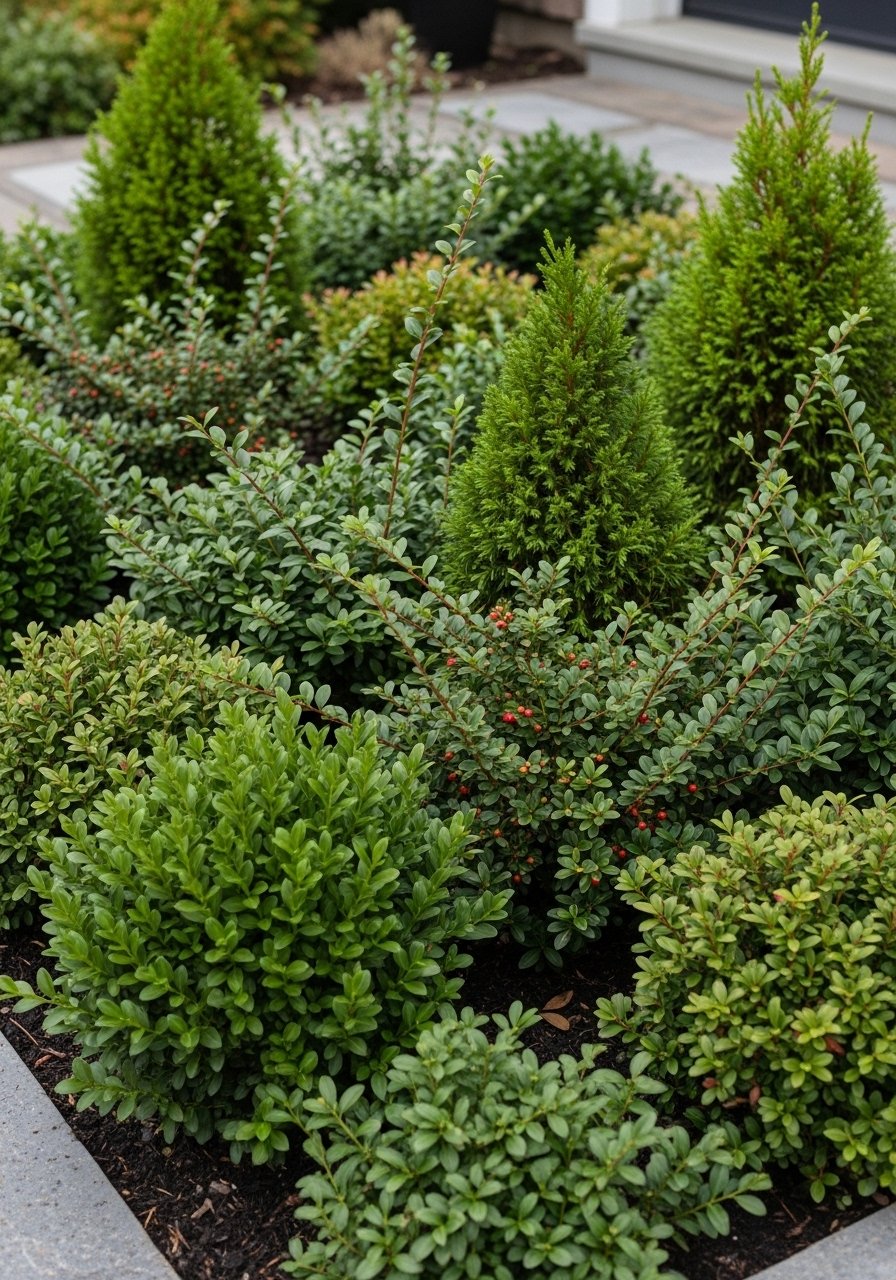
    10. Evergreen Anchor Bed for Winter Green

    Winter bare was depressing. Boxwood and junipers in bed—green year-round. Structure holds when snow falls.

    Low mound frames steps. Berries add red pops.

    Part shade. Shear light.

    Bought big plants—start small saves.

    What You’ll Need for This Look

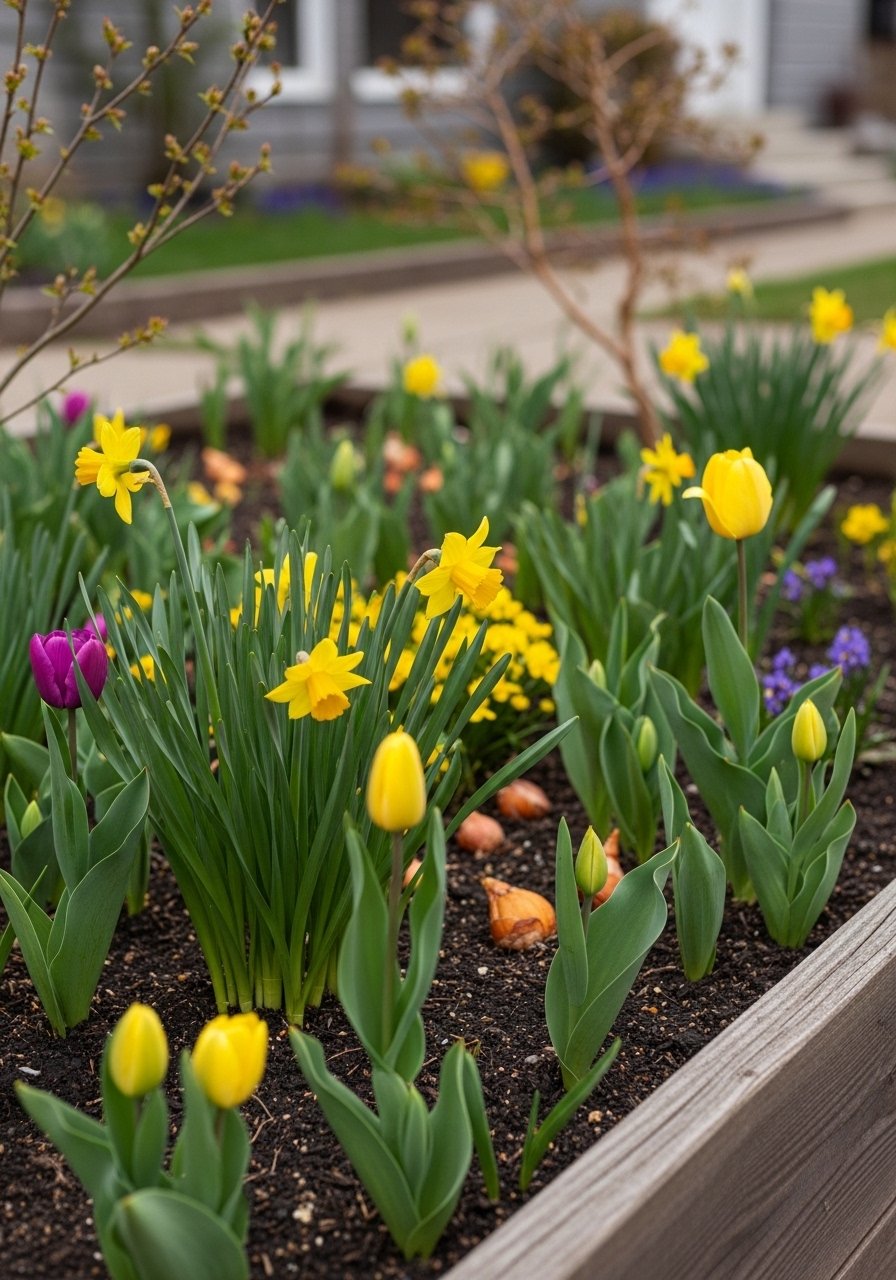
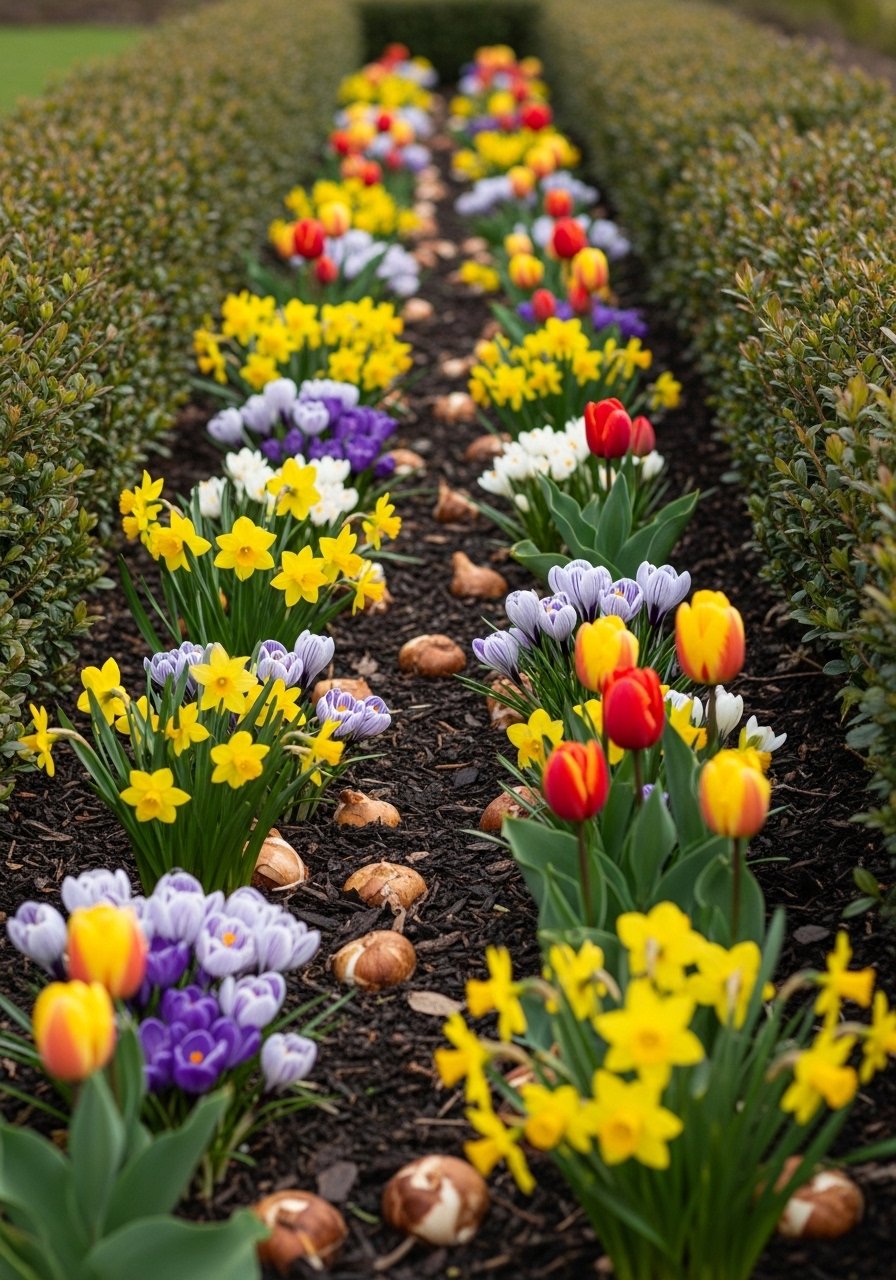
    11. Bulb Rotation Bed for Spring Surprise

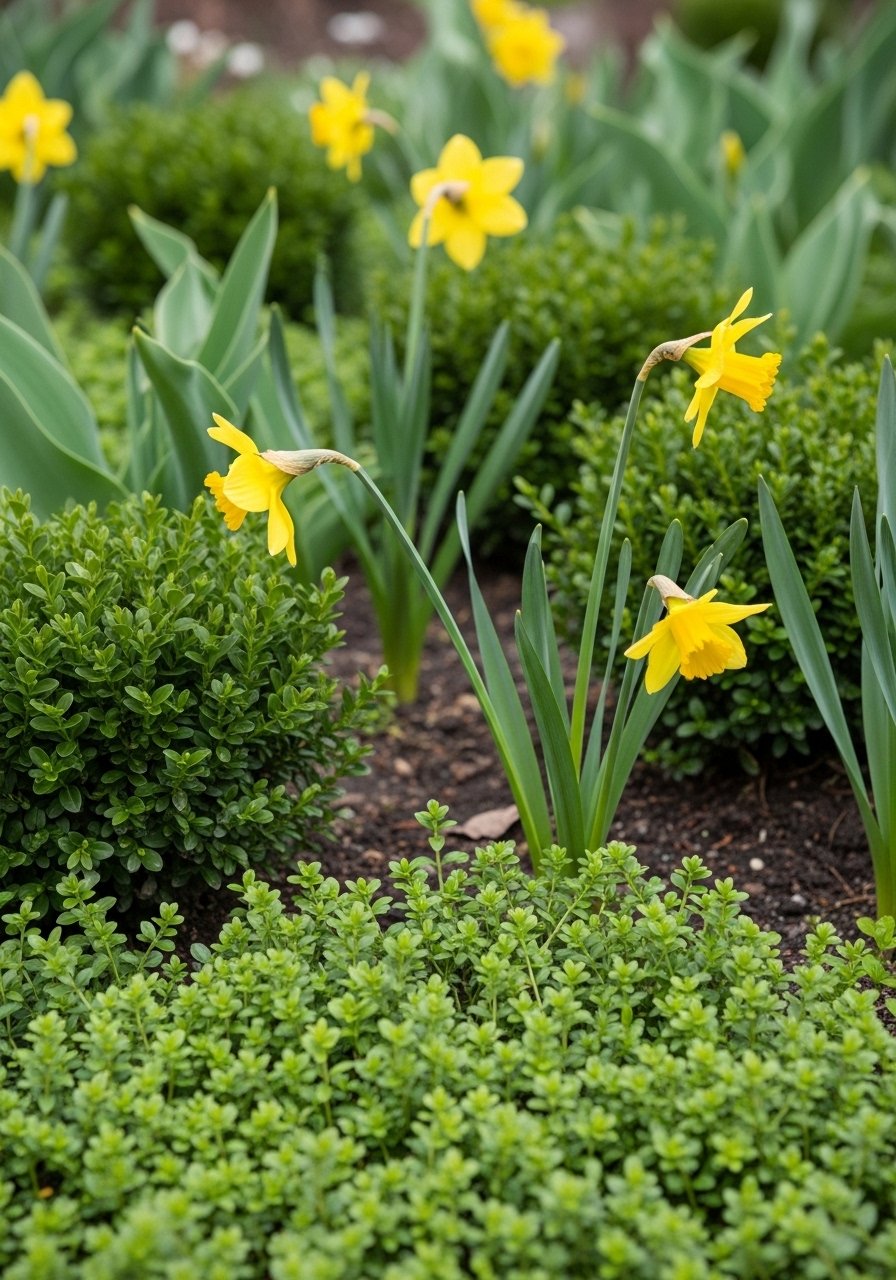
    Bulbs poke up early, then perennials take over. Daffs first, hostas follow. Nonstop green.

    Layers hide fading leaves. Welcomes guests.

    Plant deep. Mark spots.

    Tulips eaten by deer—daffies win.

    What You’ll Need for This Look

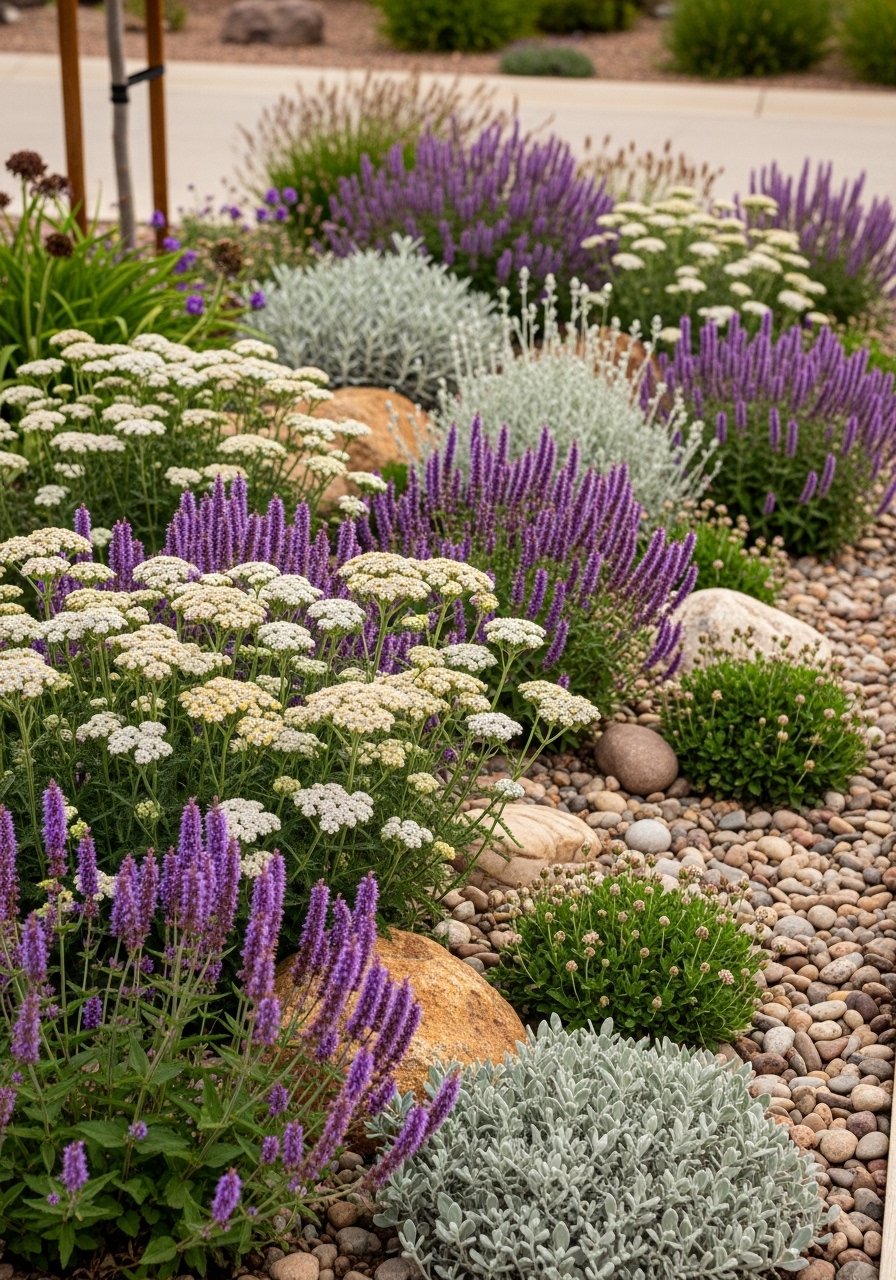
    12. Drought-Tough Xeriscape Bed

    Water bills killed me. Yarrow and agastache sip little—bed stays full. Desert feel, zero stress.

    Blooms hum with bees. Gravel locks moisture.

    Sandy soil mix. No overwater.

    Wrong plants drowned—test dry first.

    What You’ll Need for This Look

    13. Edible Berry Border Bed

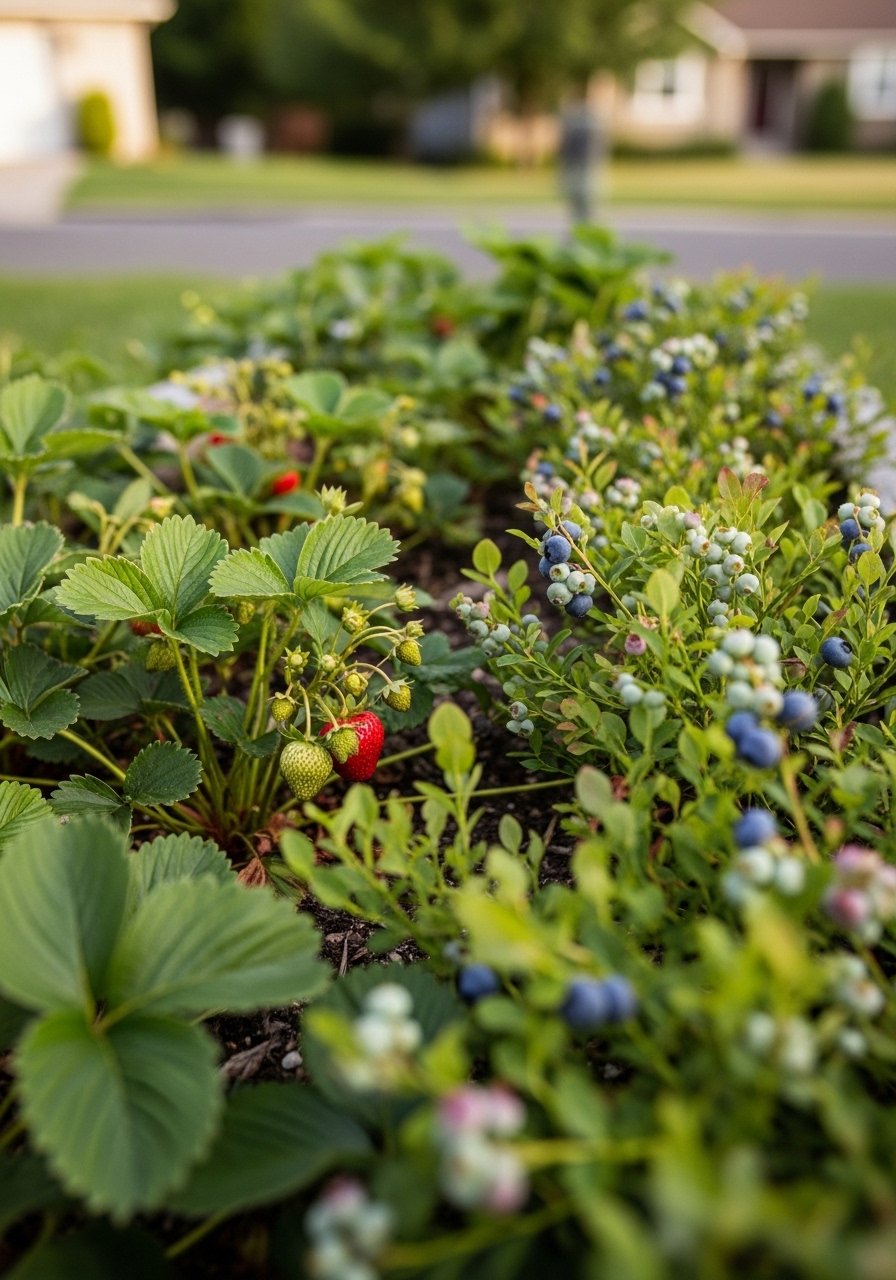
    Berries right by the door—pick for breakfast. Strawberries edge, blueberries back. Sweet curb appeal.

    Low growth tucks neat. Birds share some.

    Acidic soil for blues. Net late summer.

    Strawberries spread wild—contain edges.

    What You’ll Need for This Look

    14. Geometric Modern Bed Layout

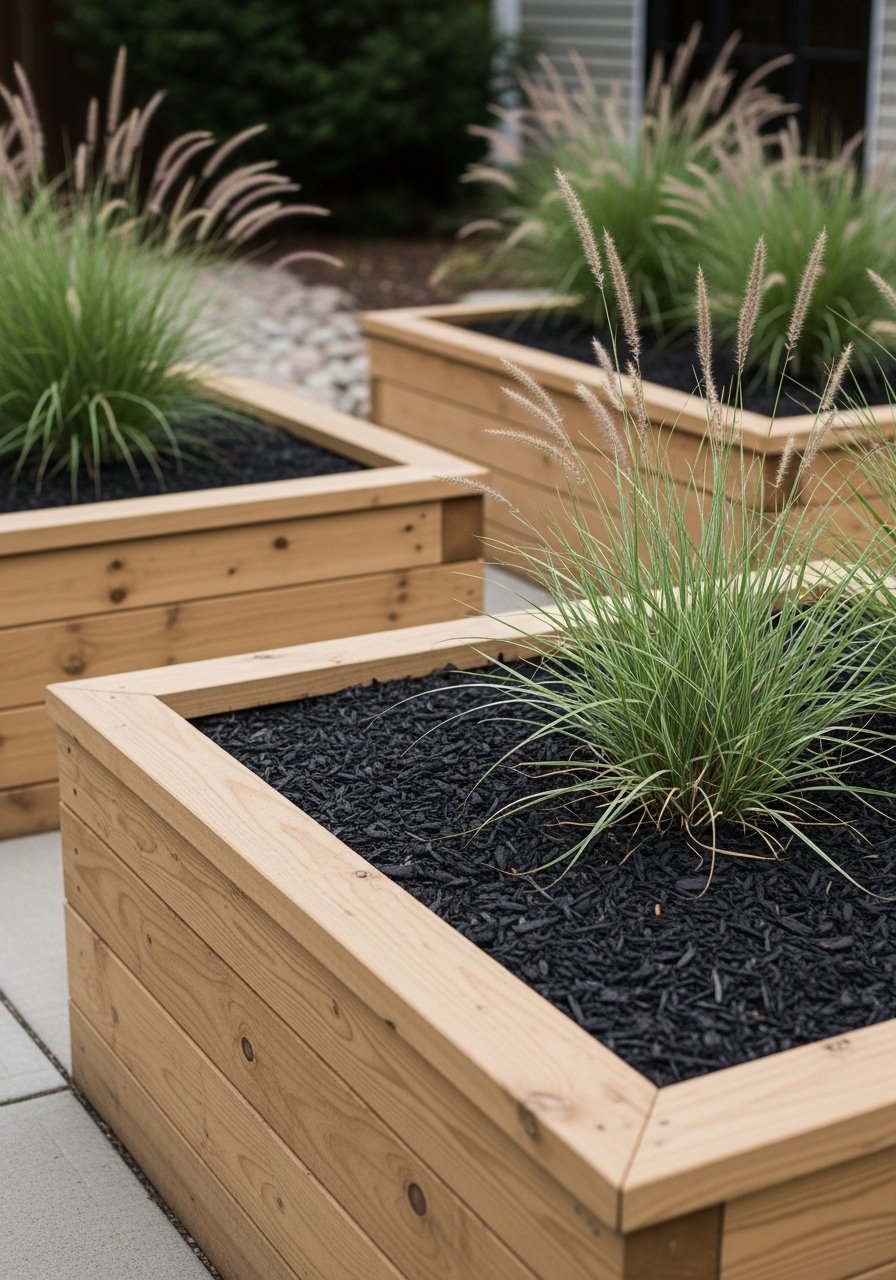
    Straight lines calm my busy yard. Square beds with fescue—modern without cold.

    Grasses sway soft. Scales to space.

    Level ground key. Black mulch pops.

    Overdid symmetry—offset one.

    What You’ll Need for This Look

    15. Cottage Overflow with Trailing Plants

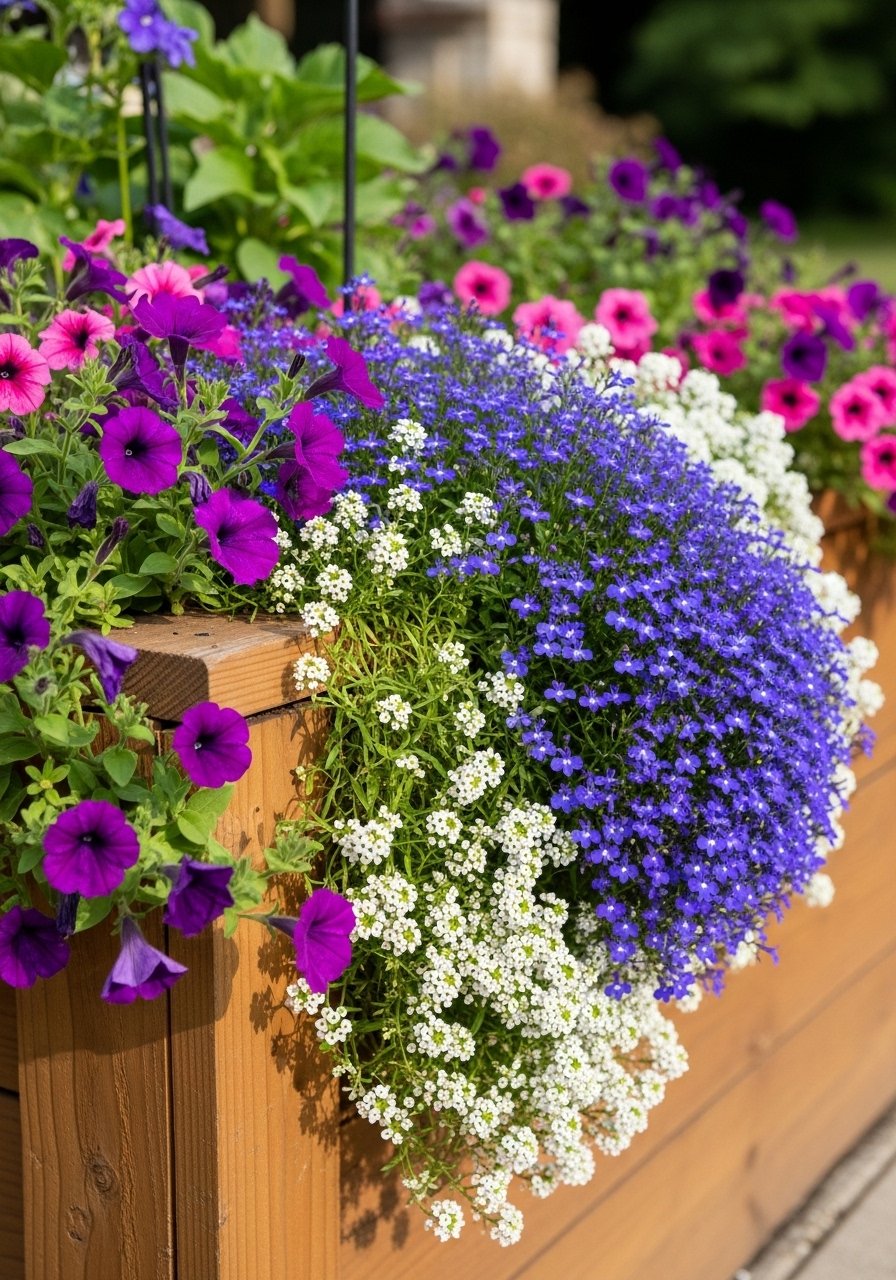
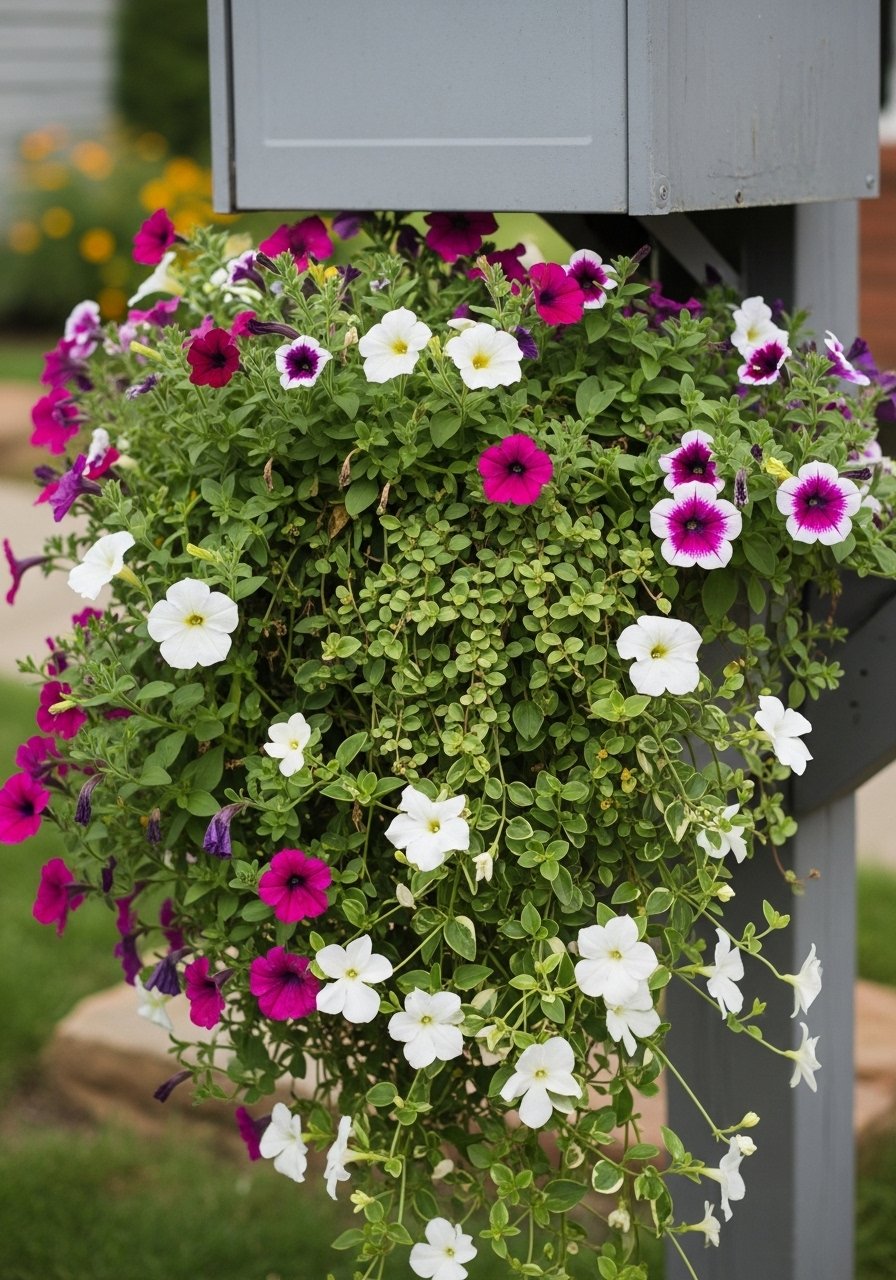
    Wanted that full, spilling look. Petunias trail over edges—cozy cottage vibe.

    Softens steps. Colors blend warm.

    Sun to part. Pinch for bush.

    Planted upright only—add trailers.

    What You’ll Need for This Look

    16. Ornamental Grass Screen Bed

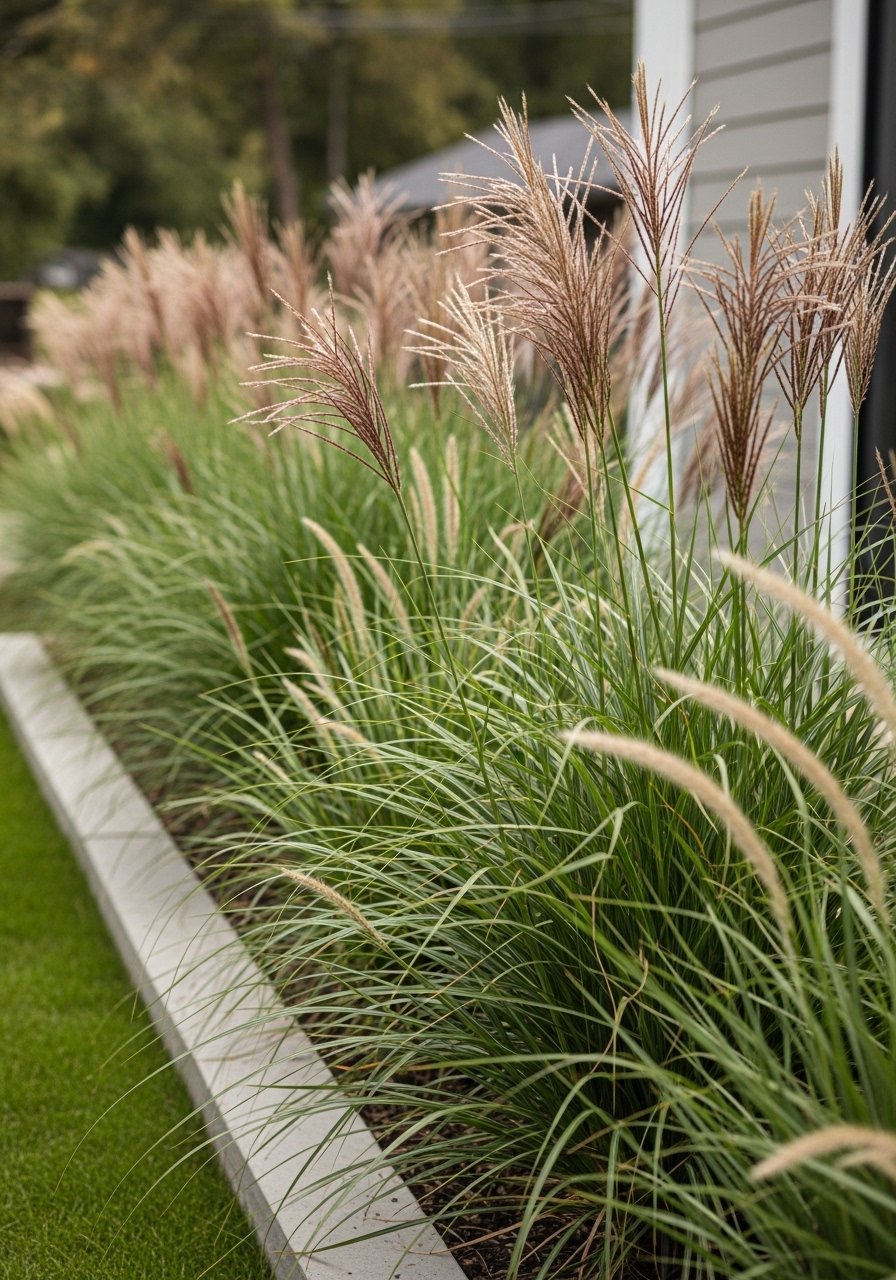
    Street view too close. Tall grasses in bed block it gentle. Privacy with movement.

    Frames house soft. Winter texture holds.

    Back of bed for height. Divide every few years.

    Planted shade—full sun now.

    What You’ll Need for This Look

    17. Bird-Friendly Seed and Feeder Bed

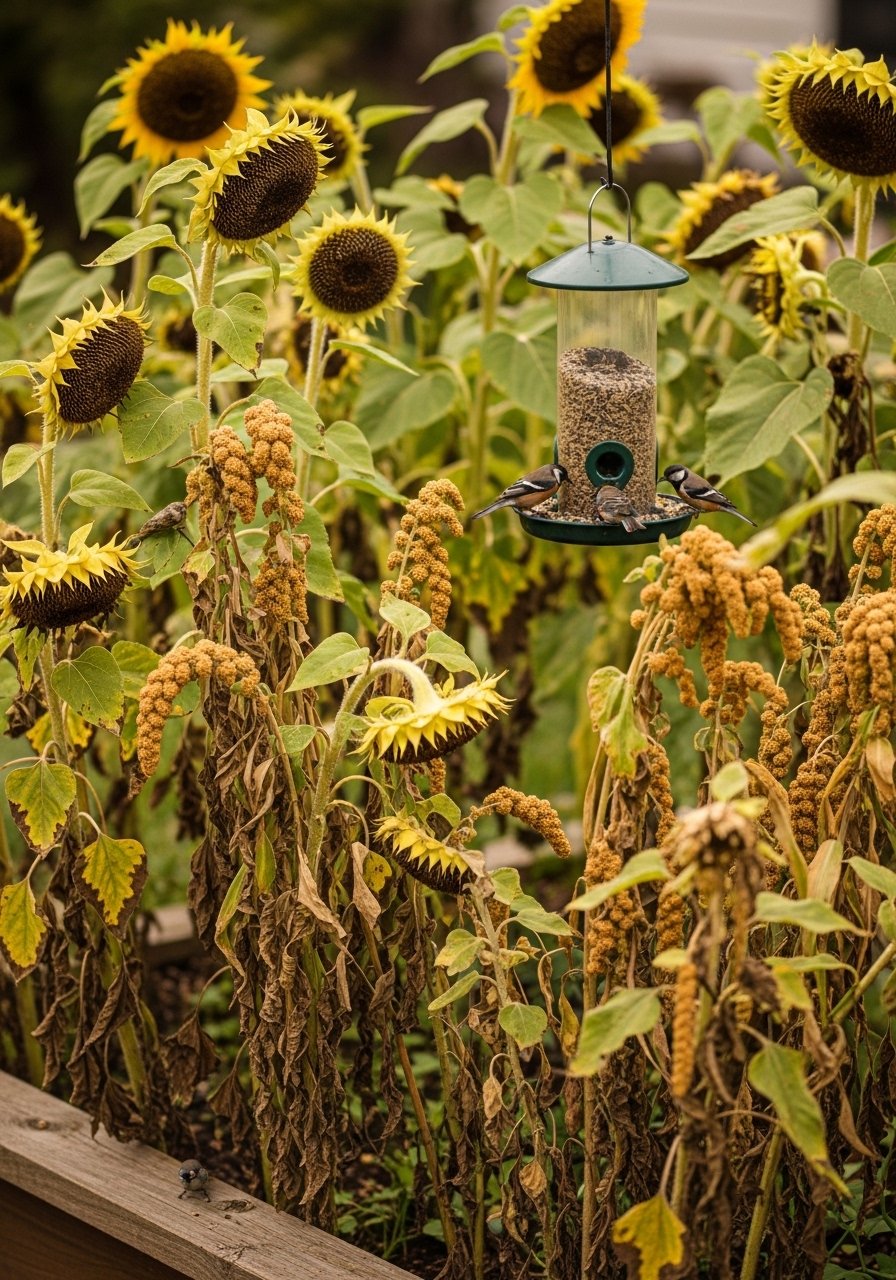
    Birds ignored my yard. Sunflowers and millet draw finches—feeder on post. Songs all morning.

    Heads nod full. Seeds for winter.

    Sun max. Squirrel-proof feeder.

    Overseeded—thin for strength.

    What You’ll Need for This Look

    18. Pathway-Integrated Lining Beds

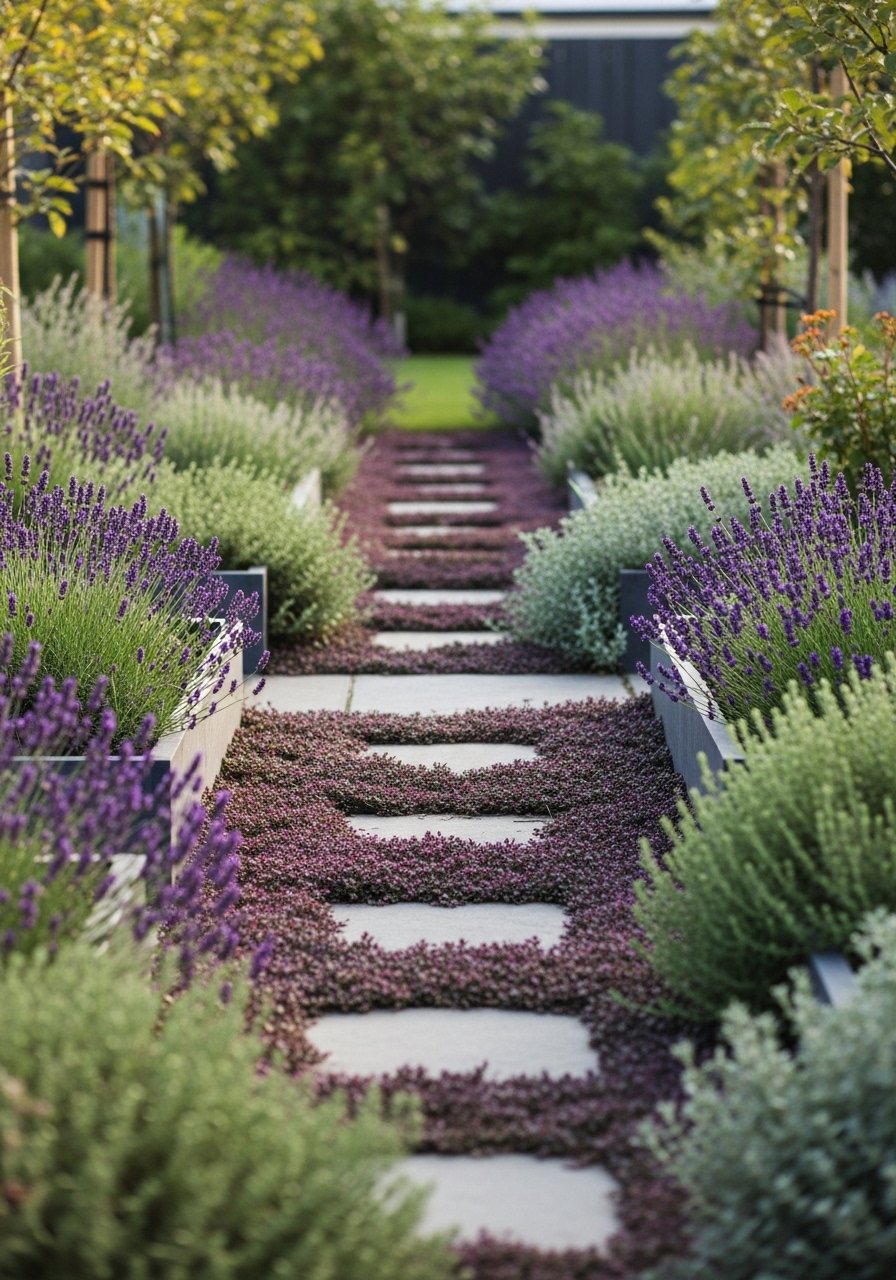
    Path felt lonely. Beds along sides with lavender—guides feet cozy.

    Brushes legs scented. No overgrowth.

    Even spacing. Gravel between.

    Lavender flopped wet—drain good.

    What You’ll Need for This Look

    19. Vertical Pocket Bed for Tight Spots

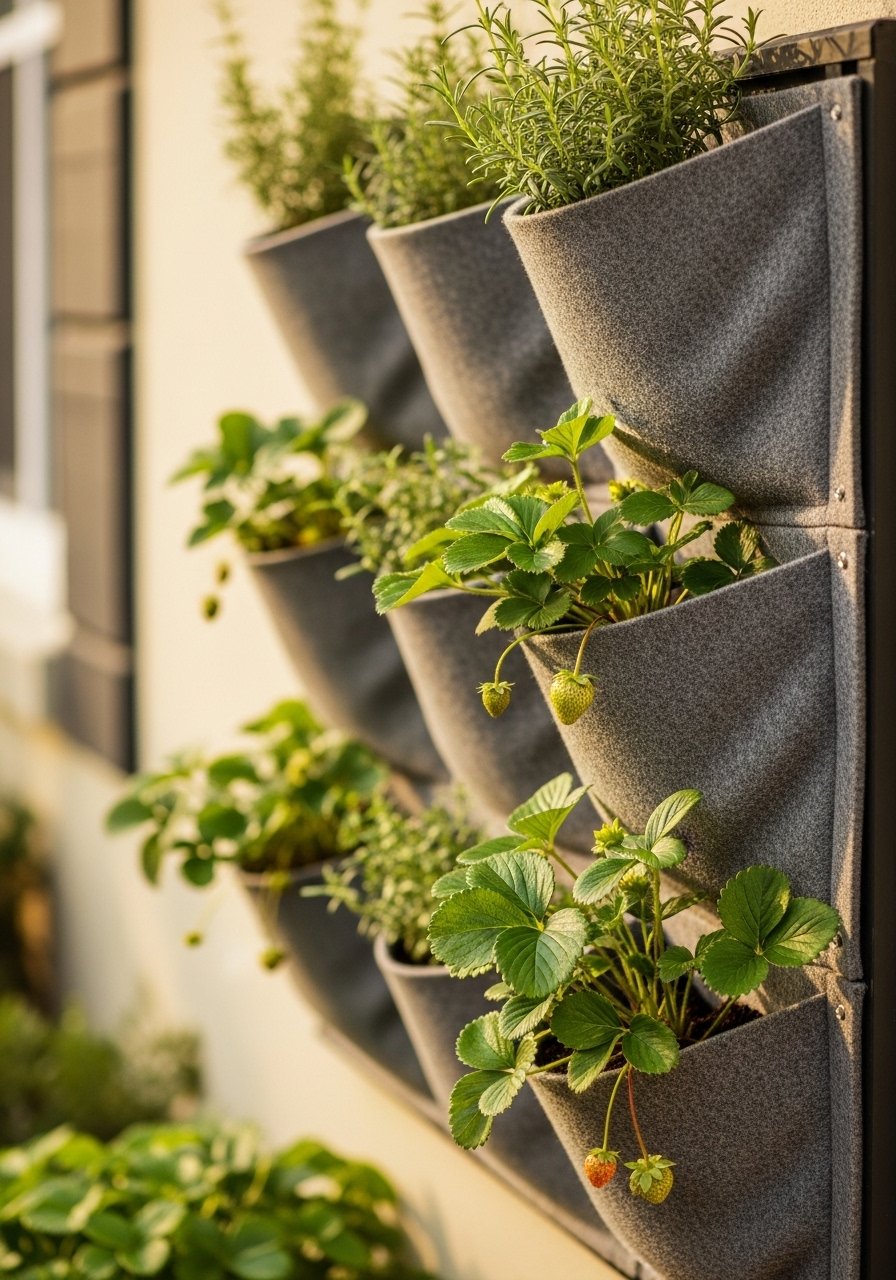
    Wall by door wasted. Pocket bed hangs—strawberries tumble down.

    Adds green without floor space. Harvest easy.

    Morning sun. Water pockets even.

    Soil washed out—line felt.

    What You’ll Need for This Look

    20. Mulch-Dominated No-Dig Bed

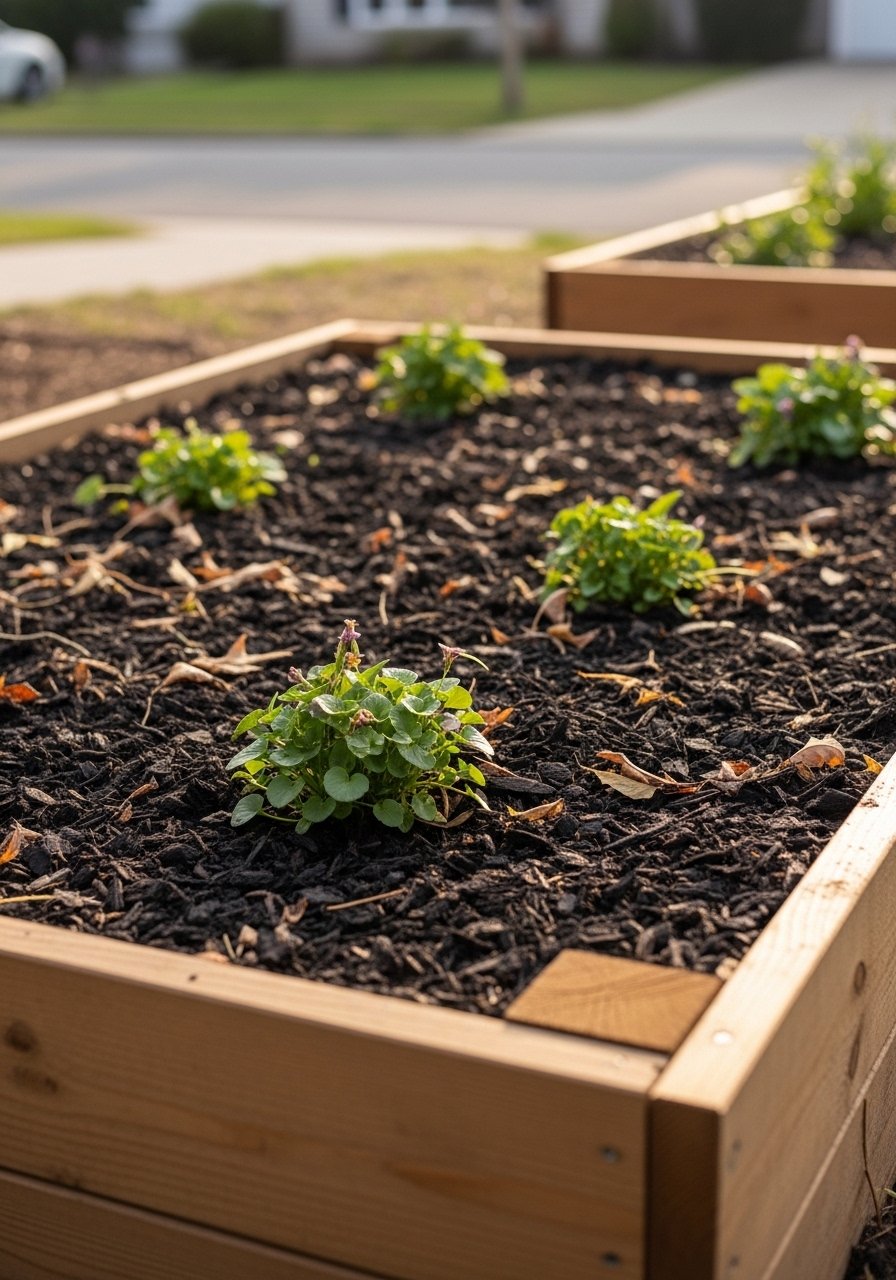
    Lazy win: cardboard base, deep mulch, plant through. Rudbeckia thrives. Less weeding ever.

    Earthy, natural look. Soil builds slow.

    Thick layer key. Refresh yearly.

    Skipped cardboard—weed city.

    What You’ll Need for This Look

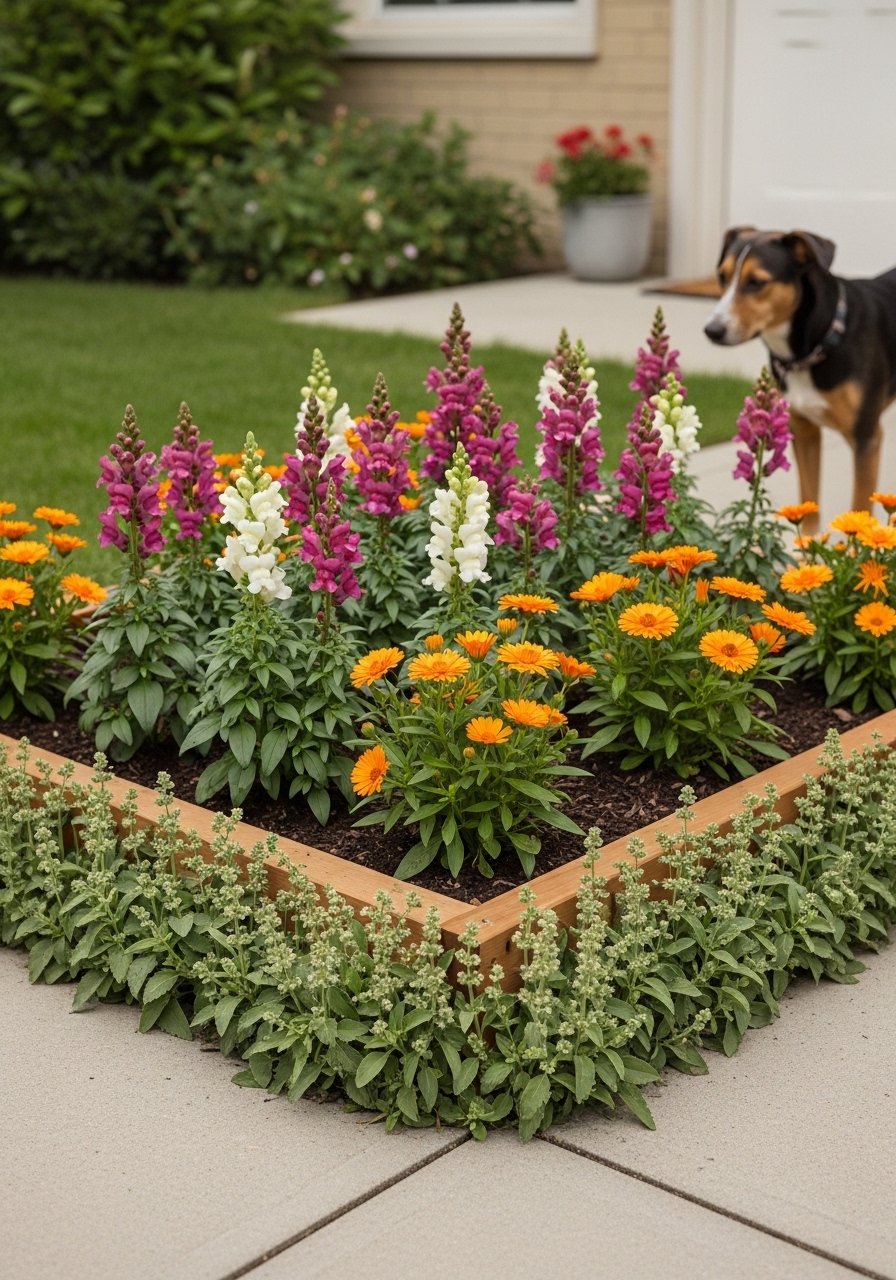
    21. Pet-Safe Low-Toxicity Flower Mix

    Dog chews everything. Safe snaps and calendula—no vet trips. Catnip corner for fun.

    Bright, chew-proof. Family yard now.

    List-safe plants. Fence if needed.

    Wrong flowers sicked pup—check lists.

    What You’ll Need for This Look

    Final Thoughts

    Pick one idea that fits your light and time. My yard's a mix—no perfection needed. Raised beds forgive starts small.

    Watch what grows, tweak next year. You'll feel that pull to step out front more. It works.

  • 7 Front Yard Cottage Garden Ideas You’ll Love

    7 Front Yard Cottage Garden Ideas You’ll Love

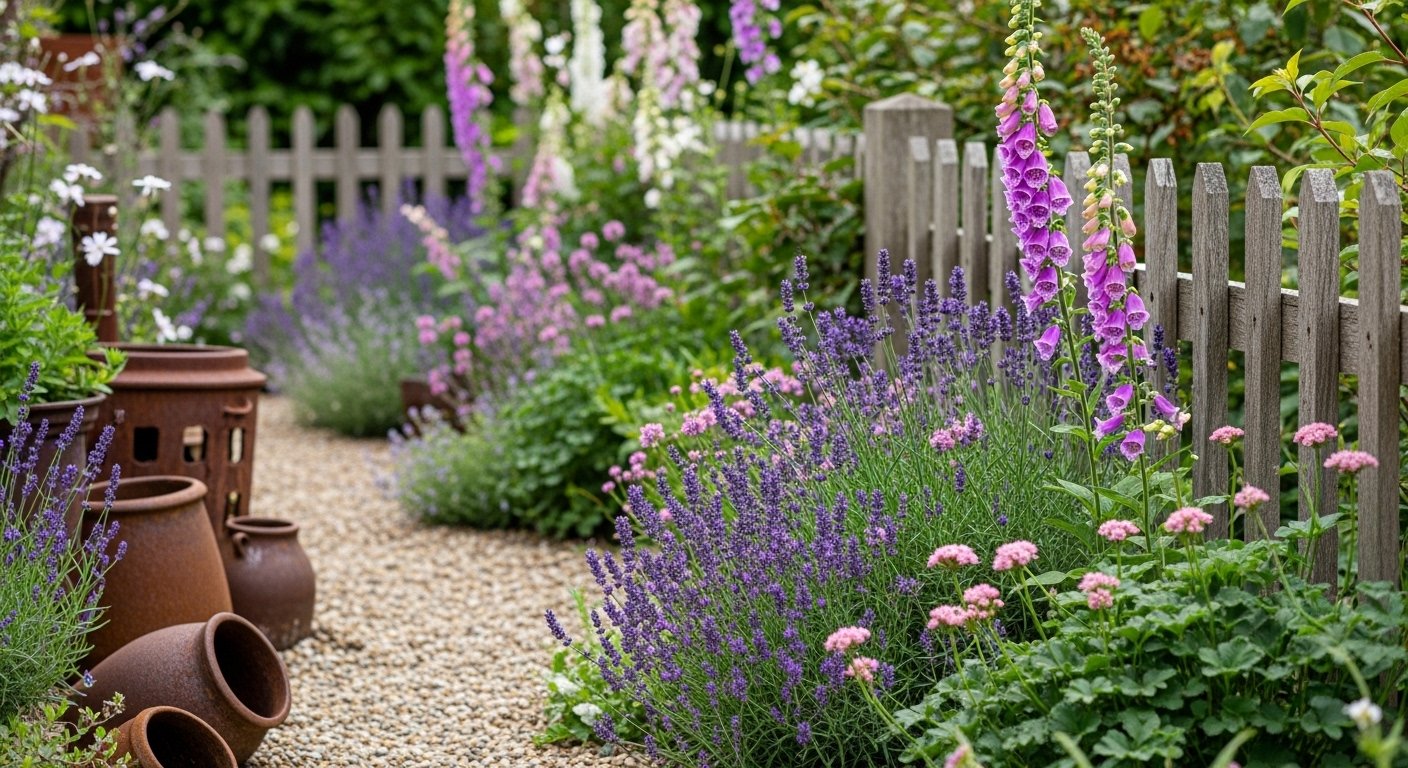
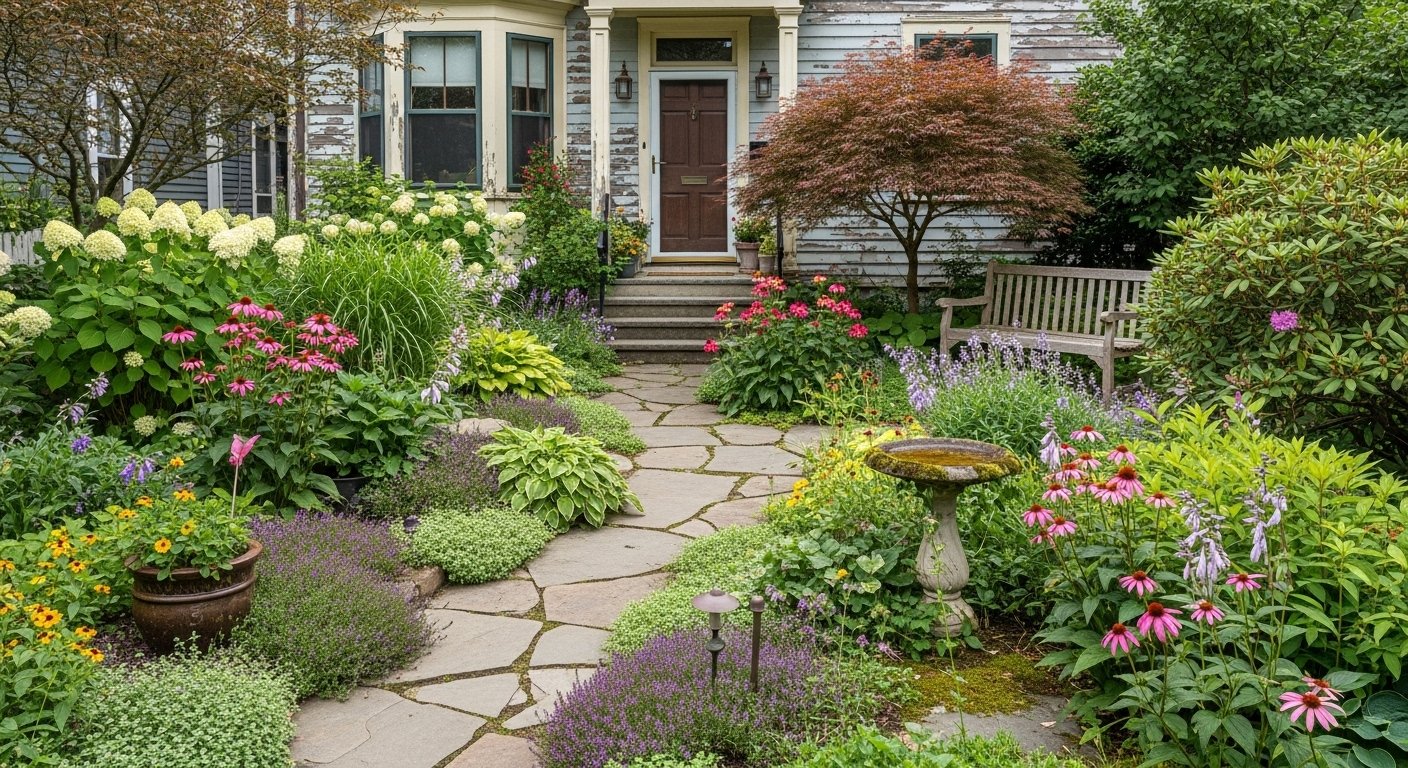
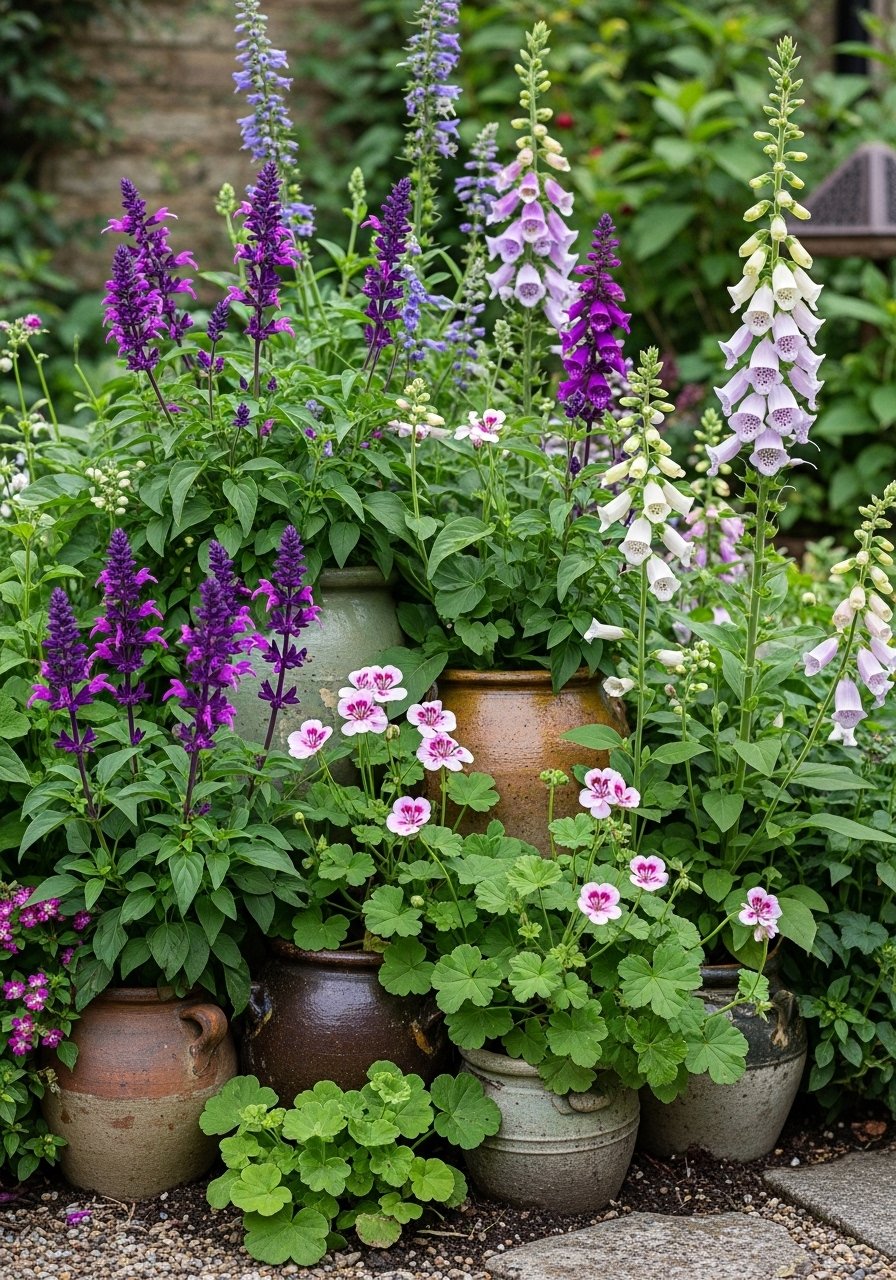
    I remember pulling up to my neighbor's house last summer, that front yard just pulling me in like an old friend. Mine used to be all mowed grass, flat and forgettable. Then I let loose with cottage planting—foxgloves, lavender, pots everywhere. It softened everything, made coming home feel right.

    No big budget. Just layers of what grows easy here.

    Now my curb feels alive, not showy. Yours can too.

    7 Front Yard Cottage Garden Ideas You'll Love

    These 7 front yard cottage garden ideas come straight from my yard trials. They're simple to pull off, forgiving of mistakes. Pick one or mix a couple—you'll see that cozy pull right away.

    1. Tall Foxgloves Leaning into the Porch

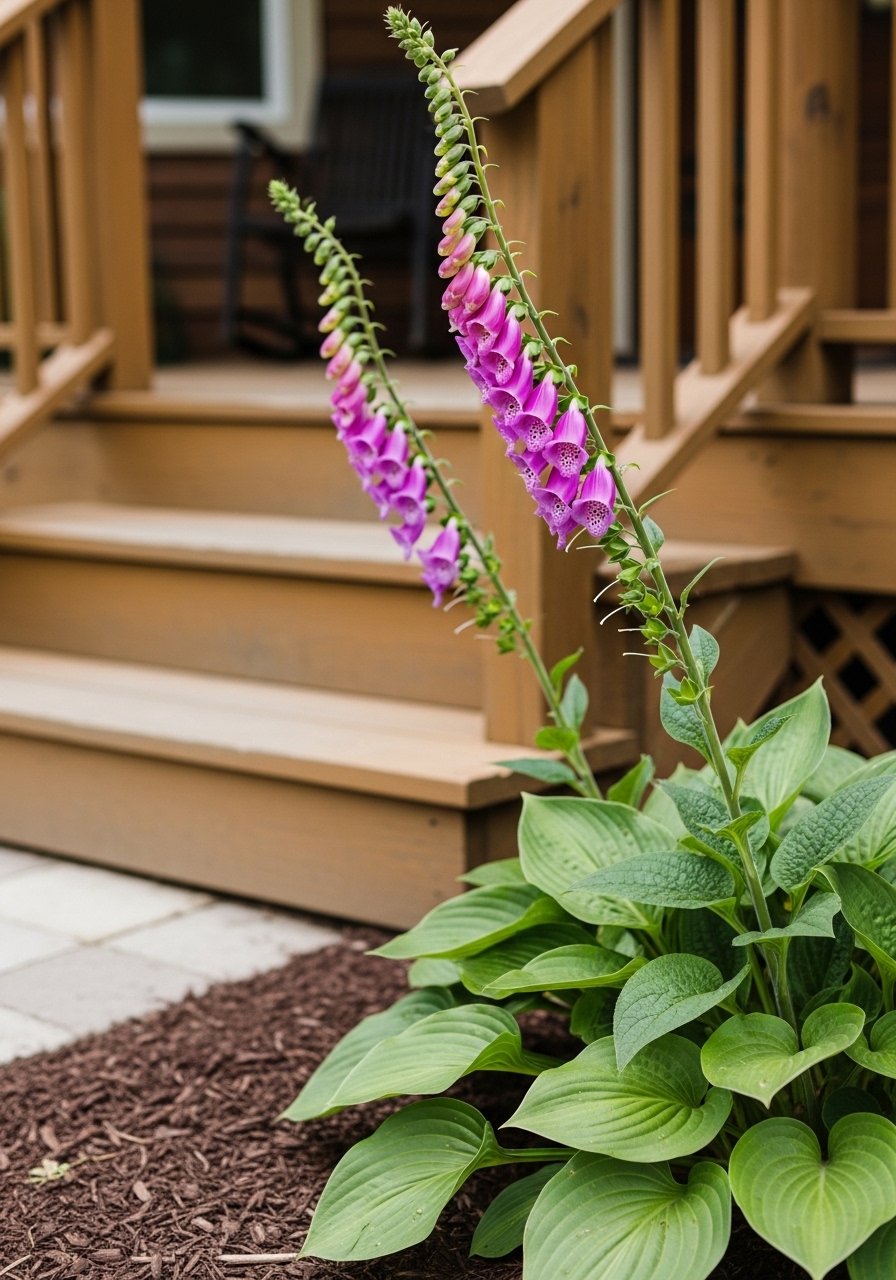
    I planted foxgloves right against my front porch last spring. They shot up tall, those pink towers brushing the railing. It hid the plain siding, drew my eye up instead of across bare wall.

    They self-seed now, filling gaps without work. Hosta at the base catches drips, keeps soil cool.

    Watch the height—they flop in wind if too crowded. Stake early or thin them out.

    One year I overplanted; stems bent bad. Now I space 18 inches, and they stand cozy.

    What You’ll Need for This Look

    2. Lavender Border Along the Walkway

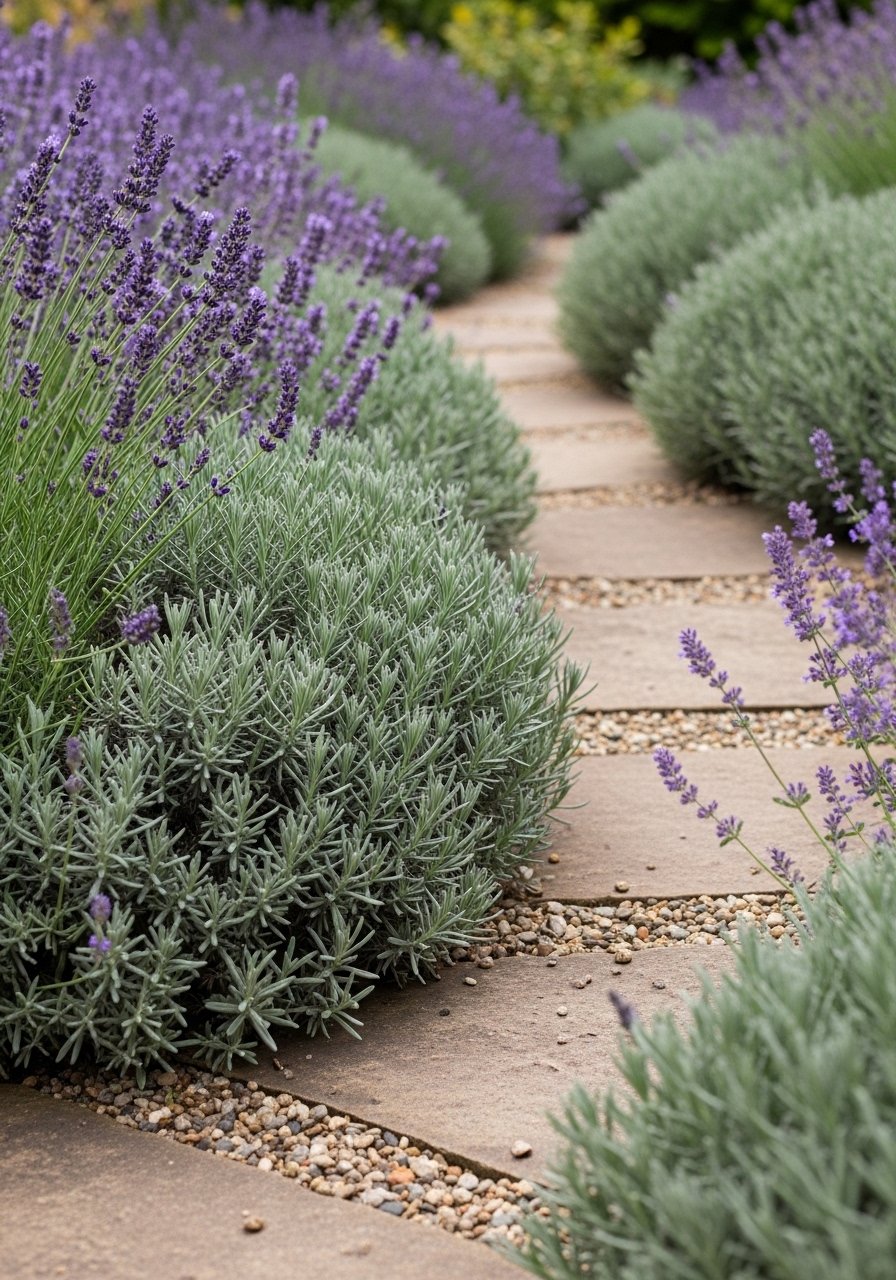
    Lavender lines my walkway now, those silver bushes brushing my jeans as I head in. Started with six plants; they doubled in a season, scent hitting at the gate.

    It softens the hard path edges, pulls bees close for that hum of life. Catmint next to it blooms longer, no fuss.

    They hate wet feet—mine drowned first try in clay soil. Dig in grit, mound up.

    Feels like stepping into calm every time.

    What You’ll Need for This Look

    3. Mismatched Pots on Steps

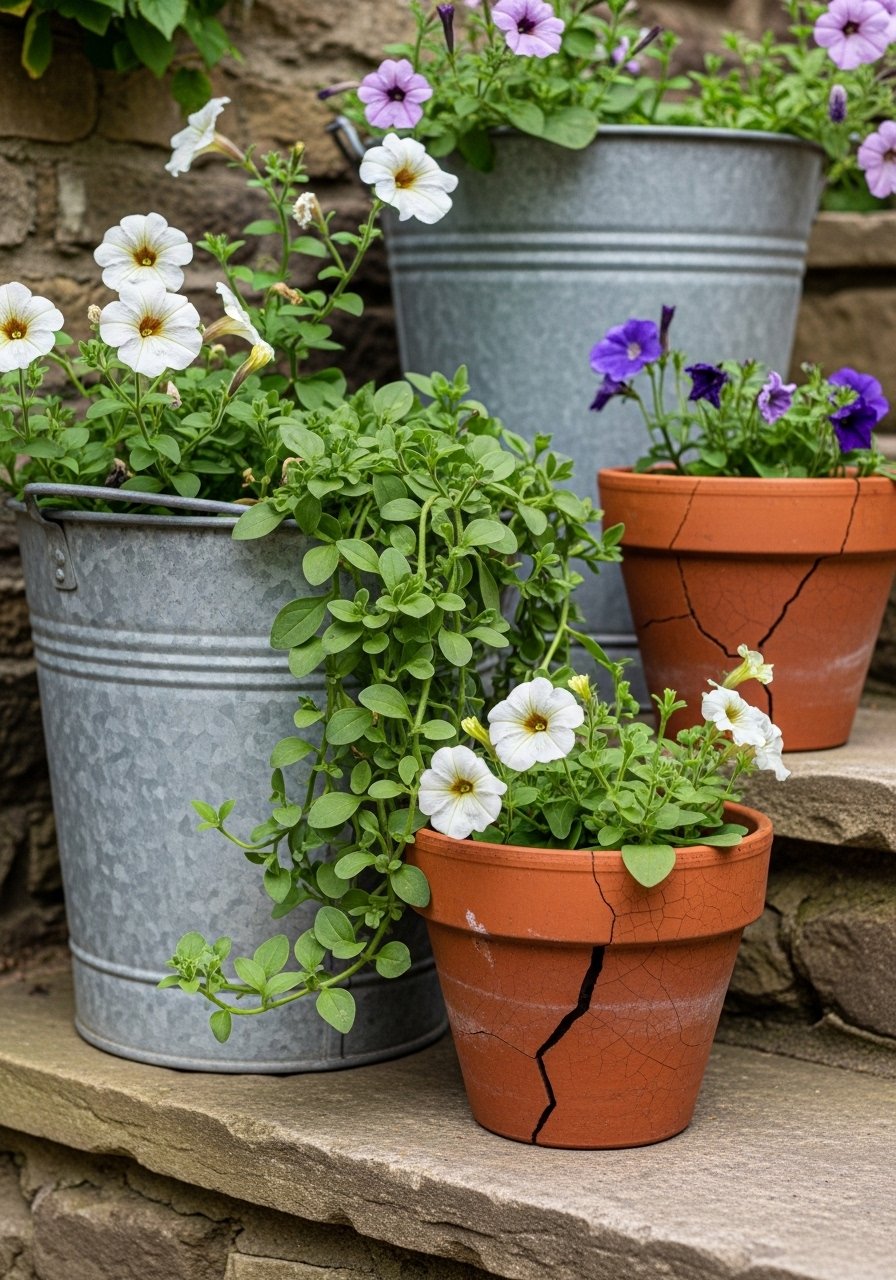
    I gathered old pots for my steps—zinc buckets, chipped terracotta. Stuffed with petunias and lobelia, they tumble down like they've always been there.

    Fills empty risers, makes the walk inviting. Colors pop against stone without overwhelming.

    Petunias wilt fast in heat; I learned to deadhead daily. Water from bottom to toughen stems.

    No matching needed. Grab what you have; it looks right.

    What You’ll Need for This Look

    4. Climbing Roses on a Fence Corner

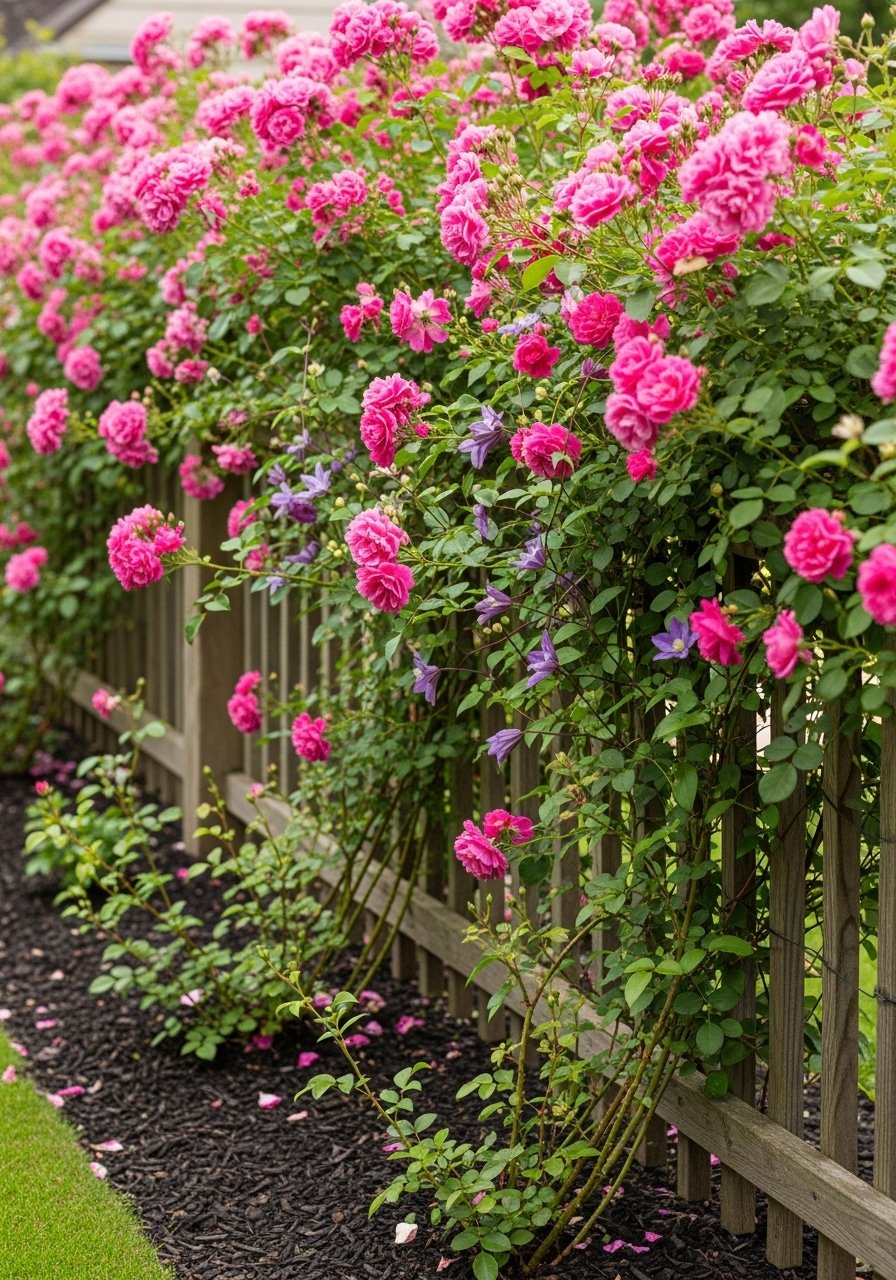
    Roses climb my side fence now, that 'New Dawn' pink washing over boards. Tied loose at first; now they hug it, blooming months.

    Softens the fence line, frames the yard edge. Clematis weaves in for extra cover.

    Prune wrong once—bushy mess. Cut back hard in dormancy, train laterals.

    Walk by, smell hits gentle.

    What You’ll Need for This Look

    5. Wheelbarrow Herb Patch by the Door

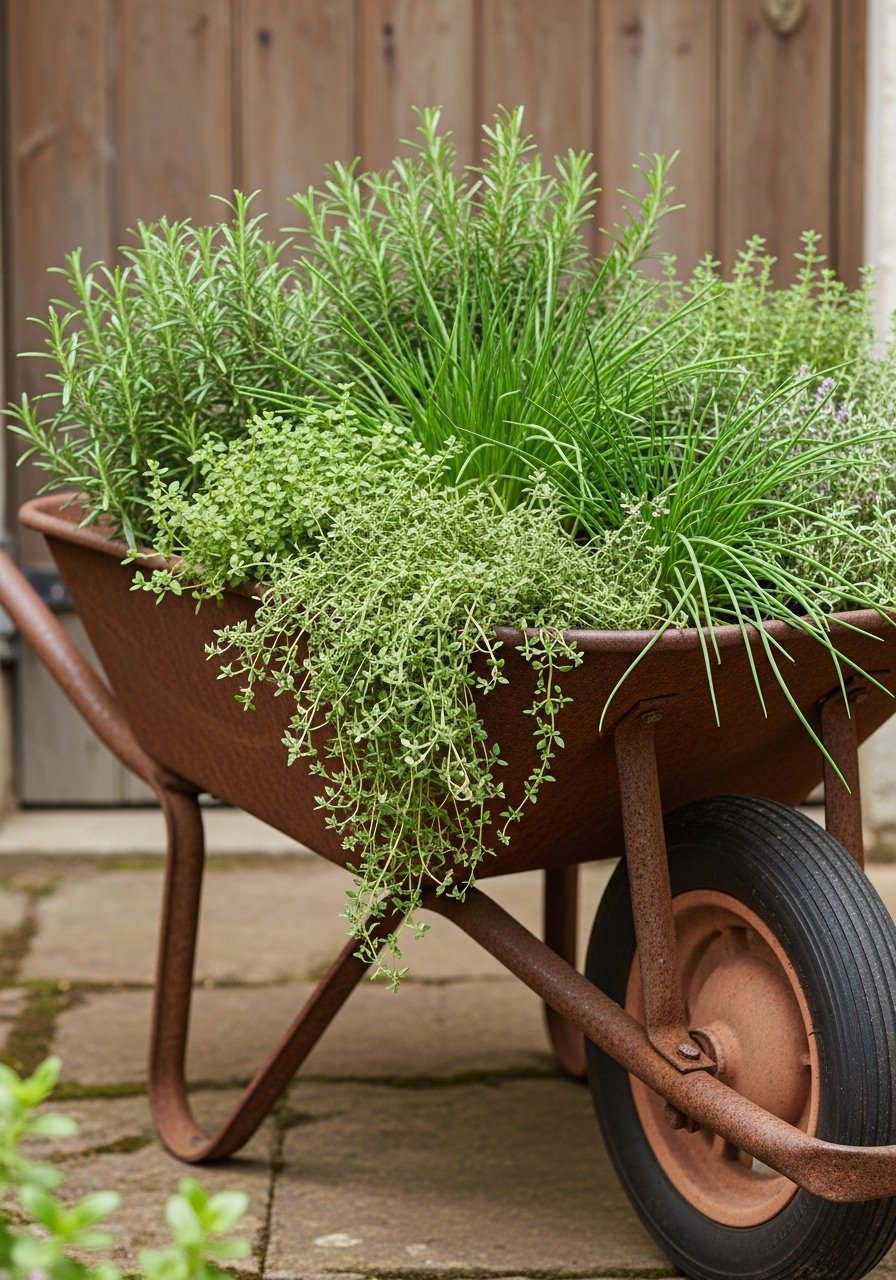
    Old wheelbarrow by my door holds rosemary, thyme, chives. Herbs mound up, easy grab for cooking.

    Ties porch to garden, green right at hand. No digging needed.

    Overwatered rosemary first—roots rotted. Now I let dry between.

    Feels useful, not fussy.

    What You’ll Need for This Look

    6. Bee Balm Meadow Strip

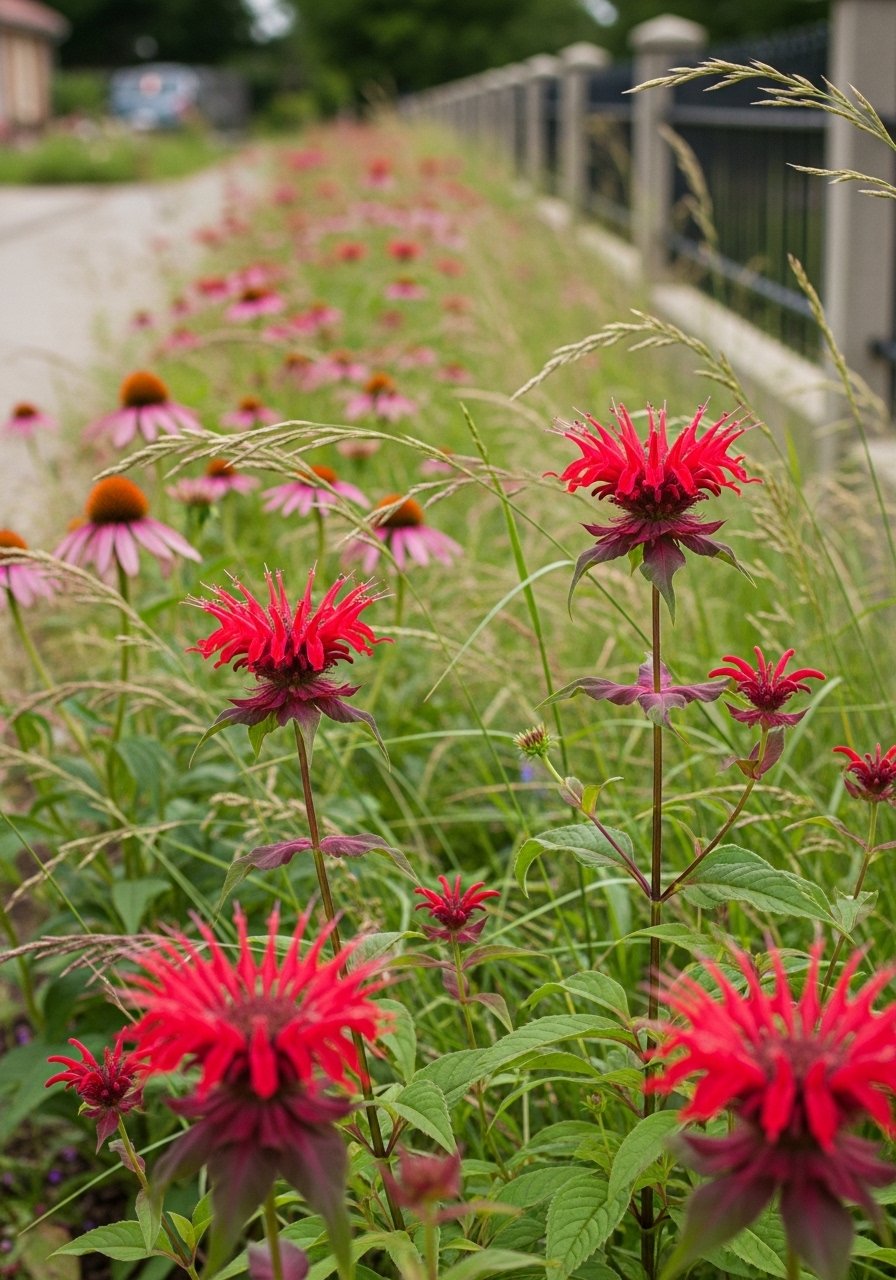
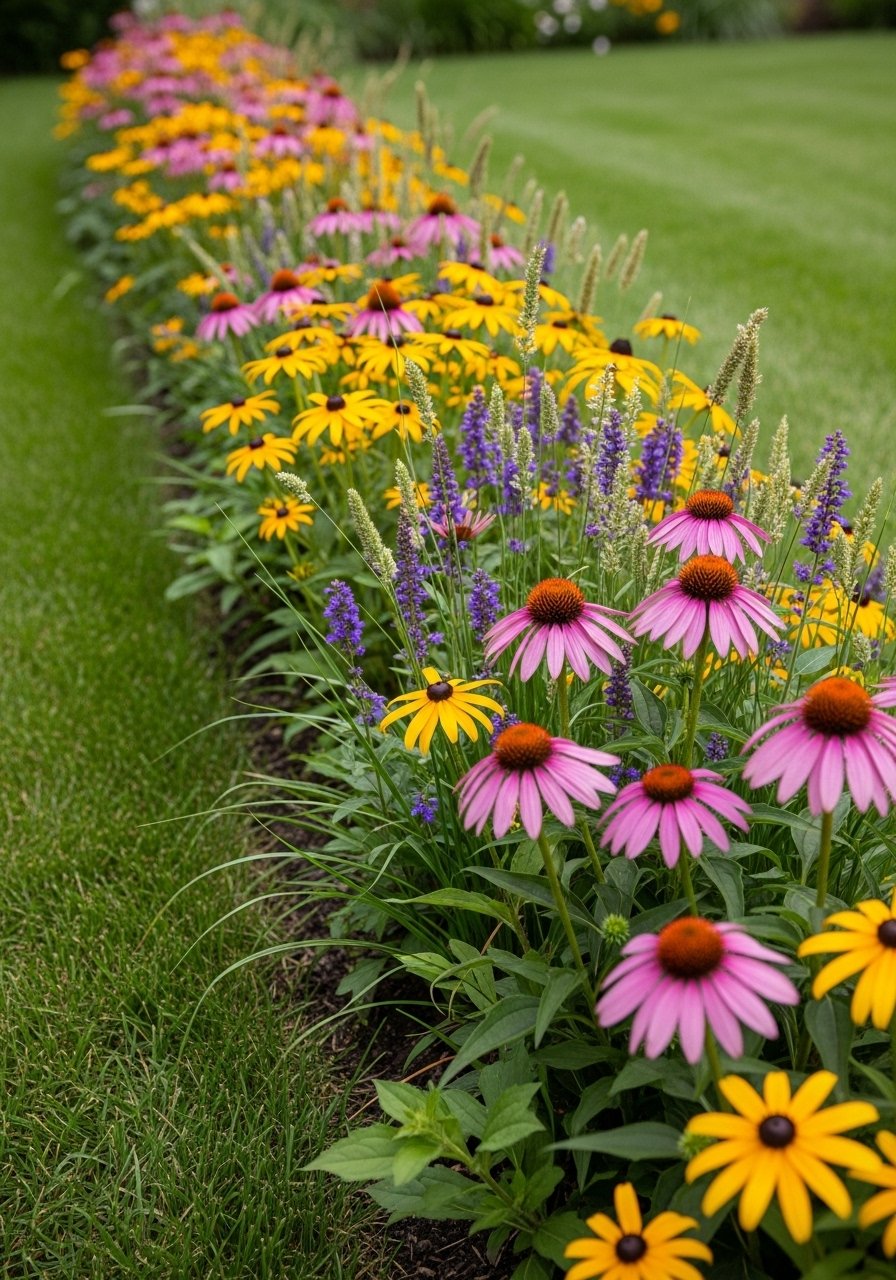
    Bee balm runs along my front strip, red heads nodding with echinacea. Butterflies flock; it buzzes soft.

    Fills skinny space, no mowing. Spreads slow, stays tidy.

    Powdery mildew hit once—too shady. Full sun now, air flow key.

    That wild edge welcomes you home.

    What You’ll Need for This Look

    7. Solar Lanterns Among Hostas

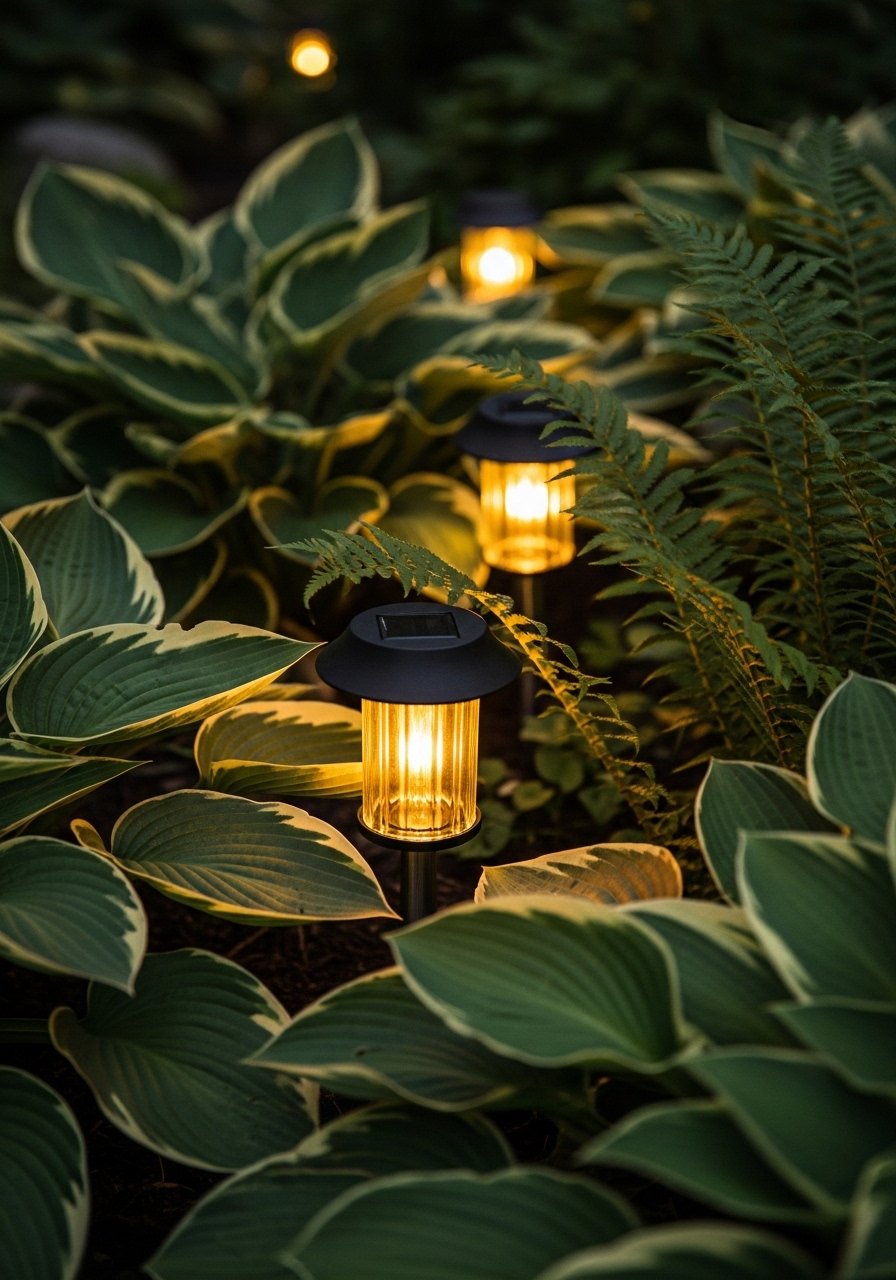
    Hostas edge my path, lanterns tucked in leaves. Lights up soft at dusk, guides without glare.

    Adds night warmth, hostas shade roots cool. Ferns fill between.

    Lanterns tipped in rain first—stake bases. Now steady.

    Porch glow feels like company.

    What You’ll Need for This Look

    Final Thoughts

    Start with one idea that fits your spot. My yard built slow—foxgloves first, then layers.

    No need for all seven. Watch what grows, tweak as it goes.

    You'll have that pull at the curb soon. Dirt under nails, worth it.

  • How to Decor Front Yard Garden

    How to Decor Front Yard Garden

    I stood in my front yard last spring, staring at the empty patches by the walkway. It felt flat, like it didn't welcome anyone home. I'd planted grass, but it just sat there, doing nothing.

    Neighbors' yards had that pull—you wanted to linger. Mine? You hurried past.

    I wanted simple warmth, nothing fussy. Turns out, it's about a few right placements.

    How to Decor Front Yard Garden

    This shows you how I make a front yard feel balanced and lived-in. You'll end up with a space that draws the eye gently, without constant work.

    What You’ll Need

    Step 1: Clear and Frame the Edges

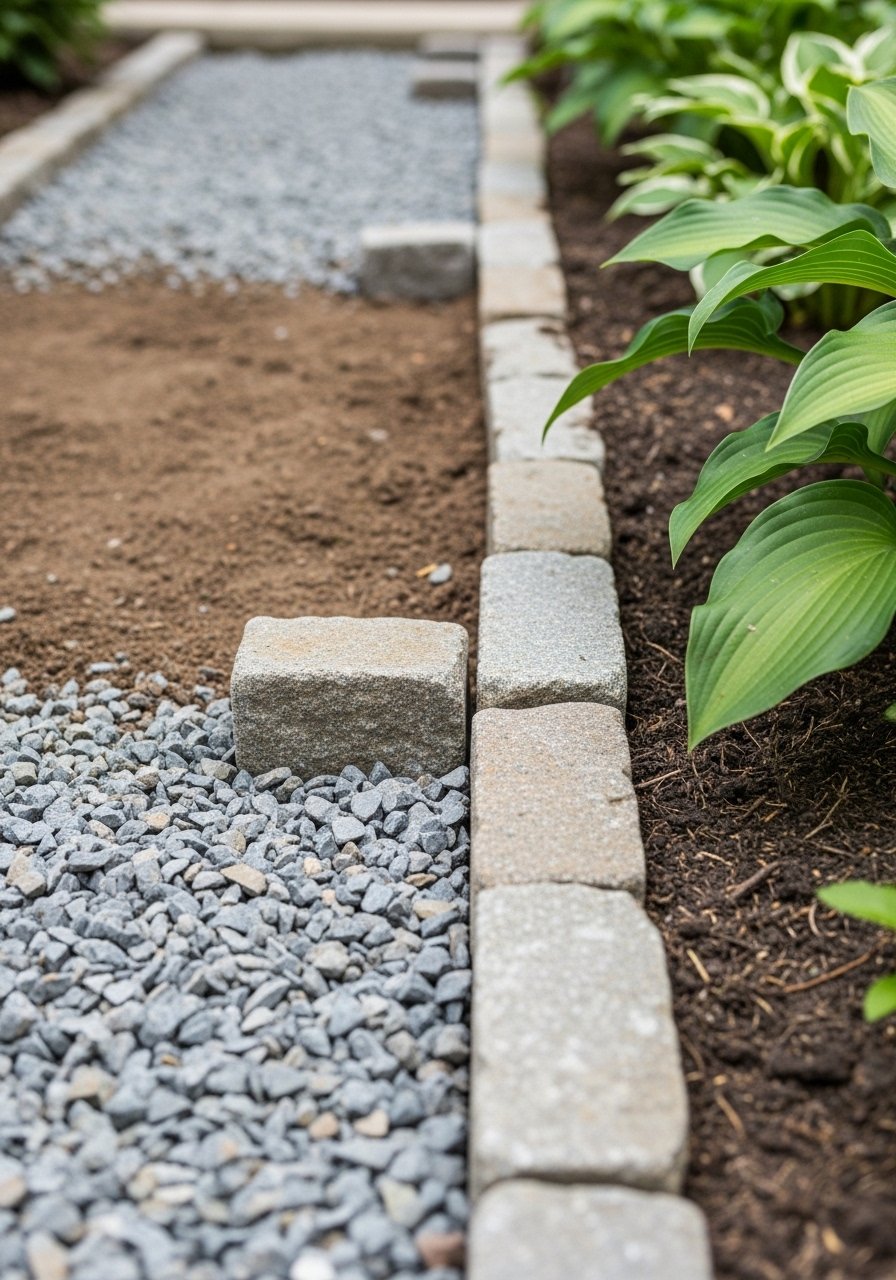
    I walk the yard first, pulling weeds and stray grass. It opens everything up. Then I set curved edging stones along the walkway. They draw a quiet line, making the space feel contained.

    Visually, the yard shifts from messy to held-together. Edges give it bones—without them, plants spill and look lost.

    People miss how edges make scale right; they fight the whole yard instead. Avoid burying stones too deep—they lose shape.

    I step back. Now it breathes.

    Step 2: Place Your Tallest Points First

    I pick the tallest piece—a metal obelisk—and sink it where the eye hits first, like by the door or path bend. It anchors without shouting.

    The yard gains height now. Flat spots lift; balance starts.

    Most skip this—they cram low plants everywhere. Insight: one tall thing pulls the rest together. Mistake: centering it dead-on; offset feels natural.

    I eye it from the street. It settles in.

    Step 3: Layer Pots for Depth

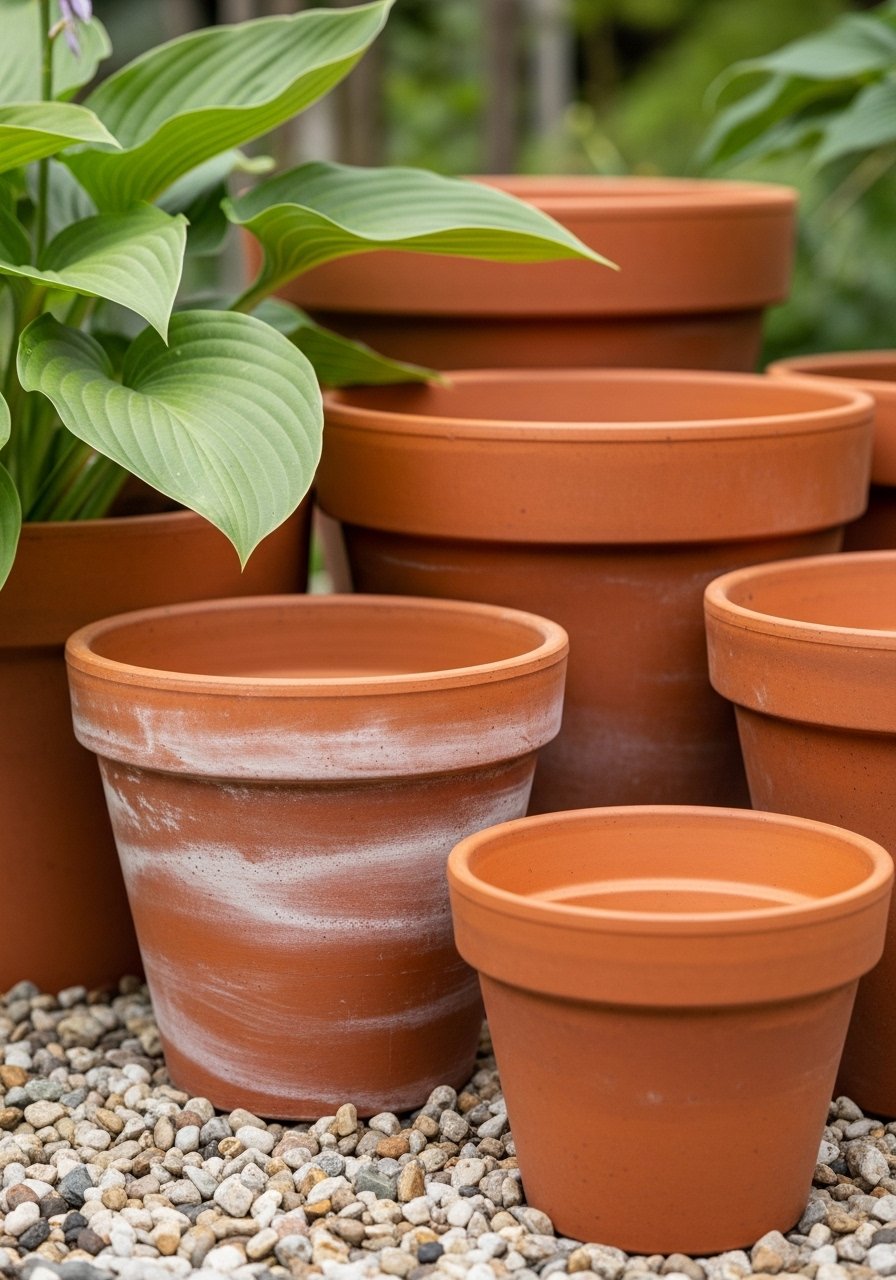
    I group three terracotta planters—tall in back, short out front—off-center from the obelisk. Fill with lavender; their scent drifts.

    Depth appears. The bed folds in layers, inviting closer look.

    Folks overlook odd numbers; even feels stiff. Why: mimics nature. Avoid pots too matchy—they compete.

    From the sidewalk, it flows warm.

    Step 4: Fill with Low Textures

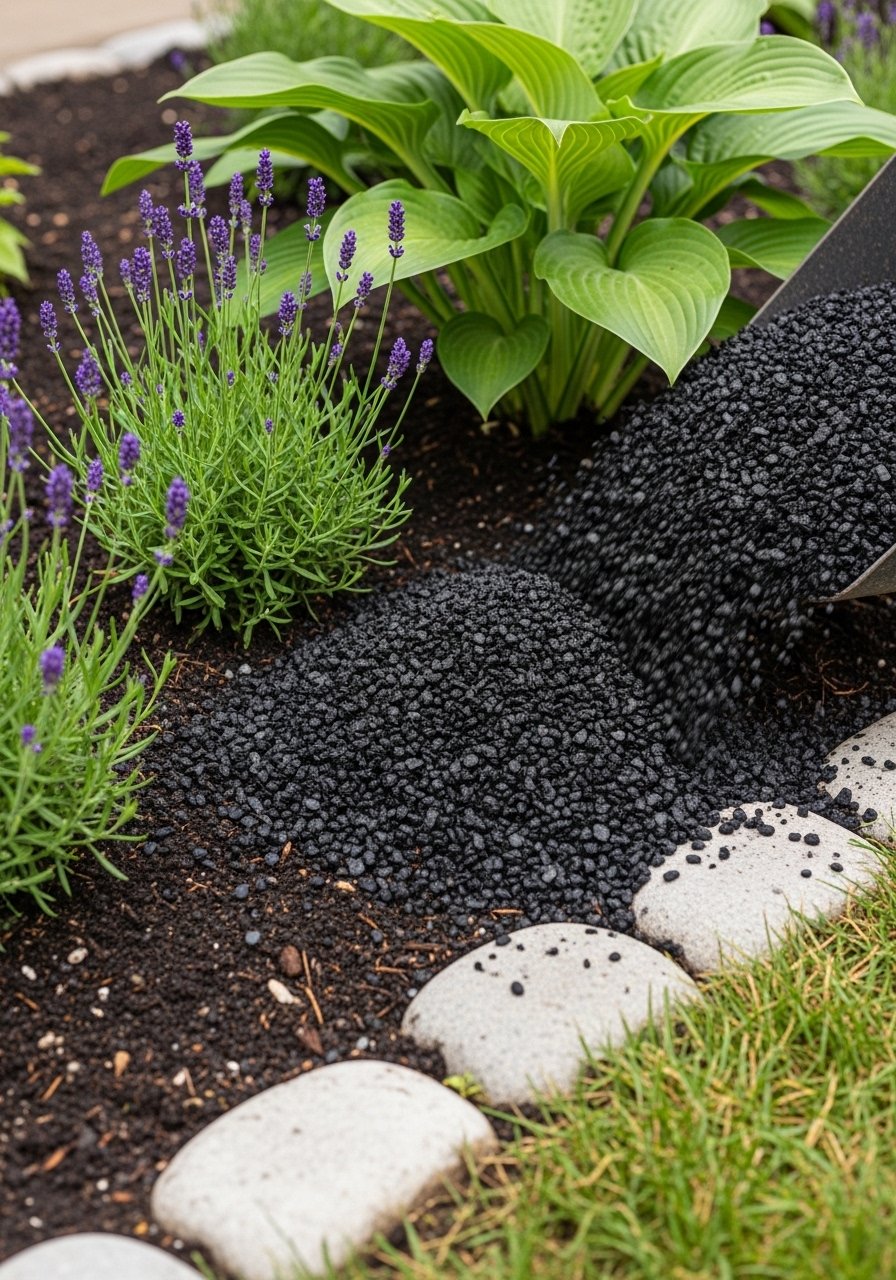
    I tuck hostas along edges, then rake black gravel mulch over bare dirt. It softens, ties colors.

    The ground quiets—clean but not bare. Textures hold the eye.

    Missed insight: mulch repeats shapes underneath. Mistake: skimping—it dries fast. Generous layer lasts.

    Stand back. It's comfortable now.

    Step 5: Add Path Glow

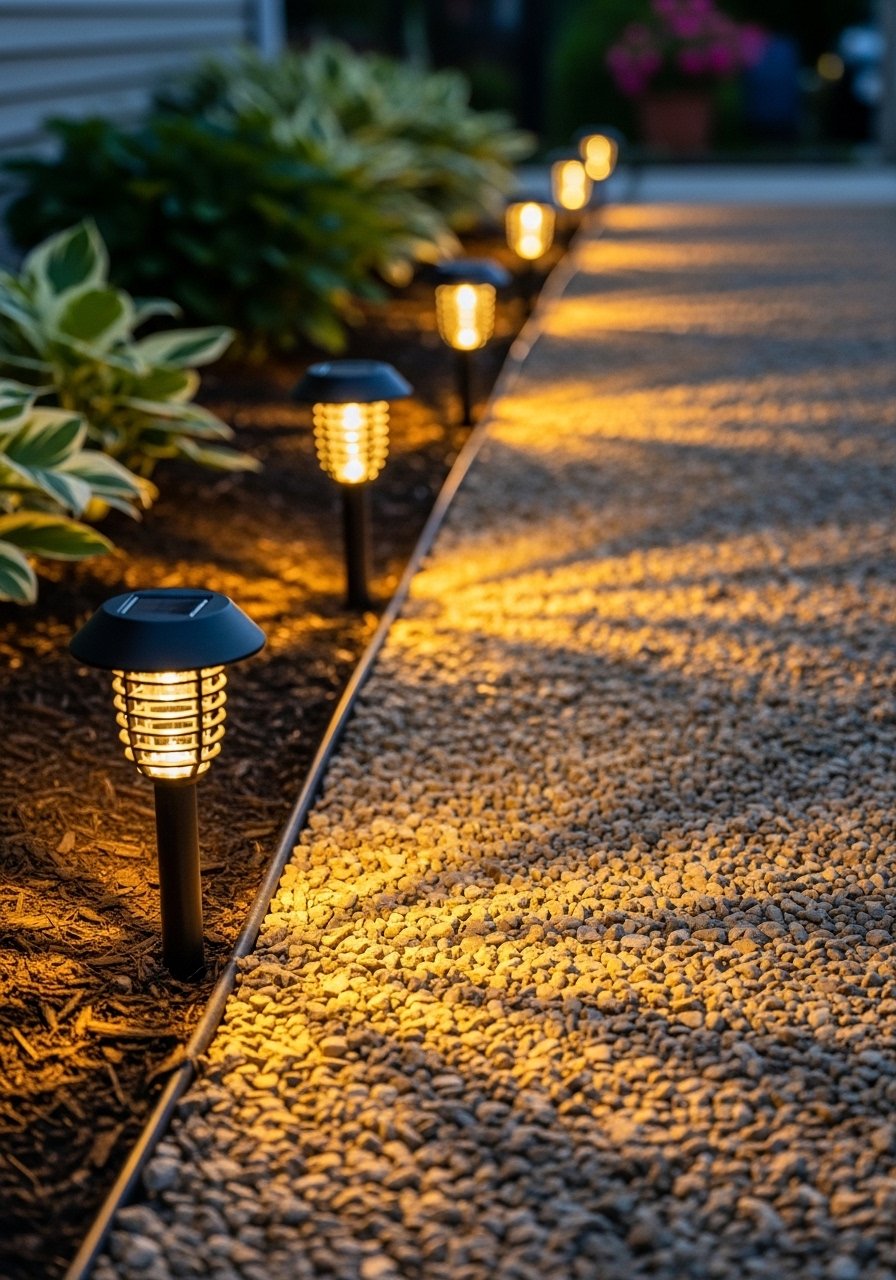
    I drop solar lights along the path edge. They charge by day, glow soft at dusk.

    Night changes everything—warm welcome without glare.

    People forget paths lead the eye. Insight: lights extend the space. Avoid clustering; space them like steps.

    It feels done.

    Handling Front Yard Sun and Shade

    Front yards mix light funny. My side gets morning sun, shade after.

    Watch yours a week. Sunny spots take lavender. Shade loves hostas—they fill without fuss.

    • Note hot zones: gravel cools feet.
    • Shady corners: low pots block weeds.

    It stays balanced year-round.

    Matching Your House Colors

    I glance at my siding—neutral beige. Plants echo: green hostas, purple lavender tips.

    Pull one house color into pots or gravel.

    • Brick house? Red-toned mulch.
    • White? Cool gravel.
    • Test small: one pot first.

    Keeps it tied, not tacked-on.

    Keeping It Fresh Through Seasons

    Mine shifts easy. Spring hostas push up. Summer lavender blooms.

    Fall: swap one pot for mums.

    • Mulch yearly: renews look.
    • Trim spent bits: quick pass.
    • Winter: lights alone hold it.

    Low work, steady feel.

    Final Thoughts

    Start with edges and one tall piece. That's half the feel.

    You'll see it pull together as you go. Mine did.

    Now your front yard waits, ready for that quiet welcome. Just stand there after—it's worth it.

  • How to Make the Fence of Front Yard Garden

    How to Make the Fence of Front Yard Garden

    I remember staring at my front yard. The flower beds ran right into the lawn. No edge. Plants wandered everywhere. It felt messy, undefined.

    One afternoon, I decided to add a fence. Not a tall barrier. Just enough line to hold things in place.

    Now, it frames the garden. Pulls your eye. Makes the whole yard breathe.

    How to Make the Fence of Front Yard Garden

    This guide shows you how to build a low fence that defines your front yard garden. It creates clean lines and quiet balance. You'll end up with a space that settles in naturally.

    What You’ll Need

    Step 1: Walk the Line and Feel the Space

    I start by walking the bed's edge. Barefoot if warm. Feel where the garden wants to stop.

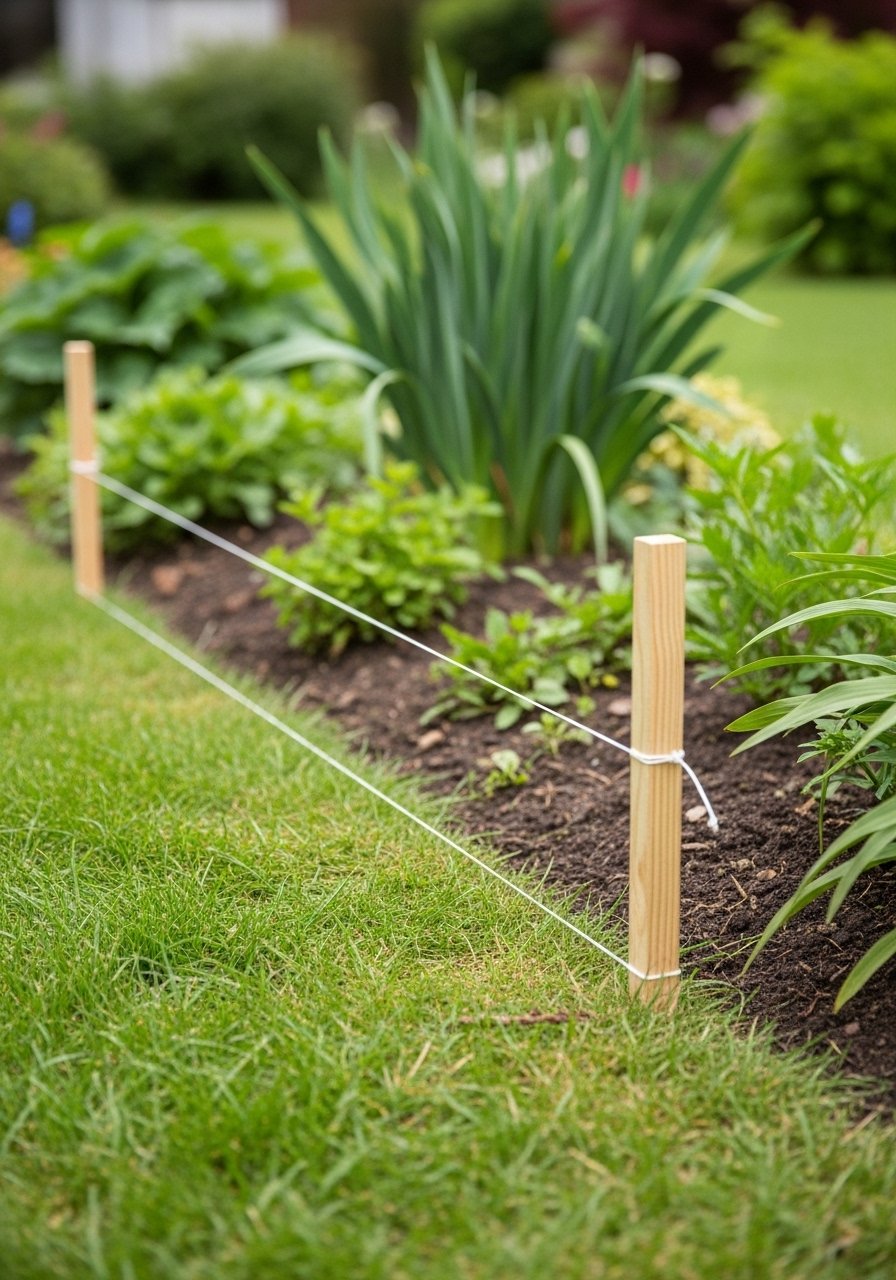
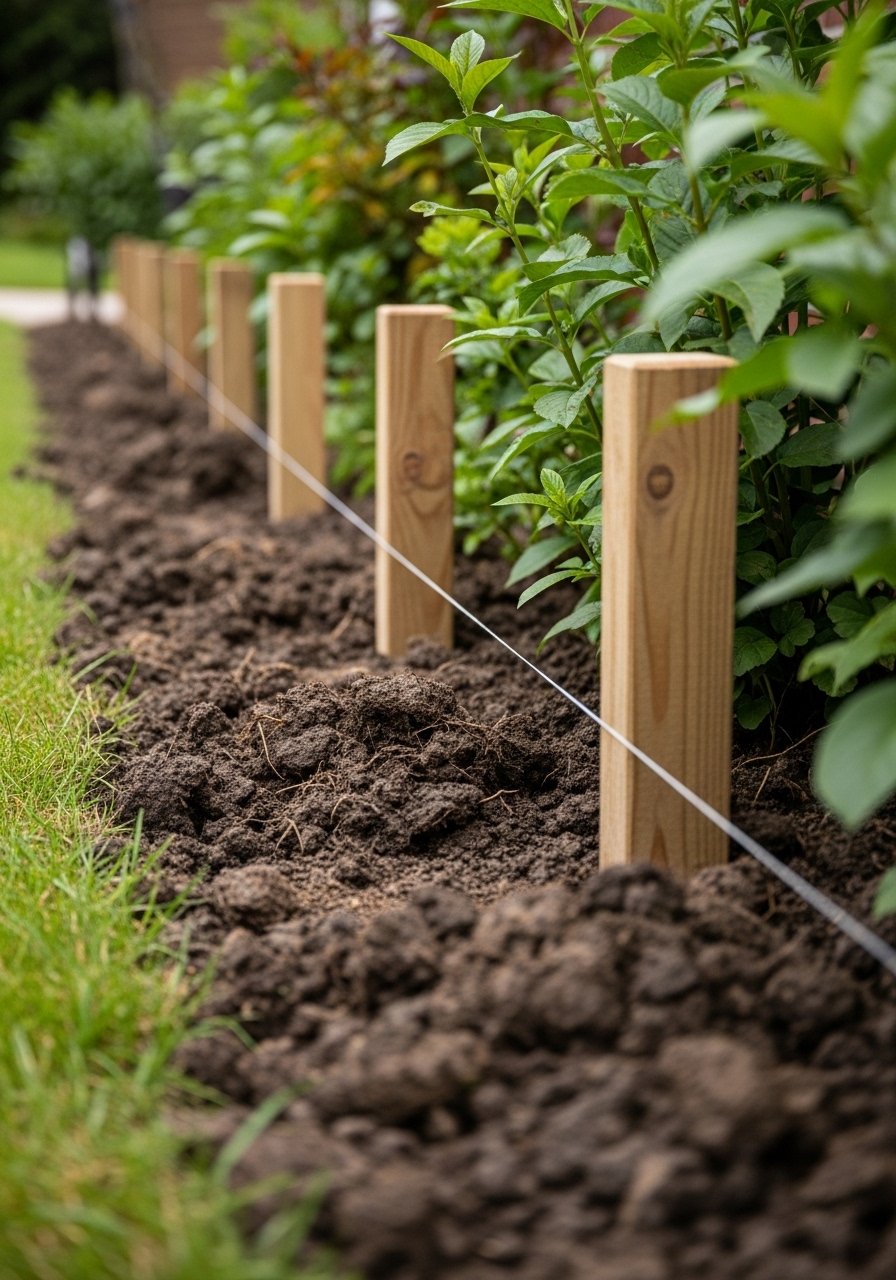
    I stretch string between two stakes. Eye it from the street. Adjust until it sits right—parallel to the house, not too straight.

    Most miss how a slight curve softens the yard. It invites you in. Don't pull string too tight; it fights the land's natural dip.

    I avoid forcing a rigid line. That makes fences look slapped on.

    Step 2: Set the Posts for Quiet Strength

    Posts go in first. I dig shallow, just enough hold. Space them for panel width.

    From the street, they anchor without dominating. The yard gains backbone.

    People forget posts blend best at knee height. Taller overwhelms small beds. Skip deep holes; surface roots trip you later.

    I check level by eye. Slight lean matches the garden's easy slope.

    Step 3: Hang Panels and Watch Lines Form

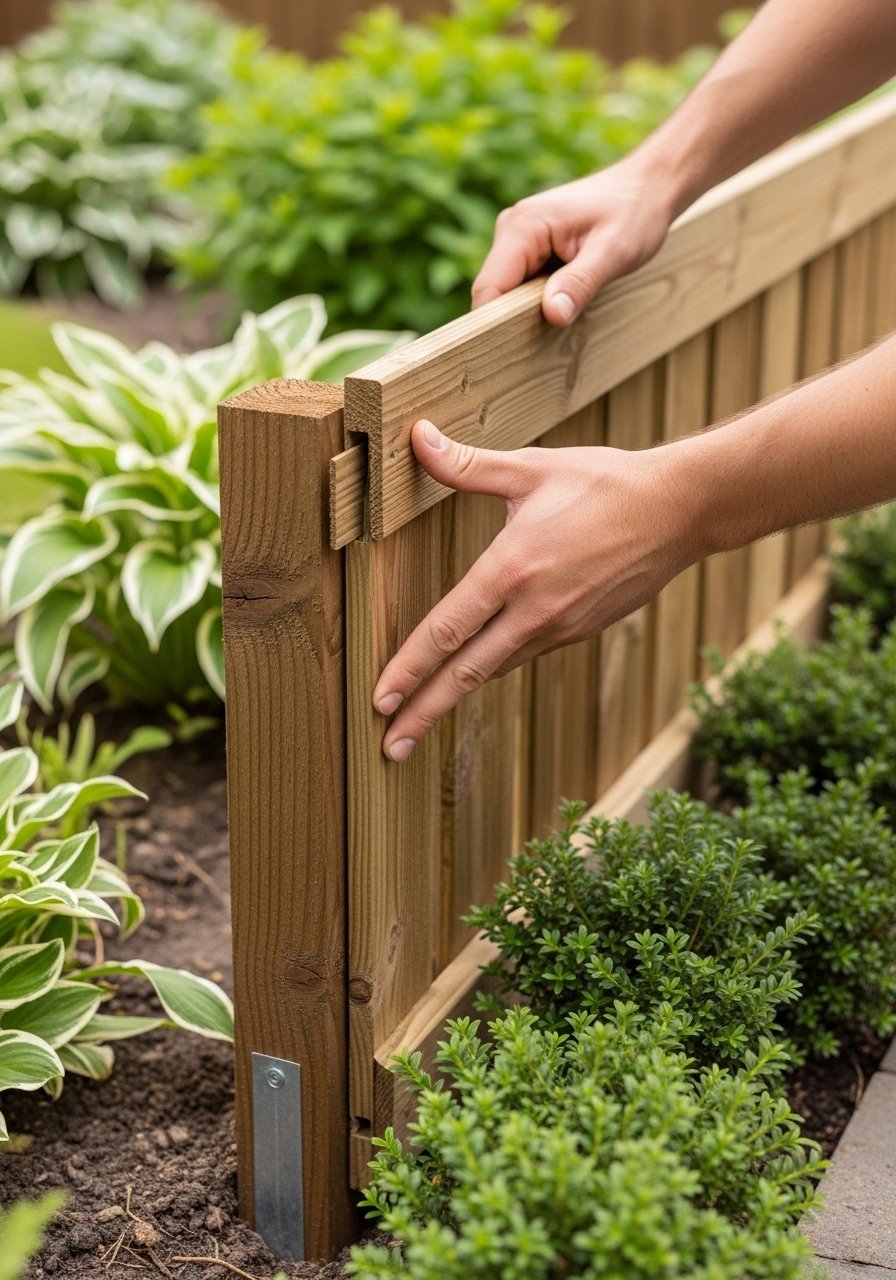
    Panels slip onto posts. Tap gentle. No rush.

    Visually, beds snap into view. Lawn stops wandering. Space feels held.

    Insight: Panels breathe with gaps at bottom. Air flows, plants peek through. Solid bottoms trap mulch mess.

    I skip perfect alignment. A hair off feels hand-made, lived-in.

    Step 4: Stain for Soft Blend

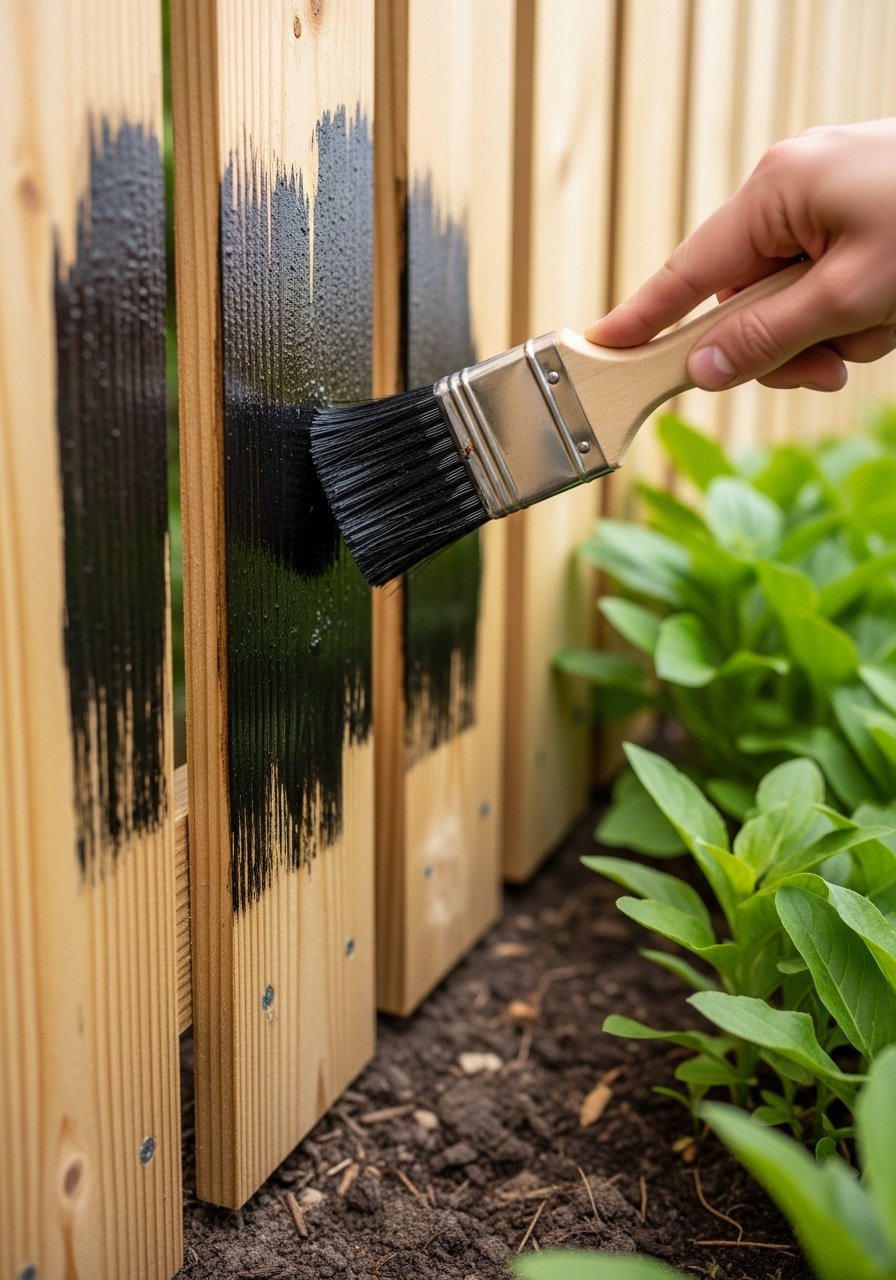
    I brush on stain. Thin coat. White fades to warm over time.

    Fence warms against plants. Ties house to yard.

    Missed often: Stain mutes harsh new wood. Raw looks store-bought. Don't glob it; drips spot soil.

    Dry day helps. It sinks in even.

    Step 5: Plant Close and Tie In

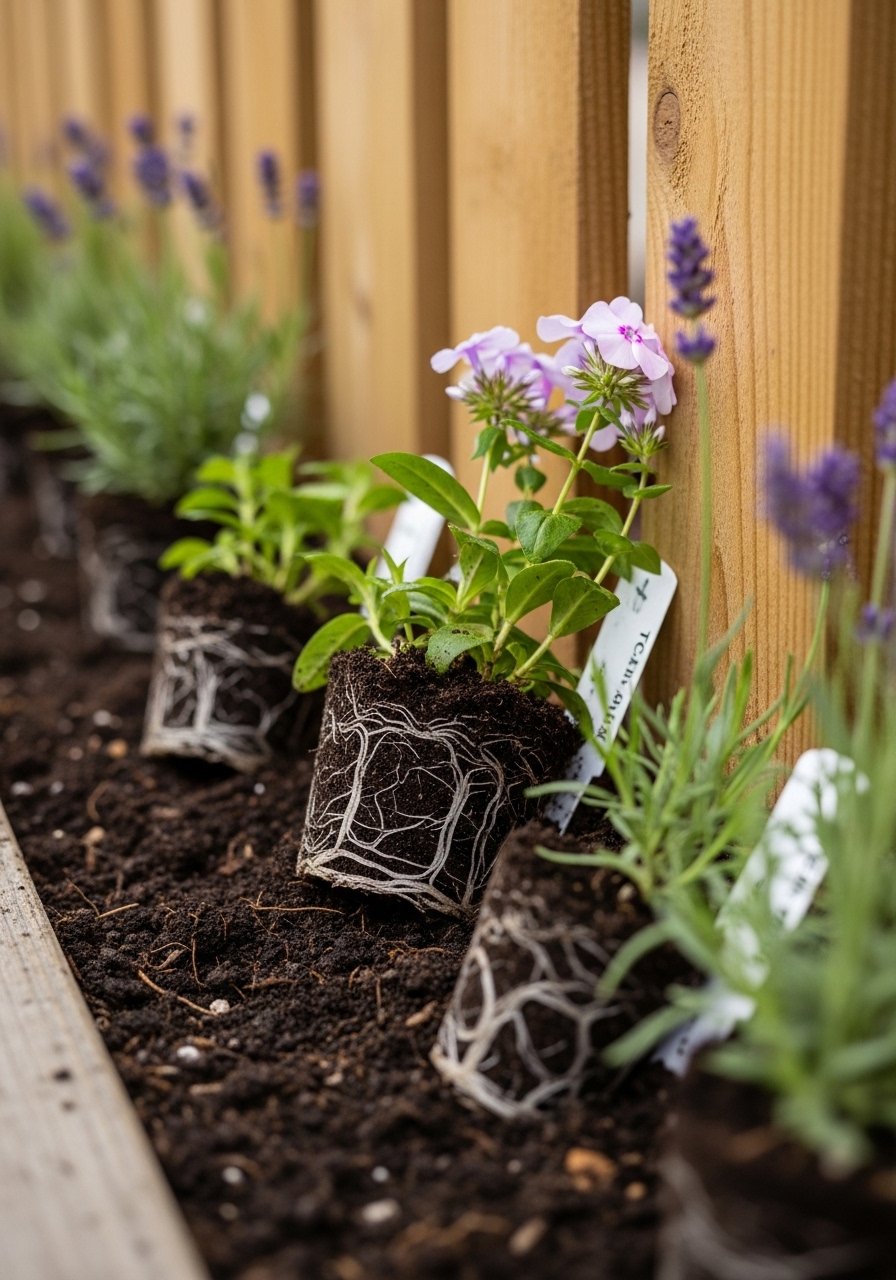
    Phlox and lavender go tight to base. Roots grip fence line.

    Softens edges. Fence recedes, plants lead.

    Key: Cluster low growers first. They mound natural. Bare bases glare. Avoid tall plants; they flop over.

    Water deep once. They lean in.

    Step 6: Gravel Edge for Finish

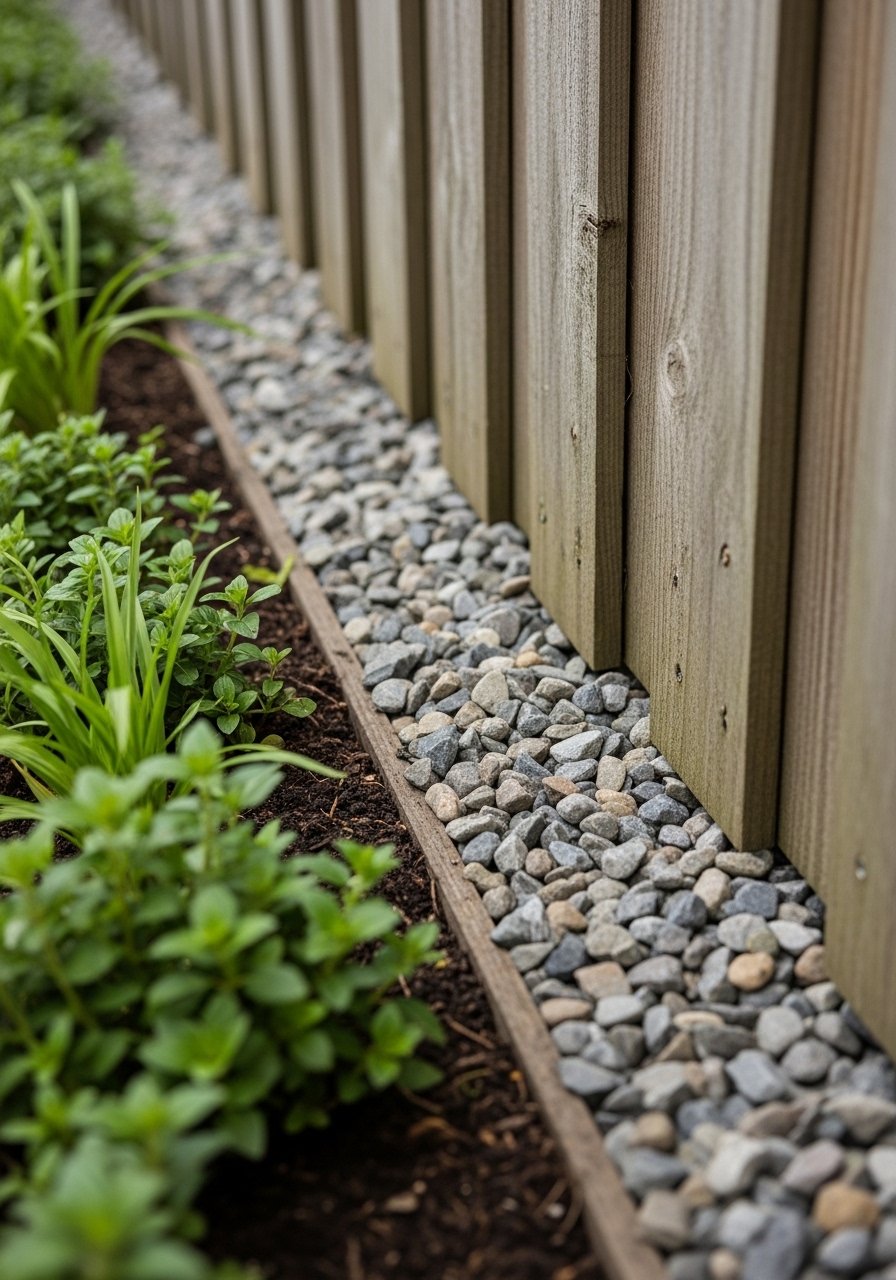
    Gravel rakes along outside. Thin layer.

    Crispens without hard lines. Ties fence to path.

    Folks overlook gravel's quiet crunch. Invites steps closer. Thick piles weeds. Scatter light.

    It settles. Garden holds.

    Softening Fence Edges with Plants

    Plants pull fence into the garden. They spill soft.

    I plant low along base. Phlox mounds. Lavender sways.

    • Creeping types hide post bases.
    • Mid-height fills gaps without crowding.
    • Colors echo house trim.

    Year two, it weaves together. Less fence, more flow.

    Handling Common Front Yard Fence Issues

    Slopes challenge most. My yard dips.

    I step posts shorter down slope. Panels level.

    Weeds creep in gaps? Mulch thick inside.

    • Trim plants back yearly.
    • Re-stain fades every two years.
    • Check post wobble after rain.

    Simple fixes keep it balanced.

    Adjusting Fence for Small or Narrow Yards

    Tight spaces need low profiles.

    I cut panels shorter. 2 feet max.

    Curve follows bed shape.

    • White stain opens it up.
    • Gravel path narrows visually.
    • Skip gates; step over.

    Fits without squeezing.

    Final Thoughts

    Start with one bed. See how it sits.

    Your yard knows what it needs. Fence just listens.

    Now mine welcomes without shouting. Yours will too.

    Walk it daily first week. It'll feel right.

  • 24 Stunning Front Lawn Landscaping Ideas For Instant Curb Appeal

    24 Stunning Front Lawn Landscaping Ideas For Instant Curb Appeal

    I used to think curb appeal meant flawless lawns. Then a rainy season, a missed planting window, and a crooked path taught me different.

    Now I aim for practical looks that feel lived-in. These ideas are what worked on my small, real lawns—planted, pruned, and occasionally replaced.

    24 Stunning Front Lawn Landscaping Ideas For Instant Curb Appeal

    These 24 front lawn landscaping ideas come from hands-in-dirt experience. Each one is doable, low-drama, and clearly explained. Pick a few that fit your yard and personality.

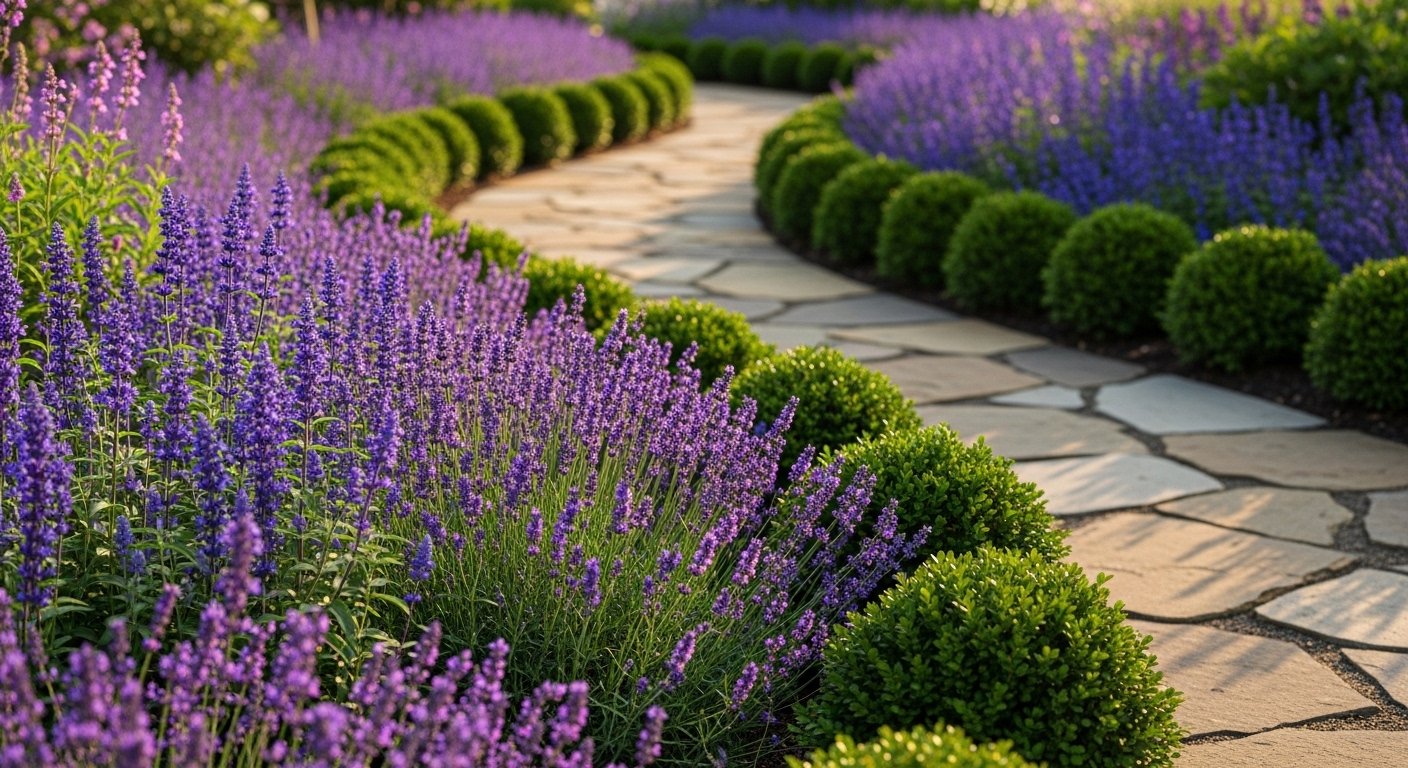
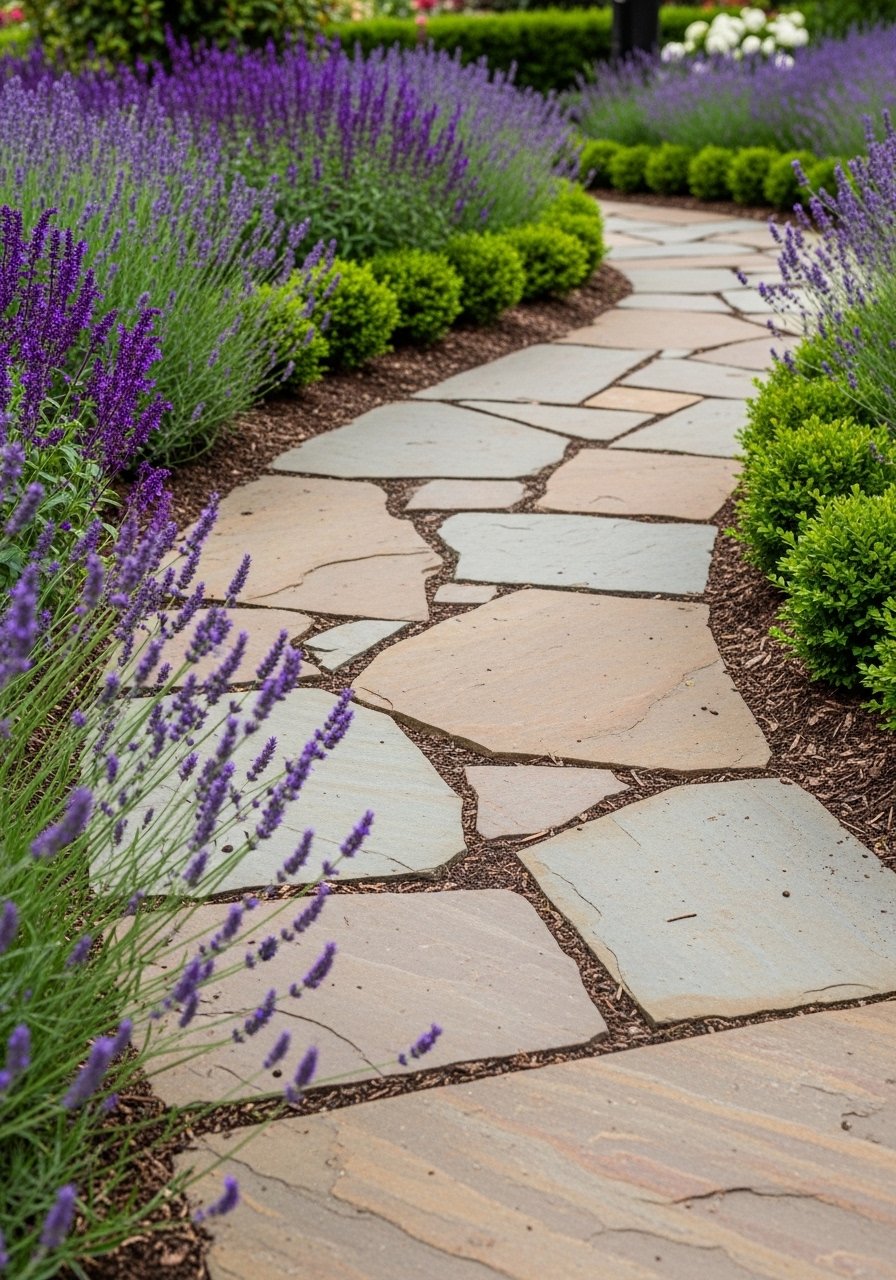
    1. Curved Flagstone Path with Mixed Borders

    I put in a curved flagstone path after the straight concrete walkway felt harsh. The curve slowed the eye and made the front lawn feel deeper.

    I planted lavender and salvia along the edges. They hide imperfect joints and release scent when warm. I learned to stagger heights; tall plants at the back, low ones at the edge.

    Watch drainage—slopes will collect soil if stones aren't set well. A small gravel base keeps things stable.

    What You’ll Need for This Look

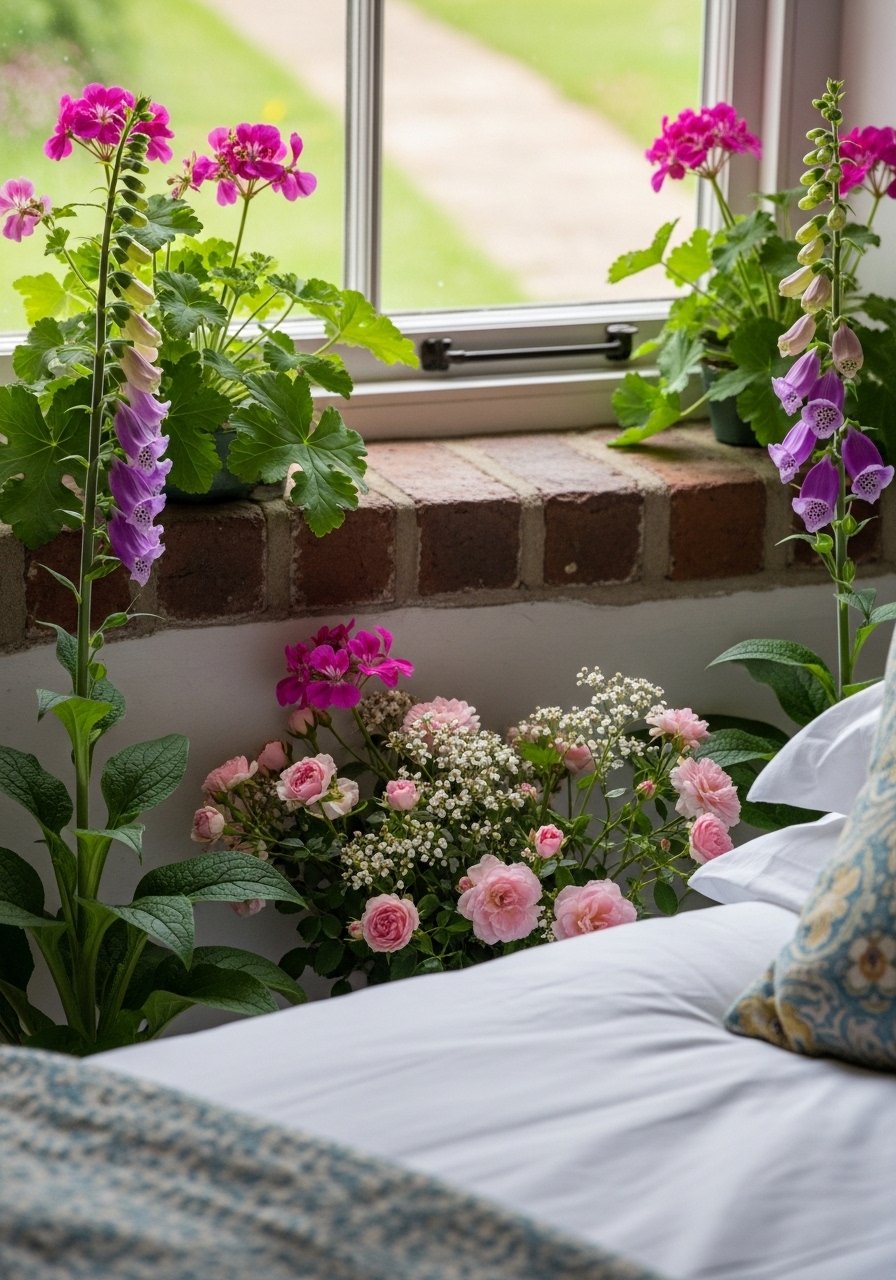
    2. Cottage-Style Window Bed Under the Front Windows

    I planted a flower bed under the front windows to soften the house. I mixed foxgloves, geraniums, and a small rose. It reads cozy from the street.

    My mistake: I once put a giant shrub too close to the window. It blocked light and needed relocating. Now I leave room to open windows and see over the plants.

    Keep things low in front and taller toward the house. Repeat two or three colors for unity.

    What You’ll Need for This Look

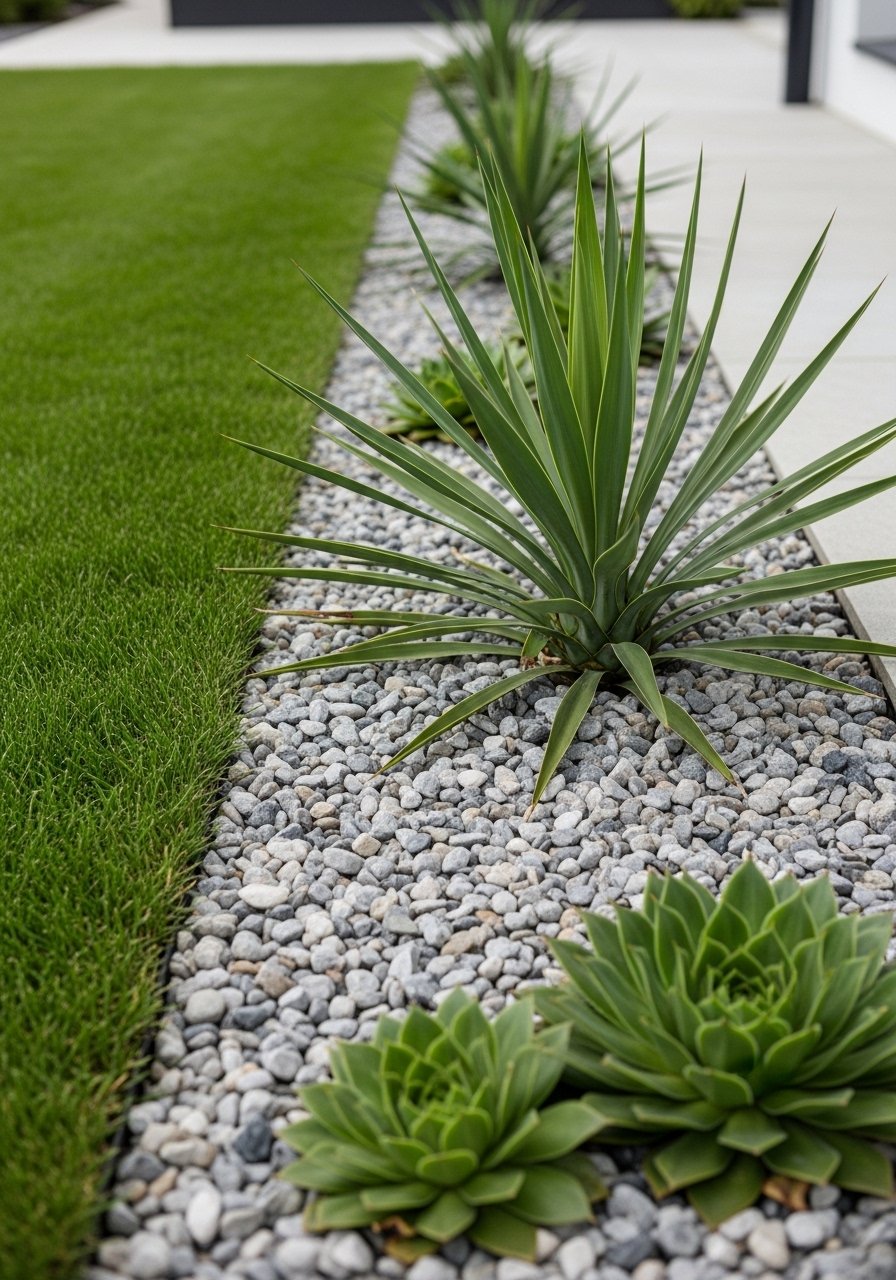
    3. Minimalist Gravel Strip with Sculptural Planting

    I slimmed a side strip of lawn into a gravel bed with a sculptural yucca and succulents. It reduced mowing and reads modern without being sterile.

    I kept one focal plant and used drought-tolerant groundcovers to soften edges. The gravel reflects light and makes the yard feel brighter.

    Check local codes for gravel near walkways. I also test soil—succulents hate compacted clay.

    What You’ll Need for This Look

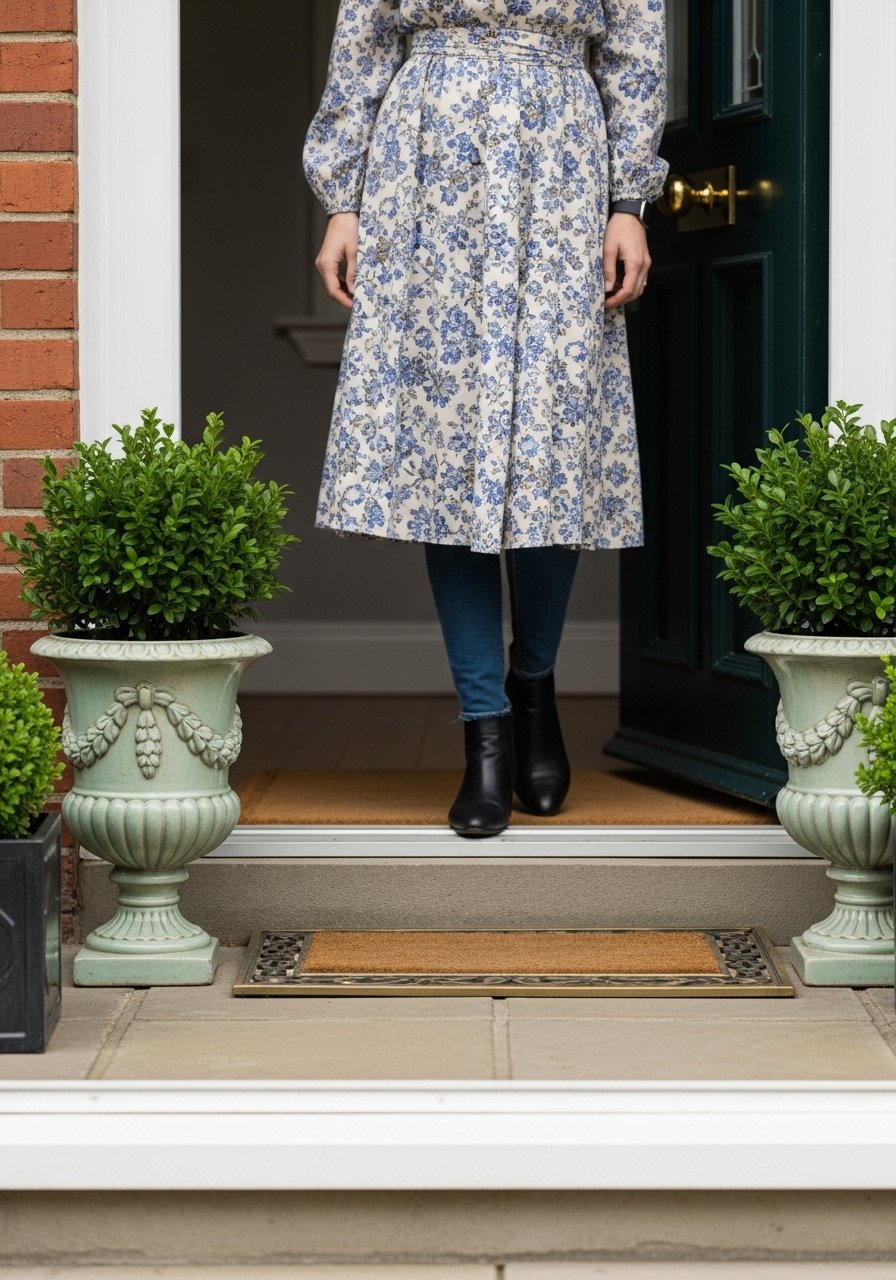
    4. Symmetrical Boxwood and Lantern Entrance

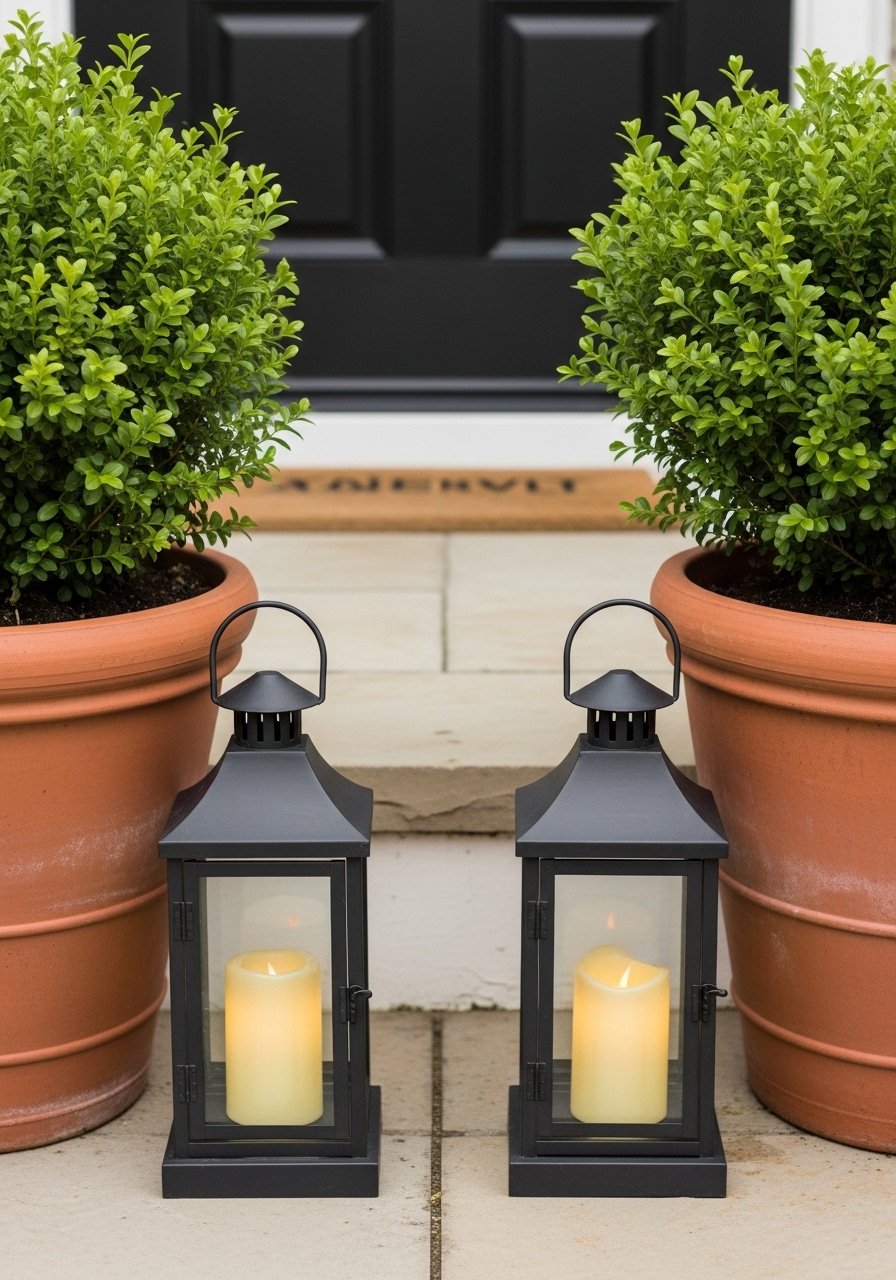
    I planted matched boxwoods in pots on either side of my front steps. I added matching lanterns. Symmetry gives a tidy, intentional look.

    Boxwood stays neat with light pruning. I found that matching pot size matters more than exact plant size for balance.

    If your soil is poor, use containers. They frame the entry without permanent planting mistakes.

    What You’ll Need for This Look

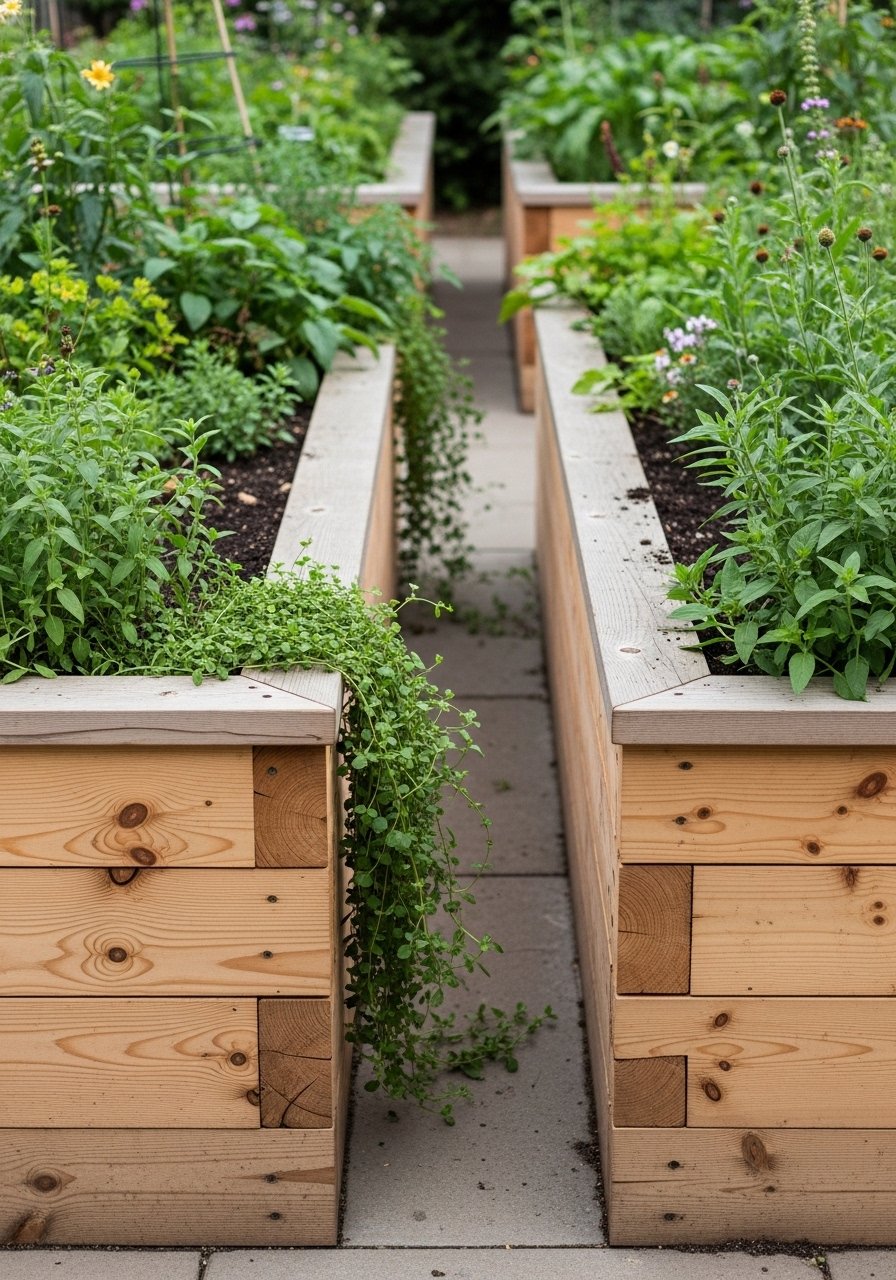
    5. Cedar Raised Beds Flanking the Walkway

    I built low cedar beds along the path and planted herbs and easy perennials. The wood warms the entrance and organizes the space.

    Cedar resists rot and looks good as it ages. The raised soil drains better, which helped when our front lawn stayed soggy in spring.

    Keep beds low—about 8–12 inches—so the view from the street isn't blocked.

    What You’ll Need for This Look

    6. Native Meadow Patch for Low Maintenance

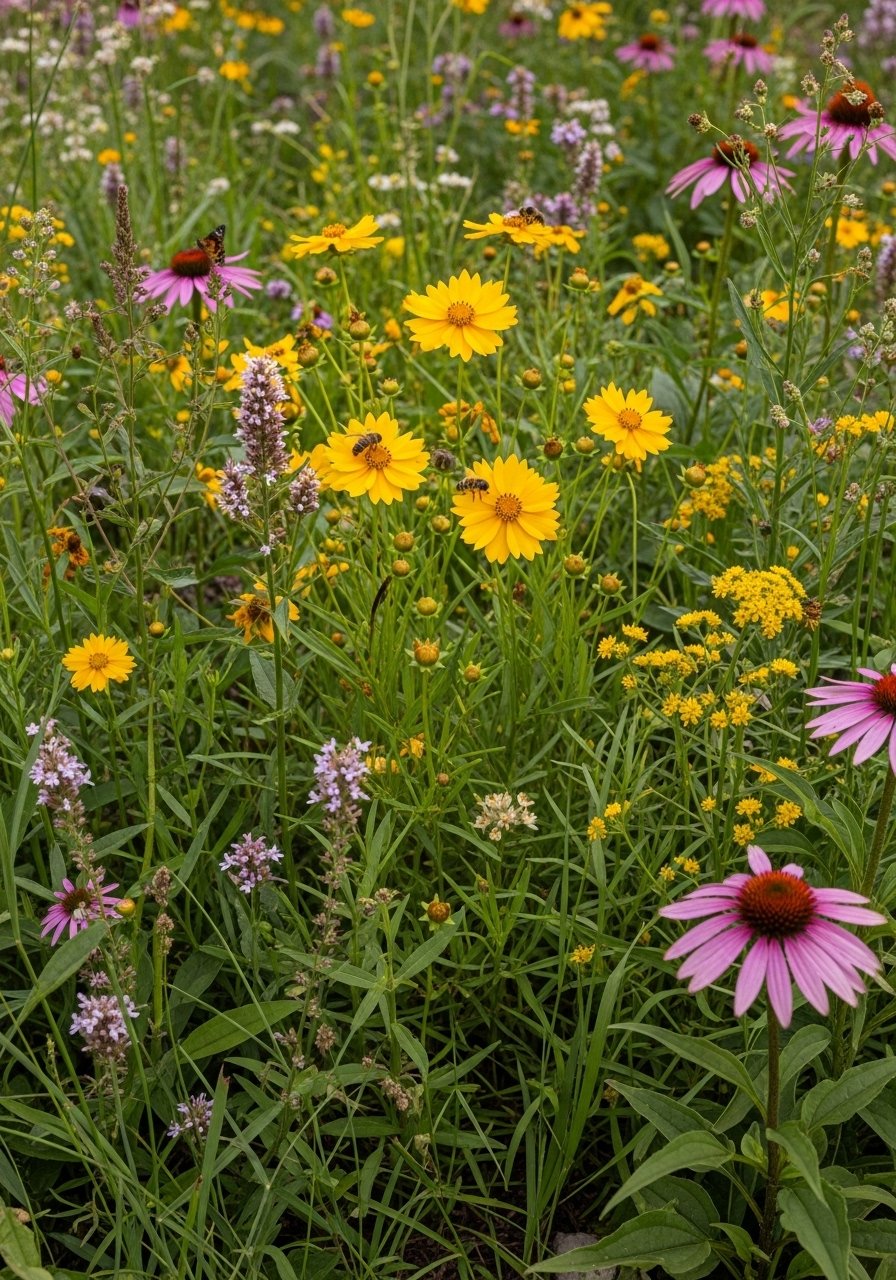
    I replaced a dull strip with a native meadow patch. Coneflowers and coreopsis arrived the first year and insects followed.

    It took a season to establish. I had to pull aggressive grass the first summer—my mistake was underestimating weeds. After that, it settled into a low-maintenance rhythm.

    This look gives texture and seasonal color without daily fuss.

    What You’ll Need for This Look

    7. Rock Garden with Low Succulents and Thyme

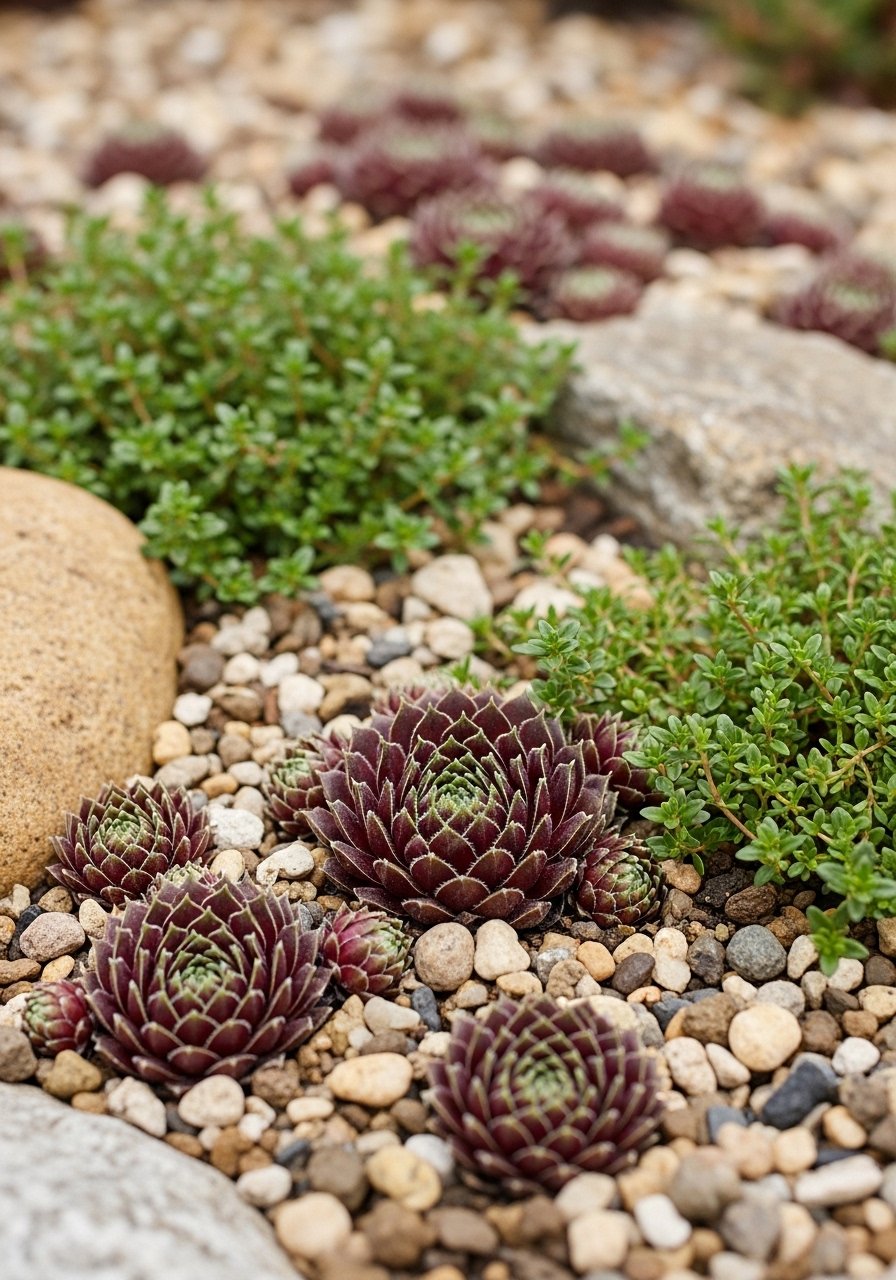
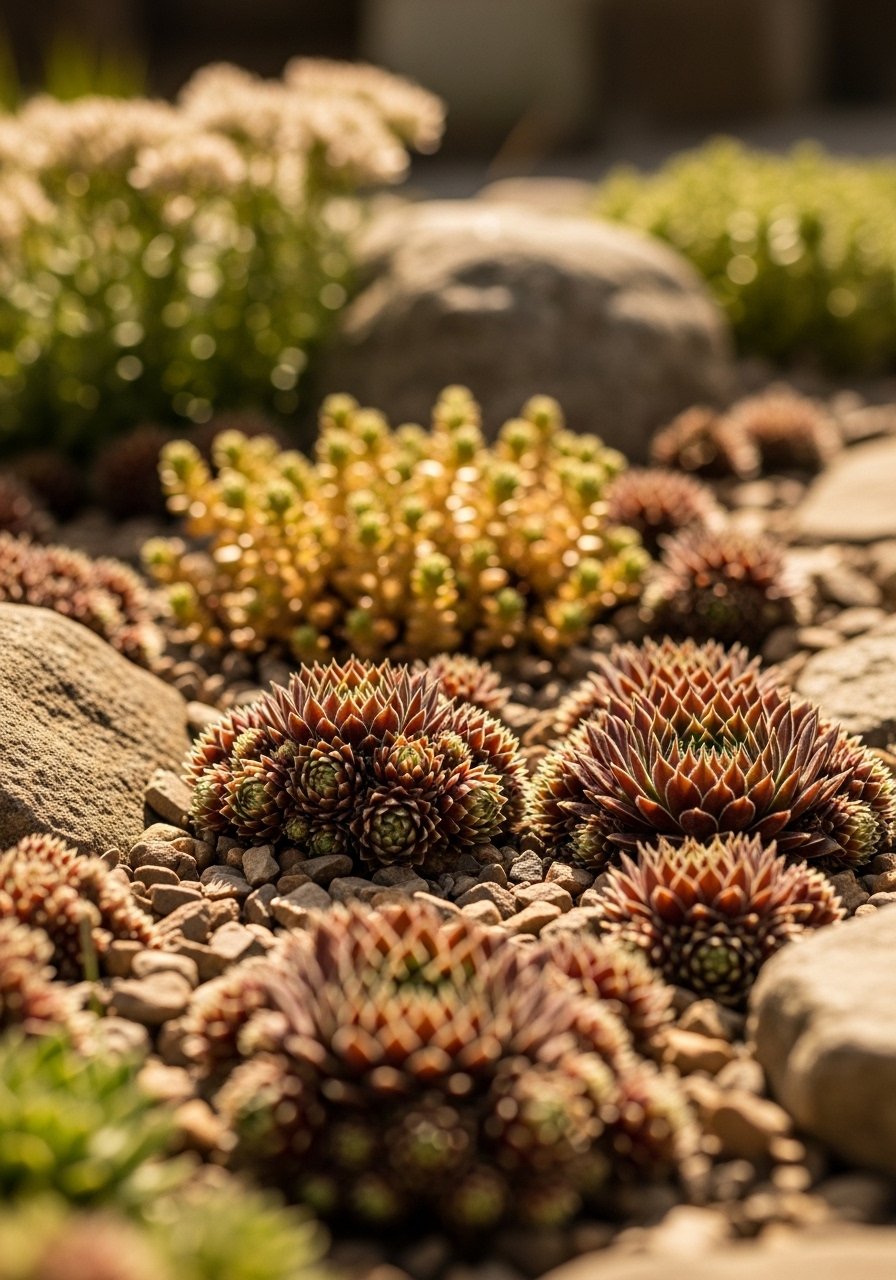
    I made a small rock garden on a dry patch. Hens-and-chicks and creeping thyme filled gaps and gave year-round interest.

    Early on I planted a sun-loving sedum in a shaded corner—my mistake. It sulked until I moved it. After relocating, the rock garden settled and needed almost no watering.

    Use varied rock sizes and leave tiny pockets of soil for plants to root.

    What You’ll Need for This Look

    8. Front Yard Seating Nook with a Small Bench

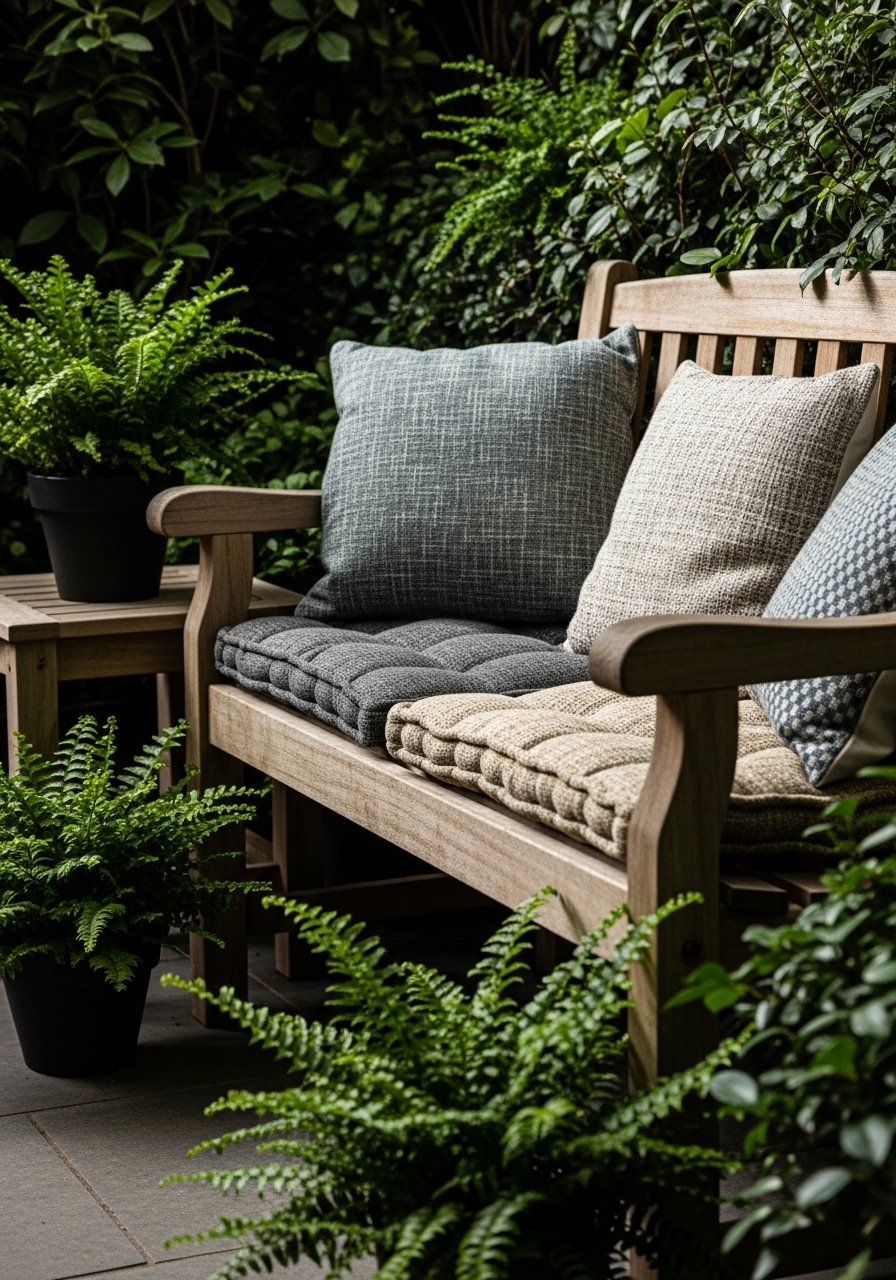
    I carved a tiny seating nook under a maple near the front walk. A simple bench and potted ferns made the yard feel used and welcoming.

    I tried a large sofa once—too heavy for the space. The bench fits the scale and still invites a pause.

    Use weatherproof cushions and a small side table. The nook becomes a place to sip coffee and watch the neighborhood.

    What You’ll Need for This Look

    9. Evergreen Foundation Planting for Year-Round Shape

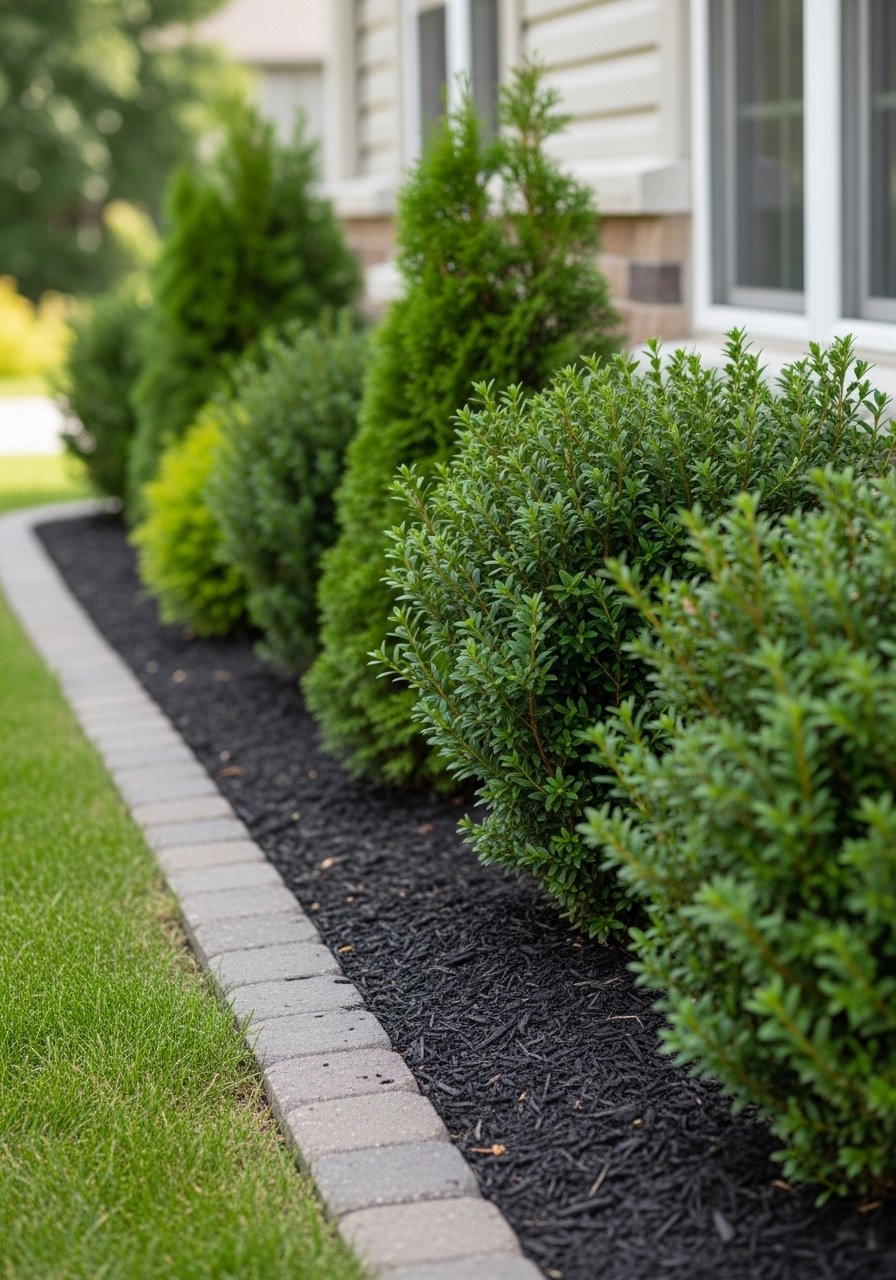
    I replaced a line of roses with a mix of evergreen shrubs. The house finally had structure in winter and I didn’t miss the constant deadheading.

    I mix textures—broadleaf evergreens and fine-needled varieties—to avoid monotony. I learned to space them so they don’t fight as mature plants.

    Evergreen foundations add backbone. Trim lightly to keep a tidy silhouette.

    What You’ll Need for This Look

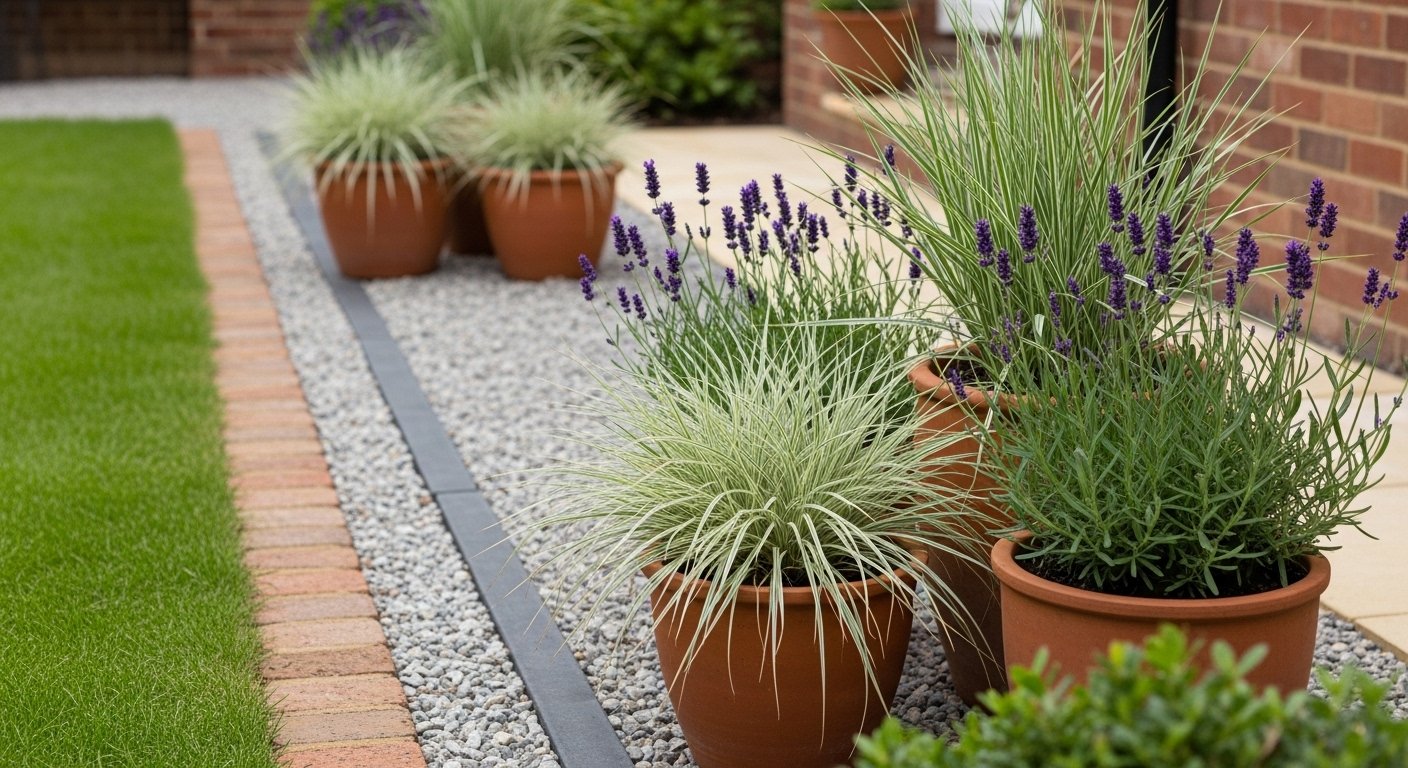
    10. Layered Containers on the Porch Steps

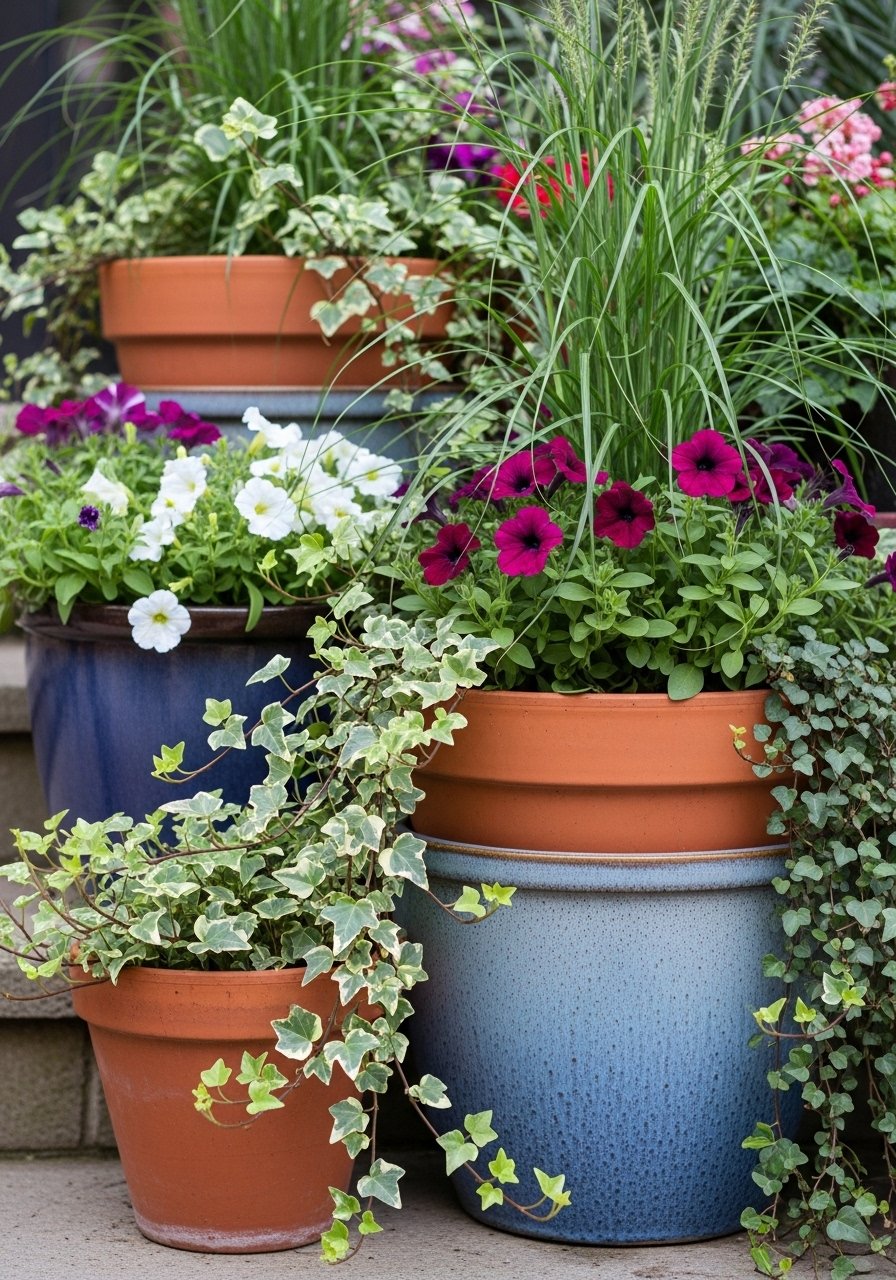
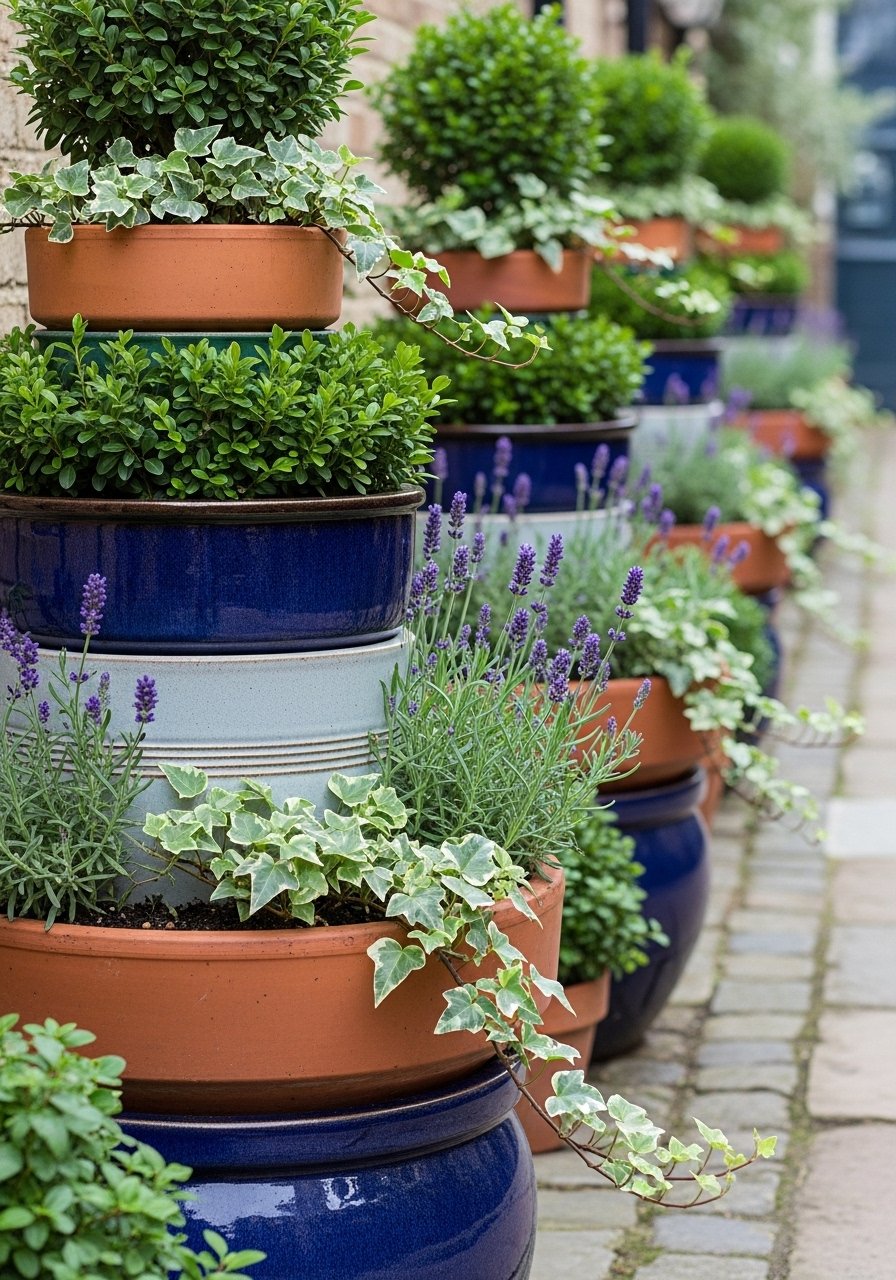
    I started using layered containers on the steps because my soil is heavy clay. Tall grasses in the back, trailing ivy in front—instant depth.

    I once overloaded a single pot with too many big plants. It looked crowded and stressed. Now I use two or three pots per side and let each plant breathe.

    Rotate seasonal color and use quality potting mix. Containers are flexible and forgiving.

    What You’ll Need for This Look

    11. Warm Solar Path Lights Along the Walkway

    I swapped half-broken wired lights for solar path lights. They charge in the day and glow warm at night—no wiring fuss.

    I tested a few brands. Cheap ones faded quickly. Investing in a mid-range set cut replacements and kept consistent light. Place them where summer foliage won't overshadow the panels.

    Solar lighting adds safety and mood without electricians.

    What You’ll Need for This Look

    12. Low Hedge with Scattered Flower Accents

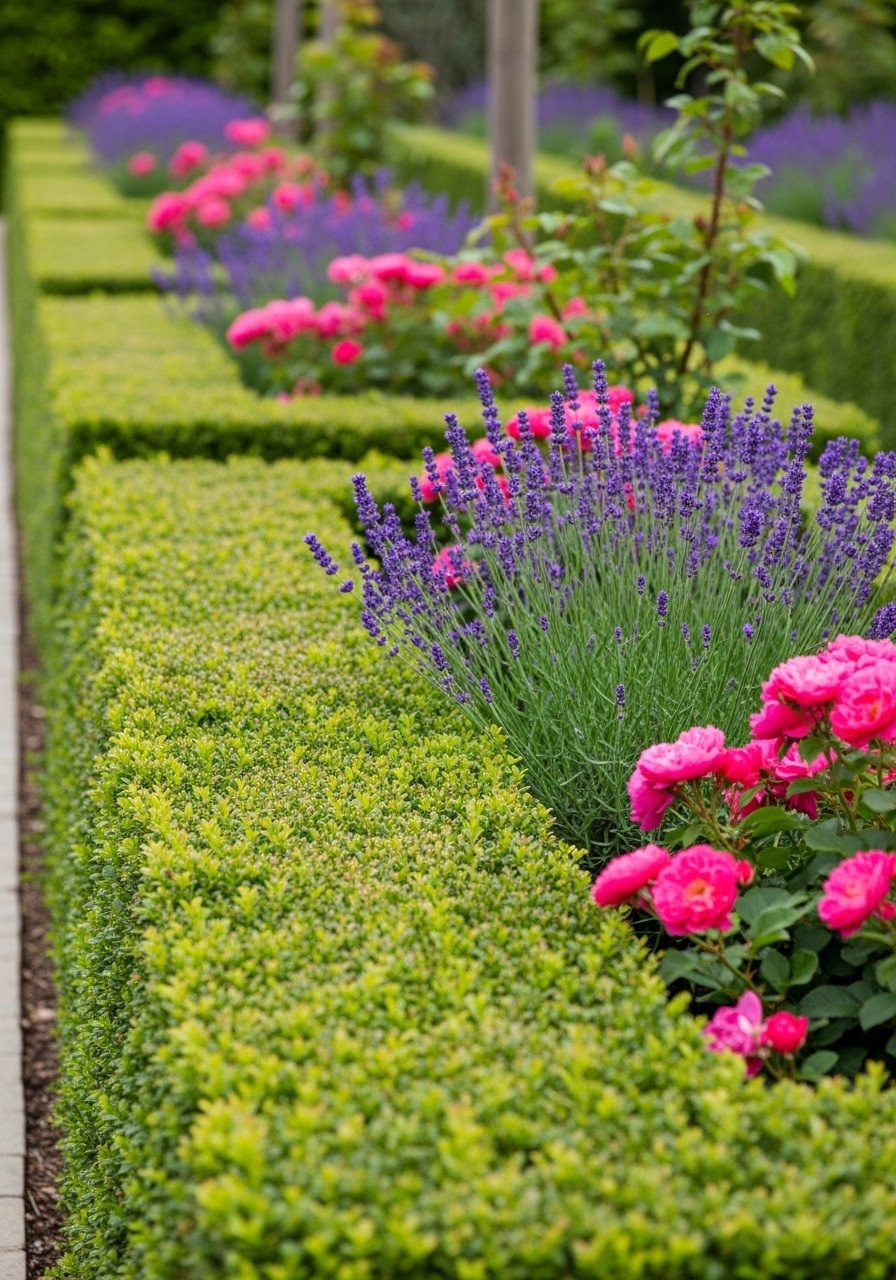
    I clipped a low hedge along the sidewalk and added pockets of lavender and small roses. The hedge feels intentional and the flowers break monotony.

    I used a mix of evergreen and deciduous hedging for texture. I recommend pruning gently the first years to train a tidy line.

    Hedges give privacy and a clear edge. Leave gaps for seasonal color.

    What You’ll Need for This Look

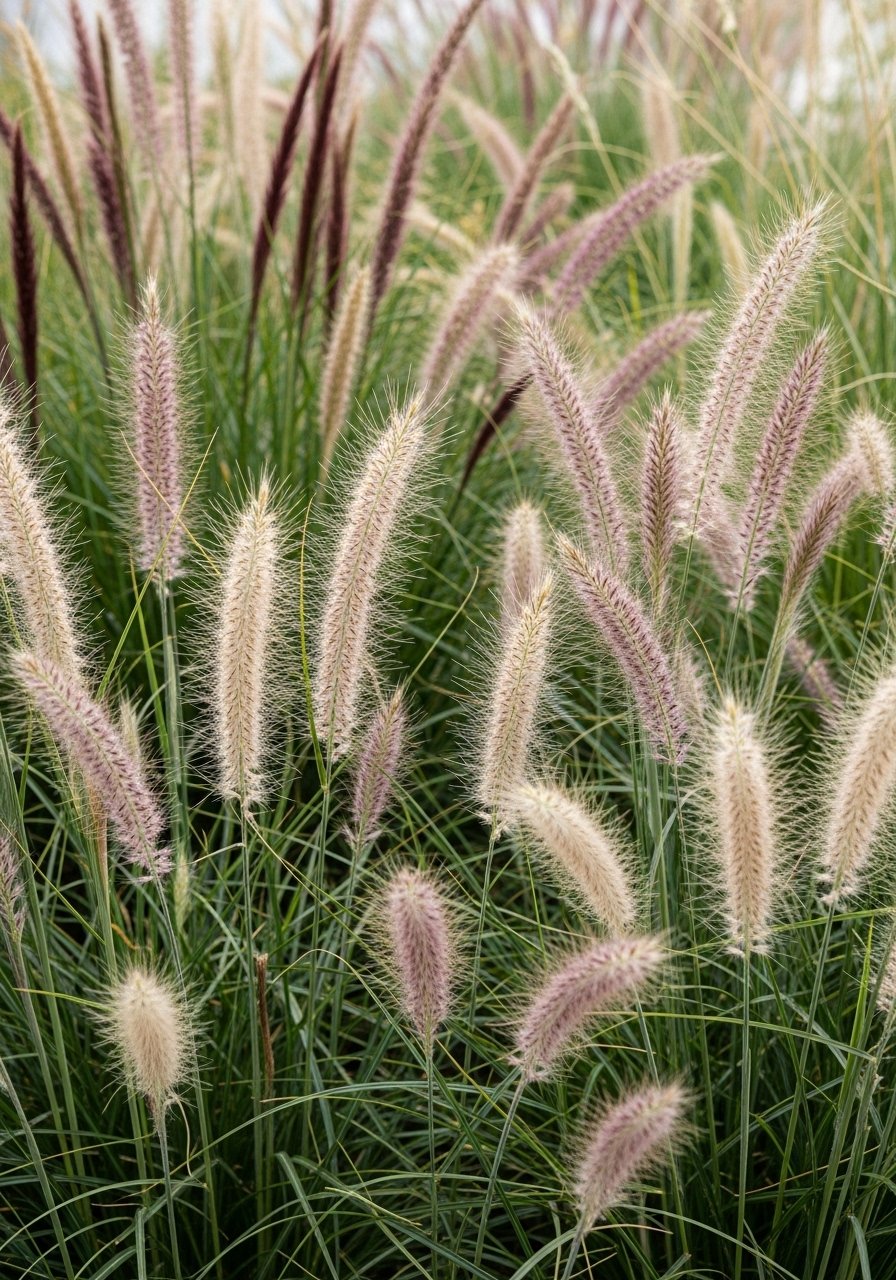
    13. Mixed Ornamental Grasses for Movement

    I planted mixed ornamental grasses to add movement and sound. They sway in the breeze and look good even when browned in winter.

    I mix heights and leaf textures. Use grasses as background plants or repeat them in groups for impact. They’re forgiving about soil and require little water once established.

    Leave old foliage through winter and cut back in spring for clean regrowth.

    What You’ll Need for This Look

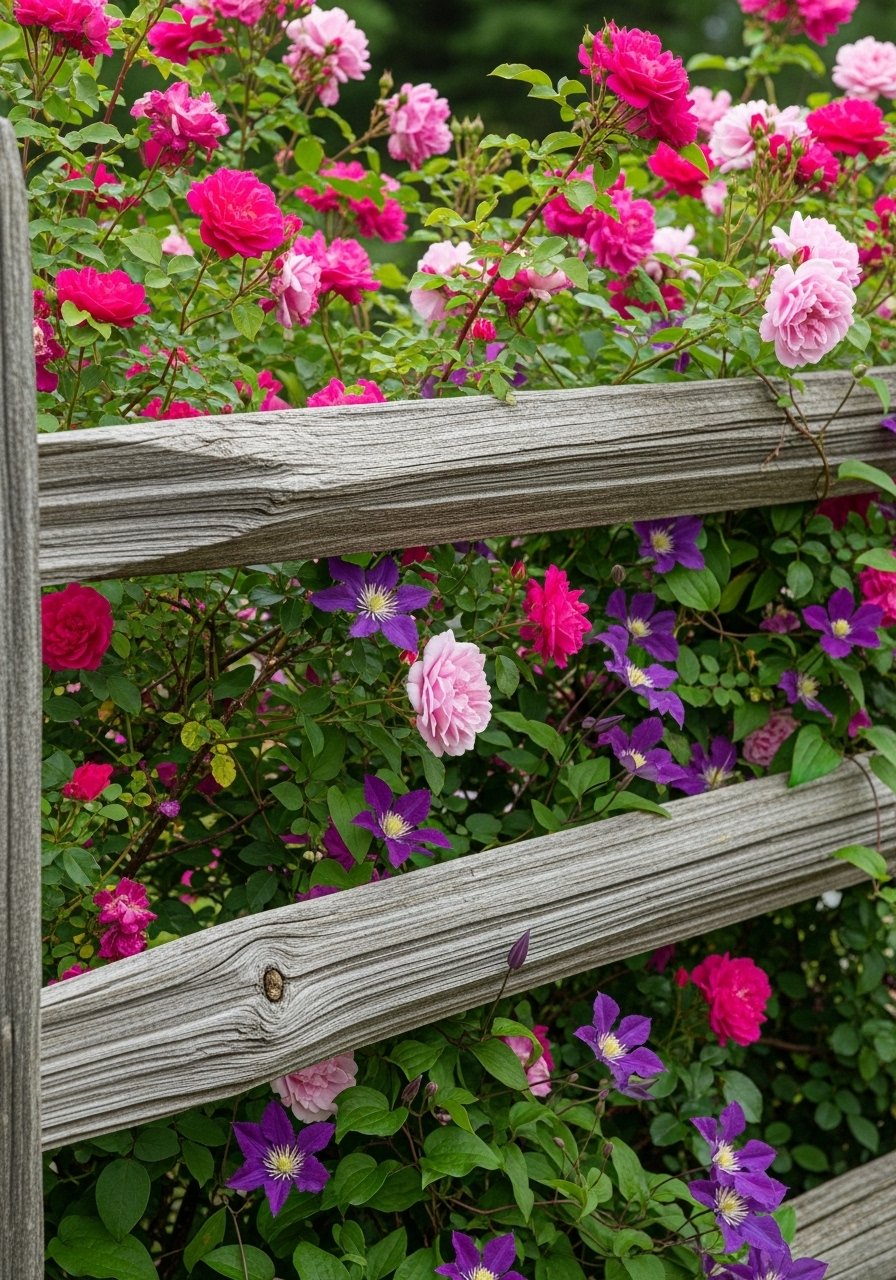
    14. Split-Rail Fence with Climbing Roses

    I added a short split-rail fence and trained climbing roses and clematis through it. It marks property and looks romantic without needing a full formal fence.

    At first I used a vigorous rose that took over a neighbor’s bed—lesson learned. Choose varieties suited to your space and train them gently.

    A low fence keeps things open while adding charm.
    What You’ll Need for This Look

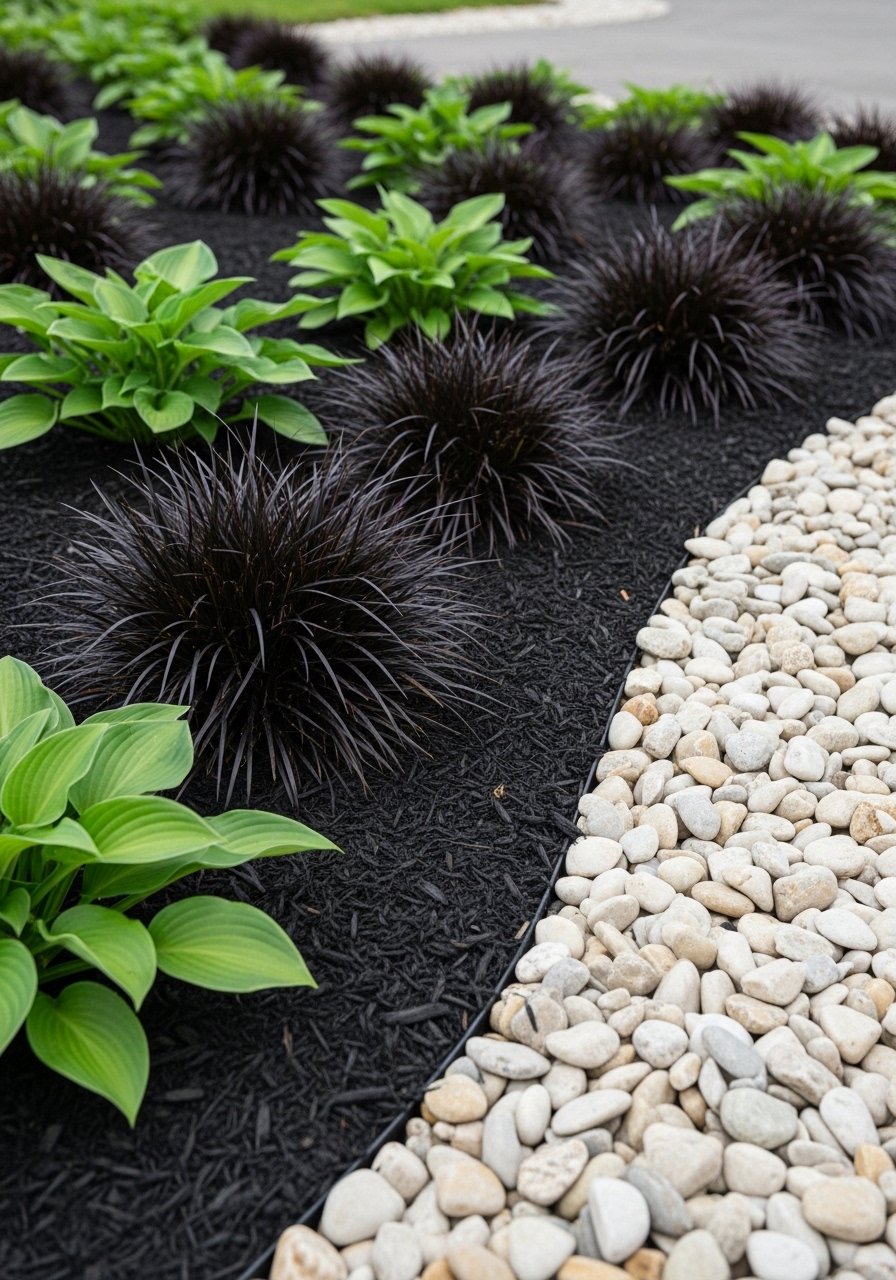
    15. Mulch and River Rock Contrast Bed

    I bordered a planting bed with river rock against dark mulch. The contrast is crisp and low maintenance.

    I planted shade-tolerant hostas and black mondo grass to emphasize the contrast. Rocks keep edges tidy and reduce weeding along driveways.

    Avoid piling rocks against plant stems. A clean separation keeps plants healthy.

    What You’ll Need for This Look

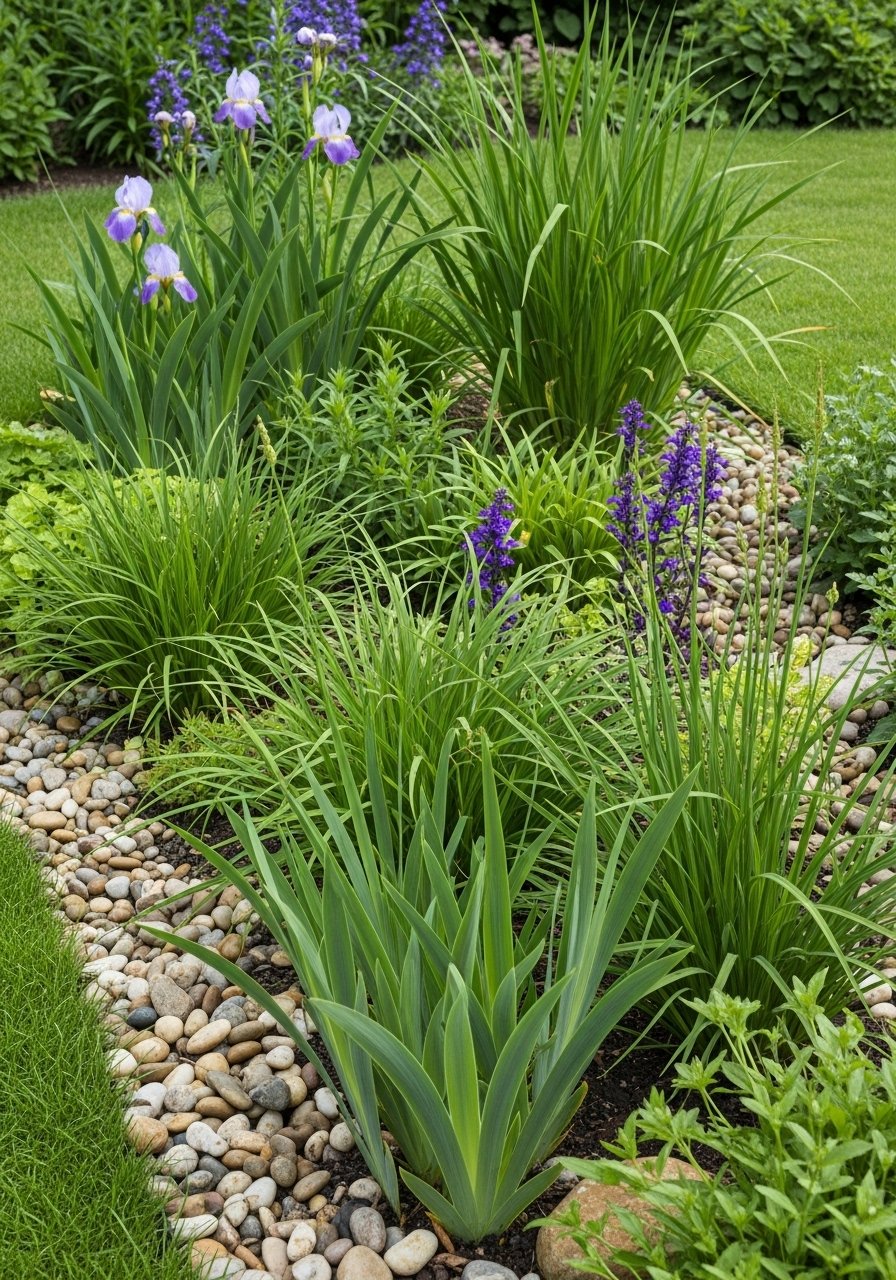
    16. Rain Garden for a Soggy Corner

    I dug a shallow rain garden where water pooled every spring. Iris, sedges, and joe-pye weed turned a muddy nuisance into a feature.

    My first instinct was to plant roses there—big mistake. They drowned. The rain garden taught me to choose plants that like wet feet.

    Place it where runoff naturally flows and plant in layers for texture.

    What You’ll Need for This Look

    17. Small Evergreen Trees as Scaled Focal Points

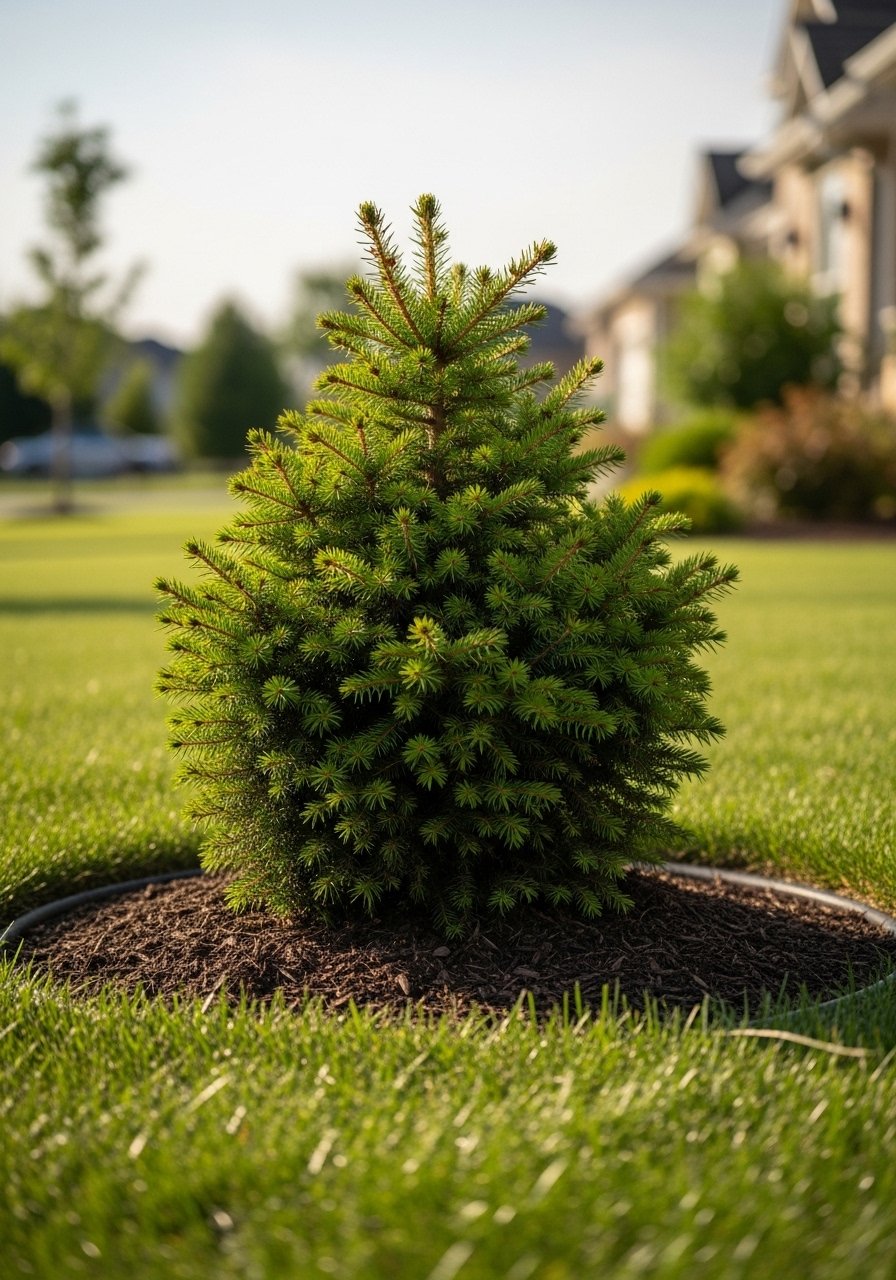
    I planted a small evergreen tree to anchor the lawn without overwhelming it. A dwarf spruce gives winter structure and vertical interest.

    I chose a slow-grower to avoid future pruning drama. Early placement matters—move a baby tree now and you avoid a big transplant later.

    Use mulch to keep roots cool and water during the first few years.

    What You’ll Need for This Look

    18. Recycled Planter Arrangement with Salvaged Pieces

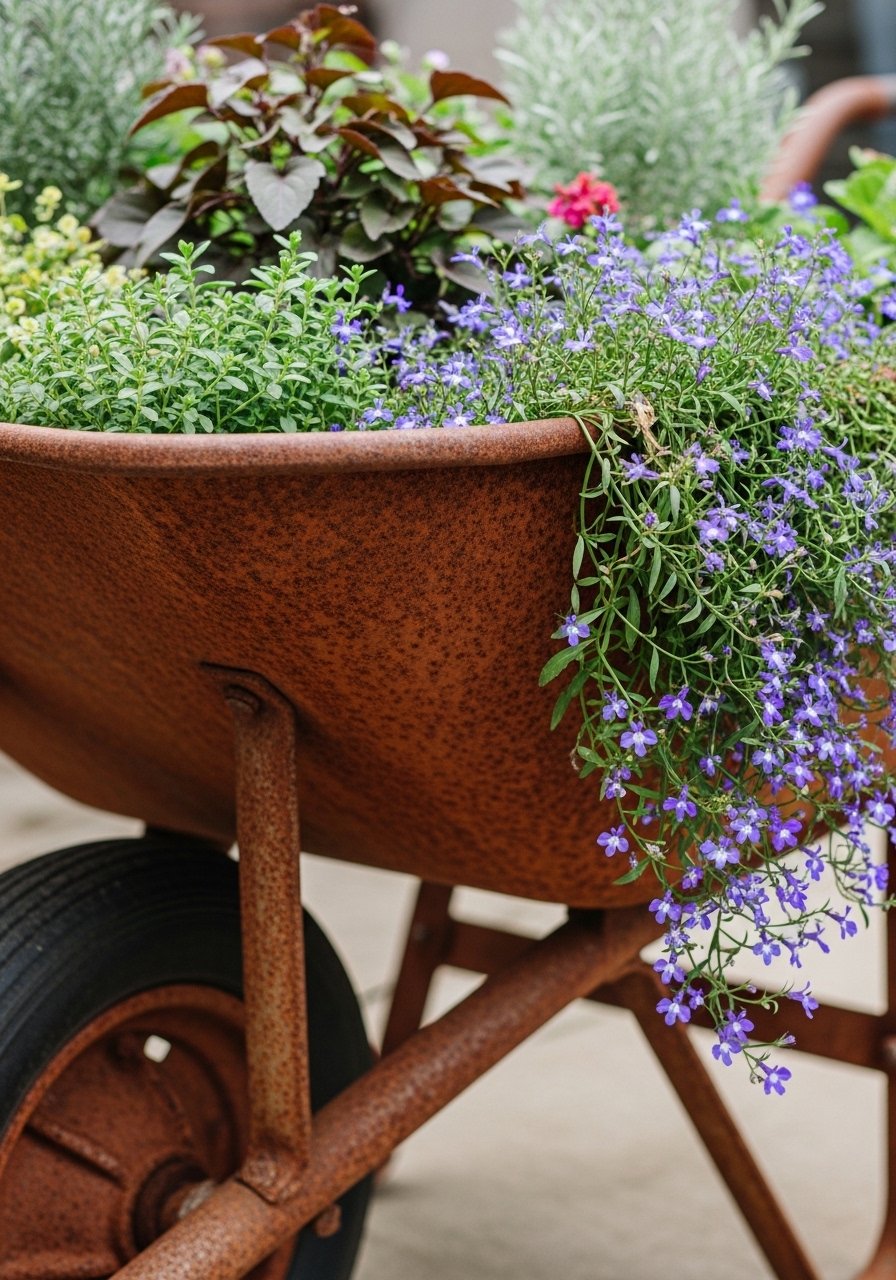
    I love using old things as planters. A salvaged wheelbarrow filled with herbs and annuals adds personality.

    The metal can heat up in summer—my mistake was not drilling drainage holes first. Now I check and line containers as needed.

    Recycled planters are unique and budget-friendly. Just make sure drainage and soil depth work for the plants.

    What You’ll Need for This Look

    19. Color-Block Planting for Bold Visual Impact

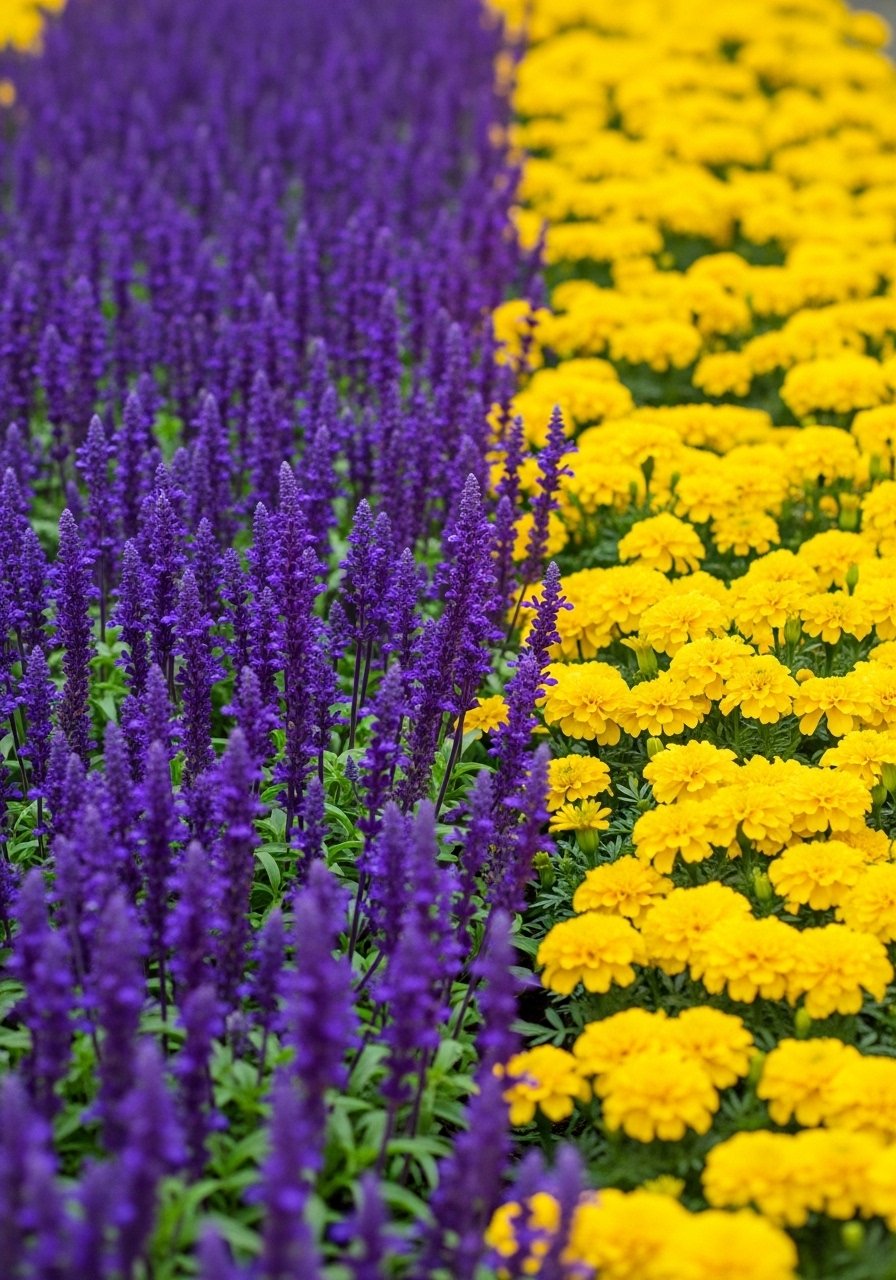
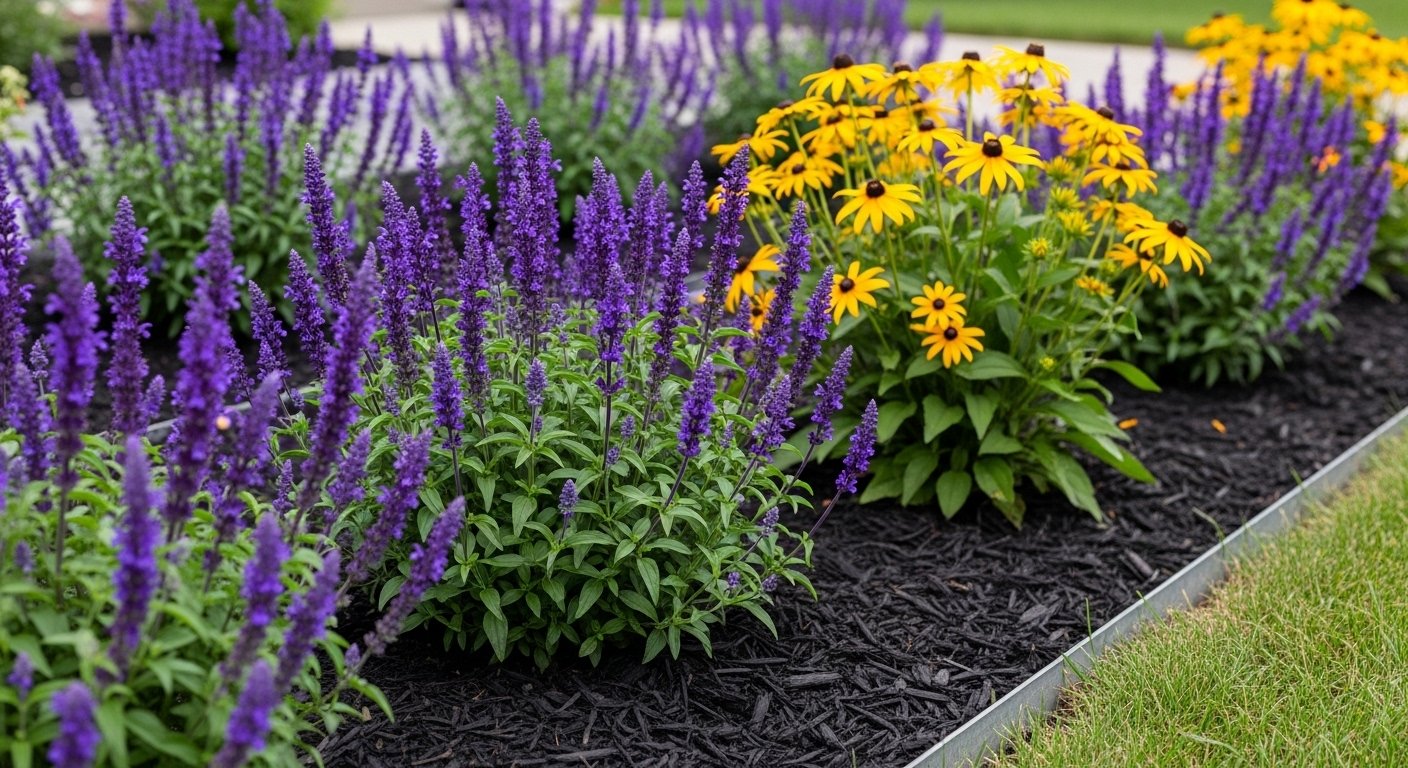
    I planted color blocks—one mass of purple salvia next to a swath of yellow marigolds. From the street it reads like a simple, bold stripe.

    It needed more plants than I guessed to read from distance. I filled gaps the following season and the effect became immediate and graphic.

    Color-blocking is an easy way to make small yards feel intentional.

    What You’ll Need for This Look

    20. Kid-Friendly Play Patch with Durable Groundcover

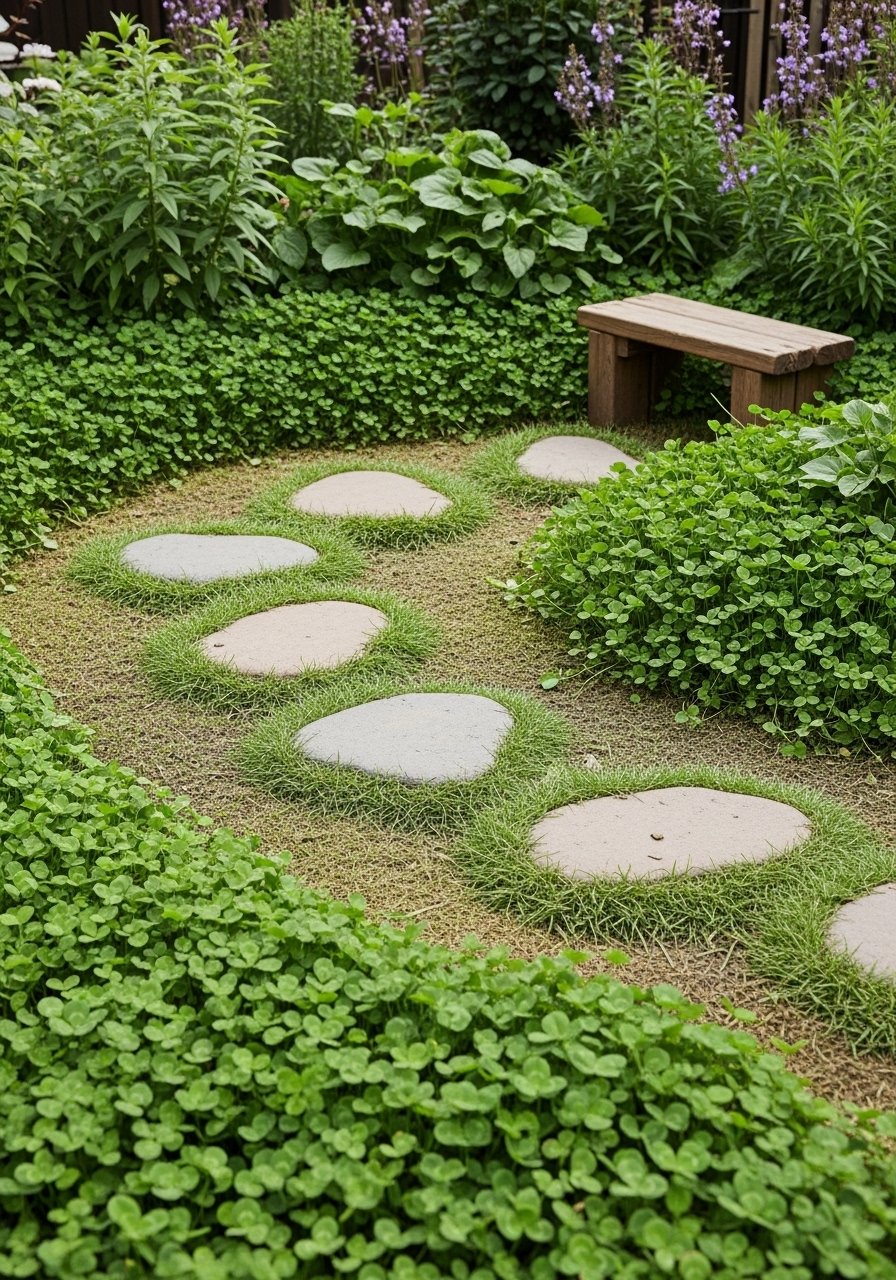
    When kids sprint across my lawn, certain plants couldn't survive. I replaced a worn spot with a clover-turf mix and stepping stones.

    Clover tolerates traffic and stays green with less watering. I still keep a small turf strip for ball games, but the clover patch takes heavy wear.

    Choose durable groundcovers and accept a lived-in look.

    What You’ll Need for This Look

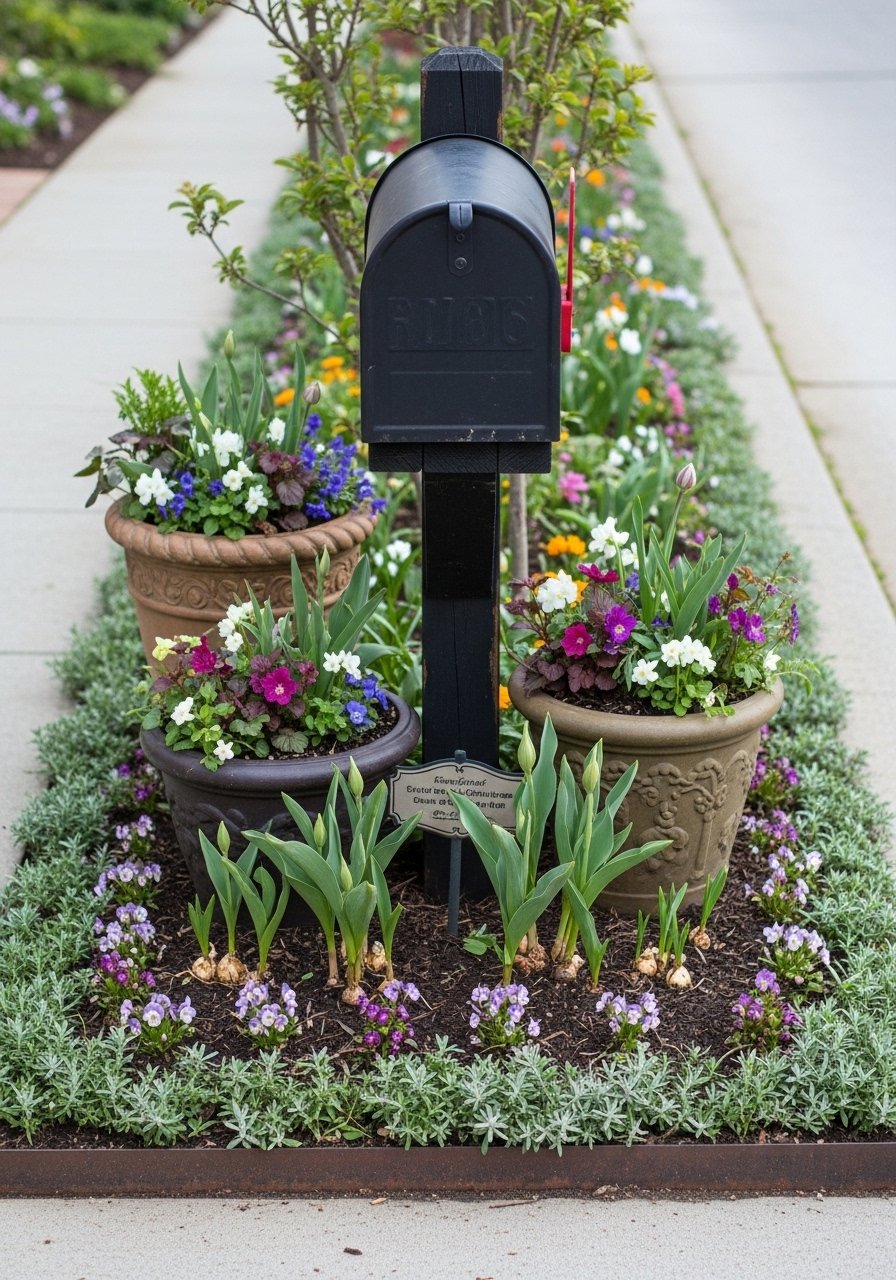
    21. Mailbox Garden with Year-Round Interest

    I planted around the mailbox to make that tiny corner work for the whole yard. Daffodil bulbs, summer perennials, and wintered ornamental kale give year-round interest.

    I once planted a tall shrub that blocked mail pickup—learned the hard way to keep clearance for service access.

    Mailbox gardens are small but high-impact. Keep scale in mind.

    What You’ll Need for This Look

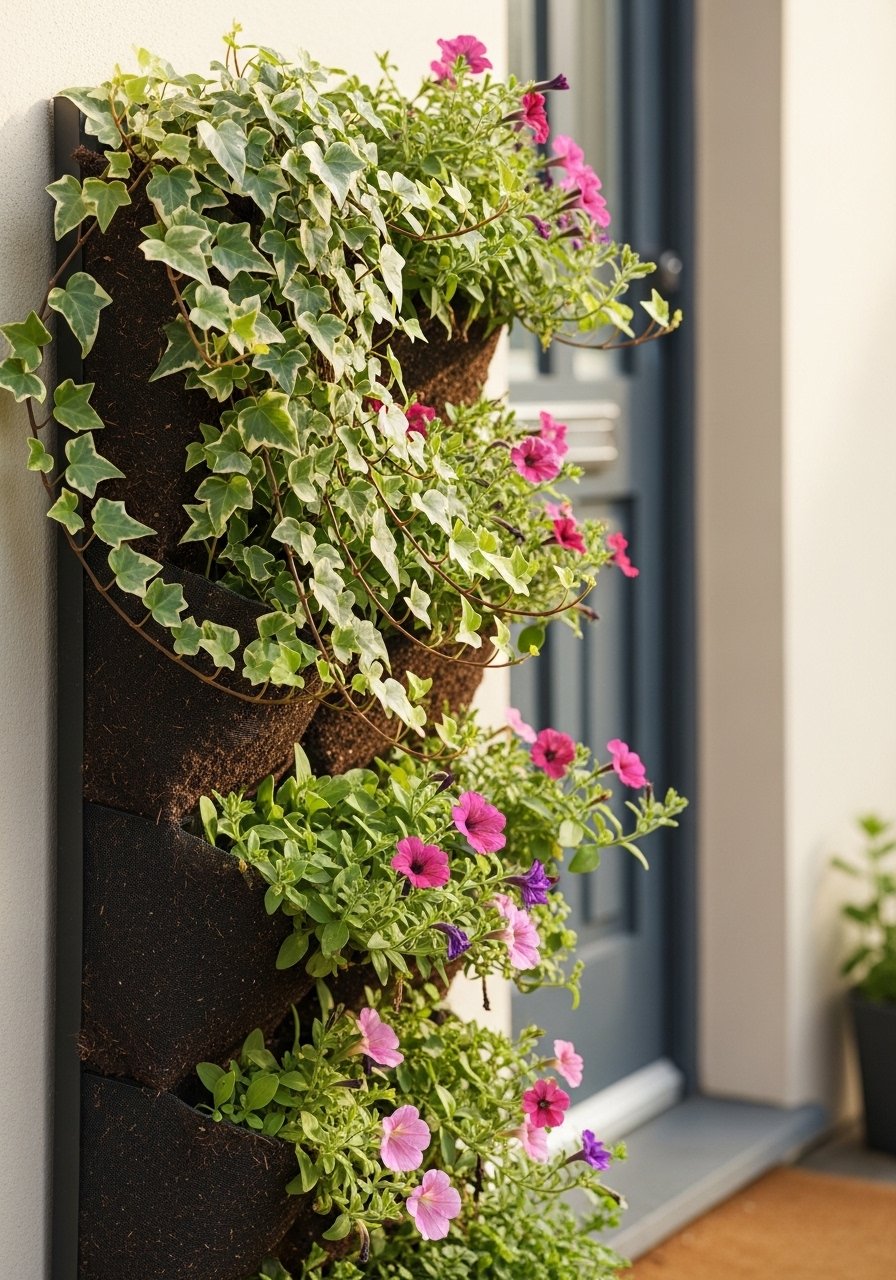
    22. Vertical Porch Planters for Small Entries

    I used vertical planters on my small porch when floor space was tight. Layers of trailing petunia and sweet potato vine added lushness without crowding.

    I learned to check drainage and rotate plants seasonally. Vertical planters dry faster, so plan a watering routine.

    They’re a smart way to get big impact in a small footprint.

    What You’ll Need for This Look

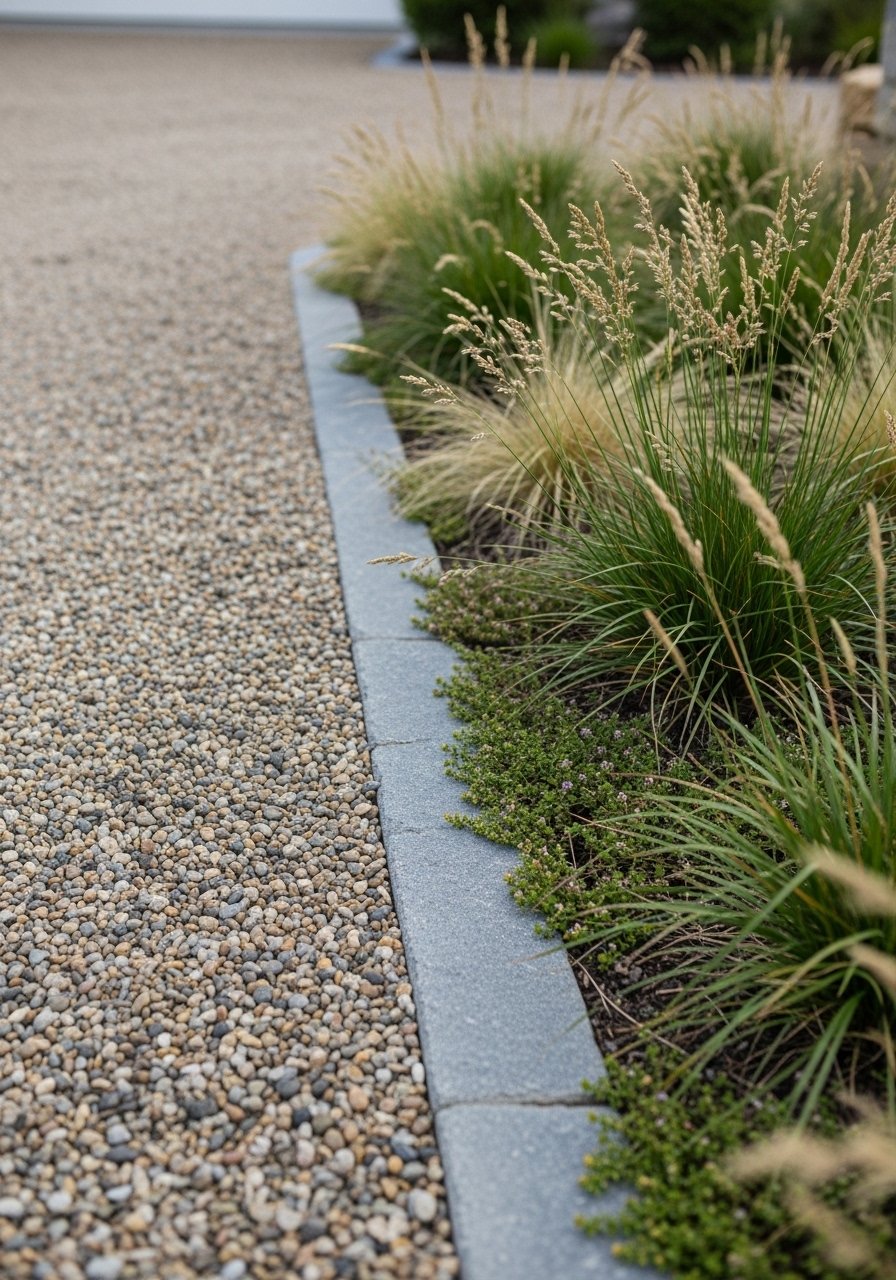
    23. Gravel Driveway with Native Planted Edges

    I replaced an asphalt edge with gravel and native grasses. It softened the driveway and reduced runoff.

    I use a compacted base to keep gravel from migrating into beds. Native edges provide seasonal interest and habitat.

    It’s low-maintenance once established and looks informal and lived-in.

    What You’ll Need for This Look

    24. Tree Uplighting to Define Evenings

    I added uplighting under a front plane tree. At dusk the trunk and canopy glow and the yard reads as cared-for, even on a weekday night.

    I aimed lights low so they wash the trunk without blinding neighbors. Using warm LEDs keeps the light soft and inviting.

    Lighting extends the usefulness of your lawn and highlights favorite plants.

    What You’ll Need for This Look

    Final Thoughts

    You don't need to try all 24 ideas. Pick two or three that fit your yard and your time.

    I start small, learn from what doesn’t work, then expand. That’s how real curb appeal builds—one honest project at a time.

  • 27 Genius Small Front Lawn Landscape Ideas For Tiny Space Style

    27 Genius Small Front Lawn Landscape Ideas For Tiny Space Style

    I used to hate my tiny front lawn. It felt like wasted space and a lot of mowing for little reward.

    Then I started treating it like a room—small, intentional, and layered. The fixes were simple, honest, and cheap. You can do the same.

    27 Genius Small Front Lawn Landscape Ideas For Tiny Space Style

    These 27 ideas are hands-on, practical fronts I’ve actually tried or seen work. They’re small-space friendly and realistic, with items to buy and things to watch for.

    1. Layered Container Border that Frames the Walkway

    I lined the narrow path to my door with staggered containers. It made the route feel intentional and gave height without a permanent wall. I mixed evergreen structure, seasonal color, and a trailing filler; it reads like a mini hedge.

    At first I bought too many big pots and crowded the entrance. I pared back and left breathing room. Now guests step through a soft, lived-in entry.

    What to watch: avoid heavy pots on soft ground.

    What You’ll Need for This Look

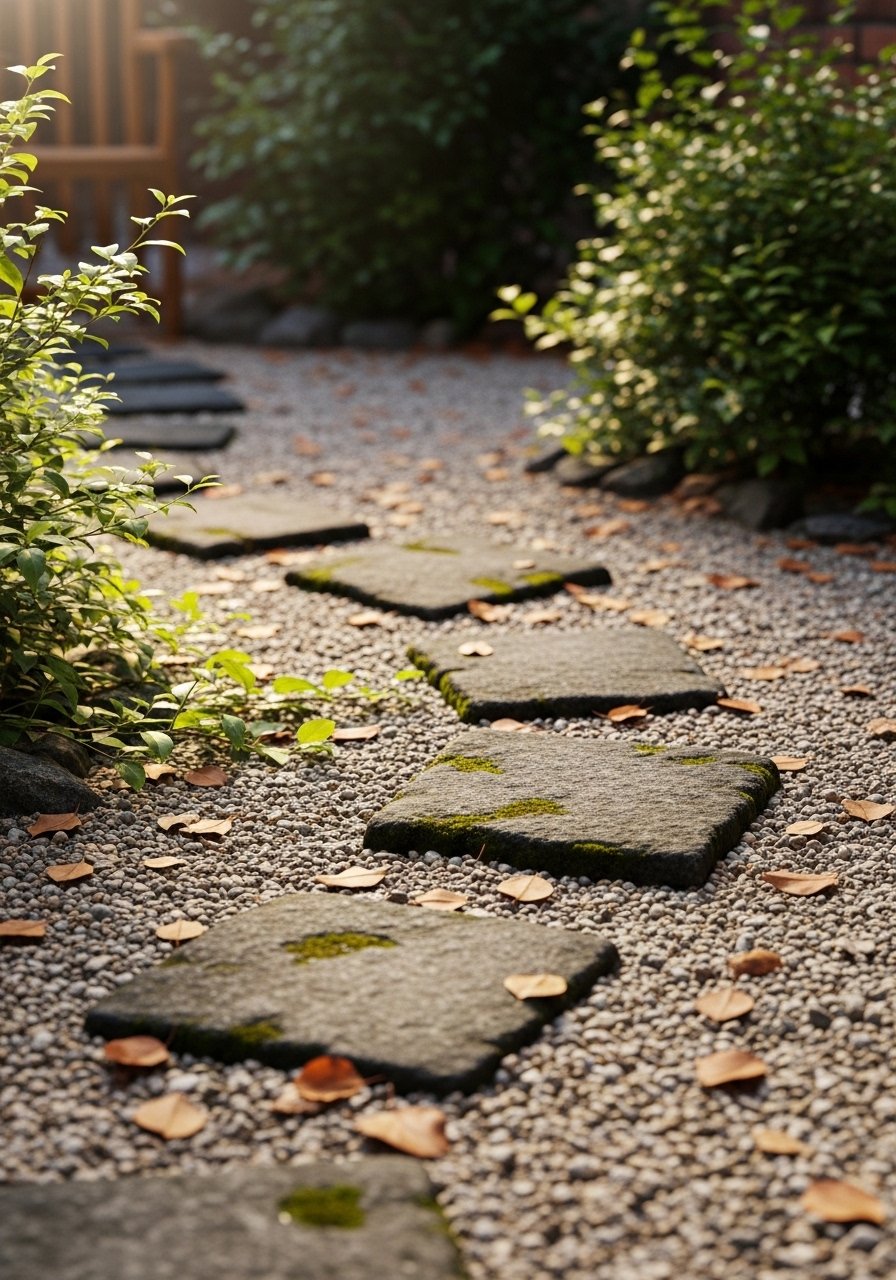
    2. Narrow Gravel Path with Stepping Stones

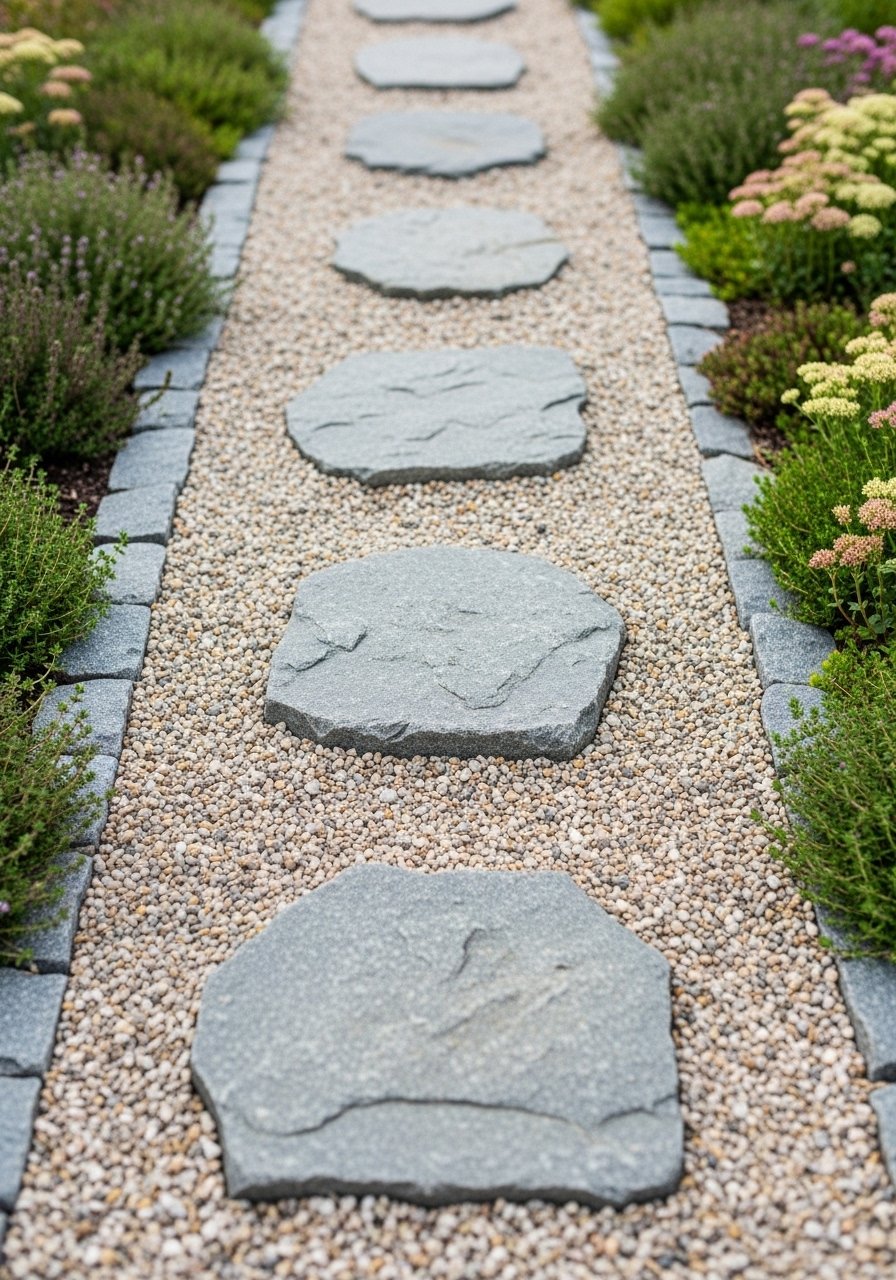
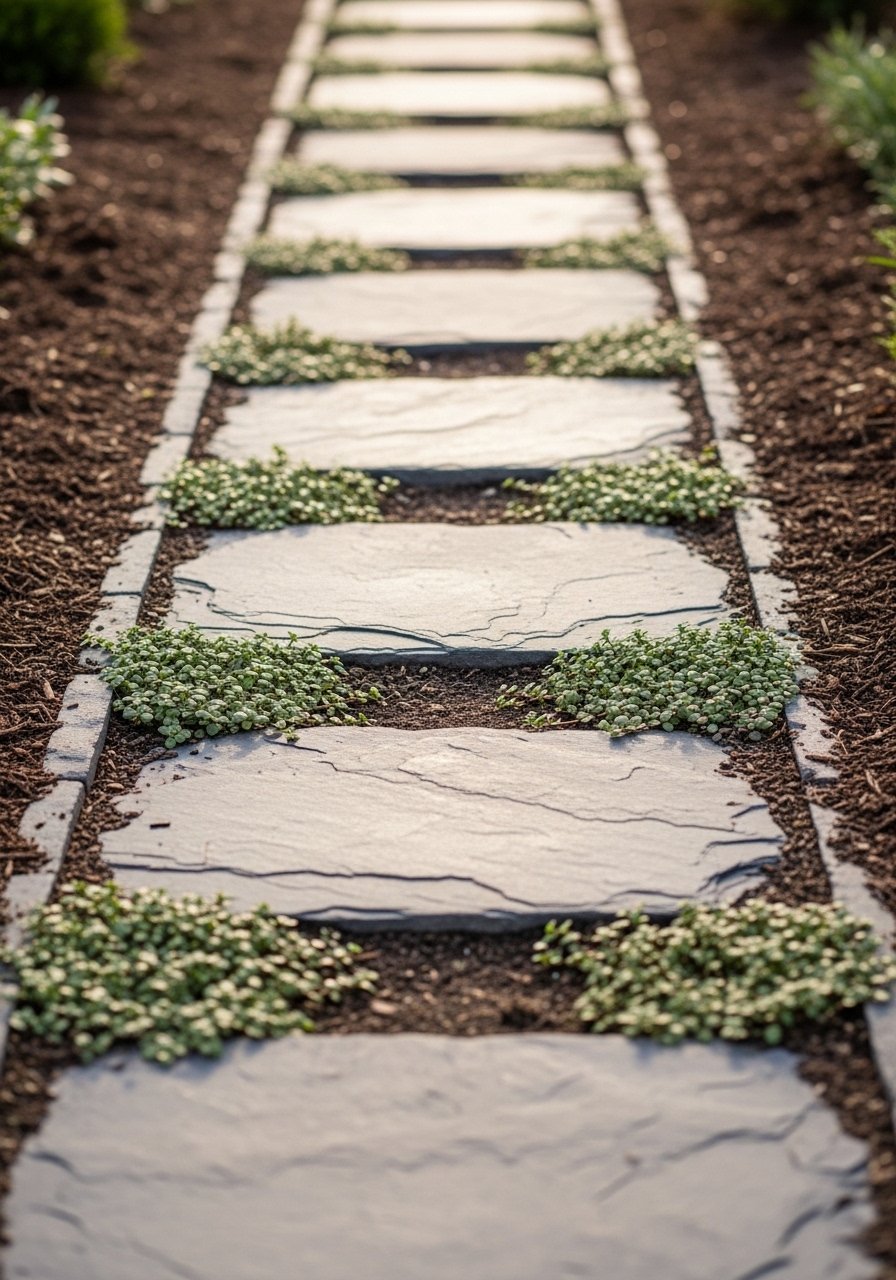
    I replaced a patchy turf strip with a slim gravel path and a few stepping stones. It made the yard feel crisp and reduced mowing. I put creeping thyme between stones so it smells when you walk.

    I messed up the first time by not compacting the base—stones shifted. Re-doing it taught me patience; a good base makes all the difference.

    What You’ll Need for This Look

    3. Mini Raised Bed for a Tight Corner

    I built a short cedar raised bed in a cramped corner by the mailbox. It changed a neglected wedge into a green anchor. Because it’s raised, soil warms earlier and plants look fuller.

    I underestimated how much soil I’d need—buying an extra bag saved the day. I keep rosemary and small shrubs for structure and swap annuals seasonally.

    What You’ll Need for This Look

    4. Vertical Trellis of Climbers on a Narrow Facade

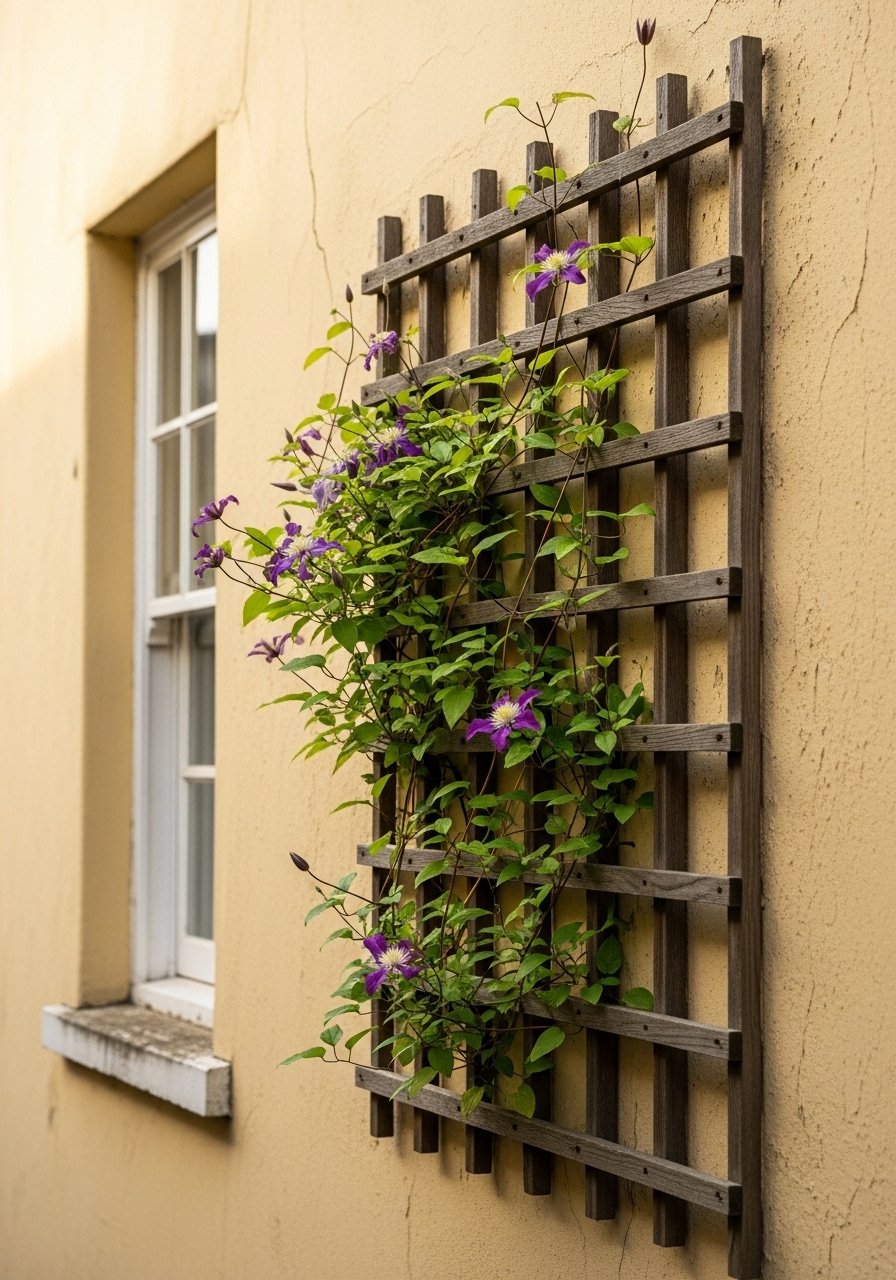
    When my front wall felt blank, I added a slim trellis and trained clematis and jasmine. Vertical planting gives height without taking turf. The scent near the door is a nice bonus.

    I once anchored the trellis too low and plants tangled with the porch light. I re-positioned it—small fixes matter. Prune lightly to keep the look tidy.

    What You’ll Need for This Look

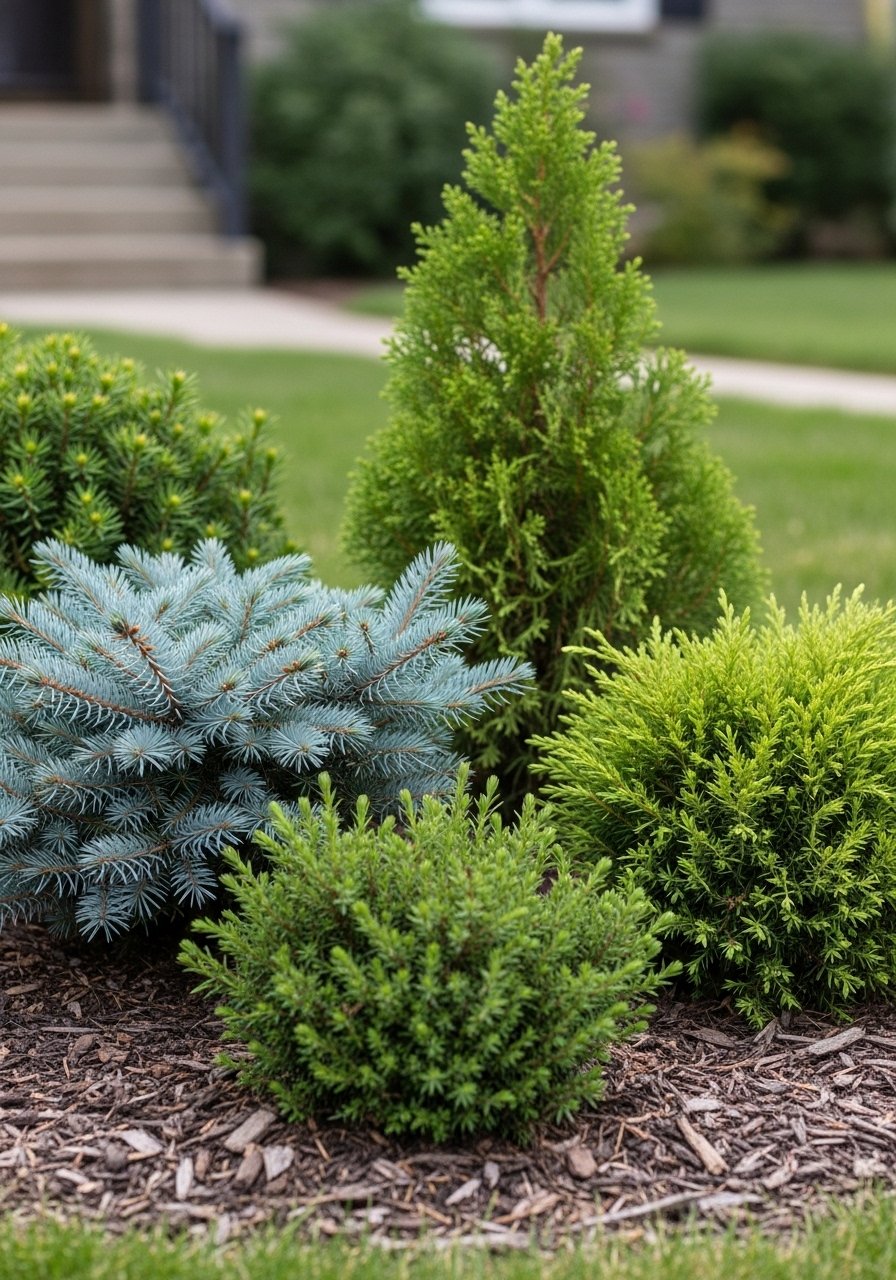
    5. Dwarf Conifer Quartet for Year-Round Form

    I planted a small group of dwarf conifers in a triangular bed. They give winter interest and need almost no fuss. The shape reads clean and modern, which suits a tiny lawn.

    I planted them a bit too close and had to spread them later. Leave space for their mature shape. Mulch well to keep roots cool in summer.

    What You’ll Need for This Look

    6. Pocket-Size Pollinator Strip Along the Curb

    I swapped a skinny turf strip for a pollinator mix. It’s narrow but packed with color and visits from bees. It felt good to convert turf to habitat that actually does something.

    I started with the wrong seed mix once and got mostly grass. Choosing native perennials and planting plugs fixed it. These plants come back and get better each year.

    What You’ll Need for This Look

    7. Compact Ornamental Tree as a Mini Focal Point

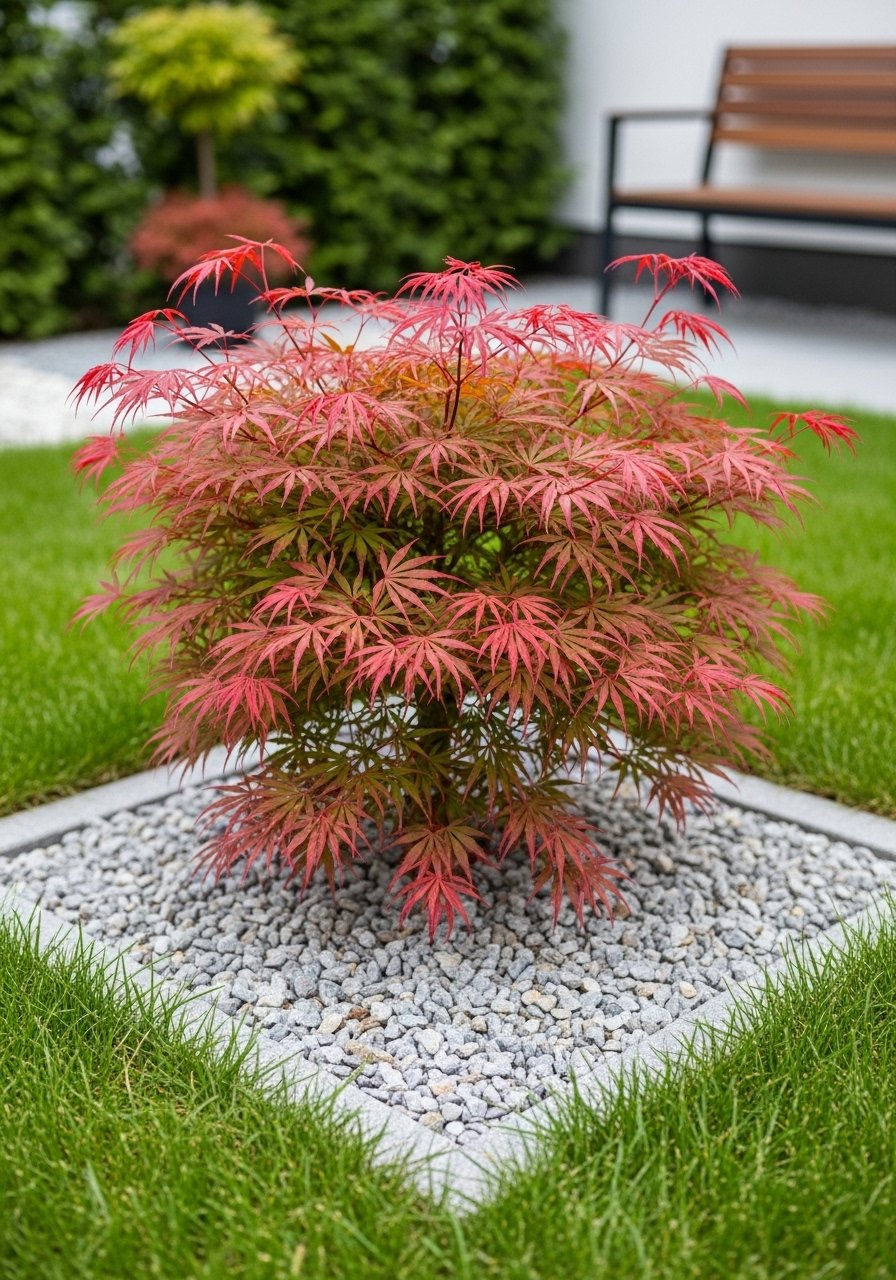
    I planted a small Japanese maple in the center of a tiny bed. It acts as a focal point and gives dappled shade. Its silhouette reads bigger than it is.

    I chose a cultivar and later realized it needed slightly more sun than I thought. The lesson: match tree to exposure. A protective stake the first year helps.

    What You’ll Need for This Look

    8. Built-In Bench with Planter Ends

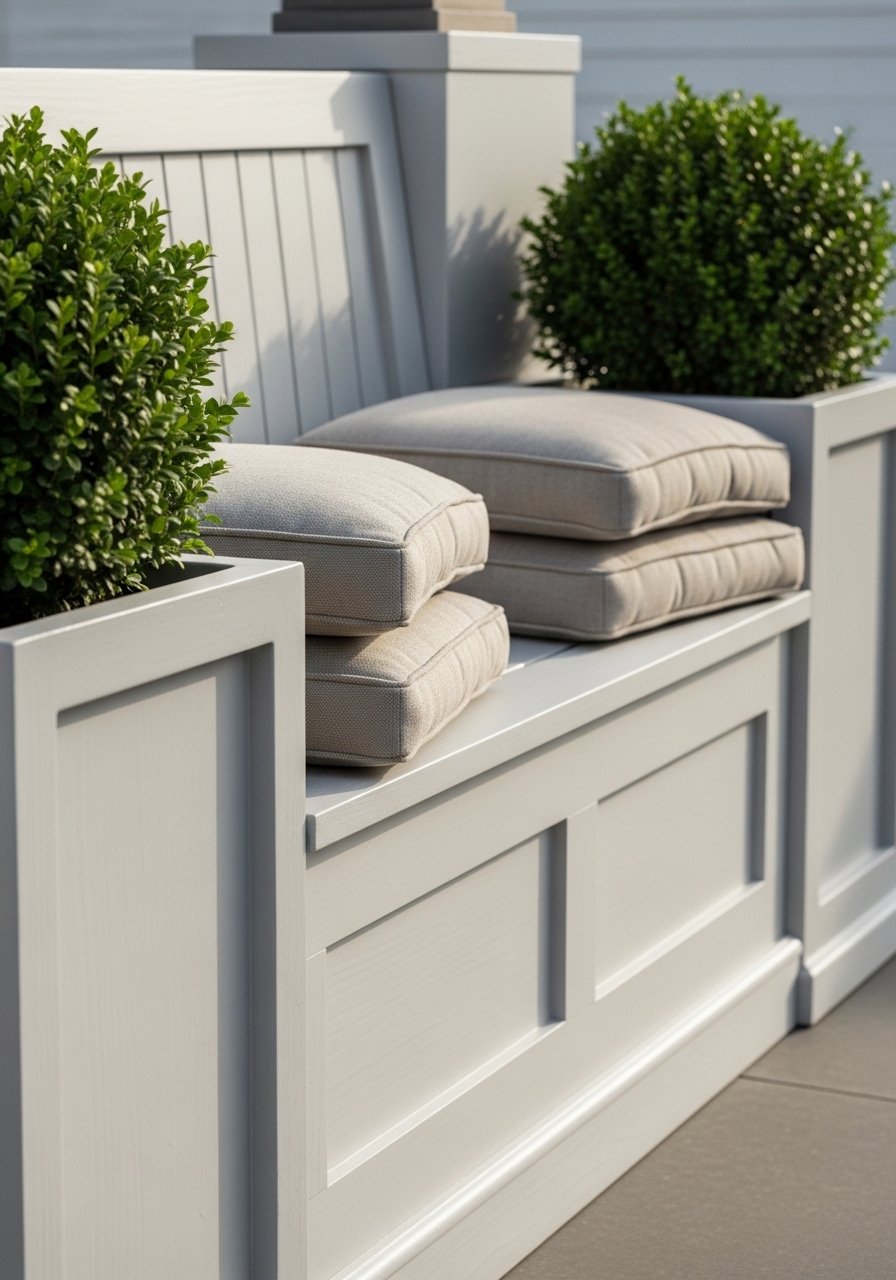
    I installed a low bench with planters at each end. It made my tiny front yard usable—people actually sit. The planters frame the seat and soften edges.

    I once used cheap screws and had to replace them. Use exterior-grade hardware. Add cushions for comfort and swap seasonal plants in the planters.

    What You’ll Need for This Look

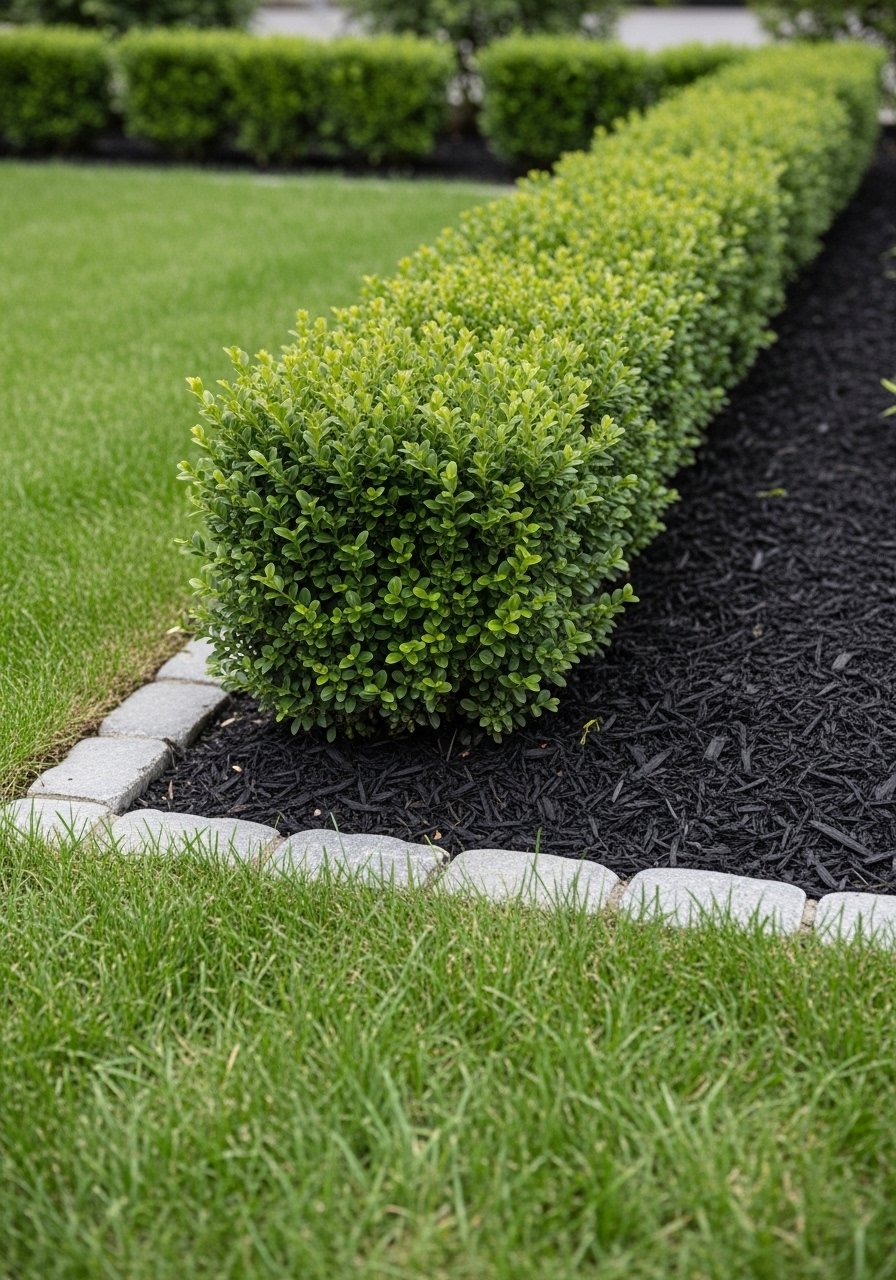
    9. Low Hedge Edge to Define the Lawn

    I planted a narrow, clipped hedge along the lawn edge. It gives a tidy boundary without feeling heavy. It’s small-scale and easy to maintain.

    I once pruned too aggressively in summer and stressed the plants. Now I trim in spring and lightly in late summer. Choose a dwarf species for tiny spaces.

    What You’ll Need for This Look

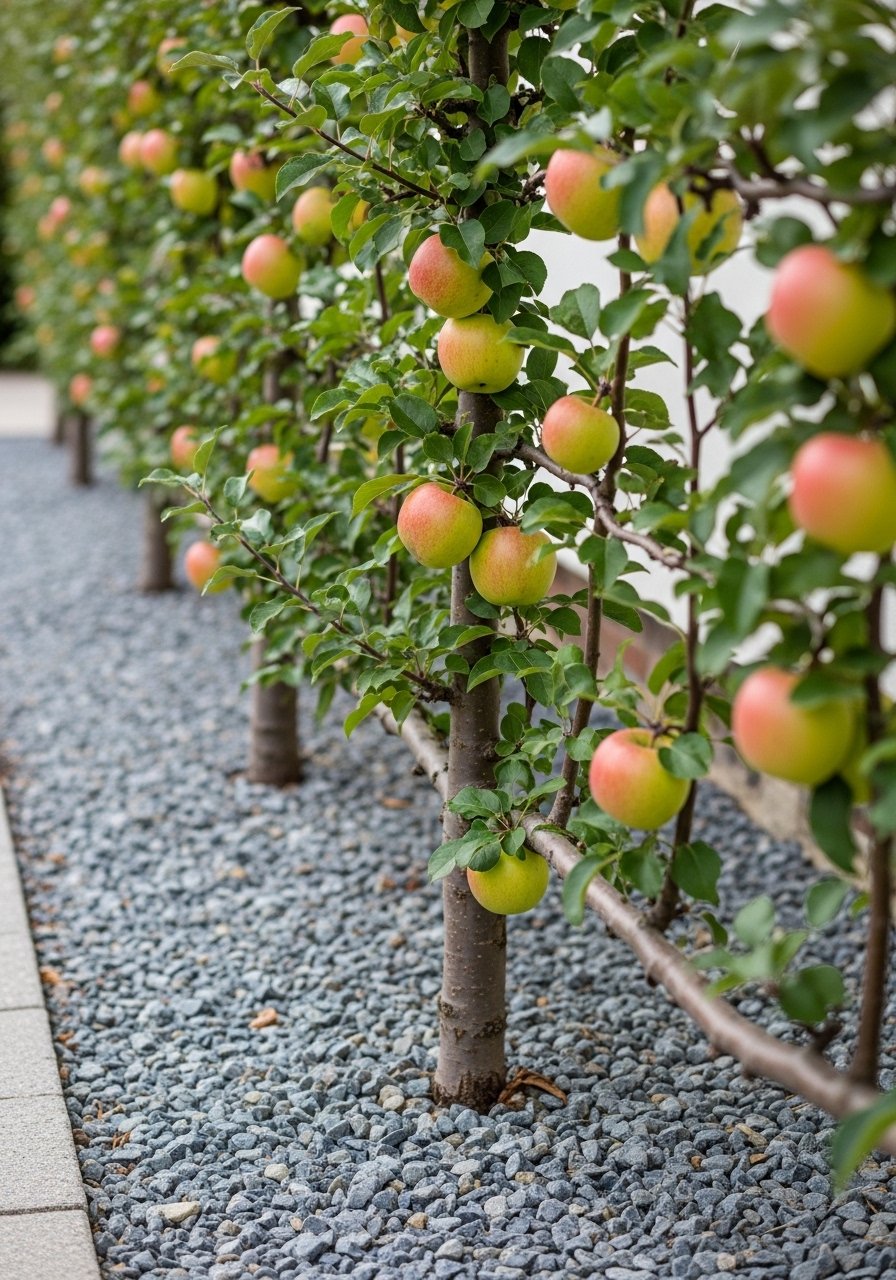
    10. Espaliered Fruit Tree Against a Wall

    I espaliered an apple against a narrow wall. It gave fruit and a classic, tidy look without taking lawn space. The flat form is perfect for small yards.

    Espalier needs patience; my first attempt had uneven tiers. Take time to train ties and prune annually. The payoff is a living screen and summer fruit.

    What You’ll Need for This Look

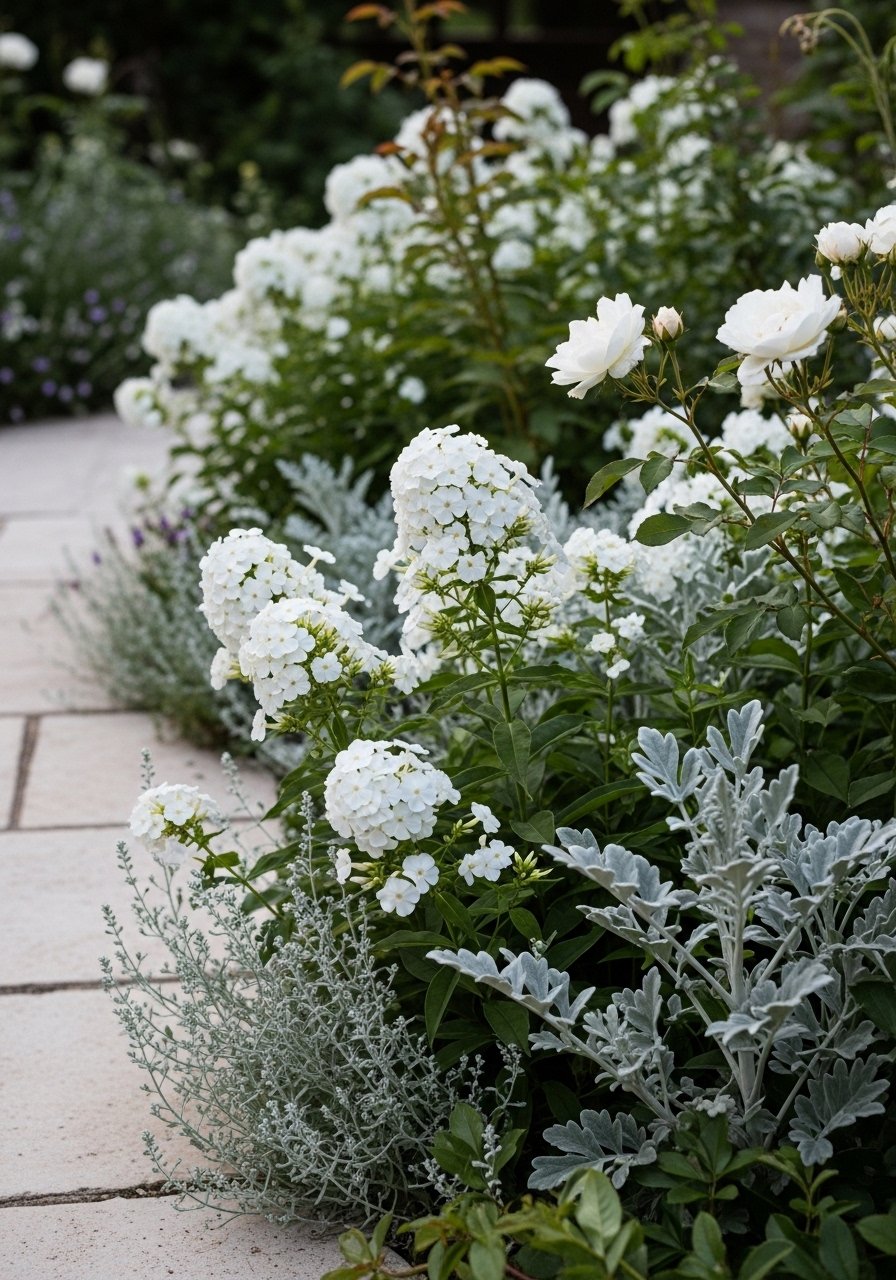
    11. Small Moonlight Garden with White Flowers

    I planted a little moonlight garden near my porch light. At dusk it glows—white phlox, silver artemisia, and pale roses. It reads bright and calm in small yards.

    I once mixed a high-water rose here and it clashed with drought-loving silver plants. Now I match plant needs carefully. Night scent is a lovely bonus.

    What You’ll Need for This Look

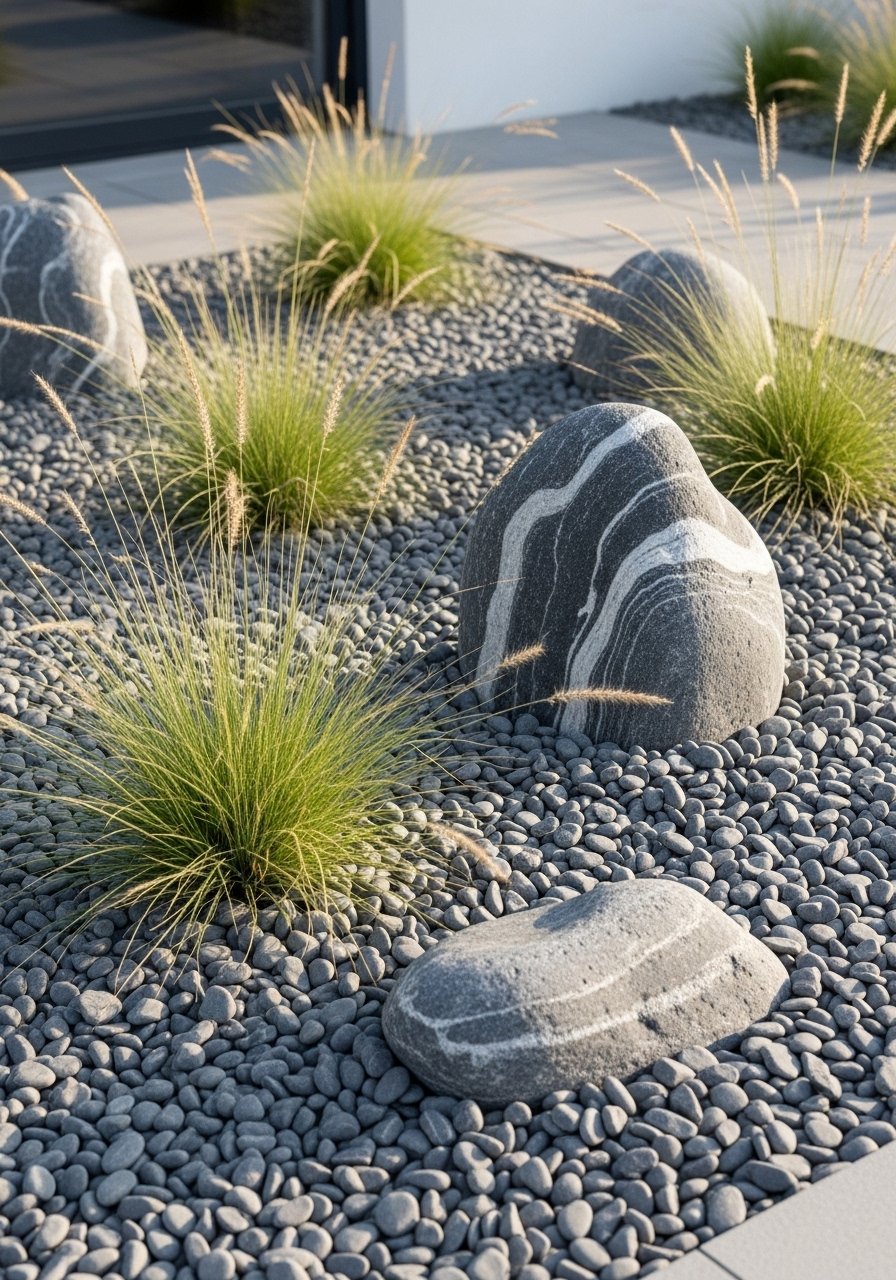
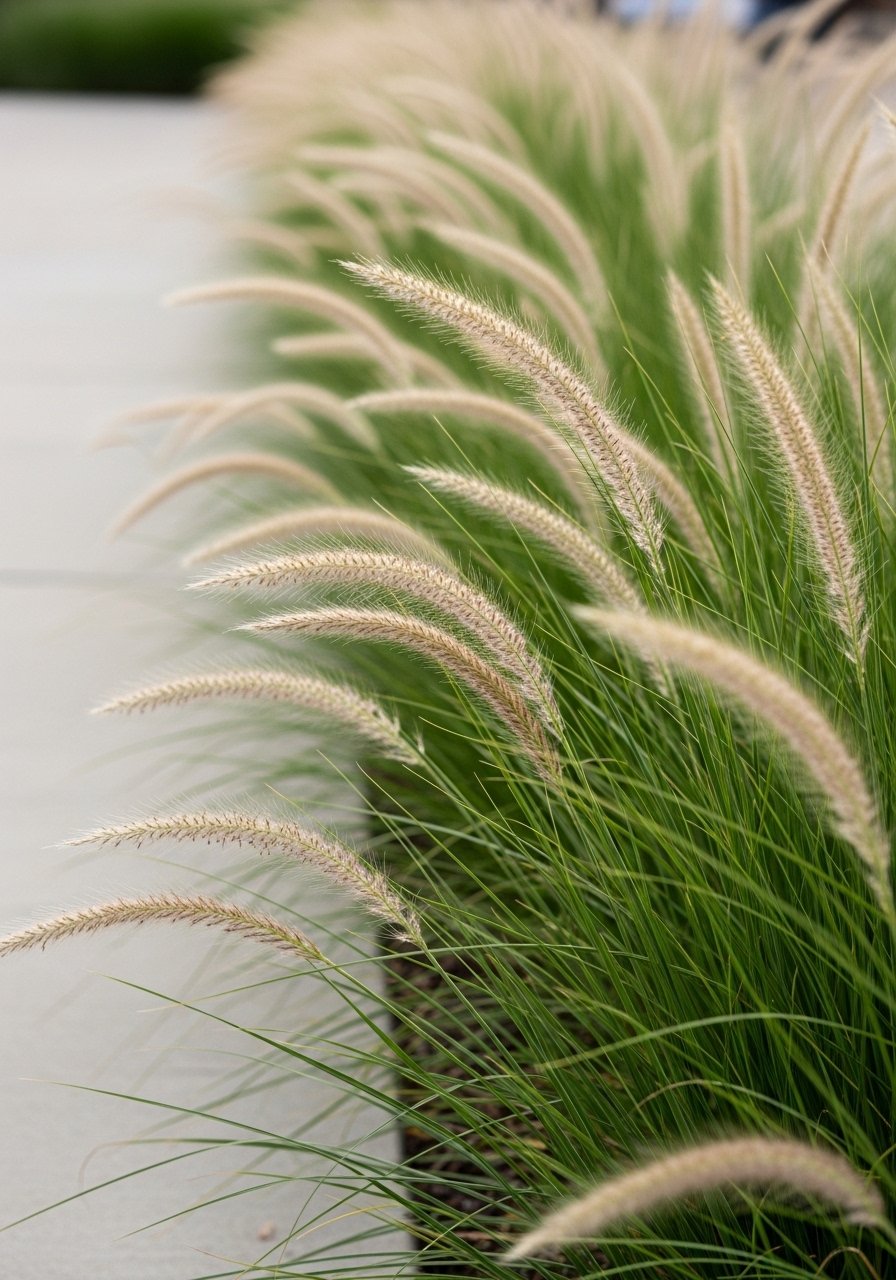
    12. Modern Gravel Bed with Sculptural Grass Clumps

    I swapped part of my lawn for a modern gravel bed with three fountain grass clumps. It reads clean and is nearly no-maintenance. The grasses sway and soften the gravel.

    I made the area too large at first—smaller islands balance the yard better. Place groups of odd-numbered grasses to avoid stiffness.

    What You’ll Need for This Look

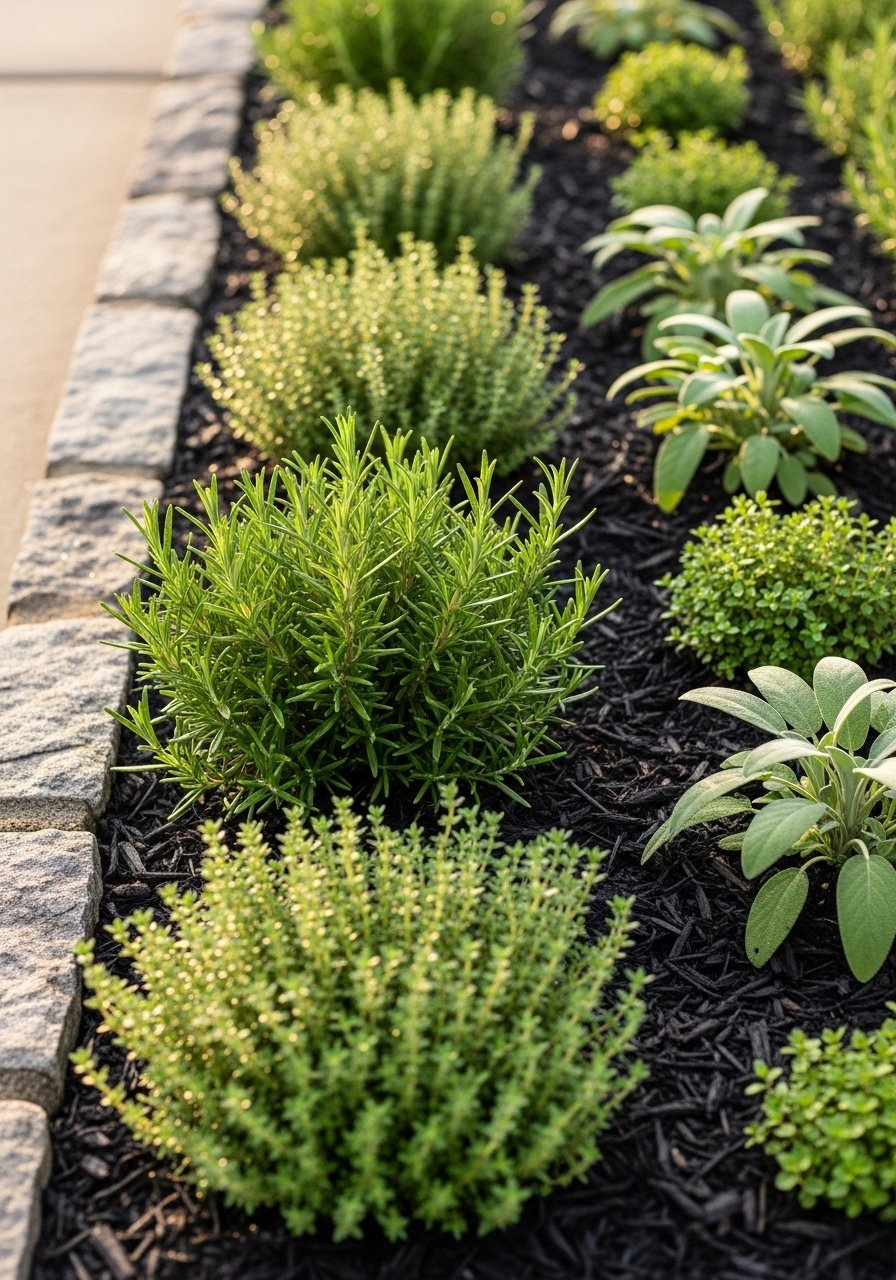
    13. Curbside Herb Strip for Fresh Snips

    I planted a narrow herb strip by the sidewalk. It smells great and I regularly snip rosemary for the grill. It’s practical and pretty.

    I once put a thirsty herb next to sage and it sulked. Now I group herbs by water needs. This corner rewards small, regular harvesting.

    What You’ll Need for This Look

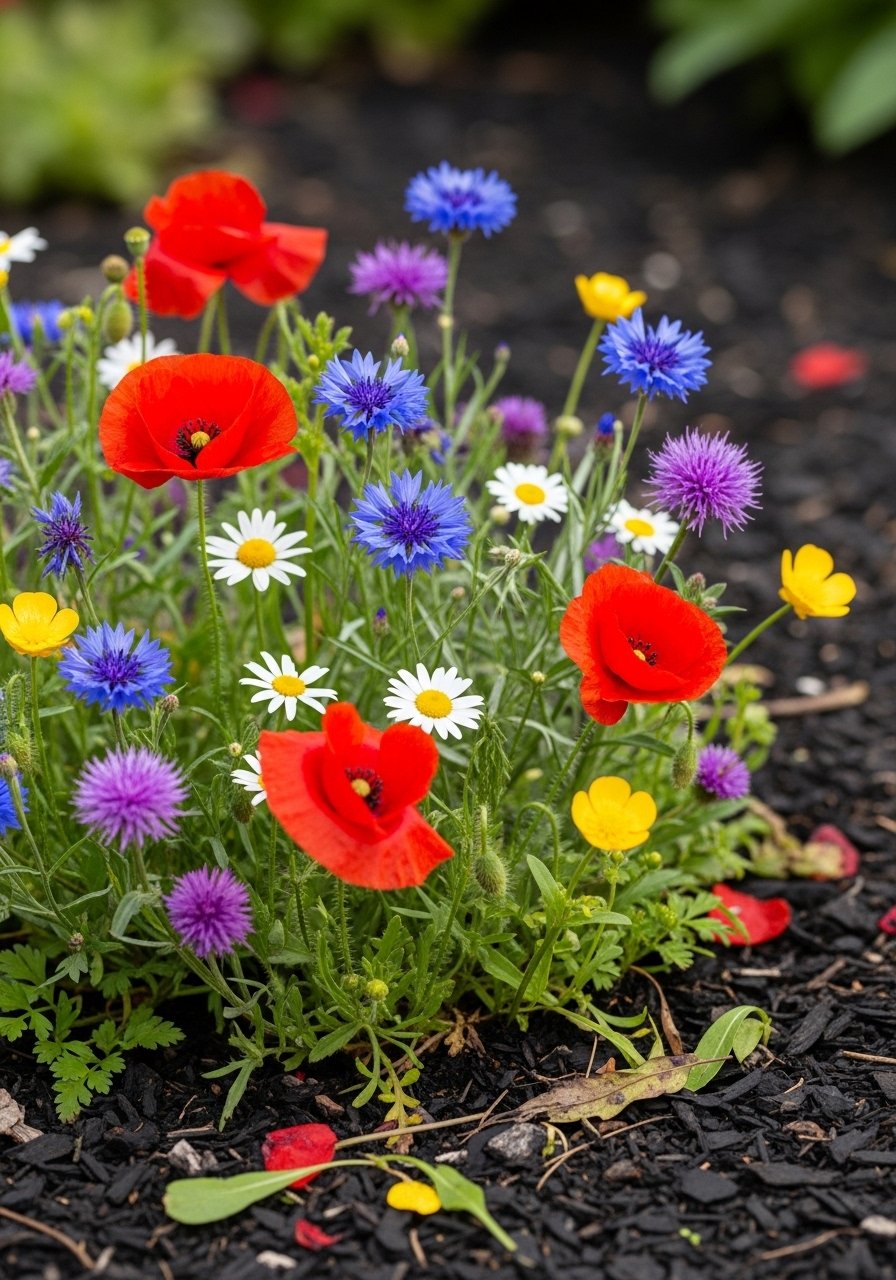
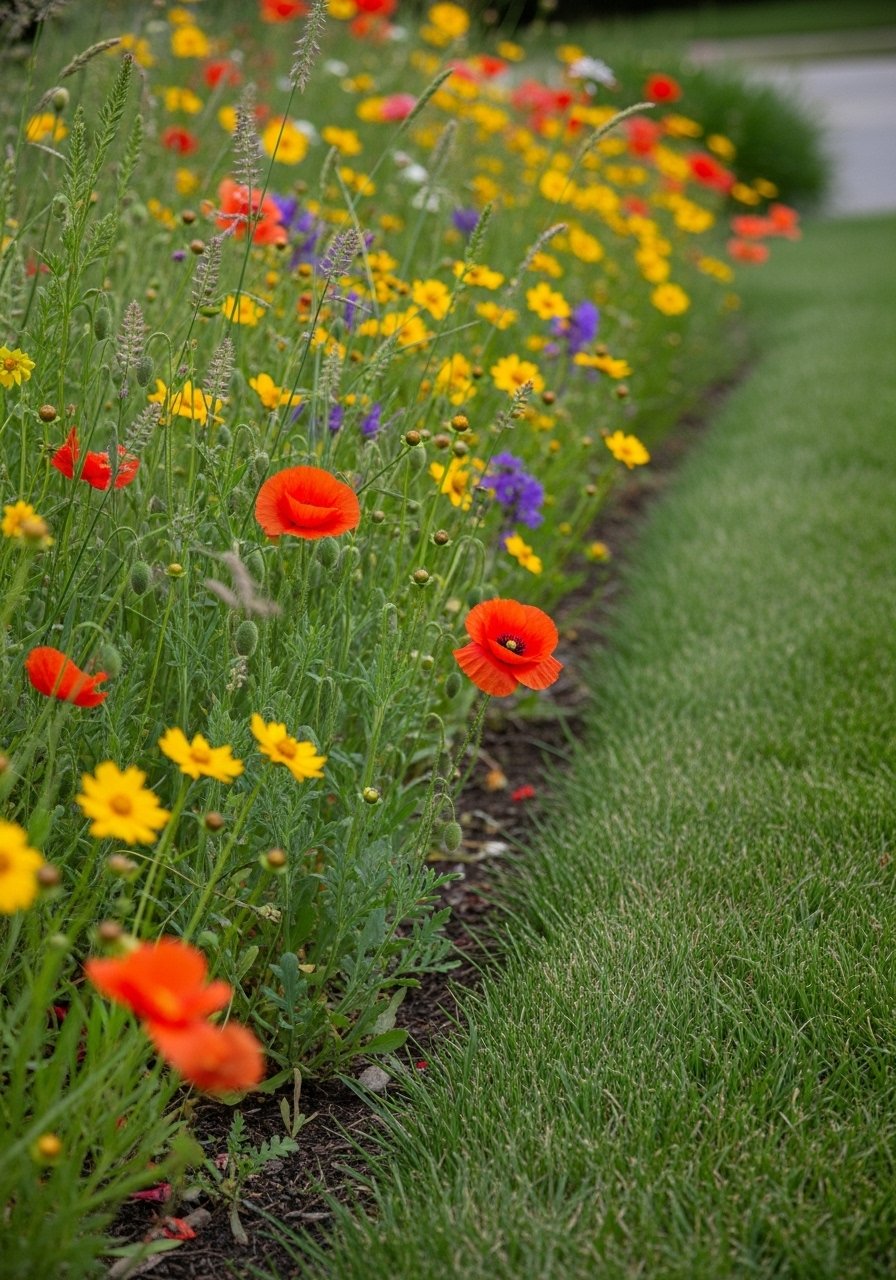
    14. Mini Wildflower Patch That Looks Carefree

    I let a small corner go wild with a native wildflower mix. It’s not formal, but it brings color and butterflies. It’s forgiving and cheap to maintain.

    My first seed choice was overly grassy. Switching to native annuals made a quick, honest showing. Let it be a little ragged for charm.
    What You’ll Need for This Look

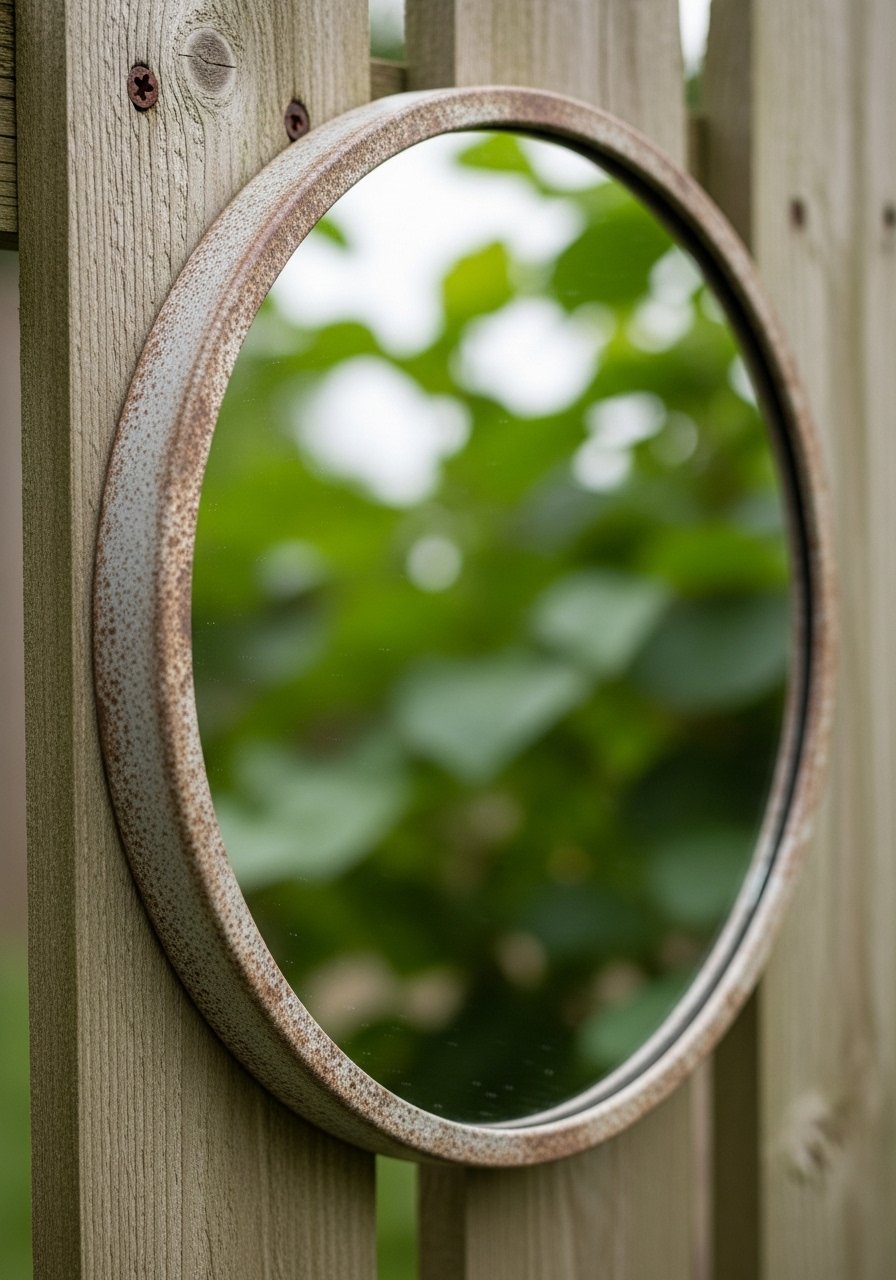
    15. Small Reflective Mirror to Add Perceived Depth

    I hung a small garden mirror on a fence and it visually doubled the space. Reflections of greenery make the yard feel deeper without planting more.

    I learned to mount it securely—the first one blew down. Position it opposite foliage so the reflected view feels natural.

    What You’ll Need for This Look

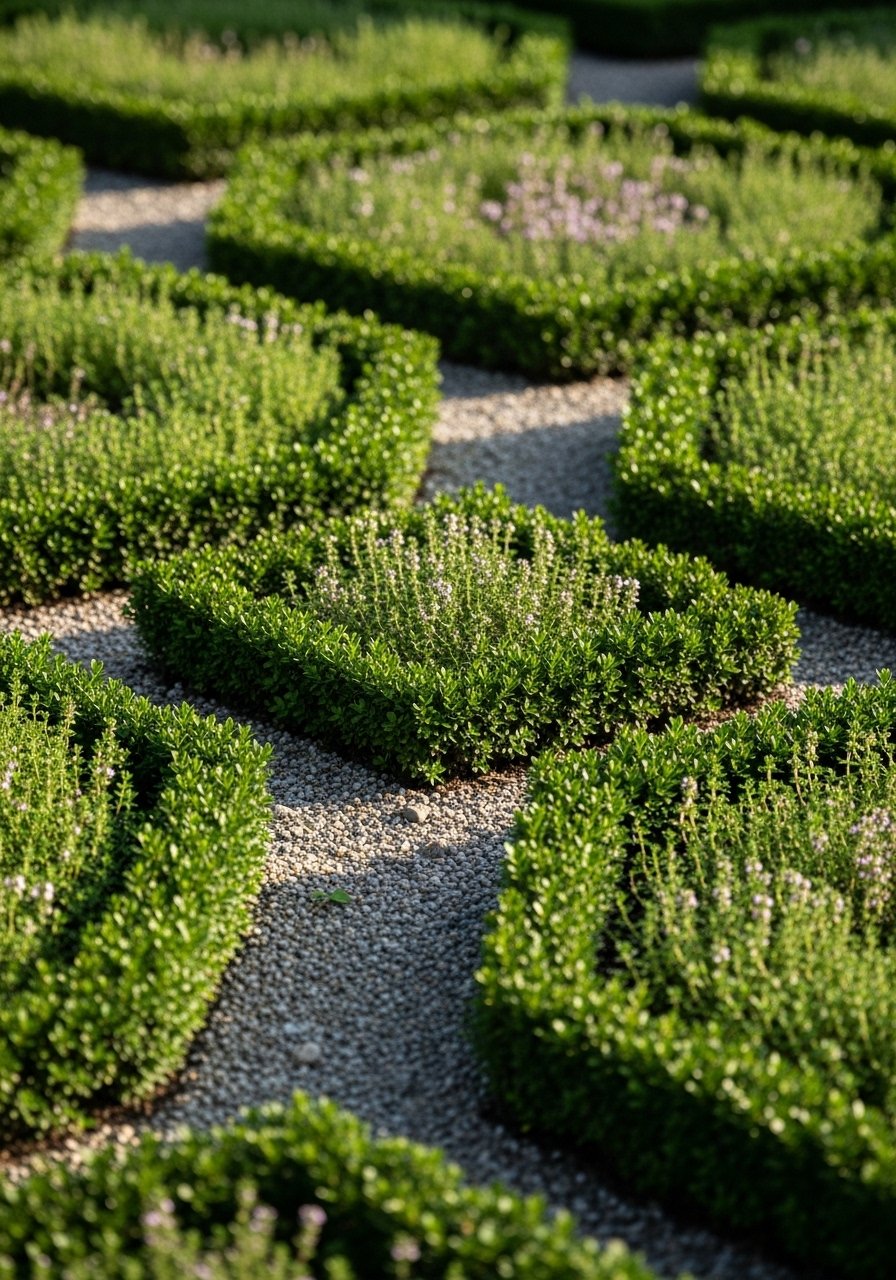
    16. Narrow Formal Knot Garden in Mini Scale

    I built a tiny knot garden with clipped thyme and low box shapes. It reads refined but is surprisingly simple to maintain. Scale it small for charm.
    I misjudged spacing at first and had to replant. Precision matters in formal looks—plan on even spacing and low plants that tolerate clipping.

    What You’ll Need for This Look

    17. Seasonal Bulb Channel for Early Color

    I planted a thin channel of bulbs between shrubs. Early spring color wakes the tiny space before perennials leaf out. Bulbs are a low-effort thrill.

    My first batch was planted too shallow and voles snacked on them. I replanted deeper and added wire collars. Little protections go a long way.

    What You’ll Need for This Look

    18. Paved Porch with Scaled Planters

    I replaced a skinny lawn strip with a small paved porch and two matching planters by the door. It reads like an entrance room. The planters anchor the facade.

    I chose planters too tall once and they overwhelmed the door. Now I choose scale carefully. Evergreen shapes keep it tidy through winter.

    What You’ll Need for This Look

    19. Low Water Xeriscape Patch with Succulents

    I carved a little xeriscape patch near the driveway. Succulents and sedums need almost no water and look modern. It removed a thirsty turf triangle.

    I tried a tropical succulent that didn’t like our freeze. Now I stick with hardy varieties suited to my zone. Good drainage is essential.

    What You’ll Need for This Look

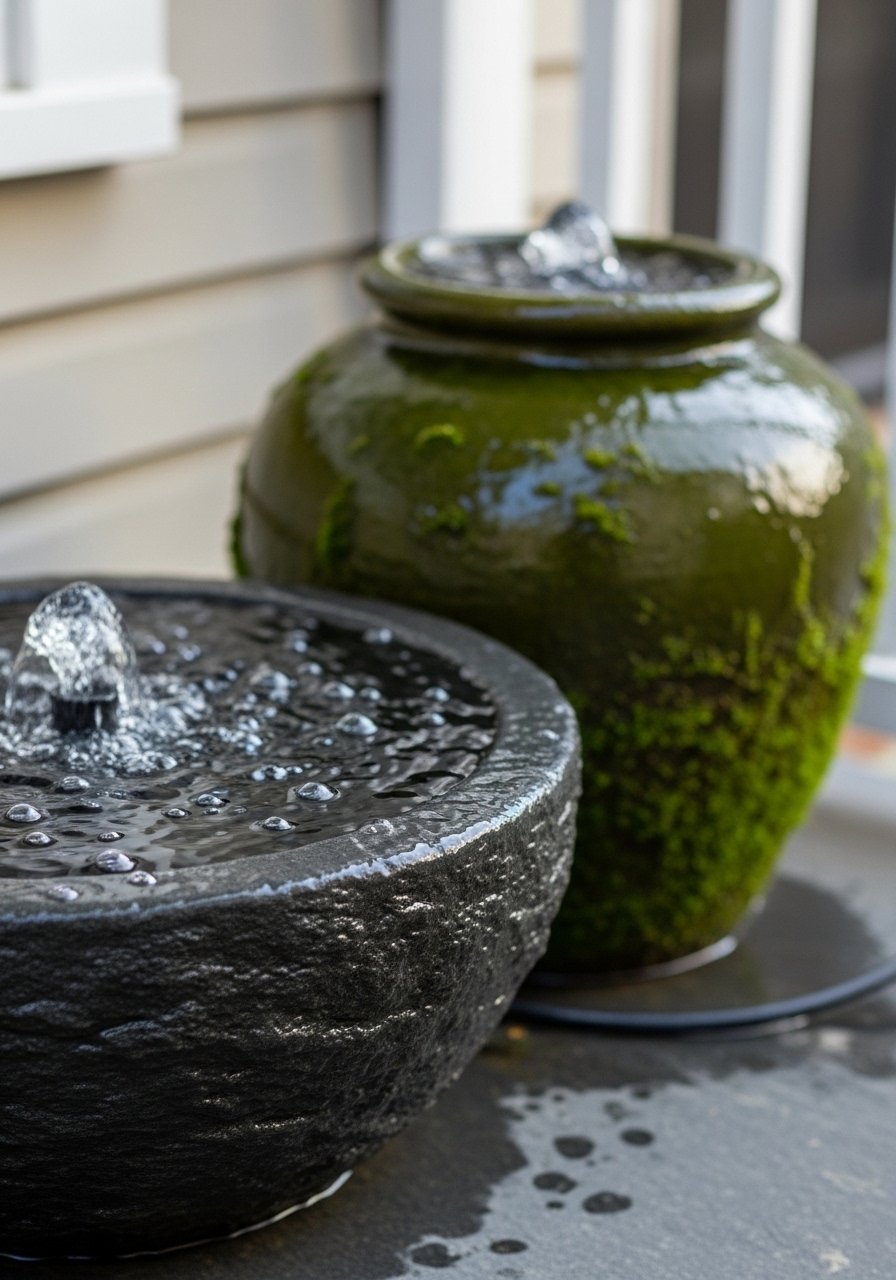
    20. Small Water Feature for Sound and Calm

    I added a compact bubbling fountain to my porch corner. The sound masks street noise and makes visitors pause. It’s a small luxury that fits tiny yards.

    I neglected winterizing once and it cracked. Now I remove the pump in freezing months. Choose a frost-hardy basin if you live cold.

    What You’ll Need for This Look

    21. Mailbox Planter That Greets Guests

    I put a planter beneath the mailbox and it brightened the curb instantly. It’s a small gesture that gets noticed and is easy to swap each season.

    I once planted heavy soil and the mailbox leaned. Use light potting mix and secure the planter. Change annuals for fresh color.

    What You’ll Need for This Look

    22. Layered Shade Planting Under a Small Tree

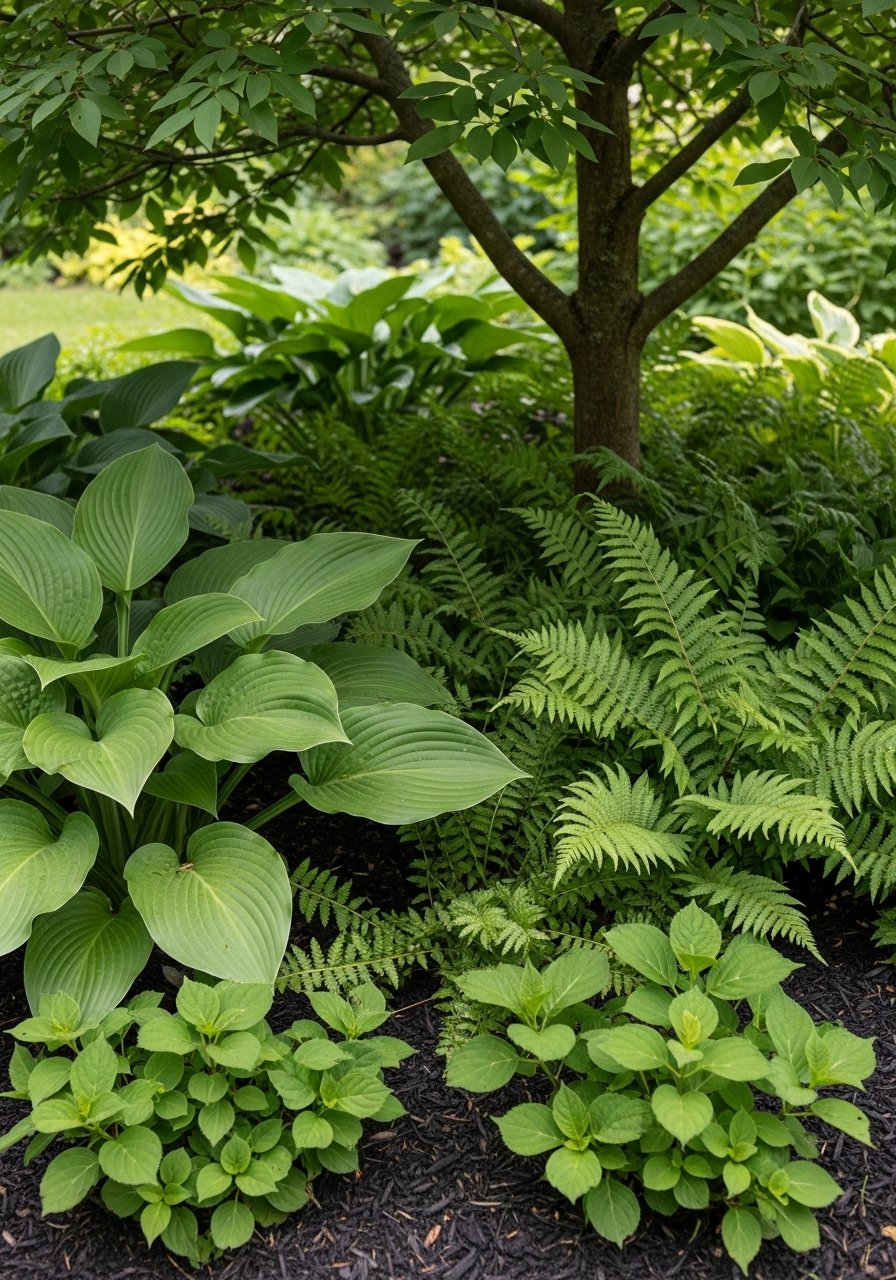
    Under my maples I layered ferns, hostas, and spring bulbs. It turns an awkward shaded patch into a lush carpet. Layers give interest without taking space.

    I once placed sun-loving perennials there and they struggled. Matching light is key. Keep soil rich and moisture even.

    What You’ll Need for This Look

    23. Small Layered Rock Garden on a Slope

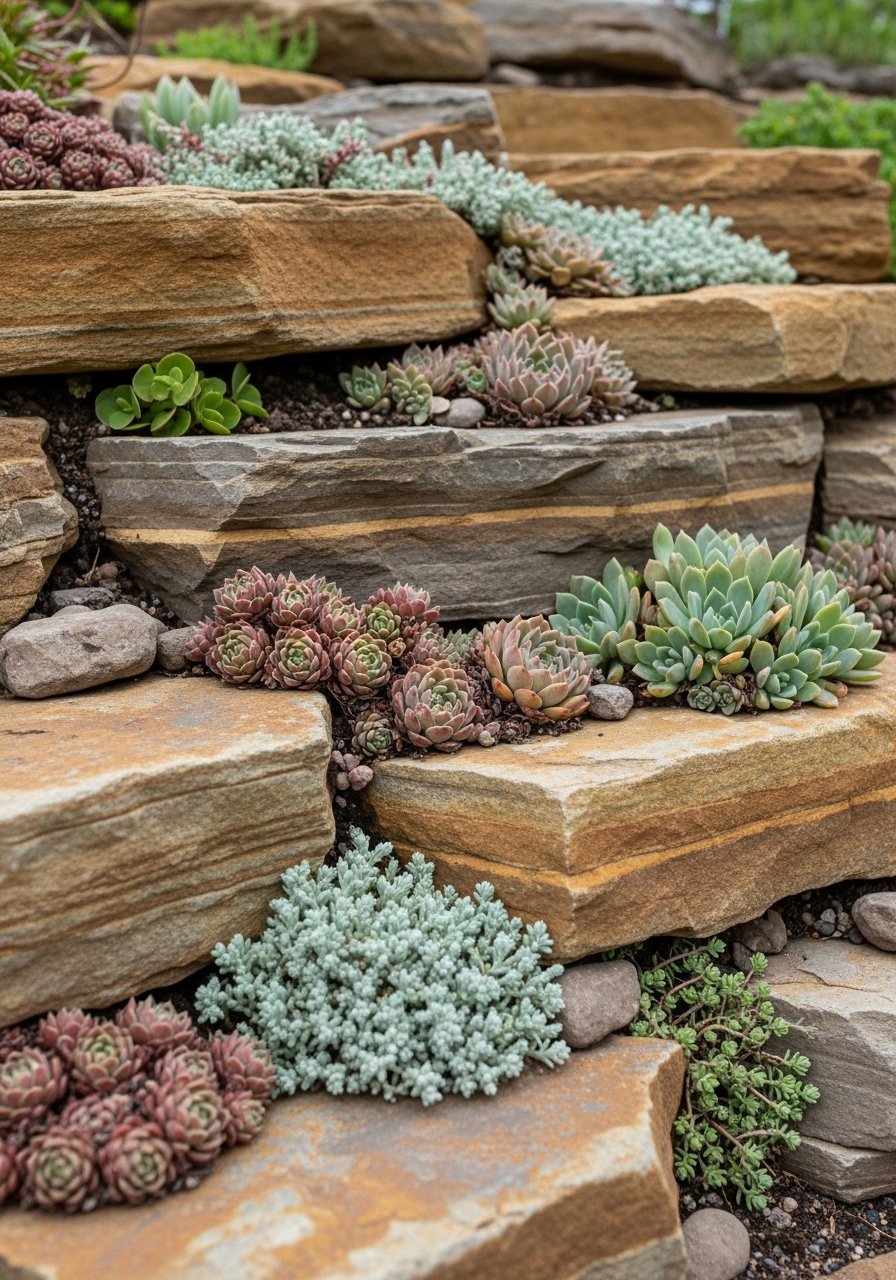
    I terraced a tiny slope with stacked rocks and alpine perennials. It looks rugged but is tidy and low care. The layers hold soil and reduce erosion.

    I initially used smooth river stones and they rolled. Stacking flat stones gives a safer, neat look. Plant pockets in the terraces for color.

    What You’ll Need for This Look

    24. Low-Maintenance Native Grass Swath

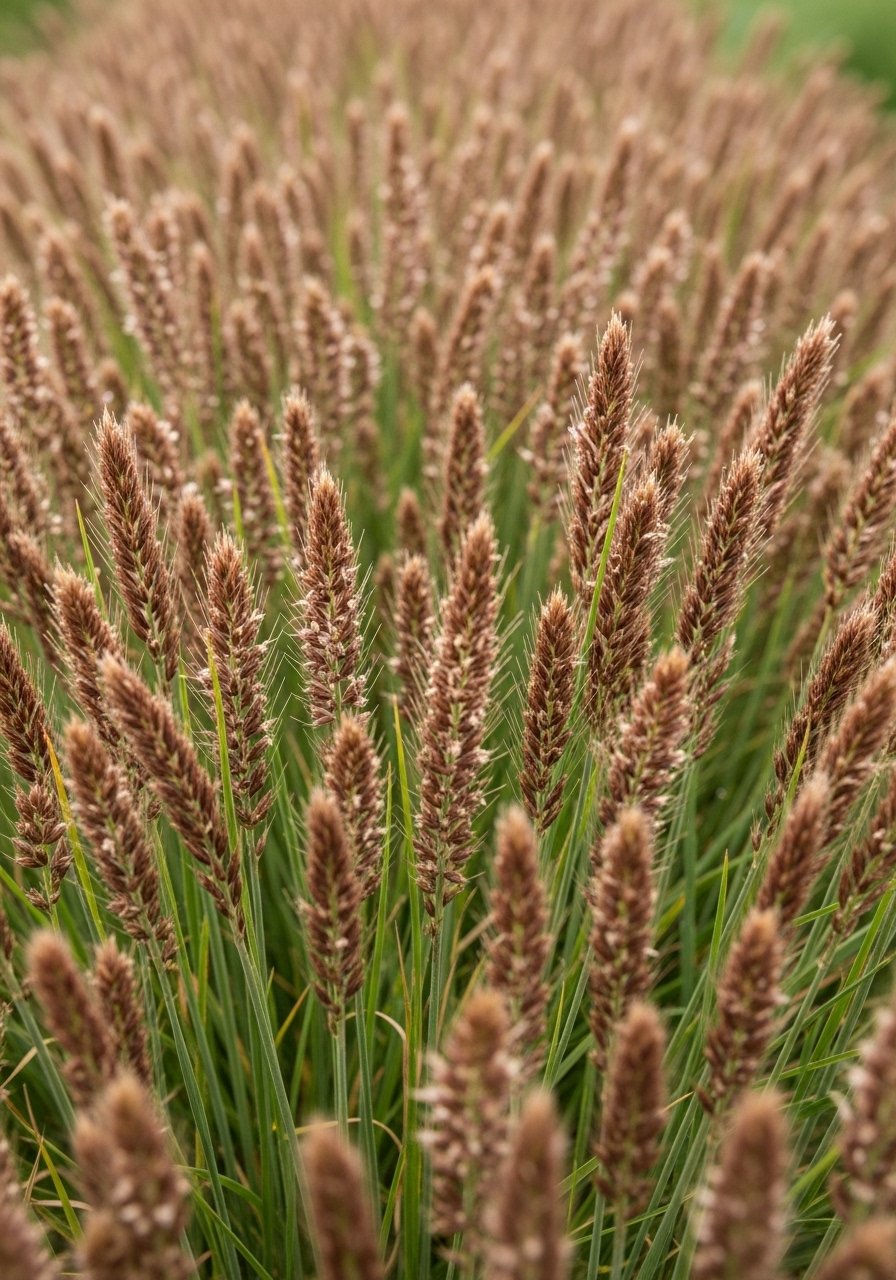
    I planted a narrow swath of native grasses along a fence. They billow with wind and need almost no fuss. The texture changes through the year, which keeps the small space lively.

    At first I mixed aggressive species and had to pull extras. Choose clumping natives to avoid takeover.

    What You’ll Need for This Look

    25. Cottage-Style Swath with Layered Perennials

    I let one bed go cottage-style with layered perennials and a couple of aged pots. It’s informal and forgiving in a tiny space. The mix blooms across the season.

    I overplanted the first year and had to divide. Cottage beds love thinning, not crowding. Keep some structure plants to avoid chaos.

    What You’ll Need for This Look

    26. Sleek Minimalist Lawn Strip with Moss Infill

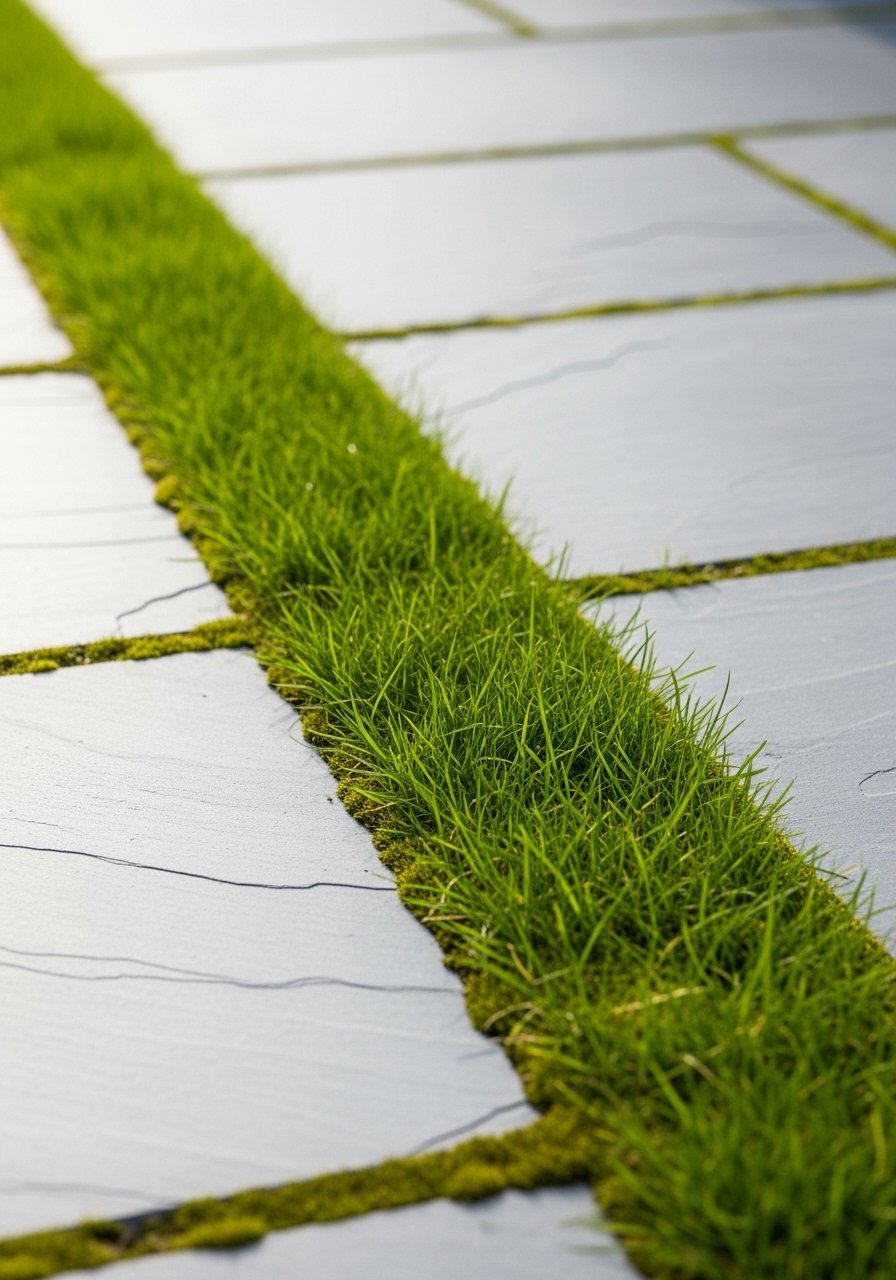
    I carved a narrow minimalist strip and planted moss between pavers. It looks clean and requires less mowing. The moss softens edges and stays low.

    It took me a while to get the moss to settle; keep the area damp and shaded initially. This works best in cool, moist pockets.

    What You’ll Need for This Look

    27. Front-Edge Seating Nook with Compact Fireplace

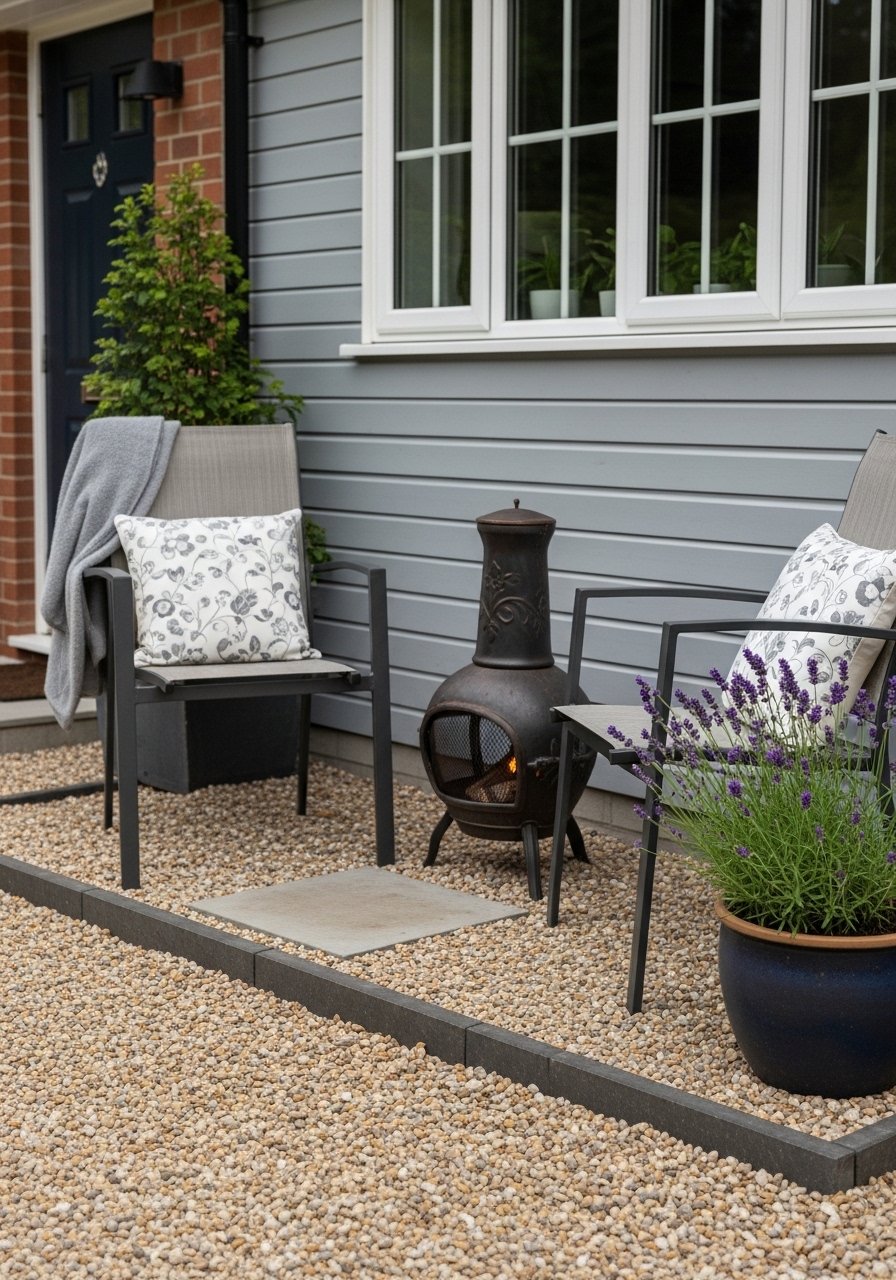
    I made a tiny seating nook at the front edge with two chairs and a small chiminea. It’s surprising how much personality a small gathering spot adds to a tiny yard.

    I learned to keep the chiminea on gravel to avoid scorch marks. This creates a front-yard room for morning coffee and neighbor chats.

    What You’ll Need for This Look

    Final Thoughts

    Small front lawns don’t need big gestures. Pick one approachable idea and live with it for a season.

    You’ll learn what needs tweaking. That’s how these ideas actually become your space—slow, honest, and doable.

  • 22 Budget-Friendly Budget Front Lawn Landscaping Ideas For Affordable Makeovers

    22 Budget-Friendly Budget Front Lawn Landscaping Ideas For Affordable Makeovers

    I finally stopped trying to copy magazine lawns. I planted things that survive my forgetfulness and still look good from the street.

    These are cheap, plain-work ideas I used, fixed, or messily improved. You can pick a few and get a visible front-lawn change this weekend.

    22 Budget-Friendly Budget Front Lawn Landscaping Ideas For Affordable Makeovers

    These 22 ideas are hands-on, low-cost, and realistic. Pick some that match your time and style—there’s a mix of plant, hardscape, and lighting ideas to try.

    1. Narrow Gravel Path to Break a Big Lawn

    I cut a narrow gravel path through my wide front lawn to guide views to the porch. It broke the plain green and made mowing less tedious.

    I used crushed pea gravel because it compacts and stays put. Honest flaw: I underestimated edging at first and gravel spread into the grass. I fixed it with simple metal edging.

    Tip: keep the path about 2.5–3 feet wide for a natural, walkable look.

    What You’ll Need for This Look

    2. Clustered Containers at the Walkway

    I grouped three different-sized pots near my walkway and it immediately read as intentional. Containers let me add color without digging or big expense.

    I mix a tall structural plant, a mid filler, and a trailing piece. I once bought all the same pot and it felt flat—mixing textures helped.

    Move pots seasonally and you get instant curb appeal without planting beds.

    What You’ll Need for This Look

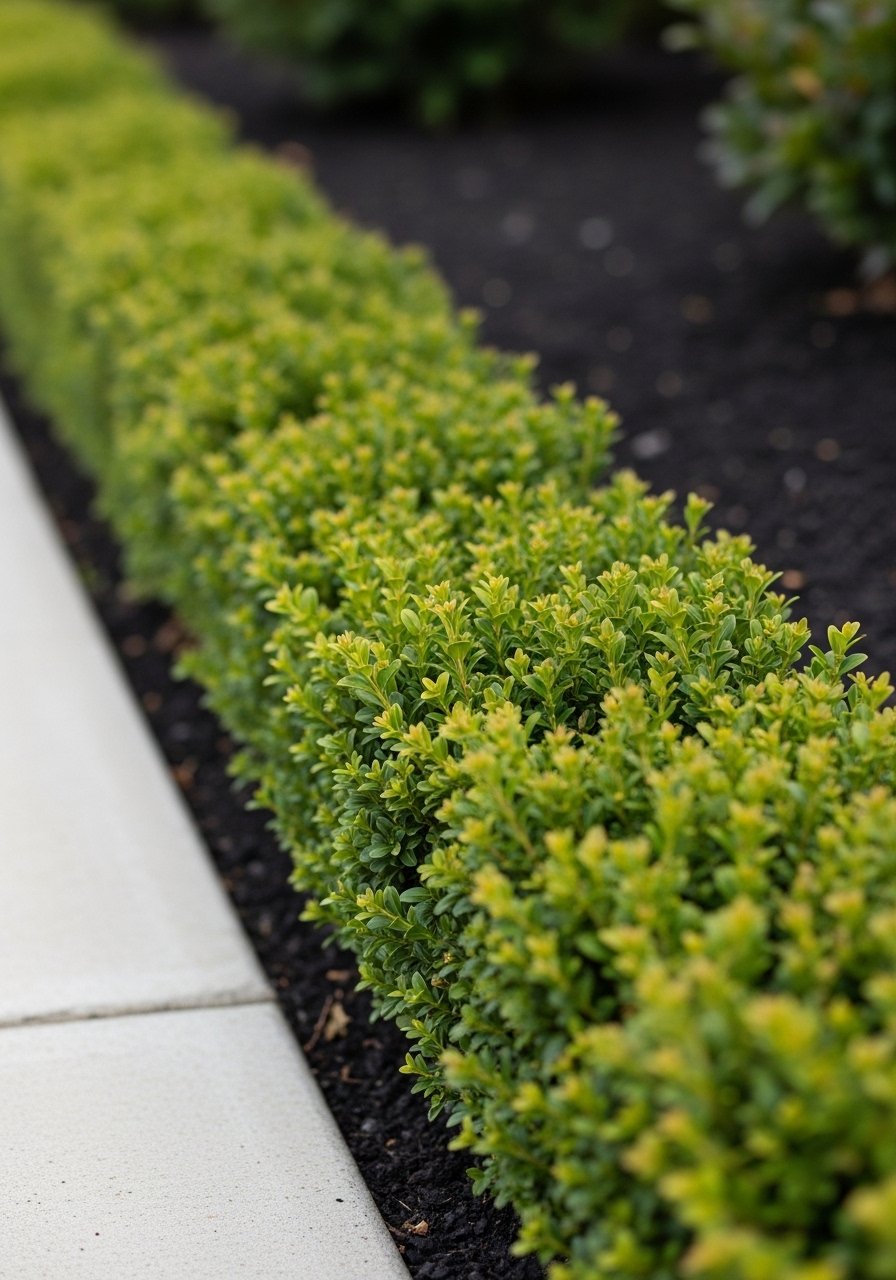
    3. Low Boxwood Edge for a Clean Look

    I planted a short row of dwarf boxwood to define my lawn and beds. It looks neat and costs less than a larger hedge.

    I trimmed lightly the first year and learned not to shape too tightly. Over-pruning made gaps. Let them fill in before you sculpt.

    This gives structure even in winter and reads as intentional from the street.

    What You’ll Need for This Look

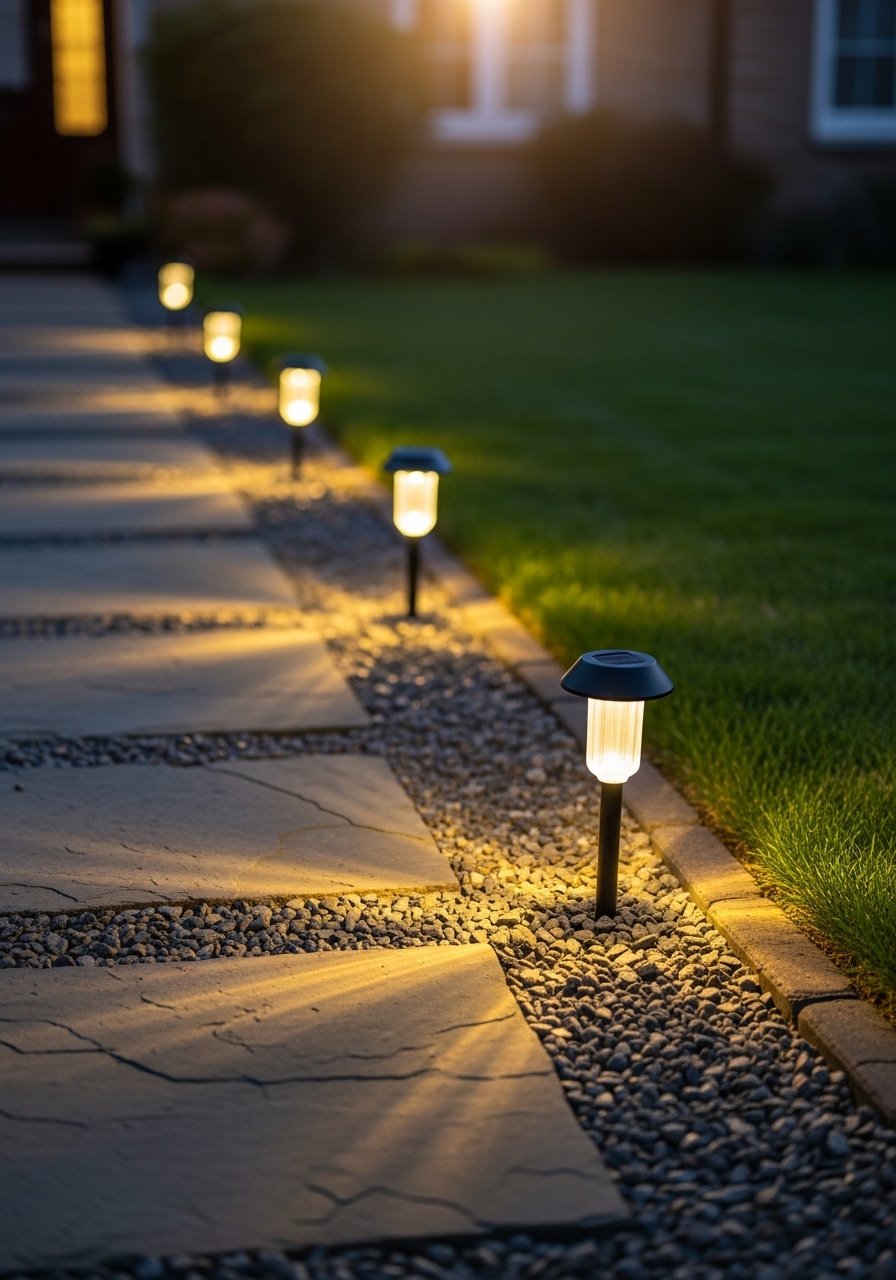
    4. Solar Path Lights for Evenings

    I added solar stakes along my walkway and the house looked friendly at dusk. No wiring, no electrician—each evening has that soft glow.

    I once bought flimsy lights that wobbled in wind. Upgrading to heavier-stake models fixed that. Also angle them toward the lawn, not into neighbors’ windows.

    Solar lights are an affordable way to extend time in the front yard and make it safer.

    What You’ll Need for This Look

    5. Native Wildflower Strip for Pollinators

    I ripped out a patch of grass and seeded native wildflowers. It took a season to settle, but now bees and butterflies visit daily.

    I learned the hard way that weeds come first. I did one aggressive weeding season before the natives dominated. Stick with low-mow the first year.

    This costs little and gives text and color from spring through fall.

    What You’ll Need for This Look

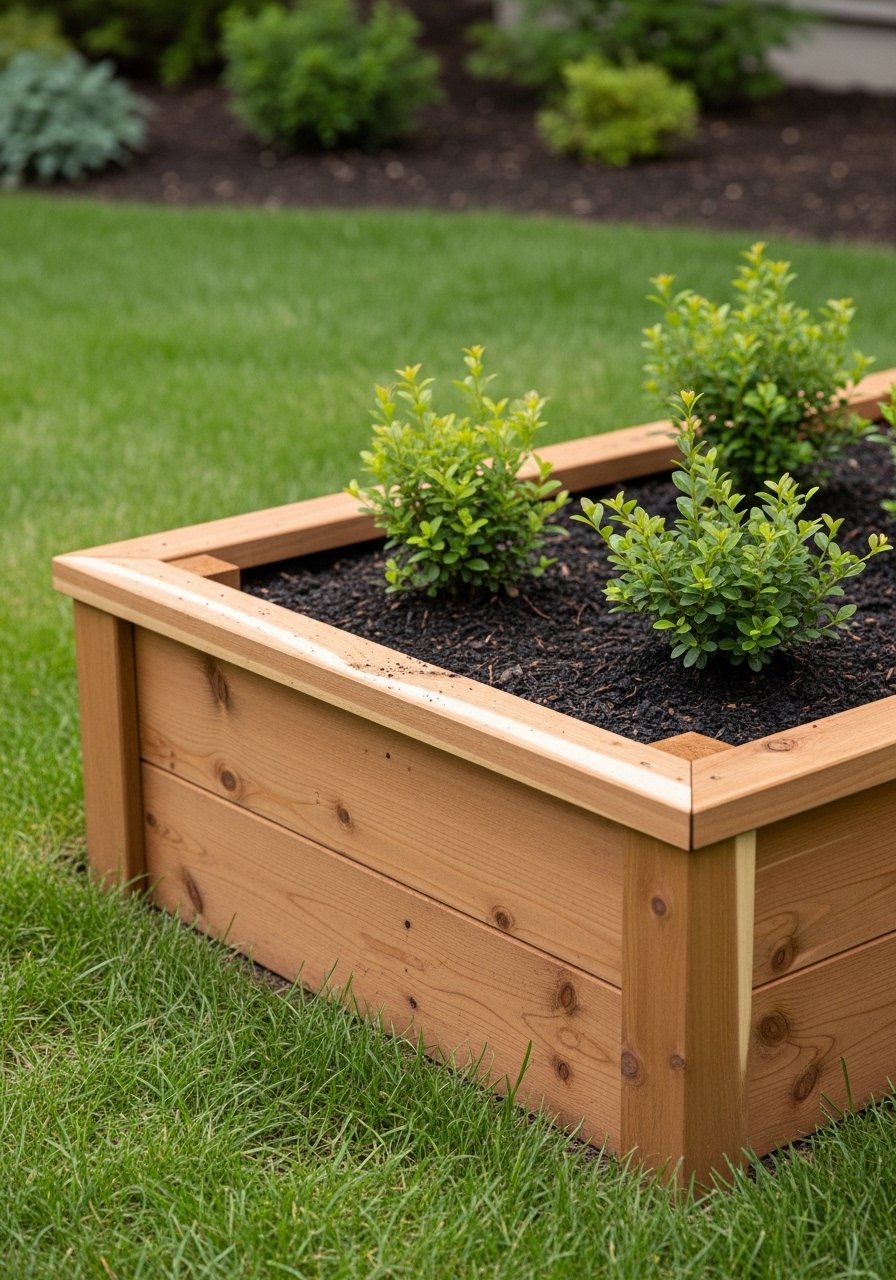
    6. Cheap Raised Bed at the Corner

    I built a simple cedar raised bed at the corner of my lawn to anchor the eye. It cost less than I expected and hides ugly utility meters.

    I initially used treated lumber and regretted the smell. Cedar was pricier but lasted and looked better. Raised beds also reduce bending and keep soil neat.

    Plant a mix of evergreen and seasonal color for year-round interest.

    What You’ll Need for This Look

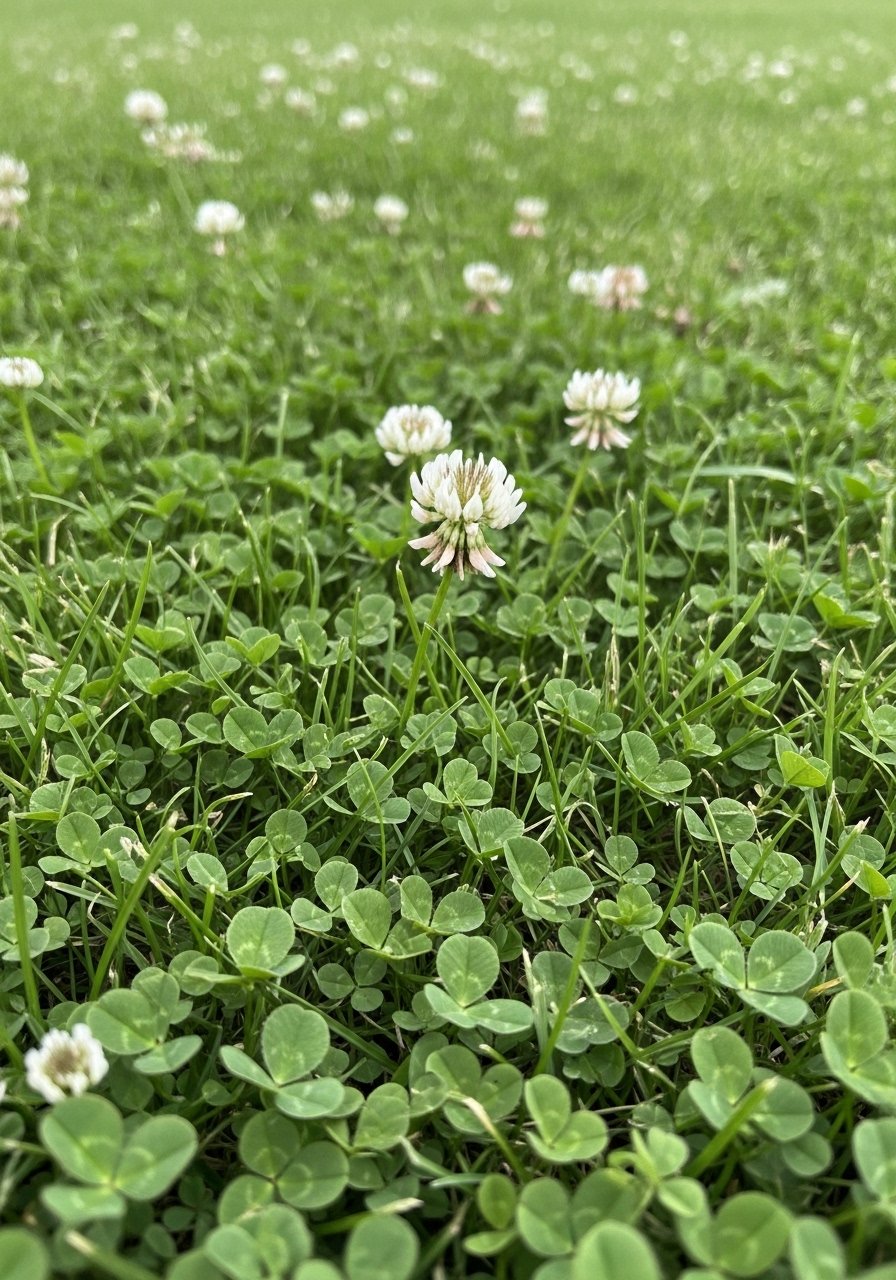
    7. Replace Lawn with Clover Patches

    I allowed clover to take over part of my front lawn. It needs less water and stays green earlier in droughts.

    Neighbors complained at first, but the bees loved it. I did trim edges to keep it tidy. Mistake: I over-seeded one year and got local weeds; a modest seed rate works best.

    Use clover where you want low maintenance and a soft, flowering lawn substitute.

    What You’ll Need for This Look

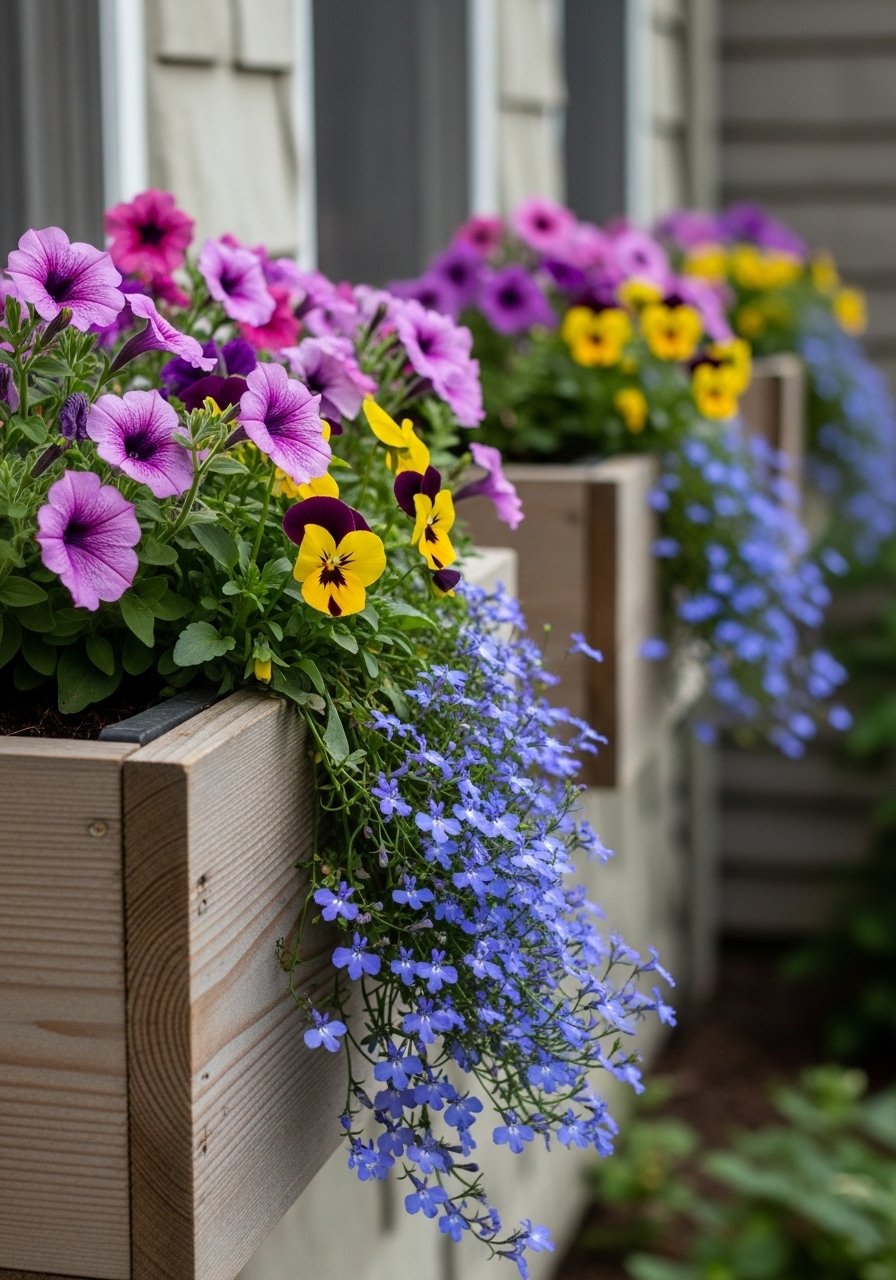
    8. Seasonal Annual Color Swaps in Window Boxes

    I used window boxes to change the front-house look with the seasons. It’s an inexpensive way to keep color fresh.

    I once planted a summer mix that burned in heat. Now I choose drought-tough annuals for summer and swap to pansies in cool months.

    Window boxes also make the house feel cared-for with minimal ground work.

    What You’ll Need for This Look

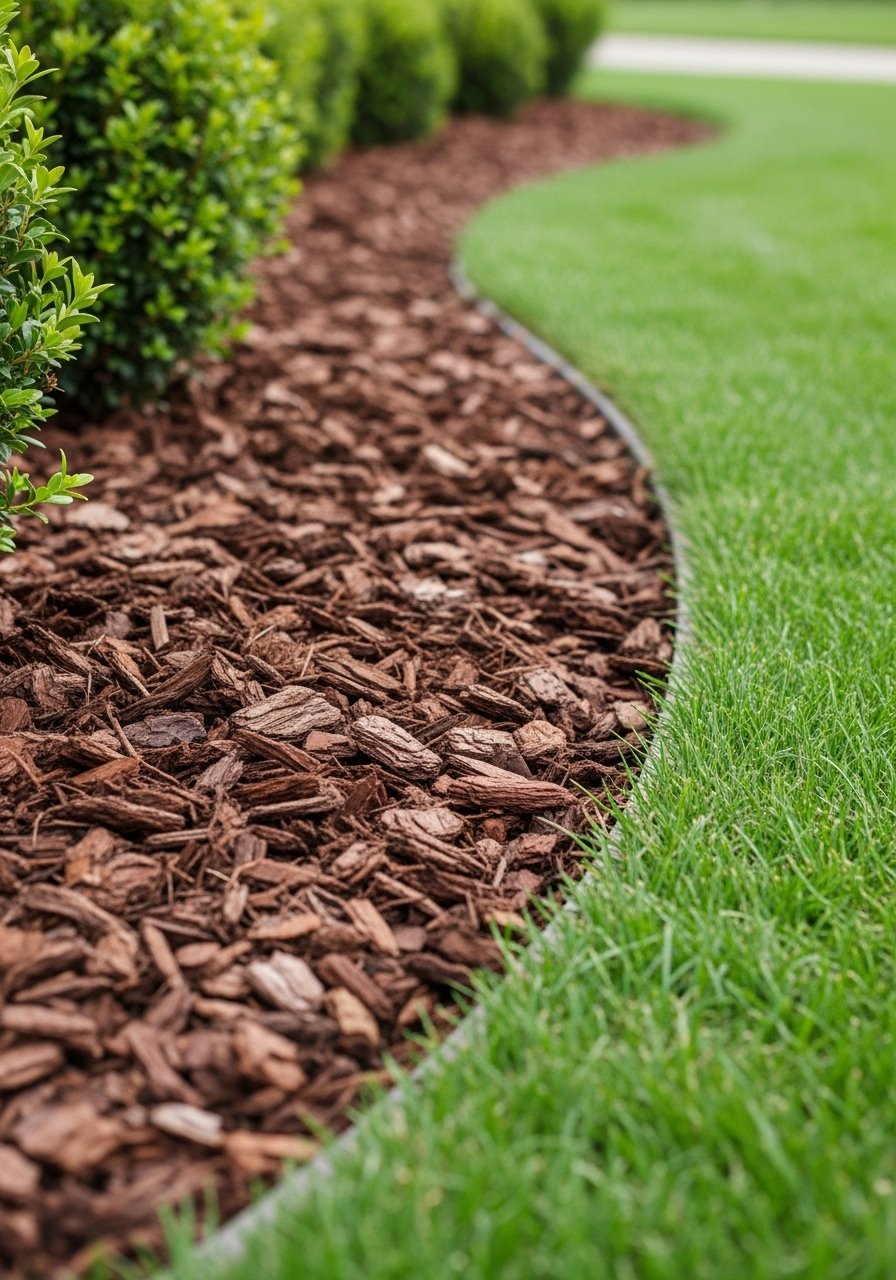
    9. Cheap Mulch and Bark for Instant Definition

    I re-mulched beds every spring and my front yard suddenly looked tidy and intentional. Mulch is inexpensive and hides bare soil.

    I once piled it too high around trunks and watched a young shrub suffer. Keep mulch a finger’s width from stems and trunks.

    Mulch also reduces weeds and keeps moisture in—big visual improvement for little labor.

    What You’ll Need for This Look

    10. Cheap Decorative Rocks + Succulent Mix

    I used a layer of decorative pebbles with a patch of succulents near the front steps. It looks modern without fuss.

    I learned succulents need great drainage—my first batch rotted in clay soil. Raised planting and sandier mix fixed that.

    This is drought-tolerant and needs almost no maintenance once settled.

    What You’ll Need for This Look

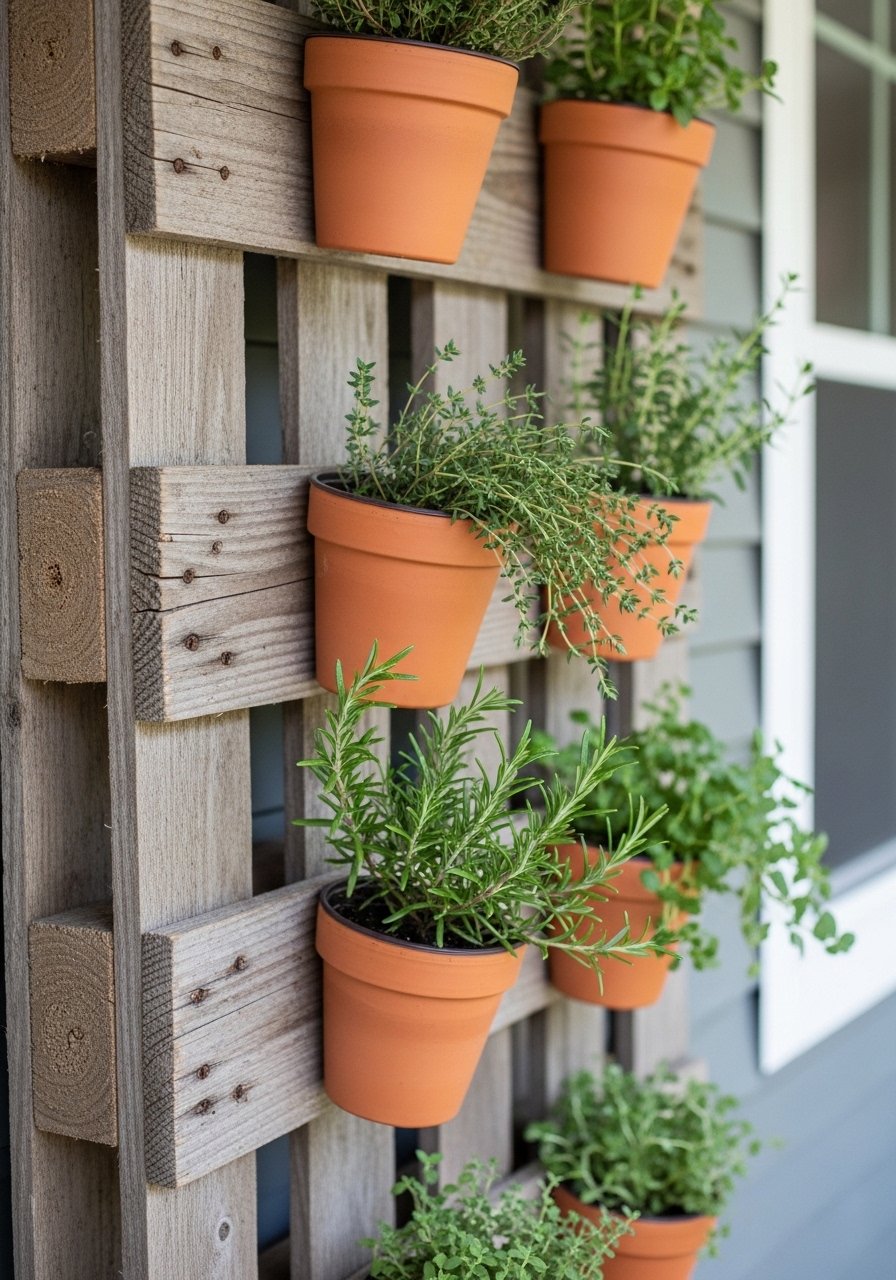
    11. Reclaimed Pallet Planter for Personality

    I made a pallet planter and leaned it by my front door. It offered a vertical garden without a big budget.

    At first I used pallet wood that wasn’t cleaned; I should’ve sanded and sealed it. After fixing that, it lasted years.

    A pallet gives structure and instant cottage charm while using free or cheap materials.

    What You’ll Need for This Look

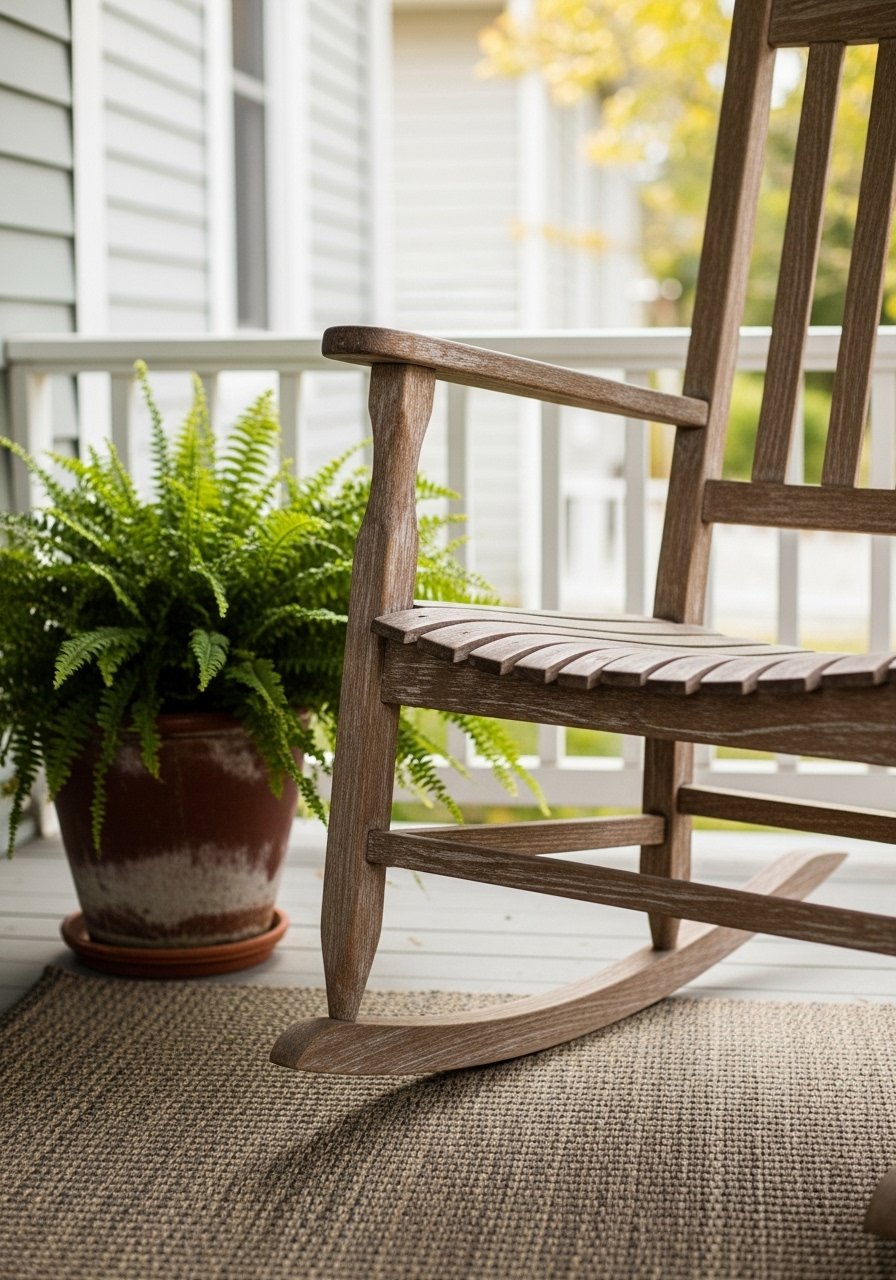
    12. Simple Rocking Chair and Mat for a Porch Nook

    I added a single rocking chair and a small rug to my porch and suddenly the house felt used, not staged. It invites neighbors to chat.

    I mistakenly picked a chair that didn’t fit the porch depth—measure first. A slim profile piece is more useful on narrow porches.

    You don’t need two chairs—one comfortable seat reads welcoming and costs less.

    What You’ll Need for This Look

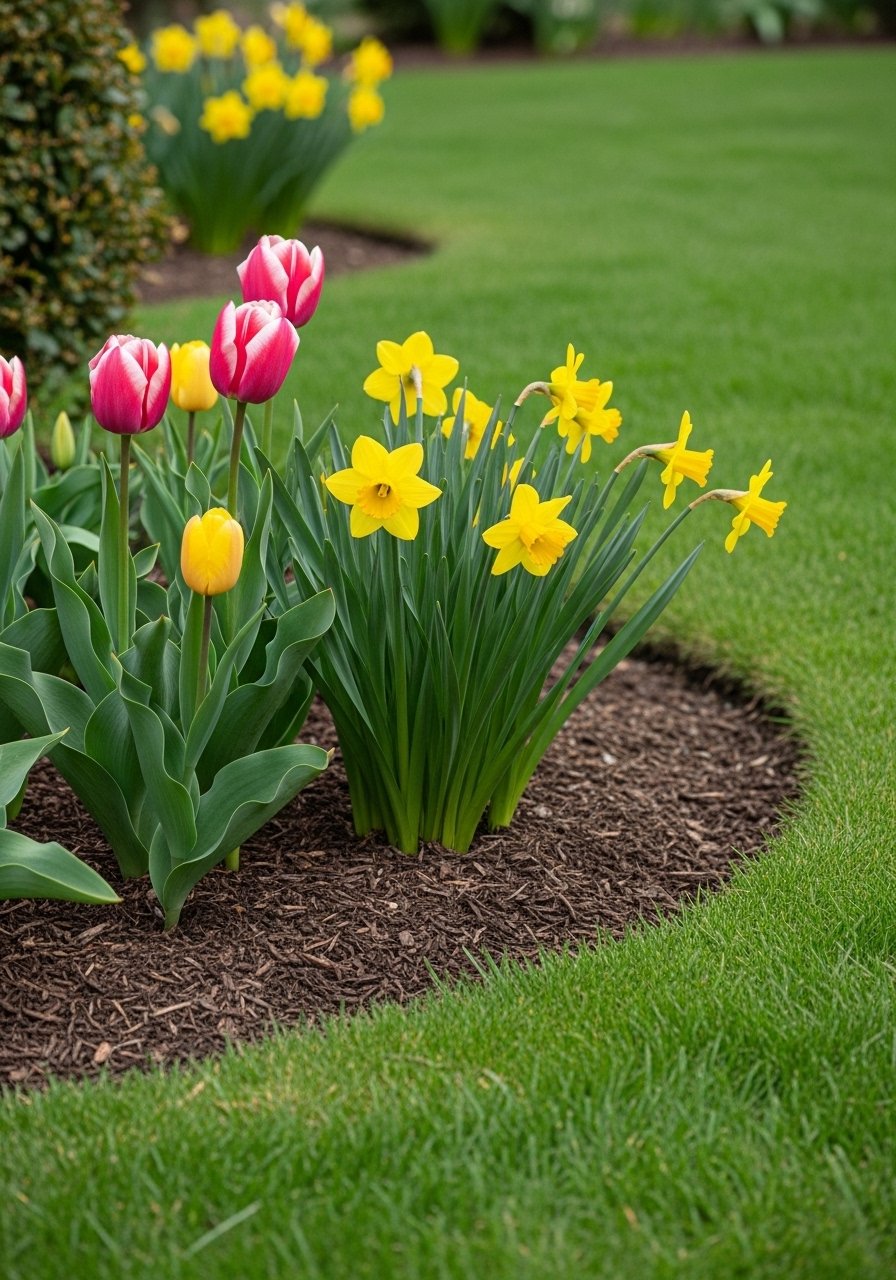
    13. Drifts of Bulbs for Spring Punch

    I planted bulbs in groups instead of single plants and the front lawn had a bright spring show. Drifts look natural and are budget-friendly.

    I tried single bulbs for variety and it looked sparse. Clumping gives impact with fewer bulbs. Don’t forget to map bulbs so you don’t accidentally dig them up later.

    This gives early-season interest with little upkeep.

    What You’ll Need for This Look

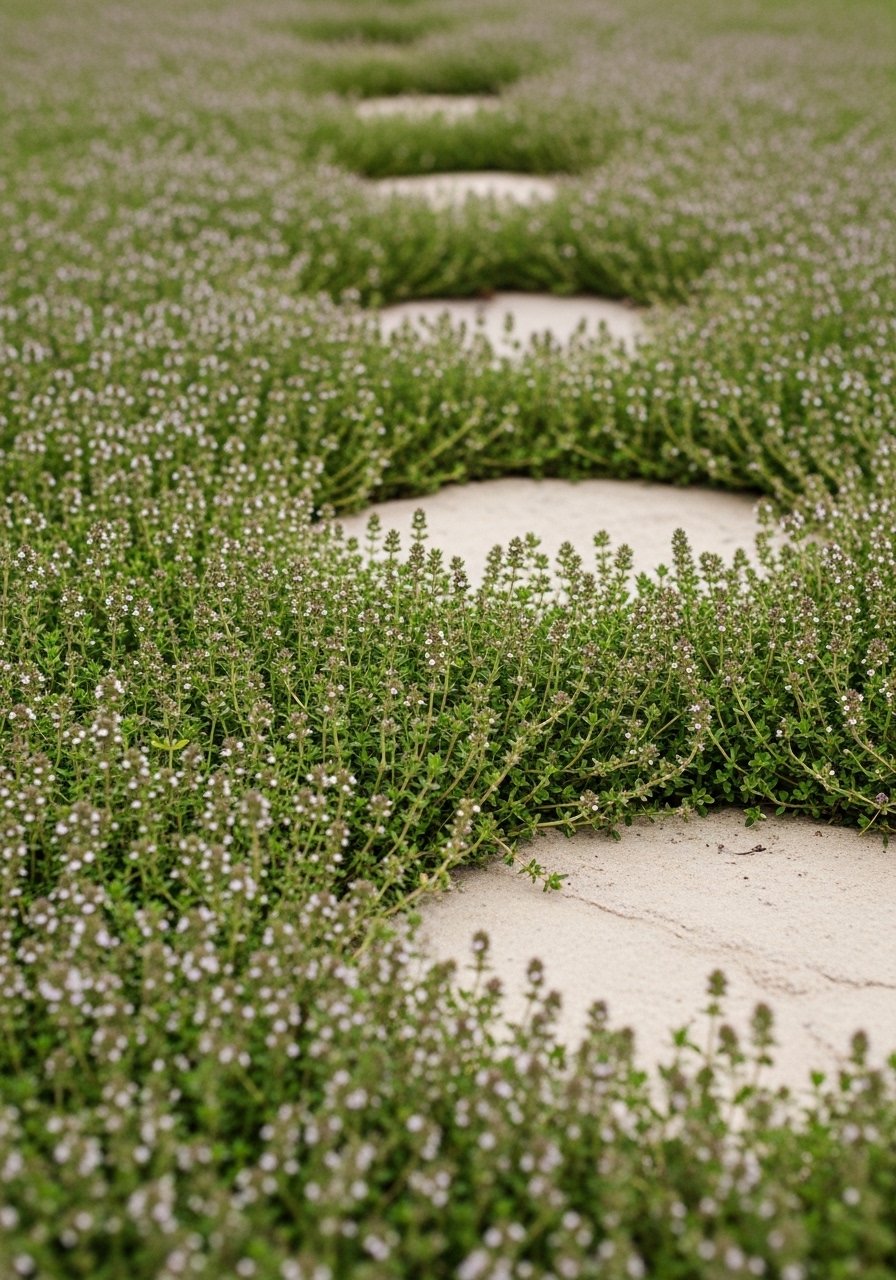
    14. Quick Low-Growth Groundcover Instead of Grass

    I replaced a strip of lawn with low thyme groundcover. It stays low, smells great when stepped on, and needed almost no trimming.

    My mistake: I planted the wrong variety initially and it spread too slowly. Choose a fast-spreading, hardy cultivar for quick coverage.

    Groundcover opens possibilities for stepping stones and reduces mowing chores.

    What You’ll Need for This Look

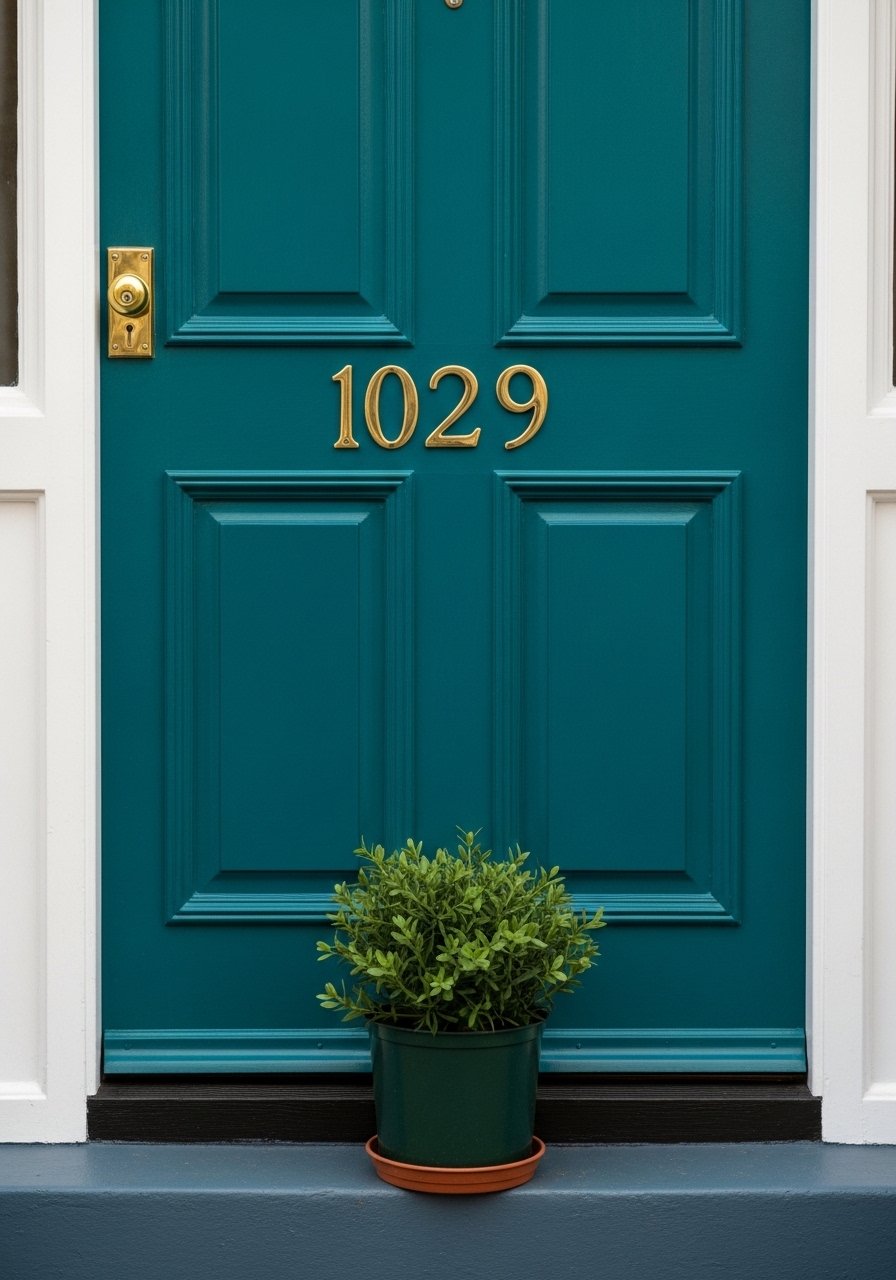
    15. Painted Front Door and New House Numbers

    I painted my front door a bold color and added contrasting house numbers. It was cheap and visible from the street.

    The paint choice took me three attempts—primer mattered when the old finish was glossy. New numbers anchored the look.

    This is one of the fastest curb-appeal fixes that actually cheers me up when I arrive home.

    What You’ll Need for This Look

    16. Simple Dry River Bed for Drain and Interest

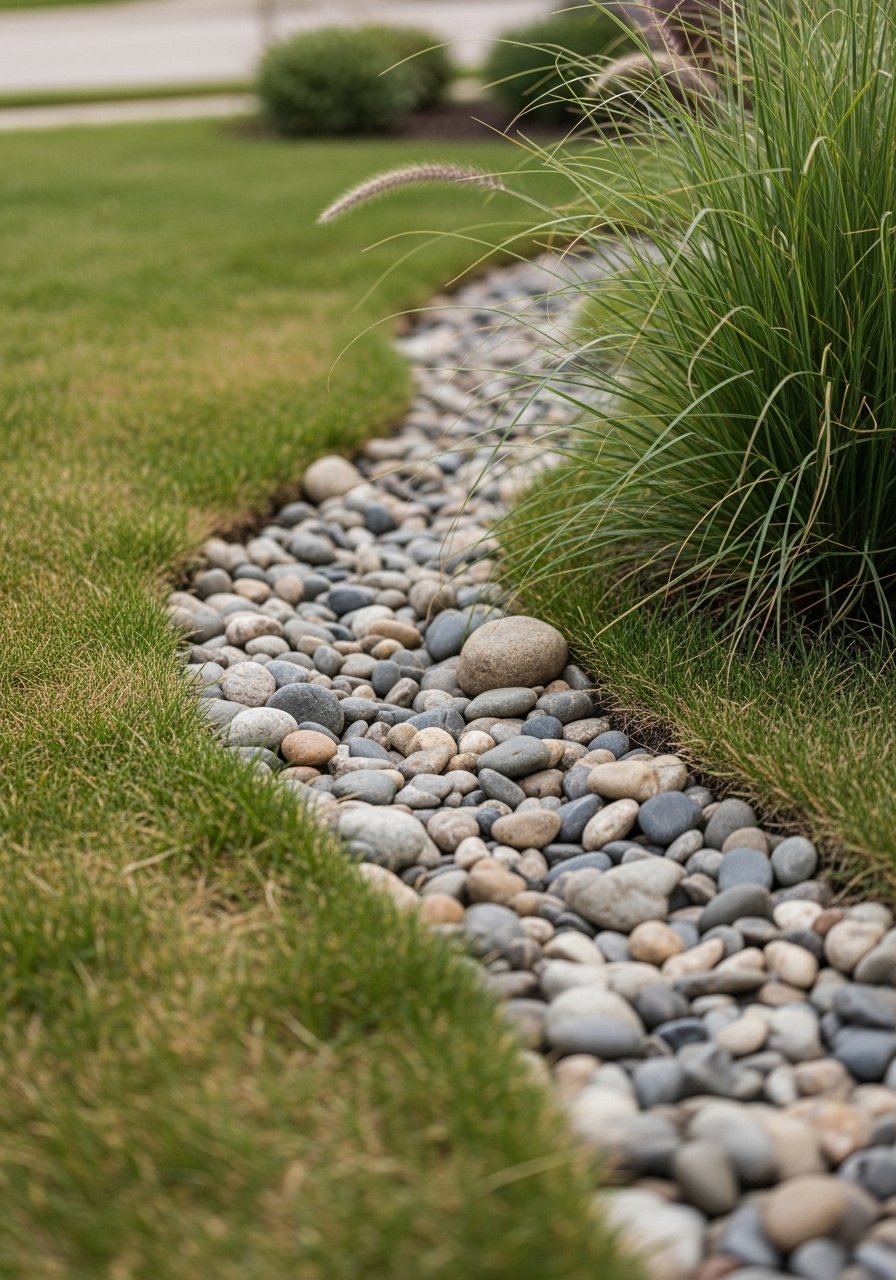
    I carved a dry river bed to solve a puddling spot and it became a feature. It’s low-cost and channels water away from foundations.

    At first I made it too shallow; water still pooled. Deepening and adding larger stones solved the problem. It’s now both practical and pretty.

    Pair with native grasses and it looks natural.

    What You’ll Need for This Look

    17. Small Accent Tree for Shade and Shape

    I planted a small ornamental tree to give vertical interest and a little shade. A single tree changes the whole front-yard composition.

    I planted too close to the driveway once and had root issues. Now I locate young trees with room to grow and stake lightly if needed.

    Choose a small-maturing species so you won’t need heavy pruning later.

    What You’ll Need for This Look

    18. Low-Cost DIY Arbor at the Walkway

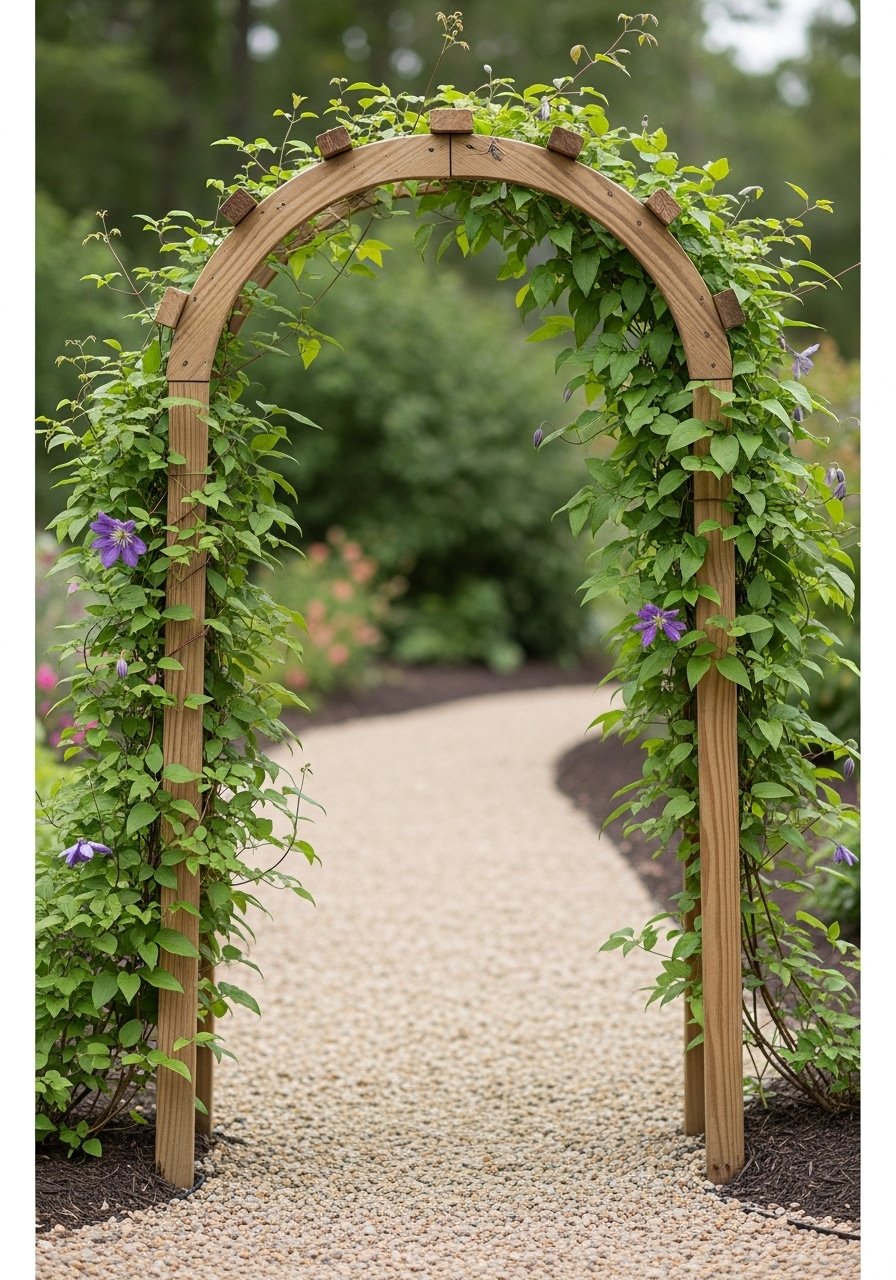
    I built a small arbor over the path to frame the entrance. Climbing vines softened the wood and created a moment as you approach the house.

    Mistake: my first arbor was too heavy for the soil and tilted. I rebuilt with anchored posts and it holds well. Light structures are fine for most yards.

    A short arbor is a big visual cue for a welcoming entry.

    What You’ll Need for This Look

    19. Reuse Old Bricks for a Small Patio Patch

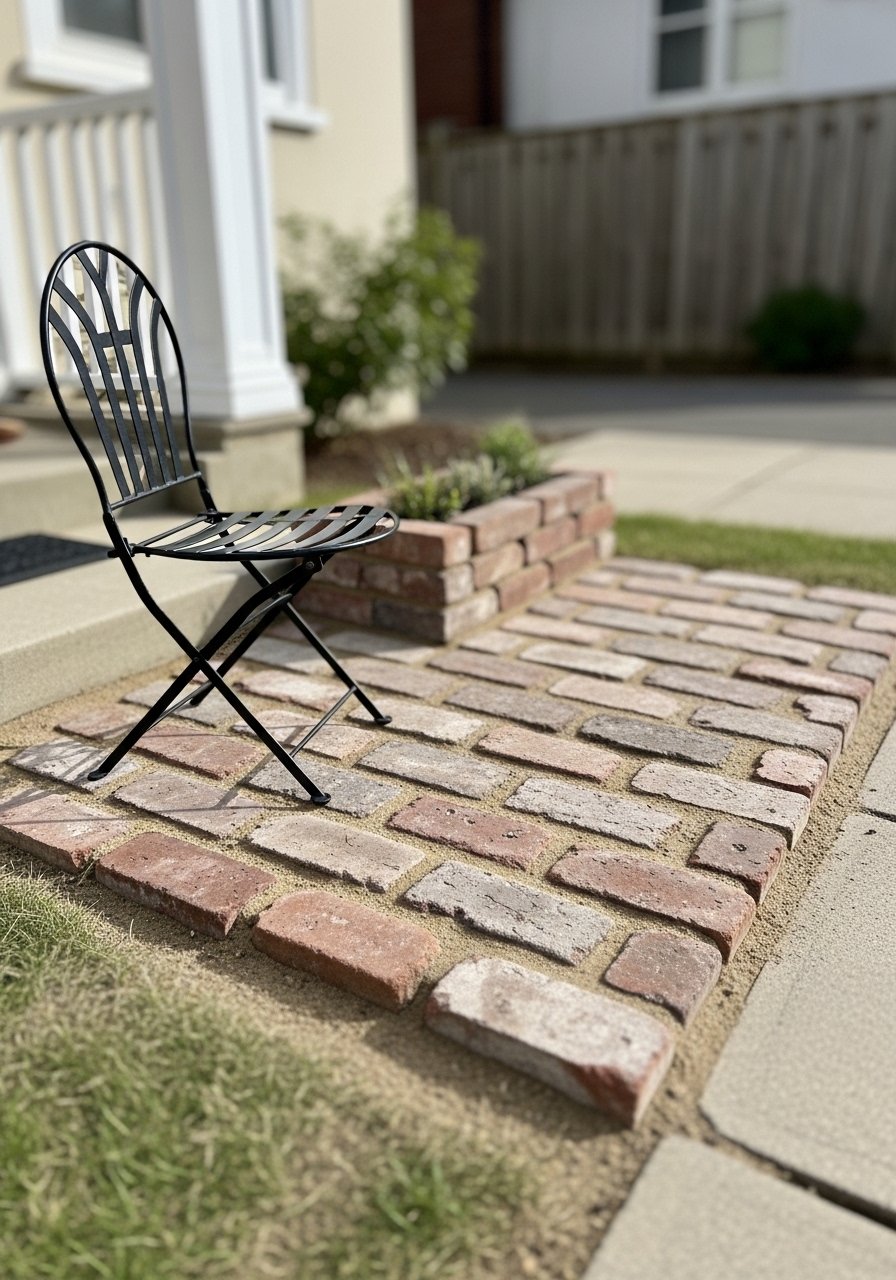
    I salvaged old bricks and made a tiny patio near the mailbox. It added a focal point without new materials.

    Laying bricks on compacted sand worked fine for a small patch. I once skipped compacting and the bricks shifted; always prep the base.

    This gives a little seating area or plant display spot without breaking the bank.

    What You’ll Need for This Look

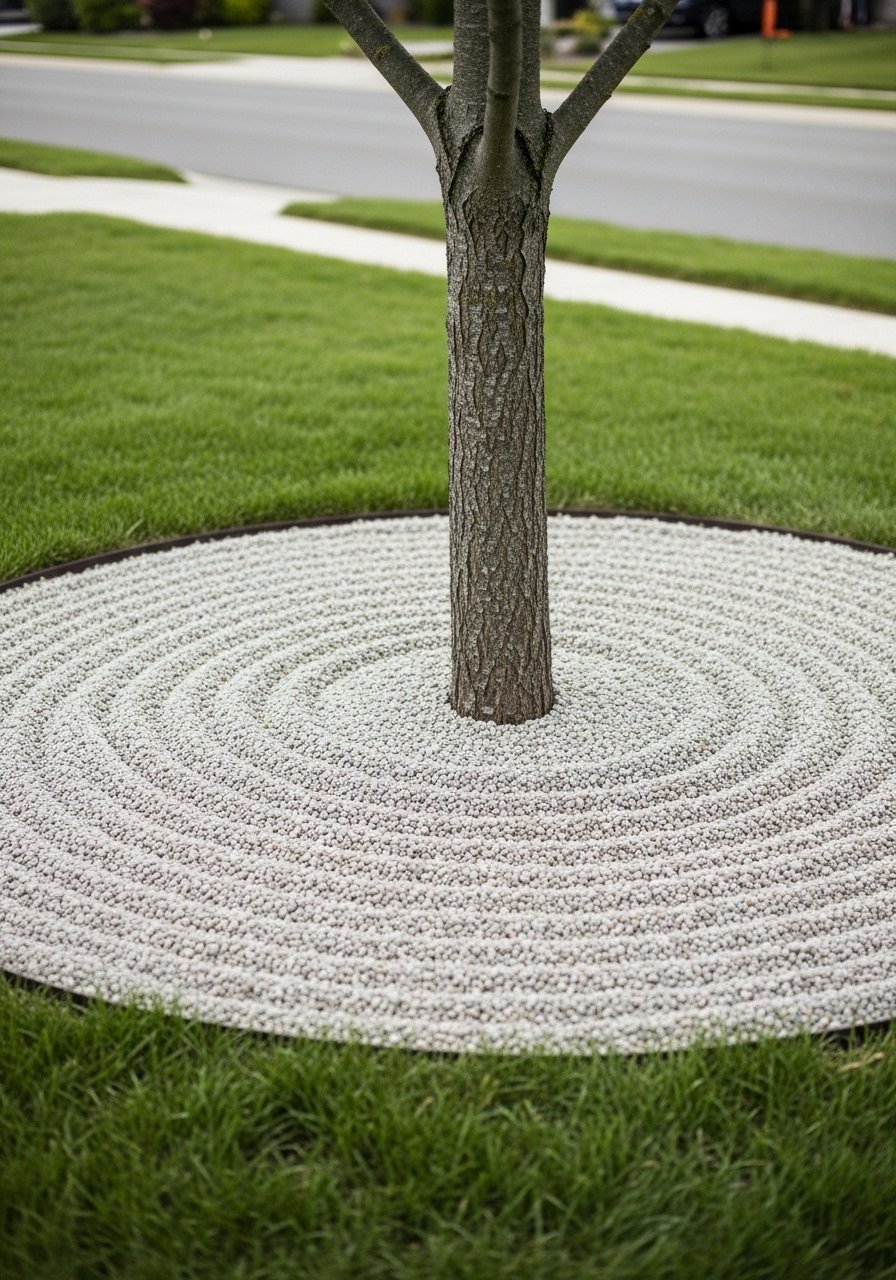
    20. Minimalist Gravel Circle Around a Tree

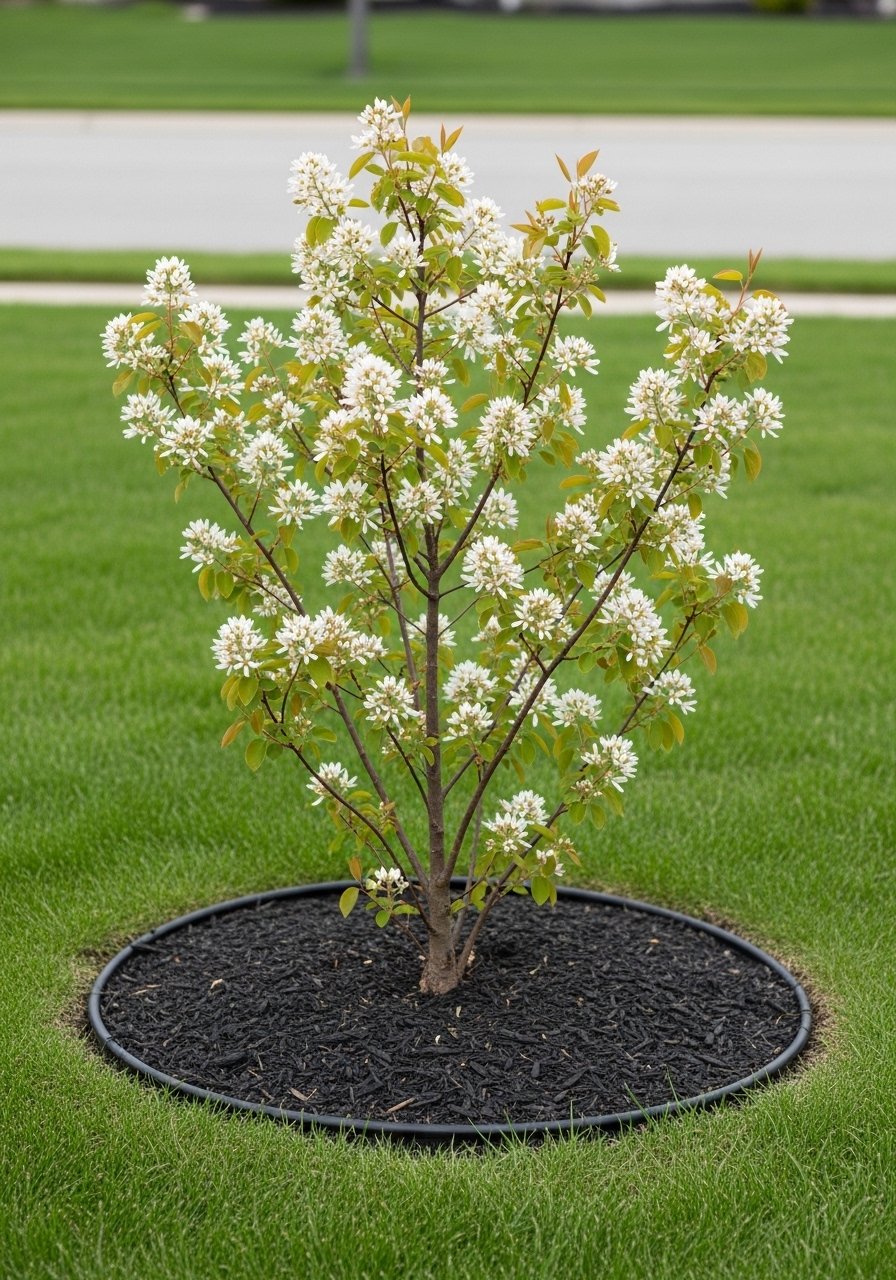
    I edged a clean gravel circle around an existing tree and it instantly read as intentional. It keeps mower damage away and looks sharp.

    I once used too fine gravel and it compacted oddly. Bigger pea gravel gave the look I wanted and drains better.

    A simple circle is one of the cheapest upgrades with a big visual payoff.

    What You’ll Need for This Look

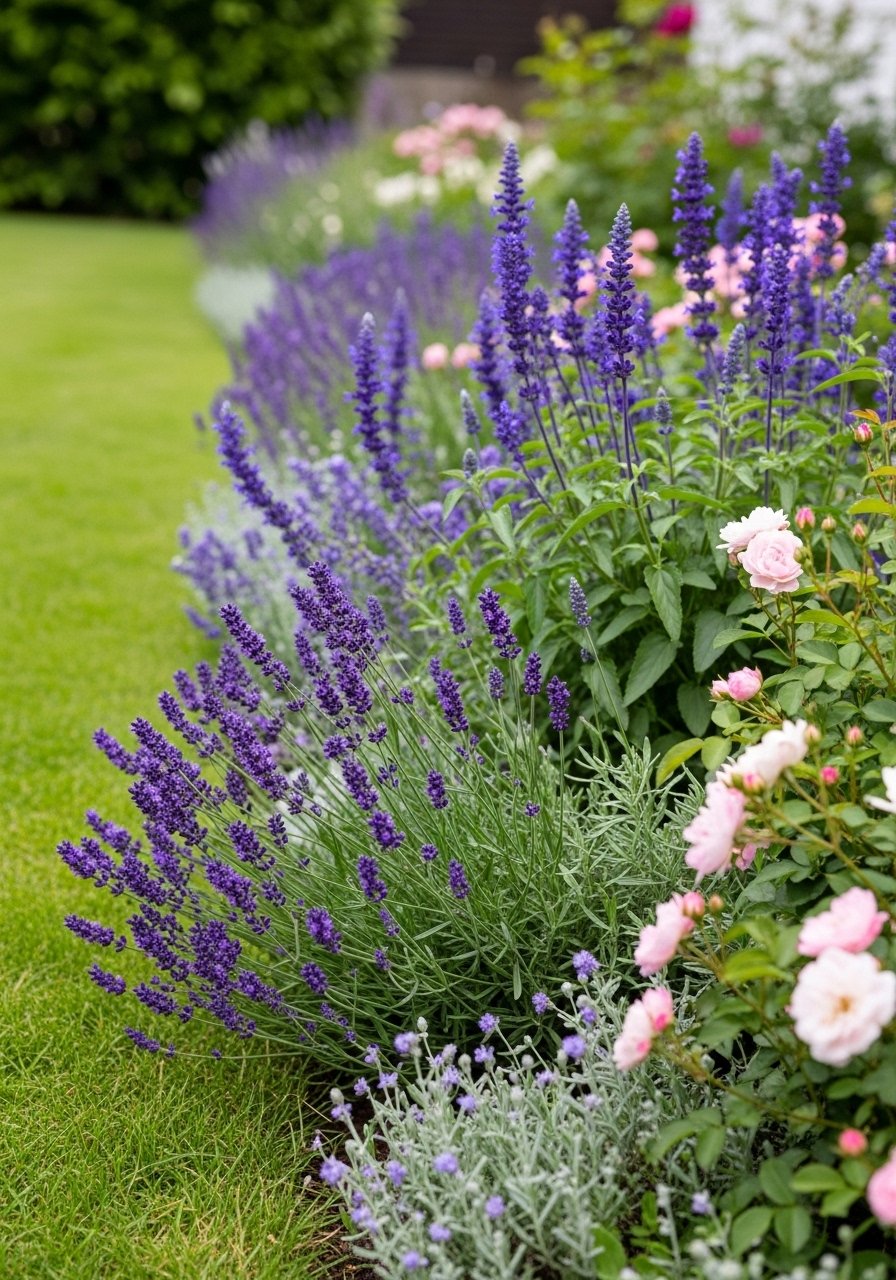
    21. Cottage-Style Mixed Border for a Soft Edge

    I planted a cozy cottage border along the sidewalk with lavender, salvia, and a few small roses. It softened the hard edge and smells nice in summer.

    I mistakenly planted roses too close together and they competed. Now I space broadly and let perennials fill gaps. Deadhead roses for tidy blooms.

    This style reads comfortable and lived-in without expensive plants.

    What You’ll Need for This Look

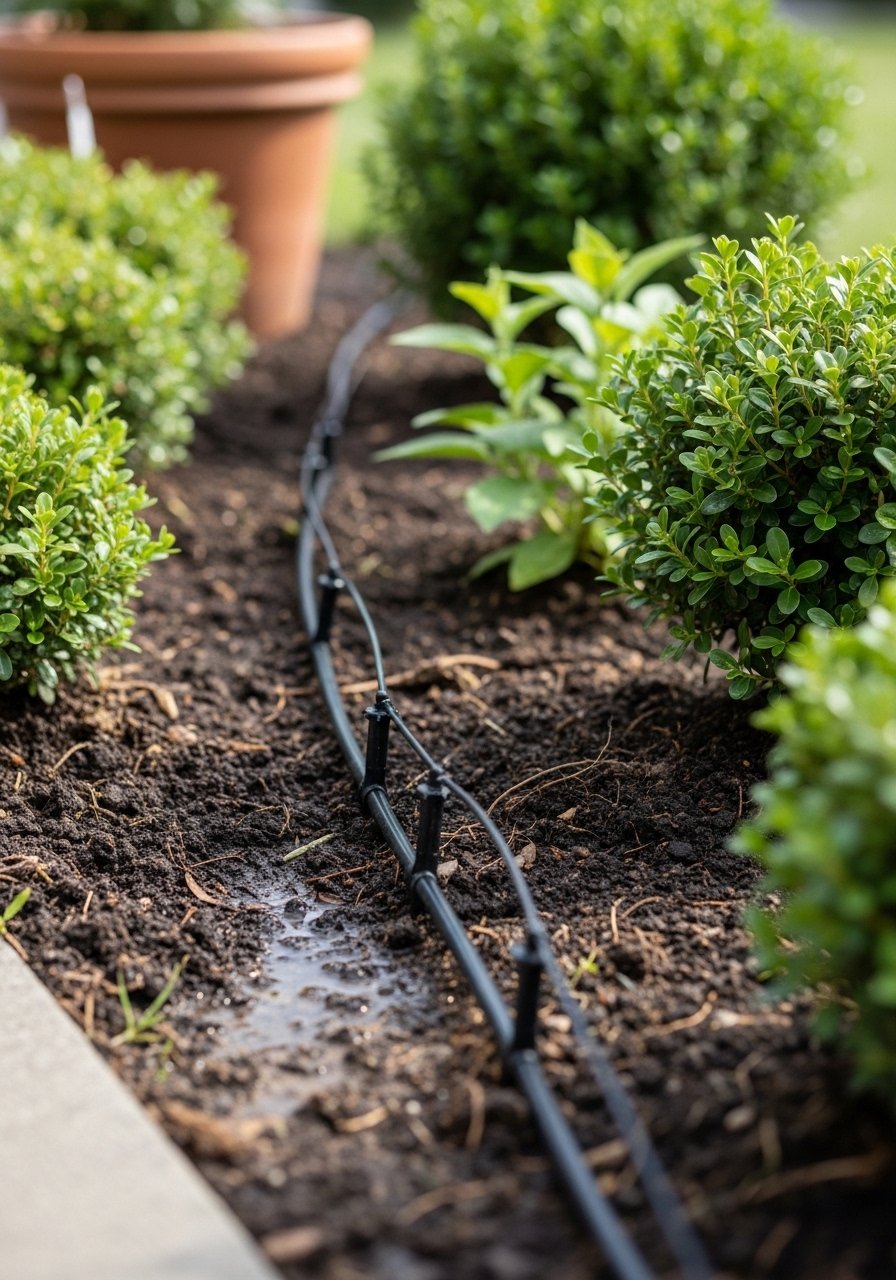
    22. Simple Drip Irrigation for Shrubs and Containers

    I installed a basic drip tape to keep shrubs and container plants watered without daily hoses. It saved me time and water.

    I messed up spacing at first and over-watered a few pots. Adjusting emitter flow fixed that. Start with a short run and test each outlet.

    Drip systems are cheap and make plant care predictable, especially in summer.

    What You’ll Need for This Look

    Final Thoughts

    You don’t need to do all 22 ideas. I mixed a few small, cheap changes and my front yard felt like mine again.

    Start with one visible change and build from there. Garden work is slow in the best way—little moves add up.

  • 29 Elegant Modern Front Lawn Landscaping Ideas For A Sleek Exterior

    29 Elegant Modern Front Lawn Landscaping Ideas For A Sleek Exterior

    I used to overplant everything. My front lawn looked busy and tired for years.

    Then I learned how restraint reads as elegance. Simple lines, a few strong plants, and quality pots changed the whole house.

    These ideas are what actually worked for me. Practical, modern, and doable.

    29 Elegant Modern Front Lawn Landscaping Ideas For A Sleek Exterior

    These 29 ideas are real, low-fuss options you can copy. I tried them, flubbed some, and note what mattered most.

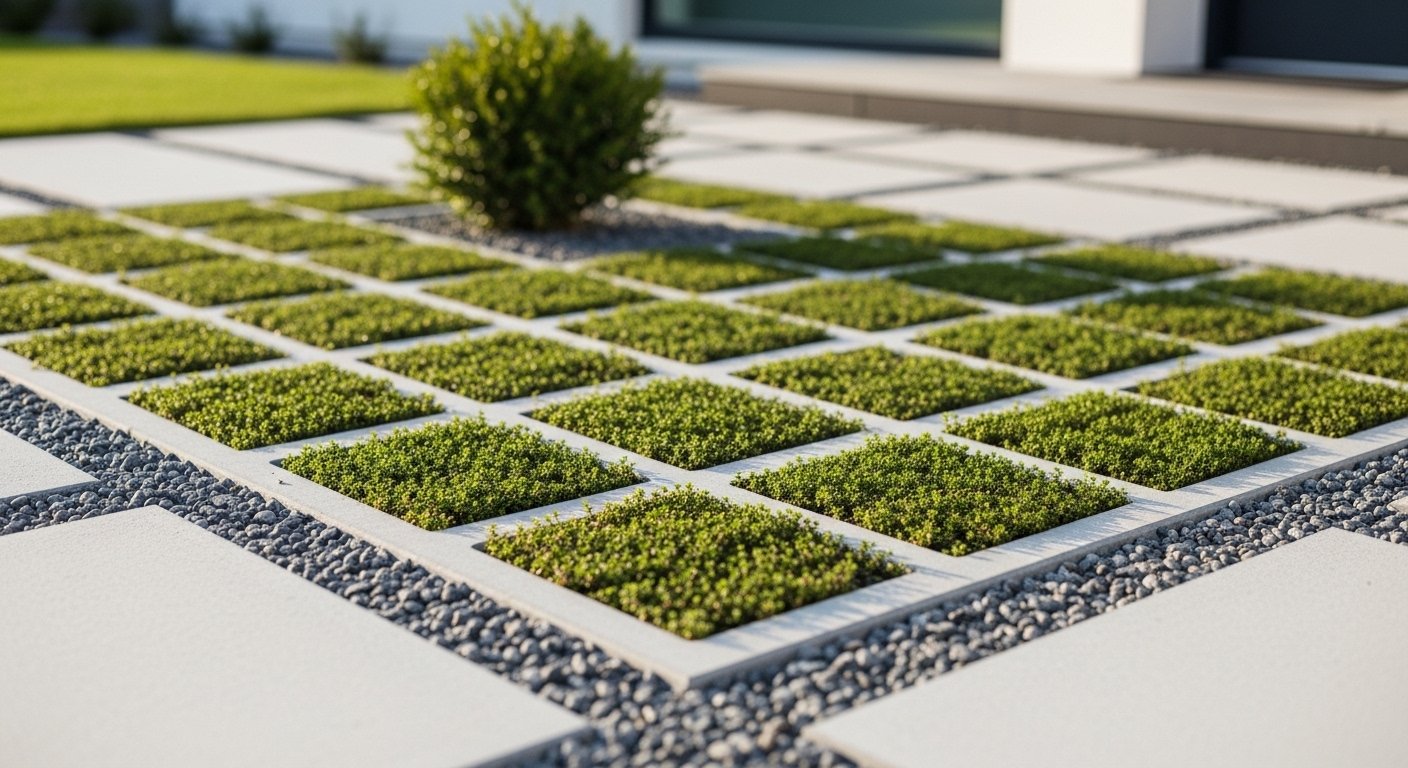
    1. Grid Pavers with Low Groundcover

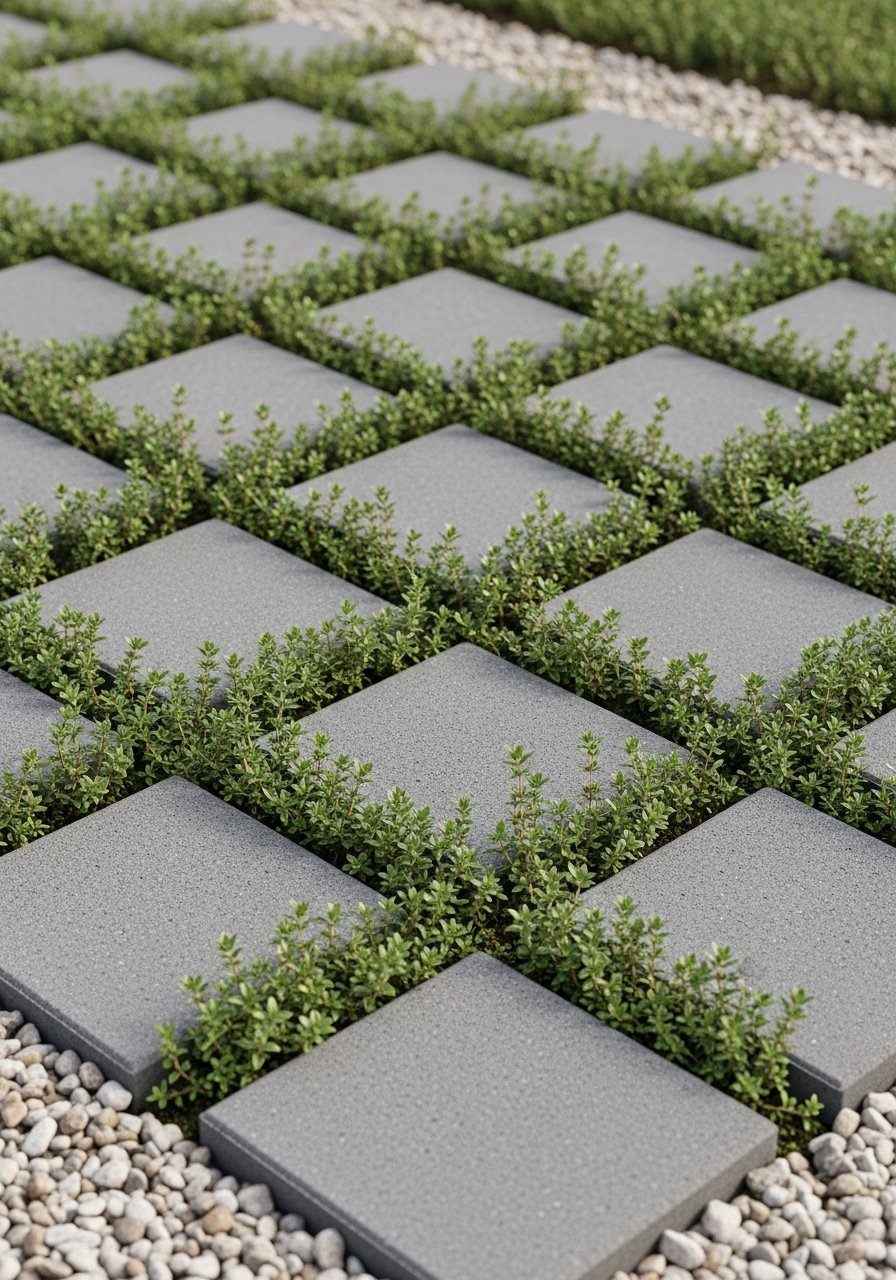
    I laid a paver grid to break up the lawn without losing green. The joints filled with thyme look neat and smell good in summer. I learned to space pavers wider than I first tried — too close felt crowded.

    Visually it’s calm and modern. It reduced mowing and gave the entrance a tidy, walkable feel. Keep the joint soil shallow so the groundcover doesn’t overrun the pavers.

    What You’ll Need for This Look

    2. Narrow Turf Ribbon Flanked by Gravel

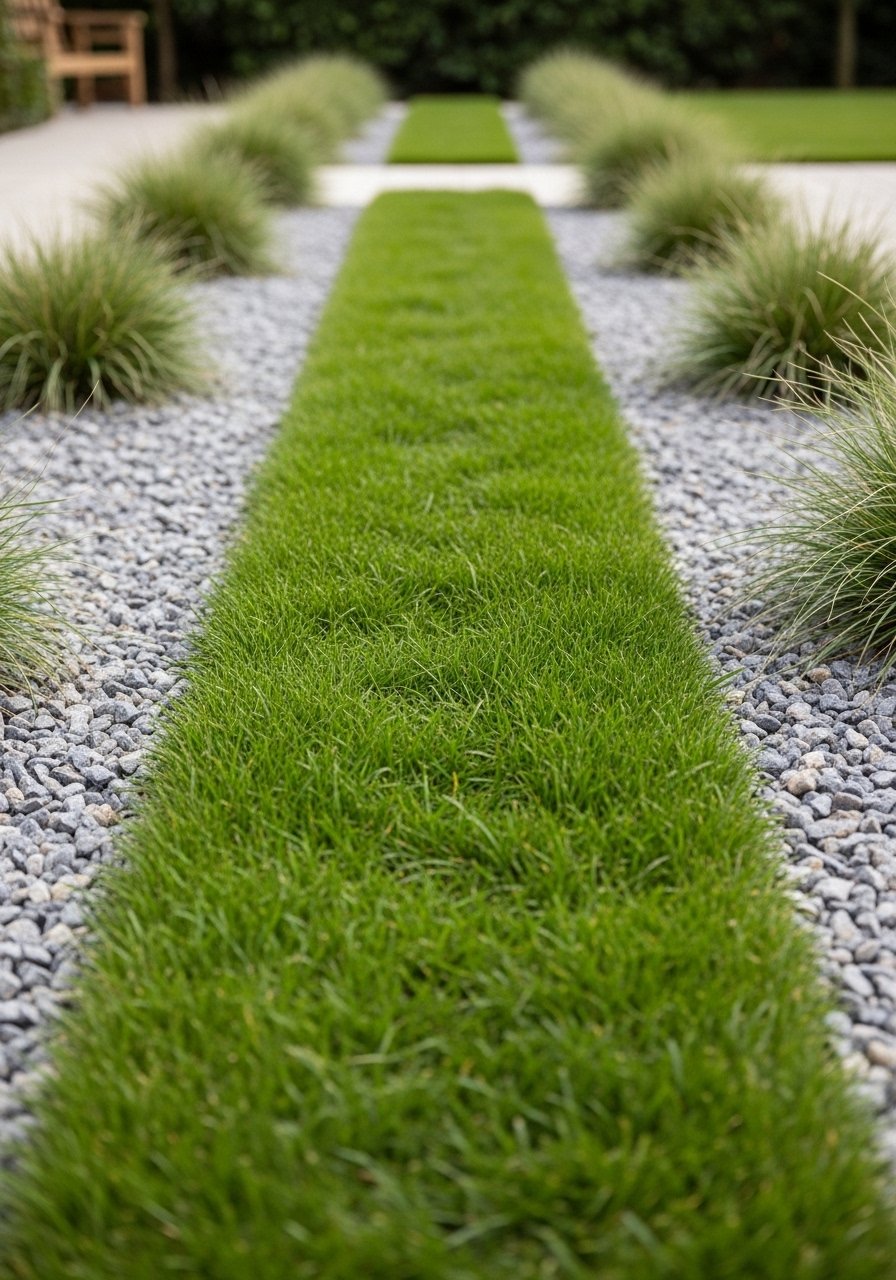
    I once planted the wrong turf here and it got patchy fast. After switching to fine fescue, the thin ribbon stayed lush with less water. The gravel edges cut maintenance and make the strip read intentional.

    It’s a modern, linear look that guides the eye to the front door. Watering is easier because the gravel doesn’t hold moisture. Keep the turf narrow — under three feet works for most homes.

    What You’ll Need for This Look

    3. Boxy Evergreen Hedge for Clean Lines

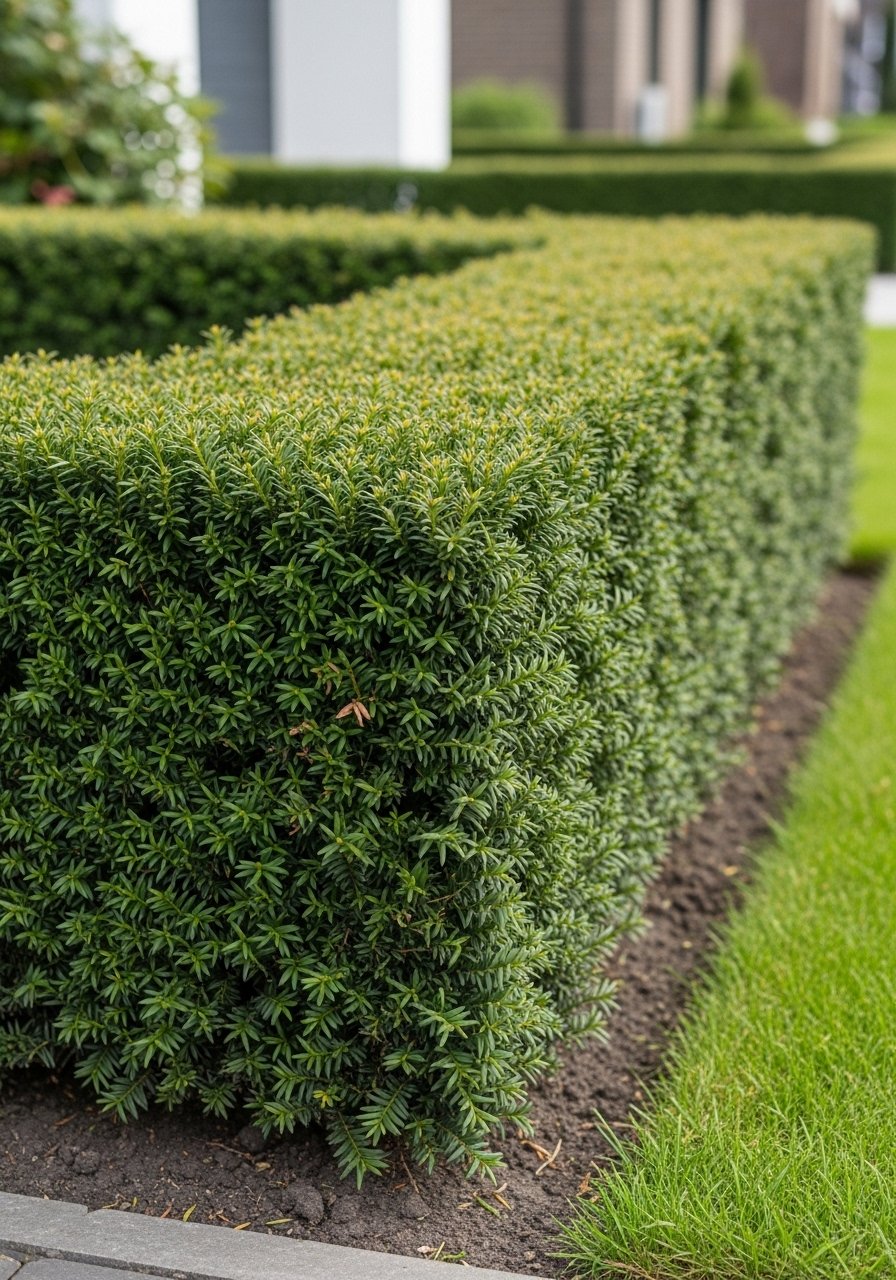
    I clipped a yew hedge into a short, boxy form to anchor the lawn. It frames the yard without needing flowers. The shape stays tidy and keeps sightlines open. I learned that pruning a touch earlier in spring prevents the ragged look I had at first.

    Evergreen hedges give a clean, modern backdrop year-round. Trim twice a season to maintain the form and avoid one big ugly haircut.

    What You’ll Need for This Look

    4. Steel Raised Beds Along the Driveway

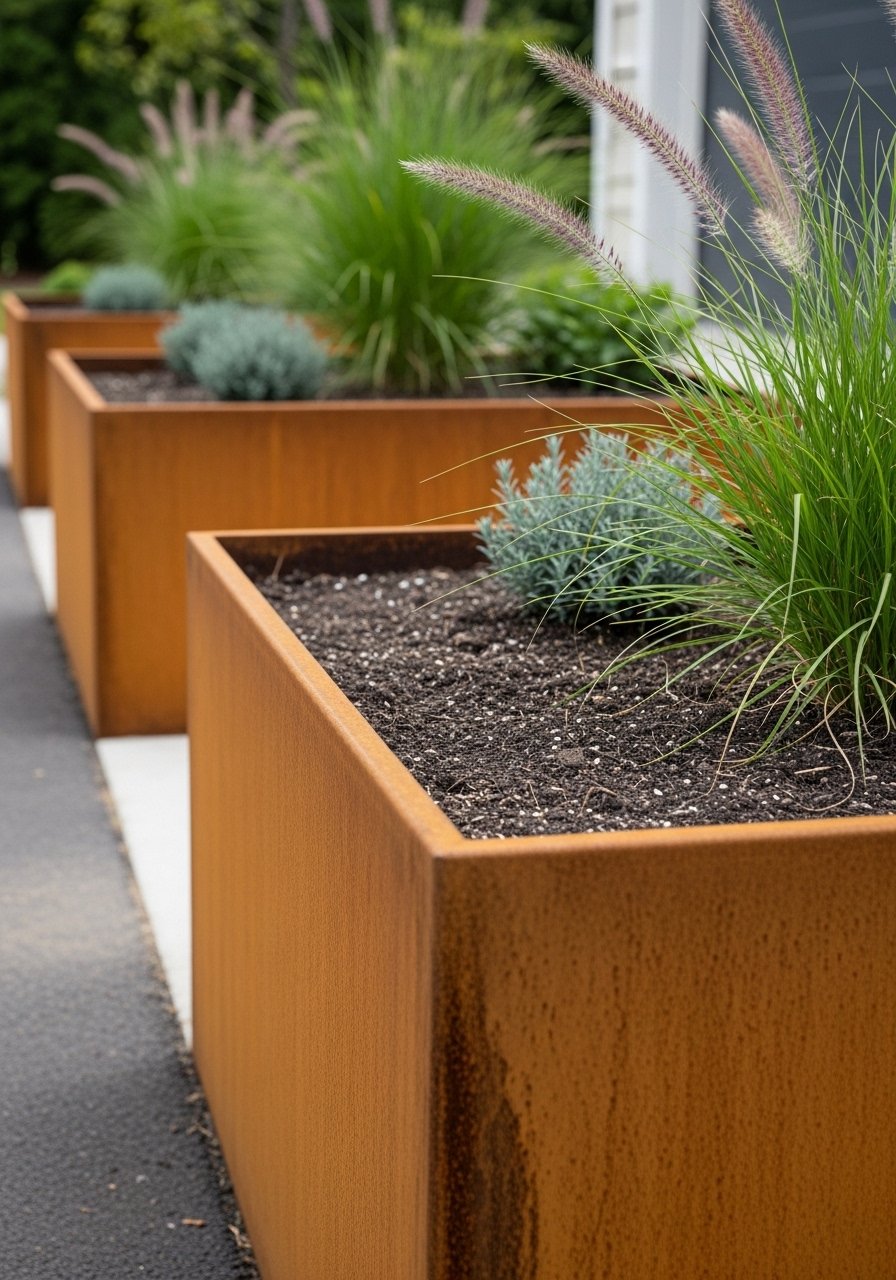
    I installed low corten steel beds to keep plantings tidy and contained. The metal edge reads modern and hides messy soil. Initially I bought cheap panels and they bowed; invest in thicker steel or bracing.

    Raised beds make planting easier and protect roots from salt or runoff from the driveway. They feel intentional and require less edging. Plant a mix of evergreens and seasonal color for interest.

    What You’ll Need for This Look

    5. Monochrome White-Flowering Border

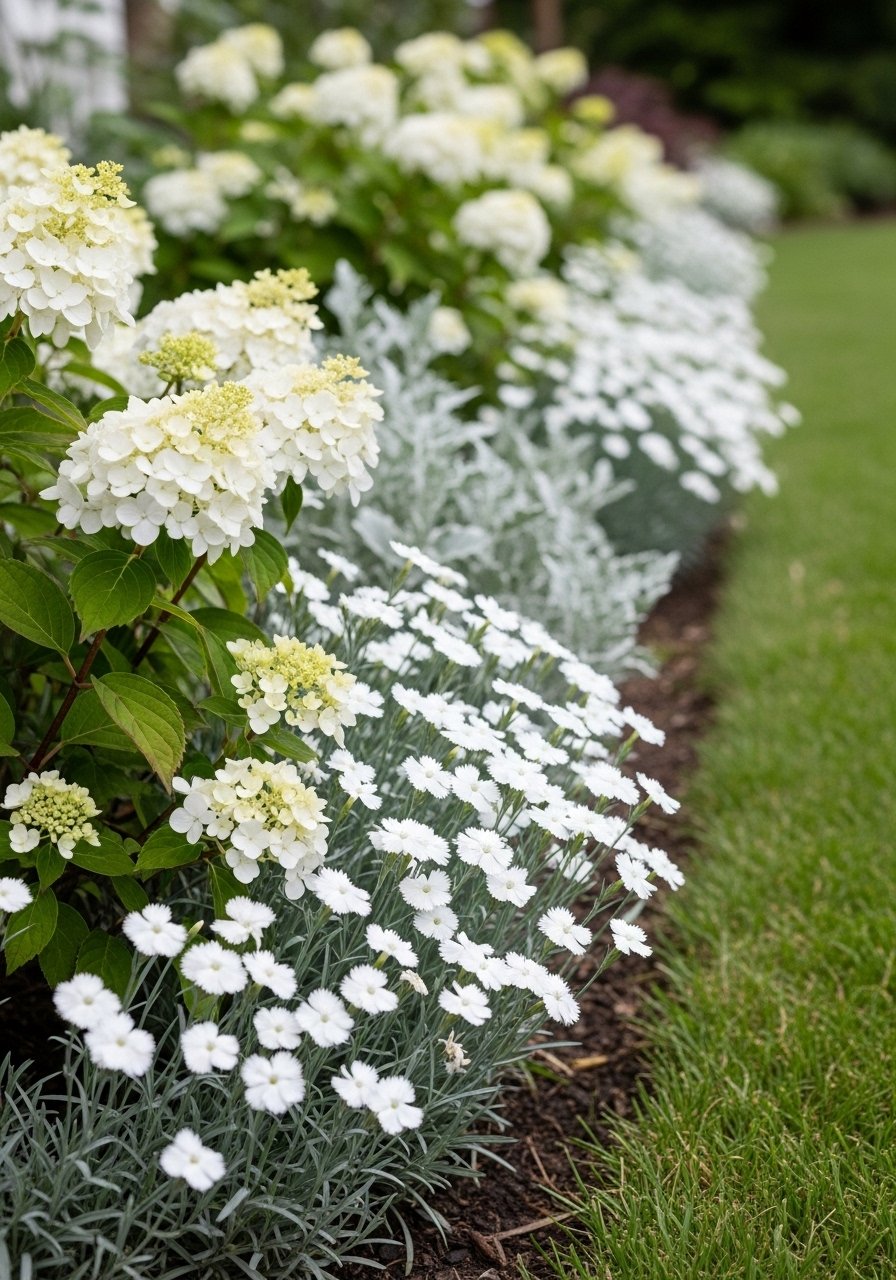
    A white border calmed my busy corner. I planted white hydrangeas, white geraniums, and silver-leaved artemisia for contrast. At first I expected nonstop blooms — but placement matters. Shade reduced flowering in one spot, so I moved a few plants.

    White feels modern and clean against green lawn and dark mulch. It’s forgiving visually and keeps the front simple. Use foliage contrast so the white doesn’t look flat.

    What You’ll Need for This Look

    6. Layered Container Trio on the Porch

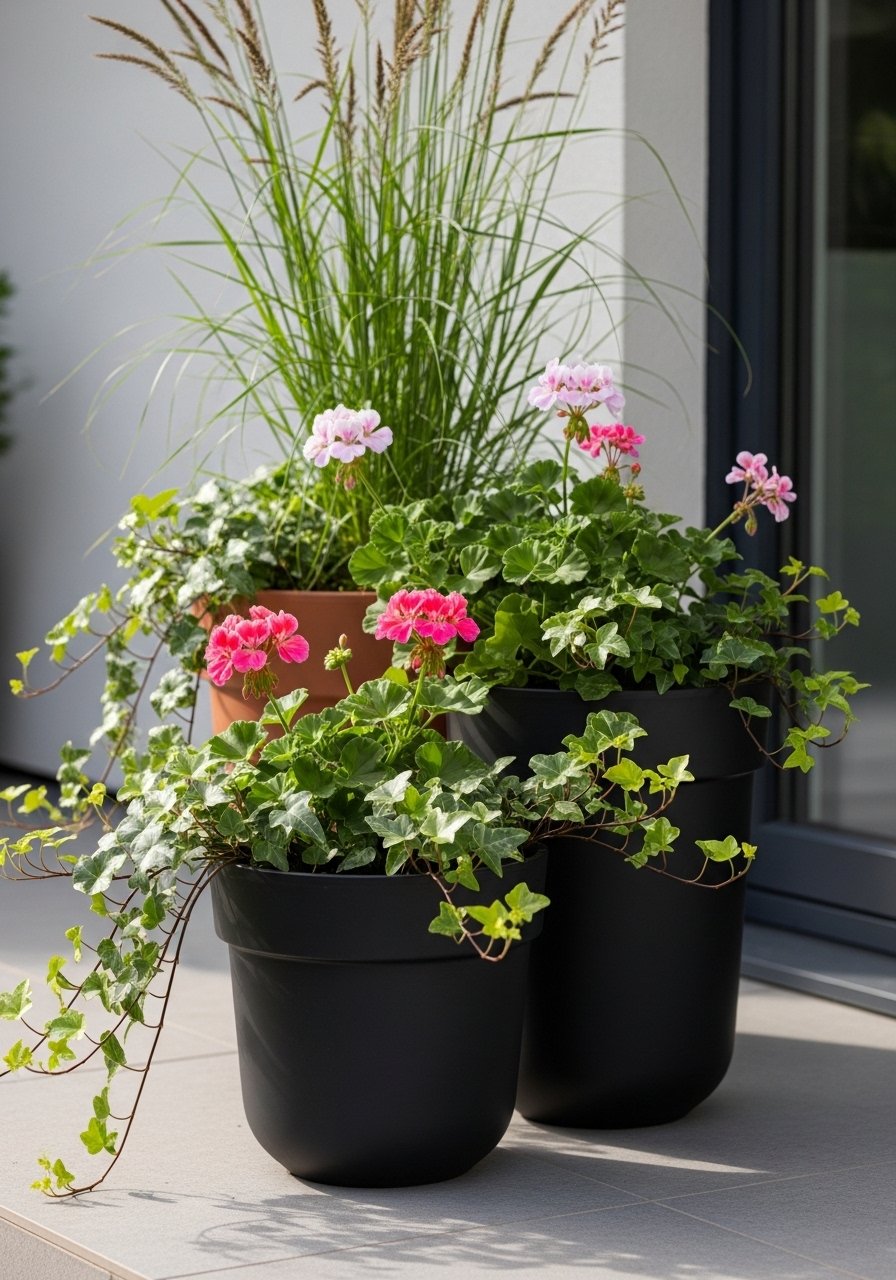
    I grouped three containers of different heights by the door. Tall grass, a mid-layer plant, and trailing ivy make a small space read full. I once bought pots that were too tiny and repotted everything — buy proportional sizes.

    Layering adds depth without more beds. Use similar colors to keep the look unified. Rotate a seasonal plant in the middle for freshness.

    What You’ll Need for This Look

    7. Rain Garden Swale with Native Grasses

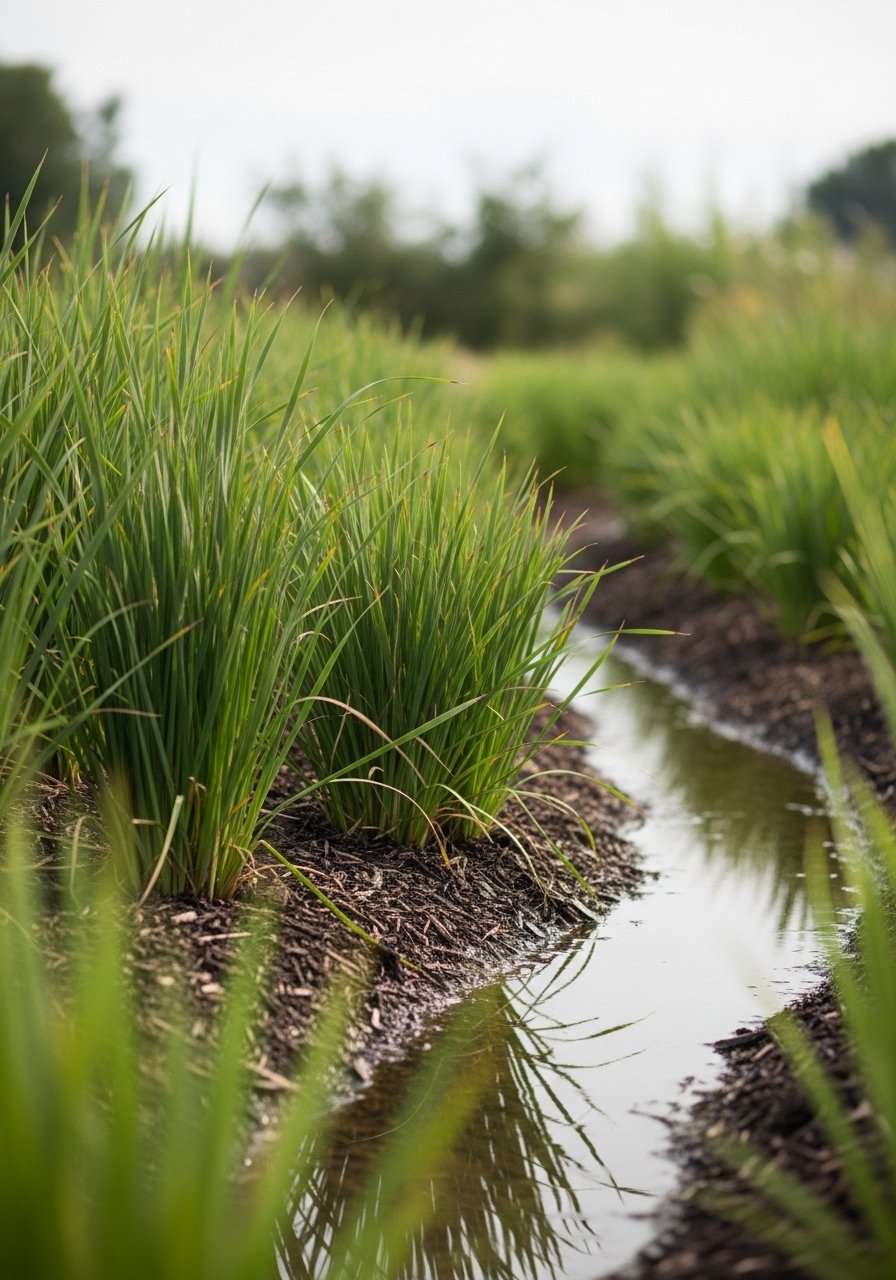
    My yard flooded one spring. I carved a shallow swale and planted native rushes and sedges. It keeps runoff from pooling at the foundation and looks natural. The first year some plugs didn’t take because I overworked the soil.

    A rain swale can be tidy in a modern yard if edged and planted carefully. Choose local species and expect slower establishment the first season.

    What You’ll Need for This Look

    8. Mailbox Planter Column

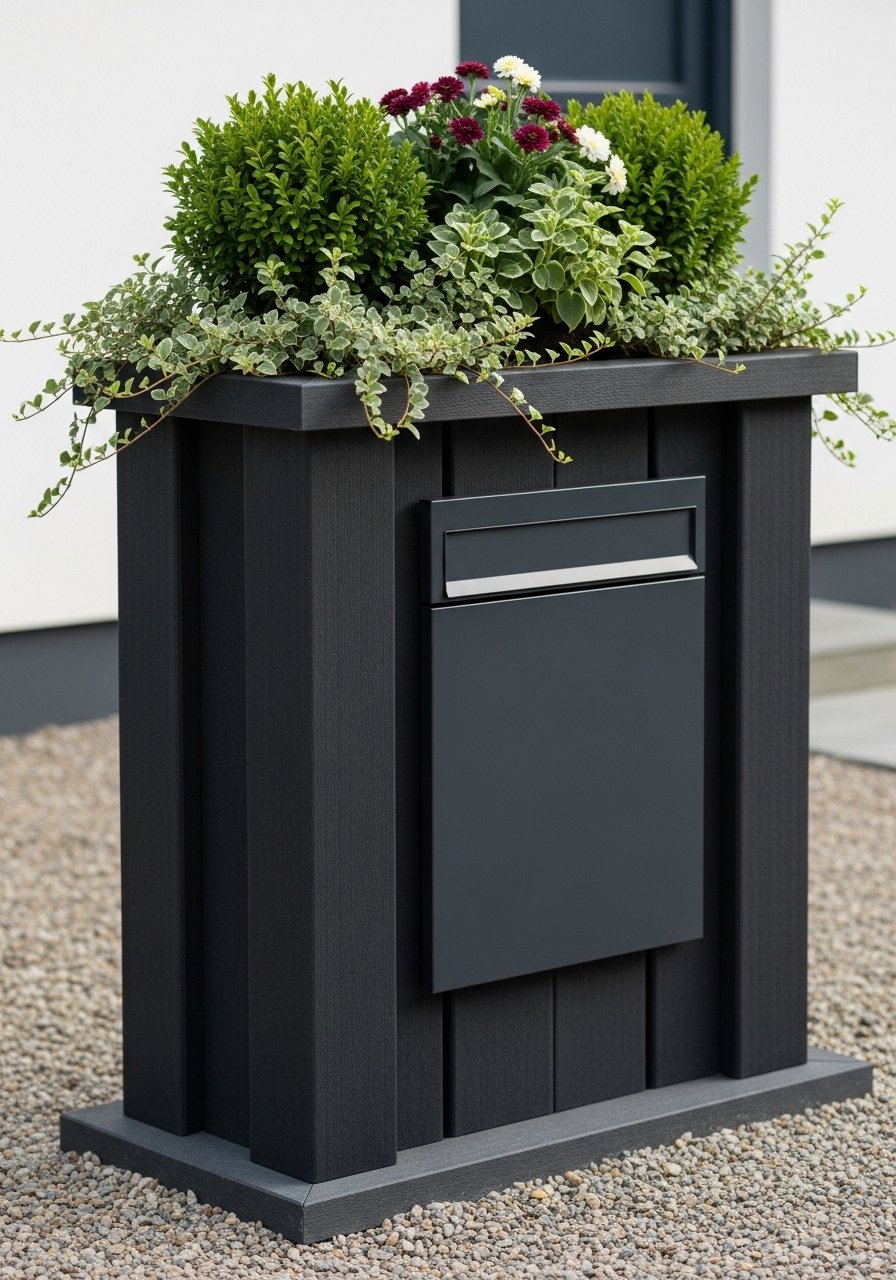
    I swapped a lonely mailbox post for a planter column. It frames the mailbox and gives me a spot to change plants each season. My first column leaned because the base wasn’t anchored — learn from my failure and secure the post.

    This small upgrade packs personality without cluttering the front lawn. Use durable materials and plant compact shrubs for year-round structure.

    What You’ll Need for This Look

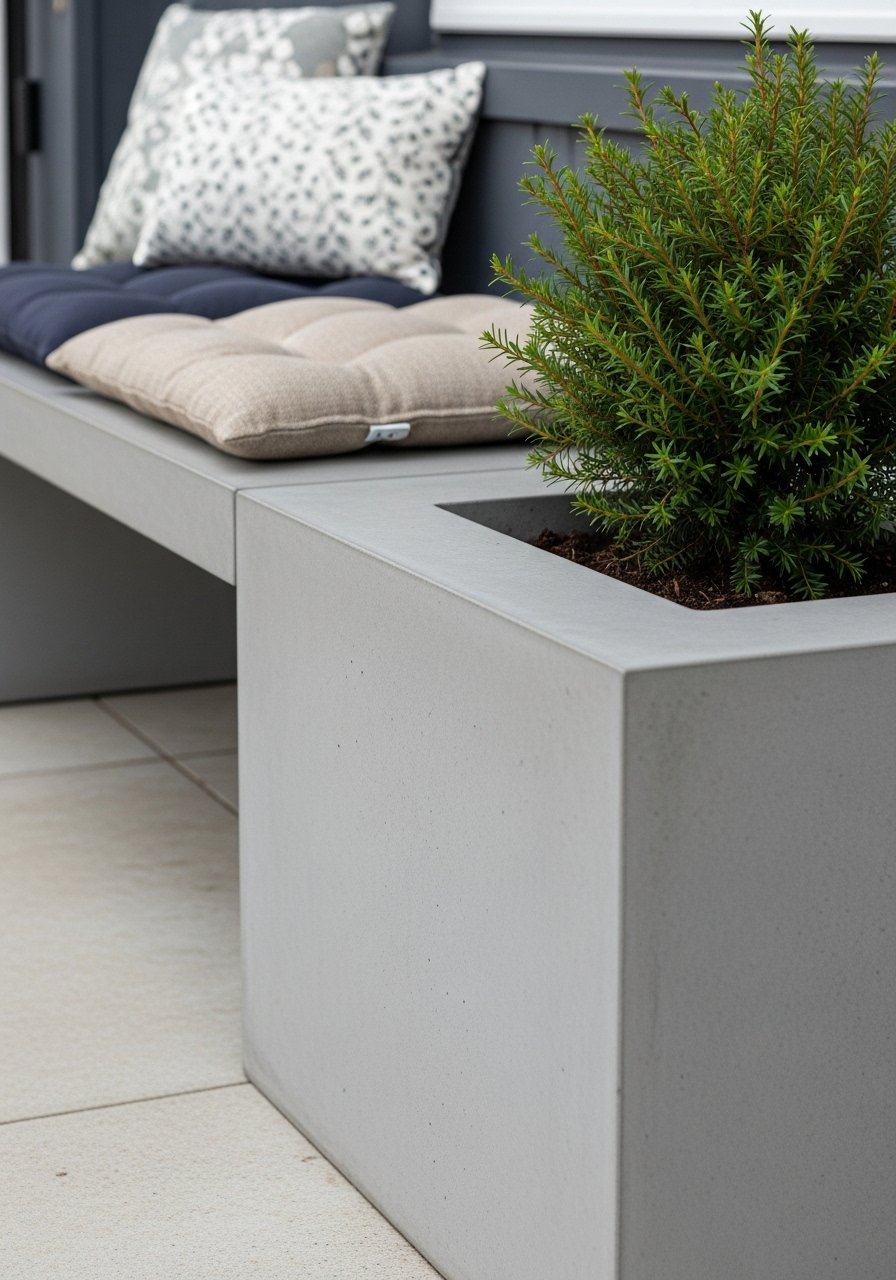
    9. Concrete Bench with Integrated Planter

    I built a short concrete bench with a planter at one end. It made the porch feel edited and functional. I didn’t waterproof the planter at first and had staining issues. Now I use a liner.

    The bench gives a place to set packages and softens the entry. Plant a tidy evergreen or a structural succulent in the planter for low fuss.

    What You’ll Need for This Look

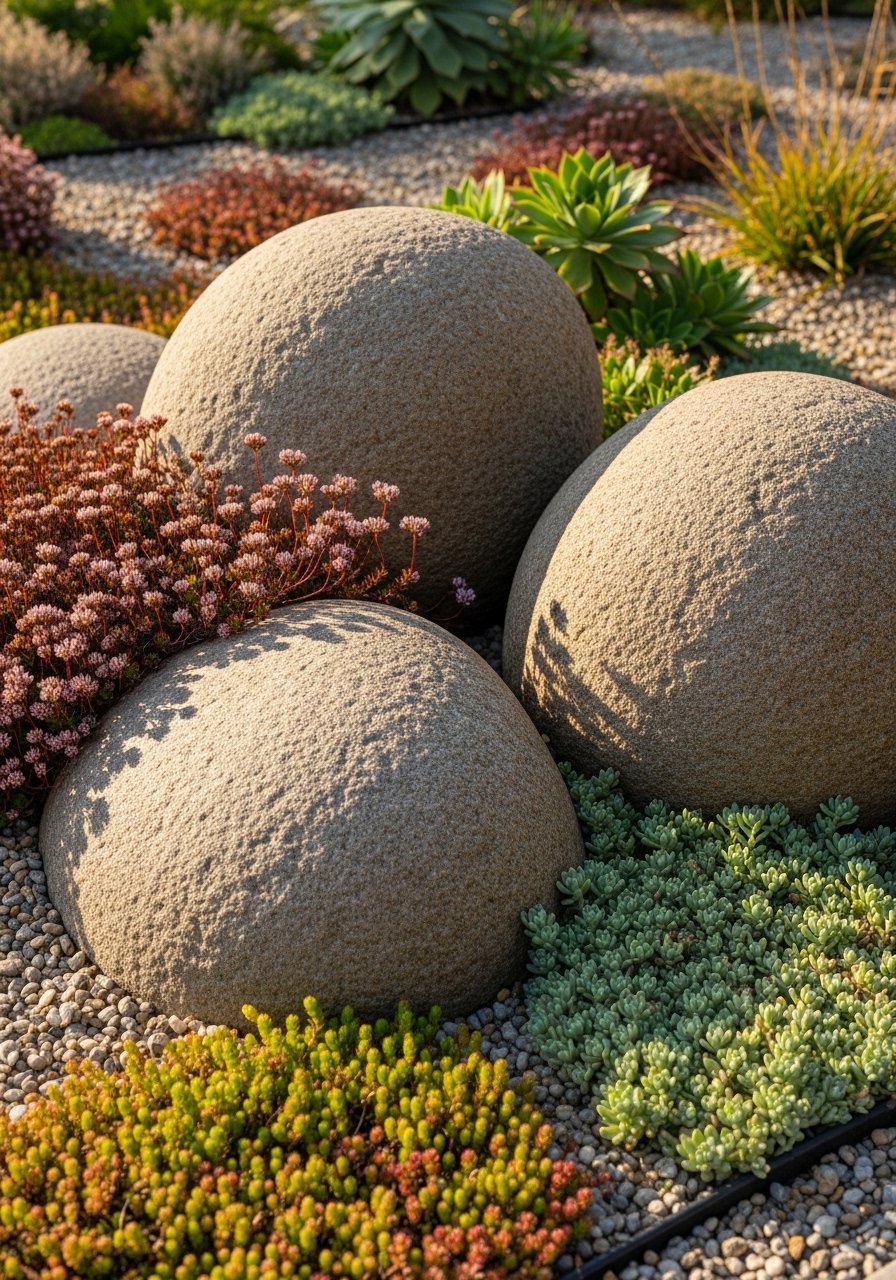
    10. Sculptural Boulders with Succulents

    I added one big boulder and a few smaller stones to anchor a dry patch. Surrounding them with sedum and hens-and-chicks created a low-water focal spot. I overplanted succulents initially and fought shade problems in year two.

    Boulders give a modern, sculptural quality without fuss. Keep planting sparse and match slope drainage so water doesn’t sit.

    What You’ll Need for This Look

    11. Native Pollinator Shrub Border

    I planted a strip of native shrubs and herbs near the walkway. Bees arrived within weeks. The shrubs are forgiving and look neat when trimmed back in spring. My mistake was planting too many different species at once — it read messy until things matured.

    A pollinator border feels alive and intentional. Pick three or four reliable natives and let them fill in.

    What You’ll Need for This Look

    12. Geometric Gravel Courtyard with Stepping Stones

    I converted a small front lawn corner into a geometric gravel courtyard. Big slabs act as a path and seating zone. It cleared the visual clutter and cut mowing. The first winter I forgot an edge and gravel spread; now I use hidden edging.

    This look is low-maintenance and crisp. Add a single structural plant to anchor the area and you’ve got a tidy modern space.

    What You’ll Need for This Look

    13. Vertical Living Wall by the Entry

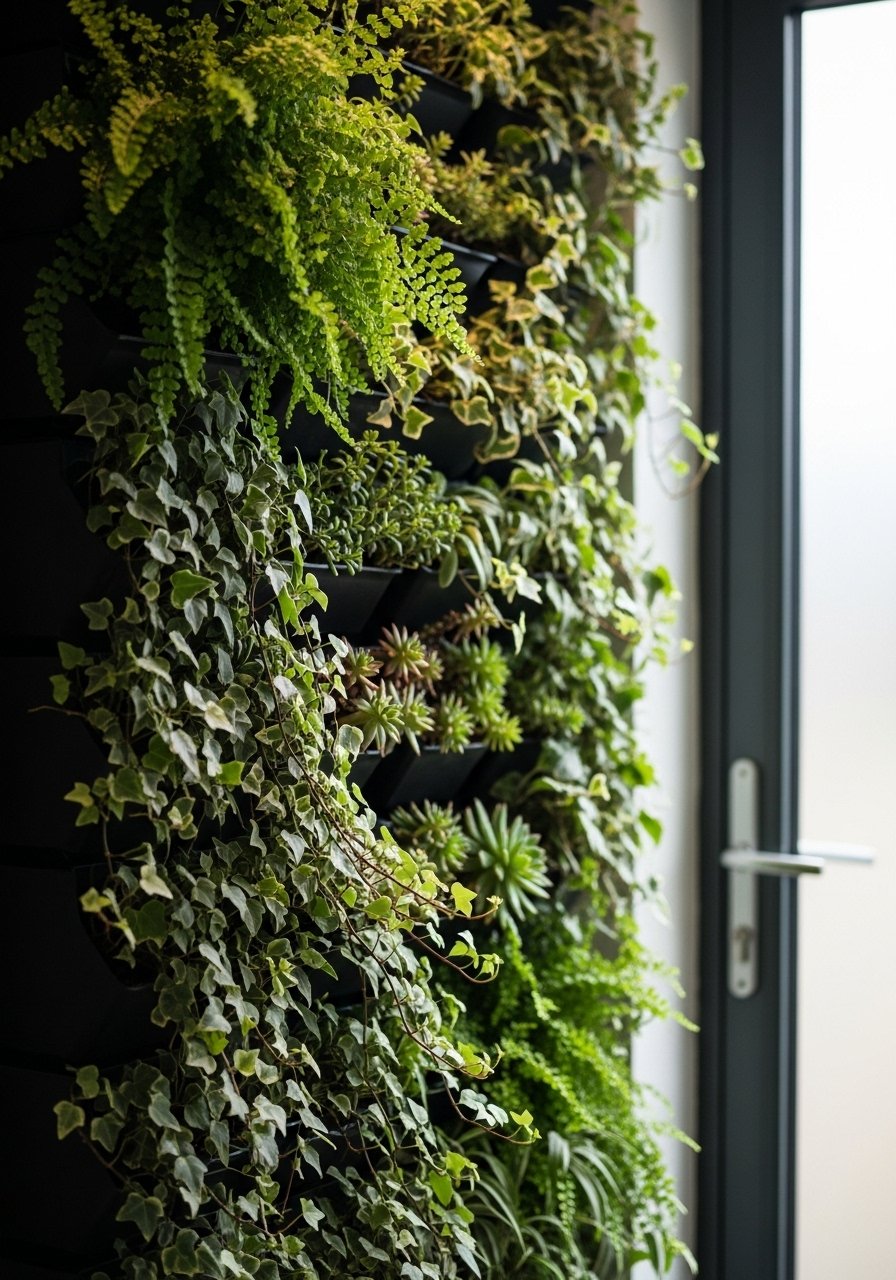
    A vertical panel adds green without taking lawn space. I mounted modular pockets by the door and used low-water plants. Early on I under-watered the pockets and lost a row, so check irrigation regularly.

    It reads modern and deliberate. Use a simple frame and consistent plants for a clean look. This is great if your yard is small or you want green near the door.

    What You’ll Need for This Look

    14. Low Sedum and Succulent Rock Garden

    I tried a full succulent bed and overwatered the first batch. After correcting drainage and switching to coarse grit, the sedums thrived. The rock garden is extremely low-care and reads crisp next to a lawn.

    Use layers of gravel, drainage sand, and coarse soil. Plant sparingly so each rosette shows. It’s a modern counterpoint to soft turf.

    What You’ll Need for This Look

    15. Minimalist Lighting-Led Pathway

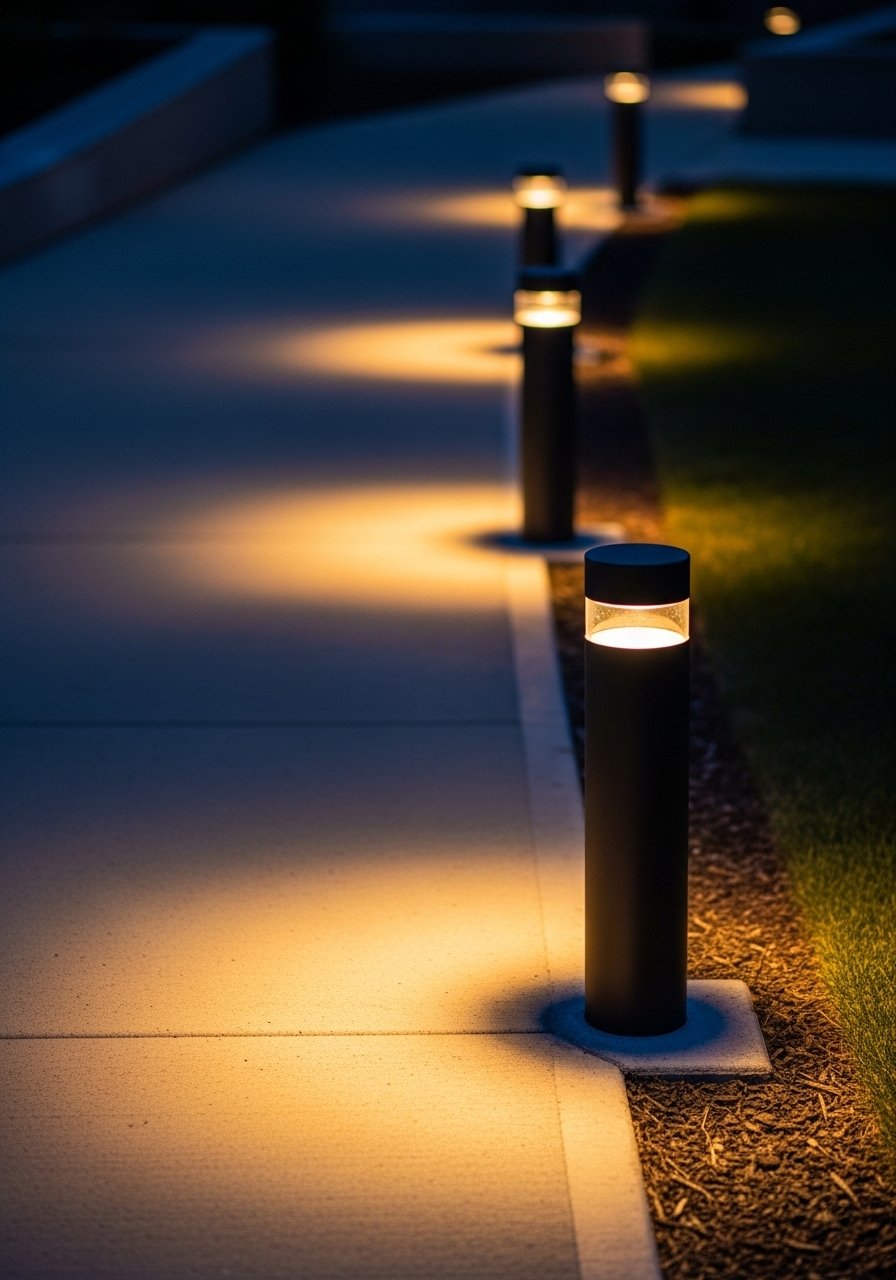
    I swapped old lamps for low bollards that cast warm pools of light. The path felt safer and more modern. I once installed lights too bright and had complaints — softer LEDs work better for neighbors.

    Lighting draws the eye along clean lines. Use warm color temperature and hide wiring under edging for a neat installation.

    What You’ll Need for This Look

    16. Single Specimen Tree with Uplighting

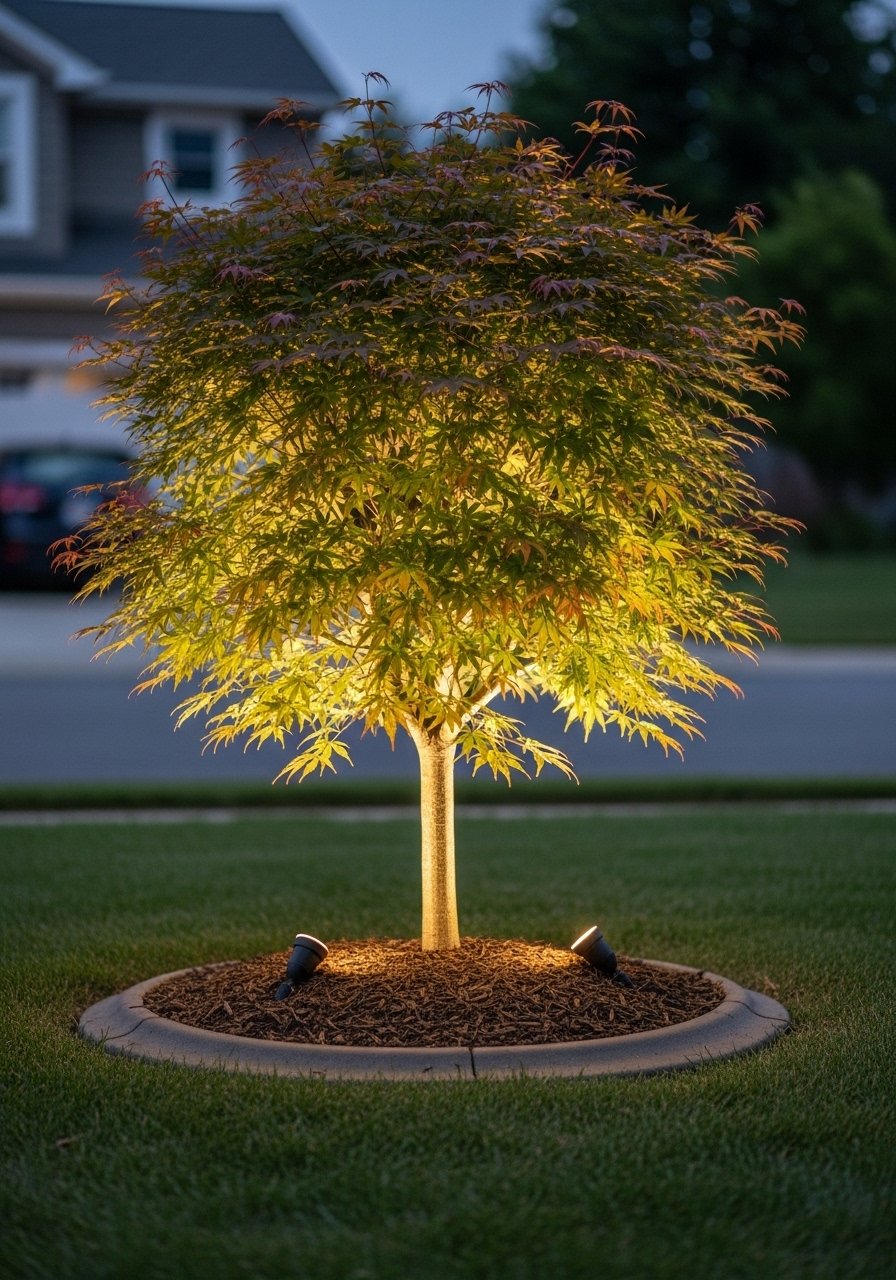
    I planted a small Japanese maple as a focal point and added an uplight. At night the tree becomes a quiet sculpture. I planted it a touch too close to the house and had to prune branches later.

    A single specimen anchors a modern lawn without clutter. Choose scale carefully and use a warm uplight for softness.

    What You’ll Need for This Look

    17. Mixed Evergreen and Bulb Layers for Year-Round Interest

    I layered low evergreen shrubs with spring bulbs. In winter it’s tidy; in spring there’s a surprise of color. My first try had bulbs planted too shallow and they suffered, so plant bulbs deeper than package suggests.

    Layering gives seasonal change without replanting every year. Keep bulb clumps grouped and match evergreen spacing for balance.

    What You’ll Need for This Look

    18. Built-In Storage Bench with Planter Top

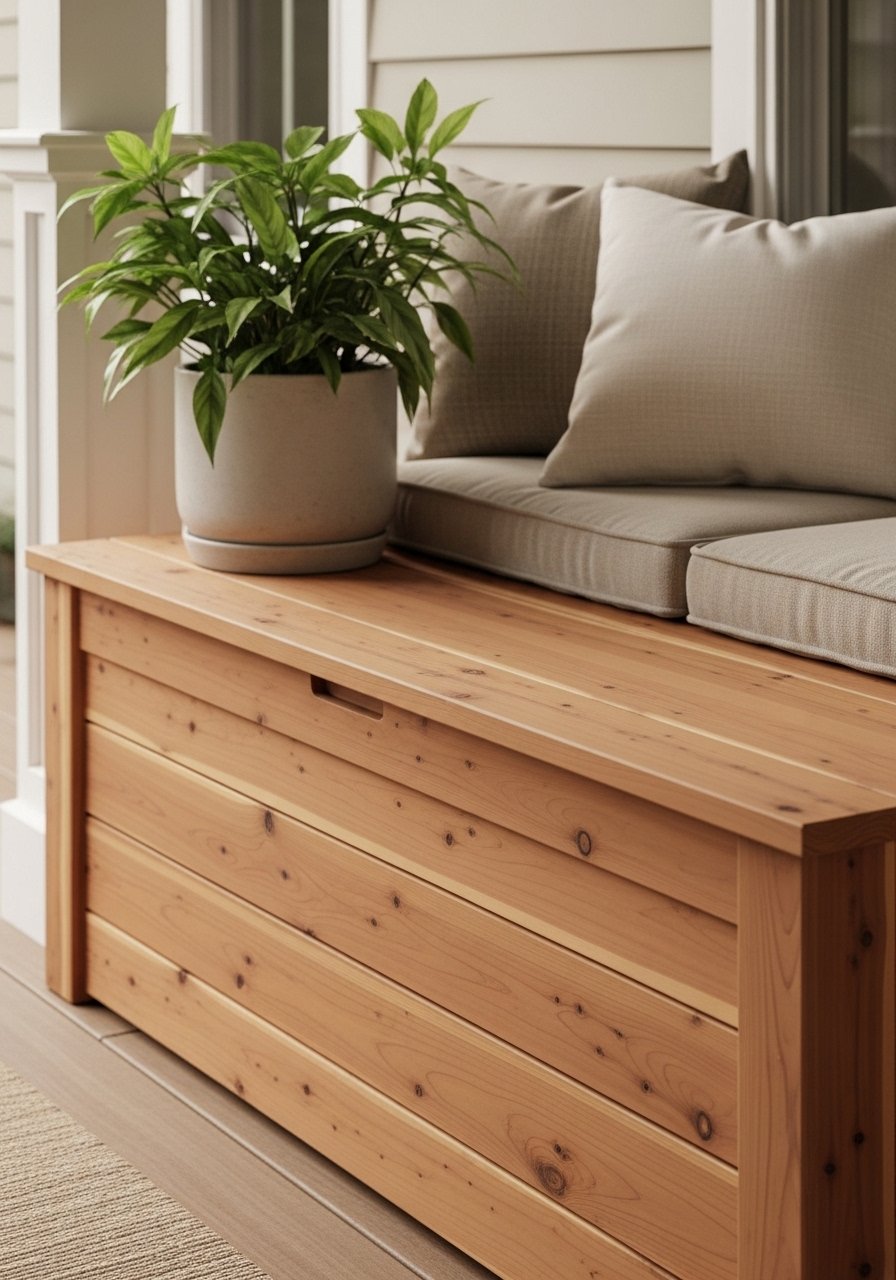
    I made a bench that hides garden tools and sports gear with a planter on top. It keeps clutter off the lawn and looks intentional. I didn’t seal the wood properly at first and had minor rot; use good sealant.

    A storage bench is practical and keeps the front neat. Choose rot-resistant wood and a tight planter liner.

    What You’ll Need for This Look

    19. Corten Steel Screen as Sculptural Backdrop

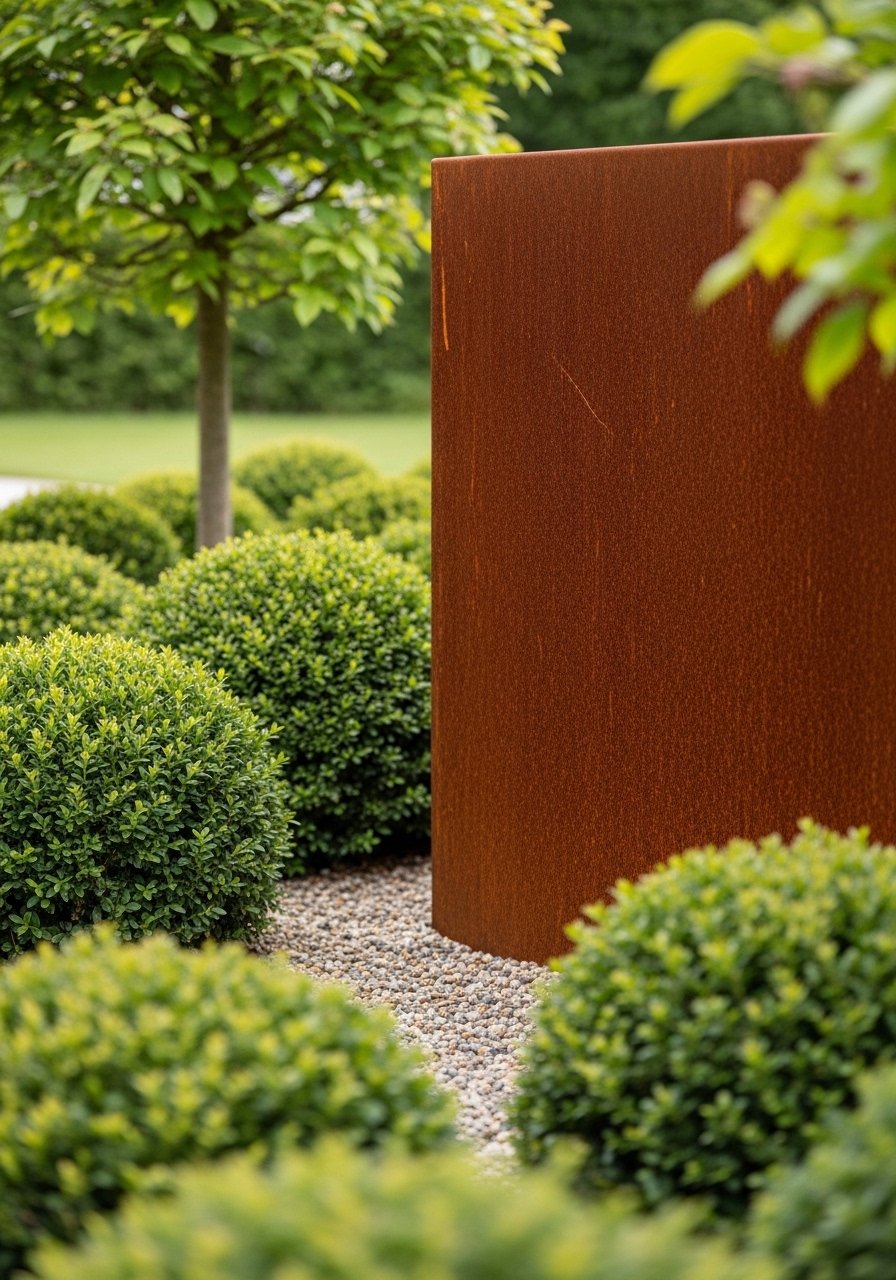
    I installed a corten steel screen to hide a neighbor’s fence and it became a backdrop for plantings. The warm rust color pairs nicely with green. I ordered thin panels first and they warped; heavier sheets were the fix.

    A steel screen reads modern and requires minimal maintenance. Plant low in front to keep the screen visible and clean-lined.

    What You’ll Need for This Look

    20. Recessed Planting Beds with Timber Edging

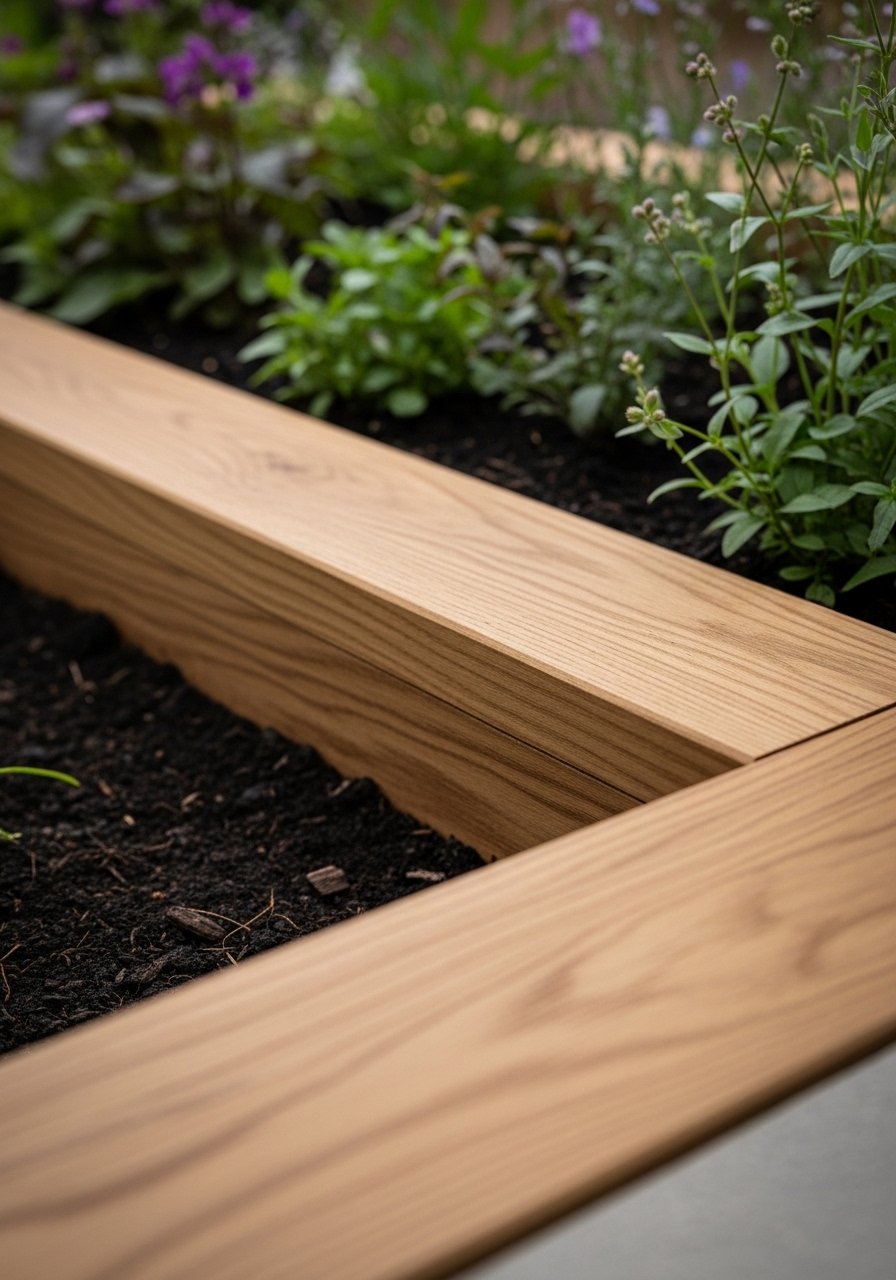
    I dug shallow recessed beds and edged them in treated timber. The lower plane gives the lawn a crisp edge and keeps plants looking tidy. Treat the timber to avoid early rot; I rushed that step and replaced boards.

    This subtle depth change reads modern and intentional. Use a narrow palette of plants so the bed reads calm.

    What You’ll Need for This Look

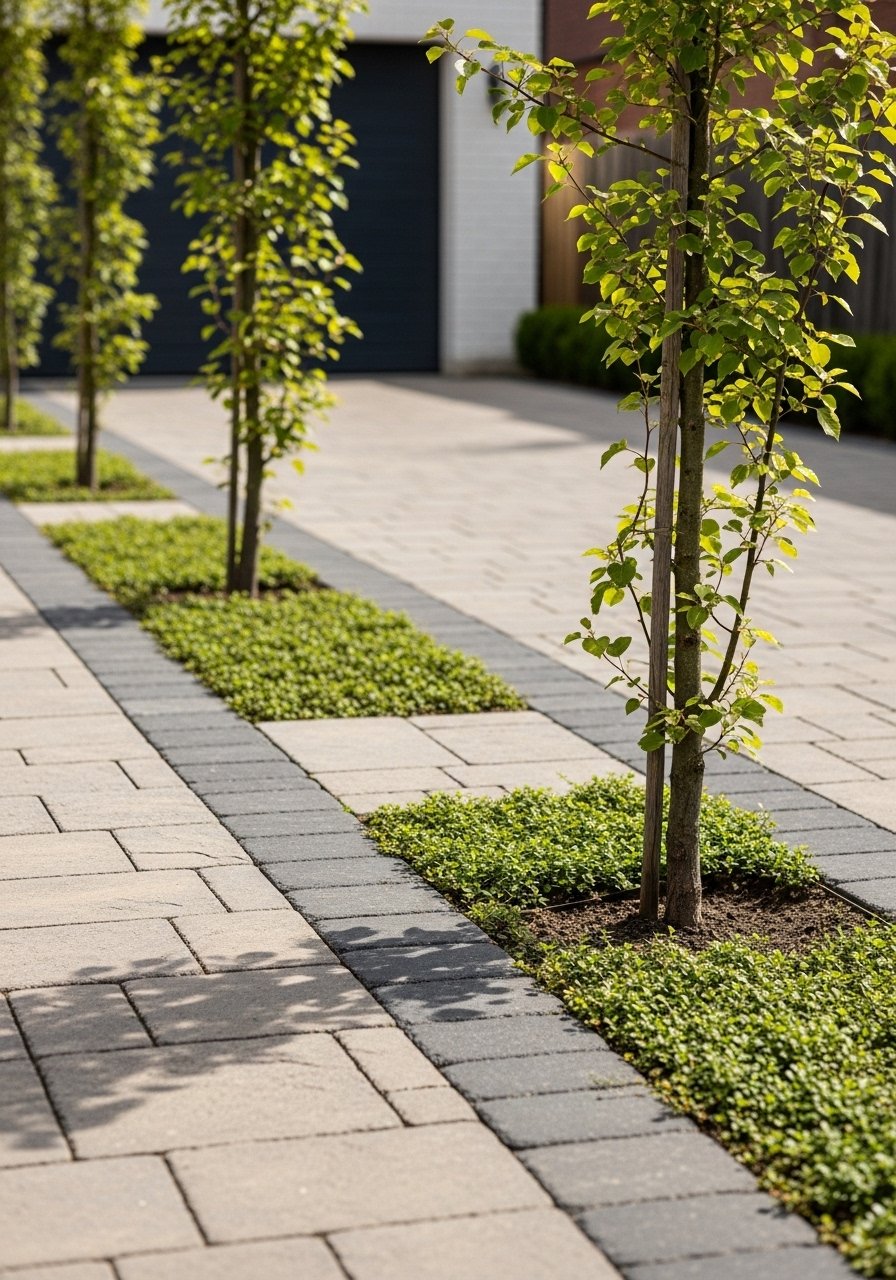
    21. Planted Strips in Paved Driveway (Tree Lawn)

    I replaced a full-width paved driveway with planted strips and pavers. It broke up the hardscape and cut heat reflection. I undercut tree root space at first and had stunted growth; give roots room.

    This solution modernizes the driveway and keeps visual greenery. Use hardy trees and a root-friendly soil mix.

    What You’ll Need for This Look

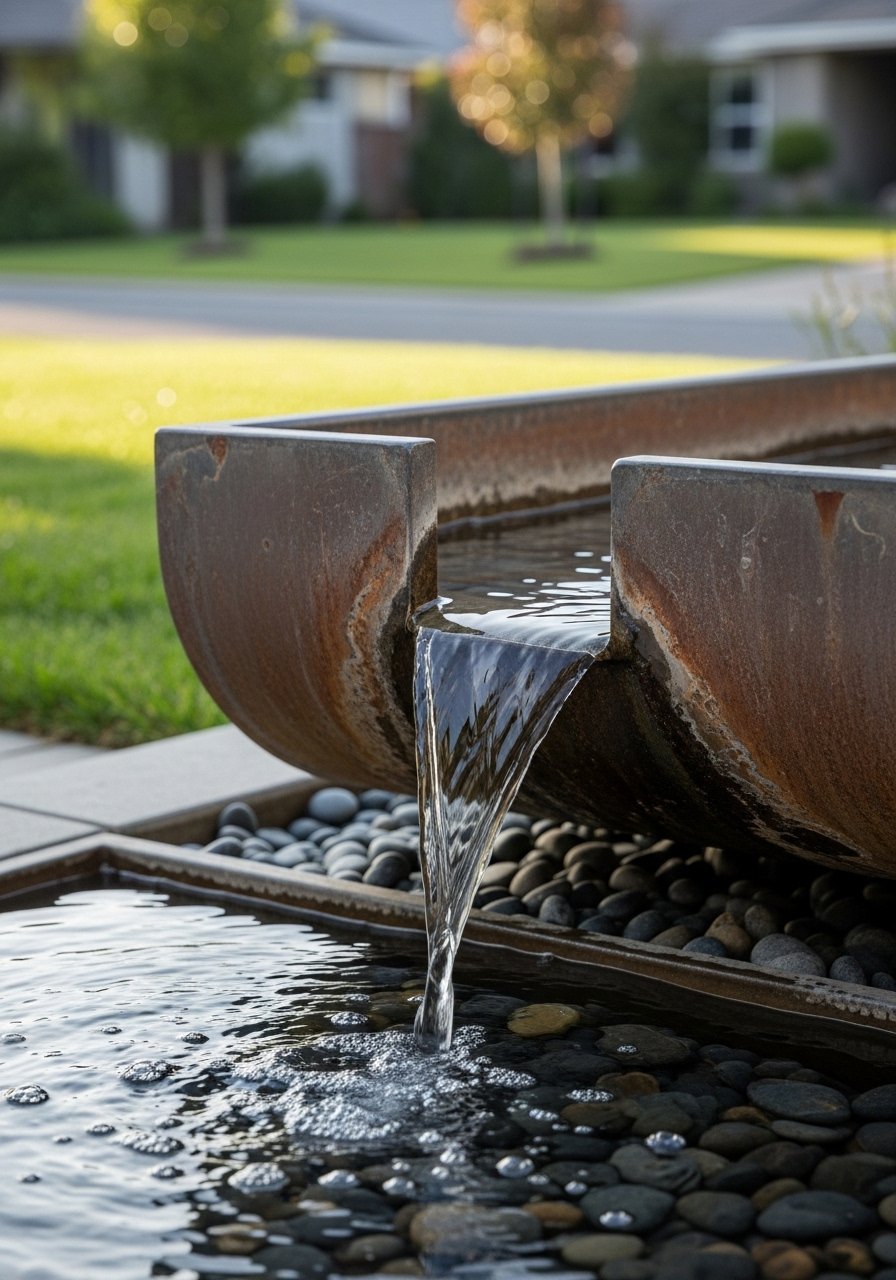
    22. Modern Water Trough Fountain

    I placed a low trough fountain near the path. The gentle sound calms the front yard and masks street noise. I almost put it where runoff drained; that made algae a mess. Move it to higher ground and add circulation.

    A simple, low-profile water feature reads modern and relaxed. Keep the pump accessible and use hardy marginal plants.

    What You’ll Need for This Look

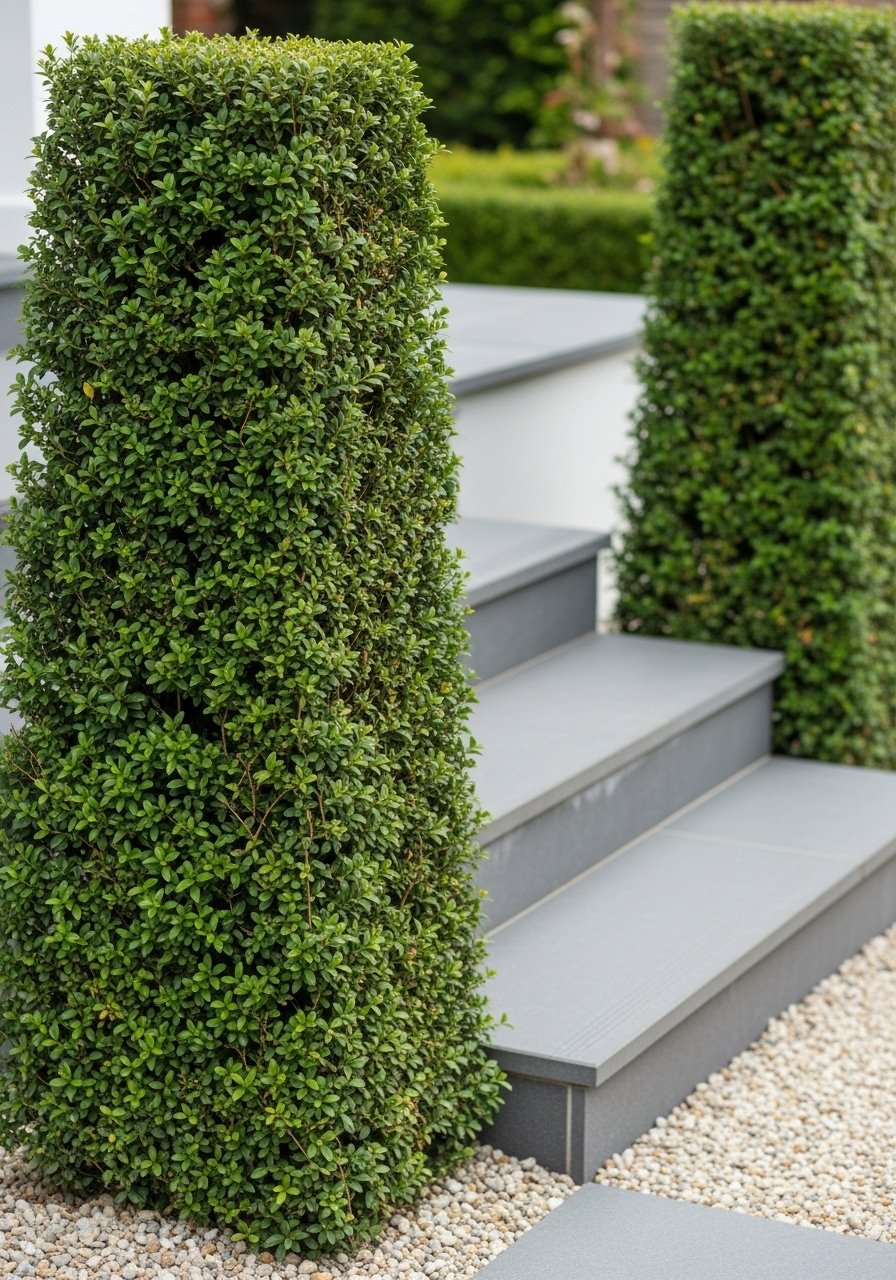
    23. Topiary Columns Flanking Steps

    I planted two narrow boxwood columns by the steps. They frame the entry and feel very intentional without fuss. The first winter one suffered from salt spray; I now use salt-tolerant species or gravel buffer.

    Topiary columns are a modern nod to formality that still reads clean. Keep them pruned and balanced.

    What You’ll Need for This Look

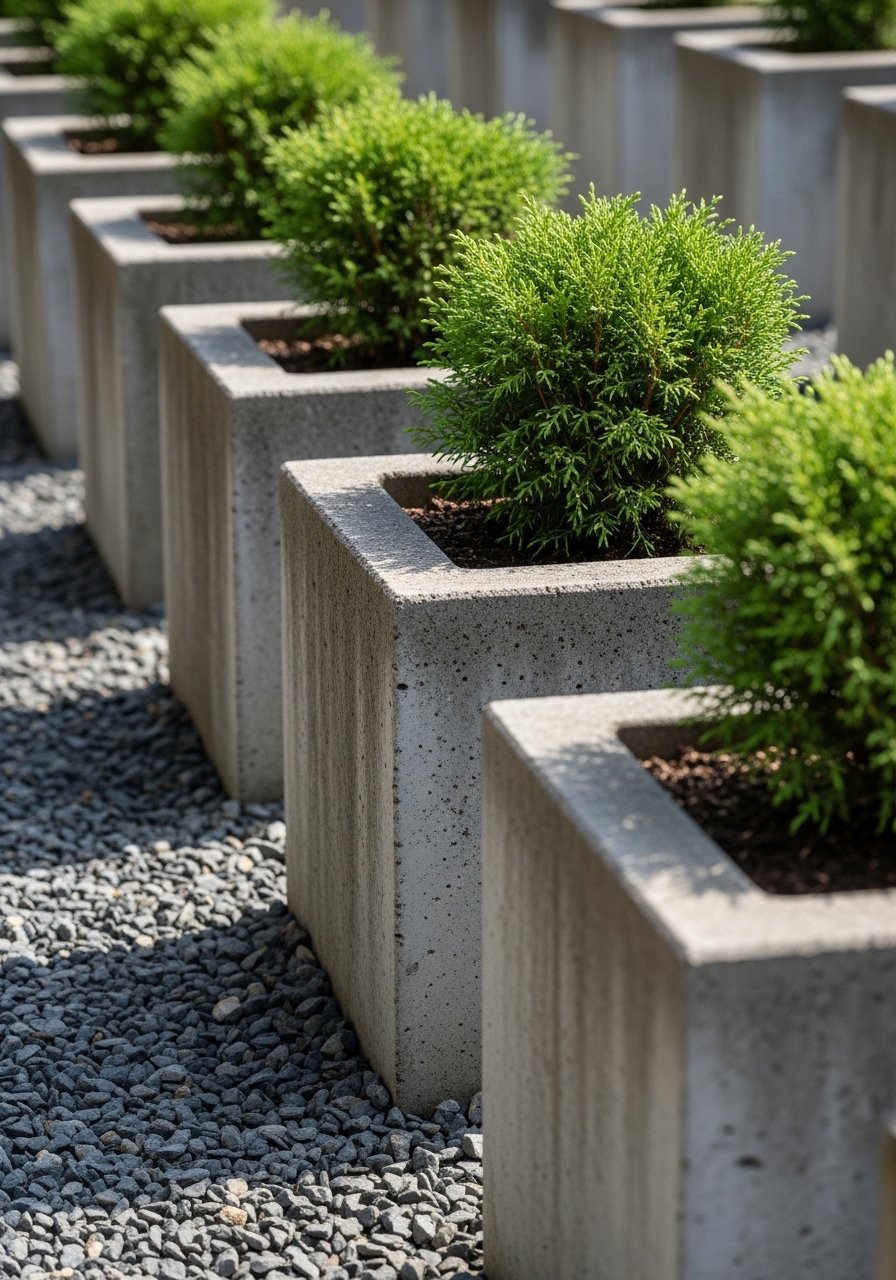
    24. Repeating Concrete Planter Modules

    I bought matching concrete modules and lined them along the front path. The repetition reads modern and keeps plantings tidy. Early on I didn’t space them evenly and it looked amateur — measure carefully.

    Concrete planters are durable and frame the entrance visually. Use similar plants for rhythm, and leave space between units for breathing room.

    What You’ll Need for This Look

    25. Native Wildflower Pocket at the Curb

    I set aside a narrow pocket at the curb for native wildflowers. It’s low cost and brings summer color without constant care. The first year I planted too many annuals and it needed reseeding; now I favor perennials and leave seedheads.

    A curb pocket reads deliberate and natural. Mow carefully around it and expect seasonal variation.

    What You’ll Need for This Look

    26. Ornamental Grass Flank for Soft Motion

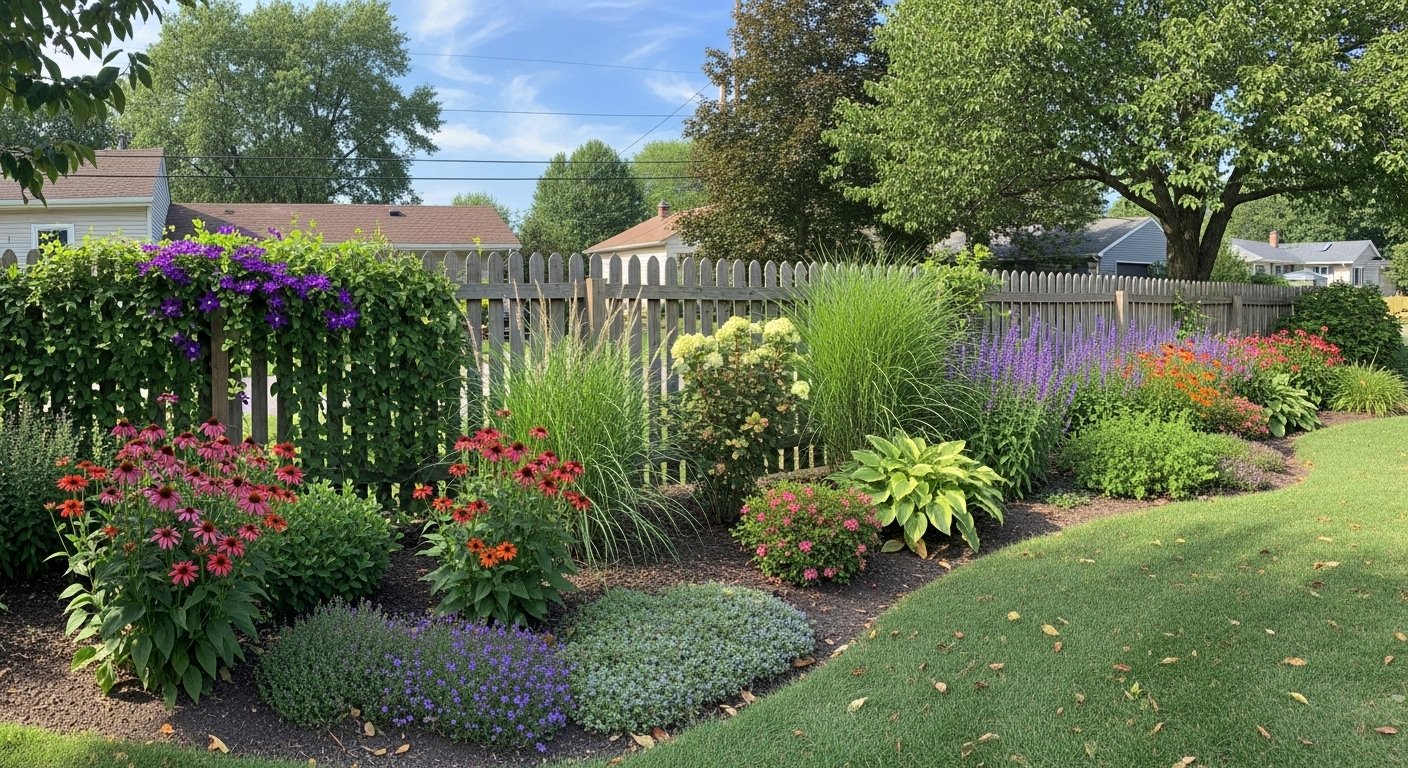
    I planted ornamental grasses along one side of the path for movement and texture. They sway and catch light. I once planted a fast-spreading variety too close to a bed and had to pull runners.

    Grasses are forgiving and modern when used in groups. Cut back in late winter and enjoy the winter form.
    What You’ll Need for This Look

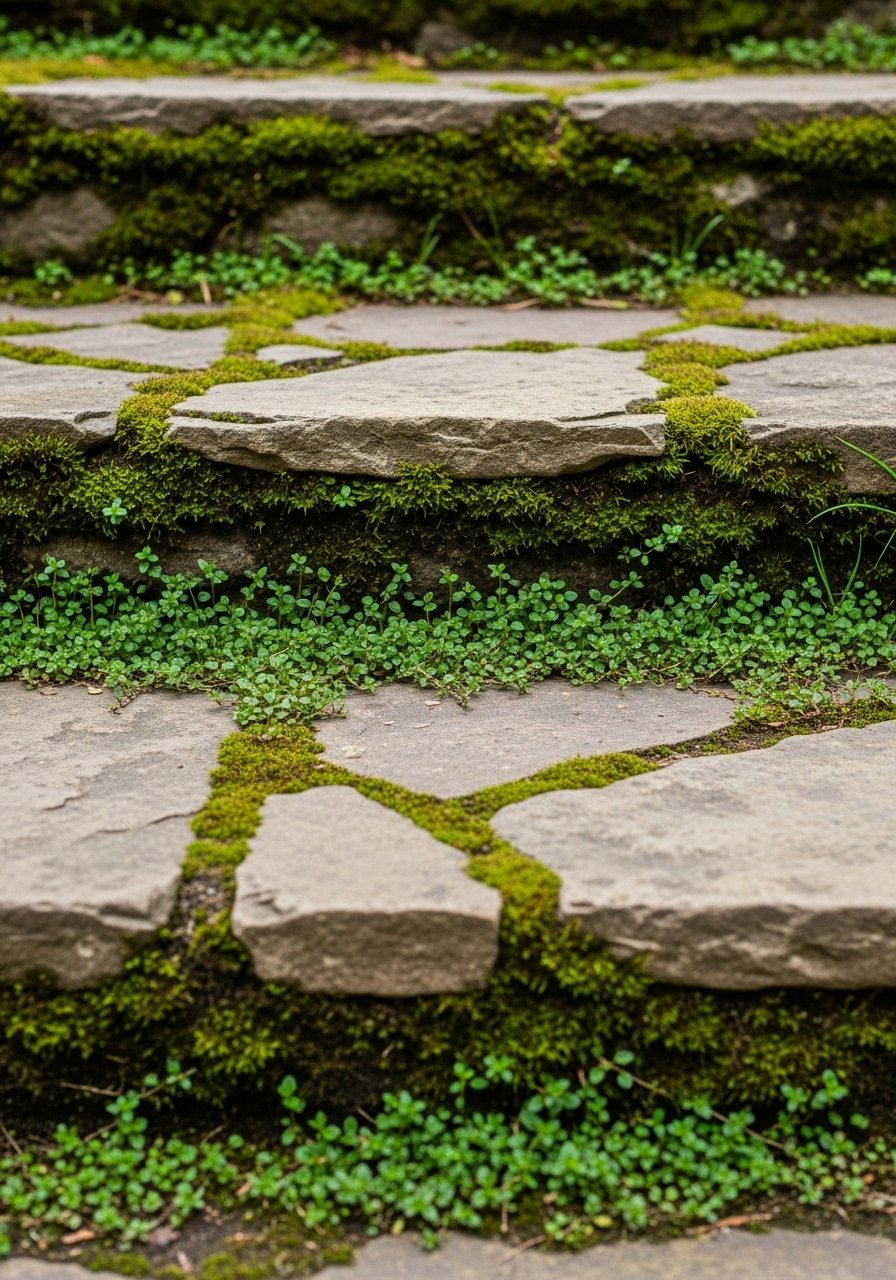
    27. Stone Steps with Mossy Groundcover

    I replaced a steep path with wide stone steps and planted moss and tiny thyme between them. It softened the hard edges and felt very lived-in. I did push plants into deep shade once and they stalled — match light conditions.
    This look is modern but relaxed. Keep stones level for safety and choose hardy groundcovers for foot traffic.

    What You’ll Need for This Look

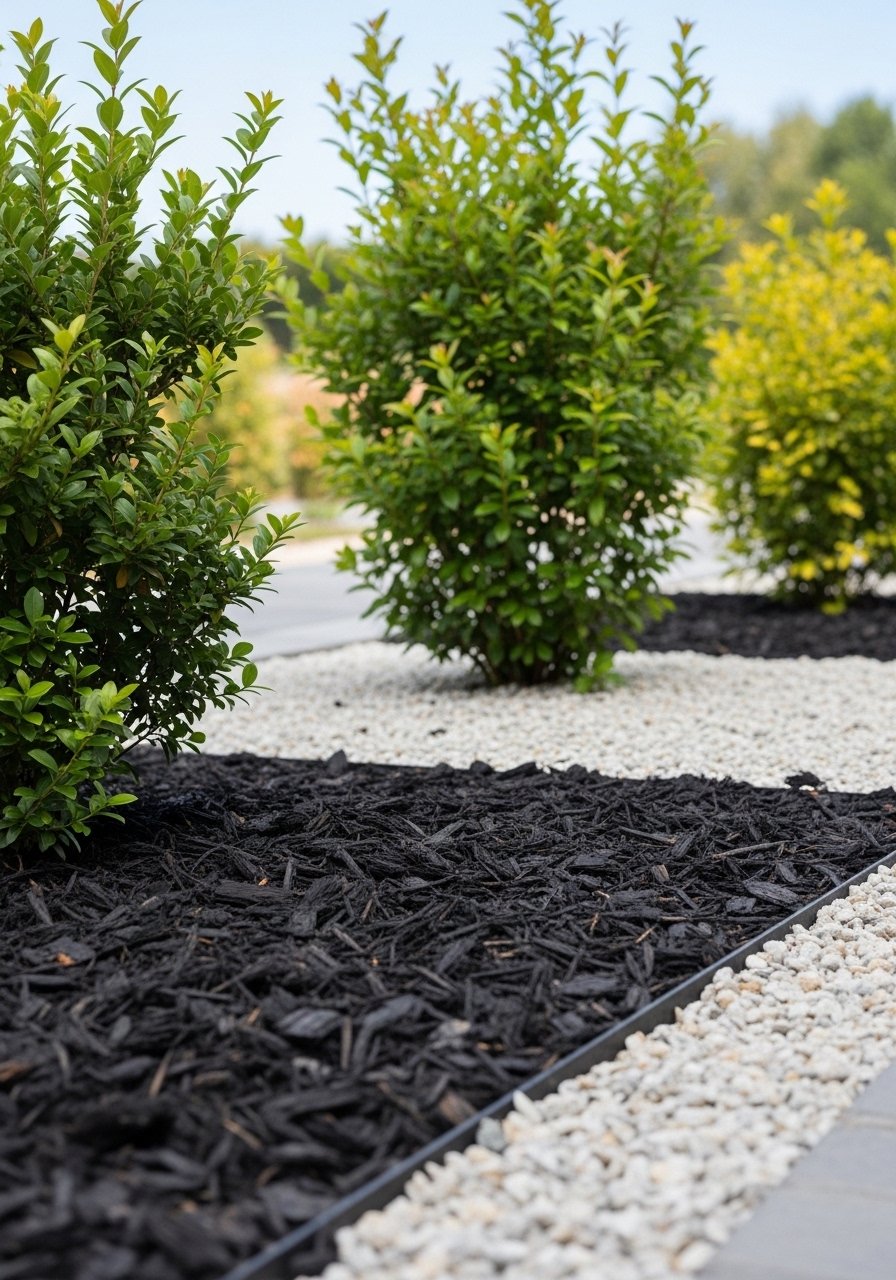
    28. Low-Maintenance Mulch with Contrasting Textures

    I simplified a big border into mulch and three structural plants. The contrast between dark mulch and light gravel feels modern and hides weeds. I once used a single mulch and it looked flat; adding a gravel strip added interest.

    This approach is cheap and tidy. Refresh mulch every other year and spot-weed when needed.

    What You’ll Need for This Look

    29. Front Porch Seating Nook with Planters

    I carved a small seating nook on the porch with two chairs and matching planters. It made the entry feel lived-in and welcoming without being fussy. My early chairs were too big and cramped the space — scale matters.

    A simple seating spot invites you to pause and keeps the front from feeling like an afterthought. Use durable outdoor fabrics and swap seasonal plants in the planters.

    What You’ll Need for This Look

    Final Thoughts

    You don’t need to do everything at once. Pick one or two ideas that match your yard and skill level.

    I started small and built confidence. A clean line, a couple of strong plants, and the right pots go a long way.

  • How to Landscape a Small Front Lawn Without Overcrowding It

    How to Landscape a Small Front Lawn Without Overcrowding It

    I used to cram the best plants into every bare corner and still feel dissatisfied. The lawn looked busy but empty. I’d stand there unsure where to look.

    Over time I learned to place plants so the space breathes. This method keeps the yard simple, balanced, and welcoming without feeling overcrowded.

    How to Landscape a Small Front Lawn Without Overcrowding It

    This is the method I use every time a garden needs to read calm and intentional. You’ll learn how to place plants and empty space so the front lawn feels balanced and open.

    What You’ll Need

    Step 1: Decide Where the Eye Should Rest

    I walk the lawn and pick one or two resting points — a small evergreen and the front door. That decision changes everything. It gives me permission to leave gaps and keeps the space from competing for attention.

    Visually, the lawn gains purpose. You’ll notice paths and plant groups start to point toward those rests. One thing people miss is that empty space is intentional design, not neglect. The small mistake I made was trying to add a third focal point; it pulled the eye in too many directions.

    Step 2: Group Plants in Odd Numbers

    I plant in groups of three or five instead of lining things up. Odd numbers read more natural and make planting feel deliberate without clutter. I tuck a low grass and a flowering perennial together to create a single visual chunk.

    The lawn instantly looks less like a display and more like a place. A common insight is that scale matters more than quantity; three small plants can fill a view as well as ten mismatched ones. Don’t scatter single plants across the yard — that’s the easy mistake that makes a small lawn feel busy.

    Step 3: Keep Heights Layered, Not Tall Everywhere

    I think in layers: low groundcover, mid-height perennials, and one small shrub. That vertical rhythm gives depth without crowding. I place tallest at the back or nearest the house and step down toward the lawn edge.

    The visual change is immediate — the bed looks tidy and intentional. Many people plant too many tall things, which blocks sightlines and shrinks the space. A common error is planting tall at the front; avoid hiding your own path or porch behind oversized plants.

    Step 4: Use Paths and Empty Strips to Guide Movement

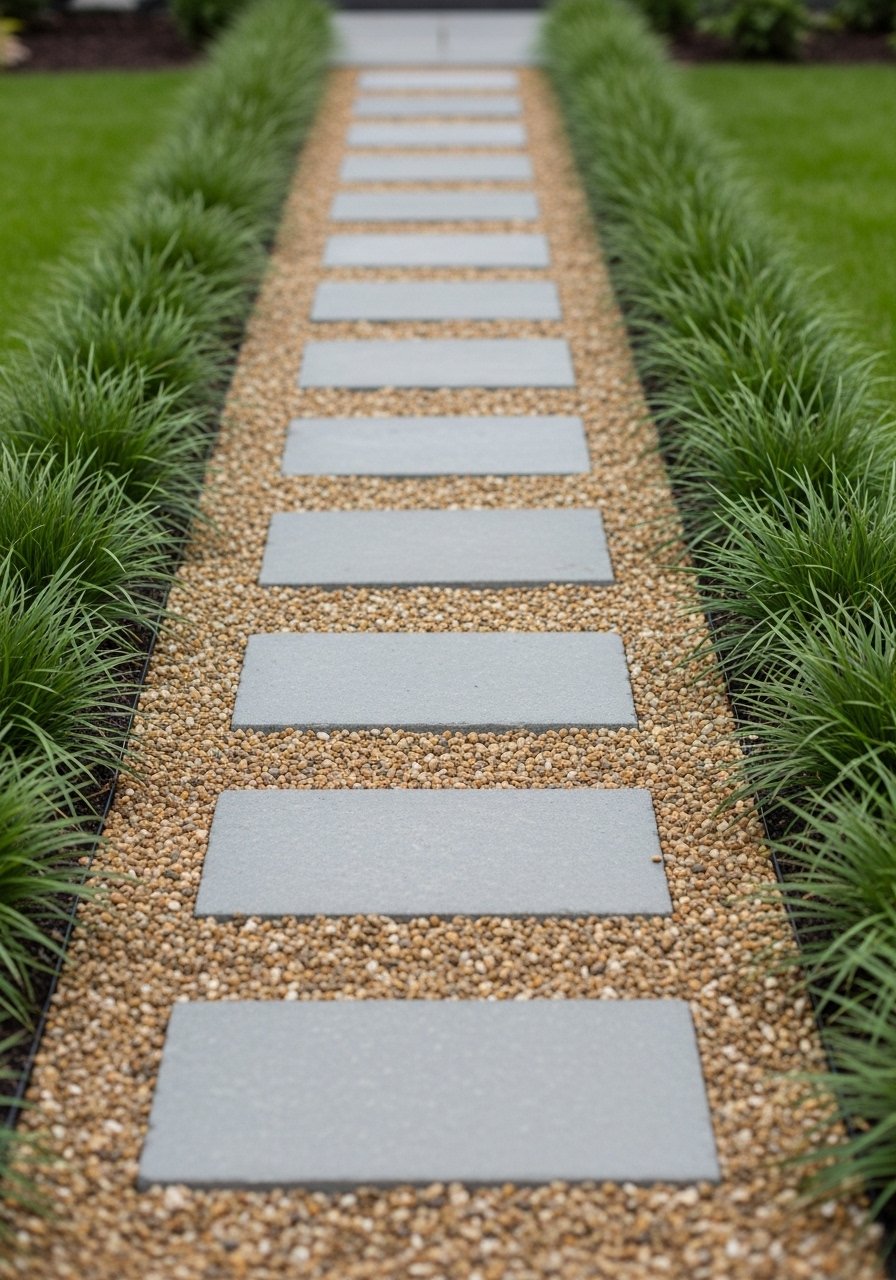
    I add a simple narrow path or leave a strip of lawn as a visual guide. The route doesn’t need to be wide. It hints where to walk and creates purposeful voids that balance planting beds.

    Visually, paths make the design read as organized instead of random. People often forget that the space between beds is part of the plan. The small mistake is making the path too ornate or wide — it should feel useful and quiet, not decorative.
    Step 5: Finish with Mulch, Lights, and One Accent

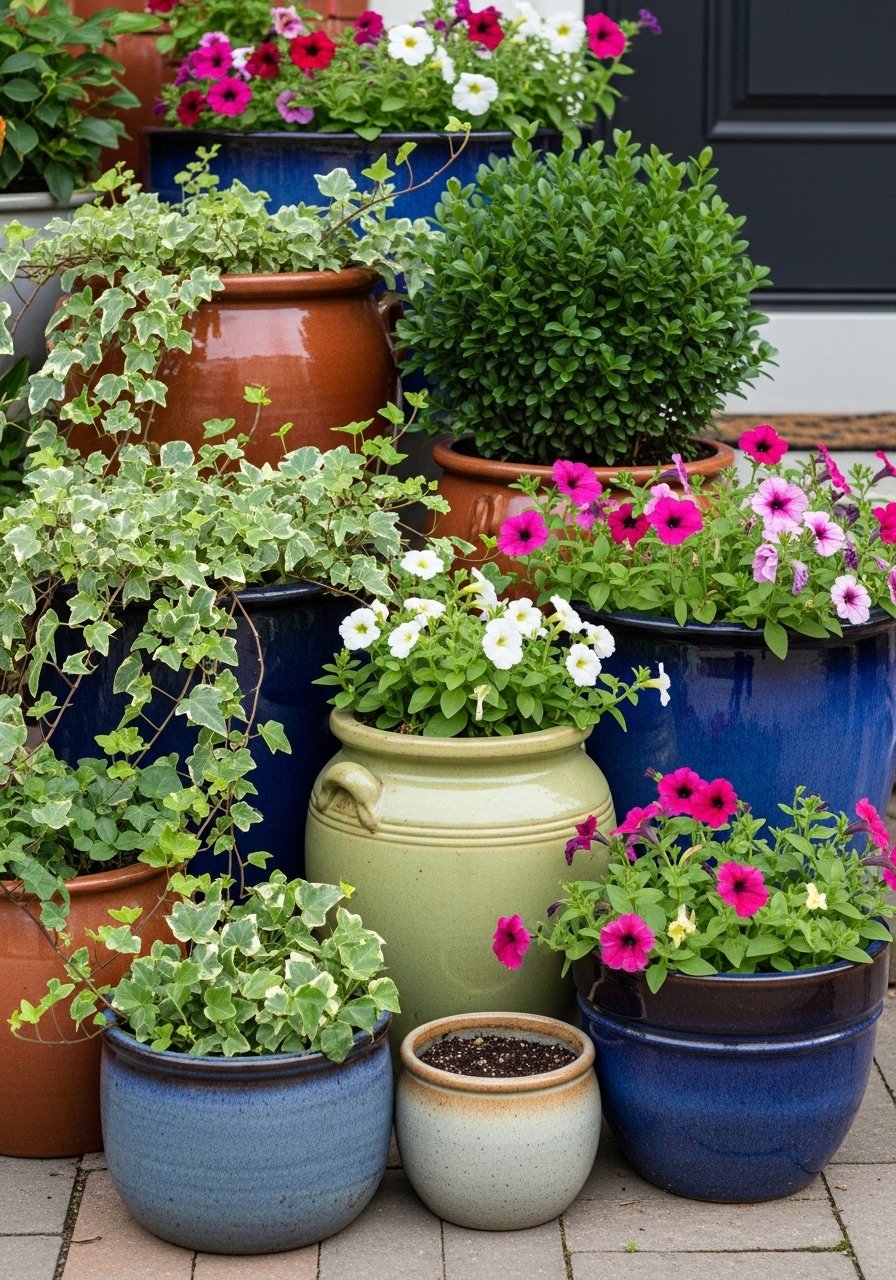
    I spread a tidy layer of coarse mulch and add one subtle accent near the entry — a simple pot or a dwarf hydrangea. Mulch ties the planting beds together and signals boundaries without adding more color or clutter.

    The lawn reads calmer and more finished. One insight is that a single accent is stronger than multiple small decorations. A mistake I used to make was over-ornamenting with too many pots; that competes with the plants and steals the quiet feeling.

    Plant Selection Notes

    I favor plants that keep a compact habit. Dwarf evergreens, clumping grasses, and tidy perennials give me predictable shapes. That predictability makes it easy to place them with breathing room.

    Choose two dominant textures — one structural (evergreen or shrub) and one soft (grass or groundcover). Repeat them across the lawn for cohesion. Repetition is quieter than variety.

    Rhythm and Repetition

    Rhythm comes from repeating plant groups and spacing. I repeat the same small planting trio two or three times rather than using many different species once. It creates a calm pulse that the eye follows.

    Use gaps between repeated groups deliberately. Those gaps are as important as the plants themselves. They help the eye move from one group to the next.

    Low-Maintenance Habits

    I prune lightly and thin every spring to keep scale in check. Mulch suppresses weeds and keeps edges clean. I also check sightlines from the sidewalk and front door each season and adjust one plant at a time.

    Maintenance is part of the design. Small, regular edits preserve the simple look without a lot of work.

    Final Thoughts

    Start with one focal point and leave space around it. Small moves like grouping and layering make a big visual difference. Trust empty space as part of the plan.

    Work in stages and resist filling every gap at once. The lawn will feel calmer and more intentional that way.