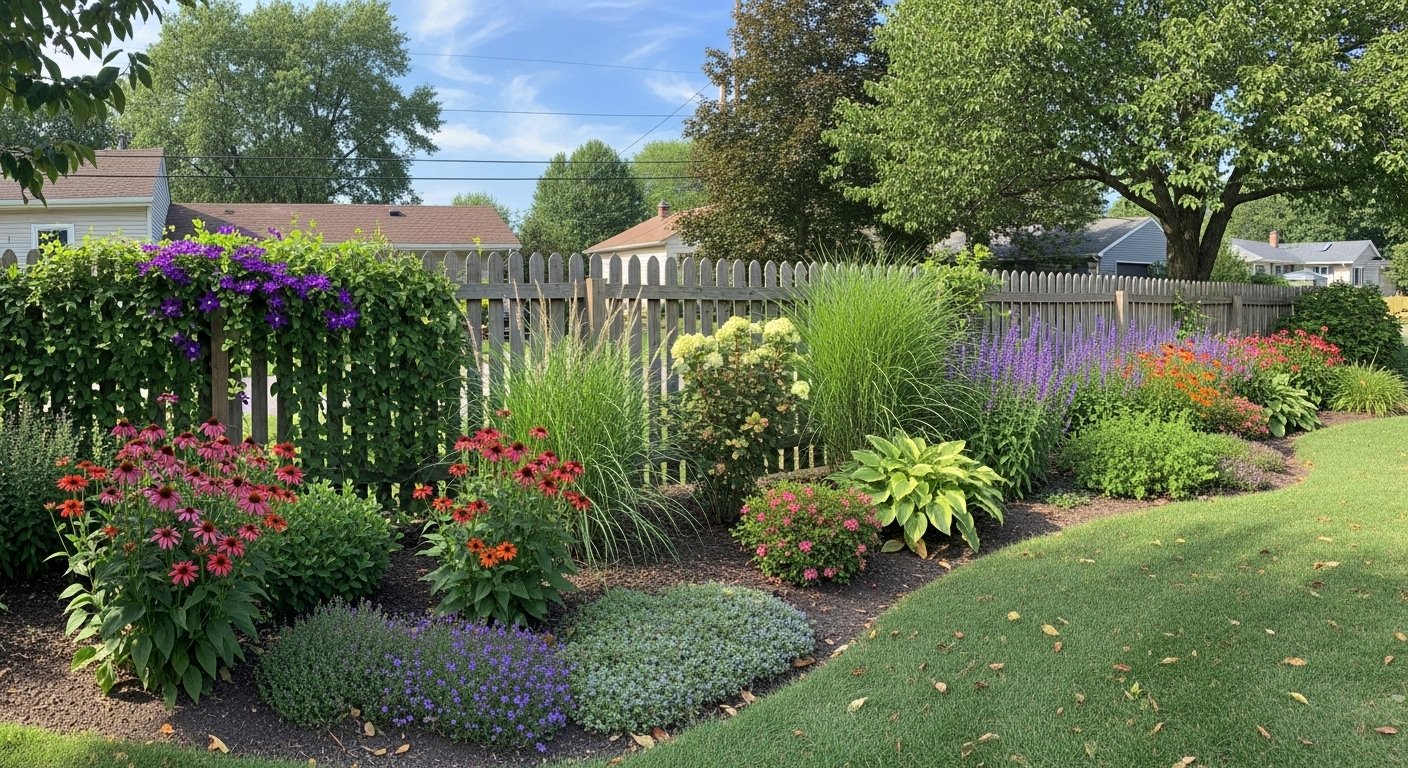
I remember staring at my front yard. The flower beds ran right into the lawn. No edge. Plants wandered everywhere. It felt messy, undefined.
One afternoon, I decided to add a fence. Not a tall barrier. Just enough line to hold things in place.
Now, it frames the garden. Pulls your eye. Makes the whole yard breathe.
How to Make the Fence of Front Yard Garden
This guide shows you how to build a low fence that defines your front yard garden. It creates clean lines and quiet balance. You'll end up with a space that settles in naturally.
What You’ll Need
- 4-foot wooden picket fence panels
- Galvanized steel fence posts 4 feet tall
- Pressure-treated 4×4 post bases
- White outdoor wood stain for fences
- Creeping phlox groundcover plants
- Dwarf lavender border plants
- Natural jute garden twine rolls
- Earth tone gravel path edging
Step 1: Walk the Line and Feel the Space
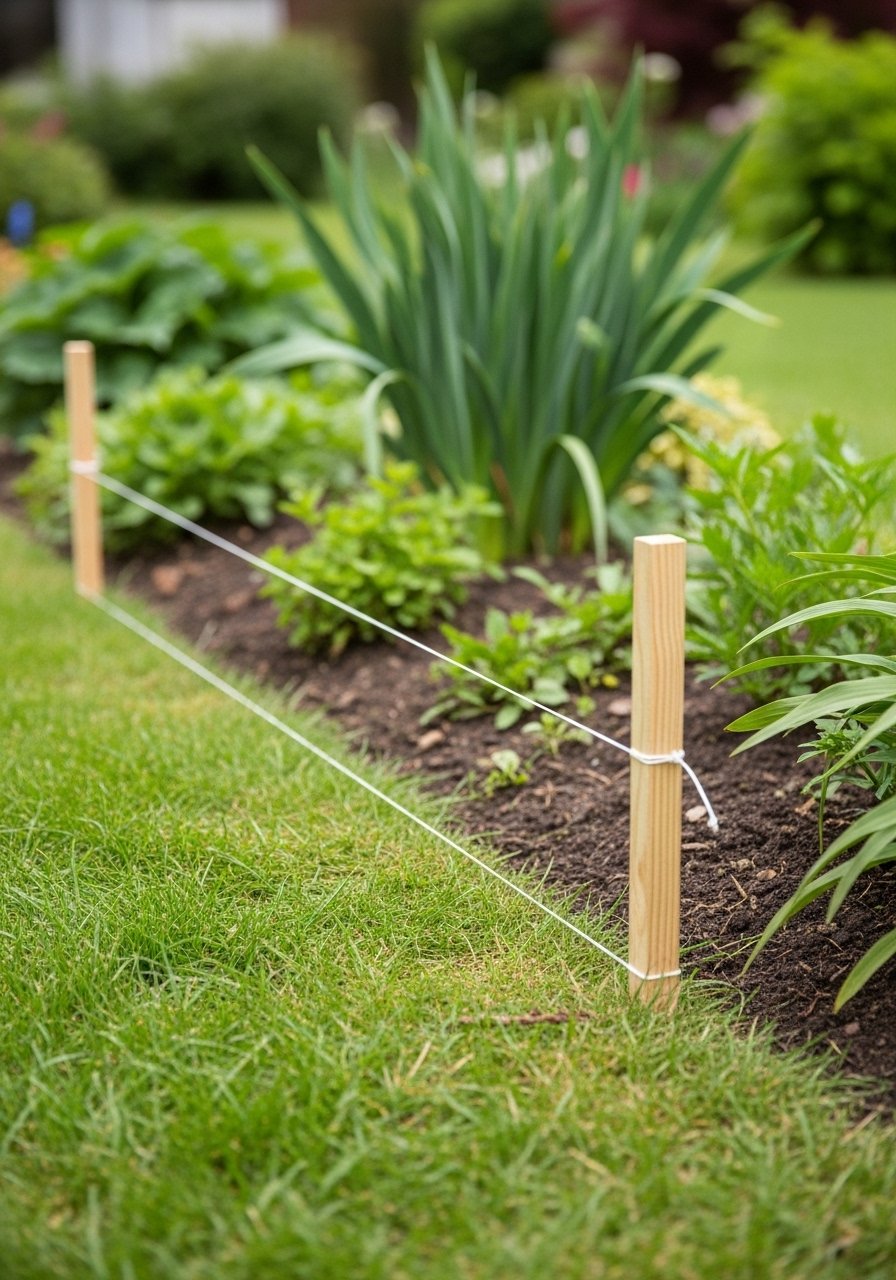
I start by walking the bed's edge. Barefoot if warm. Feel where the garden wants to stop.
I stretch string between two stakes. Eye it from the street. Adjust until it sits right—parallel to the house, not too straight.
Most miss how a slight curve softens the yard. It invites you in. Don't pull string too tight; it fights the land's natural dip.
I avoid forcing a rigid line. That makes fences look slapped on.
Step 2: Set the Posts for Quiet Strength
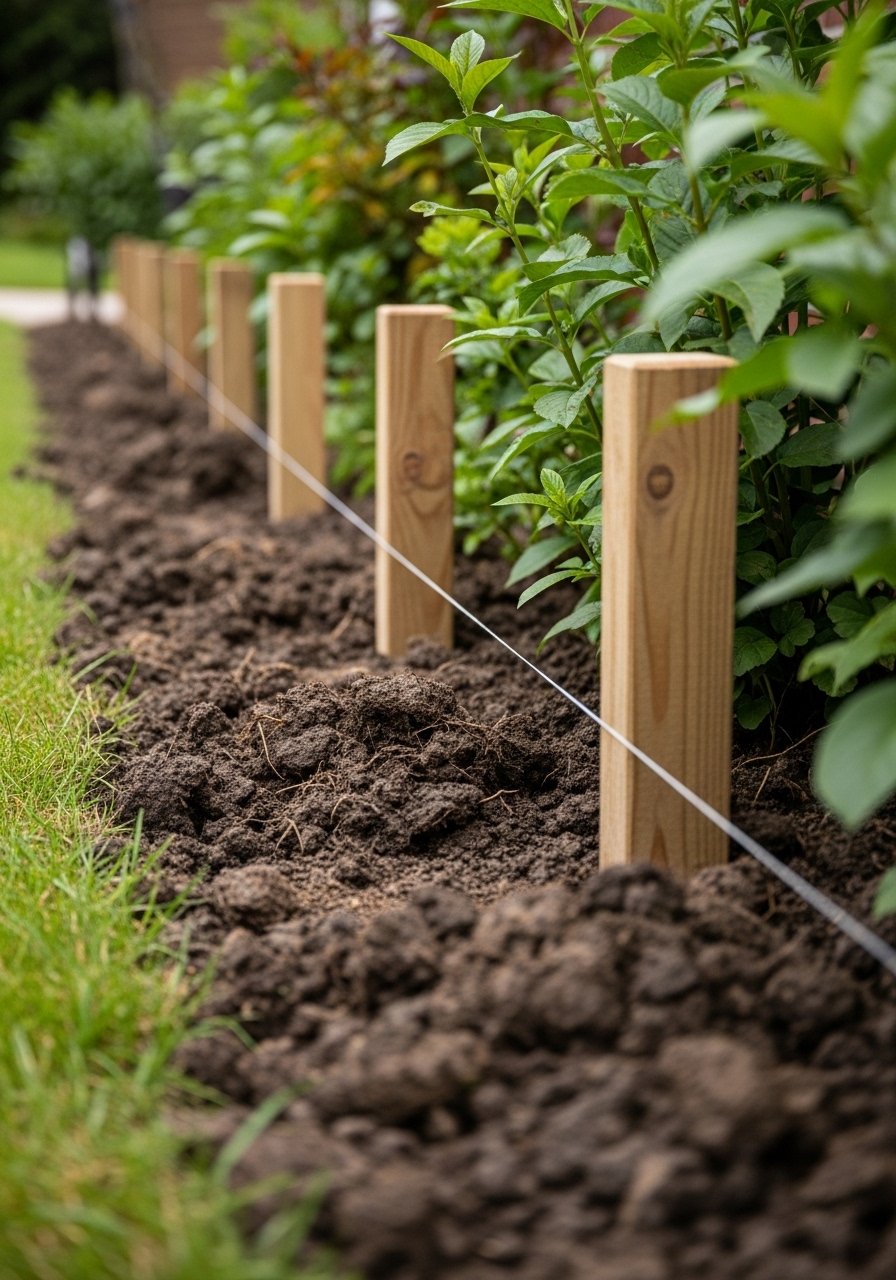
Posts go in first. I dig shallow, just enough hold. Space them for panel width.
From the street, they anchor without dominating. The yard gains backbone.
People forget posts blend best at knee height. Taller overwhelms small beds. Skip deep holes; surface roots trip you later.
I check level by eye. Slight lean matches the garden's easy slope.
Step 3: Hang Panels and Watch Lines Form
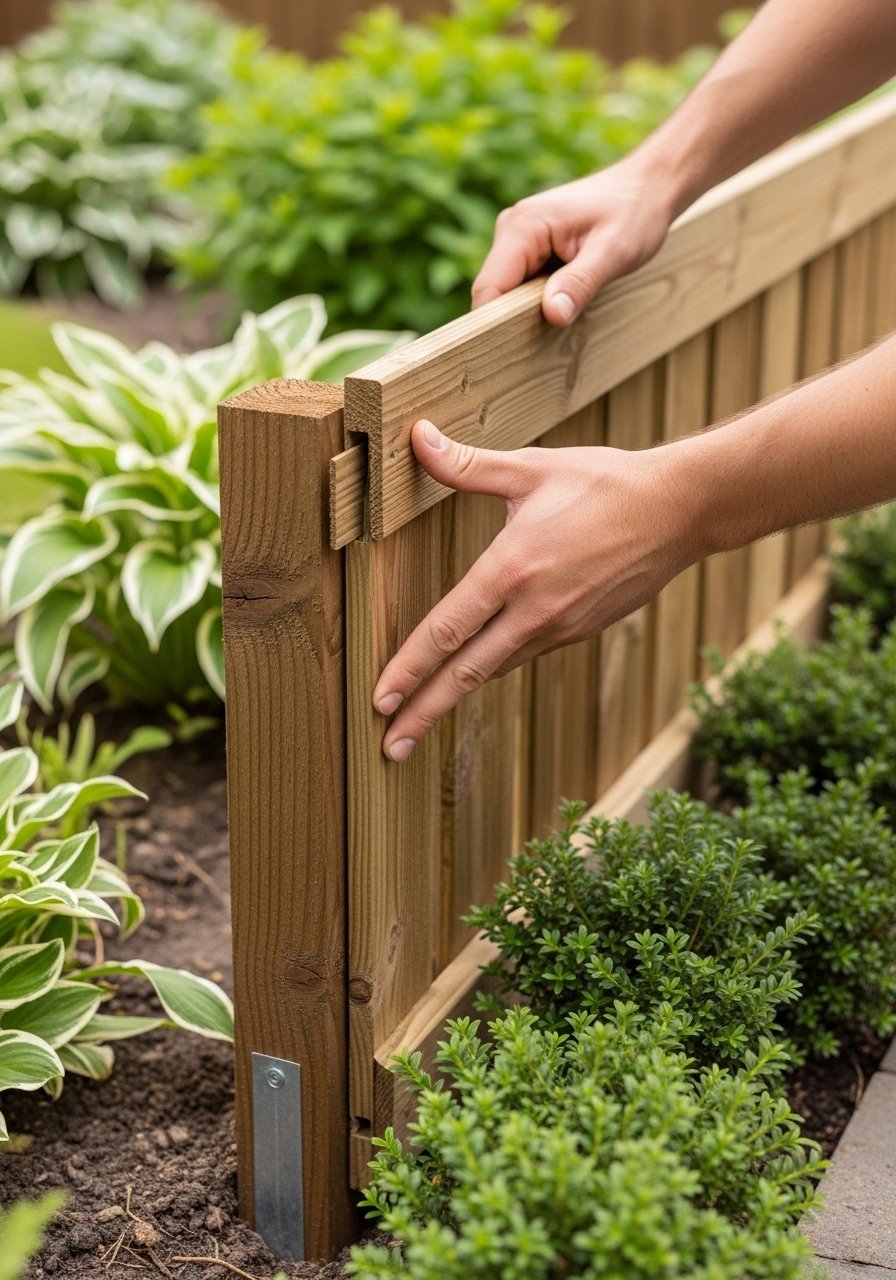
Panels slip onto posts. Tap gentle. No rush.
Visually, beds snap into view. Lawn stops wandering. Space feels held.
Insight: Panels breathe with gaps at bottom. Air flows, plants peek through. Solid bottoms trap mulch mess.
I skip perfect alignment. A hair off feels hand-made, lived-in.
Step 4: Stain for Soft Blend
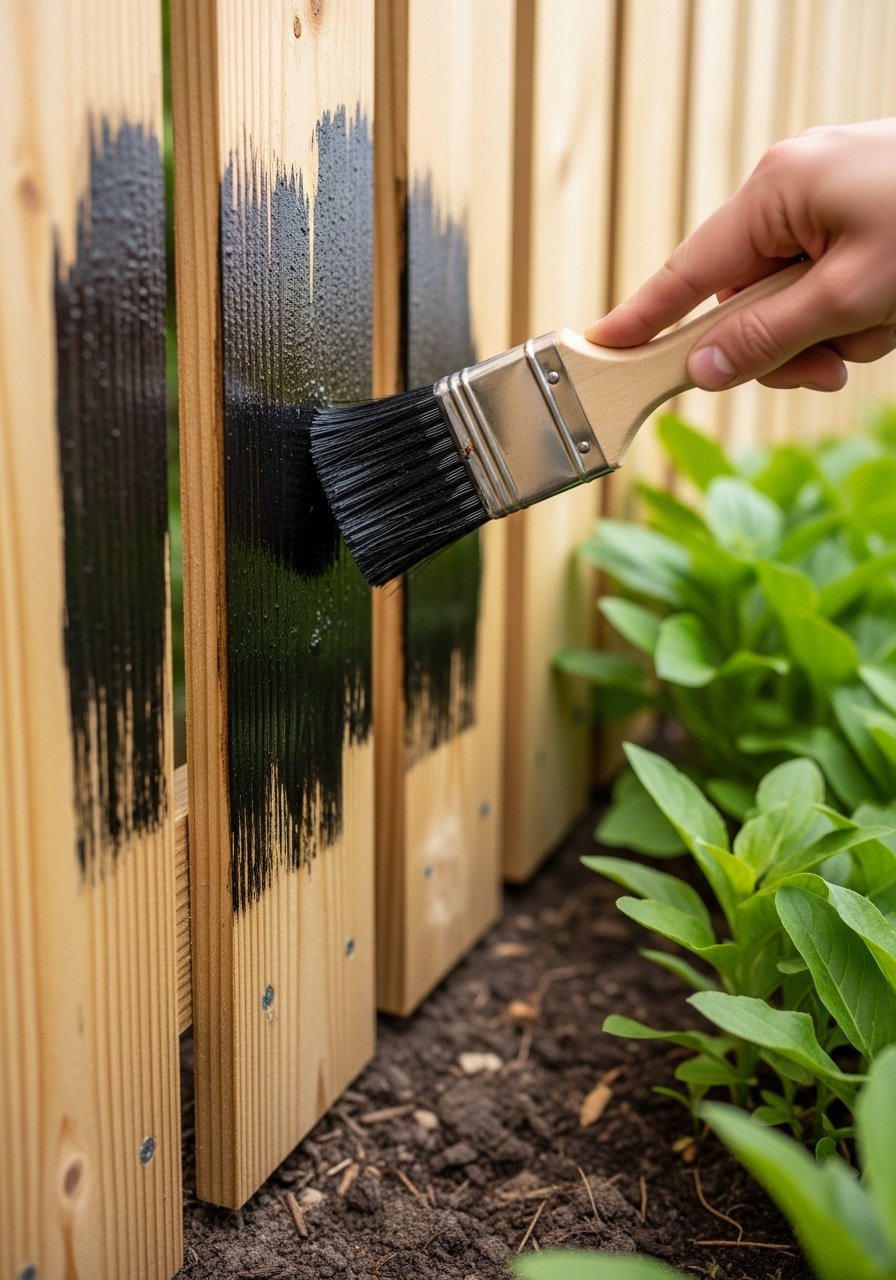
I brush on stain. Thin coat. White fades to warm over time.
Fence warms against plants. Ties house to yard.
Missed often: Stain mutes harsh new wood. Raw looks store-bought. Don't glob it; drips spot soil.
Dry day helps. It sinks in even.
Step 5: Plant Close and Tie In
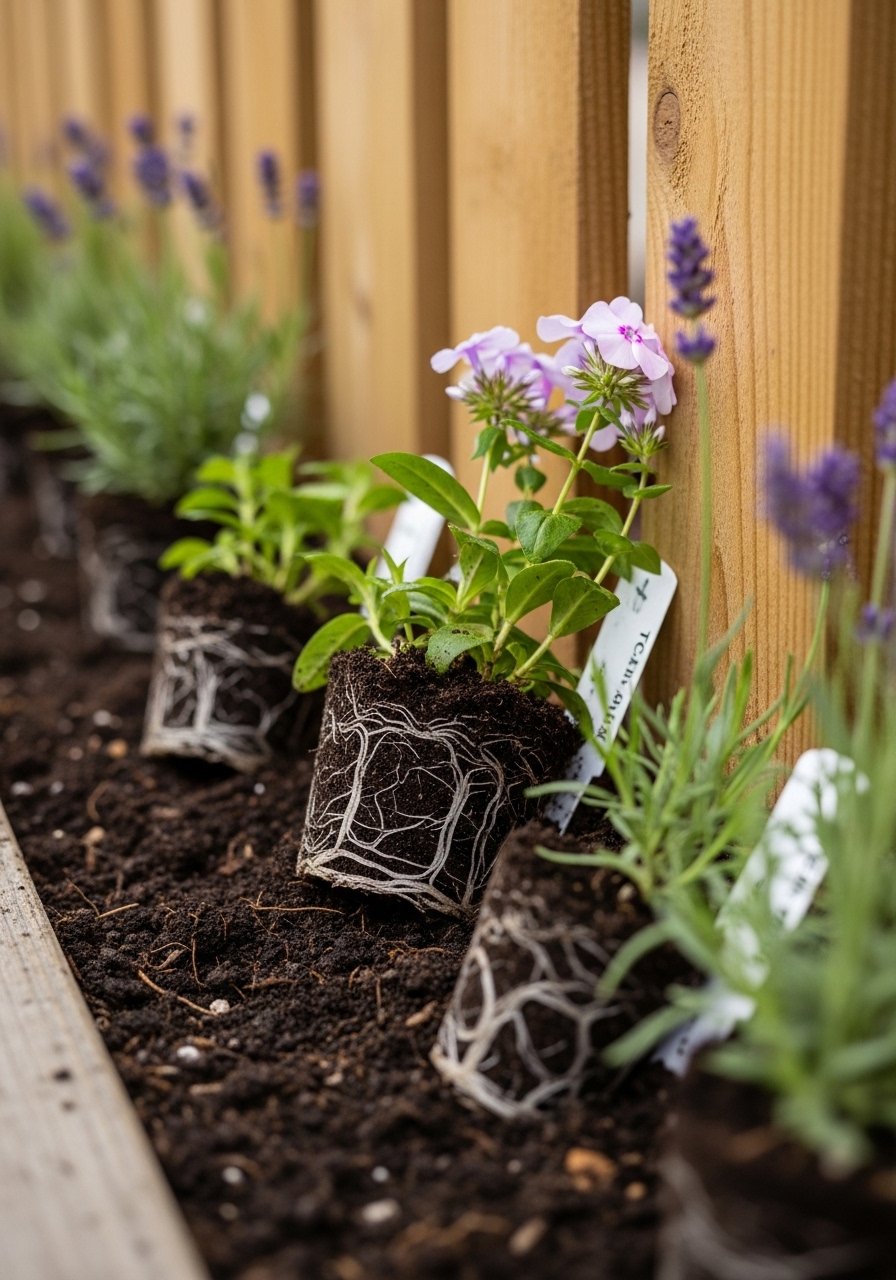
Phlox and lavender go tight to base. Roots grip fence line.
Softens edges. Fence recedes, plants lead.
Key: Cluster low growers first. They mound natural. Bare bases glare. Avoid tall plants; they flop over.
Water deep once. They lean in.
Step 6: Gravel Edge for Finish
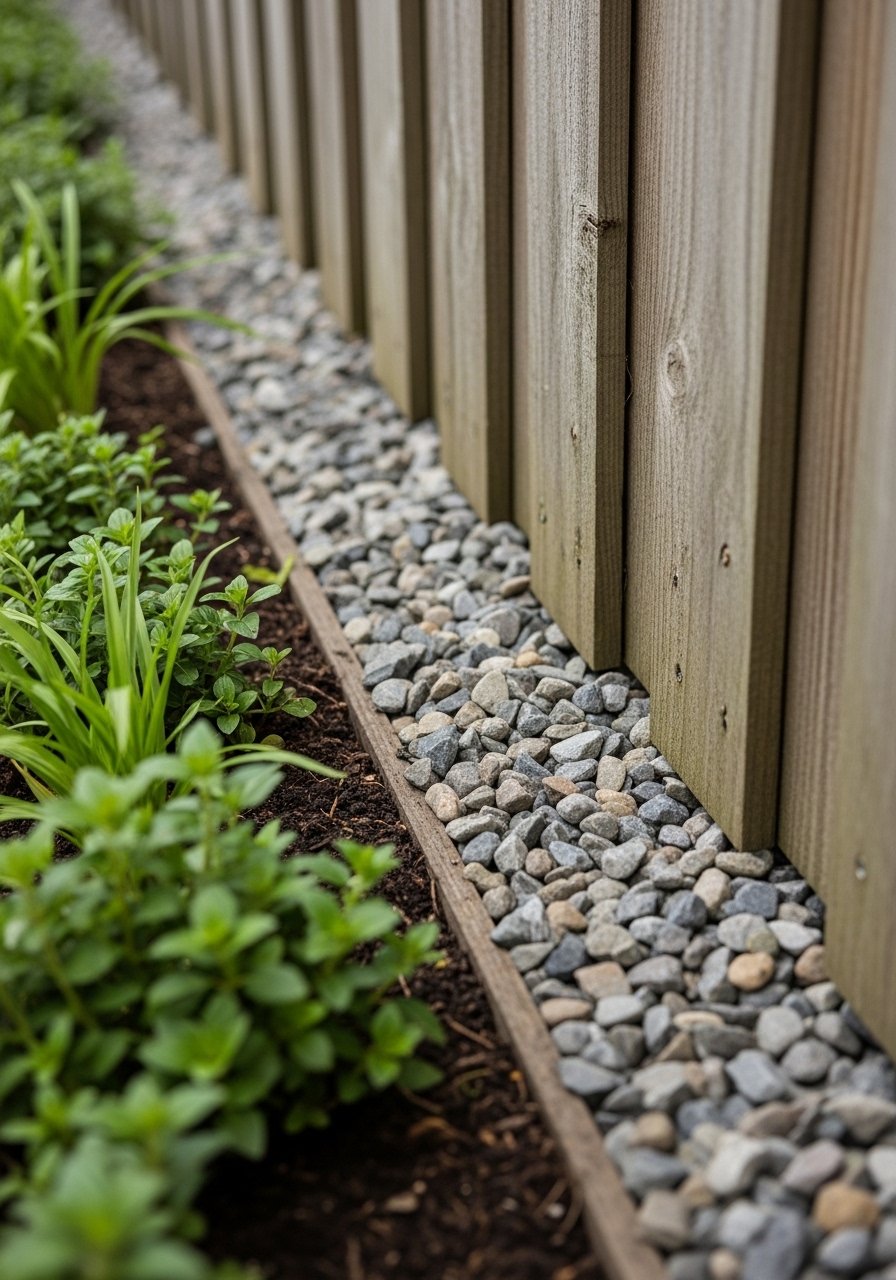
Gravel rakes along outside. Thin layer.
Crispens without hard lines. Ties fence to path.
Folks overlook gravel's quiet crunch. Invites steps closer. Thick piles weeds. Scatter light.
It settles. Garden holds.
Softening Fence Edges with Plants
Plants pull fence into the garden. They spill soft.
I plant low along base. Phlox mounds. Lavender sways.
- Creeping types hide post bases.
- Mid-height fills gaps without crowding.
- Colors echo house trim.
Year two, it weaves together. Less fence, more flow.
Handling Common Front Yard Fence Issues
Slopes challenge most. My yard dips.
I step posts shorter down slope. Panels level.
Weeds creep in gaps? Mulch thick inside.
- Trim plants back yearly.
- Re-stain fades every two years.
- Check post wobble after rain.
Simple fixes keep it balanced.
Adjusting Fence for Small or Narrow Yards
Tight spaces need low profiles.
I cut panels shorter. 2 feet max.
Curve follows bed shape.
- White stain opens it up.
- Gravel path narrows visually.
- Skip gates; step over.
Fits without squeezing.
Final Thoughts
Start with one bed. See how it sits.
Your yard knows what it needs. Fence just listens.
Now mine welcomes without shouting. Yours will too.
Walk it daily first week. It'll feel right.
Leave a Reply