Category: Cottage Ideas

  • 7 Cottage Garden Front Yard Ideas for Curb Appeal

    7 Cottage Garden Front Yard Ideas for Curb Appeal

    I remember the day I drove up to my scruffy front yard and thought, this place needs soul. Not fancy, just welcoming. I'd killed off too many neat rows before that.

    Then I let things spill and mix. Neighbors slowed down. That soft burst of color hits different when it's real.

    It pulls you in. Makes the house feel like home from the street.

    7 Cottage Garden Front Yard Ideas for Curb Appeal

    These 7 cottage garden front yard ideas come from my own yard trials. They're straightforward, forgiving for beginners, and build real curb appeal over time.

    1. Layered Perennial Beds That Spill Toward the Walkway
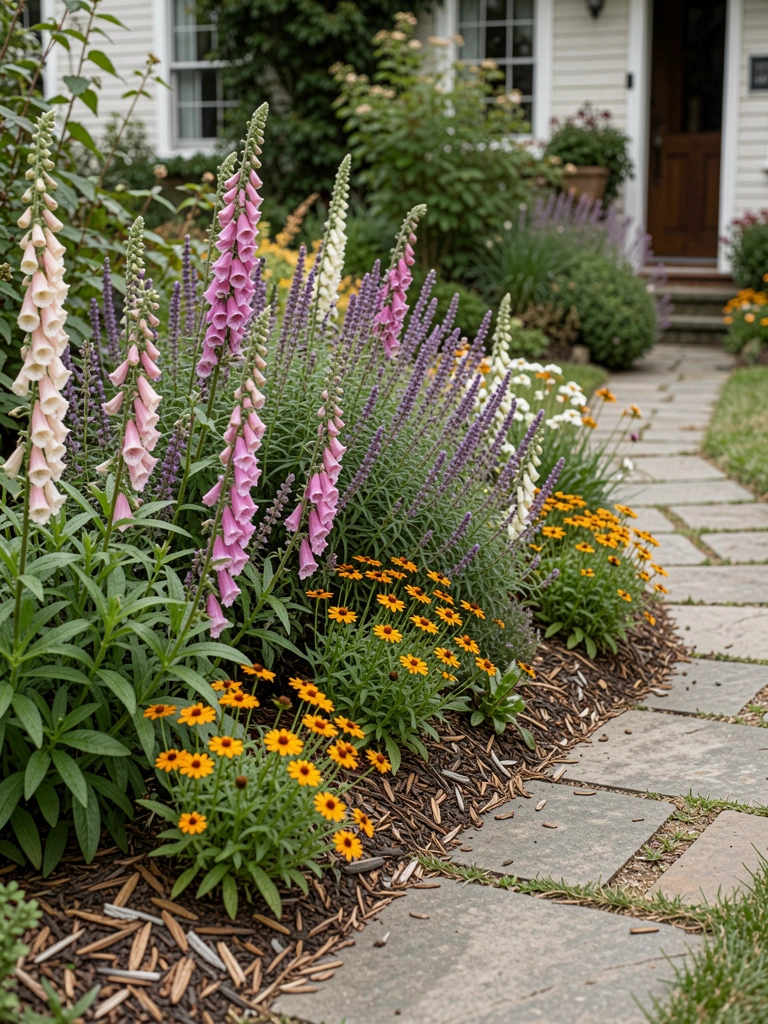
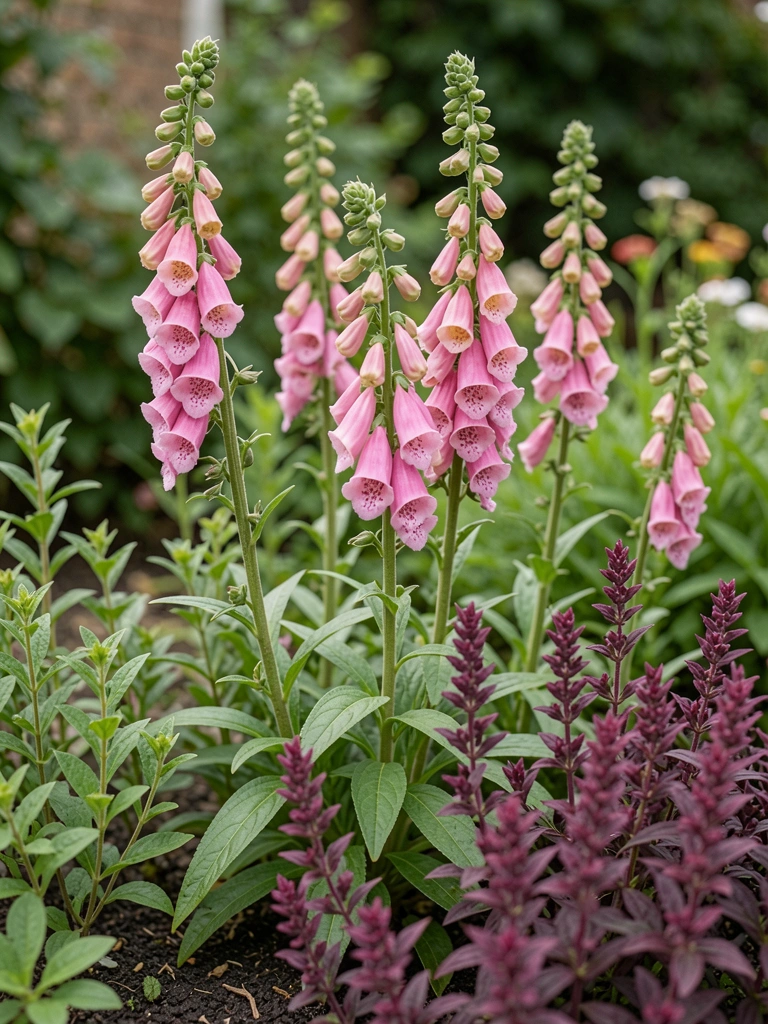
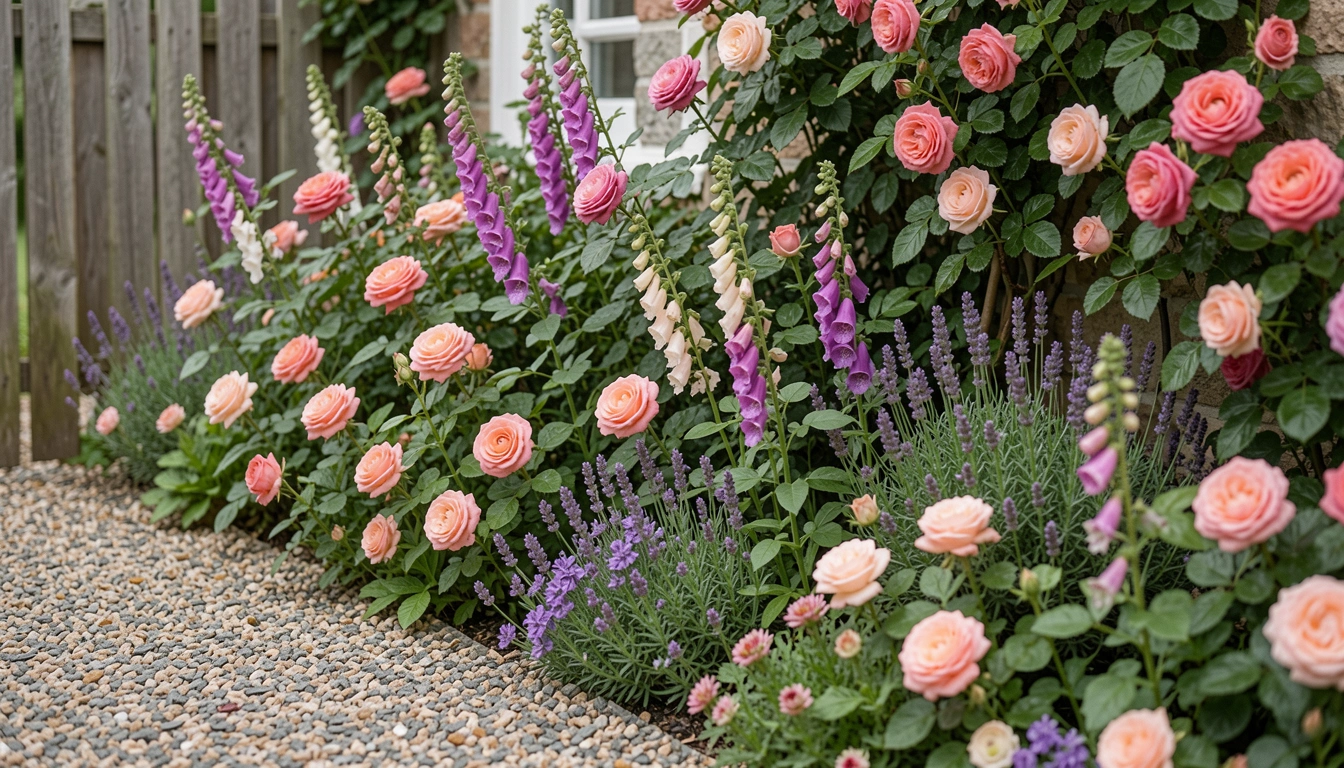
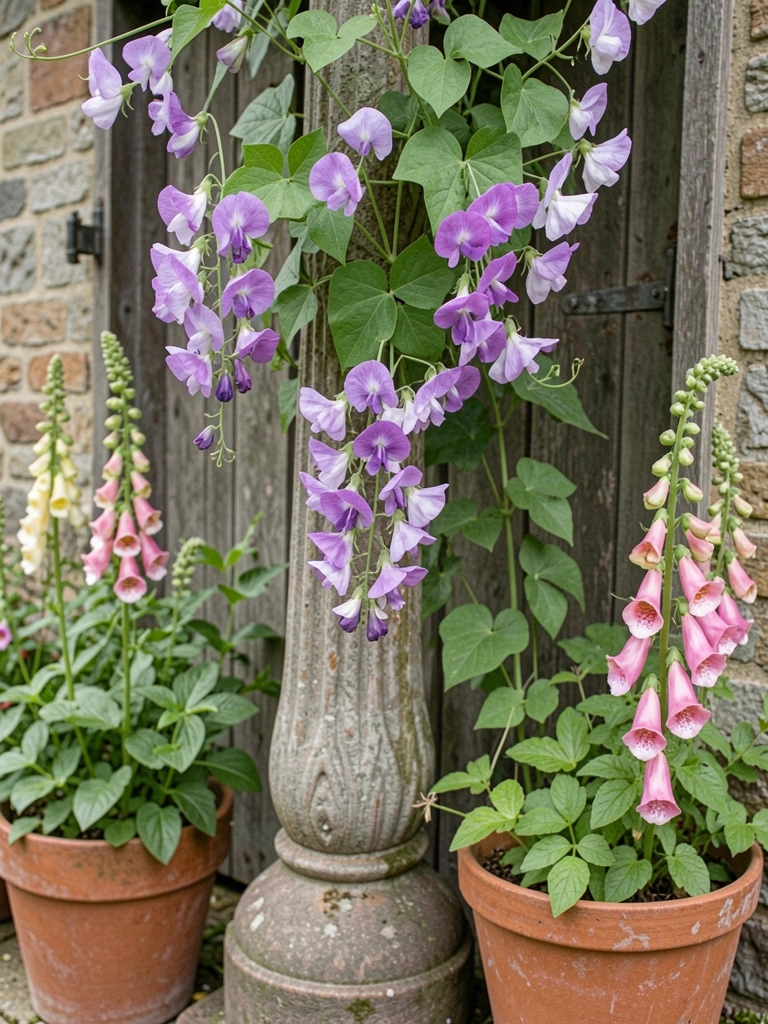
    I started with a blank strip along my front walk. Planted tall foxgloves in back, then salvia and coreopsis up front. They grew uneven at first—foxgloves flopped after rain—but staking a few fixed it. Now it feels full, like the garden's reaching out to greet you.

    That spill softens the hard edges of the sidewalk. Colors shift from pink to purple to yellow as you walk up. Mornings, bees hum through it.

    Pay attention to soil—mine was clay-heavy, so I mixed in compost. It holds moisture without sogginess.

    What You’ll Need for This Look

    2. Climbing Roses Draped Over a Front Arbour
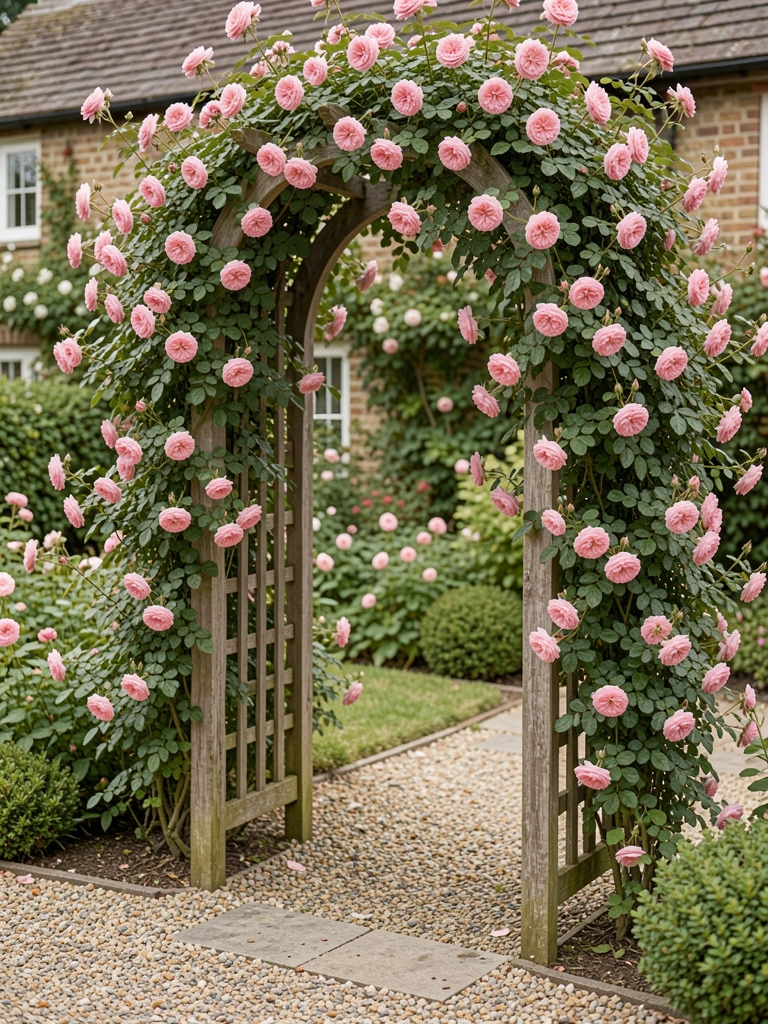
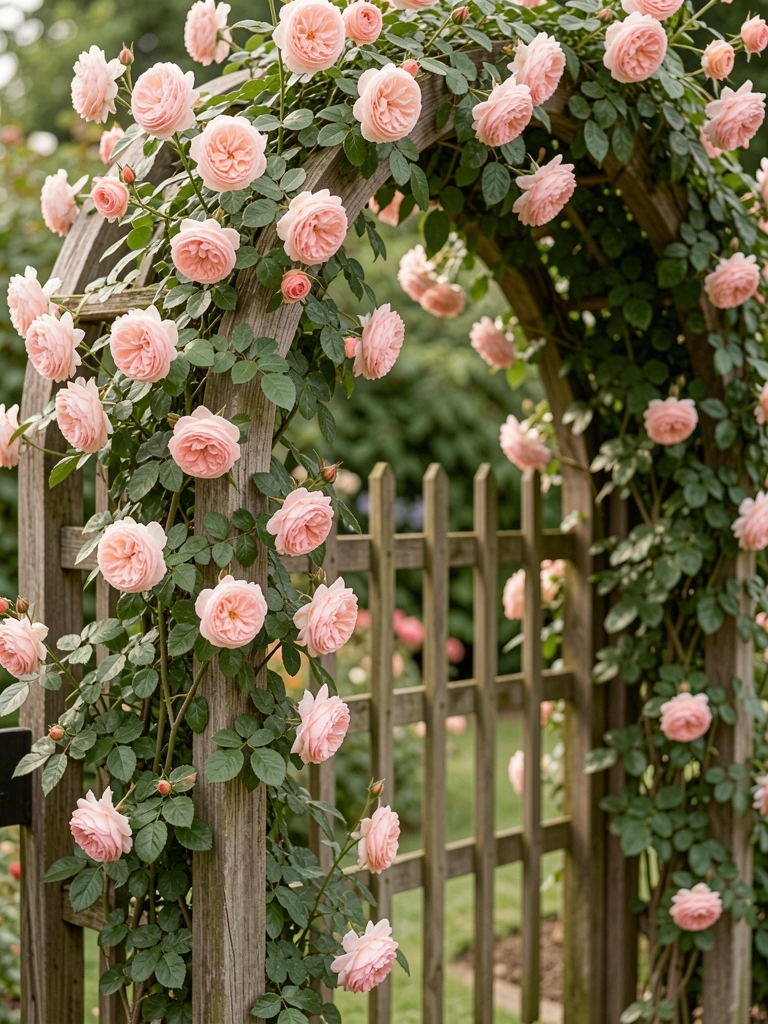
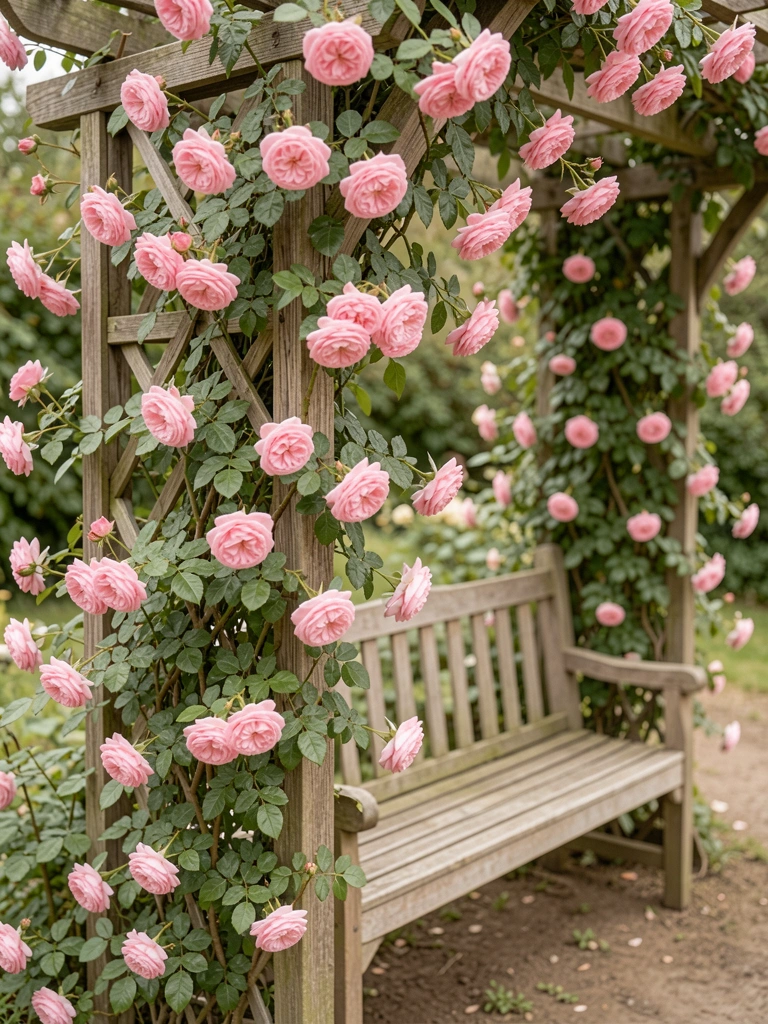
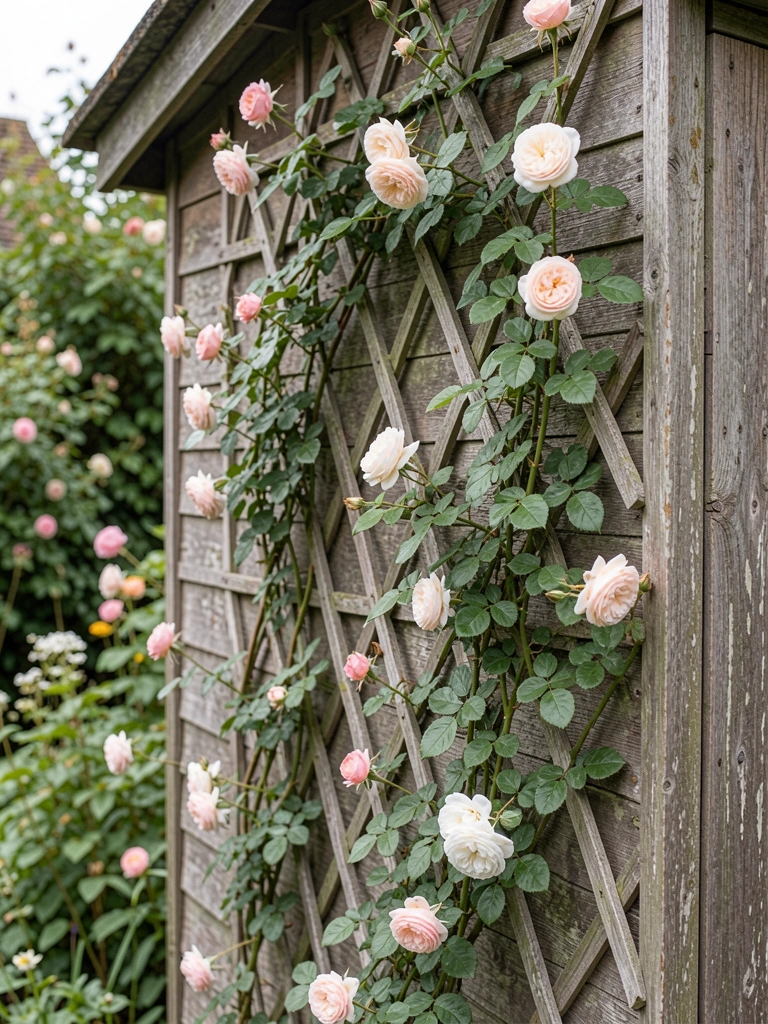
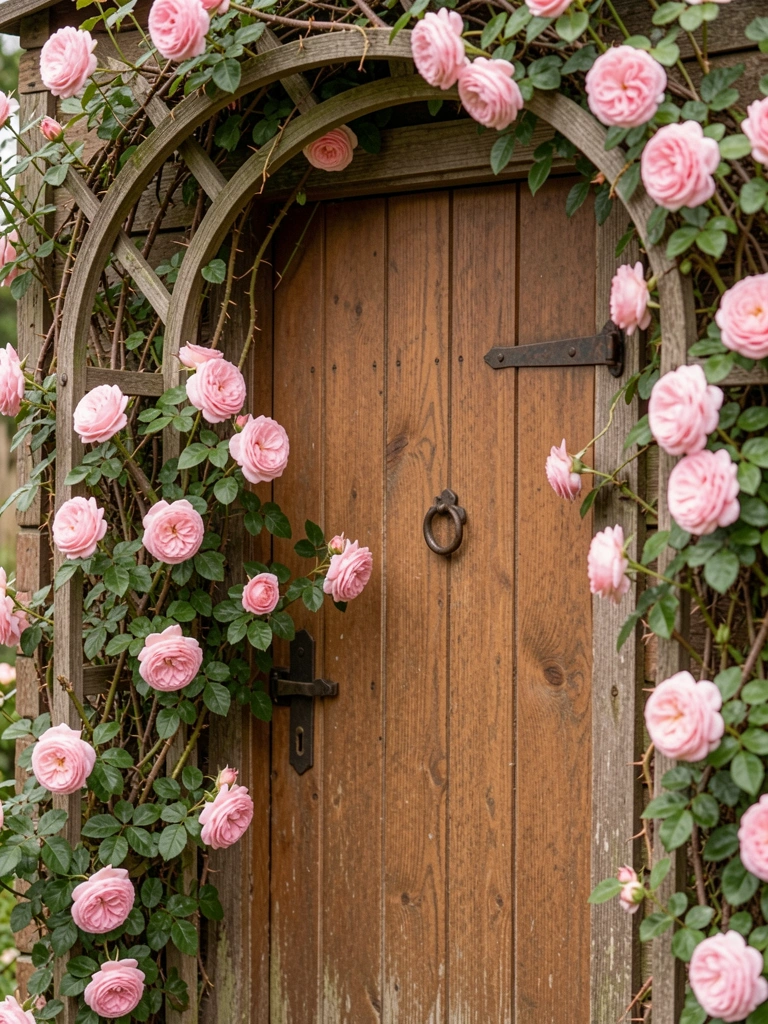
    My plain entry needed height, so I built a simple arbour from scrap wood and trained 'New Dawn' roses up it. They took two seasons to cover—first year was sparse—but now it's a pink cloud framing the door.

    Walk under it, and petals brush your shoulder. The scent hits on warm evenings. It draws eyes up, making the yard feel deeper.

    Choose disease-resistant varieties; black spot wrecked my first try. Prune lightly in spring.

    What You’ll Need for This Look

    3. Colorful Pot Clusters on Front Steps
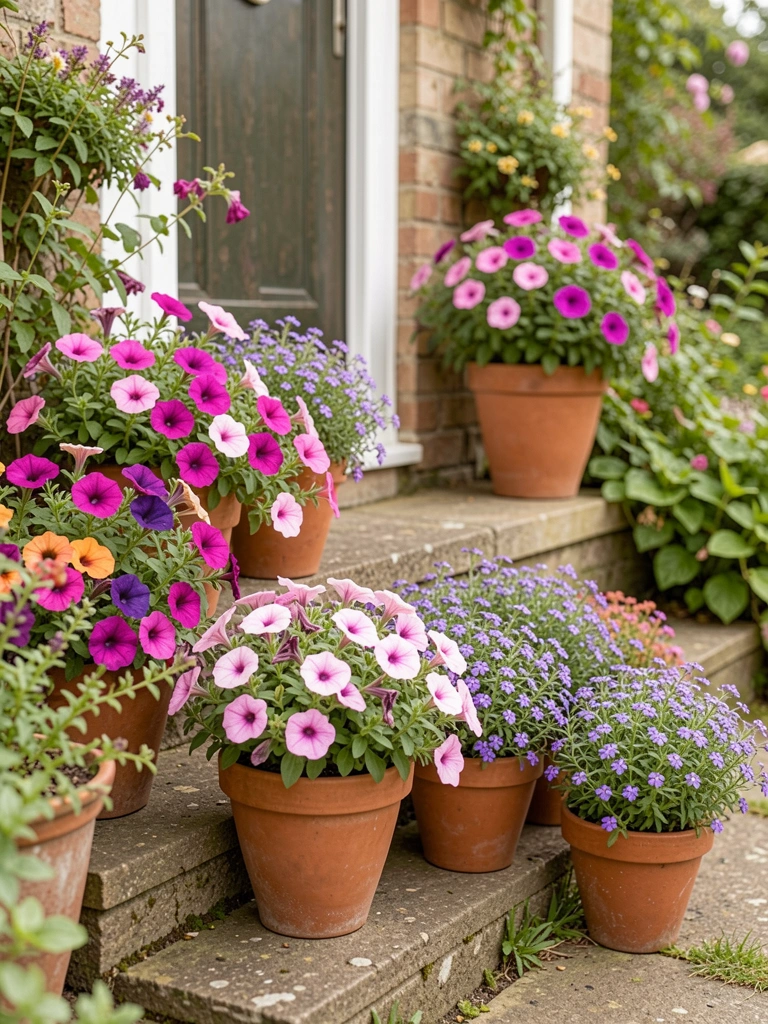
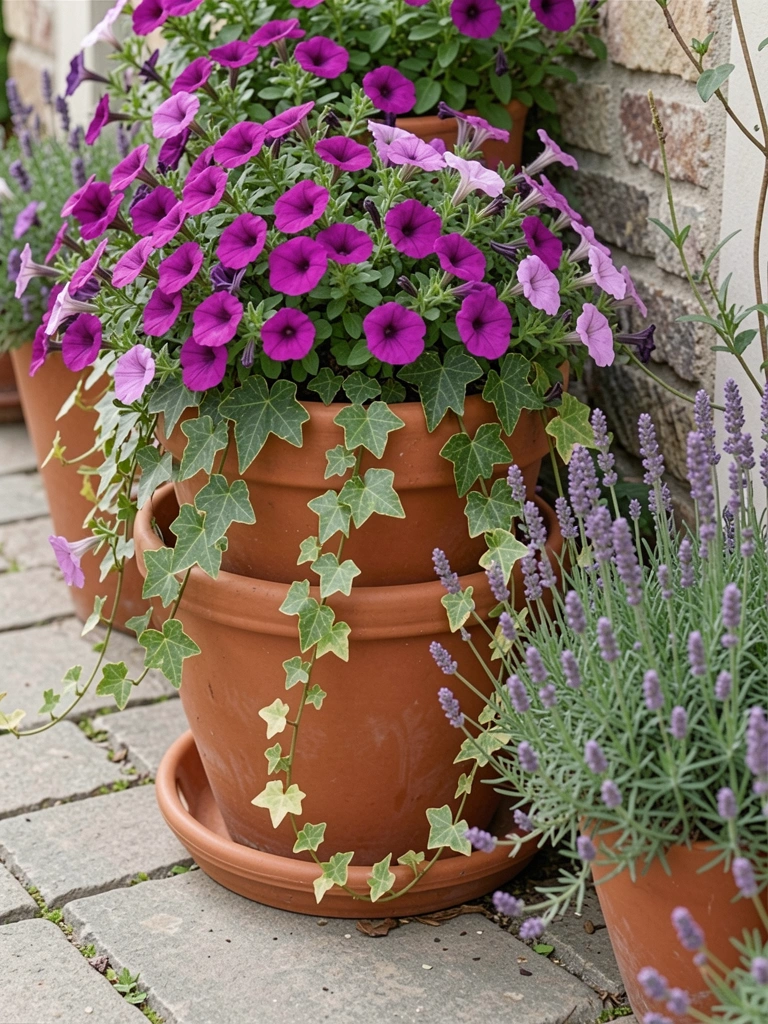
    Steps to my door were boring concrete. I grouped pots—petunias spilling from big ones, lobelia trailing below. Watering was a chore until I added saucers; now they thrive.

    It turns the approach into a flower staircase. Reds and purples pop against the house. Guests always comment.

    Mix heights—tall in back. I overplanted once, and they tangled, but thinning helped.

    What You’ll Need for This Look

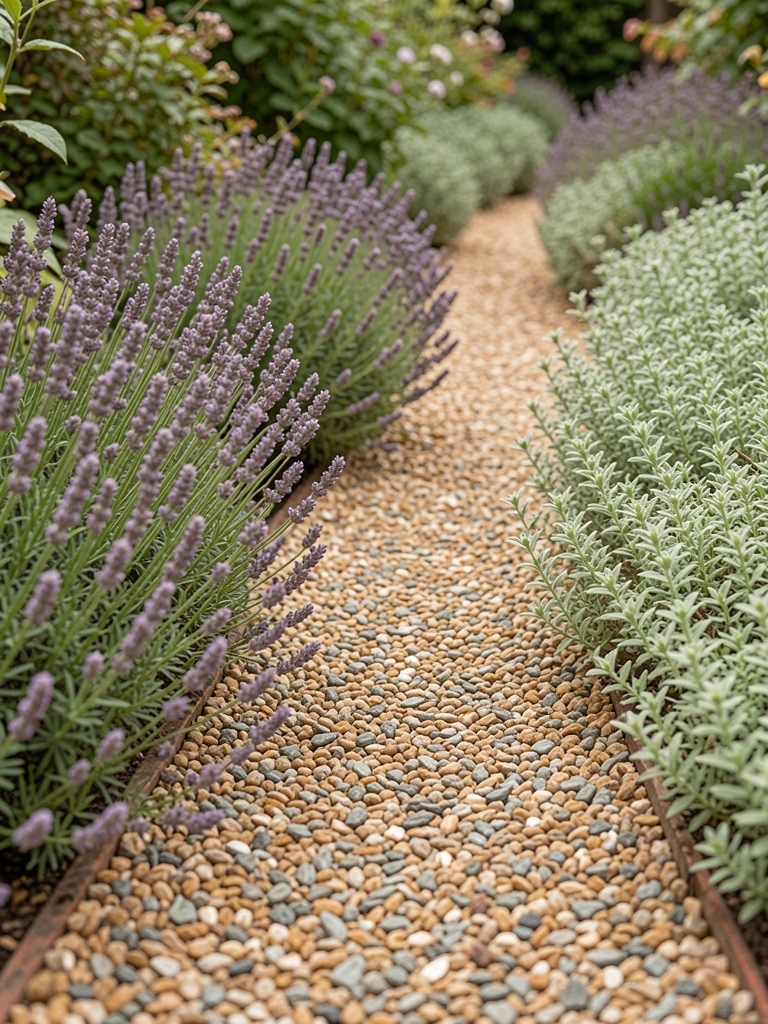
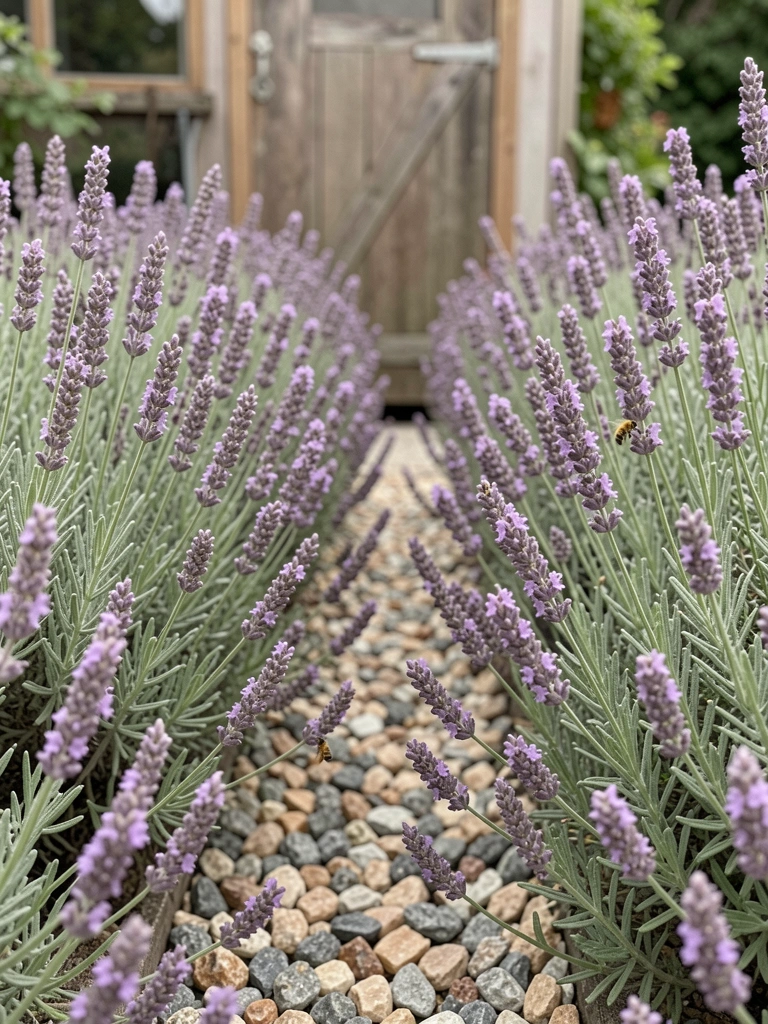
    4. Gravel Path Lined with Low Lavender Borders
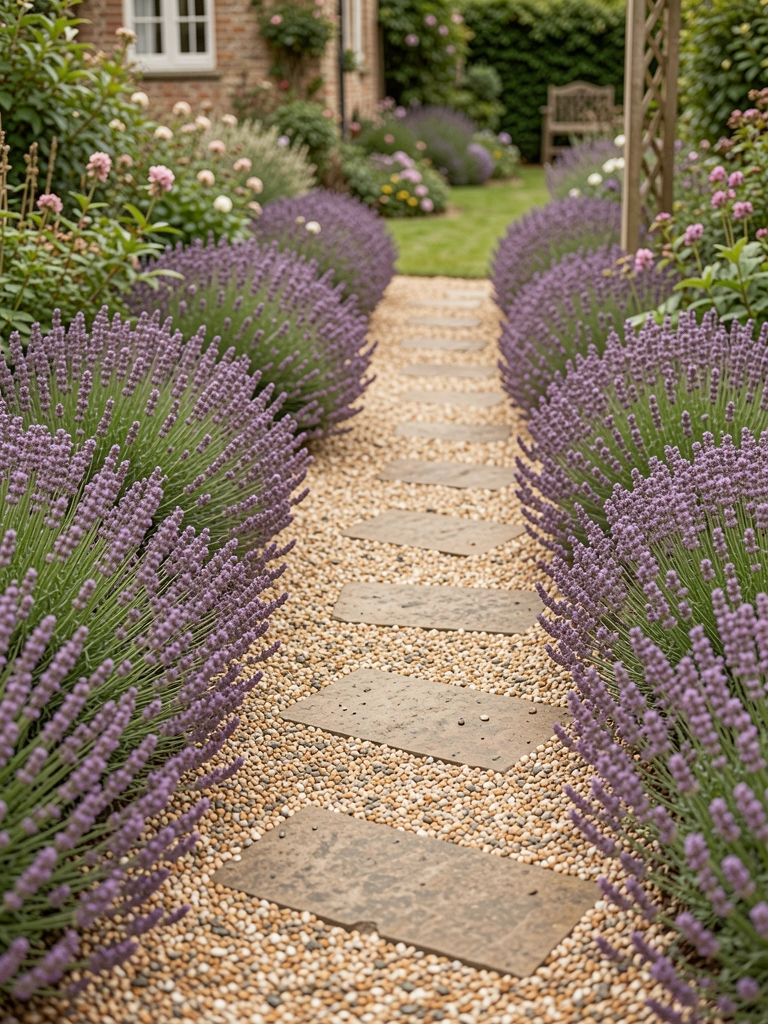
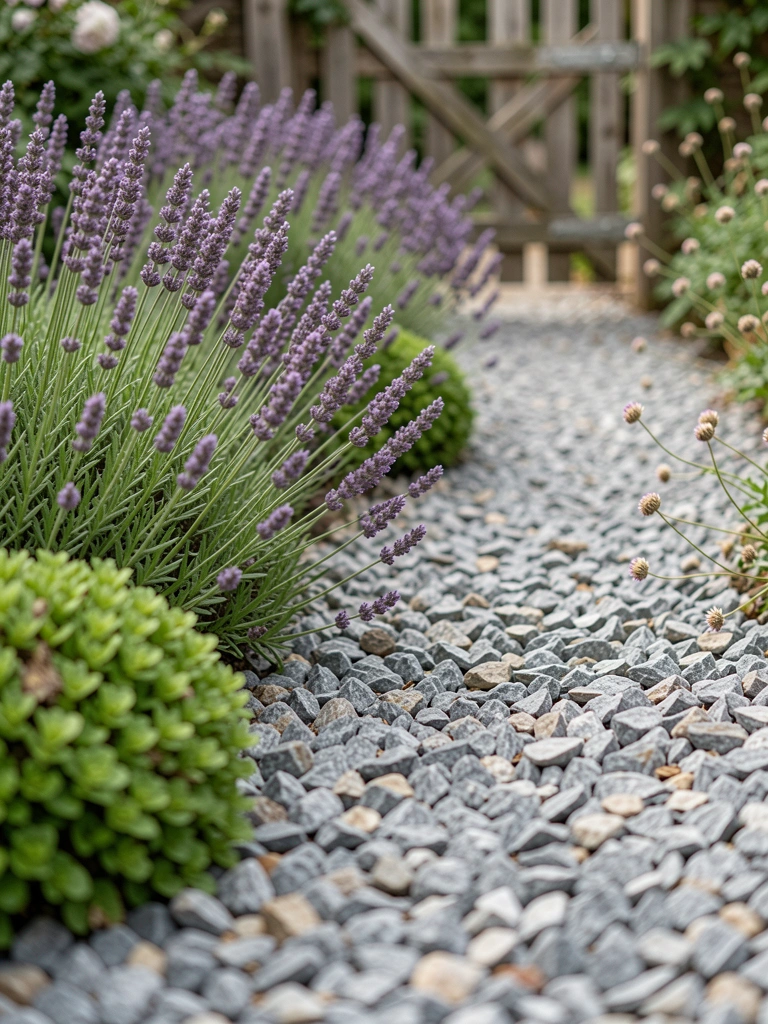
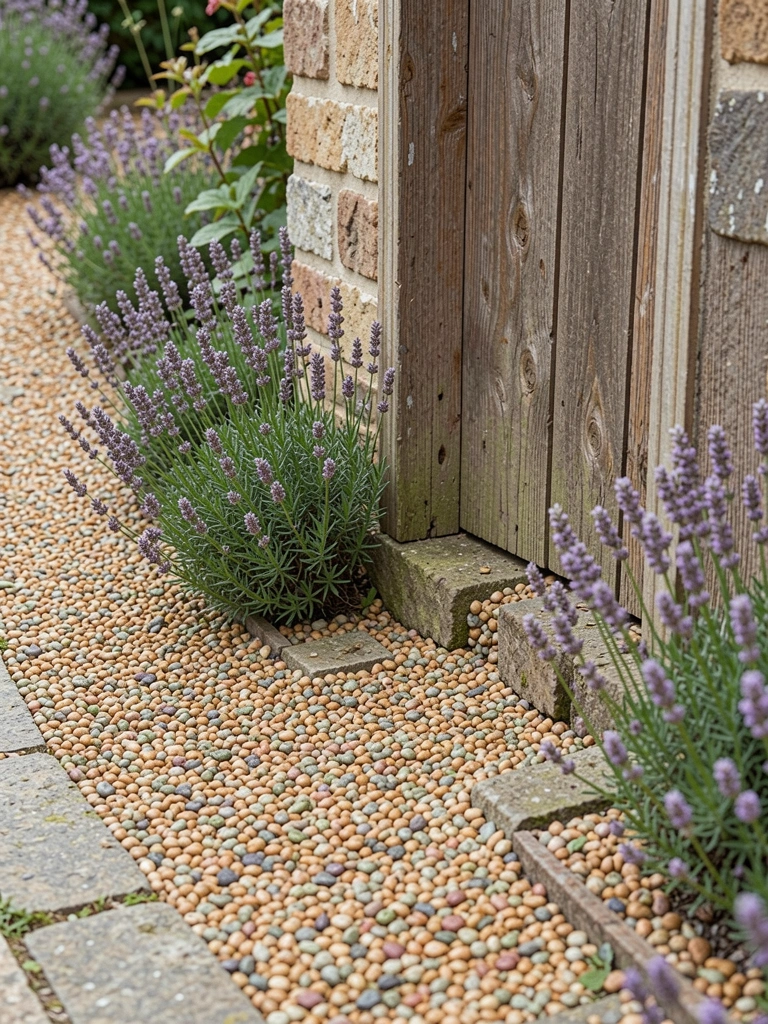
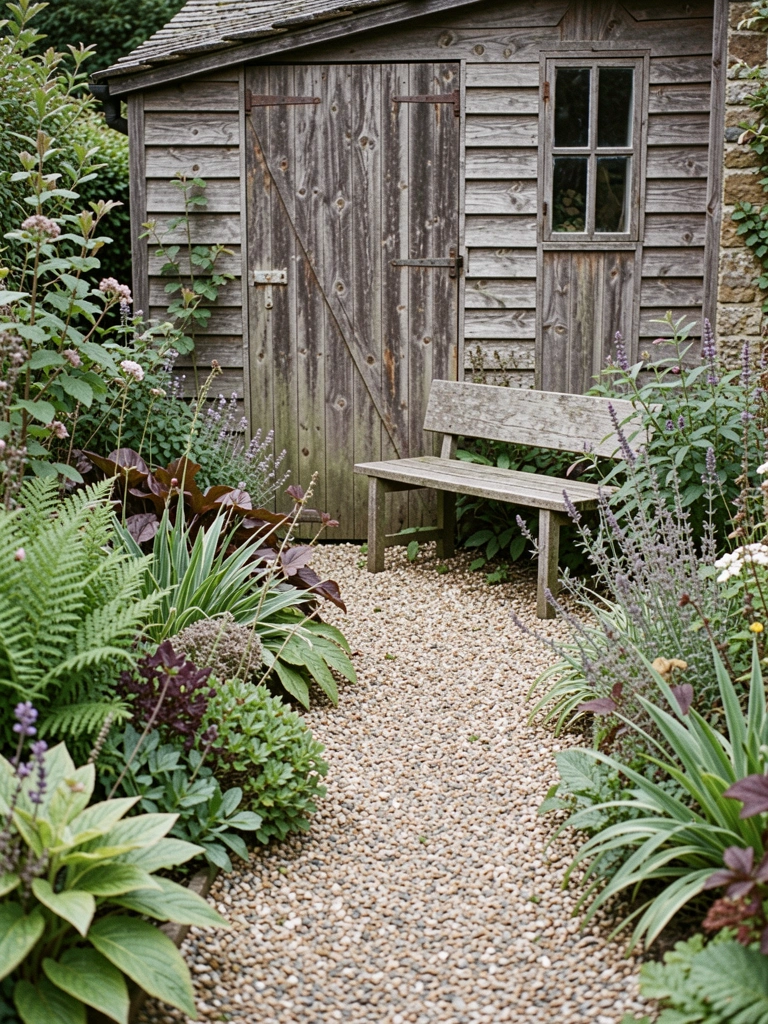
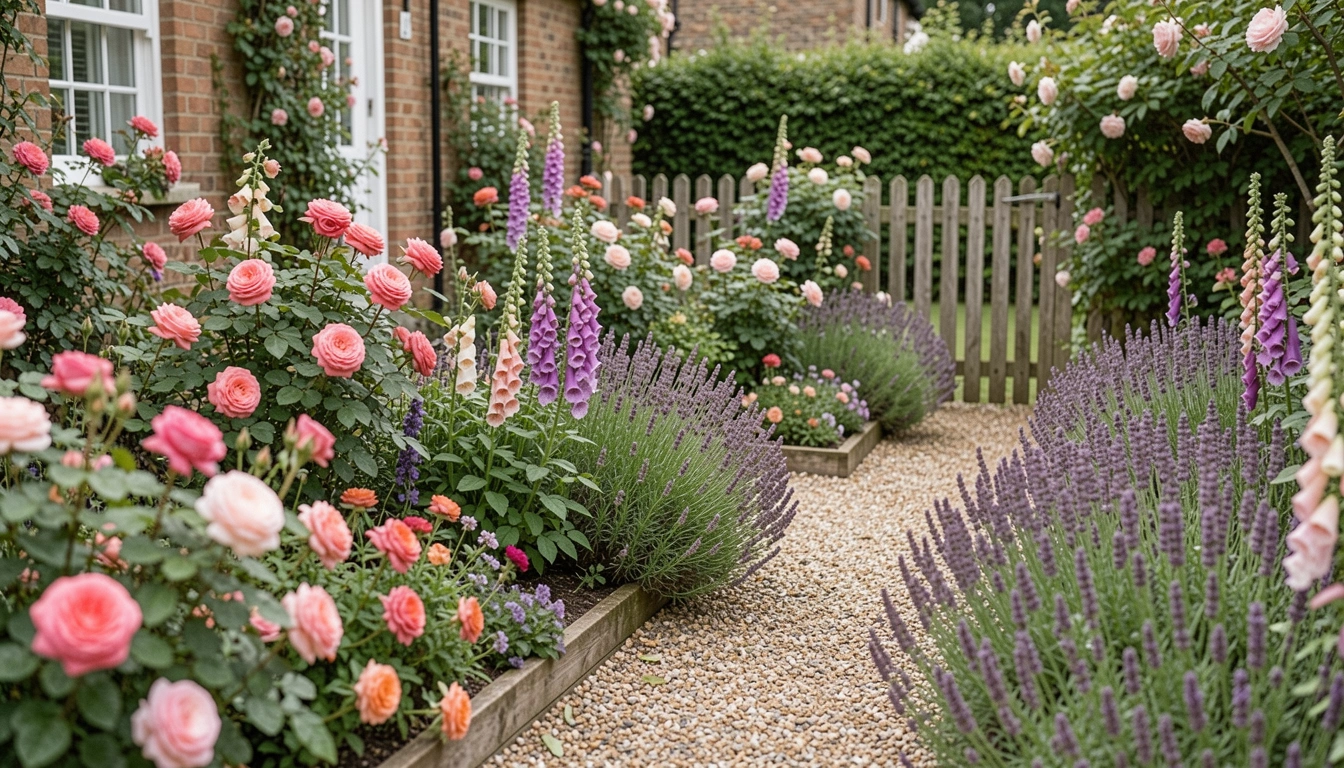
    I ripped out grass for a curving gravel path, edged with lavender. It crunched underfoot right away. Lavender filled out slow—too much water killed a few—but now it's fragrant heaven.

    The path guides you in gently. Silver leaves contrast the stones. Butterflies love it.

    Weed fabric underneath saves time. Rake gravel monthly.

    What You’ll Need for This Look

    5. Birdbath Focal Point Ringed in Hostas
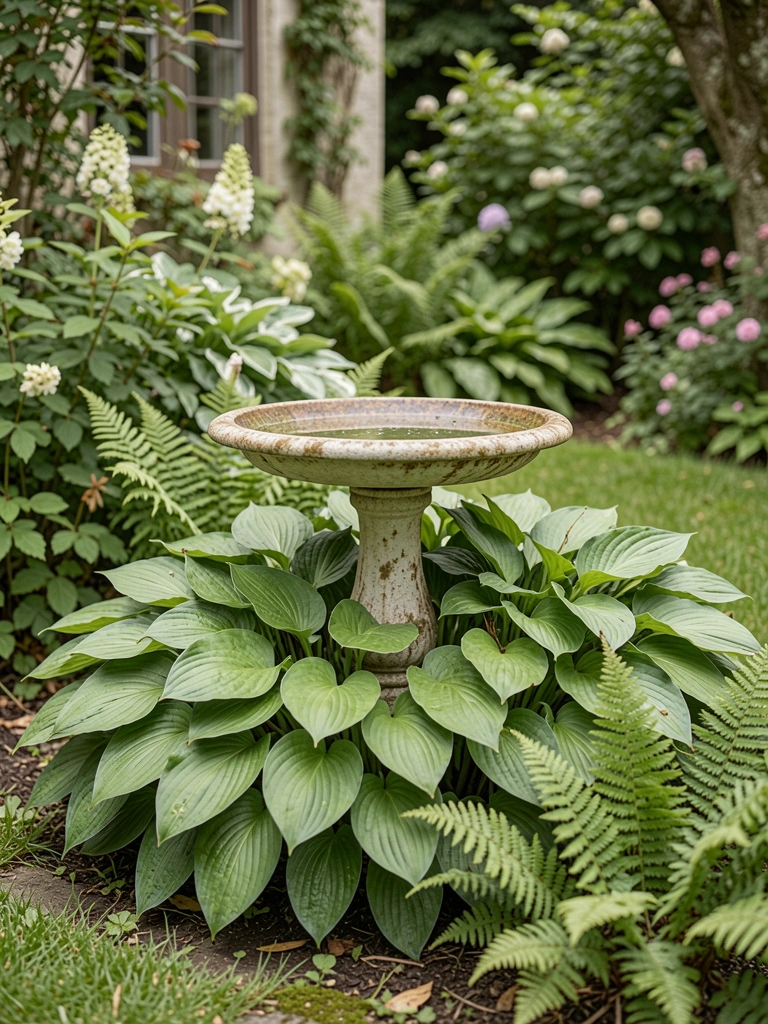
    Center of my yard was empty. Added a secondhand birdbath, surrounded by hostas and ferns. Birds splash daily; it draws the eye from the street.

    Shady spot keeps it lush. Hostas slug-chewed at first—beer traps sorted that.

    Water changes weekly. It quiets the front, feels peaceful.

    What You’ll Need for This Look

    6. Herb Strips Along the Driveway Edge
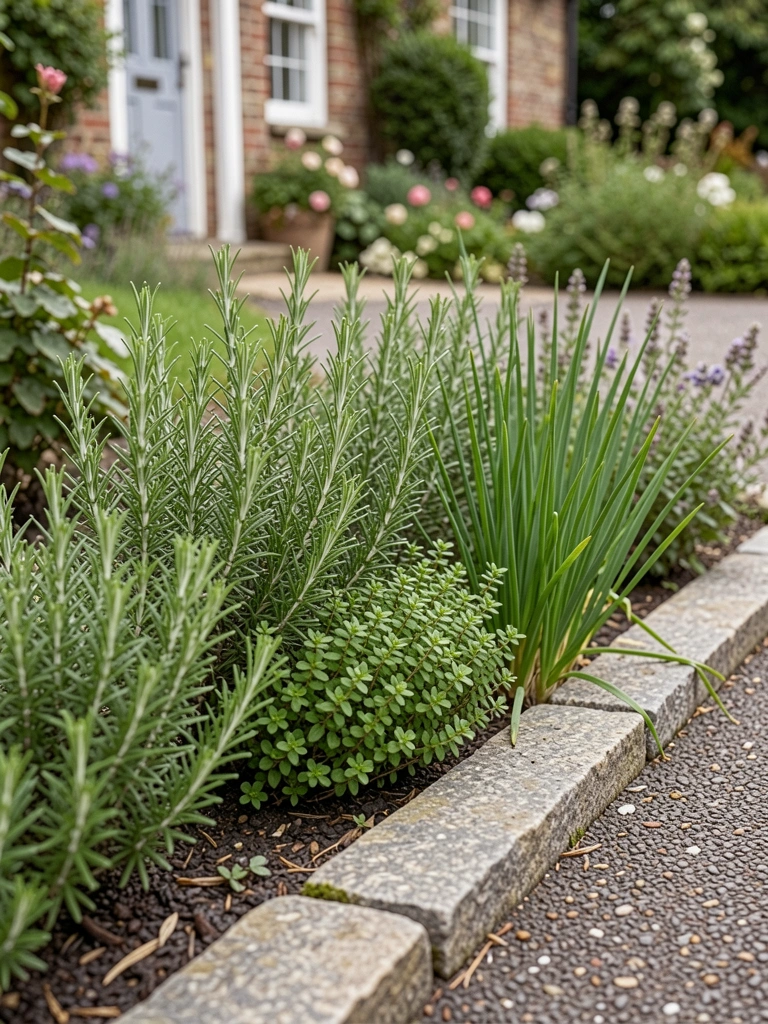
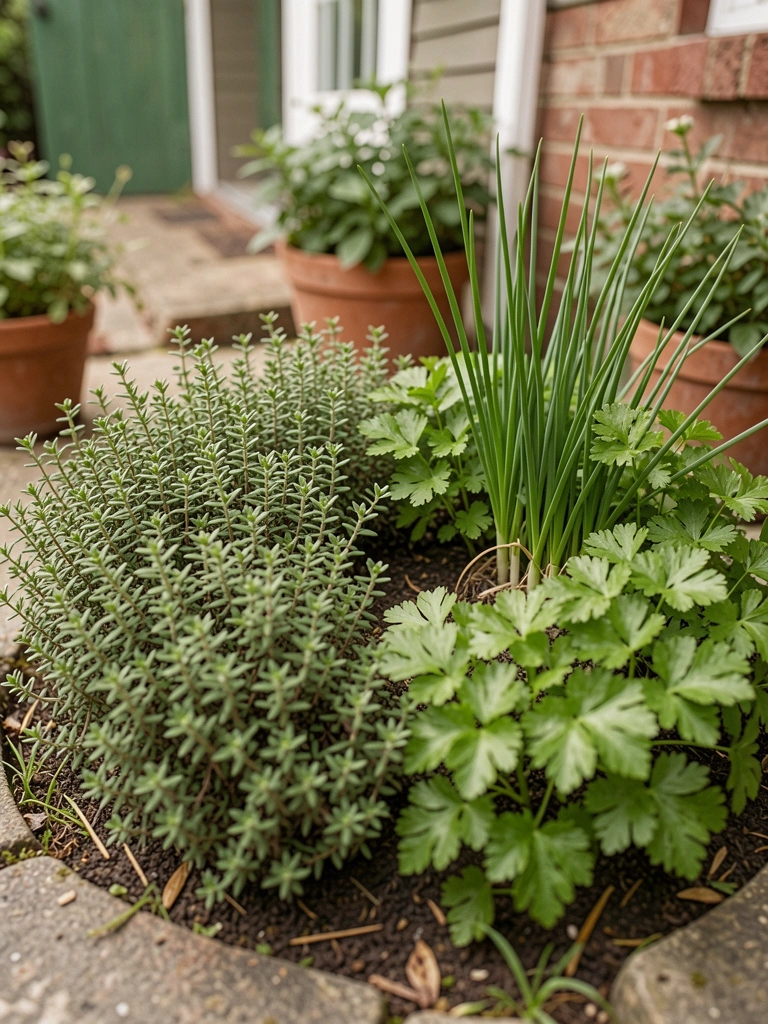
    Driveway felt stark. Planted rosemary, thyme, chives in a narrow bed. Snip for cooking—practical joy. They spread fast; I divided extras.

    Green mounds soften asphalt. Smell wafts up on hot days.

    Full sun, good drainage. Drought-tolerant once rooted.

    What You’ll Need for This Look

    7. Solar Lights Framing the Entry Path
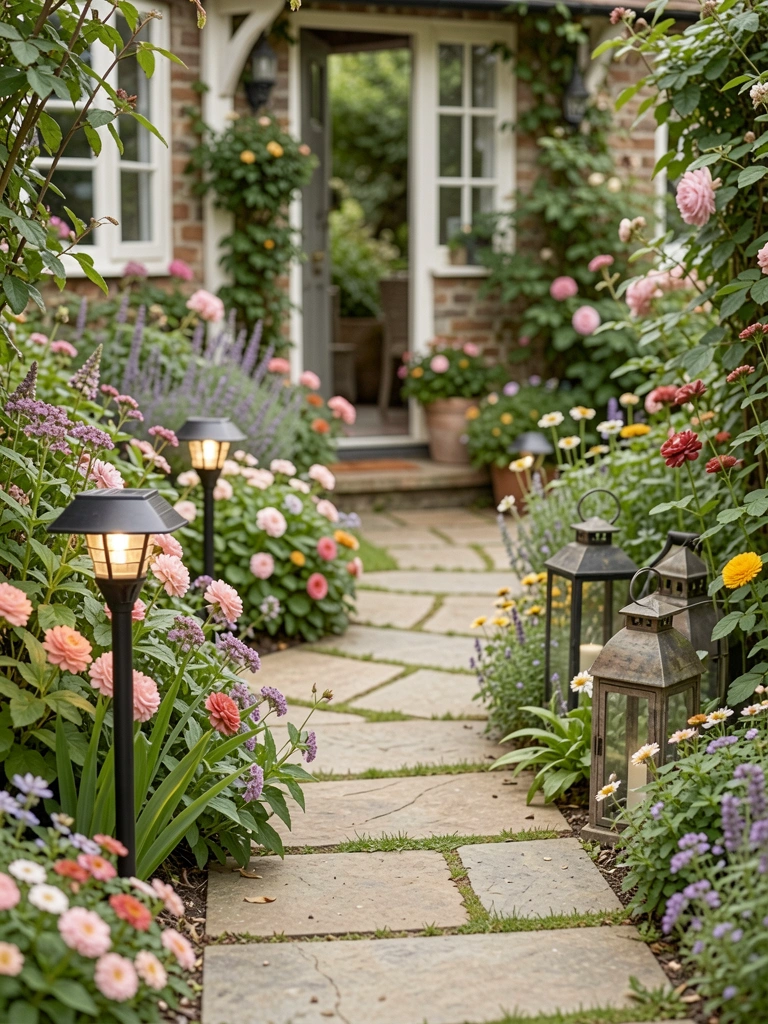
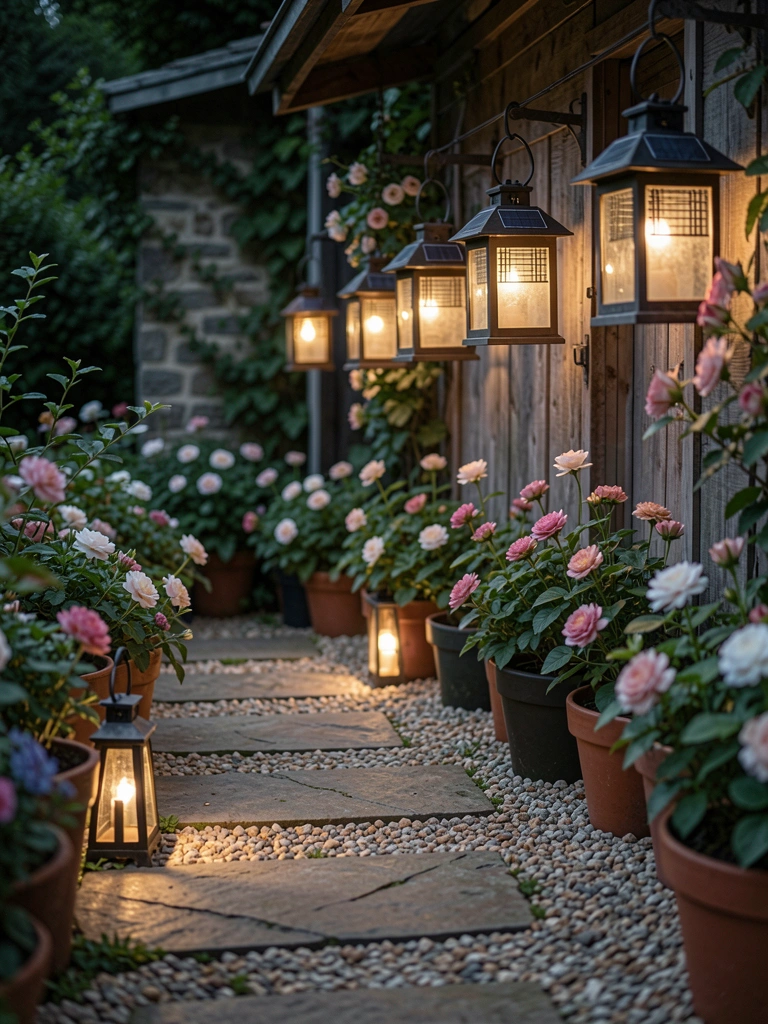
    Evenings were dark. Stuck solar stakes along the path, hung lanterns on shepherd's hook. Glows soft gold now—recharges fully in my yard.

    Lights the way without wires. Plants silhouette nicely.

    Clean panels weekly. Position for max sun.

    What You’ll Need for This Look

    Final Thoughts

    Pick one or two ideas that fit your space. My yard built up slow—start small.

    You'll see the change in how it feels pulling up. It's yours, grown real.

    No rush. Just dig in.
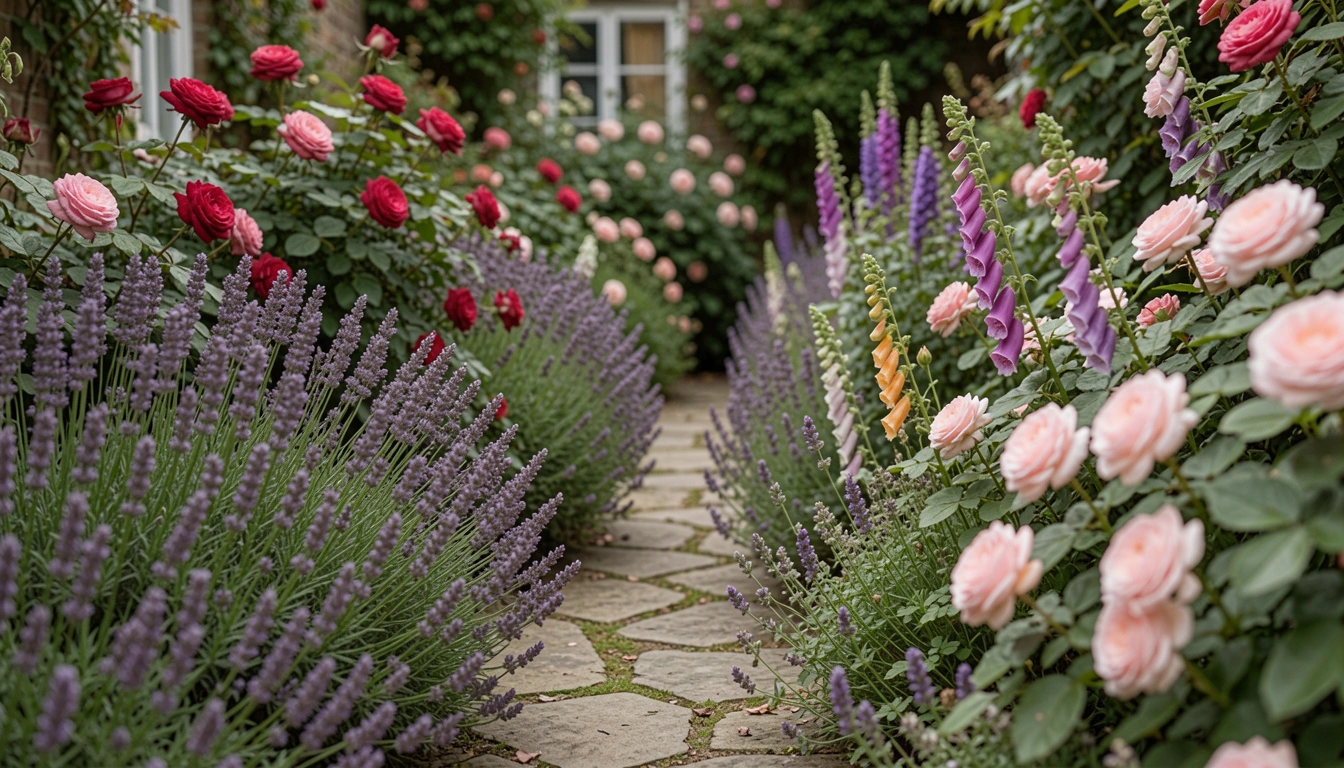
  • 21 Cottage Garden Layout Ideas That Work

    21 Cottage Garden Layout Ideas That Work

    I stood in my backyard one spring, dirt under my nails, staring at a flat lawn that felt cold and empty. I craved that cozy cottage garden vibe—full borders, paths that invite you in—but my first tries ended in weeds and bare spots.

    Over years of digging, killing off flops, and watching what thrives, I figured out layouts that fill space without fuss. These ideas come from my real gardens, the ones I live in daily.

    They make you feel at home, not overwhelmed. Grab a shovel; you can do this.

    21 Cottage Garden Layout Ideas That Work

    These 21 cottage garden layout ideas come straight from my gardens. I've planted them, watched them grow uneven, fixed the messes. They'll give you that warm, full look that lasts. Let's dig in.
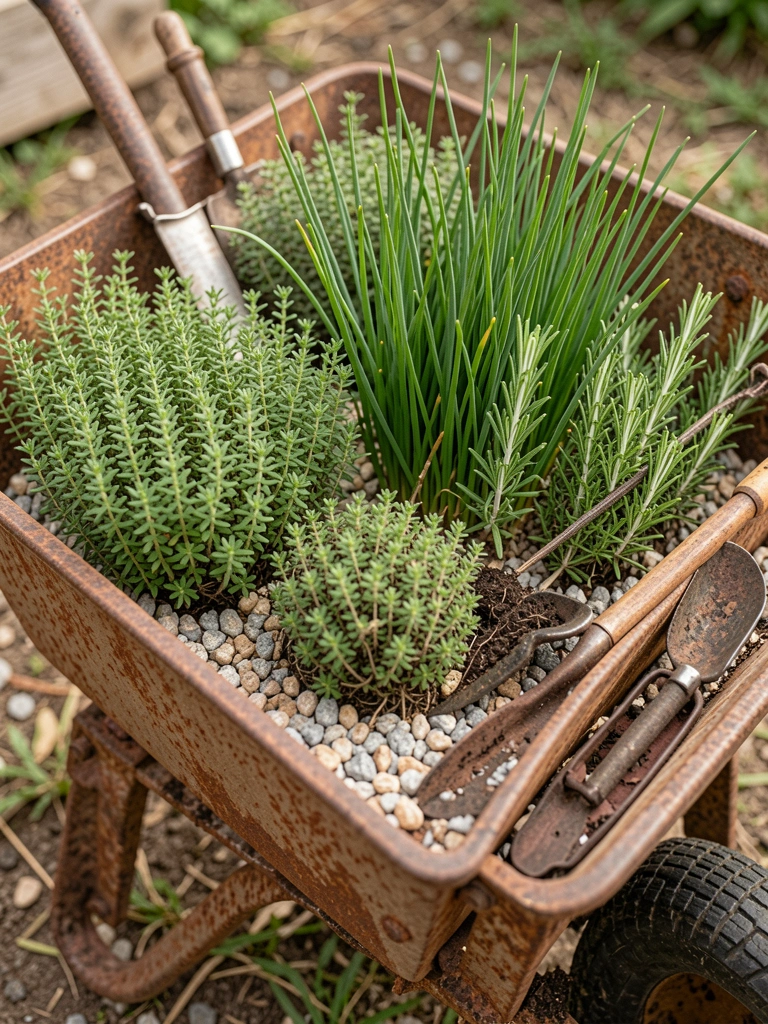
    1. Winding Gravel Path That Draws You Deeper

    I laid a simple gravel path in my side yard last year, curving it gently instead of straight. It pulls your eye around corners, past blooming edges. Suddenly, the garden felt bigger, more secret.

    The gravel quiets footsteps, lets you hear bees. I edged it with tough lavender—spills over without invading. No more muddy trails after rain.

    Watch the curve's sweep; too sharp looks forced. Rake smooth yearly.

    One tip: Mix in a few flat stones for interest. Feels right underfoot.

    What You’ll Need for This Look

    2. Tall Foxgloves in Back for Gentle Height

    Foxgloves shot up in my back border two summers ago, giving soft towers without stiffness. I planted them deep, let them lean over daisies. The height frames views, makes low stuff pop.

    They reseed lightly, filling gaps I forgot. Purple-pink spikes draw my eye from the kitchen window.

    Plant where they get dappled sun; full blast burns tips. Deadhead to extend bloom.

    I overplanted once—crowded mess. Now, space 18 inches apart.

    What You’ll Need for This Look

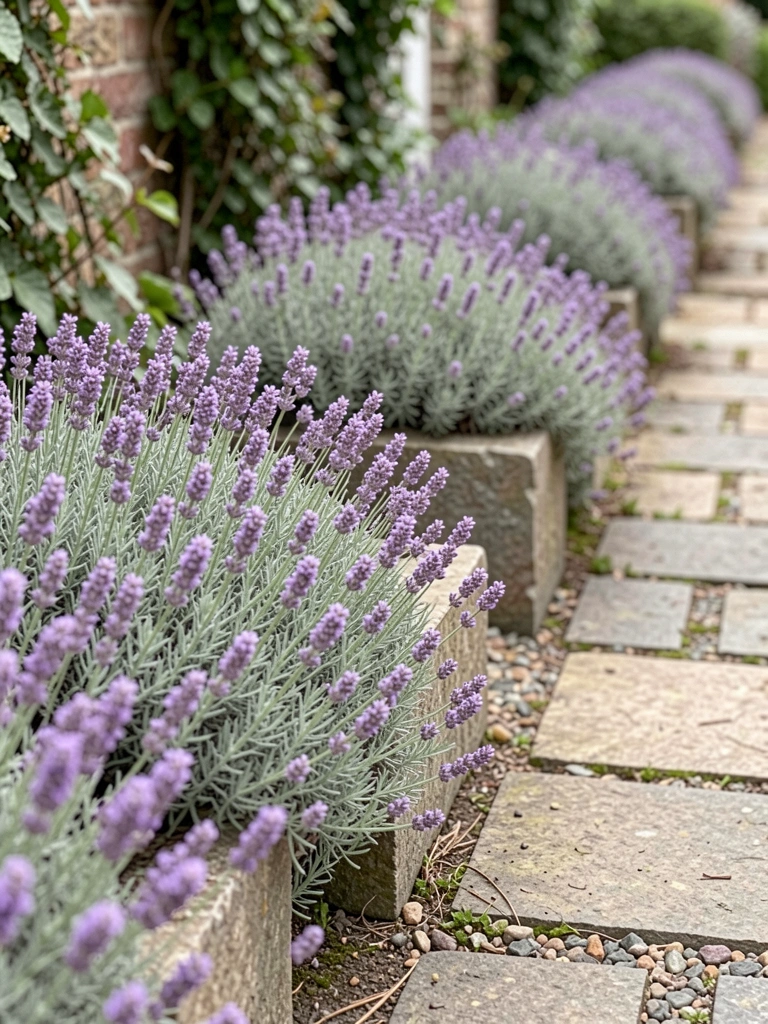
    3. Repeating Lavender Blocks for Steady Color

    I grouped lavender in three-foot blocks along my front walk. The repeat rhythm ties the garden together, like a quiet song. Purple haze all summer, scent hits you first.

    It edges paths without flopping. Bees love it; I watch from my chair.

    Trim after bloom—keeps shape. Full sun, no fuss.

    Bought too many once; now propagate cuttings. Saves cash.

    What You’ll Need for This Look

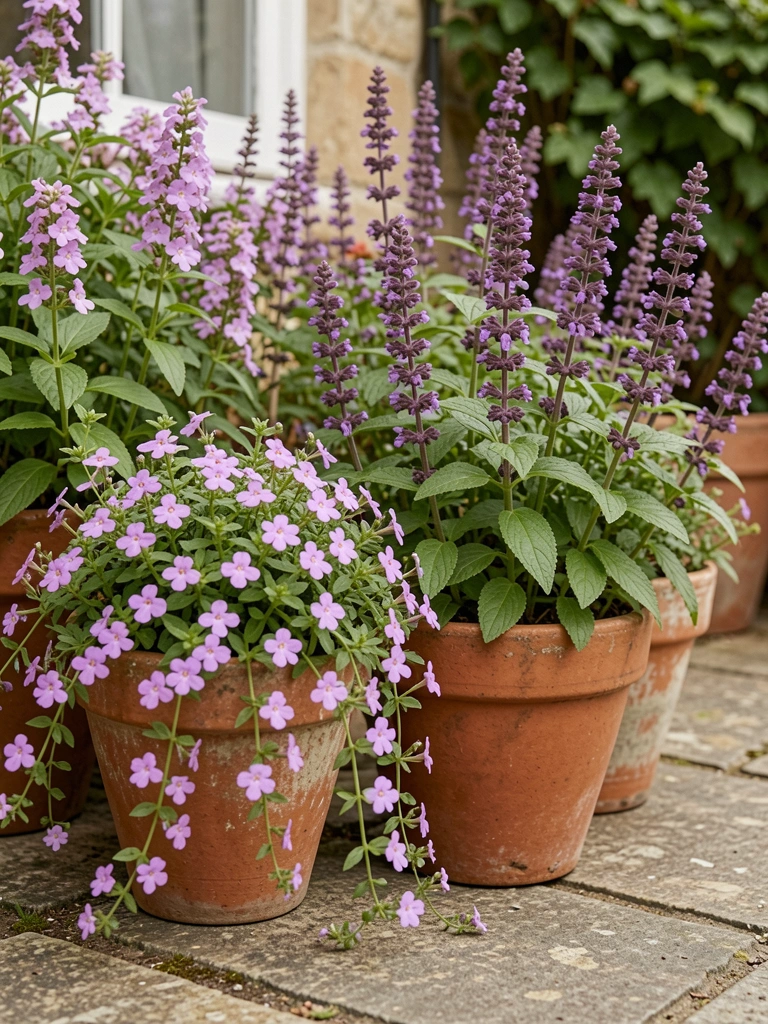
    4. Patio Container Clusters Full of Spillovers

    Clustered five pots on my back patio last spring. Trailing sweet peas tumble over salvia—feels lush, not sparse. Patio warmed up instant.

    Group odd numbers; looks natural. Water together easy.

    I picked cheap pots first—cracked. Now clay only.

    Rotate for even sun. Instant cottage without digging.

    What You’ll Need for This Look

    5. Arched Trellis Over the Gate Entry

    Built a wood arch over my gate, trained 'New Dawn' roses up it. Walks through feels welcoming, petals brush shoulders.

    Blooms repeat; frames the whole yard. Ties front to back.

    Secure wires first—mine sagged early. Train young shoots.

    What You’ll Need for This Look

    6. Kitchen Herb Wheel for Quick Grabs

    Dug a herb wheel by my door—curved beds radiate out. Chives edge, thyme fills center. Snip fresh without trekking.

    Compact, smells great up close. Thrives in lean soil.

    Overwatered parsley once—rotted. Now, dry between.

    What You’ll Need for This Look

    7. Wall-Mounted Pots for Vertical Layers

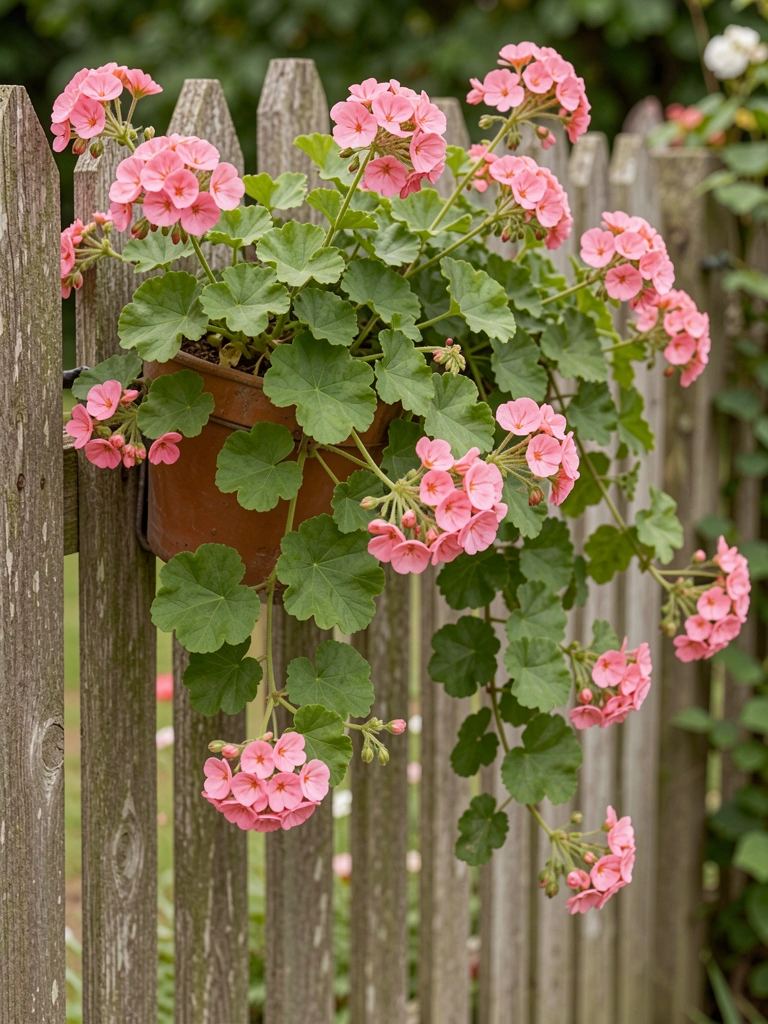
    Screwed pots to my side fence, layered ivy geraniums. Adds green wall, saves ground space. Flowers nod at eye level.

    Easy reach for deadheading. Feels fuller fast.

    Hooks rusted cheap ones. Galvanized now.

    What You’ll Need for This Look

    8. Bird Bath as Quiet Center Piece

    Set a bird bath in my lawn center, ringed hostas. Birds splash, plants soften edges. Draws life to middle.

    No tall stuff blocks it. Clean weekly.

    Placed too sunny—algae city. Shade now.

    What You’ll Need for This Look

    9. Bench Nook Under Climbing Branches

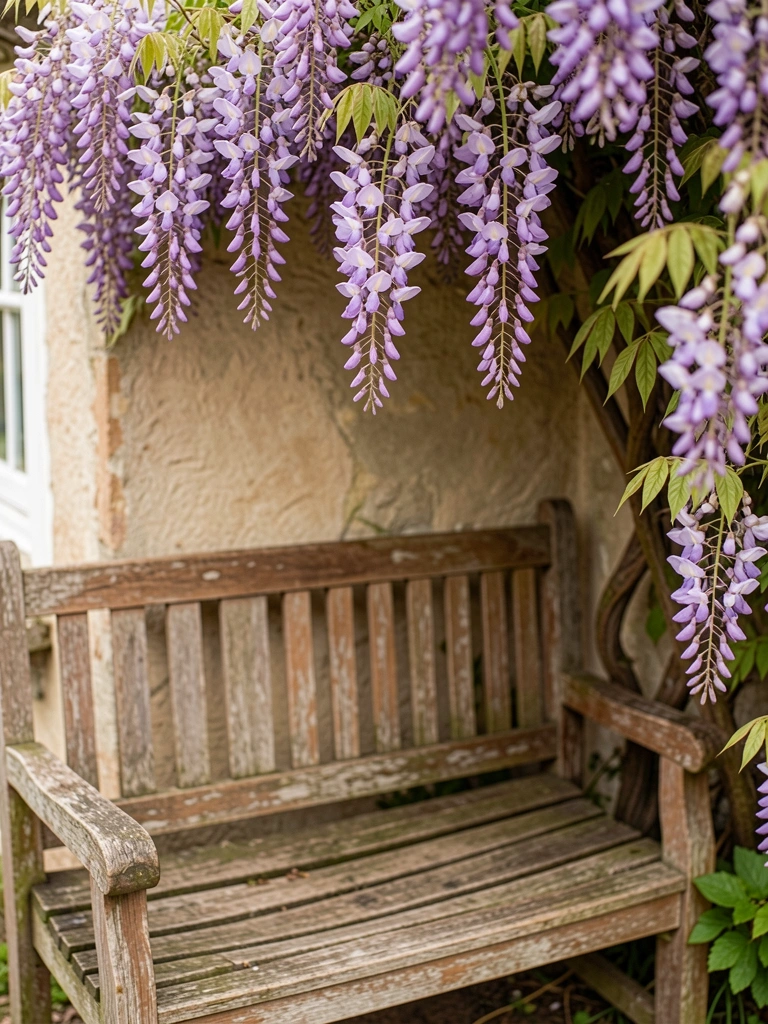
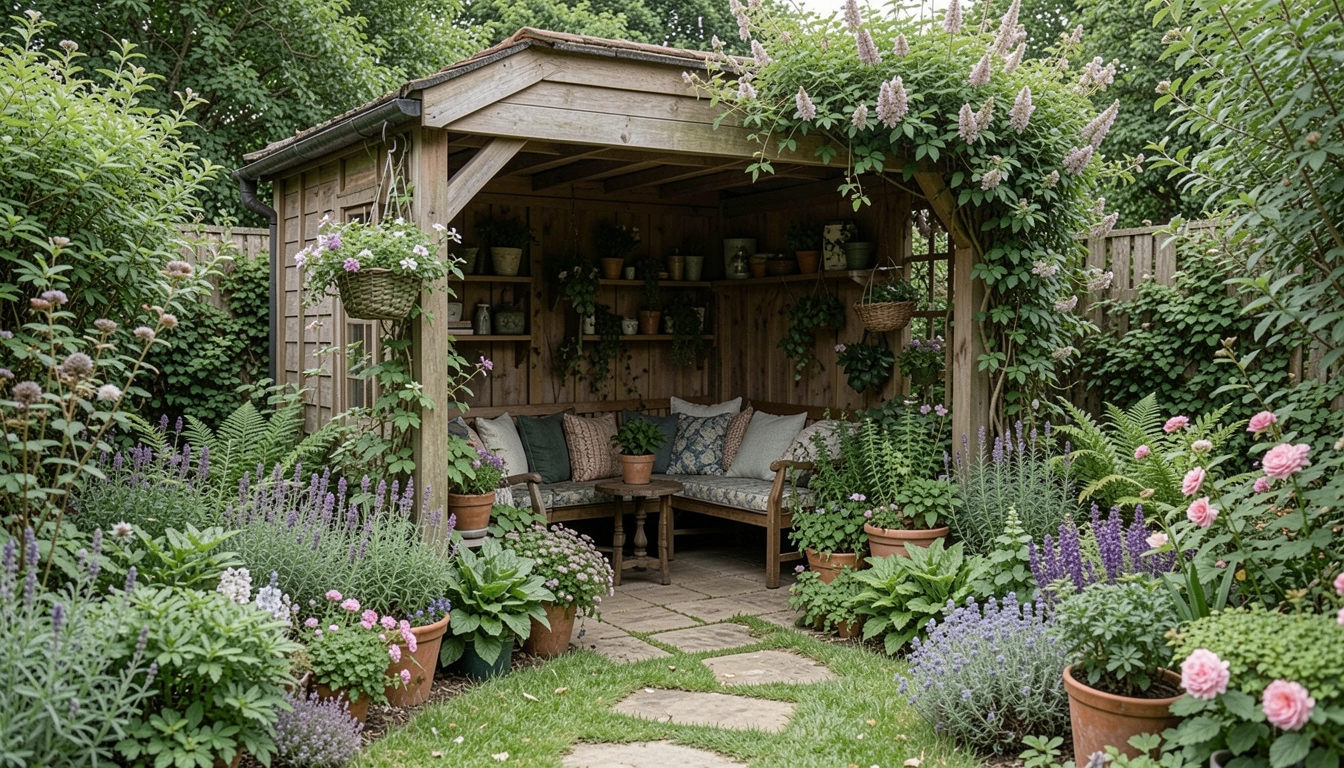
    Tucked a bench under wisteria on my arbor. Sit, blooms frame face. Quiet spot feels hidden.

    Prune to arch over. Blooms heavy—strong frame.

    What You’ll Need for This Look

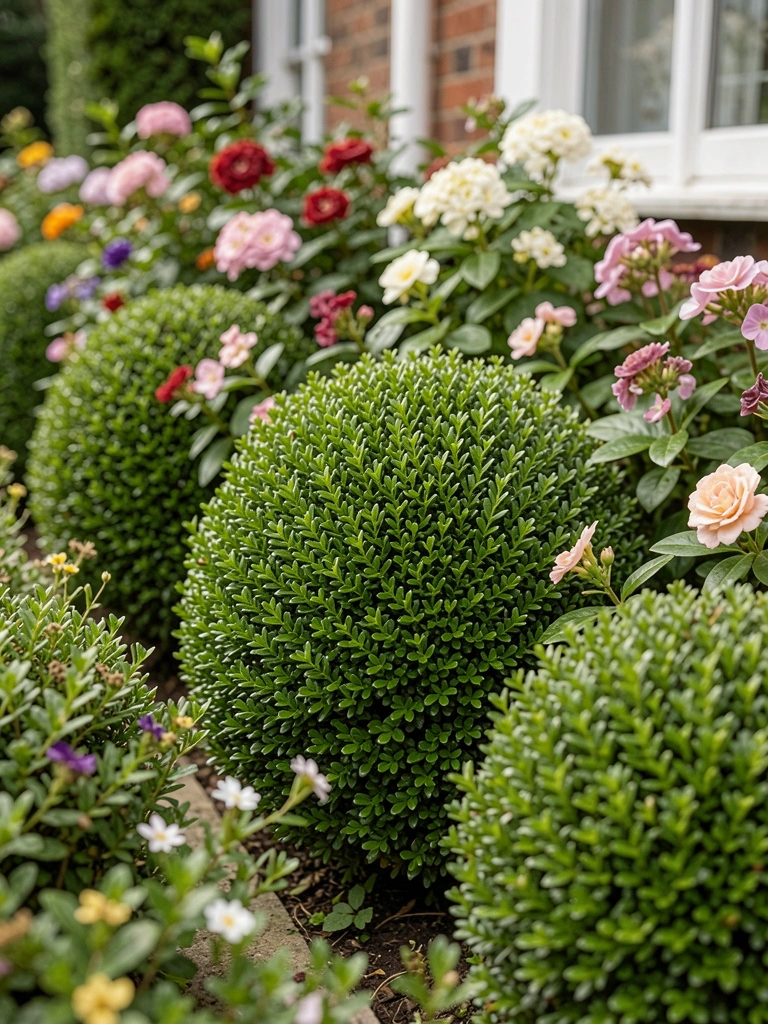
    10. Low Boxwood Hedge for Soft Edges

    Planted dwarf boxwood low along borders. Grounds flowers, keeps tidy lines. Roses flop over—cozy frame.

    Shear twice yearly. Slow grower, forgiving.

    Planted too close—thinned later.

    What You’ll Need for This Look

    11. Pollinator Meadow Patch in Corner

    Seeded a corner meadow—coneflowers, rudbeckia. Butterflies flock, buzz fills air. Low care after year one.

    Let self-seed. Mows easy edges.

    Weeds first year—pulled daily.

    What You’ll Need for This Look

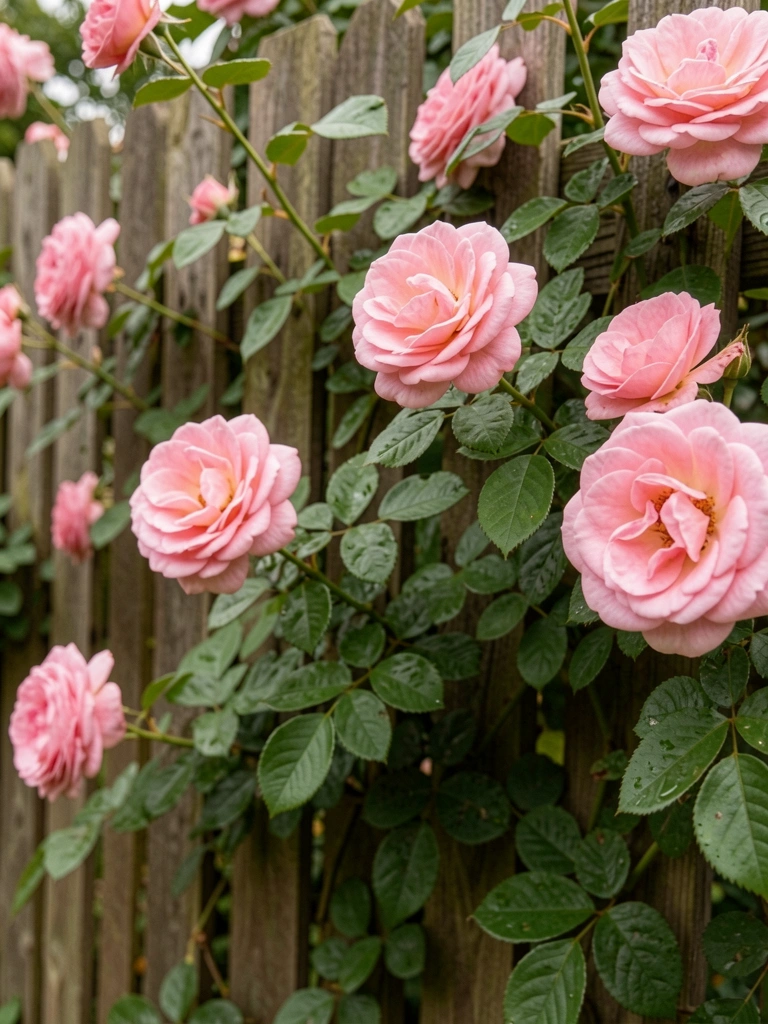
    12. Roses Trained Flat on Fence Panels

    Tied 'Zephirine Drouhin' roses flat on fence. Blooms screen view, add pink glow.

    Wire supports first. Prune side shoots.

    What You’ll Need for This Look

    13. Bulb Drifts for Spring Wake-Up

    Planted bulbs in loose drifts under trees. Daffs pop early, fade as perennials rise. Seamless.

    Plant deep, groups of 20.

    Squirrels ate some—net now.

    What You’ll Need for This Look

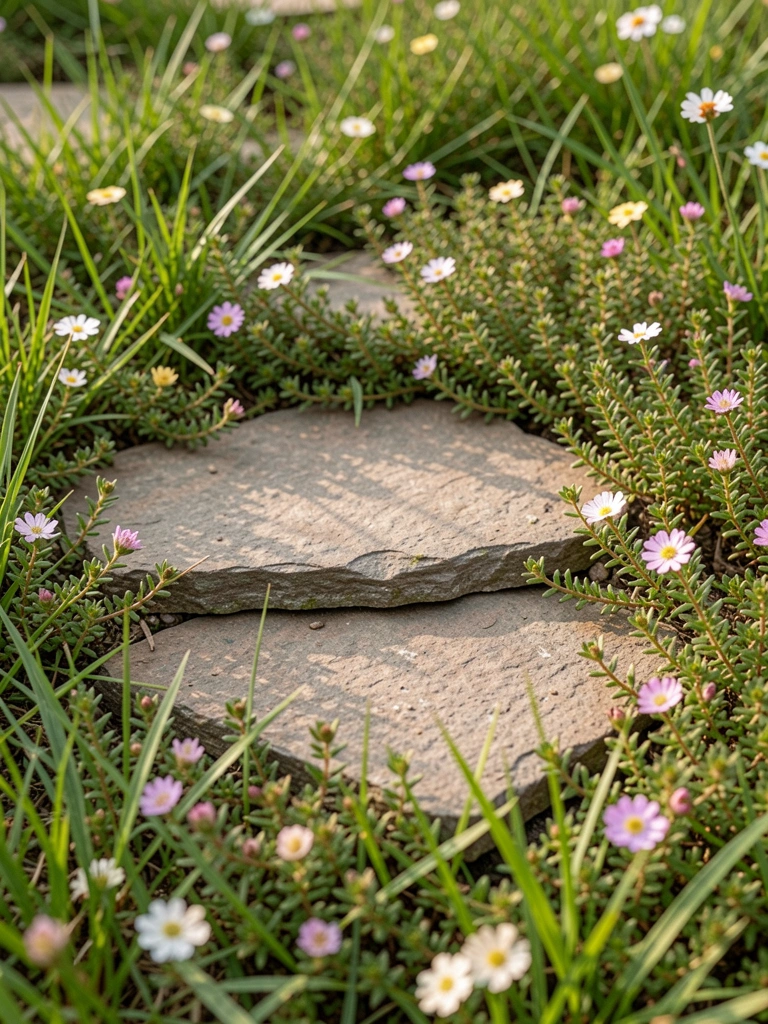
    14. Stepping Stones Through Flower Lawn

    Set stones in lawn, thyme between. Path emerges, no mow line.

    Irregular spacing—natural.

    What You’ll Need for This Look

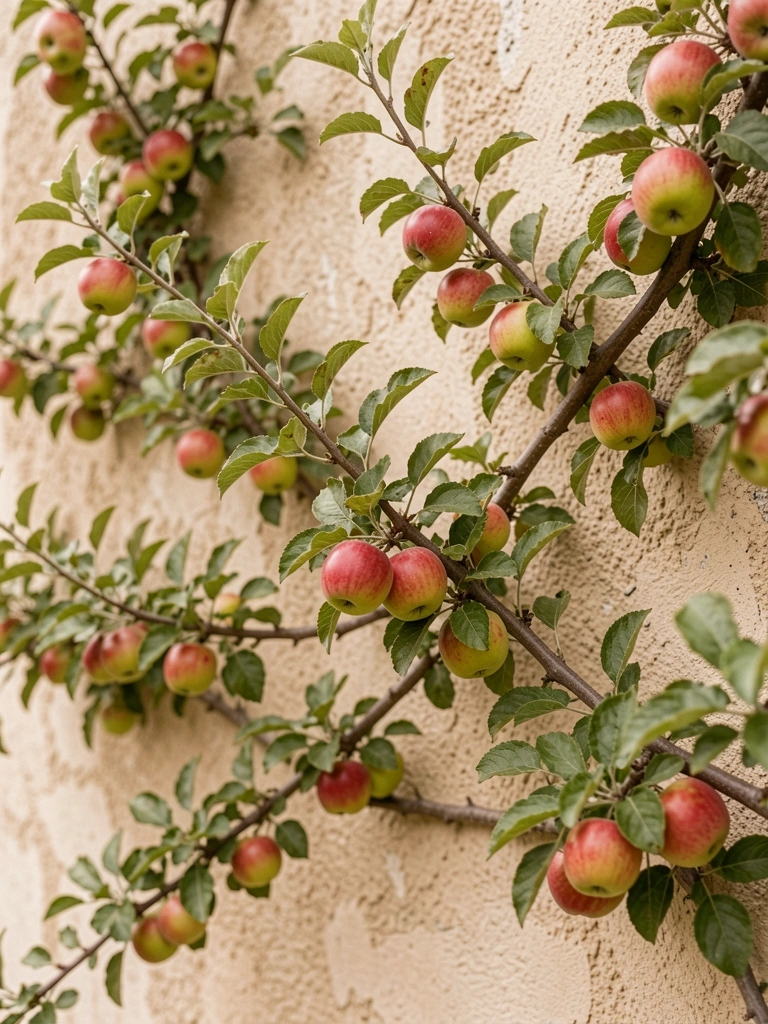
    15. Apple Espalier Along Sunny Wall

    Espaliered apple on garage wall. Fruits at pick height, space saver.

    Wire frame key. Prune summer.

    What You’ll Need for This Look

    16. Warm Sunset Border Facing West

    West border: rudbeckia, helenium. Glows evening, warms patio.

    Tall back, short front.

    What You’ll Need for This Look

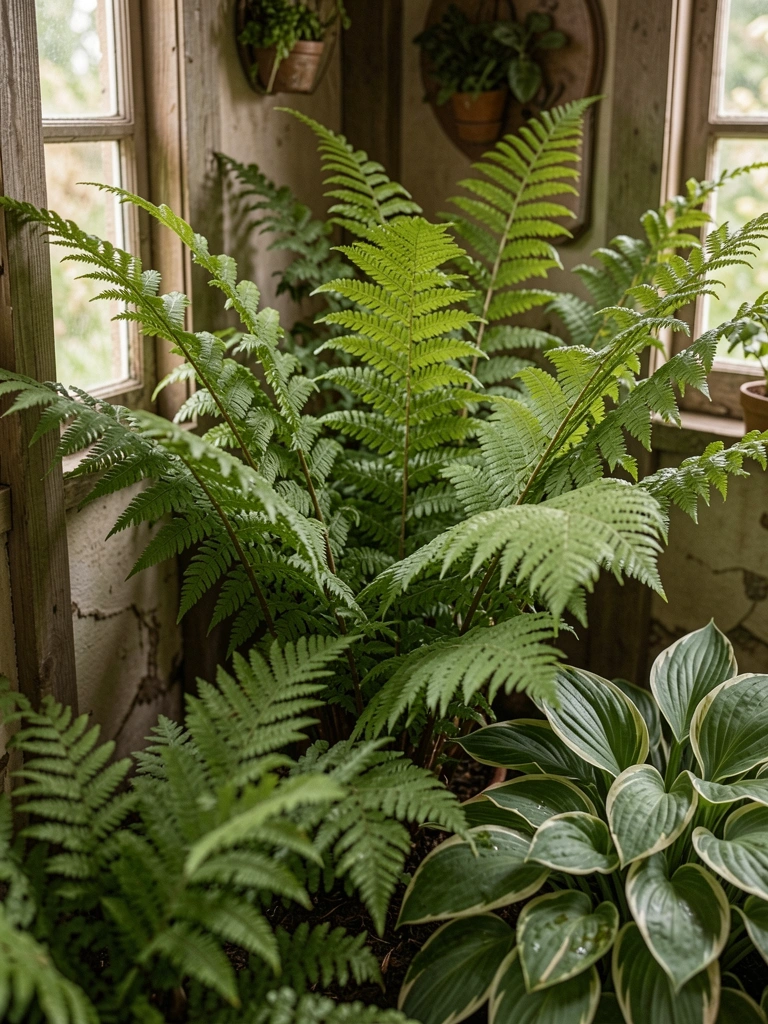
    17. Fern Corner for Shady Relief

    North corner ferns—lush green escape. Ostrich fronds sway.

    Moist soil, mulch.

    What You’ll Need for This Look

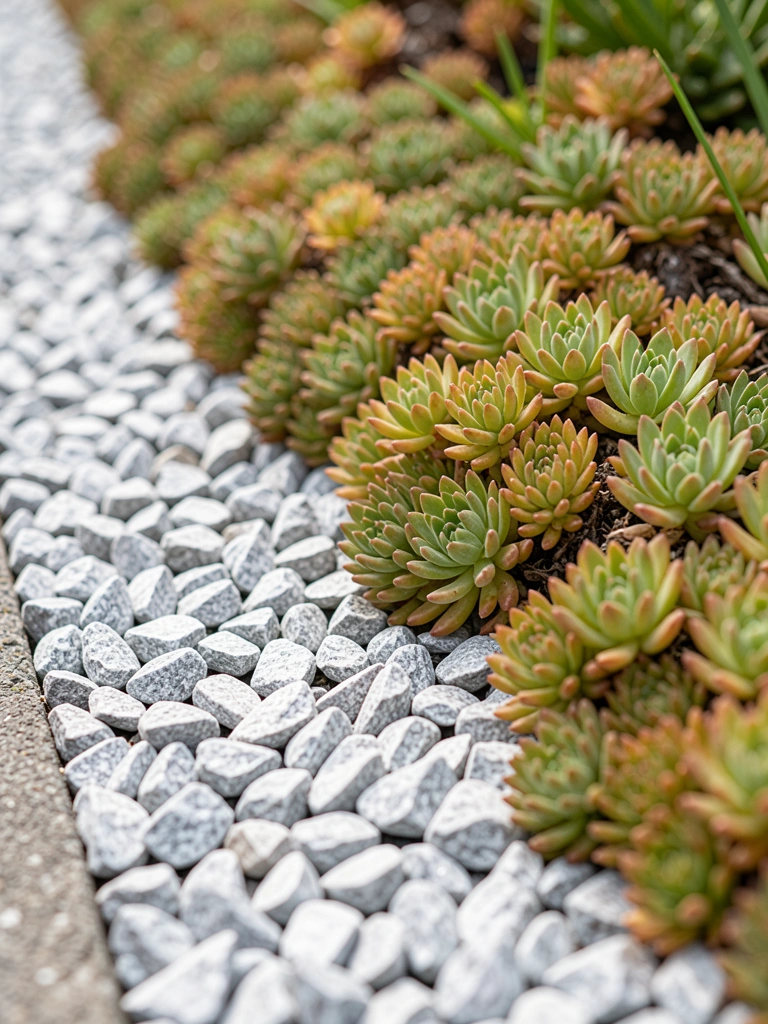
    18. Gravel Mulch Beds for Dry Tolerance

    Gravel mulch on sedum beds. Drought proof, clean look.

    No weeds.

    What You’ll Need for This Look

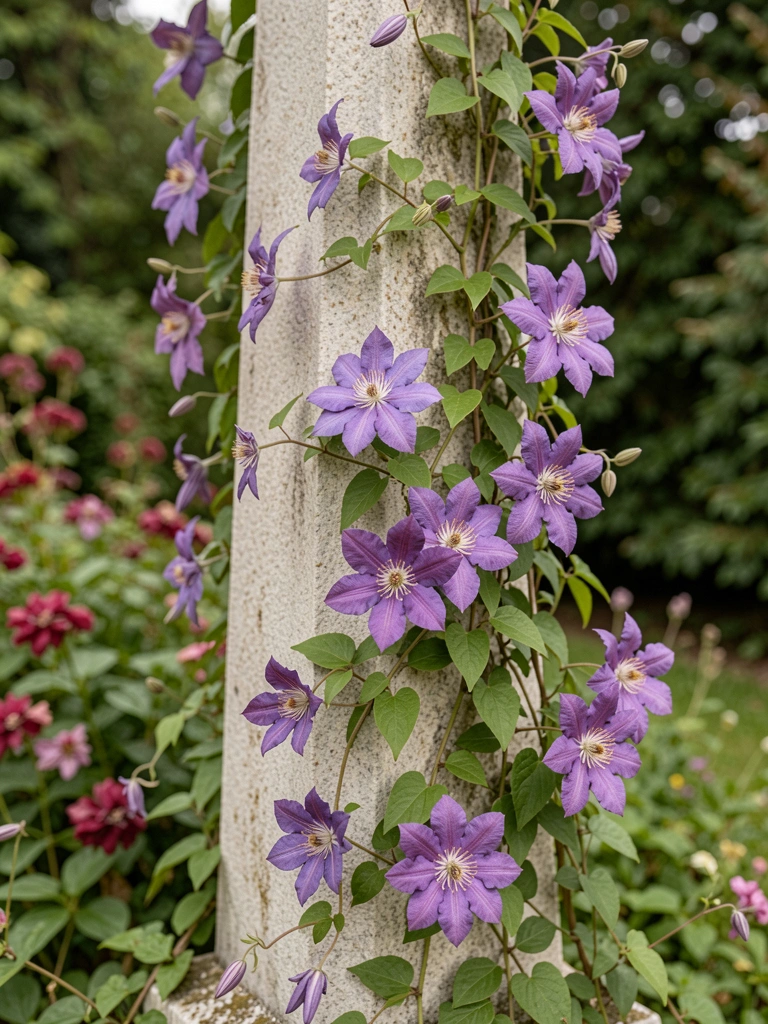
    19. Obelisk Climbers for Center Pops

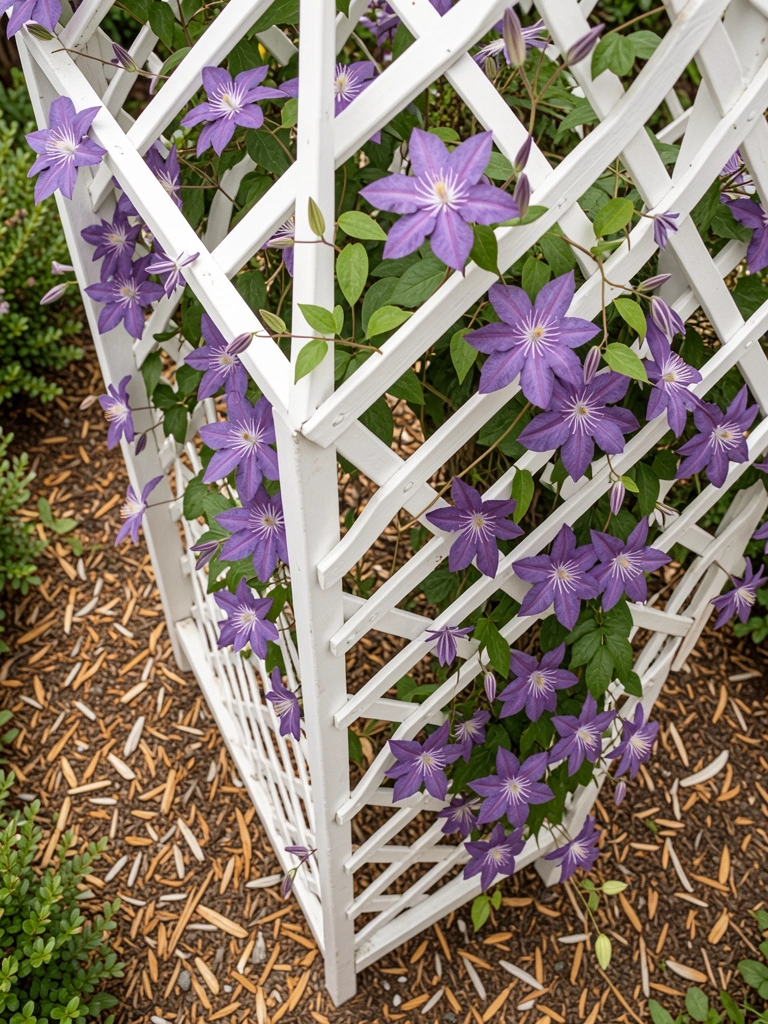
    Obelisk with clematis—vertical thrill in flat bed.

    Anchor deep.

    What You’ll Need for This Look

    20. Potager Beds with Edible Flowers

    Raised potager: veggies, nasturtiums trail. Eat and look.

    Rotate crops.

    What You’ll Need for This Look

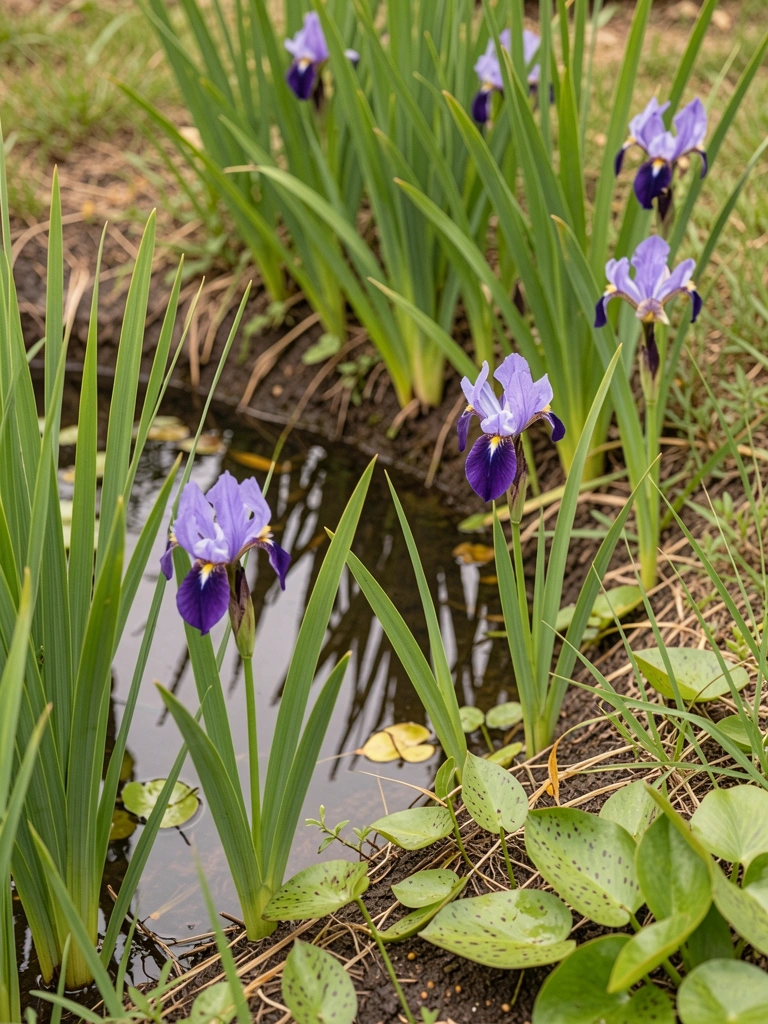
    21. Pond Edge with Moisture Lovers

    Pond rim: iris, loosestrife. Frogs move in, water reflects.

    Wet roots only.

    What You’ll Need for This Look

    Final Thoughts

    Pick one or two ideas that fit your yard. Start small—my gardens grew that way.

    They'll settle in over seasons, feel more you each year. You've got this; dirt waits.

  • 11 Beautiful Cottage Garden Ideas for Storybook Charm

    11 Beautiful Cottage Garden Ideas for Storybook Charm

    I remember the first time I stepped into a real cottage garden, not some magazine spread, but one tucked behind an old house. The flowers spilled everywhere, messy but right. It felt alive, like it breathed.

    My own plot started bare. I overplanted once, watched things crowd and thrive anyway. That's the secret—no perfection, just layers that work.

    These ideas come from years of trial. They'll give you that storybook feel without fuss.

    11 Beautiful Cottage Garden Ideas for Storybook Charm

    These 11 ideas build cozy cottage charm step by step. Each one pulls from what I've planted and fixed in my backyard. You can start small, see results fast.

    1. Layered Container Planting That Makes a Patio Feel Full

    I crammed pots on my back patio last spring, tallest in back, spillers in front. It turned a plain slab into a flower hug. Suddenly, sitting out there felt private, wrapped in green.

    The key was mixing heights—snapdragons up high, lobelia dangling low. Colors softened in the sun, pinks bleeding into purples. No bare soil showed by June.

    Watch drainage; I lost a pot to rot once from poor holes. Group them tight but lift smaller ones on bricks for air.

    Now coffee tastes better there. It fools the eye into more space.

    What You’ll Need for This Look

    2. Climbing Roses on a Simple Arbor for Vertical Bloom

    I built a basic arbor from scrap wood, planted 'New Dawn' roses at the base. By year two, it framed the gate like a secret entrance. Pink blooms hung heavy, scent hitting you first.

    It softened the fence line, made the yard feel deeper. Bees worked it all summer—no sprays needed.

    I pruned too hard once; learned to just deadhead spent flowers. Tie loose canes loose with twine, let them ramble.

    Walks under it now feel like stepping into a book.

    What You’ll Need for This Look

    3. Foxgloves and Lupines for Towering Color Without Stakes

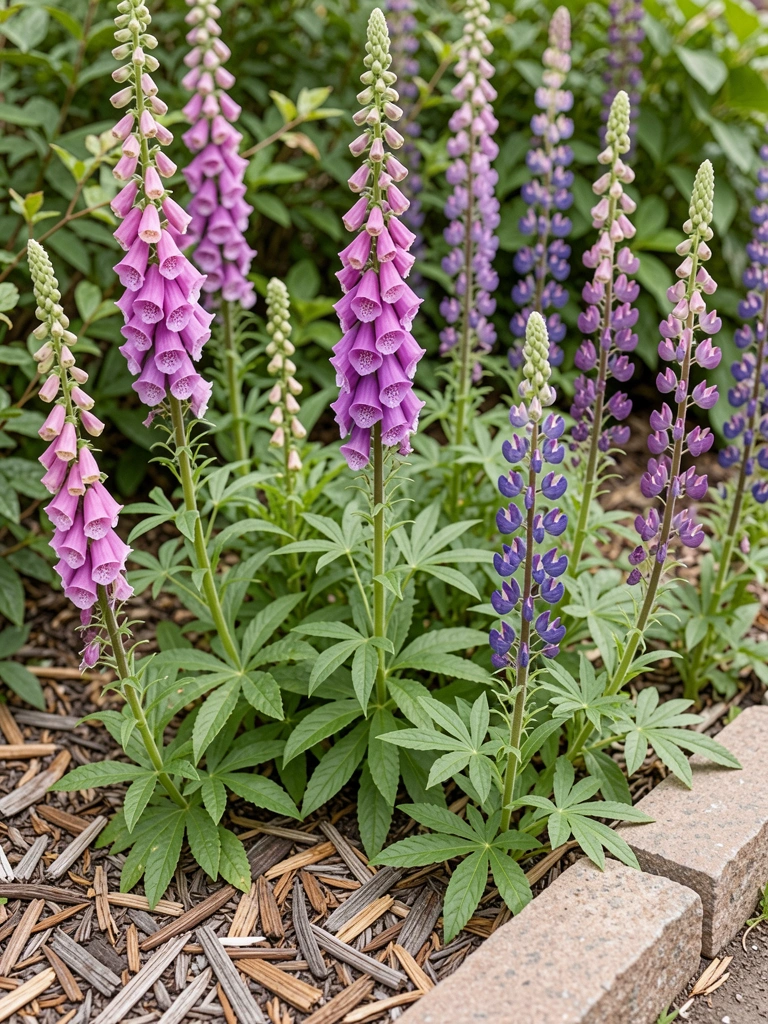
    Foxgloves self-seed in my shady corner, paired with lupines for purple spikes that hit five feet. No flopping; they lean on each other. It draws the eye up, hides the shed.

    Spots of color pop against the fence—biennials that return easy. Hummingbirds love them.

    Bought plugs once that didn't take; now I collect seeds from neighbors. Plant in fall for roots.

    The height makes small yards feel grand.

    What You’ll Need for This Look

    4. Gravel Paths Lined with Low-Growing Lavender

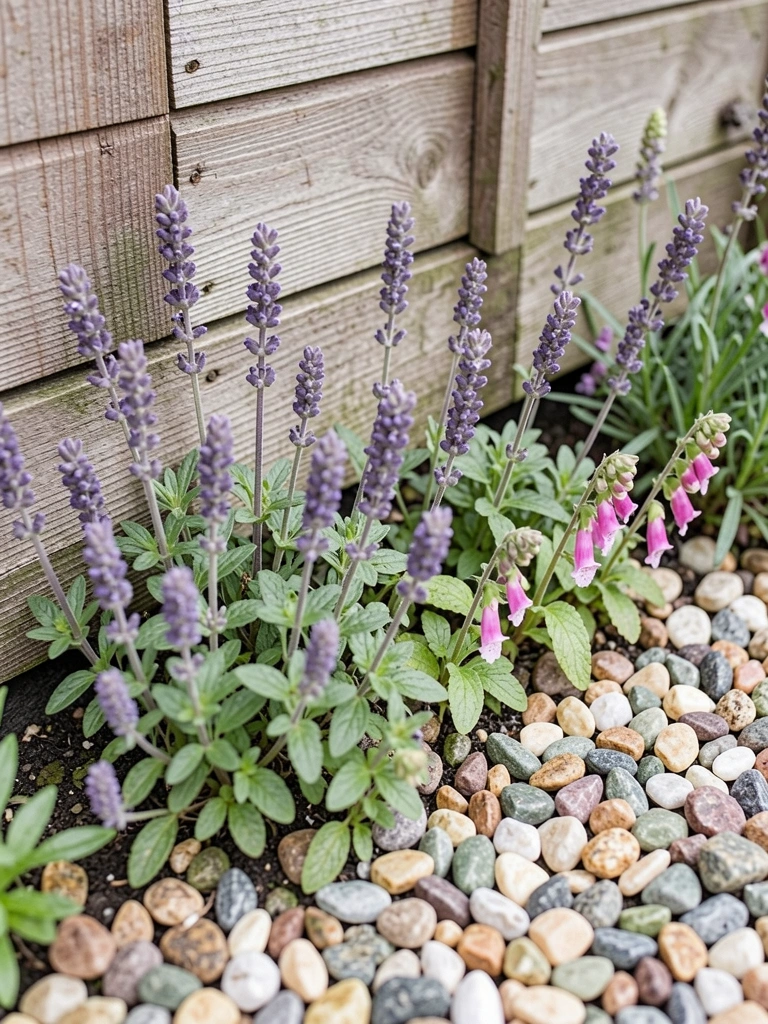
    I laid gravel paths between beds, edged with lavender 'Hidcote'. It crunches underfoot, releases smell when brushed. Guides you through without mowing edges.

    Silver leaves soften the stones; blooms draw butterflies close. Low maintenance once established.

    Weeds pushed through first year; now landscape fabric underneath holds. Trim after bloom, not too short.

    Feels like wandering a country lane.

    What You’ll Need for This Look

    5. Overplanted Beds That Fill in by Year Two

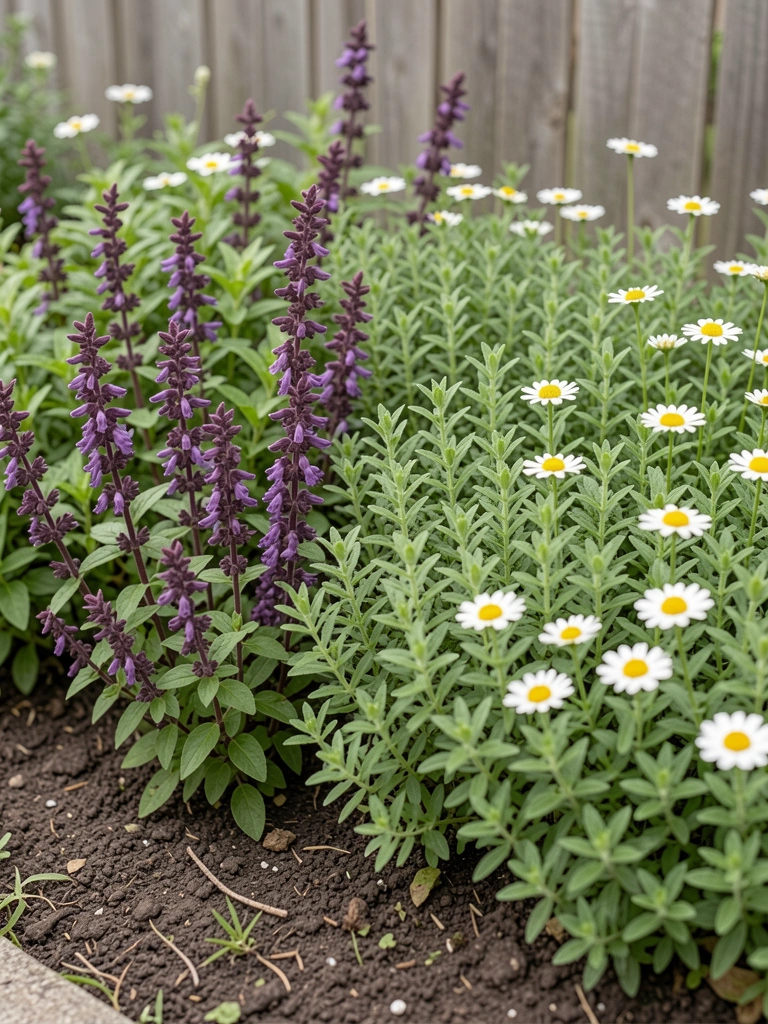
    I stuffed a bed with salvia, catmint, and shasta daisies, closer than labels said. Gaps closed fast; now it's a cloud of blue and white. No mulch shows.

    Perennials knit together, shade out weeds. Pollinators stay all day.

    Overdid sun lovers in shade once—lesson learned. Match light, water deep first summer.

    Saves time weeding forever.

    What You’ll Need for This Look

    6. Hanging Baskets Dripping with Nasturtiums

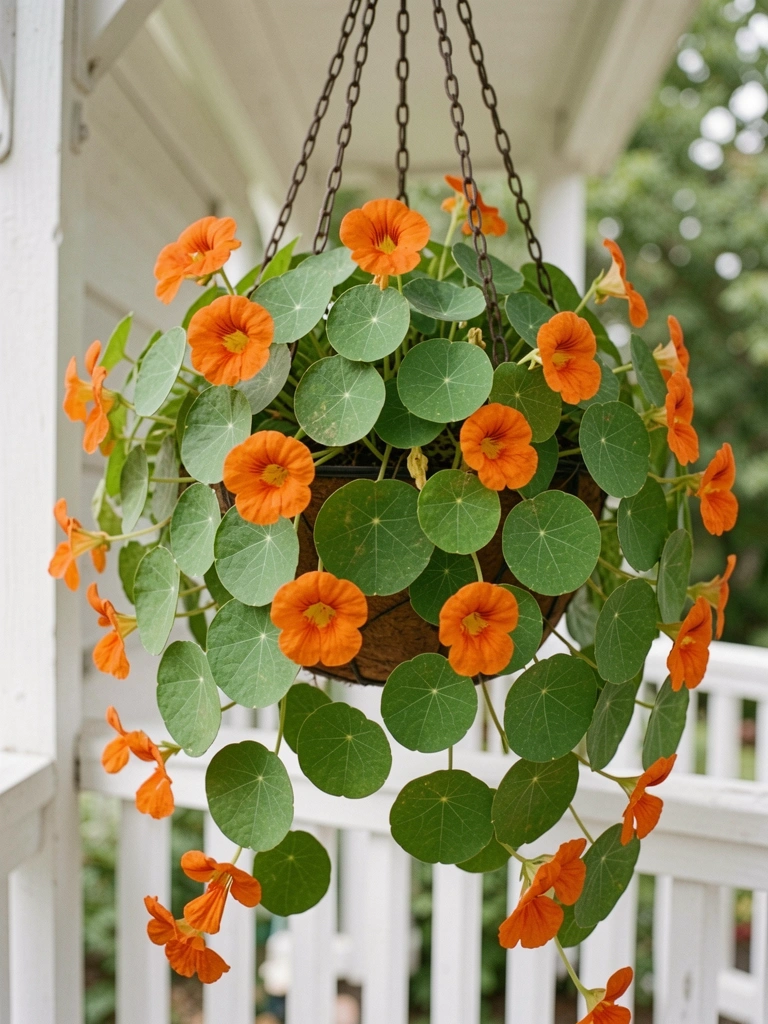
    Nasturtiums in wire baskets off the porch—edible flowers trail two feet. Bright orange pops against siding, hides the rail.

    They climb if you let them, fill space quick from seed. Peppers the air mildly.

    Planted too deep once; surface sow now. Deadhead to keep blooming.

    Easiest color burst.

    What You’ll Need for This Look

    7. A Cozy Bench Nook with Rambling Vines

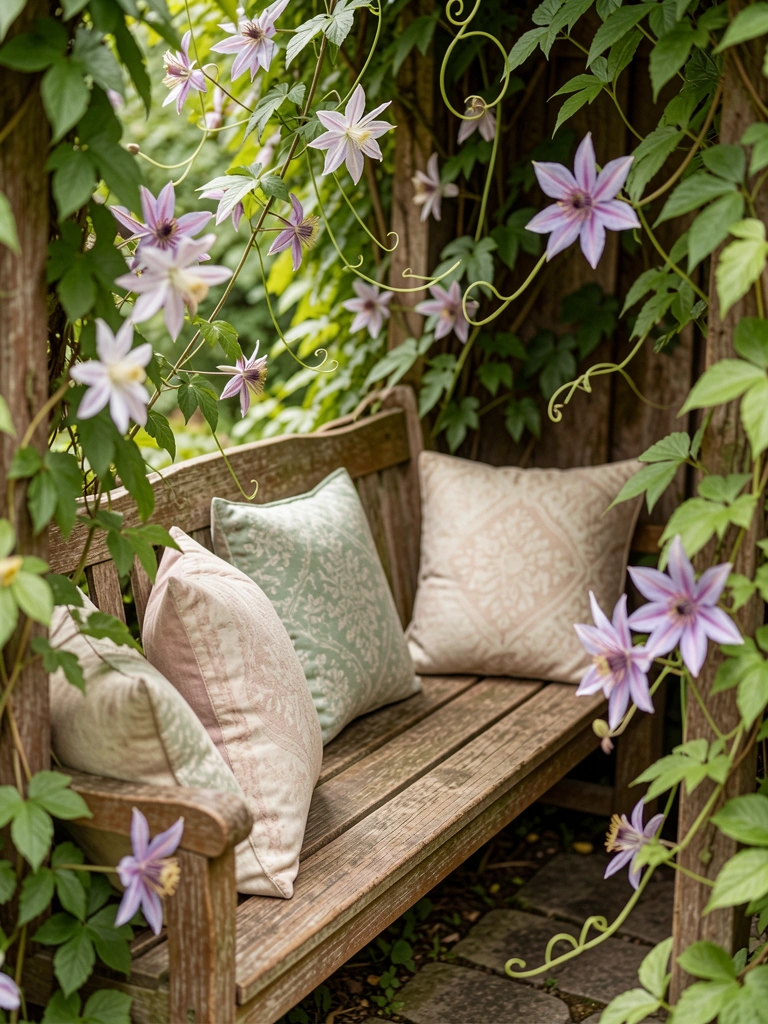
    Tucked a bench by the fence, let clematis 'Jackmanii' cover it. Purple flowers frame your view; sit and the world quiets.

    Vines knit privacy fast. Flowers last weeks.

    I chose wrong variety first—slow grower. Pick vigorous ones, train early.

    Perfect reading spot now.

    What You’ll Need for This Look

    8. Self-Seeding Poppies for Effortless Return

    Poppies scatter seeds in my front bed, pop up orange and pink each spring. No replanting; they naturalize soft.

    Papery blooms sway, seed heads feed birds later.

    Pulled too many babies first year—now thin gently. Full sun, poor soil suits them.

    Wild touch without work.

    What You’ll Need for This Look

    9. Herb Garden in Old Wheelbarrows

    Repurposed a dented wheelbarrow for thyme, chives, rosemary. Rolls to sun, smells hit when cooking.

    Compact, no digging beds. Harvest fresh daily.

    Overwatered basil trial failed; herbs take dry better. Drill holes if needed.

    Kitchen door views improved.

    What You’ll Need for This Look

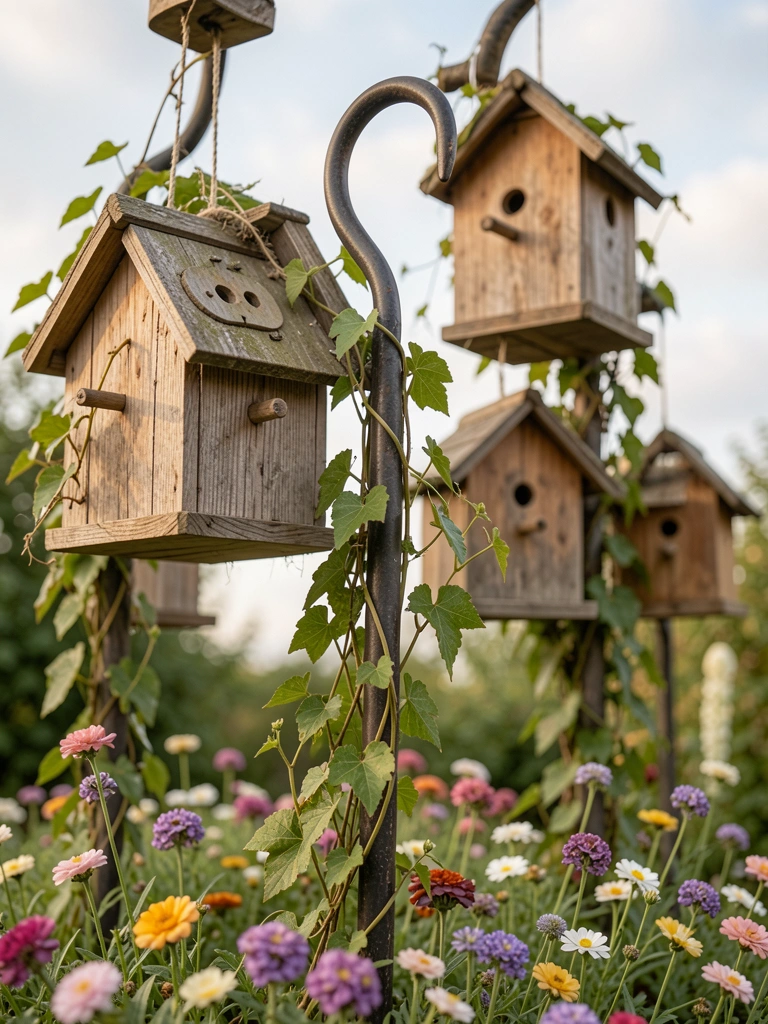
    10. Birdhouse Cluster on a Shepherd's Hook

    Clustered birdhouses on a tall hook near the feeder. Wrens nested; song fills mornings. Rustic wood blends cottage style.

    Adds height without plants. Chickadees claim them quick.

    Placed too close to path first—birds spooked. Hang high, quiet spot.

    Life in the garden doubled.

    What You’ll Need for This Look

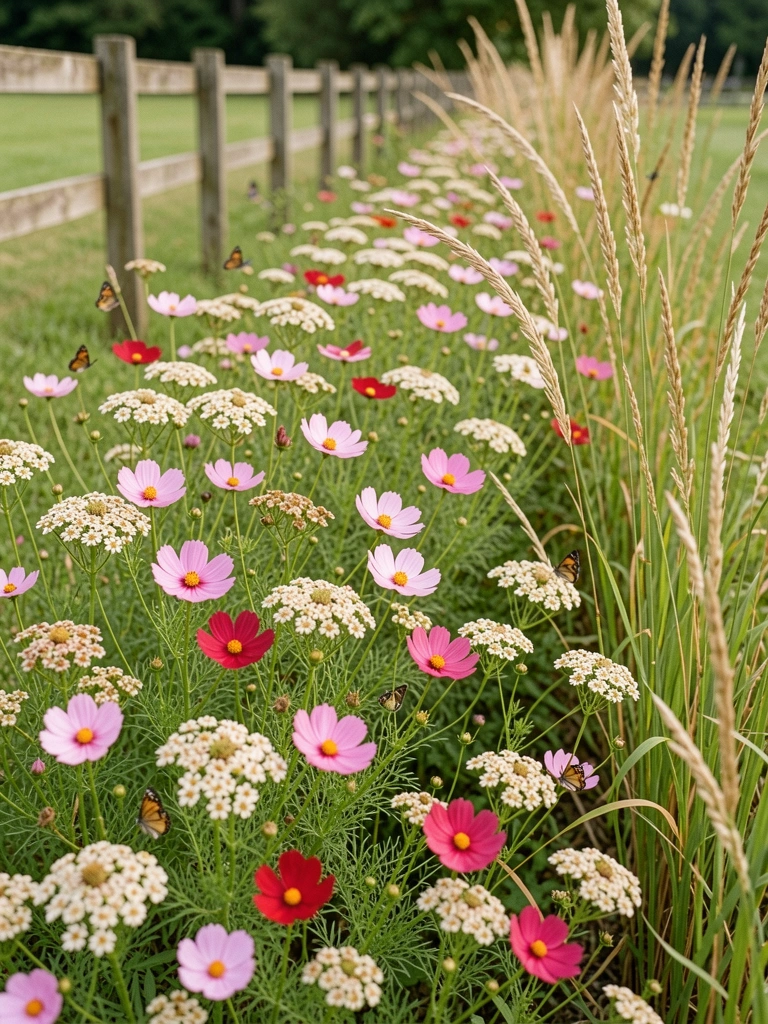
    11. Meadow Mix at the Garden Edge

    Sowed meadow mix—cosmos, yarrow—along the back fence. Grows loose, waves in wind. Ties yard to wild.

    Blooms late summer, seeds overwinter. Low water after.

    Mowed too early once; wait till spring. Scatter thick.

    Feels boundless now.

    What You’ll Need for This Look

    Final Thoughts

    Pick one or two ideas that fit your spot. My garden grew this way—slow, real changes.

    No need for the whole list. Watch what takes hold, adjust next year.

    You'll have that cozy charm soon. It feels good.

  • How to Decorate Cottage Garden Shed

    How to Decorate Cottage Garden Shed

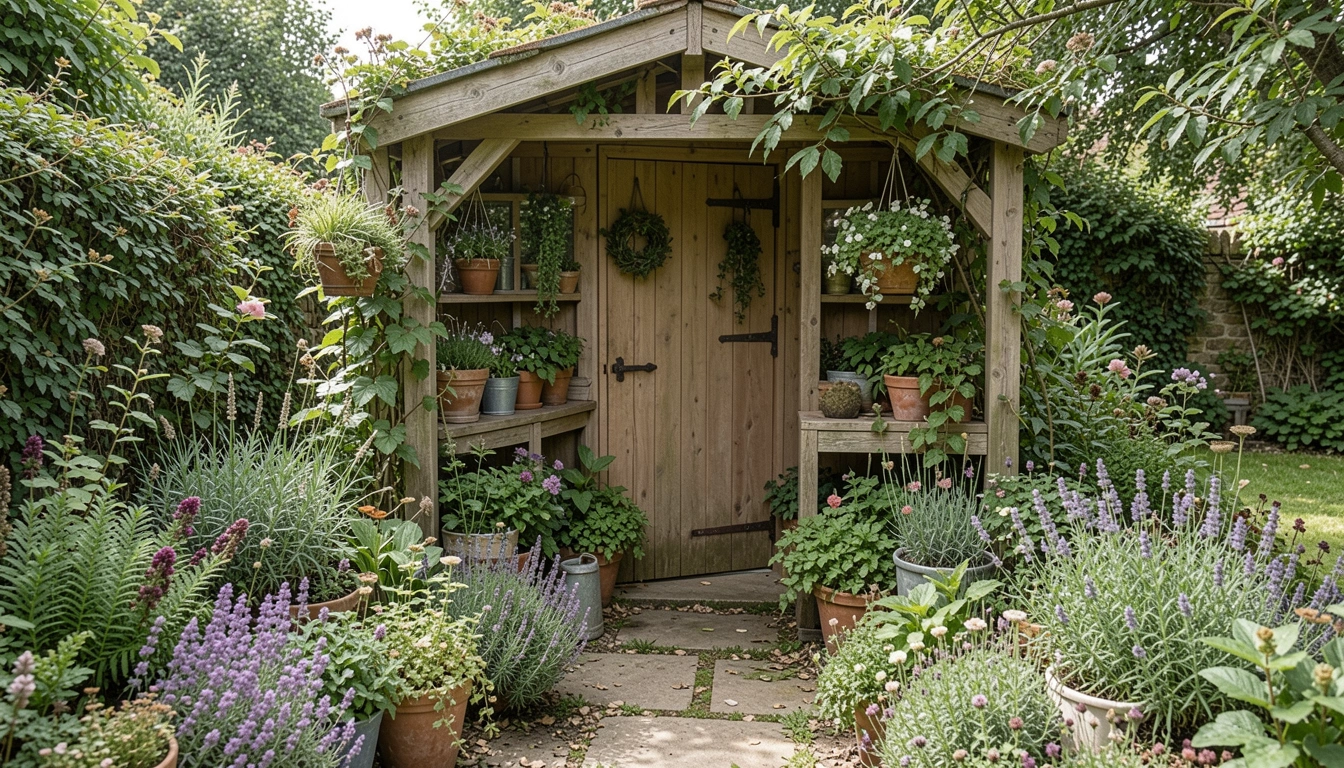
    My cottage garden shed sat there plain and boxy. It stuck out against the soft curves of the flower beds. I walked past it every day, feeling off-balance.

    One afternoon, I stopped staring. The shed needed to blend in, not shout. It could hold tools and still feel right.

    I started small. Now it sits cozy in the garden, like it grew there.

    How to Decorate Cottage Garden Shed

    This is the way I settle a shed into a cottage garden. You'll end up with a warm spot that pulls the eye gently, without extra work.

    What You’ll Need

    Step 1: Clear the Walls and Stand Back

    I walk around the shed first. Pull off anything nailed up. Let the walls breathe.

    Now the shape shows true. Wood grain catches light. It feels honest, ready.

    People miss how empty space sets the tone. Don't crowd yet. Mistake: hanging too soon. Wait till it settles.

    Balance comes from nothing at first. Step back ten feet. See the lines flow into the garden.

    Step 2: Anchor with Climbing Greens

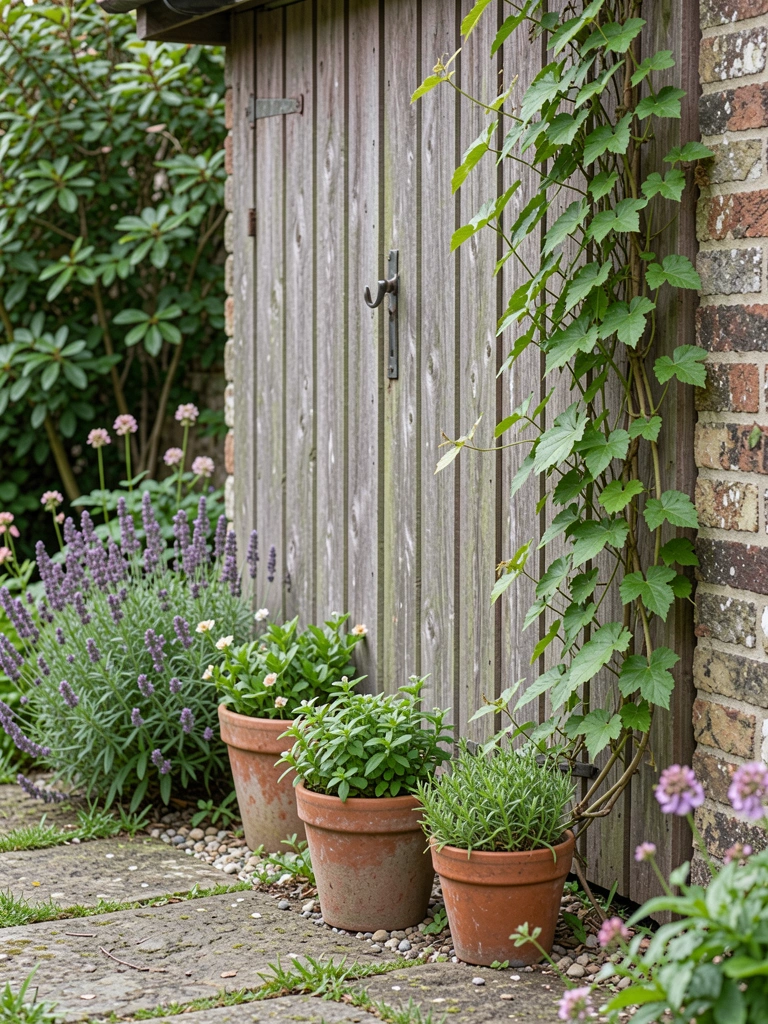
    I pick spots where vines can climb natural. Hook [wrought iron hanging bracket, rustic black] at eye level, two per side.

    Tuck in ivy or clematis starters. They soften edges right away. The shed pulls back into the beds.

    Insight: greens hide flaws but show structure. Avoid overplanting one side. It tips the view.

    Watch how shadows play. It feels grounded now, less boxy.

    Step 3: Layer Pots for Depth

    I hang [clay terracotta pots, set of 3 assorted sizes] from brackets. Fill with [herb plant bundle, lavender rosemary thyme]. Cluster low ones too.

    Layers build out from the wall. Textures mix—rough clay, soft leaves. Eye moves easy.

    Missed often: odd numbers feel right. Don't line them even. Skip filling every pot full.

    It warms the front now. Touches the path.

    Step 4: Add Shelves and Everyday Holds

    Screw up the [wooden crate shelf, reclaimed pine 24-inch]. Lean a [vintage galvanized metal bucket, 10-inch] inside.

    Tuck [vintage-style watering can, green enamel]. Everyday things sit ready. No fuss.

    People forget shelves tie high and low. Avoid centering perfect. Offsets look lived-in.

    Visual shift: shed holds the garden now. Balanced weight.

    Step 5: Soften with Draped Light

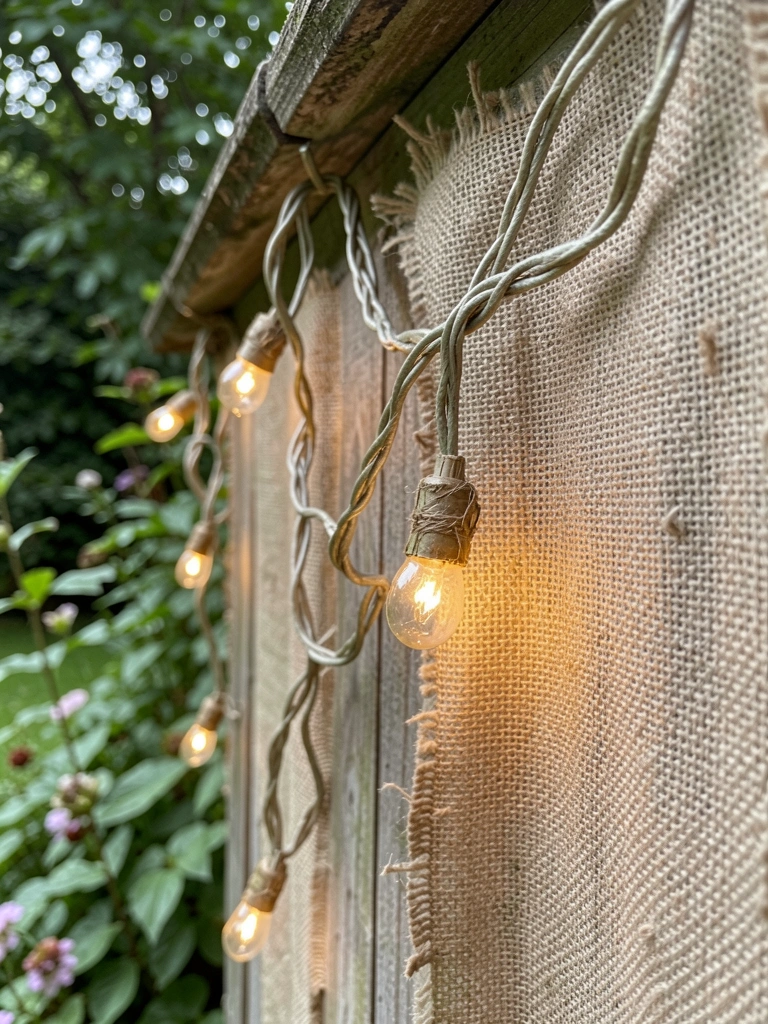
    Drape [twine-wrapped fairy lights, 33-foot warm white] along the roof edge. Wrap [burlap fabric remnant, natural 5-yard] loose under.

    Light pools soft at dusk. Adds cozy without glare.

    Insight: loose hangs follow the lean. Don't stretch tight. It fights the cottage feel.

    Evening changes it—inviting, part of the paths.

    Step 6: Step Back and Nudge

    Walk the path past it. Nudge pots fuller out. Trim a vine crossing sightline.

    Everything settles. Balance shows in flow.

    Common miss: over-tidy. Leave some lean. Avoid matching colors exact.

    It fits now. Quiet pull.

    Year-Round Interest

    I swap herbs for evergreens in winter. Keeps the green alive.

    • Lavender toughs cold; add hellebores below.
    • Lights stay year-round for short days.

    Summer, spill trailing lobelia from pots. No big changes needed.

    Feels steady through seasons.

    Handling Weather Wear

    Rain fades paint over time. I like the patina.

    • Brush dirt off crates monthly.
    • Check brackets after storms.

    Burlap softens in wet. Replace if it sags.

    Stays comfortable, not new.

    Small Space Tweaks

    Narrow sheds? Hang single pots high.

    • Use wall space over doors.
    • Ground crates double as steps.

    Keeps flow open. Eye rests easy.

    Final Thoughts

    Start with one wall. See how it sits.

    Your shed will blend quiet. No rush.

    It holds tools and memories now. Walk by tomorrow different.

  • How to Design Cottage Garden Shed Beautifully

    How to Design Cottage Garden Shed Beautifully

    I stared at my garden shed one spring morning. It sat there plain and boxy, pulling the whole yard off balance. The cottage feel I wanted just wasn't there.

    I'd tried pots around it before. They tipped over in wind, looked forced. The shed needed to blend, not stand out.

    Now, after a few tries, it fits. Warm plants climb it. The space flows easy.

    How to Design Cottage Garden Shed Beautifully

    This shows you how I settle a shed into a cottage garden. It ends up cozy and balanced, like it grew there. You can do this over a weekend.

    What You’ll Need

    Step 1: Settle the Shed's Base

    I start low, right at the shed's feet. A thin gravel path softens the hard edges. It pulls your eye in gentle.

    Without it, the shed looks planted flat on dirt. Gravel adds that lived-in feel right away. Things shift visually—now it breathes.

    People miss how paths set mood. Skip straight to plants, and it crowds. Avoid piling gravel too thick; one inch does it.

    I rake it smooth but not perfect. Walk it daily at first. It settles cozy fast.

    Step 2: Layer Low Plants Around the Edges

    Next, I tuck in low growers like lavender. They hug the base, fill gaps without pushing out.

    The shed warms up here. Colors soften—purple blooms against wood. It feels rooted now.

    Most overlook spacing. Plant too close, they fight for sun. Leave elbow room; they spread happy.

    I water deep once a week. Mistake? Forgetting drainage holes in pots nearby. They rot roots quick.

    Step 3: Add Vertical Climb for Height

    I fix the trellis high on one side. Climbing roses go there—they pull up soft.

    Now the shed has flow. Vines break the boxy lines. Balance tips right; it's not squat anymore.

    Insight: climbers hide flaws best. Folks pick wrong ones—too heavy. Roses stay light.

    Don't nail trellis dead center. Off to the side draws the eye around. Tie loose at first.

    Step 4: Fill Mid-Layer with Spilling Blooms

    Obelisks go mid-height with sweet peas. They spill over pots, add that cottage tumble.

    Visual shift: layers stack now. No bare spots. Feels full but open.

    Missed bit: mid plants bridge low and high. Without, it looks leggy. Avoid overplanting; pick three types max.

    I snip spent blooms weekly. Keeps it tidy without trim.

    Step 5: Balance with a Rest Spot

    Last, a gravel loop to a bench. It invites pause, frames the shed.

    Everything settles. Flow pulls you close, then out. Intentional without try-hard.

    People forget the sit spot. Garden feels for show. Don't crowd the bench; let plants frame it.

    I shift pots seasonal. Mistake: fixed spots block doors.

    Pairing Plants for Year-Round Interest

    I mix heights and bloom times around my shed. Roses climb summer. Lavender holds spring and fall.

    Foxgloves spike early, sweet peas trail late. No dead seasons.

    • Roses for height and repeat blooms.
    • Lavender for scent and evergreen base.
    • Sweet peas for quick color fill.

    This keeps eyes happy all year.

    Softening Edges with Paths and Gravel

    Gravel paths curve natural. They lead without straight lines.

    I widen at the door. Narrows to plants. Feels welcoming.

    Bullets for ease:

    • One-inch layer max.
    • Rake curves weekly.
    • Mix in moss for age.

    Edges blur soft now.

    Low-Maintenance Cottage Touches

    I deadhead once a week. Prune climbers light in winter.

    Pots swap easy for tired spots.

    • Mulch base yearly.
    • Water deep, less often.
    • Let some self-seed.

    It stays comfortable with little work.

    Final Thoughts

    Start with just the gravel path. See how it shifts things.

    You've got this—one layer builds the feel.

    My shed sits happy now. Yours will too. Dig in slow.

  • 10 English Cottage Garden Sheds Full of Charm

    10 English Cottage Garden Sheds Full of Charm

    I built my first shed from scratch, but it sat there plain and forgotten amid the flowers. One summer, I let climbers take over, hung pots, added a splash of color. Suddenly, it felt like part of the garden, not apart from it.

    That shift changed everything—tools inside, plants outside, all cozy.

    If your shed's just storage, these tweaks from my muddy hands will make it charming without much work.

    10 English Cottage Garden Sheds Full of Charm

    Here are 10 ideas for English cottage garden sheds I've tried or fixed in real plots. They add charm that grows with time. You'll see exactly what works.

    1. Climbing Roses Hugging Weathered Shed Walls

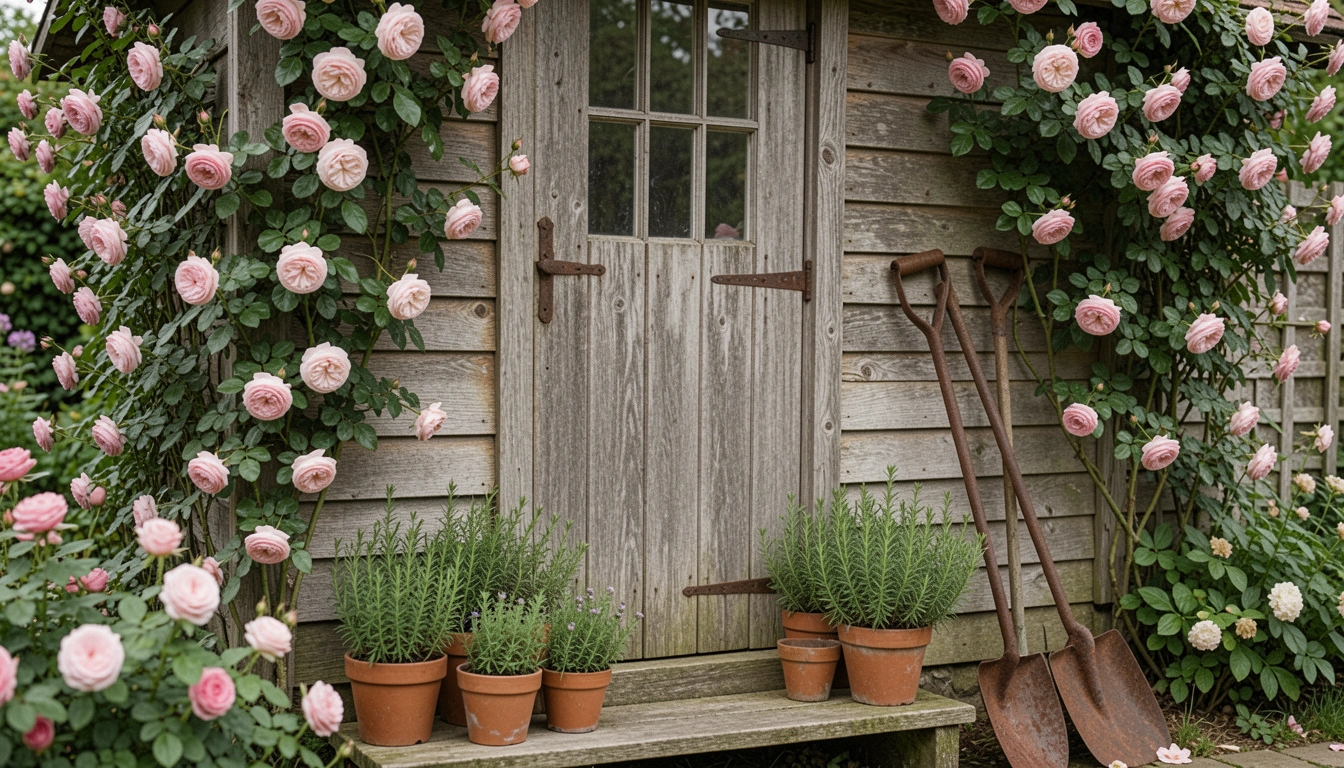
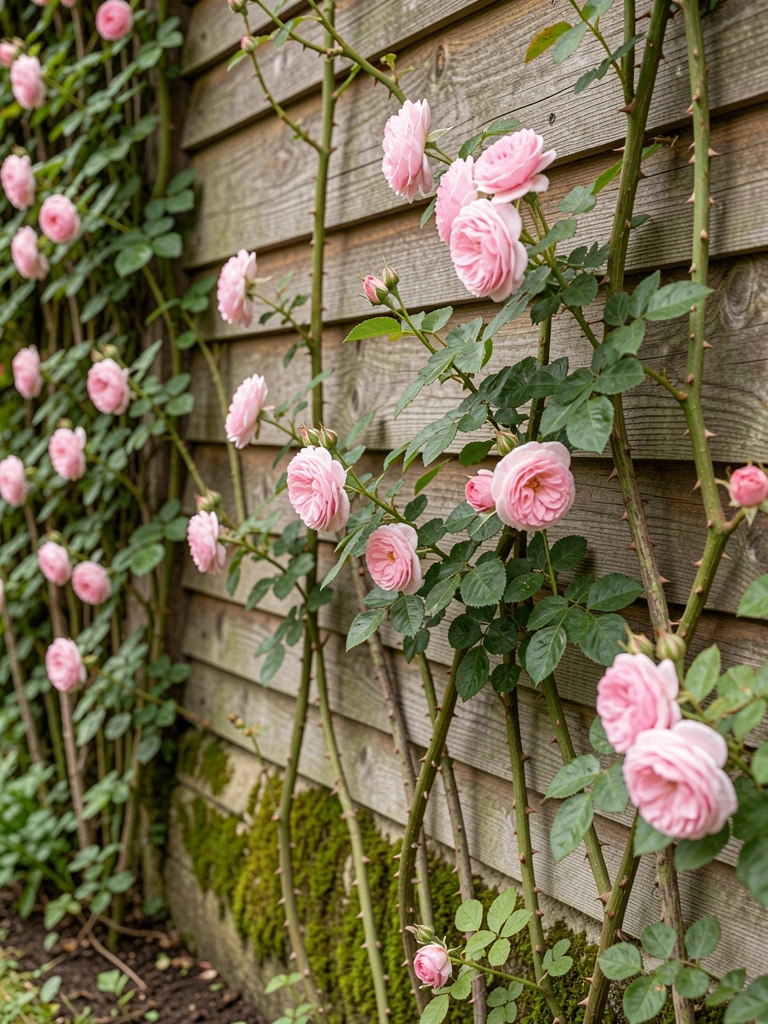
    I planted 'New Dawn' roses at my shed's base three years back. They scrambled up unevenly at first, but now they hug the walls like they've always been there. The pink flowers soften the rough wood, and in summer, you brush past petals to grab tools.

    It pulls the shed into the cottage vibe—no stark lines, just soft curves. I learned to tie them loosely; tight wires snapped in wind.

    Watch for black spot; prune lightly each spring. This makes entering feel welcoming, like stepping into a hug.

    What You’ll Need for This Look

    2. Window Boxes Overflowing with Trailing Petunias

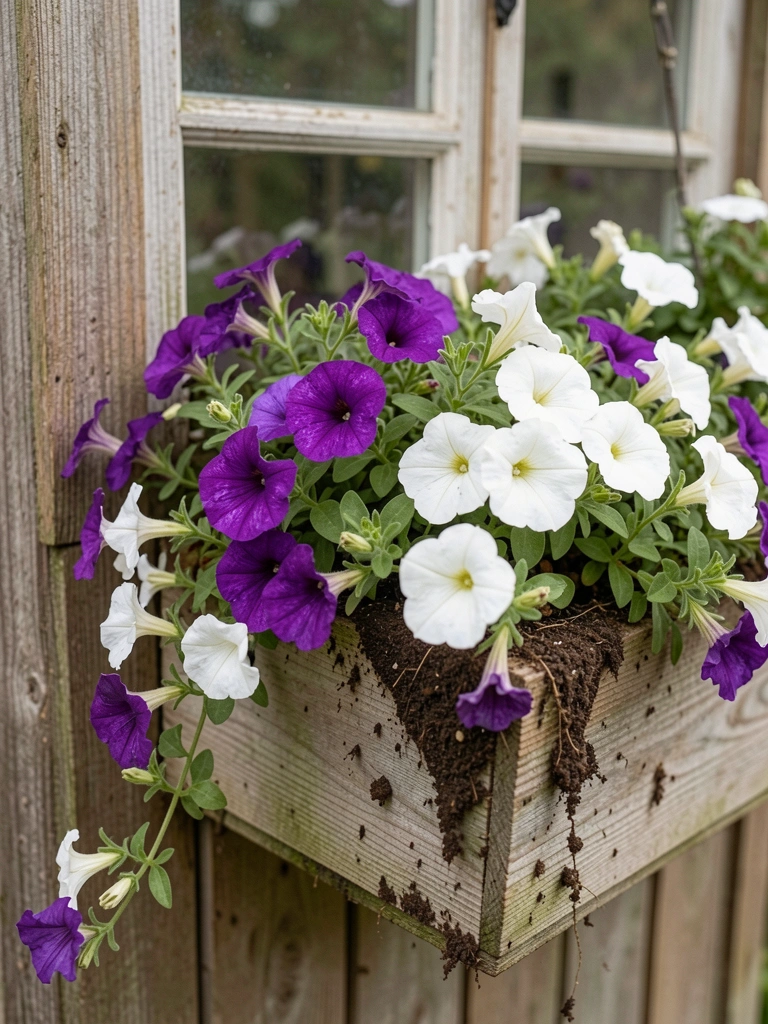
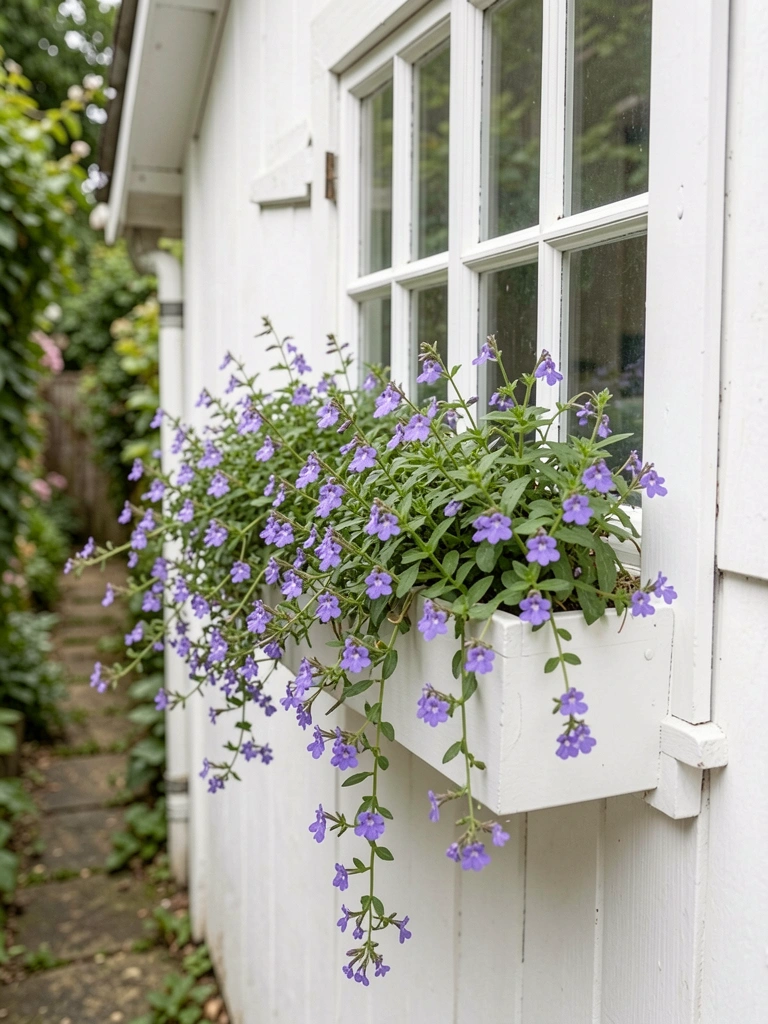
    My shed windows were bare, so I nailed up old window boxes and stuffed them with petunias. They trail down now, purple waves brushing the sills. Mornings, the scent hits you first—sweet and heavy.

    It frames the glass perfectly, turning a plain view into something alive. I overplanted once; stems got leggy. Now I pinch tips weekly.

    Pay attention to drainage—soggy roots rot fast. This bit adds color without ground clutter.

    What You’ll Need for This Look

    3. Soft Green Painted Door with Scuffed Edges

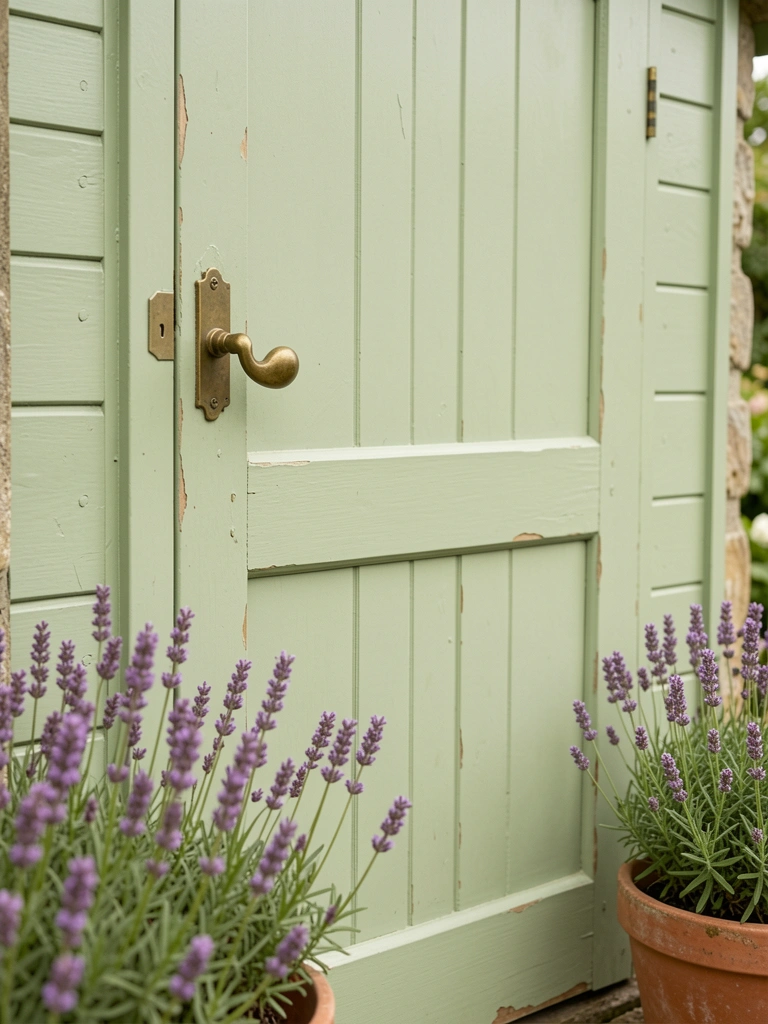
    I painted my shed door in faded green—Farrow & Ball's 'French Gray' mixed lighter. It blended with the hedges right away, but I sanded edges for that worn look. No perfect coat; chips show use.

    Now it pops gently against brick paths. I chose exterior paint wrong once—peeled in rain. Test small first.

    This draws you in without shouting. Handle gets warm in sun, nice to touch.

    What You’ll Need for This Look

    4. Hanging Baskets Dripping Fuchsias at the Entrance

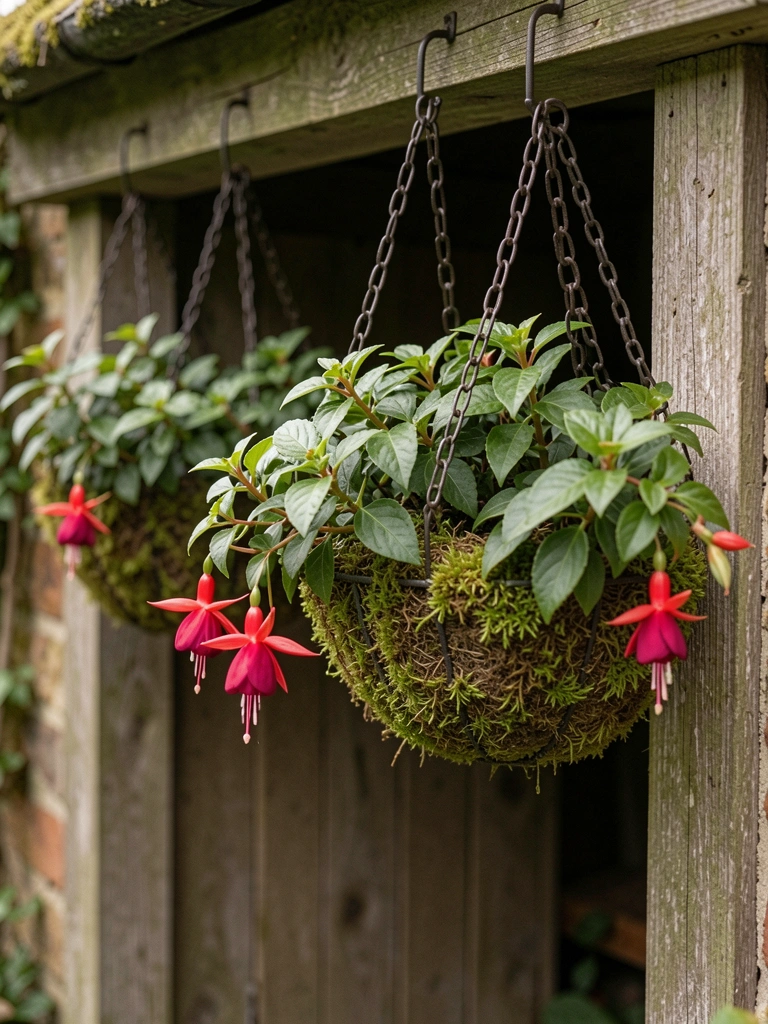
    Chains from shed eaves hold fuchsia baskets—deep pink bells swaying. I water them from inside now, hose through the window. They shade the door on hot days.

    Baskets make the entrance feel framed, cozy. Planted too full at first; watered daily. Space them now.

    Hook strong—wind snaps weak ones. This nods to old cottage ways.

    What You’ll Need for This Look

    5. Reclaimed Timber Siding with Patched Gaps

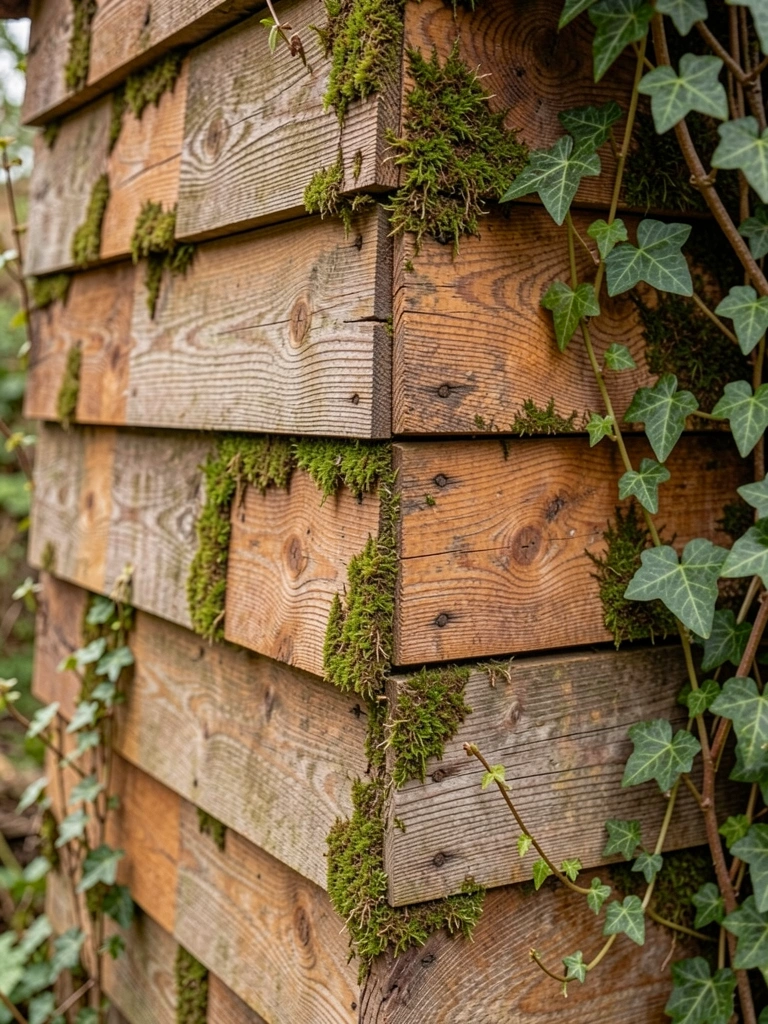
    Sourced old fence boards for my shed sides—nails out, gaps filled with mortar and moss. It weathers silver now, matching the apple tree bark.

    Feels solid, part of the land. Gaps let mice in once; sealed smart now.

    This ages gracefully, no upkeep paint. Run hands over texture—real.

    What You’ll Need for This Look

    6. Solar Lanterns Lining the Path to the Shed

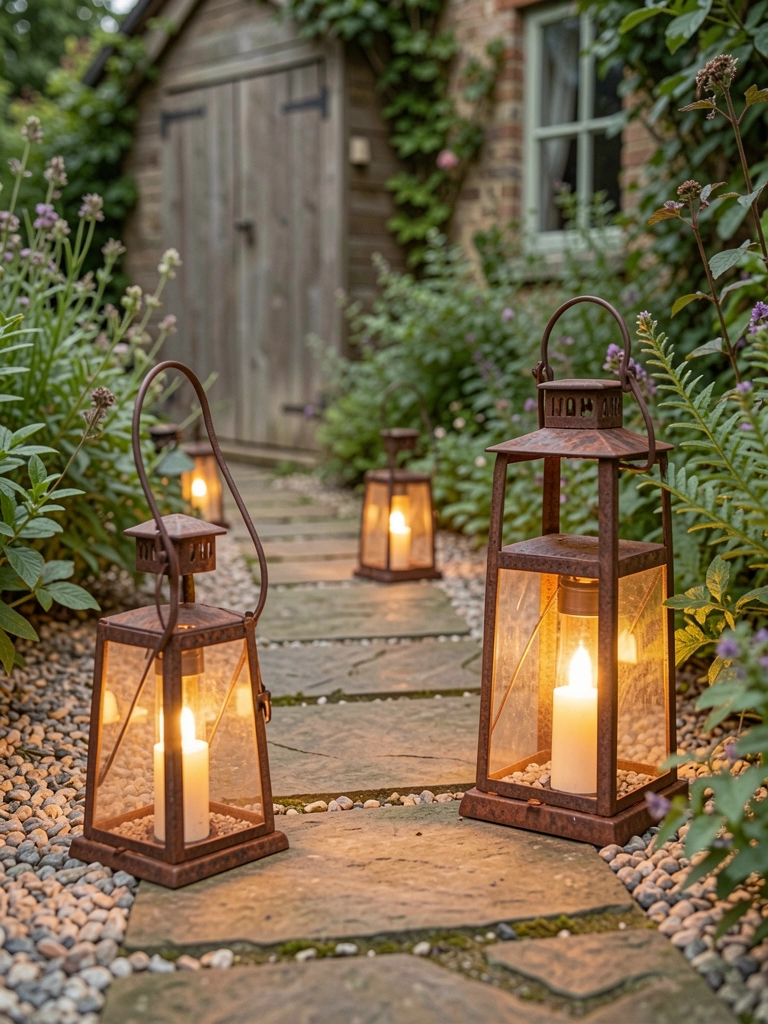
    Stuck solar lanterns along the gravel path—black metal ones that glow amber at dusk. Lights the way to the shed without wires.

    Evenings feel safe, inviting. Batteries failed cheap ones; these last years.

    Stake firm in soft soil. Pulls the shed into night garden.

    What You’ll Need for This Look

    7. Lavender Pots Flanking the Shed Steps

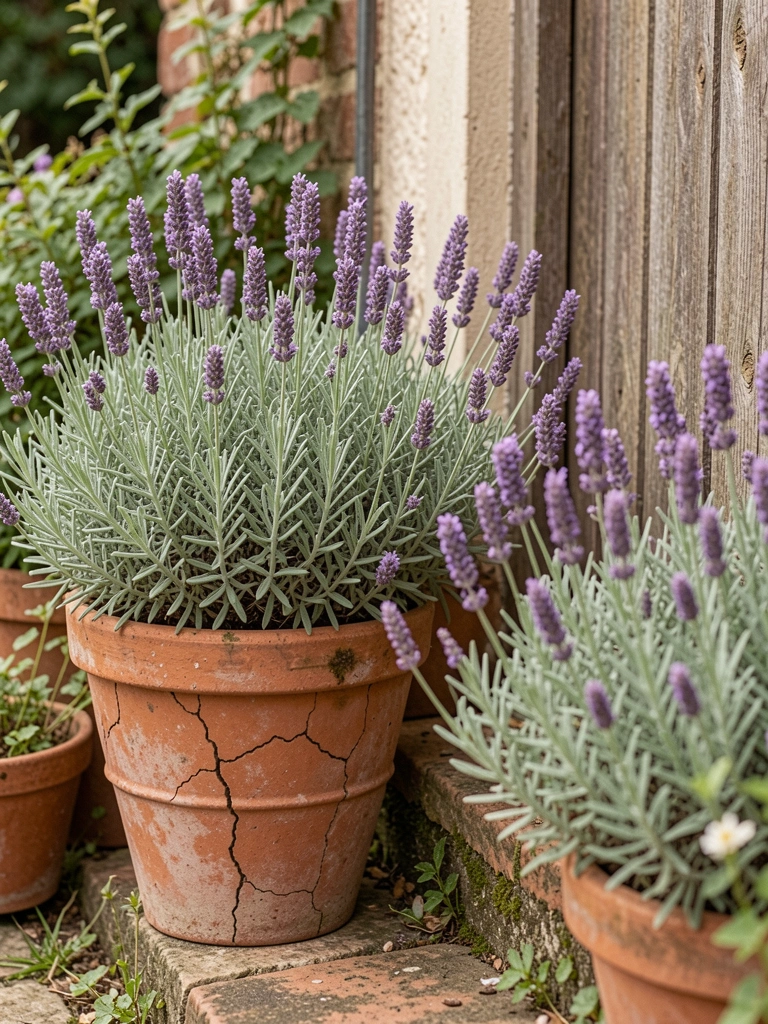
    Two big terracotta pots of 'Hidcote' lavender bookend my steps. Bees hum all summer; rub leaves for scent.

    Defines the entry clean. Overwatered young plants once—yellowed. Dry soil suits them.

    Brush past—calms you before work. Low fuss forever.

    What You’ll Need for This Look

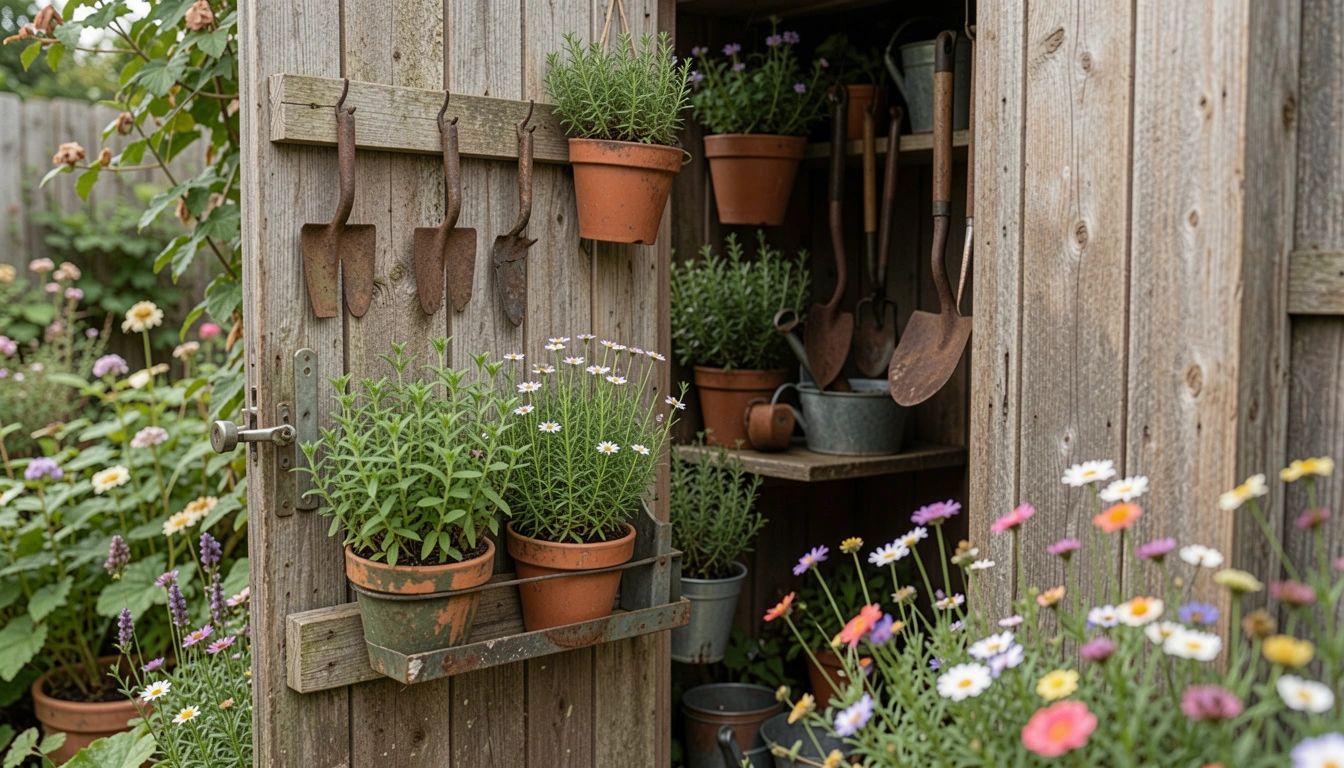
    8. Vintage Tool Rack Inside the Open Door

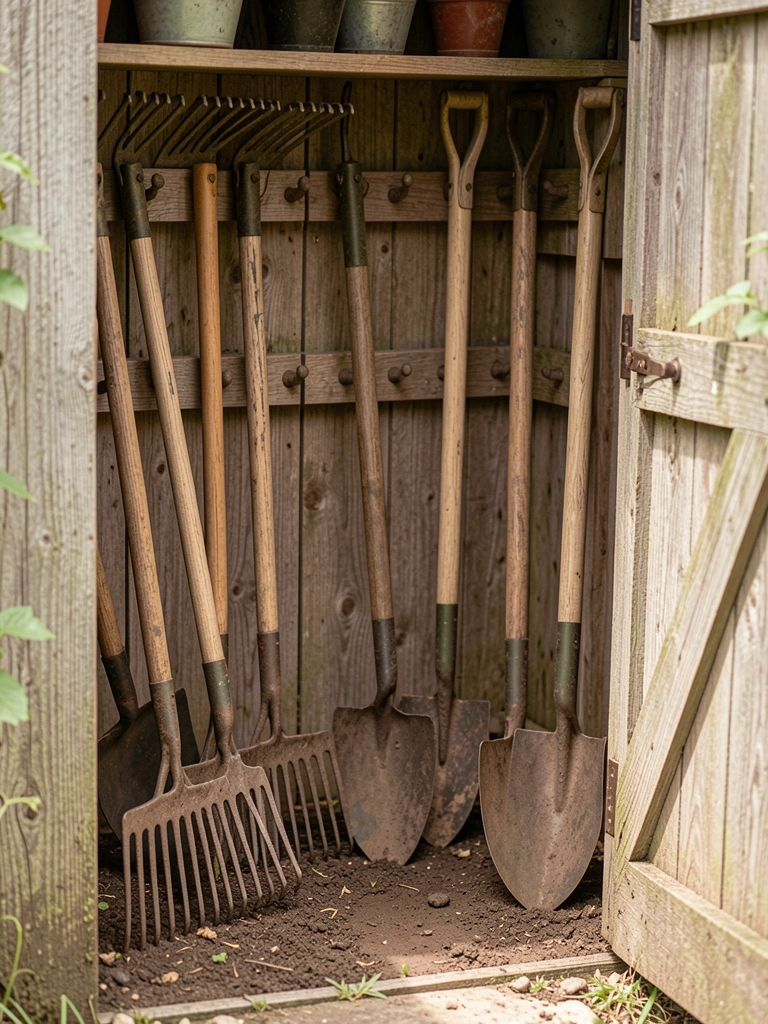
    Nailed a pallet rack inside my door for tools—shovels, shears hang handy. Open door shows it off, organized but rough.

    No more hunting; grab and go. Rack sagged heavy tools; braced now.

    This makes the shed useful, charming peek. Dust tools weekly.

    What You’ll Need for This Look

    9. Built-In Potting Bench from Salvaged Boards

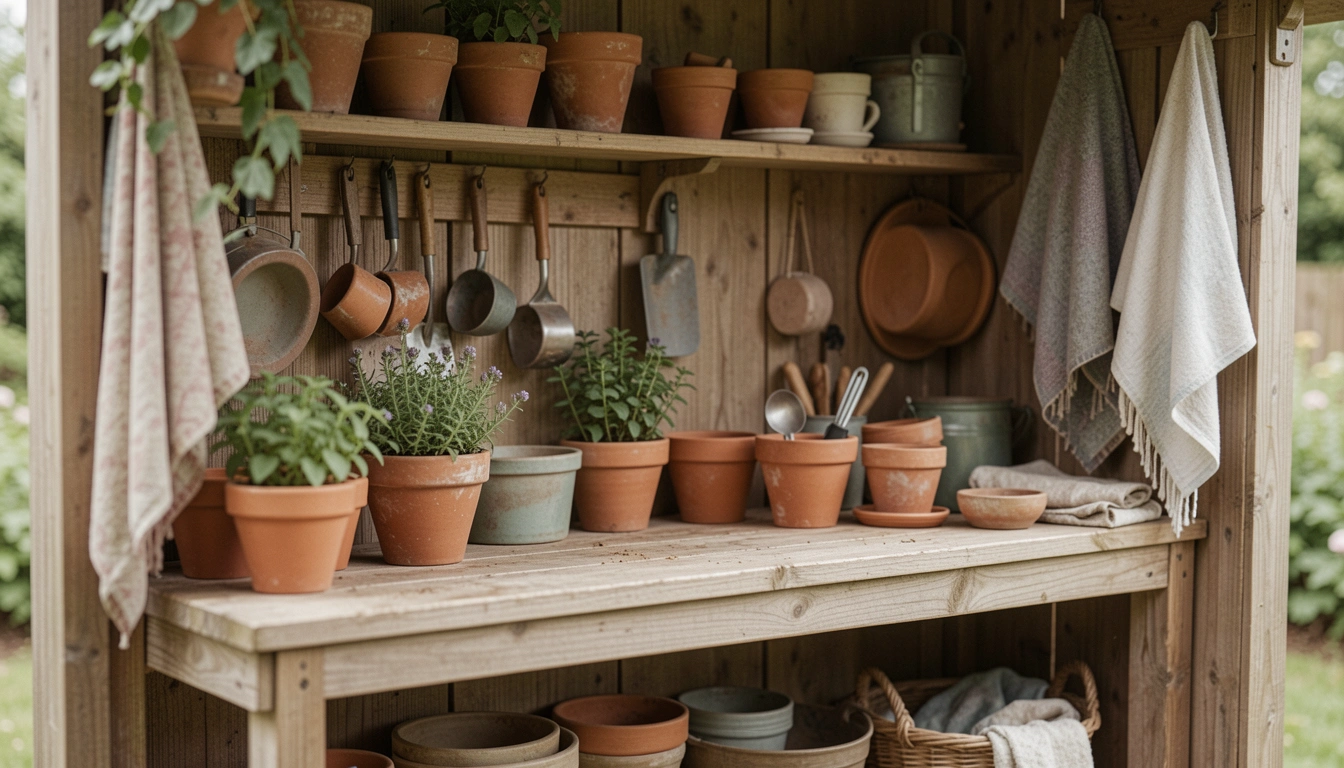
    Screwed a bench from old shelves inside—basin from a bucket, shelf for pots. Work right there, mess stays put.

    Feels like a station, not chaos. Level wrong first—wobbly. Shimmed it.

    Pots line up neat. Rainy days still work.

    What You’ll Need for This Look

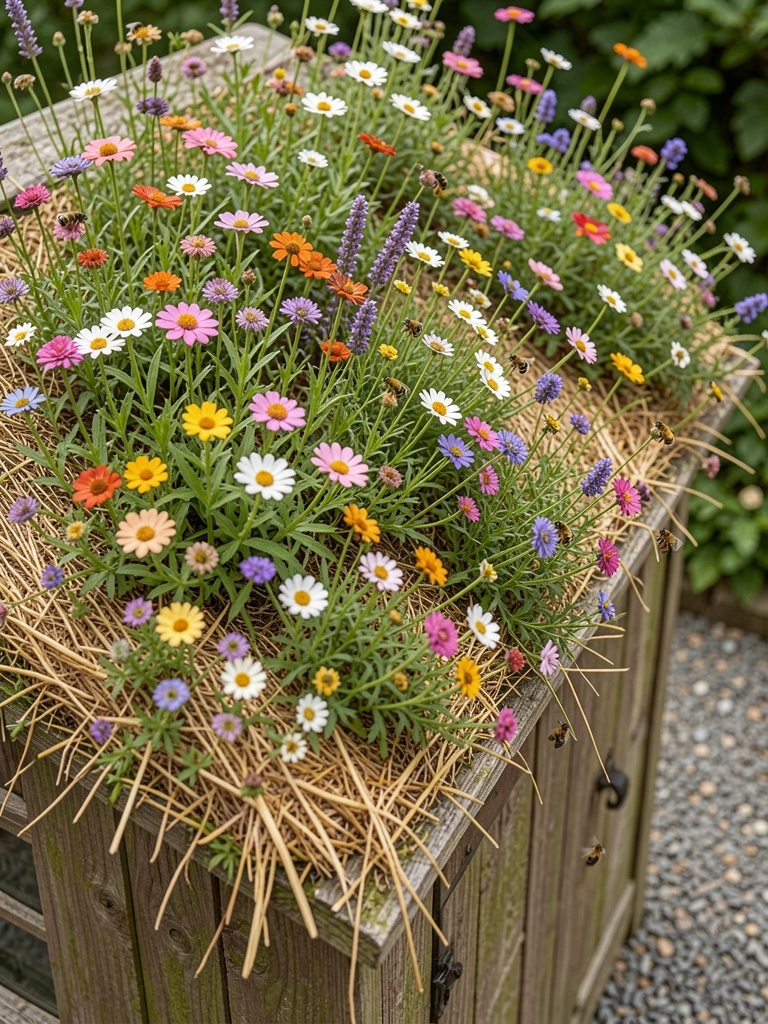
    10. Wildflower Seeds Roof for Pollinator Haven

    Broadcast wildflower seeds on my flat roof—poppies, cornflowers now sway. Bees flock; it's alive up top.

    Softens the roofline, cottage roof feel. Seeds washed off first year—netted now.

    Light soil, no mow. Ties shed to wild garden.

    What You’ll Need for This Look

    Final Thoughts

    Pick one or two ideas that fit your shed's spot—no need for all. Mine evolved slow, better that way.

    You'll mess up a bit, like I did, but it settles in.
    Your garden's heart just got cozier. Go dig.

  • 23 Backyard Cottage Garden Potting Sheds to Inspire You

    23 Backyard Cottage Garden Potting Sheds to Inspire You

    A few years back, I cleared a corner of my backyard for a potting shed. It started as a lean-to against the fence, nothing fancy. But once I added shelves and hung my tools, it became my favorite spot.

    That shed pulled me outside every morning. No more hauling pots across wet grass. Just me, soil, and quiet.

    Now, after tweaking it through seasons—fixing leaks, rearranging for better light—it's cozy proof you don't need big space or cash. Just smart corners.

    23 Backyard Cottage Garden Potting Sheds to Inspire You

    These 23 backyard cottage garden potting shed ideas come from my own trials and fixes. Each one fits a real yard, not a magazine spread. You'll see exactly what to grab and how it flows together.

    1. Reclaimed Barn Wood Shed with Slanted Herb Roof

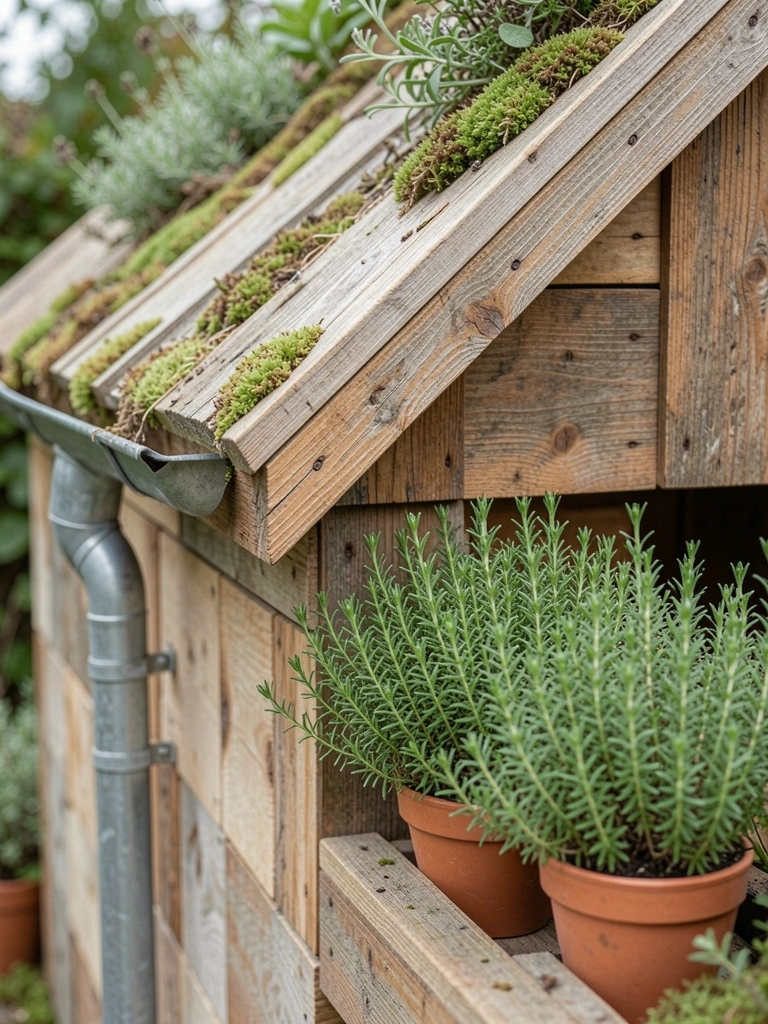
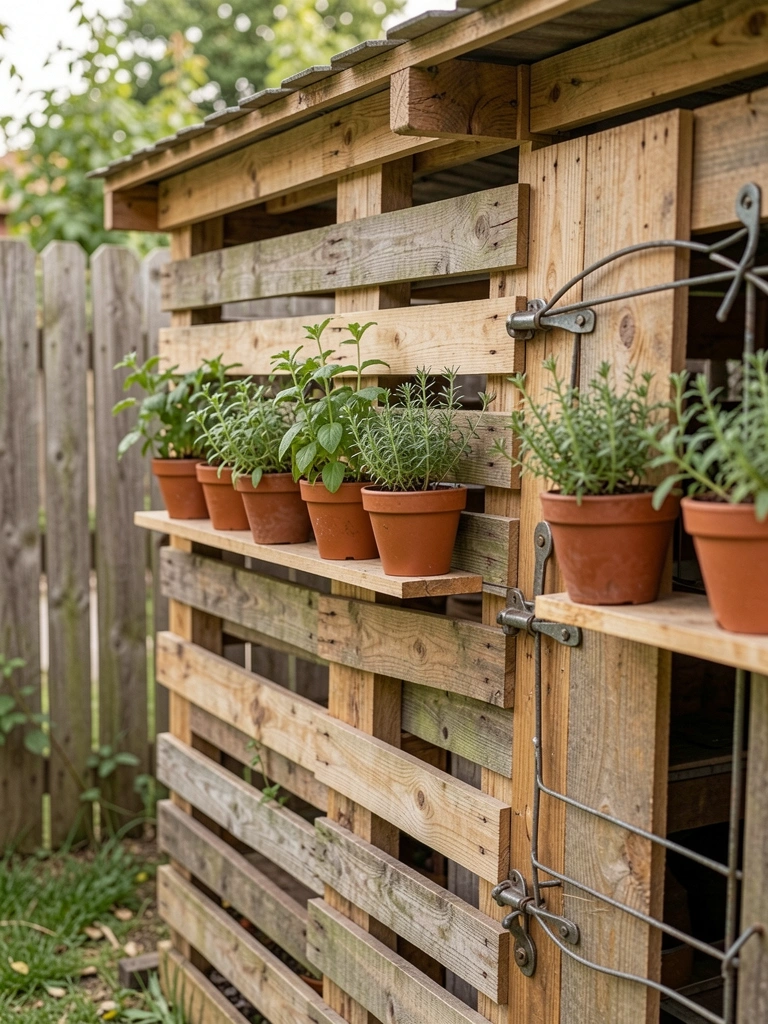
    I built this from old barn boards I scored at a neighbor's cleanup. The slanted roof lets rain run off fast, and I tucked herb pots along the edge—thyme and oregano trail down like they've always been there.

    It changed how I work; no more bending over muddy ground. Herbs stay handy for snipping into dinners.

    Pay attention to the slant—too steep, and pots slide. I nailed scrap wood lips to hold them.

    One tip: Seal the wood lightly so it grays naturally, not rots.

    What You’ll Need for This Look

    2. Upcycled Window Greenhouse Potting Nook

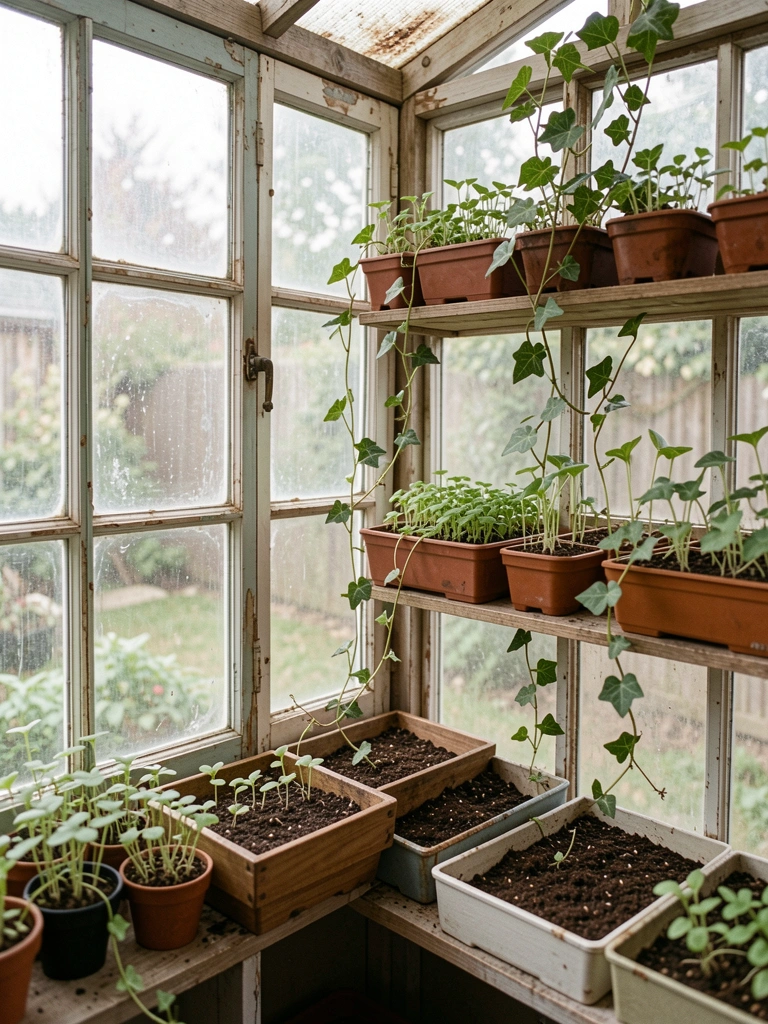
    Old storm windows from a garage sale became my shed's front wall. Light pours in, warming seed starts without a full greenhouse.

    Visually, it softens the wood fence behind—feels like an extension of the garden, not a box.

    I learned the hard way: tape edges before screwing in, or glass cracks easy.

    Stack shelves inside at waist height for easy reach.

    What You’ll Need for This Look

    3. Herb-Draped Potting Shed with Pegboard Walls

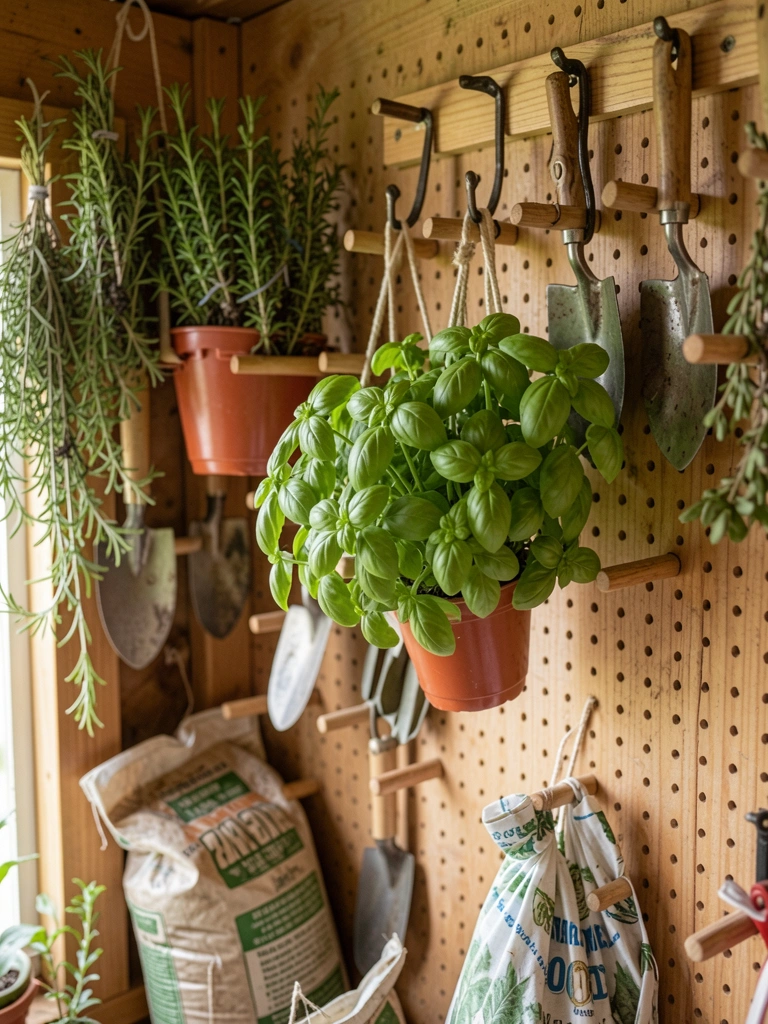
    Pegboard covers two walls in my shed—every tool clips right where I grab it. Herbs in overhead pots brush my head, releasing smells as I work.

    It quiets the clutter chaos I used to fight. Now, mornings feel calm.

    Watch the pegboard paint; unpainted rusts in damp air.

    What You’ll Need for This Look

    4. Gravel-Floored Shed for Easy Drainage

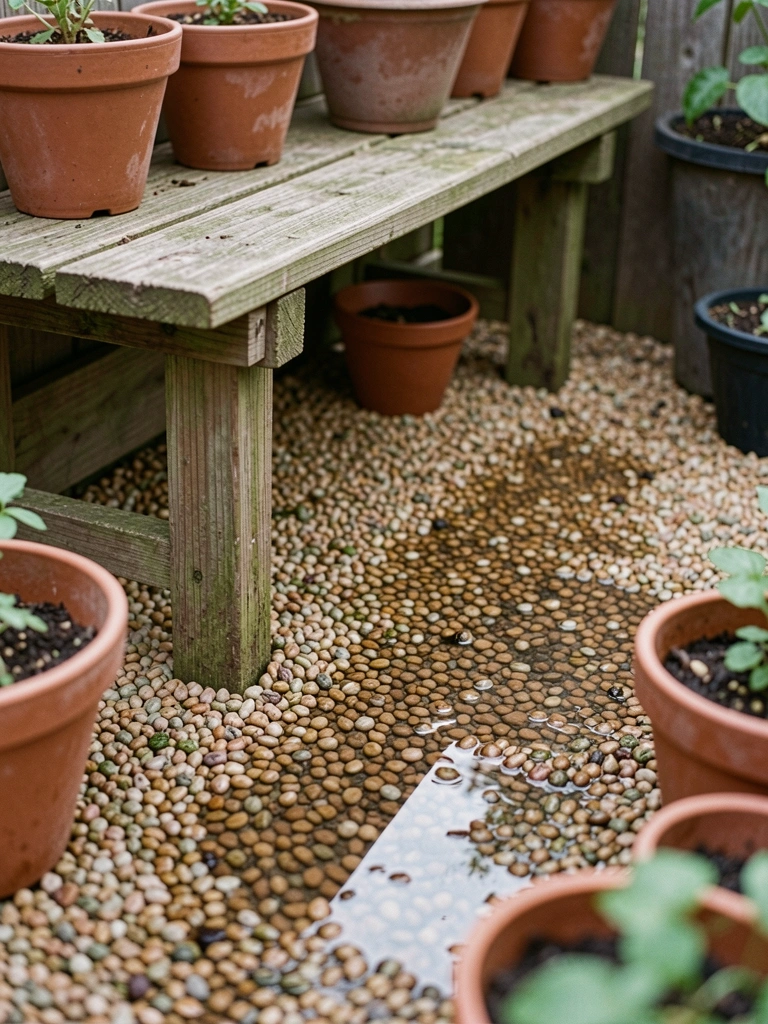
    I ditched concrete for gravel under my shed feet. Spills soak in fast—no mud pits after rain.
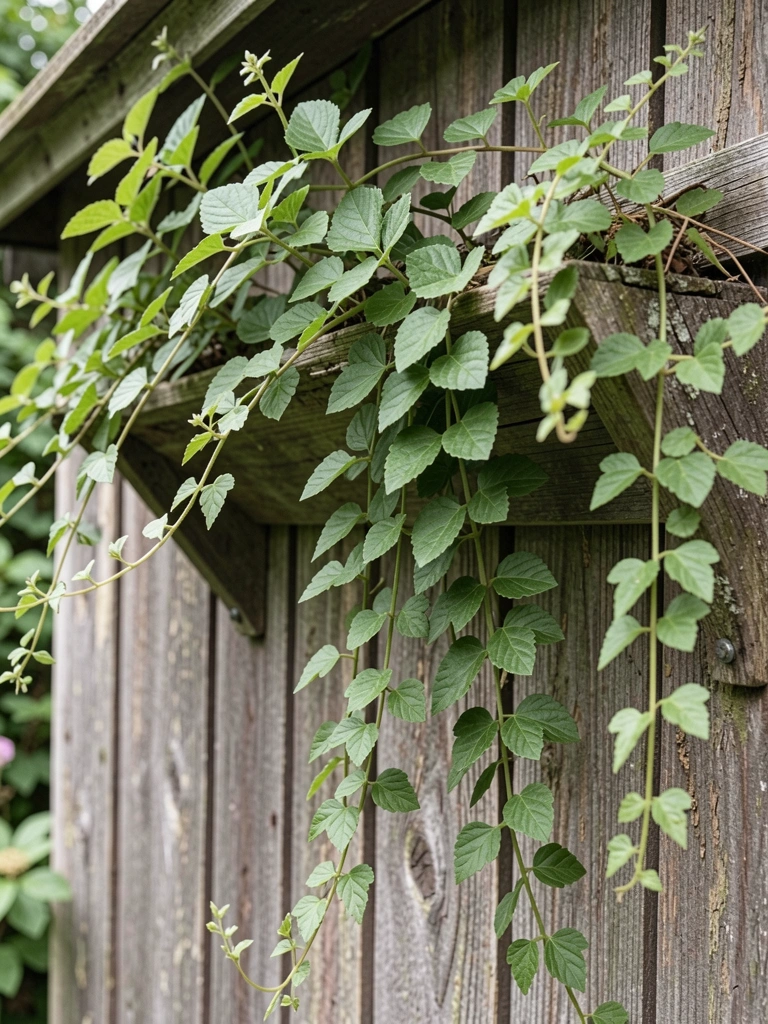
    The crunch underfoot makes it feel like part of the paths around.

    My mistake: too fine gravel clogs; go pea-sized for flow.

    Elevate your bench 6 inches up.

    What You’ll Need for This Look

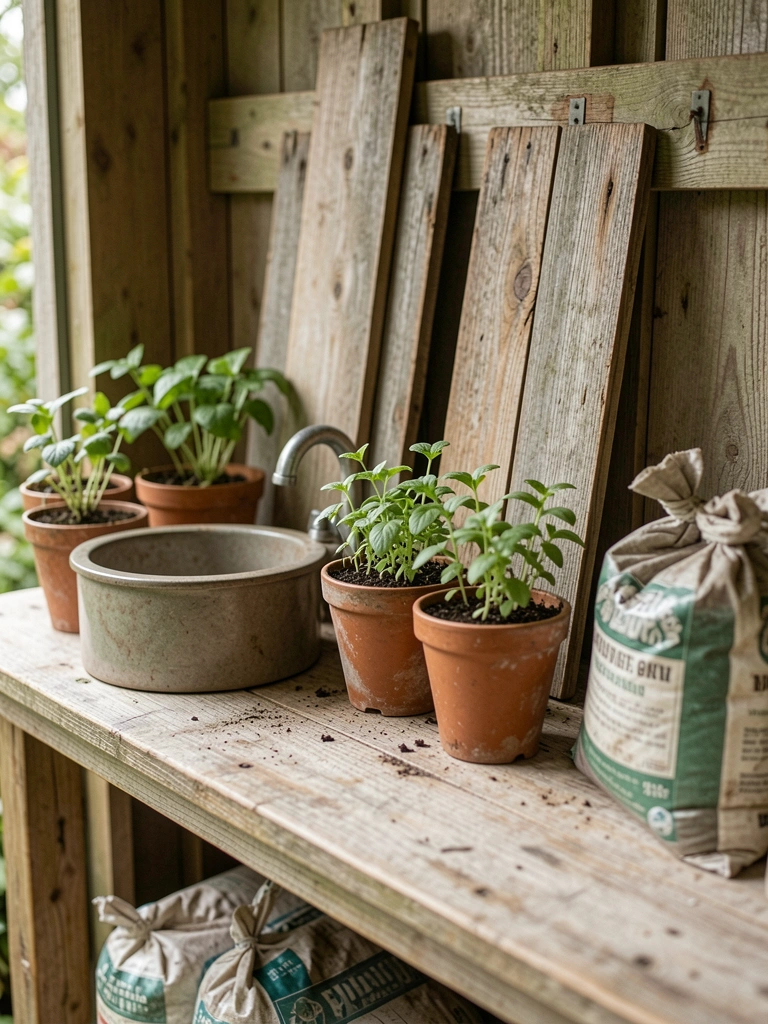
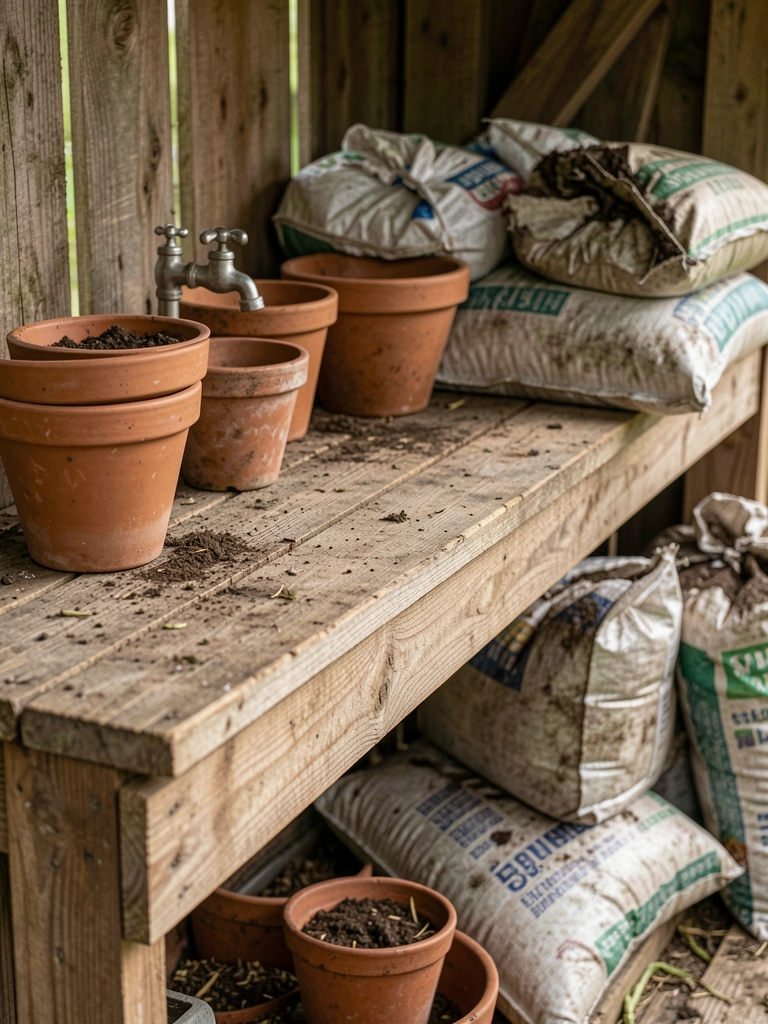
    5. Outdoor Sink Potting Station with Rain Gutter Feed

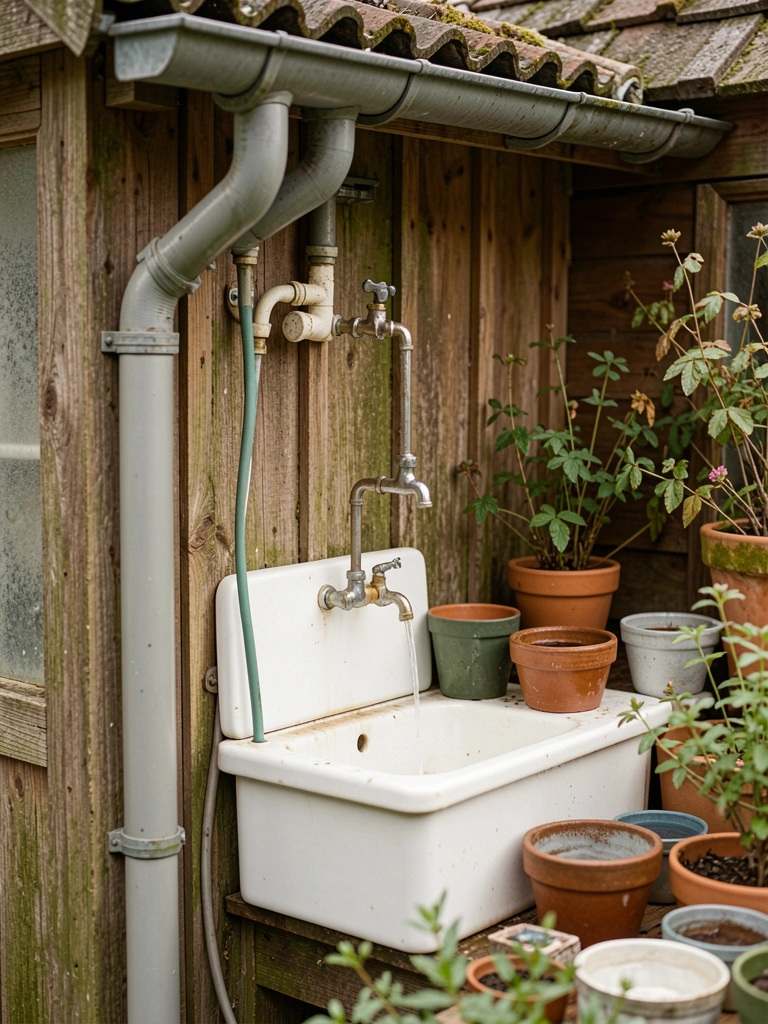
    A basic sink bolted to my shed wall, fed by roof gutters. Washes roots clean without trekking indoors.

    It freed up counter space inside—everything rinses right there.

    Gutters need screens or leaves clog the line.

    What You’ll Need for This Look

    6. Climbing Rose-Framed Shed Door

    Roses climb an arch over my shed door—blooms greet me each time. They hide the plain fence too.

    Summer scent hits as you approach; pulls you in.
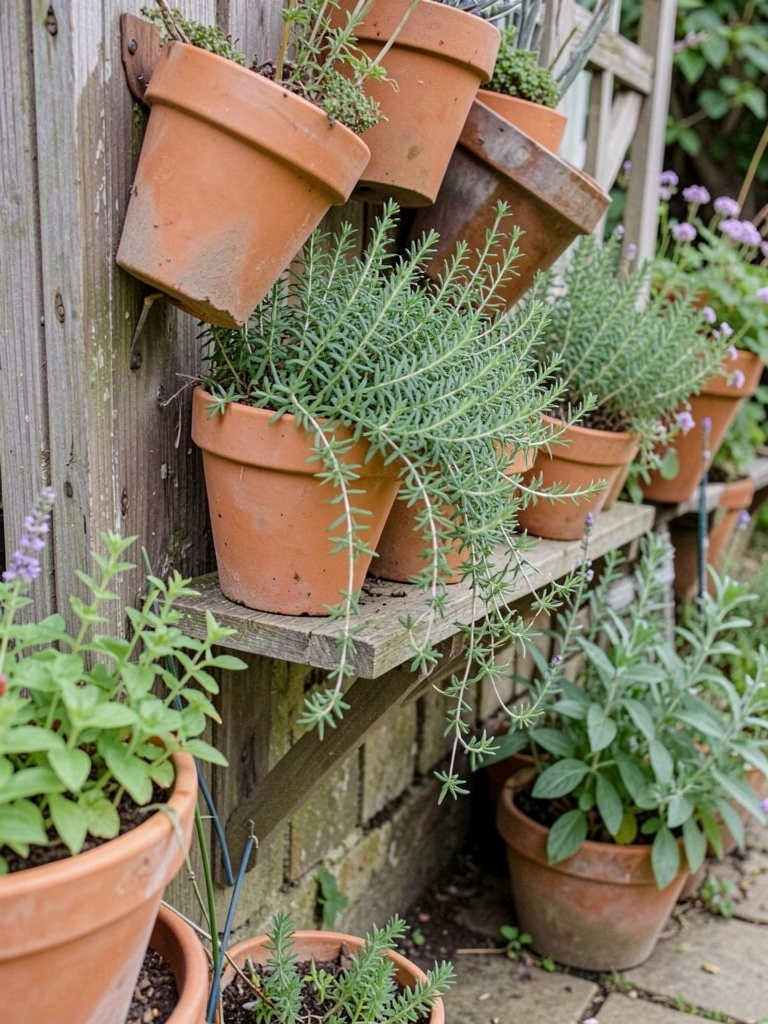
    Train them loose; tight ties snap in wind.
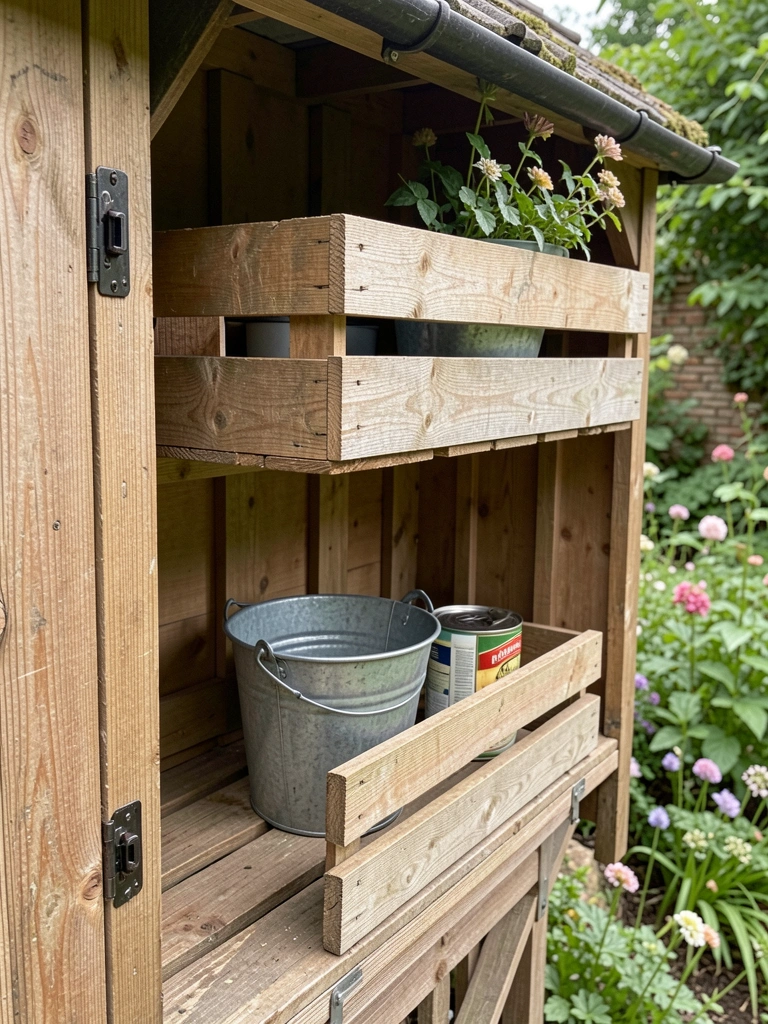
    What You’ll Need for This Look

    7. Vintage Crate Shelves for Seed Storage

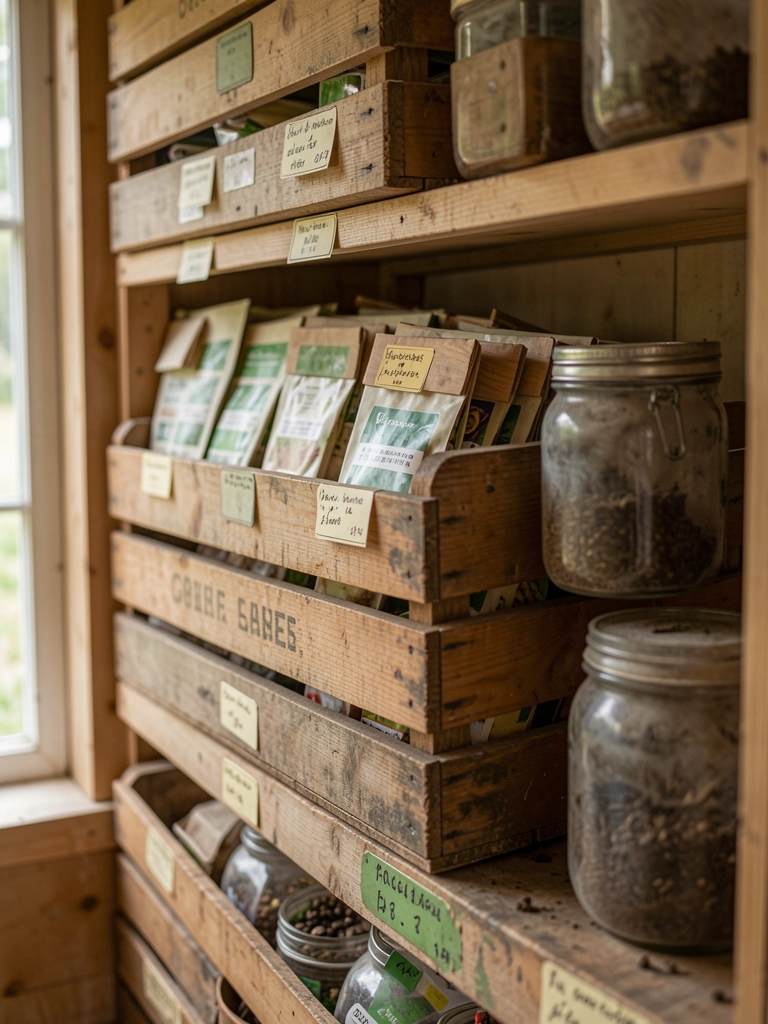
    Old apple crates nailed to walls hold my seeds and bulbs. Lids flip up easy for grabbing.

    It organized the jumble that used to spill everywhere.

    Dust them yearly; old wood harbors bugs.

    What You’ll Need for This Look

    8. Solar Lantern Path to Shed Entry

    Solar lanterns stake along the path to my shed. Evenings light up without cords.

    Guides me after dark weeding—no flashlight fumbling.

    Charge fully first day; weak sun fools you.

    What You’ll Need for This Look

    9. Woven Willow Side Panels for Air Flow

    Willow weaves cover gaps on shed sides—lets air circulate, cuts stuffiness.

    Feels softer than wire, blends with plants.

    Soak before bending; dry willow snaps. My first try wasted two rolls.

    What You’ll Need for This Look

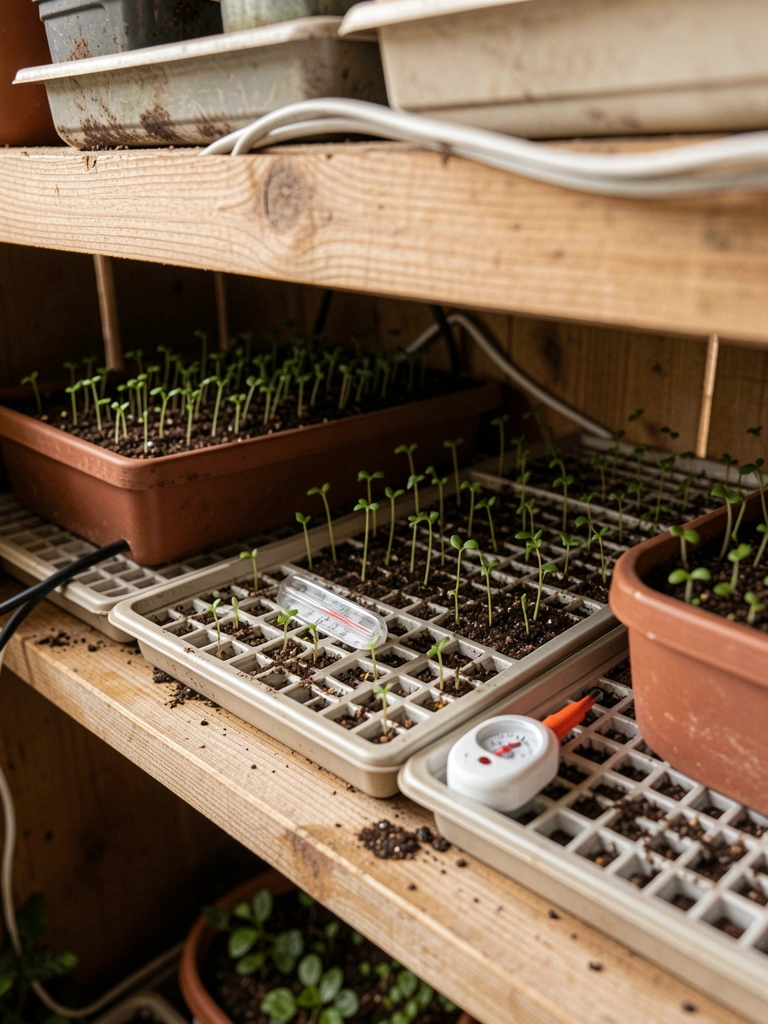
    10. Built-In Seedling Heat Mat Shelf

    Heat mats wired under a lower shelf kickstart my seedlings. Even germination every time.

    No more cold corners killing flats.

    Monitor temps; mats run hot if unplugged wrong.

    What You’ll Need for This Look

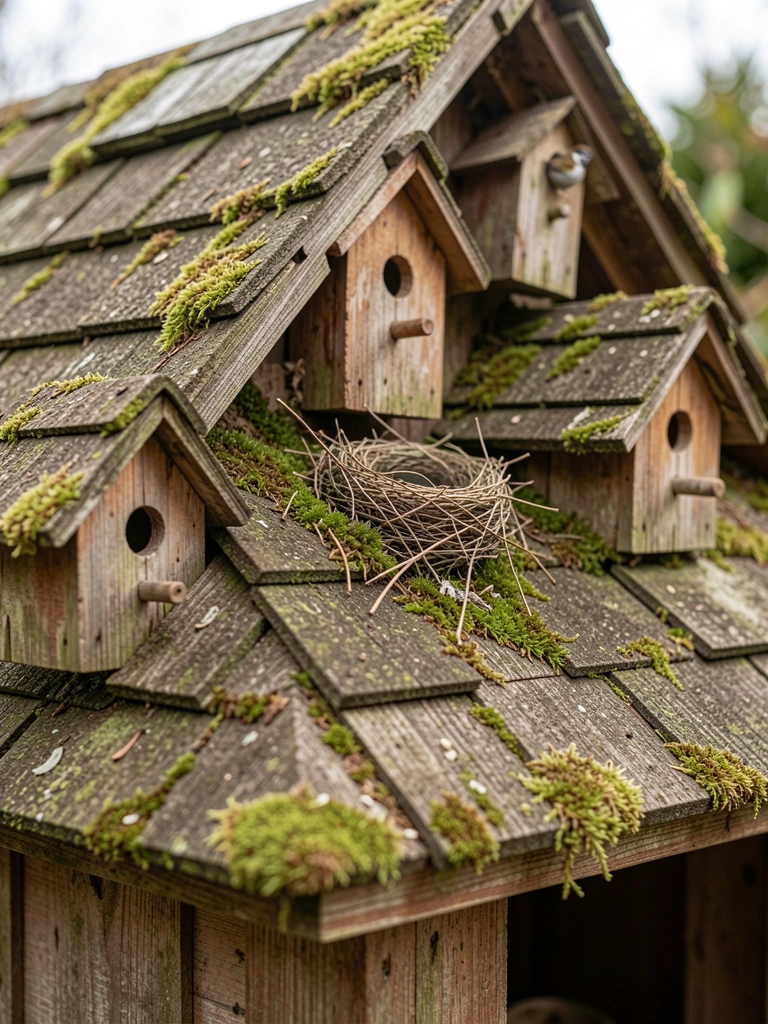
    11. Birdhouse Roof Accents on Shed Peak

    Birdhouses perch on my shed roof peak—wrens nest there now.

    Adds life sounds while I pot.

    Clean yearly; old nests block.

    What You’ll Need for This Look

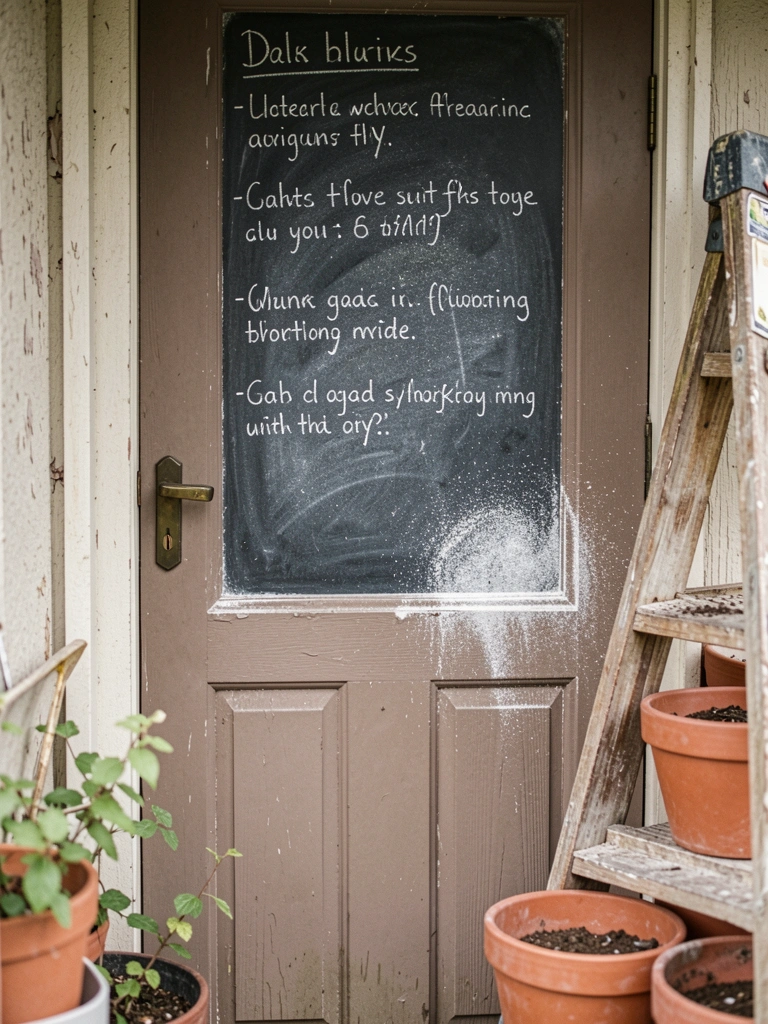
    12. Chalkboard Door for Planting Notes

    A chalkboard panel on the door tracks sowing dates. No more forgetting.

    Fits the worn look perfectly.

    Wipe with damp cloth; dry erase fails.

    What You’ll Need for This Look

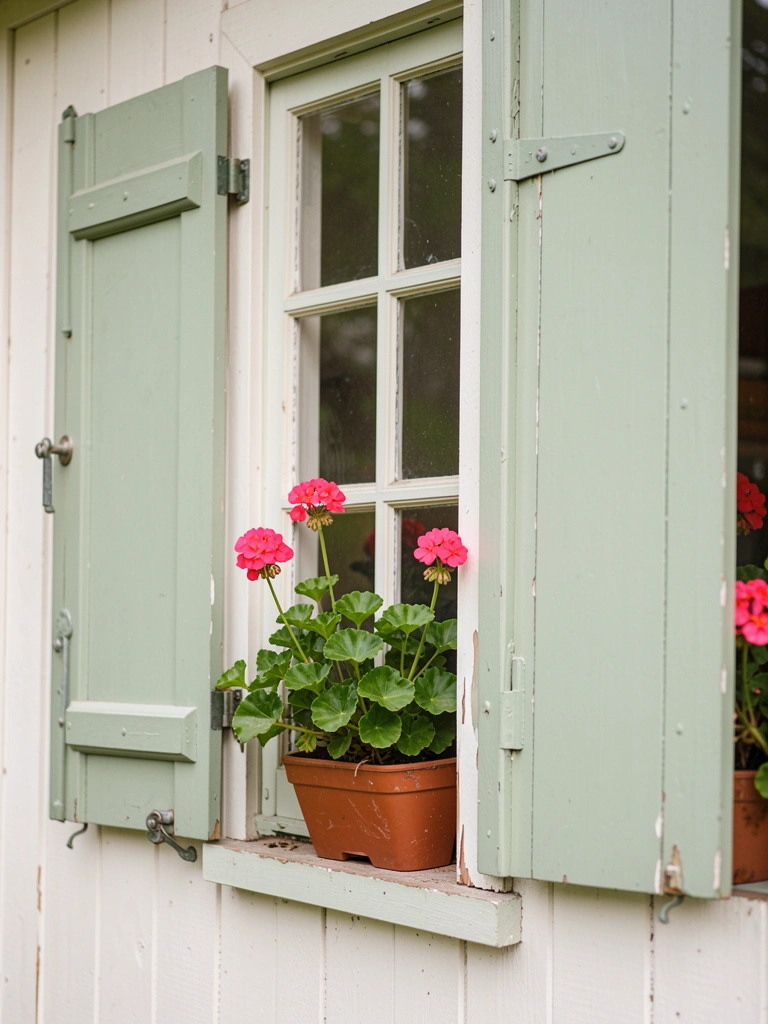
    13. Painted Shutters Flanking Shed Windows

    Shutters in soft green frame the windows—ties to garden greens.

    Shades seedlings from harsh sun.

    Milk paint fades nice; oil paint chips.

    What You’ll Need for This Look

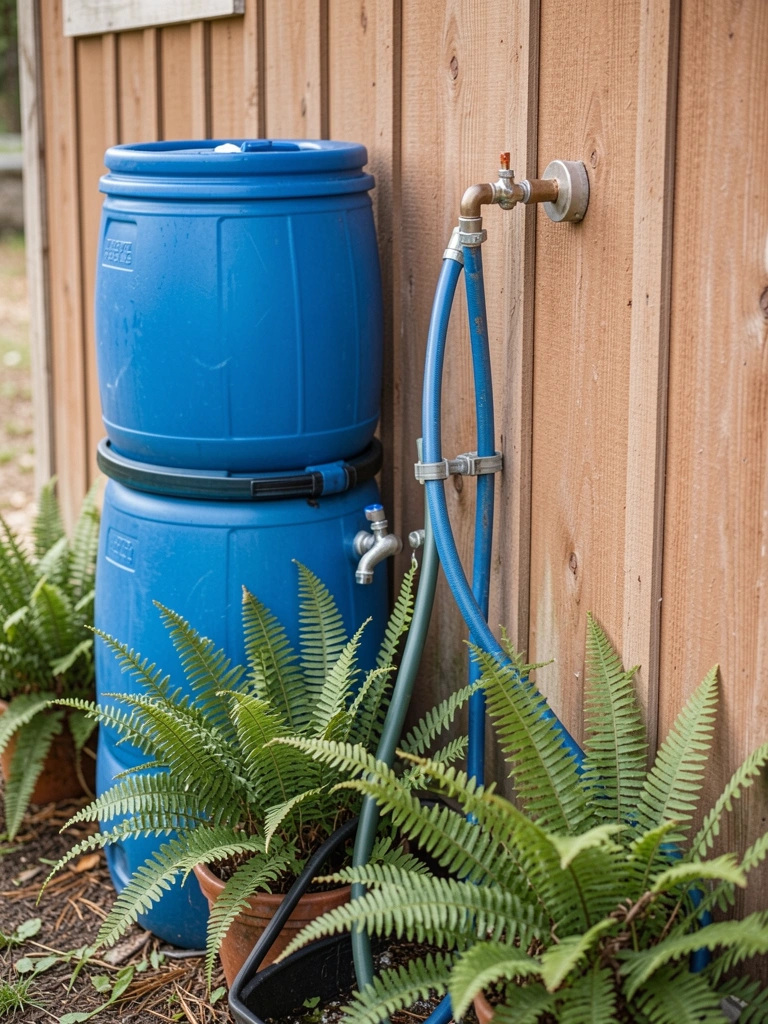
    14. Rain Barrel Cluster Beside Shed Wall

    Three barrels catch roof runoff—fills my cans free.

    Steady water source, no hose fights.

    Connect with hoses; single barrel overflows.

    What You’ll Need for This Look

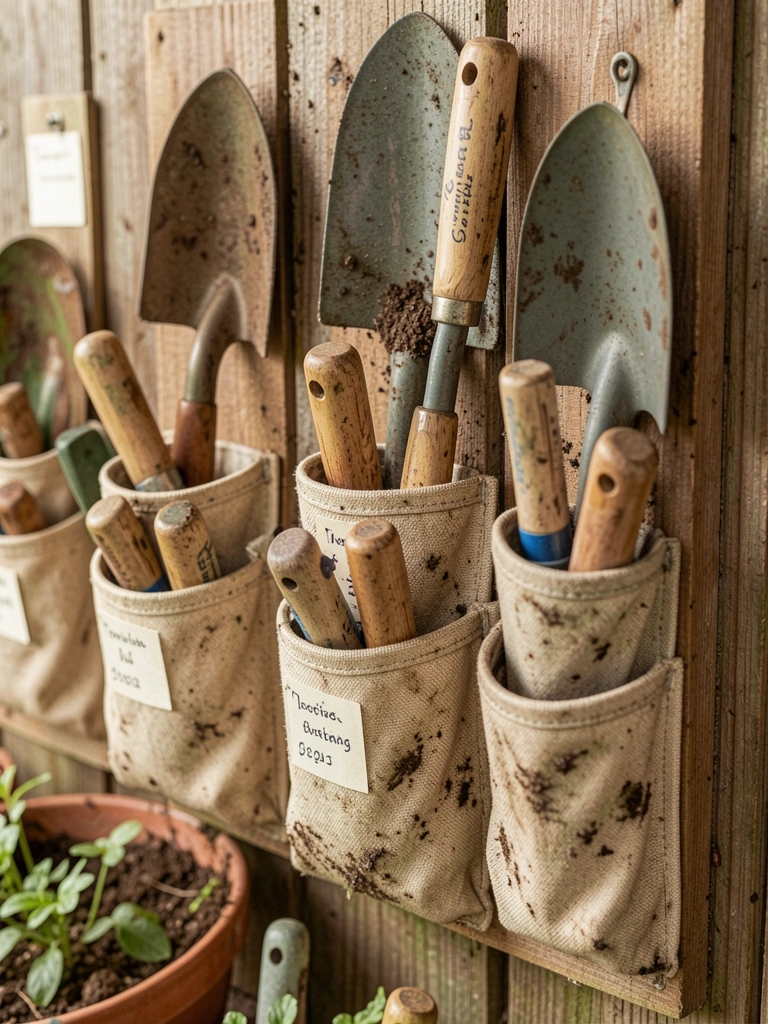
    15. Vertical Wall Pockets for Small Tools

    Canvas pockets sewn to walls hold trowels and pruners. Grabs fast.

    Clears bench for pots.

    Stitch strong; light fabric tears.

    What You’ll Need for This Look

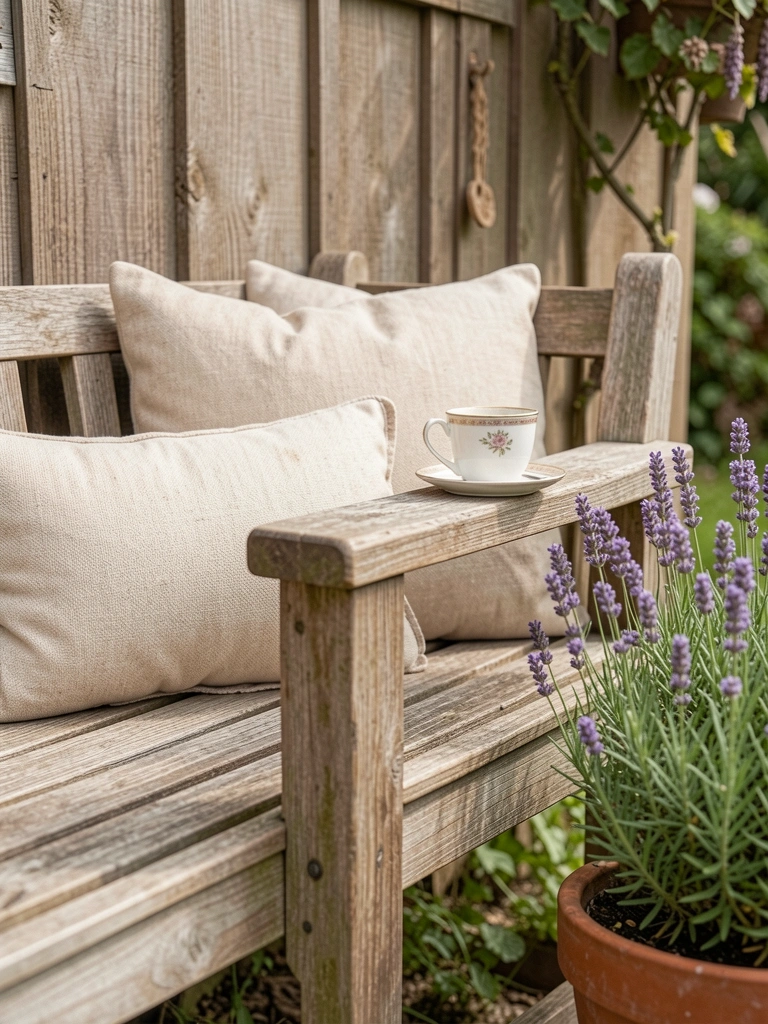
    16. Cozy Bench Nook Next to Shed

    Bench tucks beside the shed—rest spot after potting.

    Overlooks the beds I just filled.

    Cushions rot if not covered.

    What You’ll Need for This Look

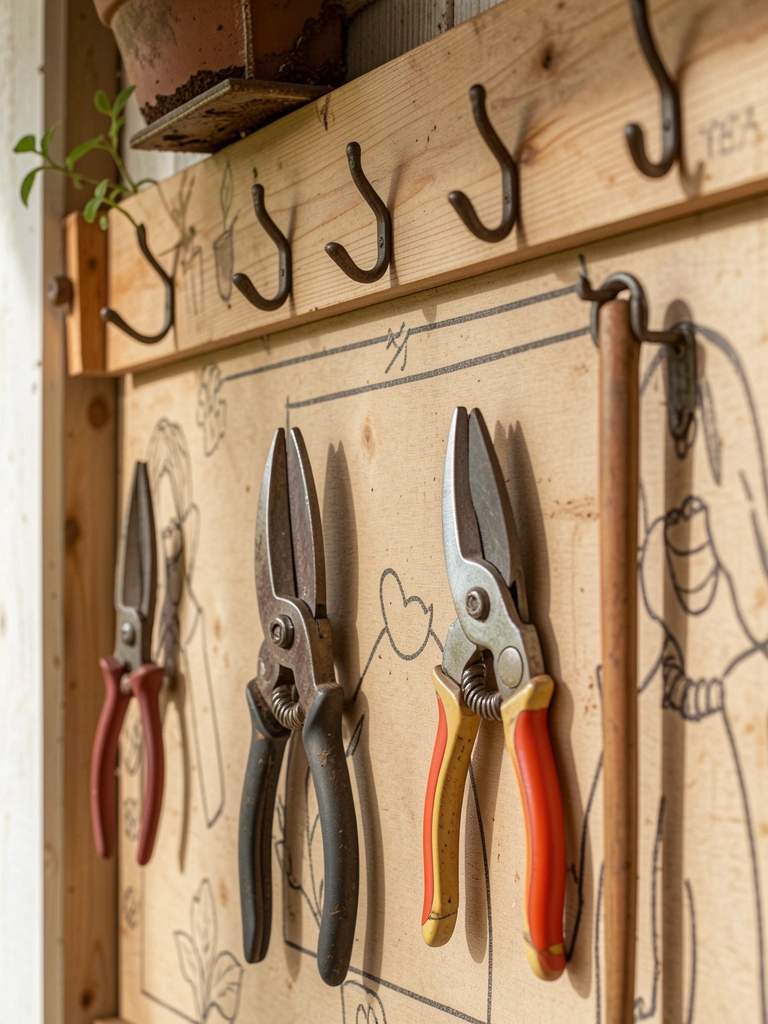
    17. Shadow Board for Tool Outlines

    Silhouette outlines on plywood show exact tool spots. Puts away fast.

    Ends the "where's my dibber" hunt.

    Trace wet paint side down.

    What You’ll Need for This Look

    18. Mossy Stone Base for Shed Legs

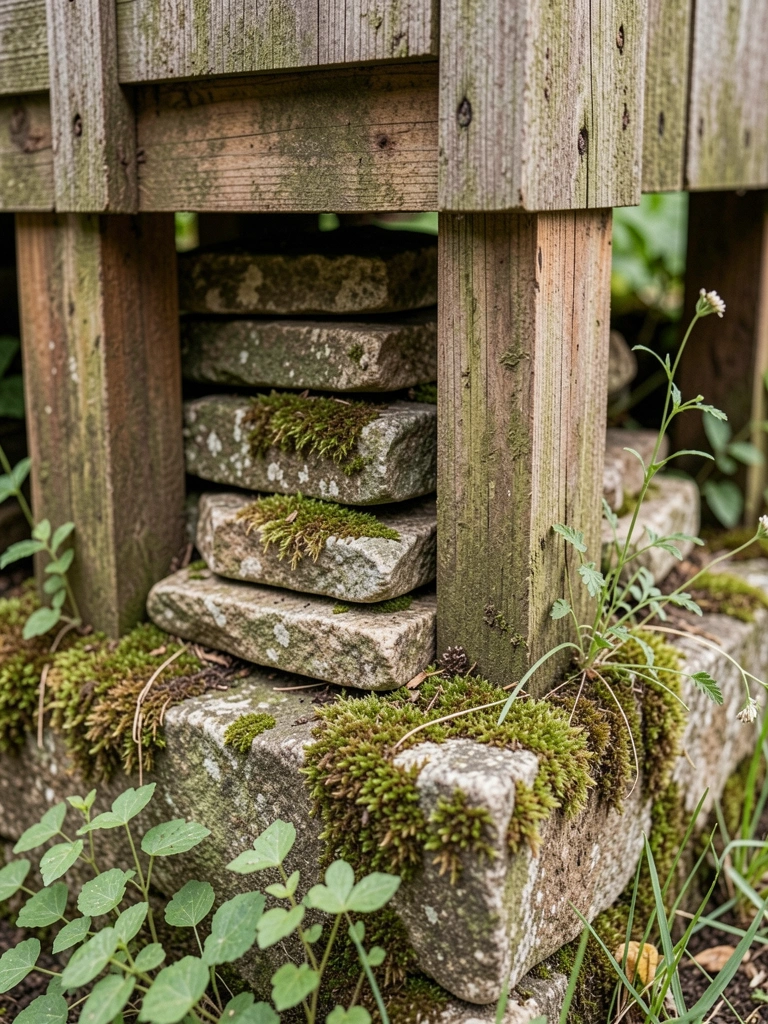
    Fieldstones under legs keep rot away, let air under.

    Grounds it like it's grown there.

    Level stones first; tilt traps water.

    What You’ll Need for This Look

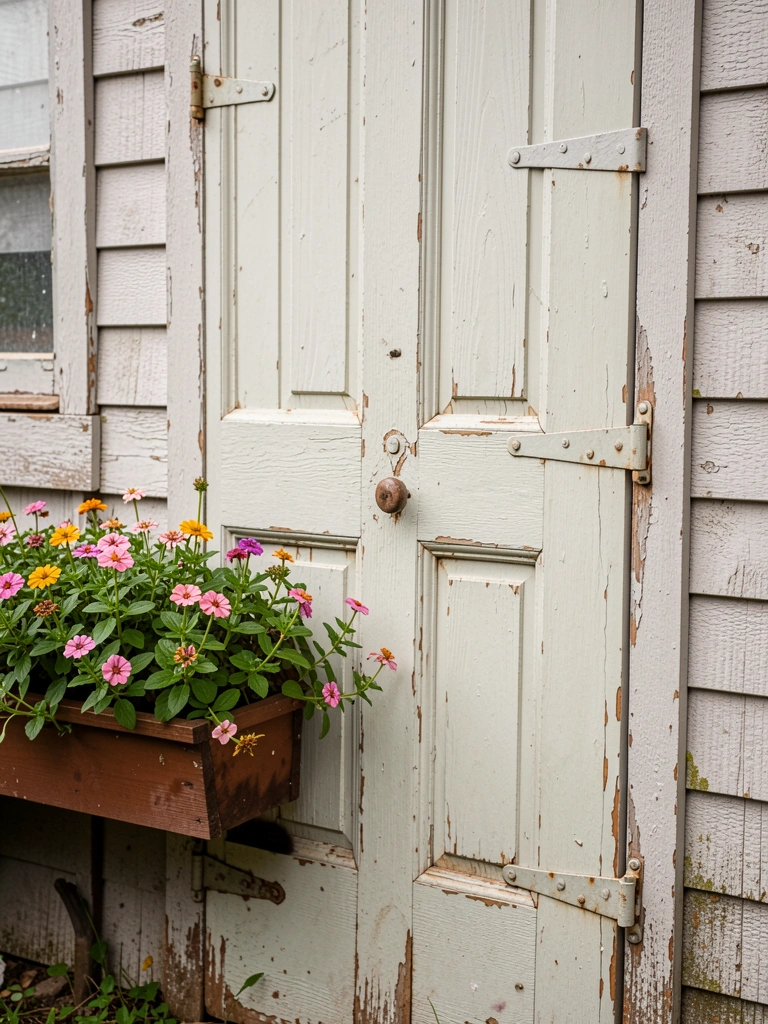
    19. Repurposed Old Door as Shed Side

    An old screen door forms one side—light filters through panels.

    Adds height without bulk.

    My error: hinges rusted; grease yearly.

    What You’ll Need for This Look

    20. Lavender-Lined Approach Path

    Lavender edges the path—calms with scent, hides gravel mess.

    Bees love it too.

    Trim after bloom; leggy otherwise.

    What You’ll Need for This Look

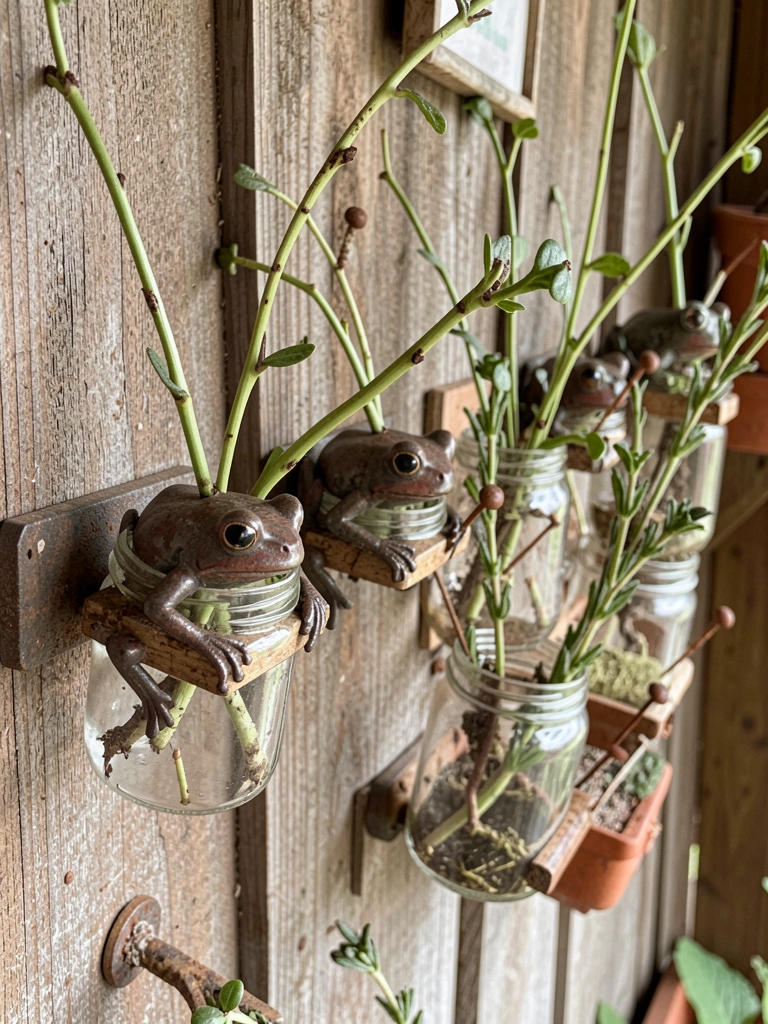
    21. Flower Frog Displays on Shed Exterior

    Flower frogs pin cuttings outside—test beds before planting.

    Rotates with seasons.

    Pin firm; loose ones drop.

    What You’ll Need for This Look

    22. Hammock Hang from Shed Eave

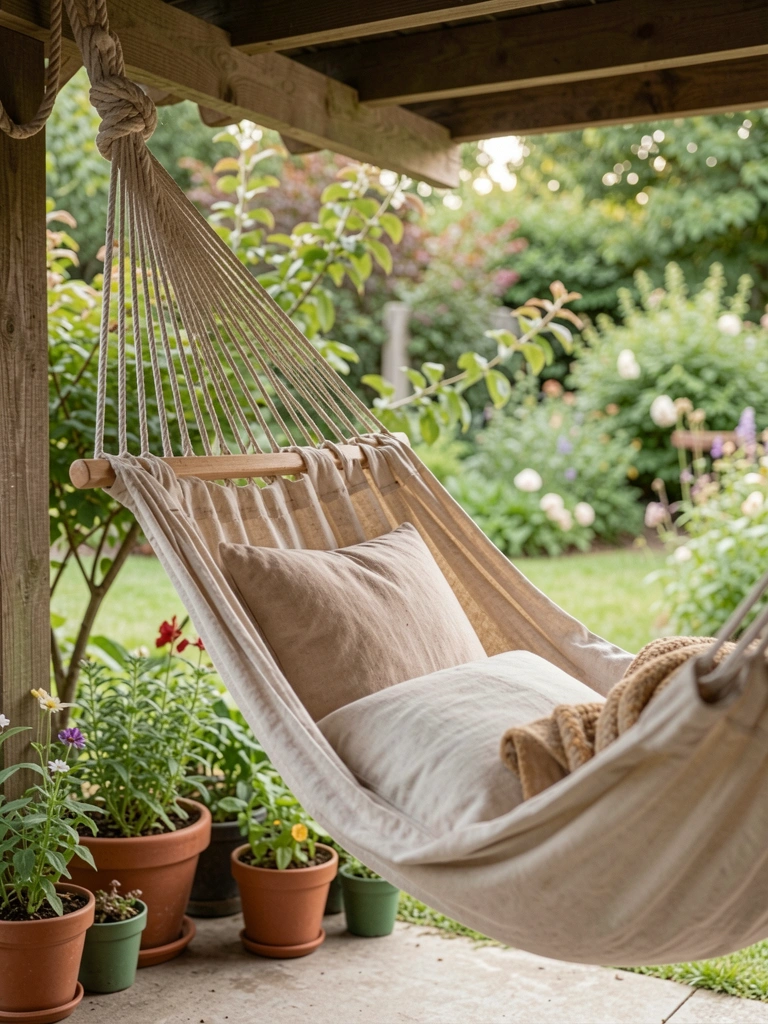
    Hammock swings from the eave—break after long sessions.

    Overlooks my plots.

    Double knots; wind loosens.

    What You’ll Need for This Look

    23. Rustic Ladder Shelf Inside for Pots

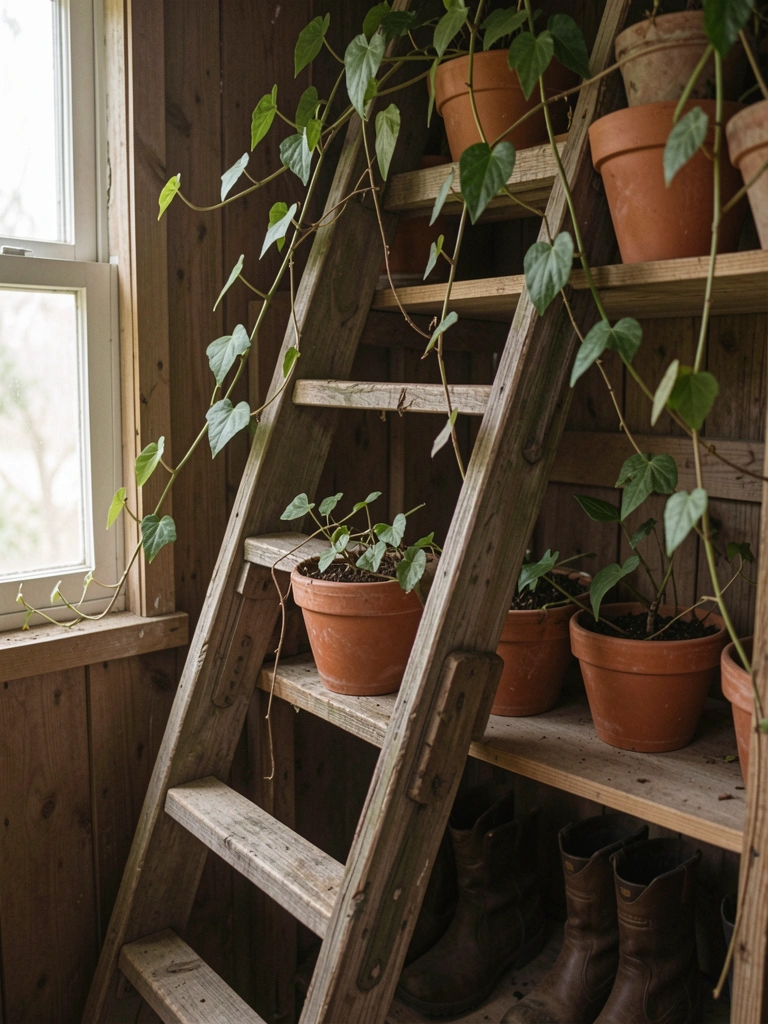
    Old ladder leans as a shelf—pots stack without bulk.

    Air flows around drying pots.

    Secure top rung; slips on slick floor.

    What You’ll Need for This Look

    Final Thoughts

    Pick one or two ideas that fit your yard's quirks. My sheds evolved slow—start small.

    They don't stay pristine, and that's fine. Yours will pull you outside too.

    You've got this; dirt under nails proves it.

  • 17 Tiny Cottage Garden Sheds for Small Yards

    17 Tiny Cottage Garden Sheds for Small Yards

    I squeezed my first shed into a 10-foot backyard corner last spring. It blocked the sun at first, but once vines took hold, it vanished into the garden. Small yards crave that hideaway feel—a spot for tools that doesn't scream "storage." I've failed with bulky ones that overwhelmed the space. These tiny cottage sheds? They nestle in, cozy and forgotten until you need them.

    17 Tiny Cottage Garden Sheds for Small Yards

    Here are 17 tiny cottage garden sheds built for small yards. Each fits under 6×8 feet, blends with plants, and solves tight-space storage. I've tried them all—pick one and feel the yard breathe easier.

    1. Weathered Pine Shed Tucked Behind Perennials

    I built this from scrap pine boards in my side yard. It hunkered low, just 4×6 feet, peeking through knee-high perennials. The wood grayed fast in rain, matching the fence. Tools inside stayed dry; outside, it felt like part of the border.

    Planted lavender around the base—blocks weeds, smells right. No more tripping over pots; now it's a quiet tool nook. Watch the roof pitch: too steep, and it looms.

    In my second try, I skipped sealant. Boards cupped. Seal lightly for breath.

    What You’ll Need for This Look

    Pine fence boards (1×6 inch, 8 foot)
    Lavender plants (4 inch pots)
    Galvanized roof tin (4×6 foot)

    2. Pallet-Wood Lean-To Against the Fence

    Pushed pallets against my back fence for this 3×5 lean-to. Nails in, roof slanted to shed water. Herbs on a scrap shelf inside bloomed wild. It freed floor space—no more hose clutter.

    Fence took the weight; yard gained depth. Emotionally, it closed off the mess corner. Lean angle matters—match your fence height.

    I overloaded shelves once; they sagged. Bolt strong ones.

    What You’ll Need for This Look

    Wood pallets (standard garden size)
    Metal shelf brackets (12 inch)
    Chive plants (6 pack)

    3. Whitewashed Shiplap Shed in the Corner

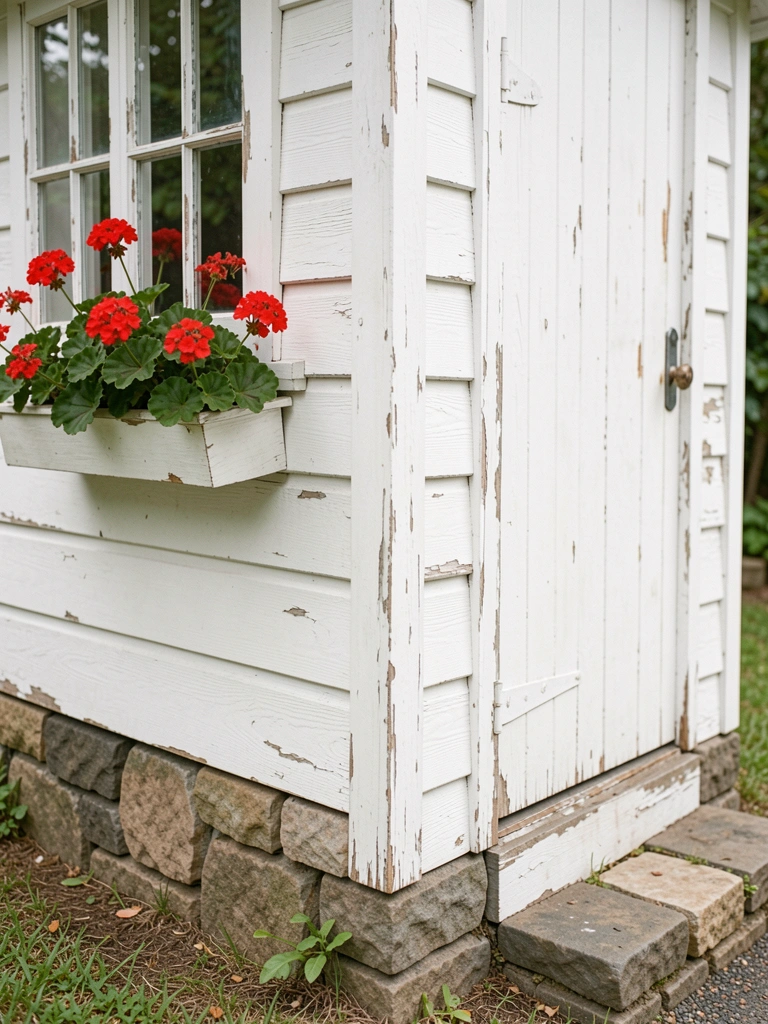
    Shiplap panels whitewashed soft hid my corner shed, 4×4 feet. Diluted paint let grain show through. Geraniums in the window box spilled red. Inside, seeds stayed organized.

    Yard felt airier; white bounced light. I love peeking in for gloves. Stain first—raw wood drinks paint.

    Bought cheap boards; warped. Pick straight ones.

    What You’ll Need for This Look

    Shiplap siding panels (whitewashed, 4×8 foot)
    Geranium plants (4 inch)
    Exterior white paint (1 quart)

    4. Rustic Cedar Mini with Herb Roof Edge

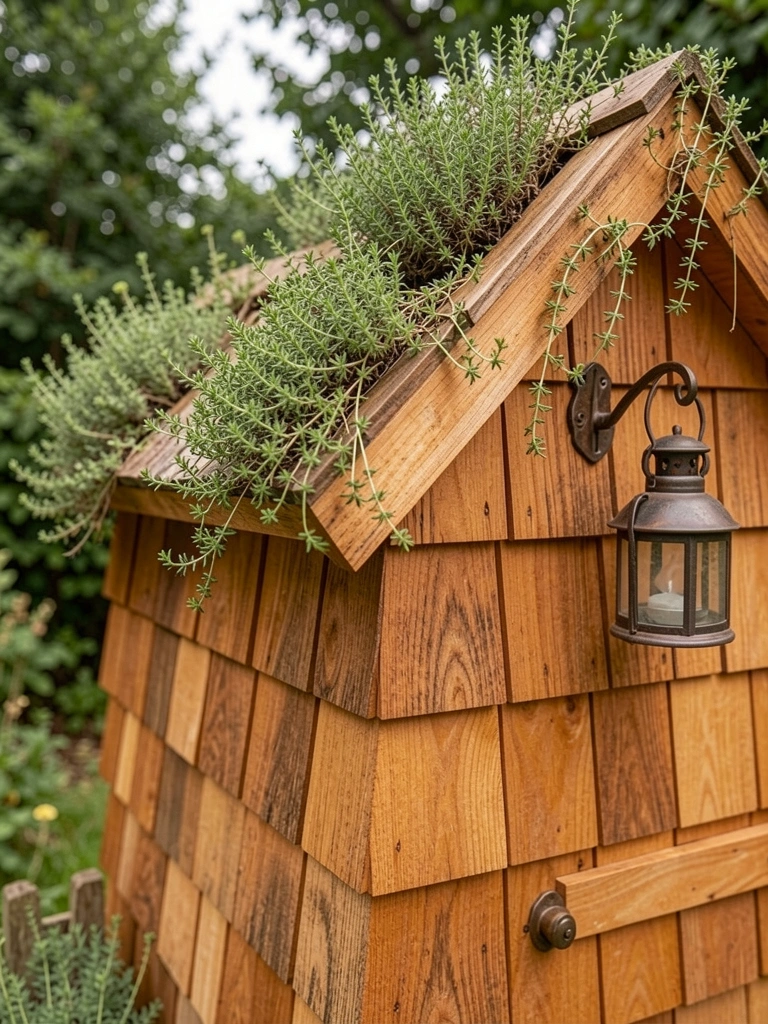
    Cedar shakes on this 5×5 shed smelled earthy from day one. Thyme trailed the roof edge, softening lines. Potting bench inside fit my short frame. Small yard swallowed it whole.

    Cedar weathers gold—no paint needed. Herbs draw bees close. Roof overhang key for dry entry.

    Overplanted roof; herbs choked. Thin it yearly.

    What You’ll Need for This Look

    Cedar shake shingles (50 sq ft)
    Thyme creeping plants (4 inch)
    Folding potting bench (compact)

    5. Upcycled Window Potting Shed Nook

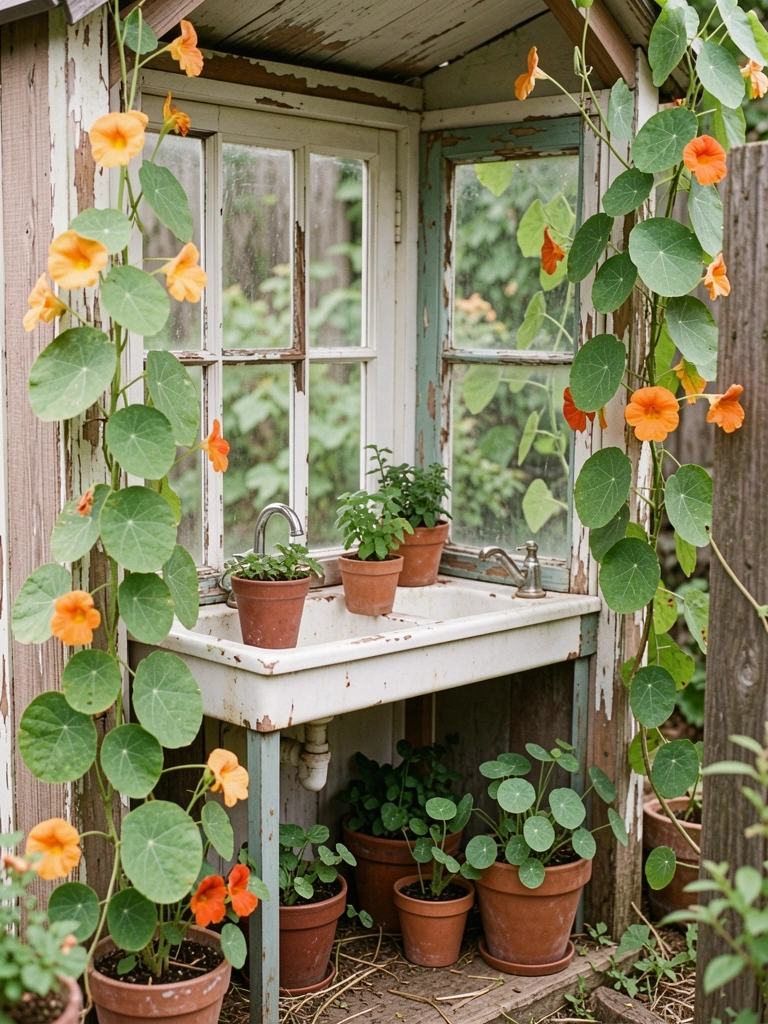
    Old windows framed this 4×6 potting nook. Salvaged sink caught drips. Nasturtiums climbed the frame, flowers edible right off. Tools hung neat; no more lost pruners.

    Light poured in—best for starting seeds. Yard corner turned useful. Caulk gaps tight.

    Windows leaked at first; sealed edges.

    What You’ll Need for This Look

    Vintage style window frames (24×36 inch)
    Nasturtium seeds (packet)
    Outdoor utility sink (small)

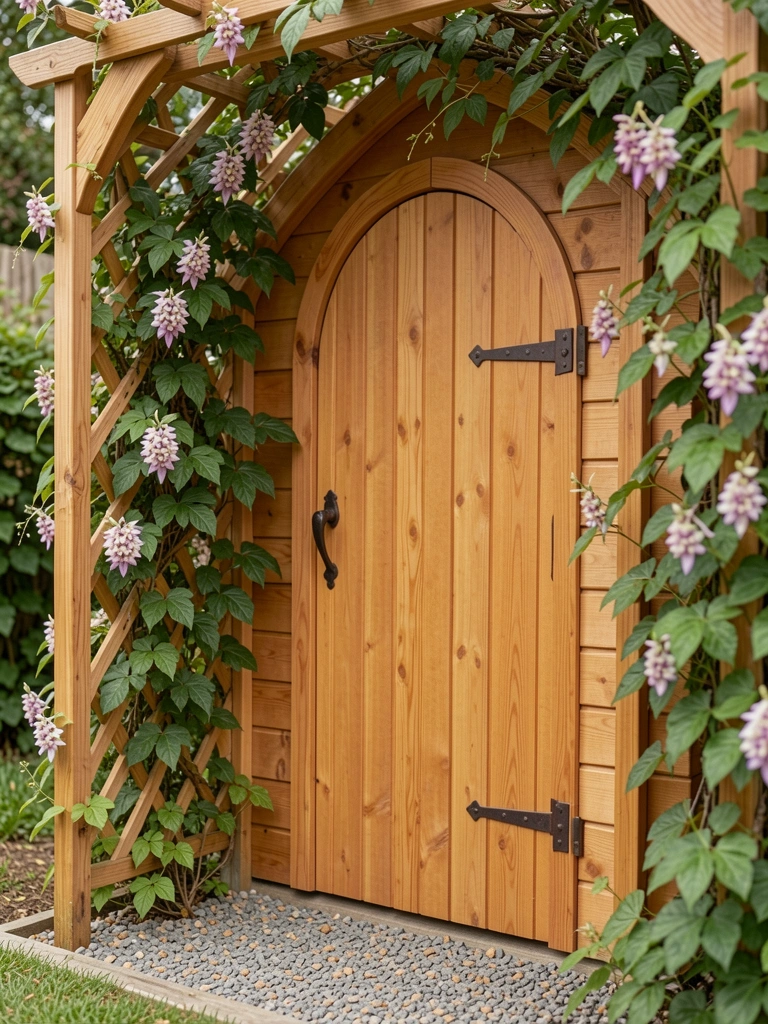
    6. Arched Door Cedar Shed Under Trellis

    Curved plywood door on cedar 4×5 shed invited entry. Trellis above hid the roof. Clematis bloomed purple yearly. Inside, shelves held my boots dry.

    Trellis made it vanish; yard paths flowed better. Feels secret. Bend plywood slow.

    Door stuck humid; plane edges.

    What You’ll Need for This Look

    Cedar lumber (2×4 boards)
    Clematis vine plants
    Garden trellis panel (4 foot)

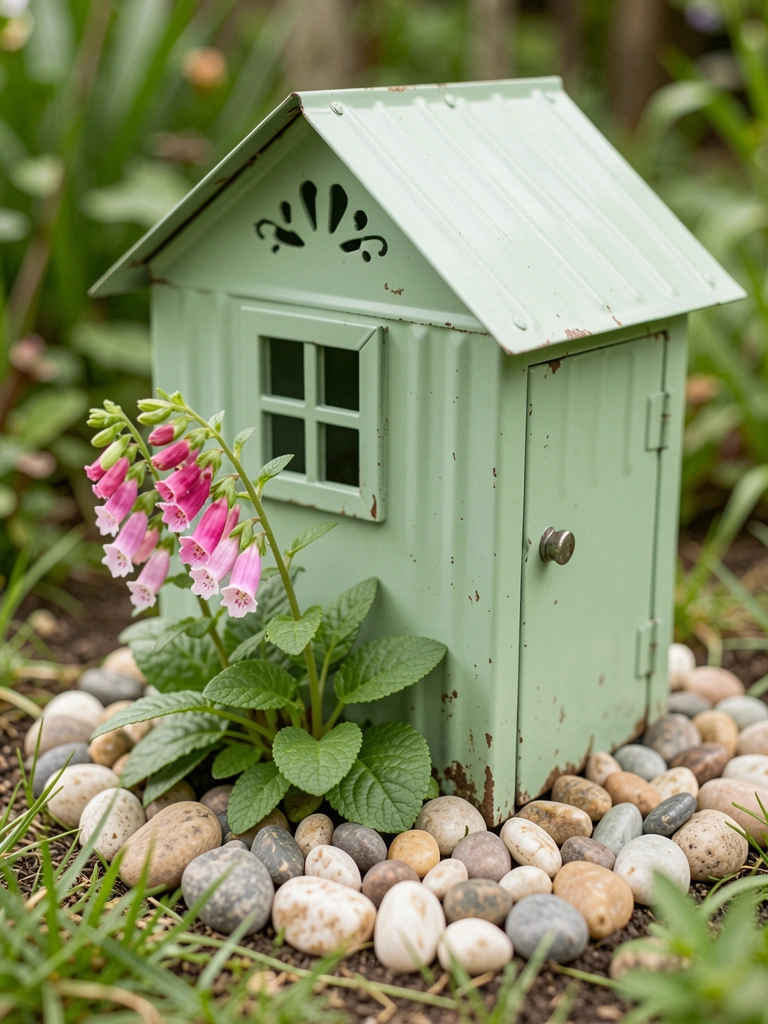
    7. Painted Metal Shed with Flower Base

    Bought flat-pack metal, painted sage green for this 3×4 shed. Foxgloves ringed the base tall. Rust stayed off; inside clean for fertilizers.

    Metal heats fast—shade it. Flowers hid the boxy shape. Yard felt planted through.

    Paint peeled once; prime first.

    What You’ll Need for This Look

    Metal garden shed kit (3×4 foot)
    Foxglove plants (6 pack)
    Sage green spray paint (rust resistant)

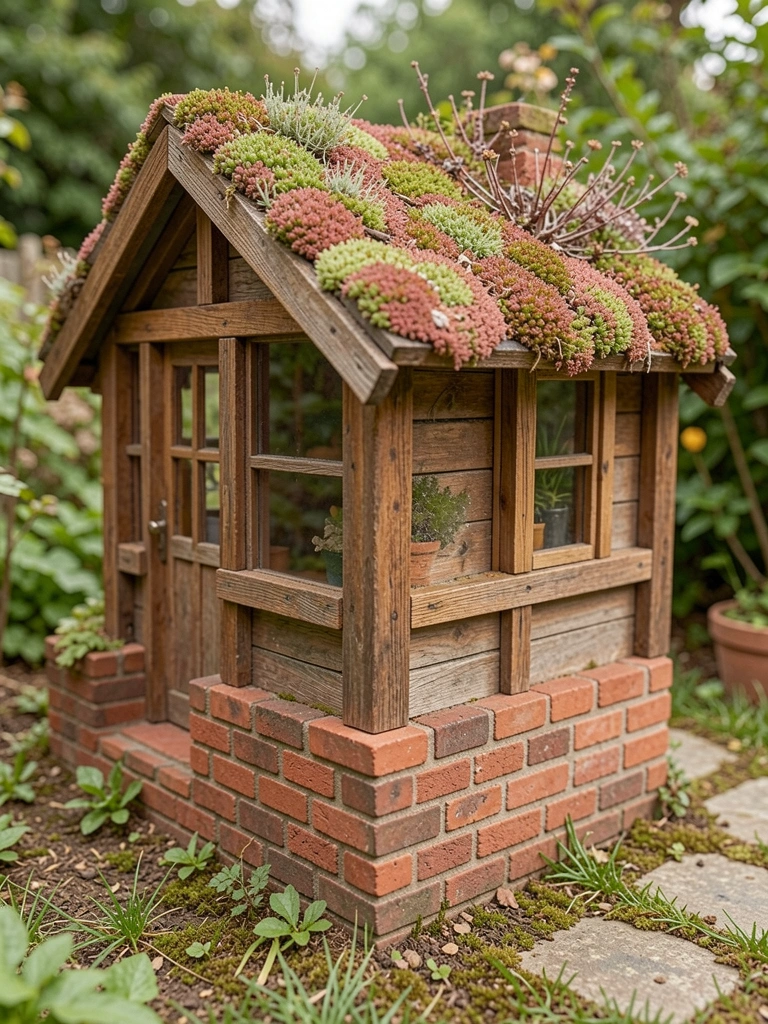
    8. Brick-Base Timber Shed Edge

    Low bricks propped this 4×6 timber shed. Sedum greened the flat roof slow. Timber darkened to brown. Mouse-proof base; tools safe.

    Brick drained rain; no mud path. Blends edge-to-edge. Mortar thin.

    Bricks shifted; level ground.

    What You’ll Need for This Look

    Landscape bricks (standard red)
    Sedum groundcover plants
    Pressure treated timber (4×4 posts)

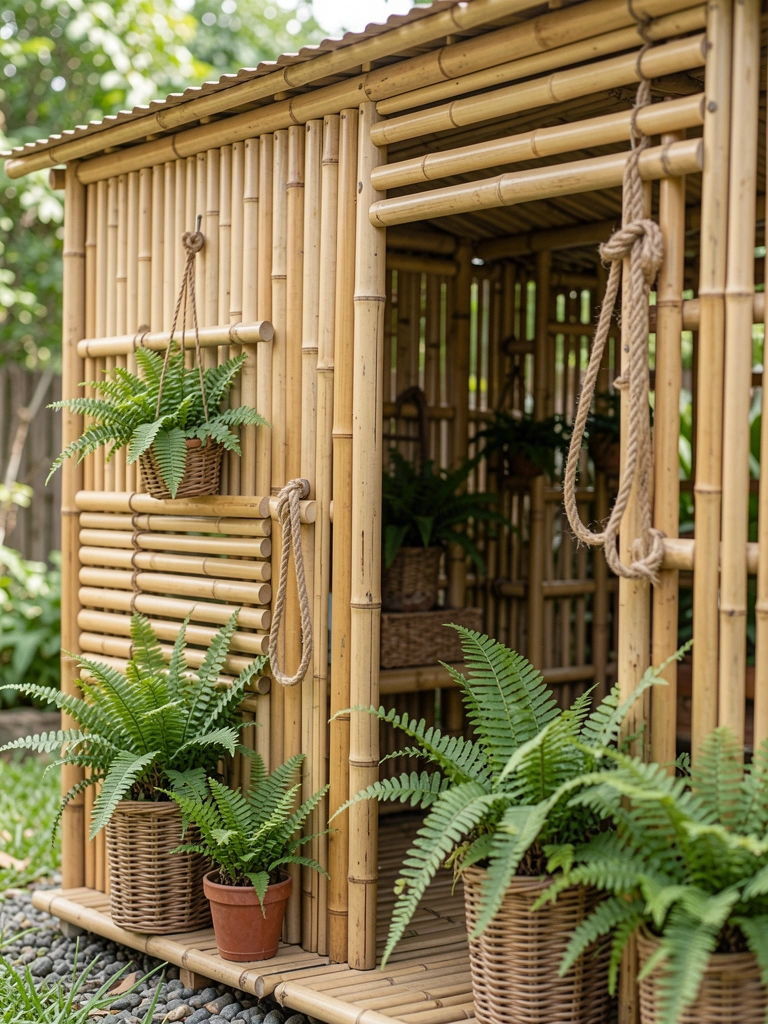
    9. Slatted Bamboo Screening Shed

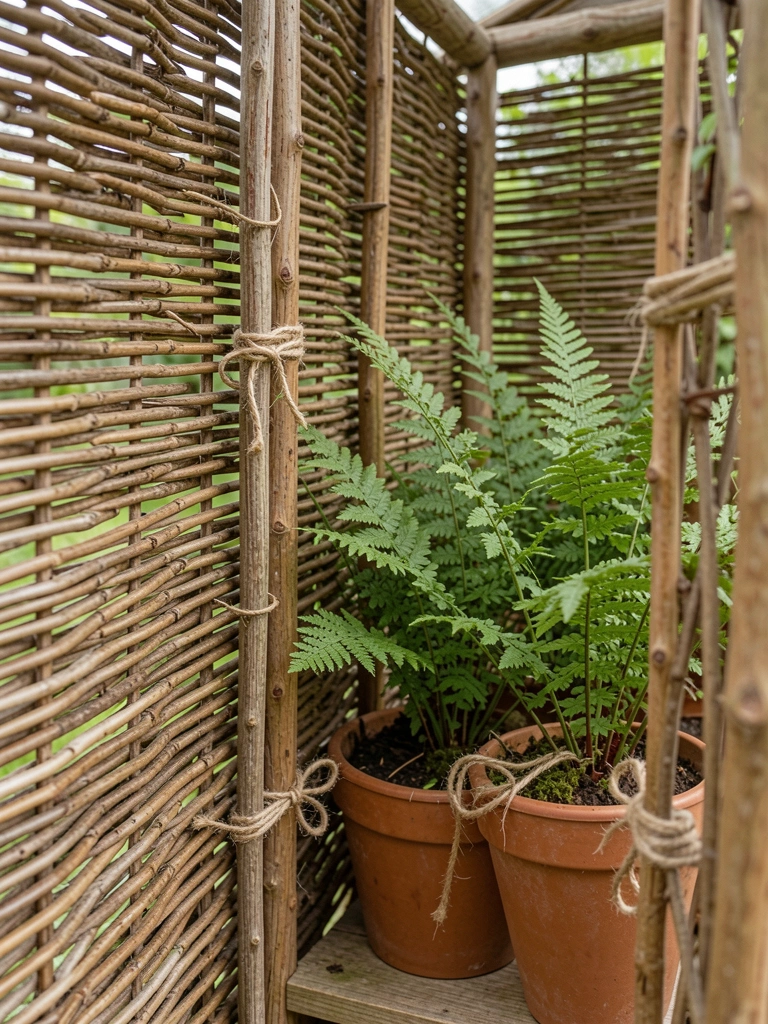
    Bamboo slats screened this 4×4 shed light and airy. Ferns in pots softened the front. Rope pulls doors easy. Wind whistled soft.

    Bamboo flexes; no rot. Fern shade cools inside. Ties loose for breath.

    Slats split dry; soak first.

    What You’ll Need for This Look

    Bamboo screening rolls (6 foot)
    Fern plants (hanging pots)
    Rope door pulls (natural)

    10. Vintage Door Recycled Shed Frame

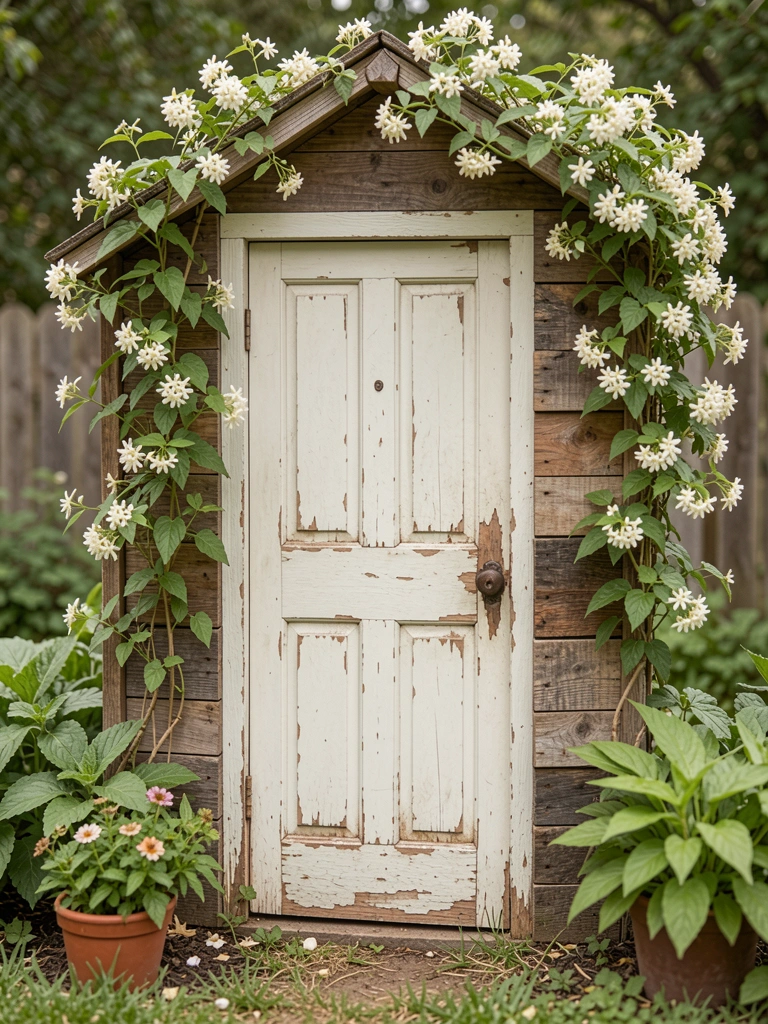
    Old door fronted this 3×5 reclaimed frame shed. Honeysuckle gripped sides quick. Panes let light check tools. Patina grew cozy.

    Door weight needs strong hinges. Climber hides seams. Yard nook perfected.

    Hinges rusted; oil yearly.

    What You’ll Need for This Look

    Vintage style paneled door (36 inch)
    Honeysuckle vine
    Heavy duty hinges (galvanized)

    11. Low-Profile Corrugated Shed Hide

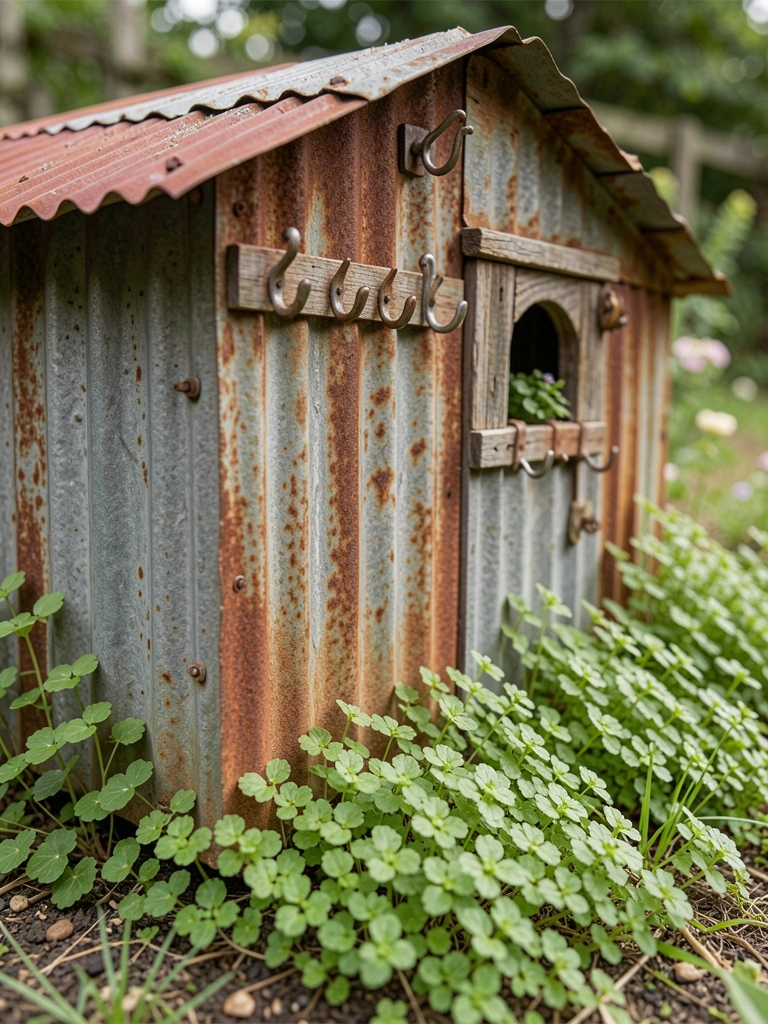
    Corrugated iron low at 4×5 hid under grass level. Creeping Jenny carpeted front. Pegs inside held gloves. Rust patina matched pots.

    Low profile fools the eye—yard bigger. Groundcover roots shallow. Level base firm.

    Jenny spread wild; edge it.

    What You’ll Need for This Look

    Corrugated metal panels (galvanized, 4 foot)
    Creeping Jenny plants
    Wall peg hooks (rustproof)

    12. Solar Skylight Timber Shed

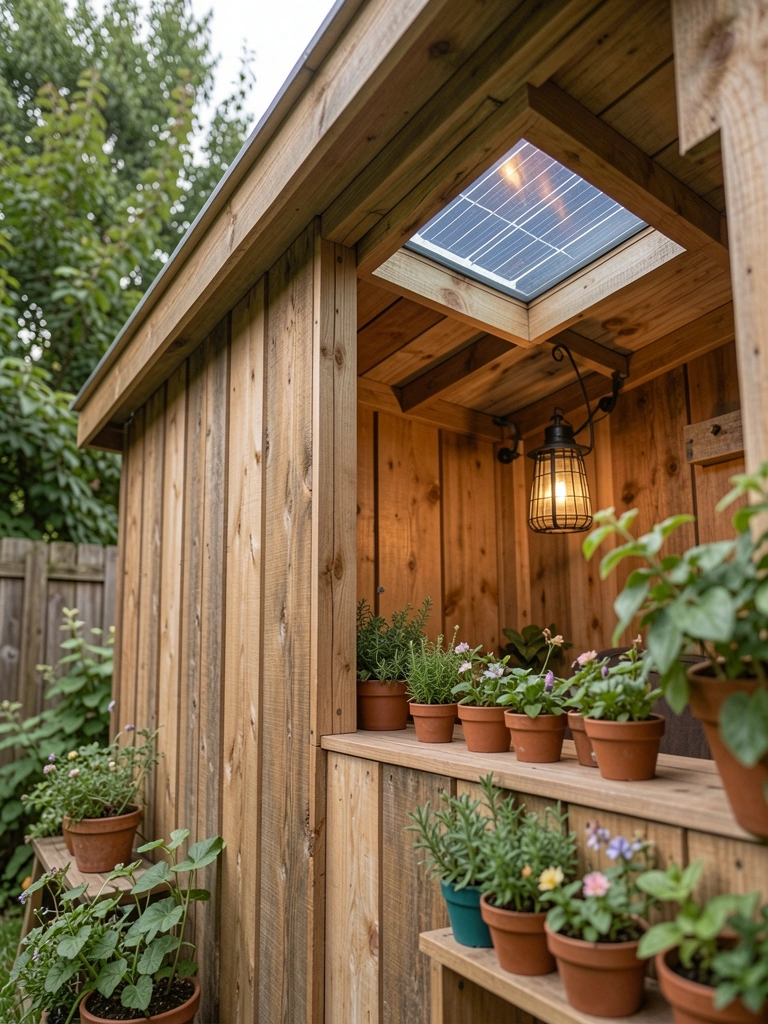
    Timber 4×6 with plastic skylight lit seeds at night. Solar lantern hung ready. Vines framed edges soft. No extension cords.

    Light changed mornings—plants reached up. Quiet power. Seal skylight silicone.

    Fogged first; vent it.

    What You’ll Need for This Look

    Timber shed kit (4×6 foot)
    Solar skylight panel (small)
    Solar lantern (warm white)

    13. Corner Bench-Integrated Shed

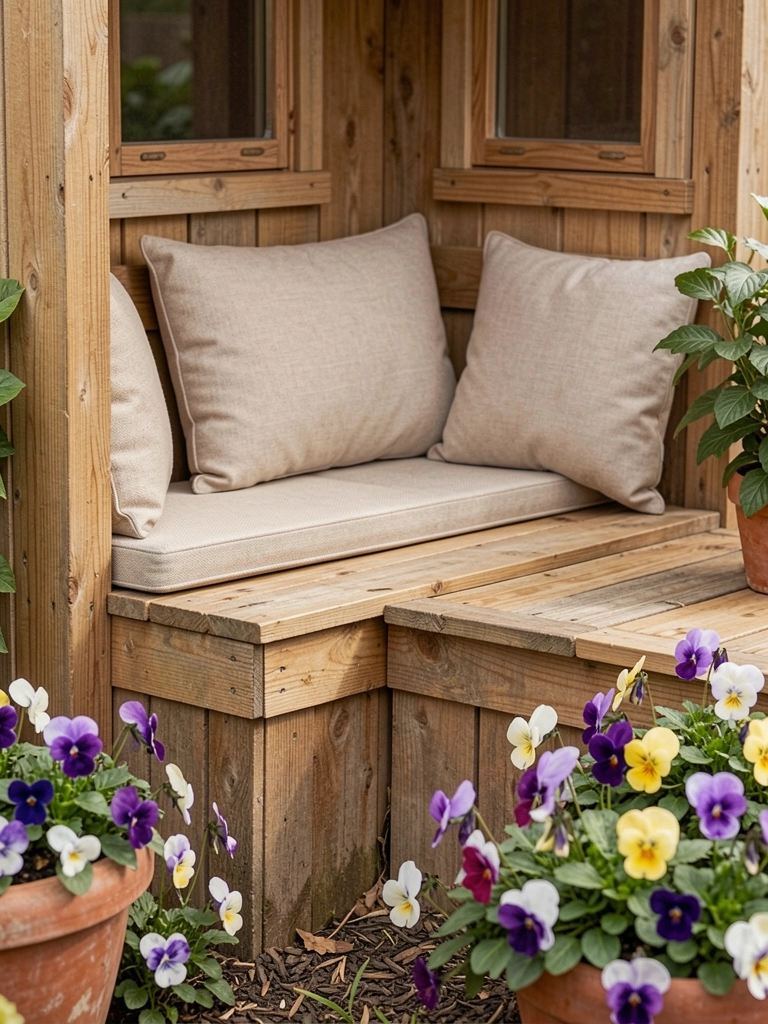
    Bench wrapped this 5×5 corner shed. Planks padded simple. Violas tucked edges colorful. Sit, sip coffee, grab shears.

    Corner eats space smart. Bench holds pots too. Cushions weather canvas.

    Wood splintered; sand smooth.

    What You’ll Need for This Look

    Plank lumber for bench (2×12)
    Viola flower plants (tray)
    Outdoor seat cushions (neutral)

    14. Faux Thatch Roof Mini Shed

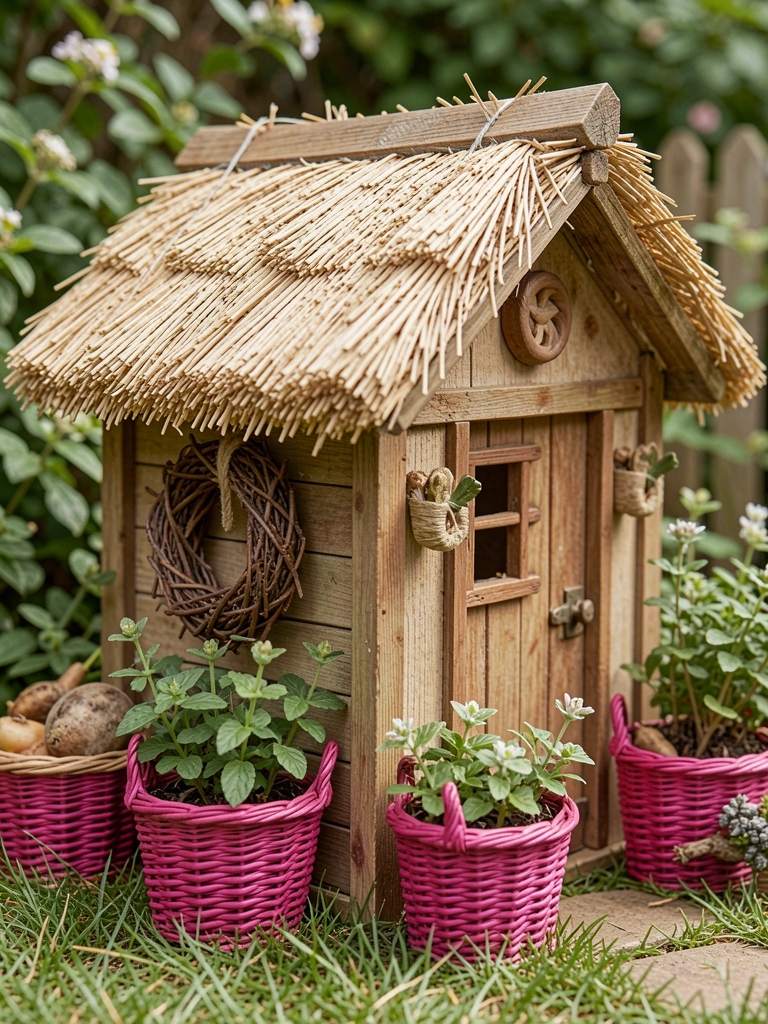
    Faux thatch capped this 4×4 shed cottage-style. Fuchsia baskets swung front. Twigs wreathed door natural. Rain beaded off.

    Thatch fools birds; lasts years. Baskets add height soft. Staple secure.

    Thatch faded sun; shade cloth.

    What You’ll Need for This Look

    Faux thatch roofing (4×4 coverage)
    Fuchsia hanging baskets
    Twig door wreath (natural)

    15. Gravel Pad Board-and-Batten Shed

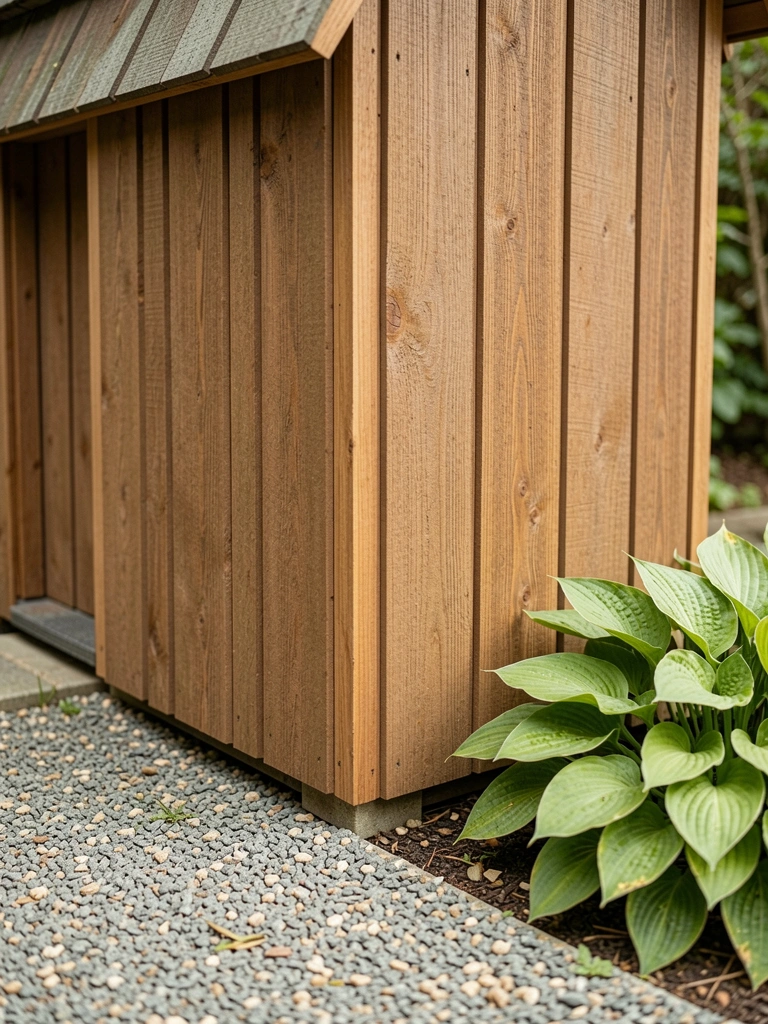
    Board-and-batten on gravel pad made 3×5 shed stable. Hosta shaded base lush. Battens overlapped tight—no leaks.

    Gravel drained puddles; clean lines. Hosta fills gaps. Space battens even.

    Gravel shifted; tamp down.

    What You’ll Need for This Look

    Board and batten siding (cedar)
    Hosta plants (perennial)
    Landscape gravel (pea size bag)

    16. Vine-Draped Plywood Shed

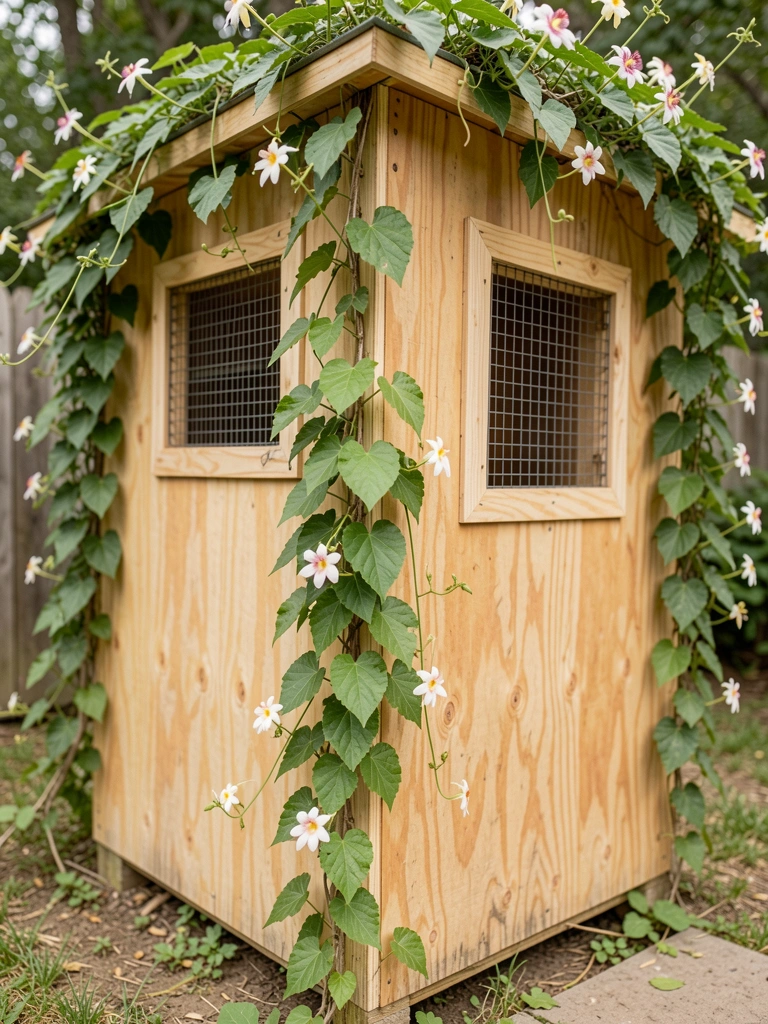
    Plywood painted, draped in passionflower for 4×5 shed. Mesh vents cooled tools. Vines gripped fast, green curtain.

    Vines make plywood cozy quick. Airflow stops mold. Train horizontal.

    Paint blistered; use exterior.

    What You’ll Need for This Look

    Exterior plywood sheets (4×8 foot)
    Passionflower vine starters
    Wire mesh vent screens

    17. Mobile Wheelbase Tool Shed

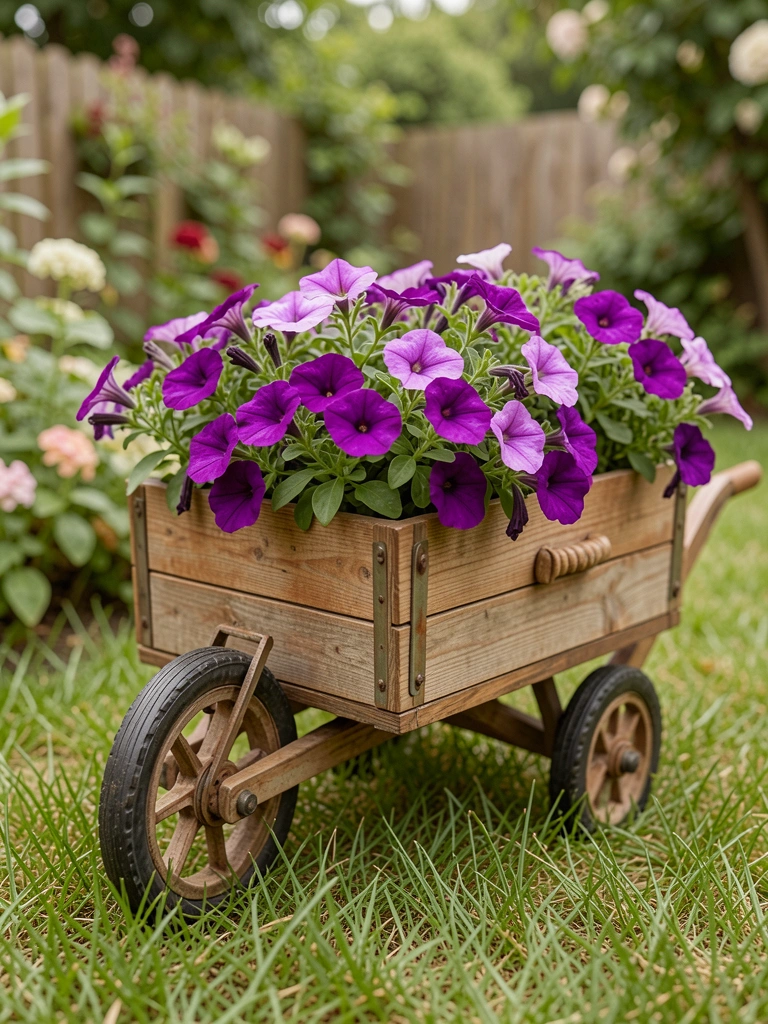
    Wheelbase under plywood box rolled this 3×4 shed easy. Petunias planted sides bloomed mobile. Park where needed; tools follow.

    Wheels free small yards—chase sun. Petunias trail pretty. Lock wheels firm.

    Wheels rusted mud; grease often.

    What You’ll Need for This Look

    Heavy duty garden cart wheels (12 inch)
    Petunia wave plants
    Plywood utility box kit

    Final Thoughts

    Pick one shed that fits your corner. No need for all 17—just the one that pulls you in. I've got three running now; yard feels settled. Yours will too. Start small, watch it blend. You've got this.
  • 13 White Cottage Garden Sheds with Timeless Style

    13 White Cottage Garden Sheds with Timeless Style

    I remember hauling home my first shed. It was raw wood, clashed with the yard. One coat of white paint, and it settled in like an old friend. The garden breathed easier.

    White cottage sheds do that. They frame the chaos of plants without shouting.

    I've tinkered with a dozen now. Each one teaches the yard feels bigger, calmer.

    13 White Cottage Garden Sheds with Timeless Style

    These 13 white cottage garden sheds draw from real yards I've shaped. Timeless lines, easy fits. You'll see exactly how to get the look without fuss.

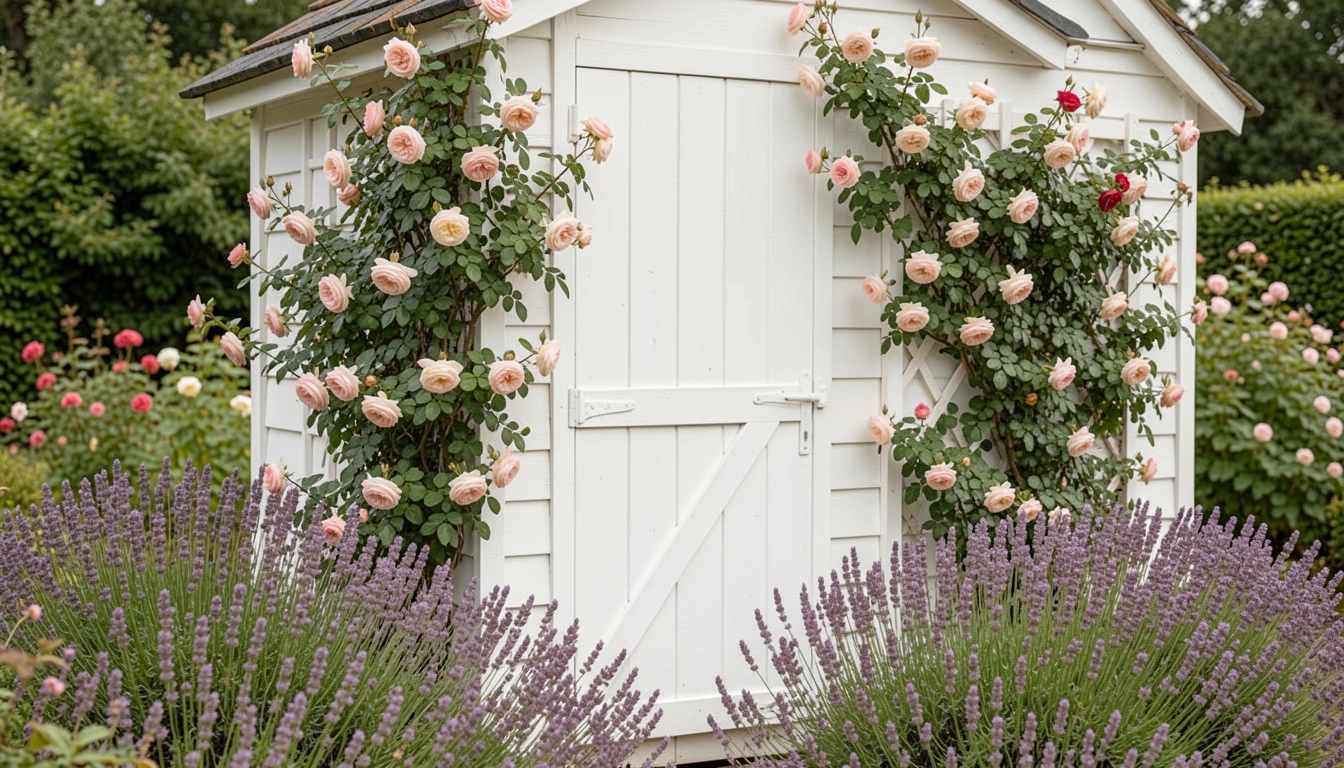
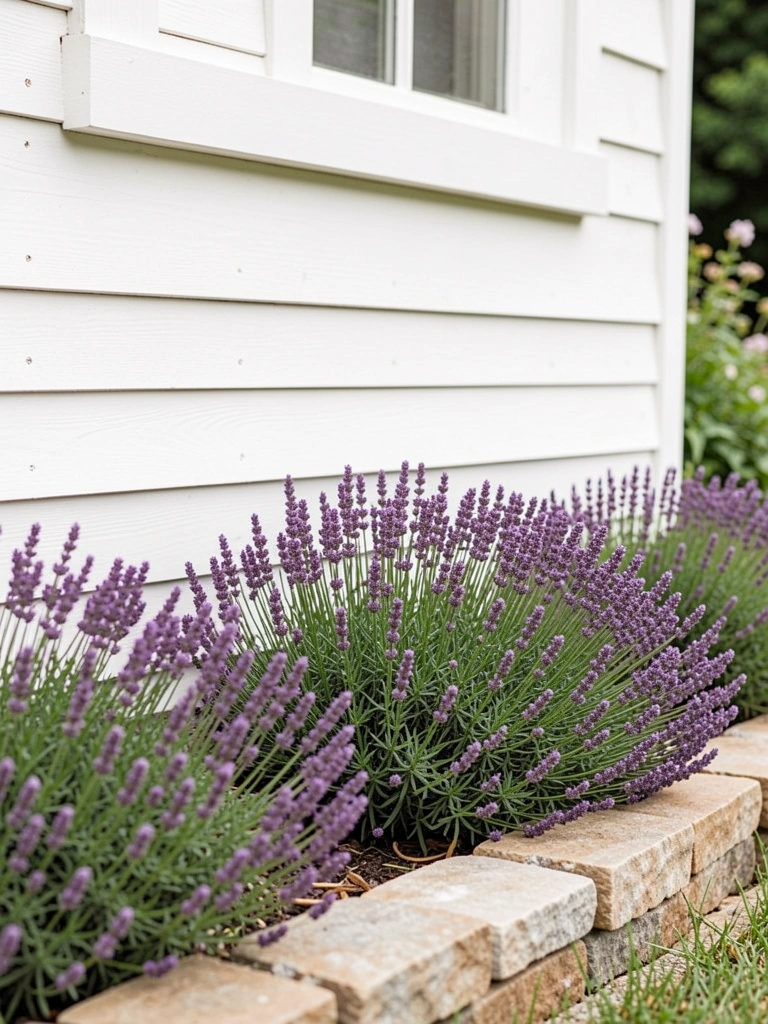
    1. Shiplap White Shed with Lavender Beds at the Base

    I planted this shiplap shed in a friend's side yard last summer. White paint on the boards made it fade into the fence line. Lavender beds at the base hide the concrete footer.

    The purple haze softens everything. Walk by, and the scent hits—calms the whole path.

    I overwatered at first; half the plants yellowed. Now I let soil dry out between.

    Pair it with gravel for drainage. The white stays crisp year-round.

    What You’ll Need for This Look

    Shiplap garden shed kit (6×4 ft)

    English lavender plants (4-pack)

    White exterior paint (1 gallon)

    Pea gravel bag (50 lb)

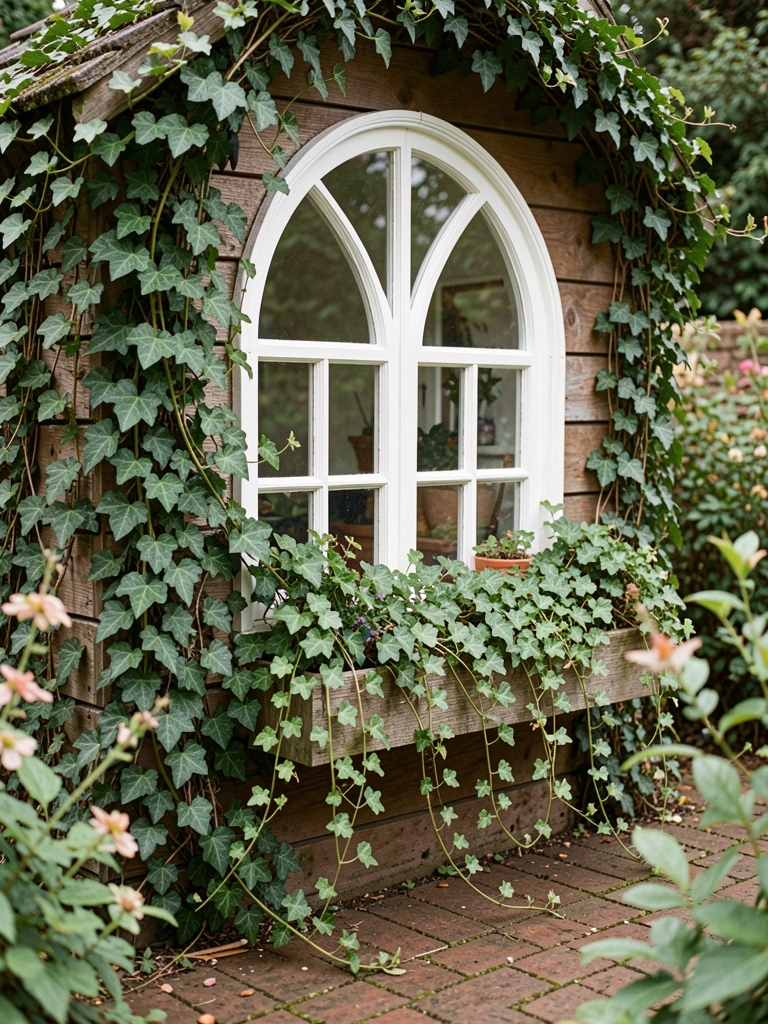
    2. Arched Window Potting Shed with Trailing Ivy

    This potting shed with arched windows went up in my backyard. White paint on the trim makes light bounce inside all day. Ivy trails from hooks I added later.

    It feels like a hidden room now. Herbs on the sill, tools in reach.

    English ivy took over once; I trimmed it back hard. Grows slower now, stays tidy.

    Hook it high so it drapes, not climbs the walls.

    What You’ll Need for This Look

    White potting shed with arched windows (8×6 ft)

    English ivy plants (6 inch pots)

    Heavy duty S-hooks (pack of 10)

    Galvanized shelving brackets

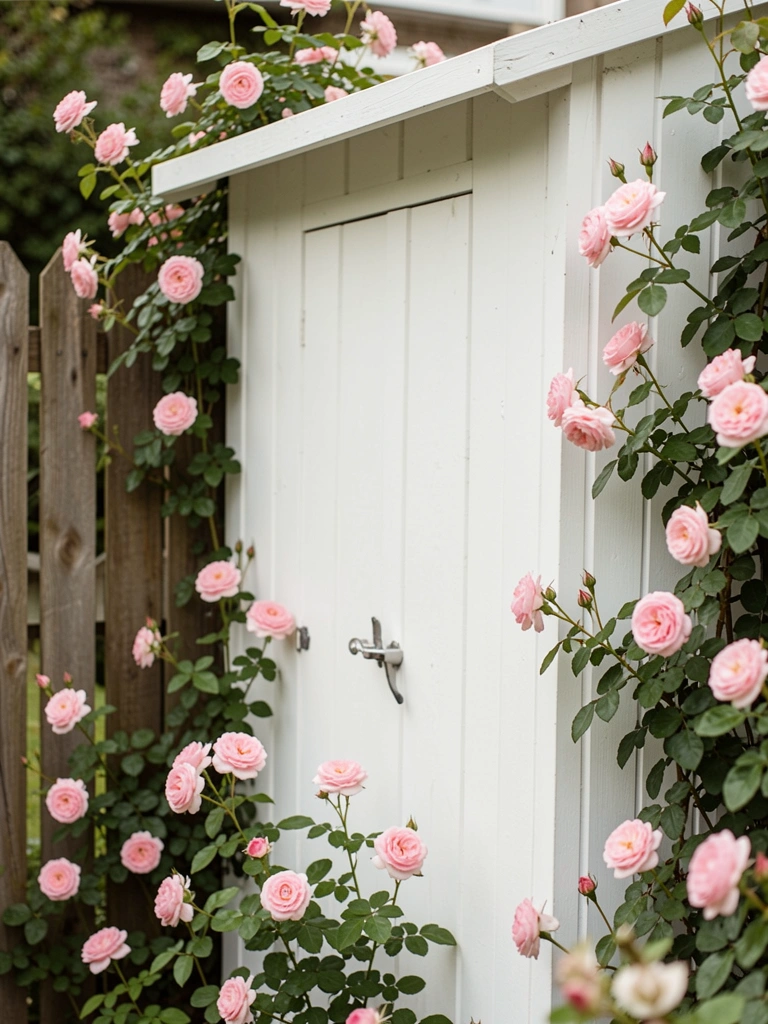
    3. Lean-To White Shed Against a Fence with Roses

    Tucked my lean-to shed against the back fence. White boards match the pickets. Climbing roses arch over the roof edge.

    The yard feels enclosed, private. Roses bloom heavy in June—pulls eyes up.

    Planted too close first time; pruned them yearly now. They frame without smothering.

    Train canes flat against the fence for best flowers.

    What You’ll Need for This Look

    White lean-to garden shed (4×8 ft)

    Climbing iceberg roses (2-pack)

    Trellis netting (10 ft)

    Rose fertilizer spikes

    4. Double-Door White Shed with Gravel Approach

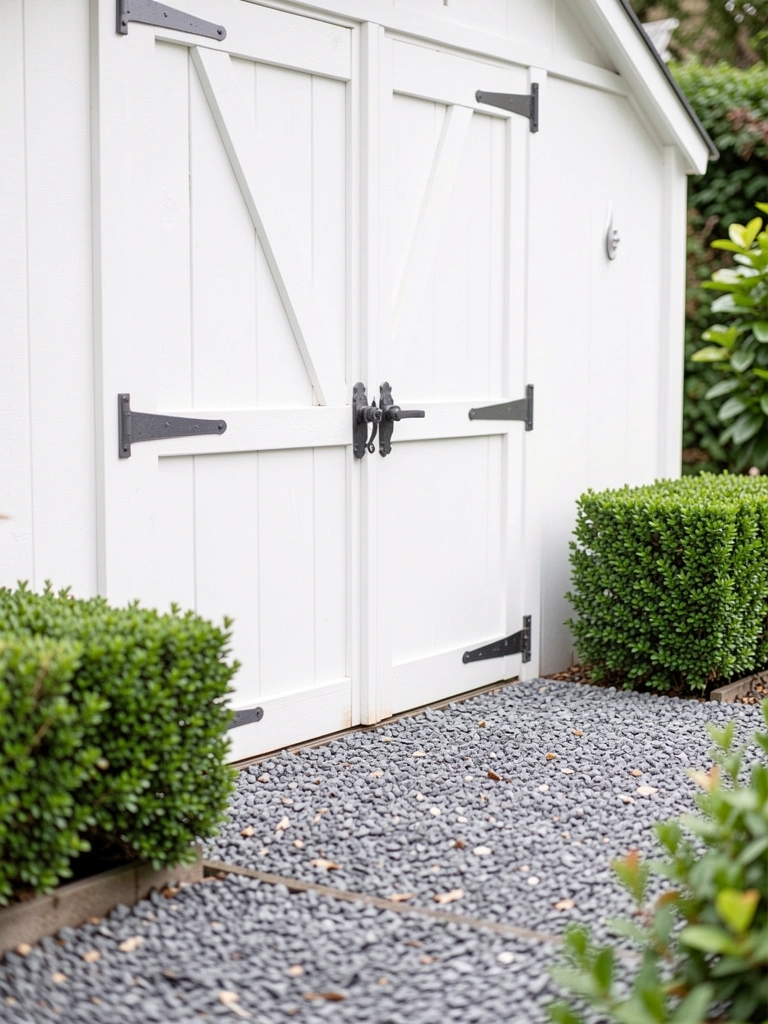
    Double doors on this white shed swing wide for wheelbarrows. Gravel path crunches underfoot, leads right to it.

    Storage feels organized. White doors stay bright against the stones.

    Gravel shifted first winter; edged it with bricks. Stays put now.

    Rake it smooth weekly—keeps the cottage path neat.

    What You’ll Need for This Look

    White double-door garden shed (10×8 ft)

    Pea gravel bulk bag (0.5 cu ft)

    Landscape edging bricks (pack of 20)

    Steel rake for gravel

    5. White Shed with Built-In Bench and Warm Lights

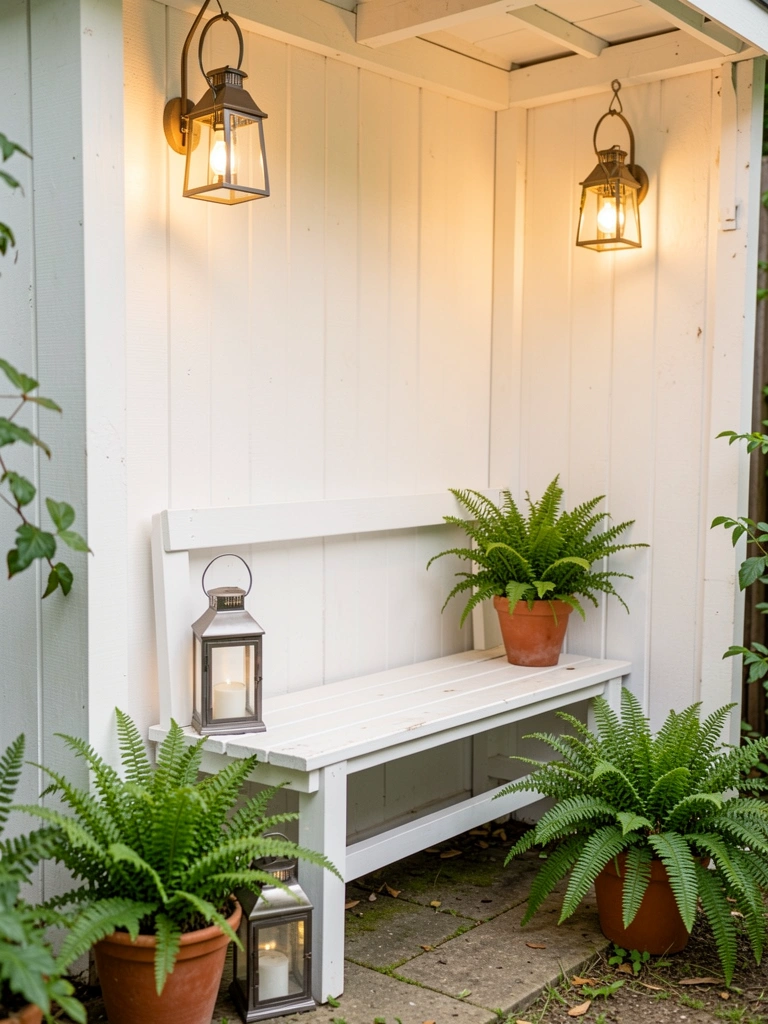
    Added a bench under the shed's overhang. White wood matches the siding. Solar lights hang at dusk—warm glow.

    Sit there evenings, coffee in hand. Garden quiets.

    Lights faded fast first set; switched to metal ones. Last years now.

    Bolt bench secure; wind catches it.

    What You’ll Need for This Look

    White garden shed with overhang (7×5 ft)

    Outdoor wooden bench (4 ft)

    Solar lantern lights (warm white, set of 4)

    Lag bolts for bench mounting

    6. White Shed Enclosed by Low Picket Fence

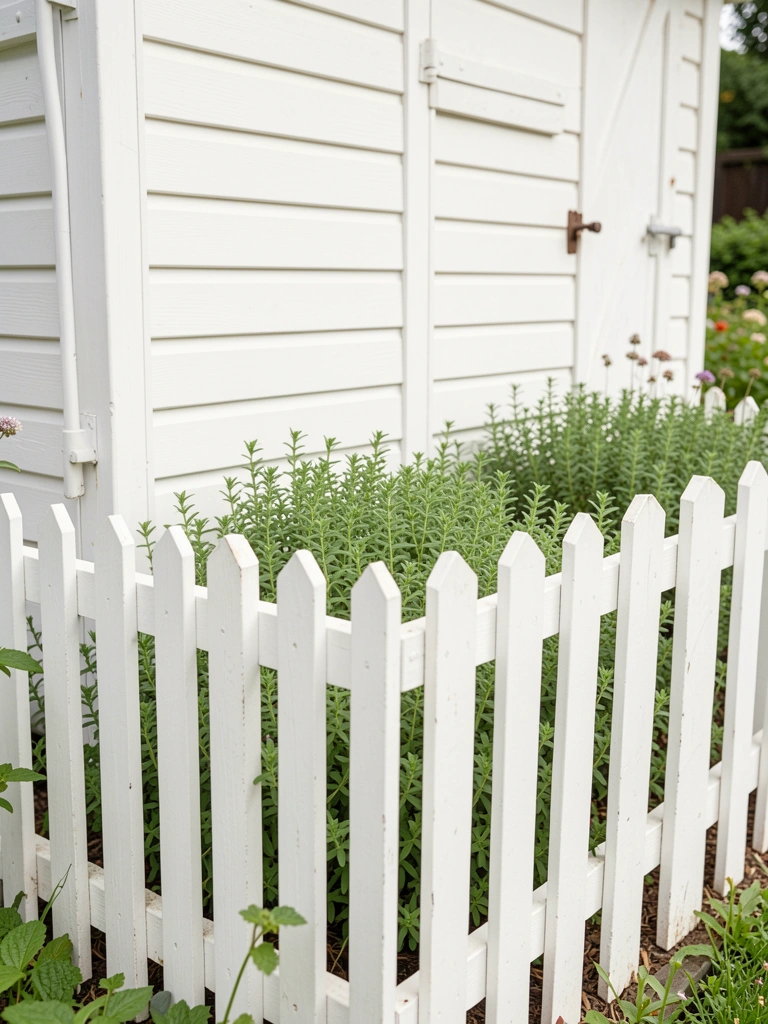
    Low picket fence wraps this white shed. Matches the paint, defines the zone.

    Catmint spills over—bees love it. Feels like a garden room.

    Fence leaned first rain; set posts in concrete. Solid now.

    Paint everything white together for seamless.

    What You’ll Need for This Look

    White cottage garden shed (6×6 ft)

    White picket fence panels (3 ft high)

    Catmint plants (walker variety)

    Concrete mix bag (80 lb)

    7. White Shed with Wildflower Roof Meadow

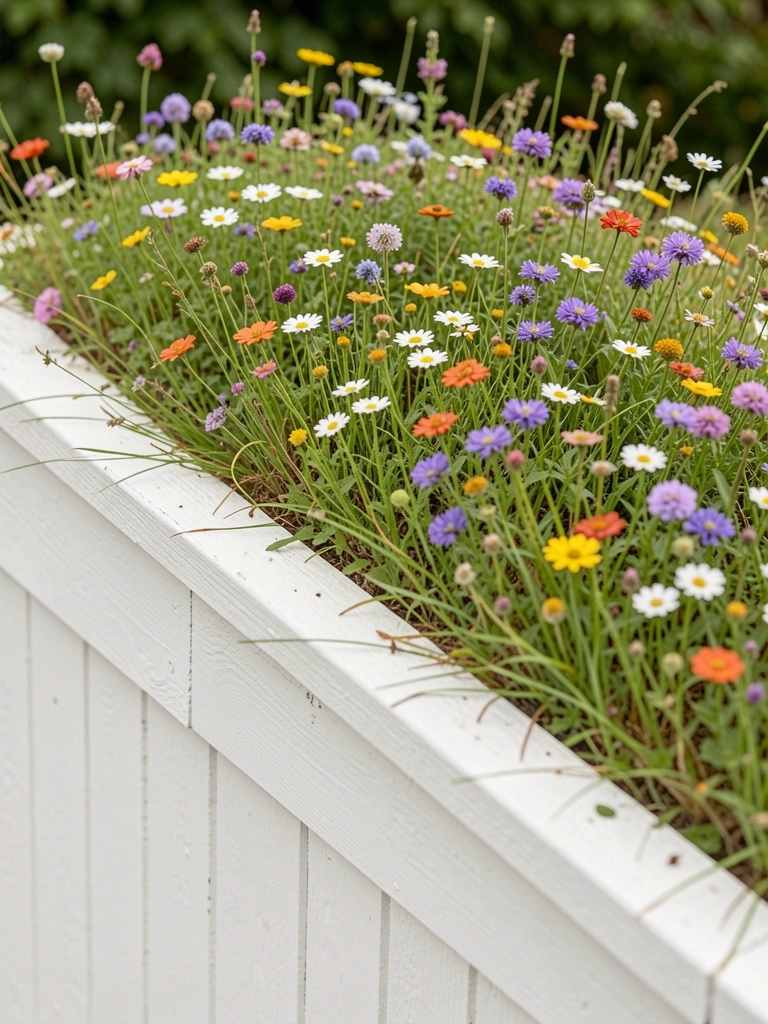
    Wildflowers on the shed roof started as an experiment. White sides below make blooms pop.

    Butterflies flock June through fall. Blends with the meadow beyond.

    Seeds washed off first season; used sedum mat next. Stays put.

    Light soil mix—keeps weight low.

    What You’ll Need for This Look

    White garden shed with flat roof (8×4 ft)

    Wildflower roof meadow seed mat

    Sedum plugs (12-pack)

    Lightweight potting soil (2 cu ft)

    8. White Shed Door with Hand-Painted Sign

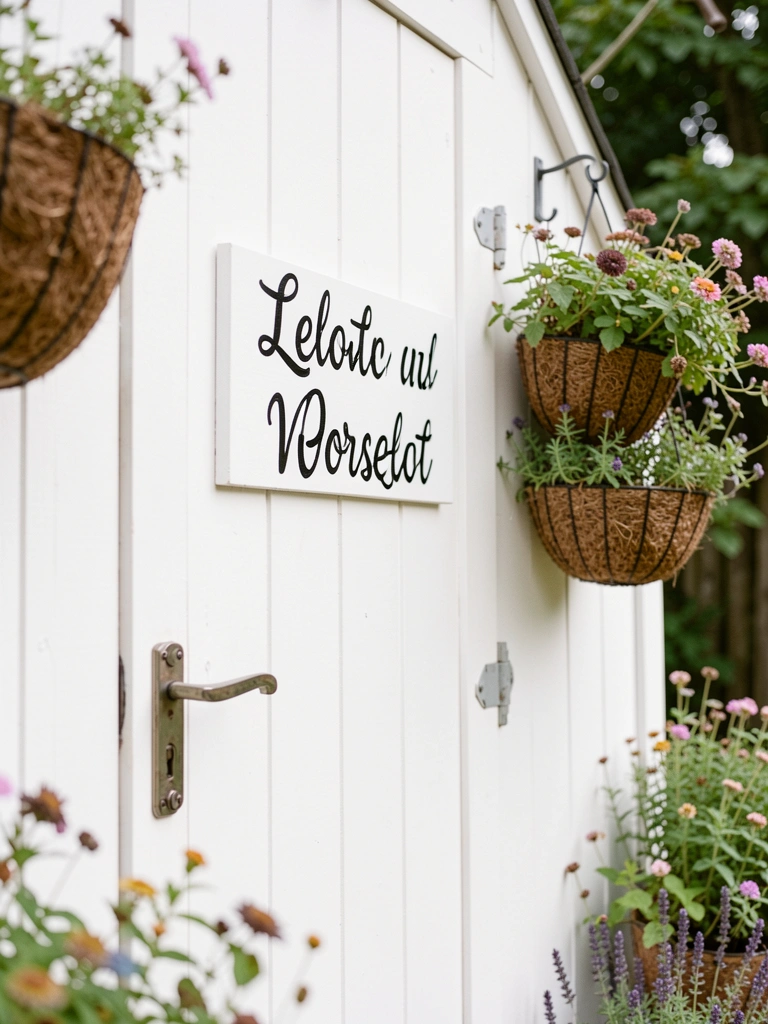
    Painted "Potting Shed" on the door myself. White background, simple script. Baskets hang beside.

    Personal touch—friends smile when they see it. Invites poking around.

    Letters smeared first try; practiced on scrap wood.

    Stencil for clean edges if handwriting wobbles.

    What You’ll Need for This Look

    White cottage potting shed (5×7 ft)

    Outdoor hanging baskets (metal, 12 inch)

    Chalkboard paint for signs

    Stencil set (lettering)

    9. White Shed Ringed by Herb Planters

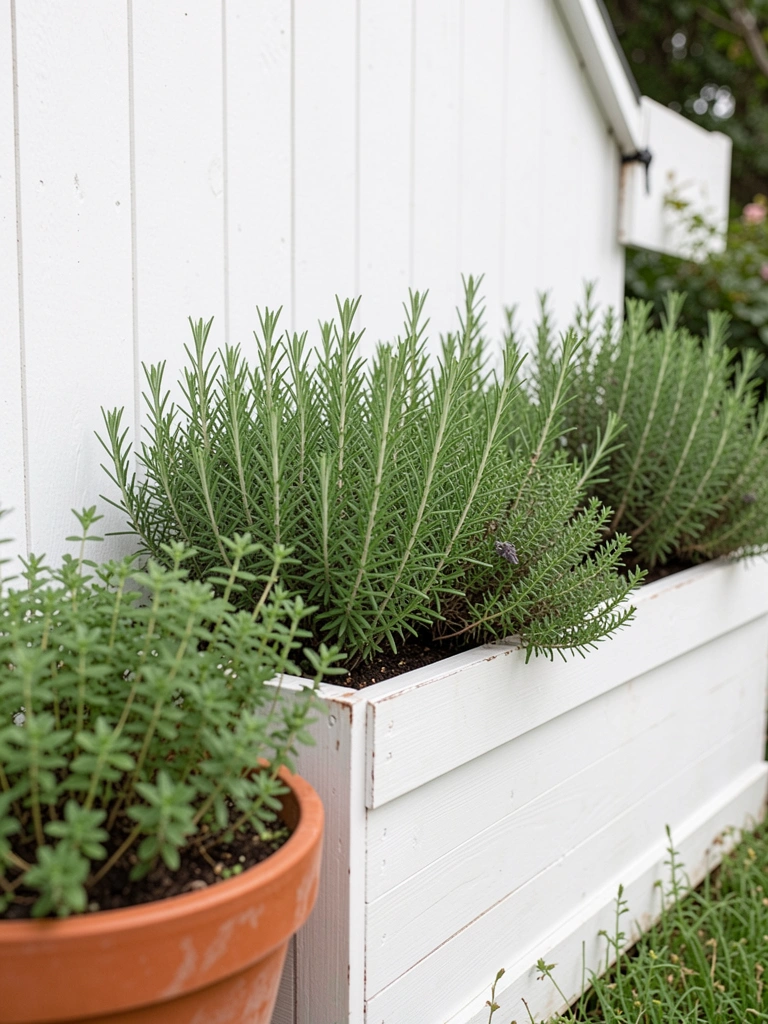
    Herb pots circle the base of this white shed. Rosemary tall, thyme spills low.

    Snip for dinner daily—fresh punch. White backdrop shows green tones sharp.

    Overcrowded pots once; spaced them out. Healthier now.

    Turn pots quarterly for even growth.

    What You’ll Need for This Look

    Compact white garden shed (4×6 ft)

    Terracotta herb planters (10 inch)

    Rosemary plant (1 gallon)

    Creeping thyme plugs

    10. Lantern-Lit White Shed Path at Dusk

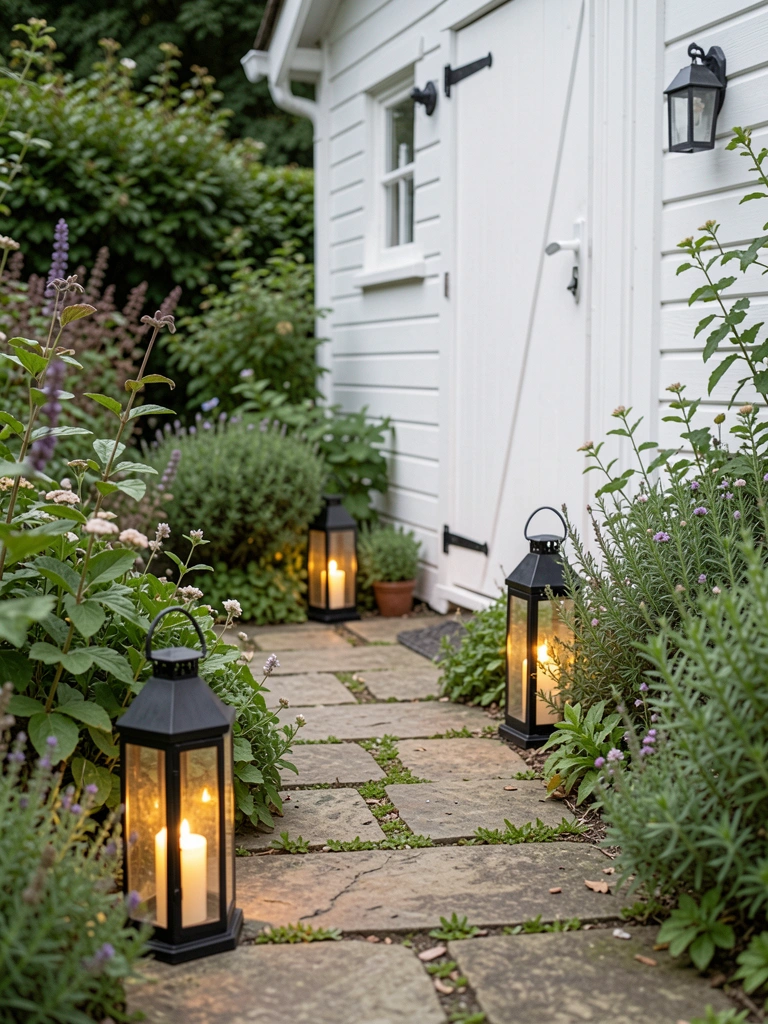
    Path lights lead to the white shed. Lanterns on posts glow soft at night.

    Evenings feel safe, inviting. Shed waits like a beacon.

    Bulbs burned out yearly; went solar. No wiring hassle.

    Stake deep in soft soil.

    What You’ll Need for This Look

    White cottage garden shed (7×7 ft)

    Solar path lanterns (black metal, set of 6)

    Landscape path stones (12 inch)

    Post stakes (galvanized)

    11. Milk-Painted White Shed with Shutters

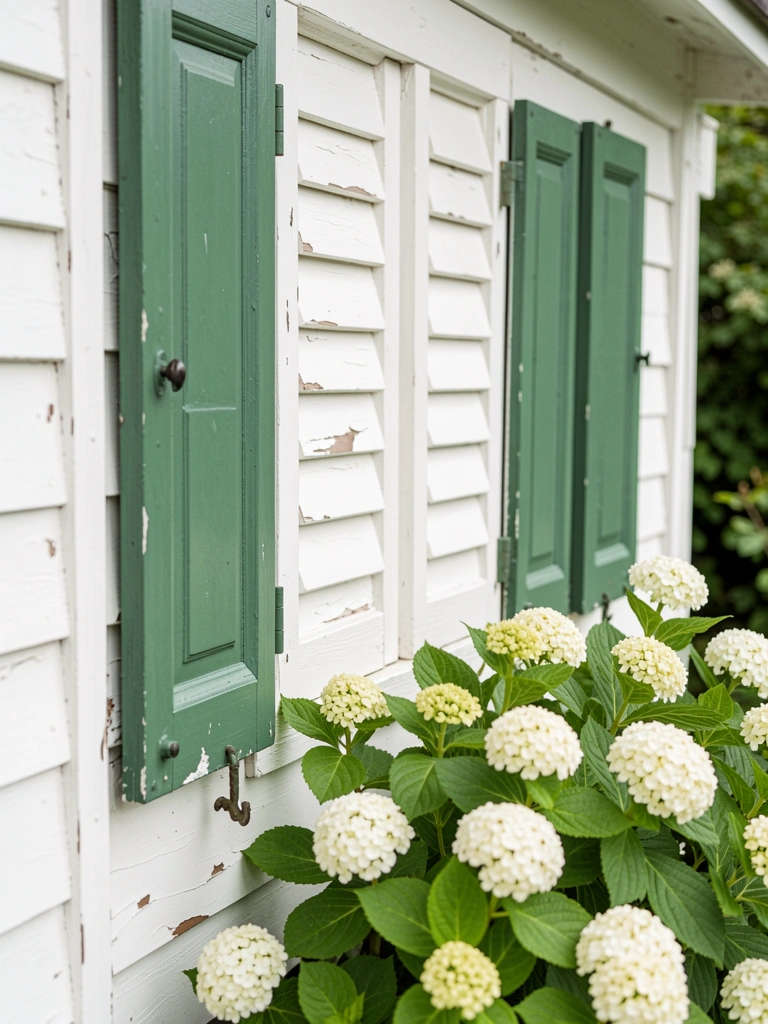
    Milk paint on this shed gives a soft white, weathers gentle. Shutters fold back for air.

    Chips show age—cozy, not new. Hydrangea bushes flank it.

    Paint flaked first rain; sealed it light. Holds now.

    One coat covers raw wood fine.

    What You’ll Need for This Look

    Wooden garden shed kit for milk paint (6×8 ft)

    Milk paint white (quart)

    Rustic shutters (pair, green)

    Hydrangea shrubs (annabelle)

    12. Window Box White Shed for Tight Spaces

    Narrow shed fits alley yards. Window boxes overflow blue lobelia.

    Adds width without space. Flowers sway in breeze.

    Boxes sagged heavy; reinforced brackets. Straight now.

    Fill half with soil—lighter load.

    What You’ll Need for This Look

    Narrow white cottage shed (3×6 ft)

    Window boxes (white PVC, 24 inch)

    Lobelia trailing plants (6-pack)

    Heavy duty brackets (stainless)

    13. Overhead Trellis White Shed with Clematis

    Trellis over the white shed roof shades tools inside. Clematis climbs thick.

    Flowers shade the door summer—cool spot. White gleams through leaves.

    Vines blocked door once; wired them aside. Flows free.

    Prune hard in winter for blooms.

    What You’ll Need for This Look

    White garden shed with trellis ready roof (8×5 ft)

    Clematis vine (jackmanii)

    Overhead trellis kit (wood)

    Organic mulch (cedar, 2 cu ft)

    Final Thoughts

    One of these white cottage garden sheds will fit your spot. No need for all 13.

    Start with paint or plants. It'll grow on you.

    Your yard's ready—hands in the dirt soon.

  • 15 Cottage Garden Sheds Interior Ideas for Cozy Spaces

    15 Cottage Garden Sheds Interior Ideas for Cozy Spaces

    Stepping into my shed after a long day weeding always grounds me. Years ago, mine was just stacked boxes and rusty tools—no soul. I started small changes, like better light and spots to sit. Now it's where I plan plantings over tea. You can make yours cozy too, even if it's tiny or beat-up.

    15 Cottage Garden Sheds Interior Ideas for Cozy Spaces

    These 15 cottage garden sheds interior ideas draw from sheds I've fixed up myself. Simple tweaks that add warmth without big spending. Each one works in real spaces—grab what fits your shed.

    1. Salvaged Wood Potting Bench for Daily Work

    I built my first potting bench from old fence boards in my backyard shed. It gave me a steady spot to repot without bending over the floor. The wood's knots and grain make it feel right at home—nothing polished. Suddenly, the space felt useful, not cramped.

    Light hits it just so in the mornings. I keep seedlings there now, and it draws my eye every time I walk in. Watch the height; mine was too low at first, so I added blocks underneath.
    One tip: seal the wood lightly if your shed gets damp. It holds up better through winters.

    What You’ll Need for This Look

    2. Hanging Mason Jars for Seed Starting

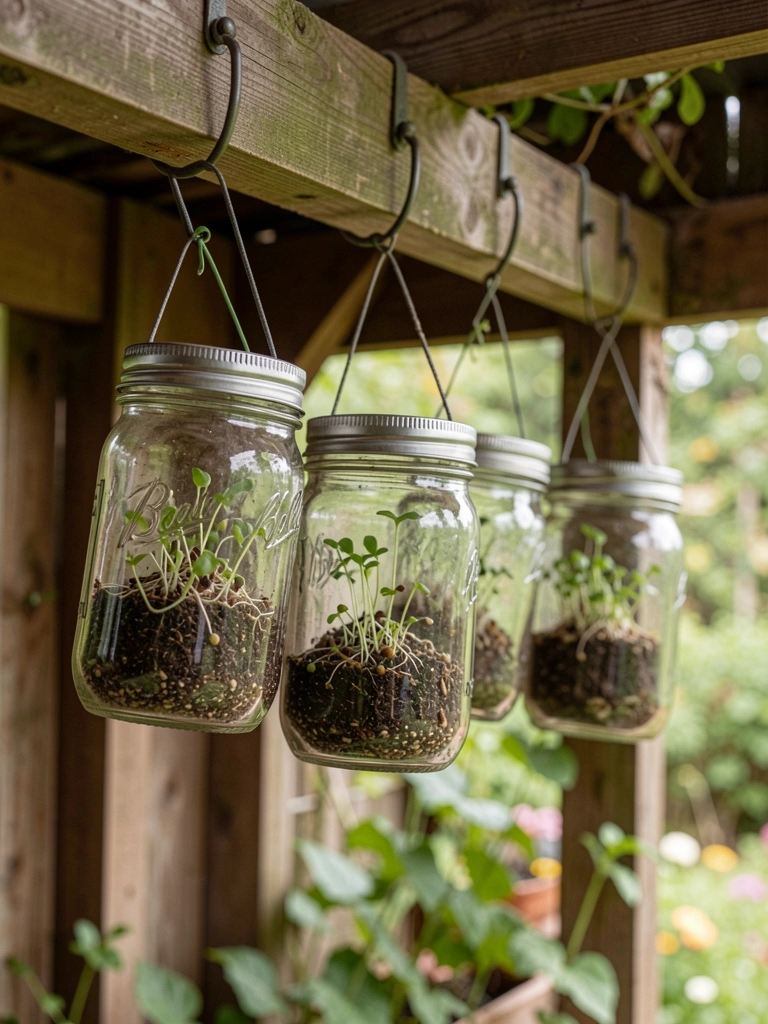
    I strung mason jars from the shed ceiling with wire after failing at windowsill starts—they tipped over too much. Now they're perfect for herbs and tiny greens. The glass catches light, making the dim corner brighter.

    It changed how I see the space—greenery overhead softens the bare rafters. I swap out jars as plants grow, keeping it fresh.

    Screw lids with holes for drainage. I learned that after soggy messes.

    What You’ll Need for This Look

    3. Woven Basket Walls for Tool Storage

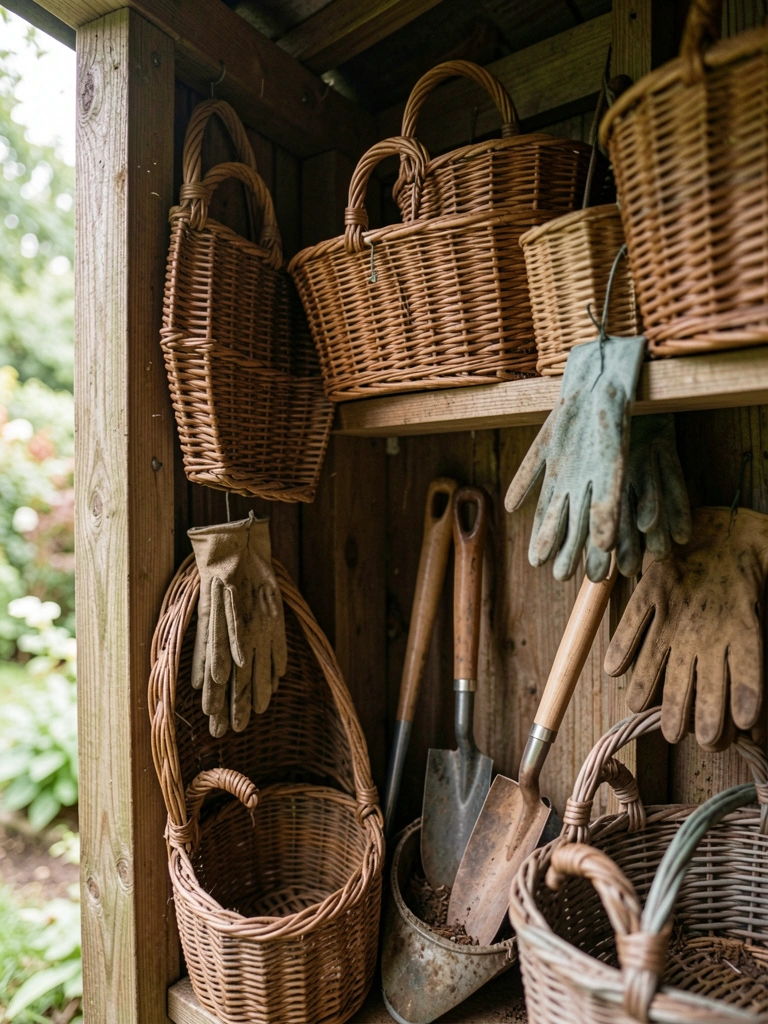
    Nailed woven baskets to my shed walls when drawers overflowed—tools were everywhere before. Baskets hold gloves, pruners, labels neatly but casually. The texture warms the plain plywood.

    Walking in feels calmer now; no hunting for shears mid-task. Textures mix with the wood tones nicely.

    Hang at eye level for easy grab. Overdid nails once, so space them.

    What You’ll Need for This Look

    4. Vintage Lanterns Over the Work Area

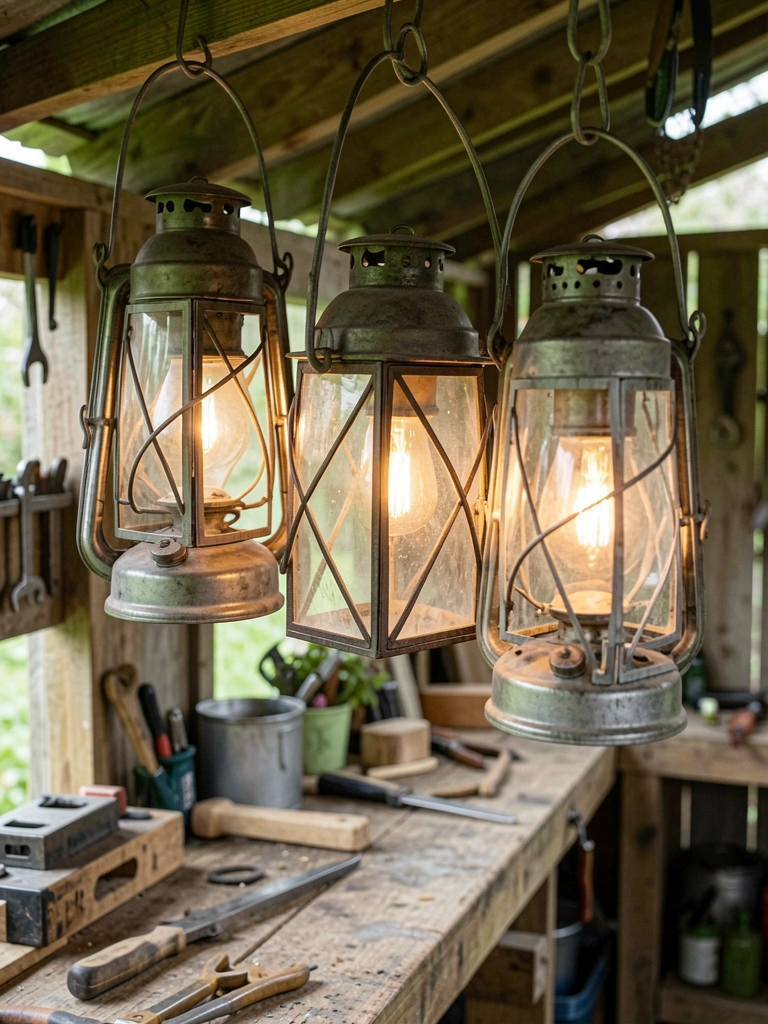
    Hung old lanterns in my shed after dark evenings frustrated me—no light for labeling pots. They cast a soft glow, pooling on the bench. Metal patina fits the cottage feel.

    Evenings there feel inviting now, like a quiet nook. Shadows play gentle on walls.

    Use battery ones if wiring scares you. Mine flickered first from bad bulbs.

    What You’ll Need for This Look

    5. Old Chair Nook for Breaks

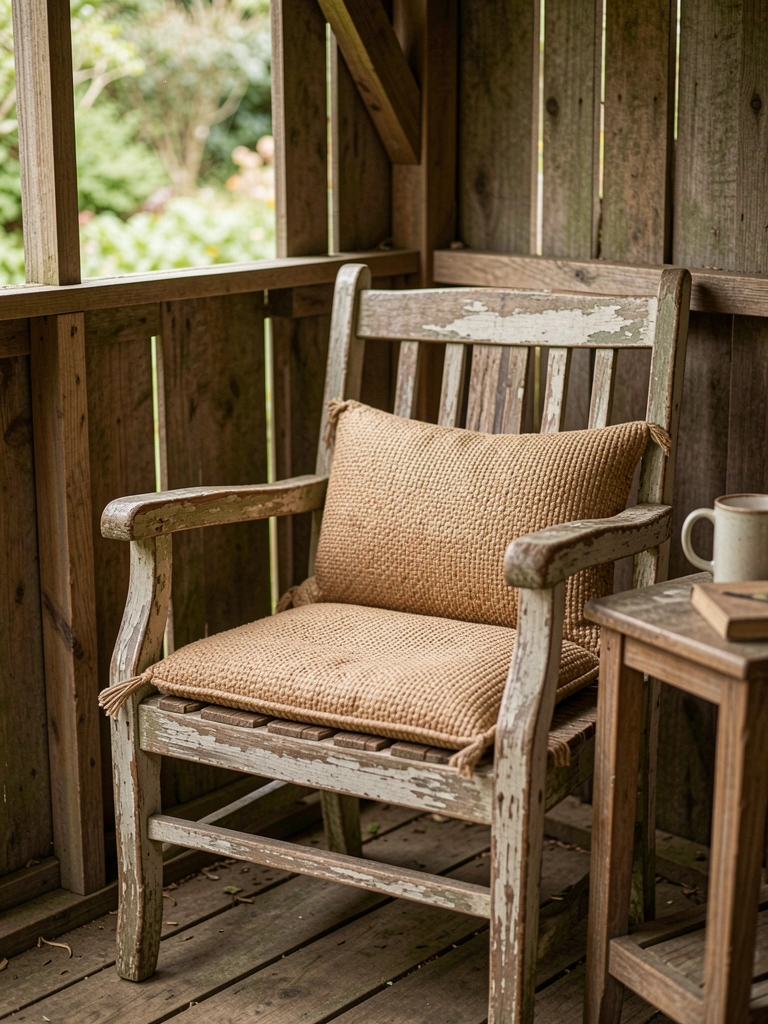
    Tucked an old wooden chair in my shed corner for rests after planting. Added a cushion—suddenly a spot to sip coffee amid pots. The chair's wear matches the space.

    It pulls me back outside longer; feels personal. Light from the window hits it soft.

    Pick sturdy ones; a wobbly one tipped on me once.

    What You’ll Need for This Look

    6. Pegboard for Hand Tools

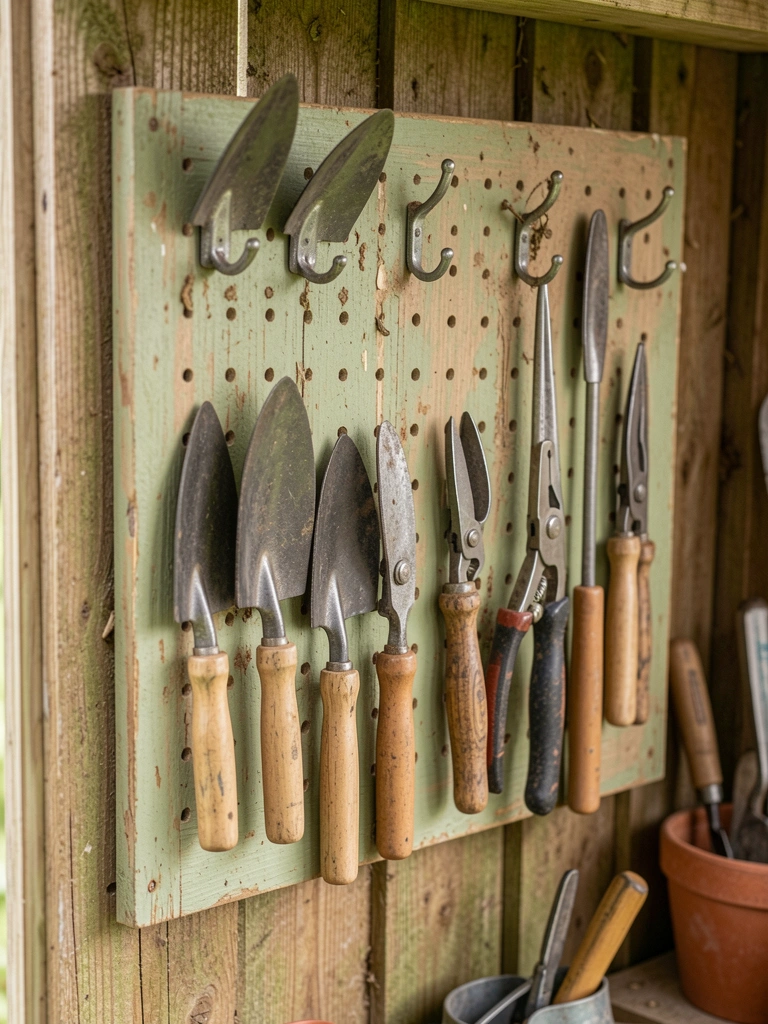
    Installed pegboard painted soft green in my shed—tools stayed on the floor before. Hooks silhouette nicely, easy to spot. Frees bench space too.

    The wall feels organized but not stiff. I glance and grab quick.

    Outline tools in chalk for new helpers. Keeps it fun.
    What You’ll Need for This Look

    7. Chalkboard for Plant Notes
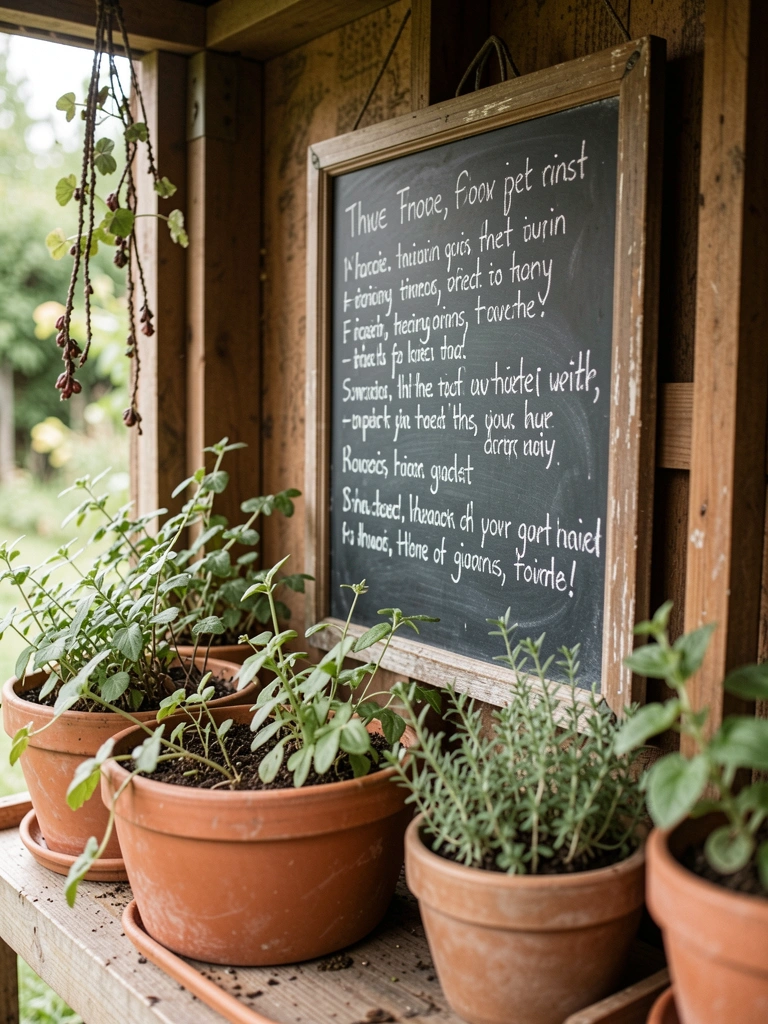
    Painted a chalkboard strip on my shed wall for sowing dates—sticky notes fell off in damp. Jot feeding reminders; wipes clean easy.

    It makes the space feel alive with plans. Ties into daily rhythms.

    Use dustless chalk; regular smeared on my first try.

    What You’ll Need for This Look

    8. Sheer Curtains on Windows

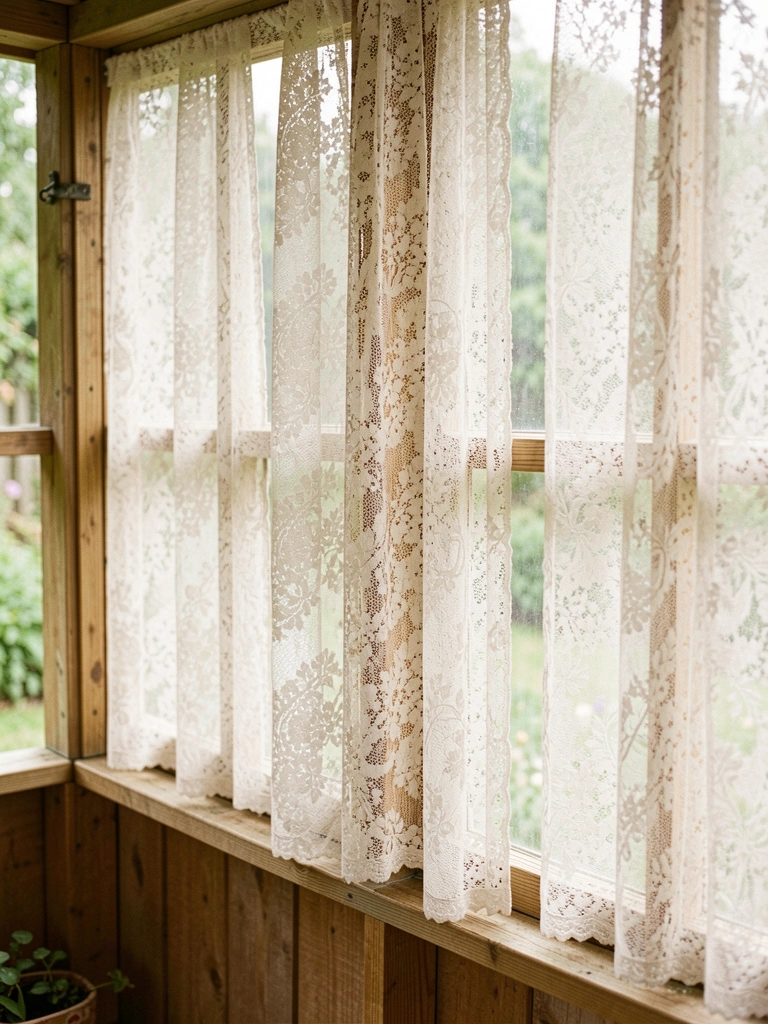
    Draped sheer curtains over my shed windows—blinds were harsh. They filter rain gray into soft glow, privacy without dark.

    Inside brightens gently; feels airy. Breeze moves them on good days.

    Rod tension style; nails pulled out once.

    What You’ll Need for This Look

    9. Wooden Crate Shelves

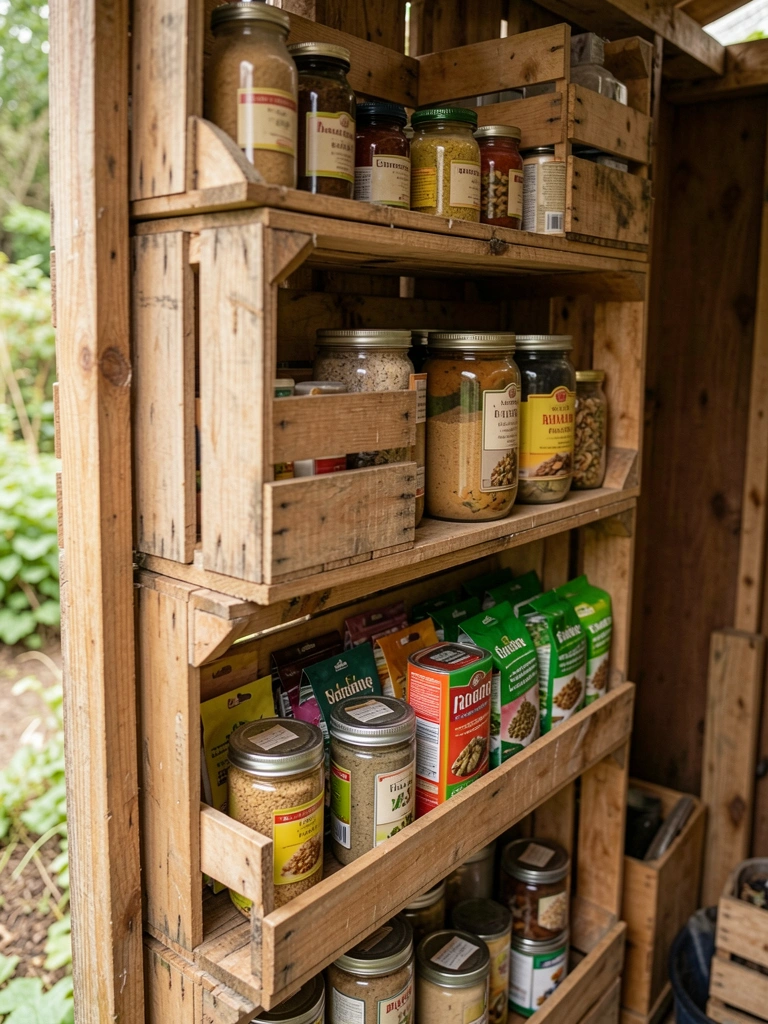
    Stacked old crates into shelves in my shed—floor storage was trip hazard. Hold jars, twine; rustic lines blend.

    Space breathes now; easy reach. Vertical without fuss.

    Brace well; mine sagged till brackets.

    What You’ll Need for This Look

    10. String Lights Along Rafters

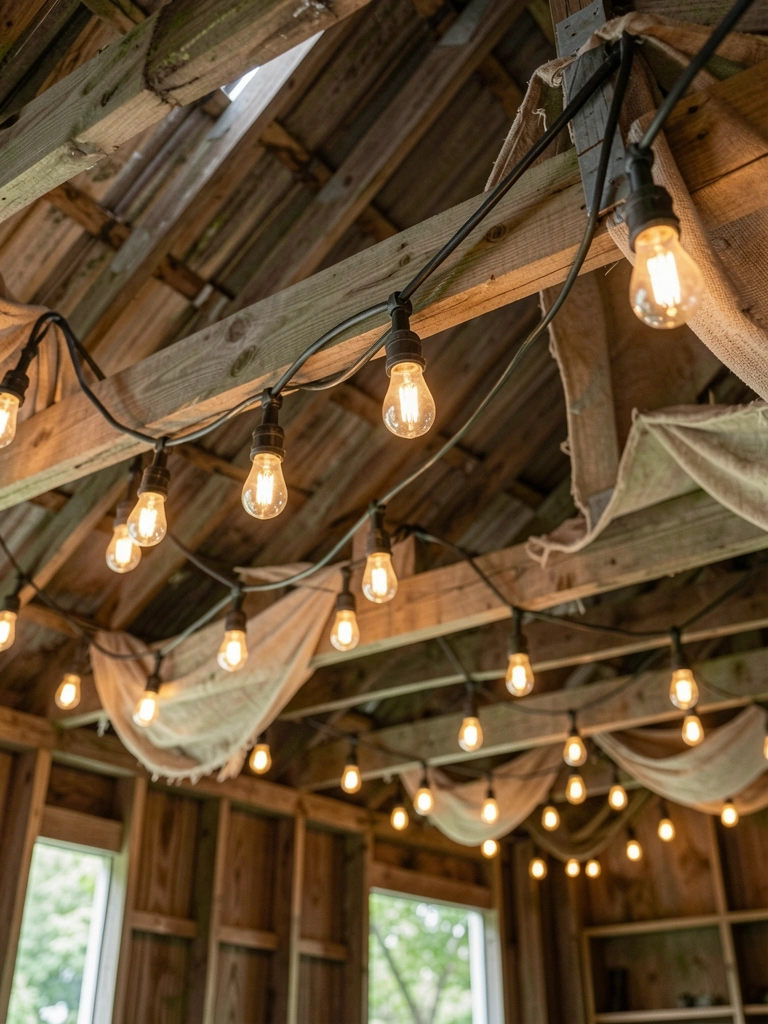
    Draped string lights on rafters after dusk work felt cold. Warm glow evenings; outlines the height nicely.

    Shed welcomes night visits now. Low energy too.

    Solar if possible; plugs failed in rain for me.

    What You’ll Need for This Look

    11. Woven Rug Underfoot

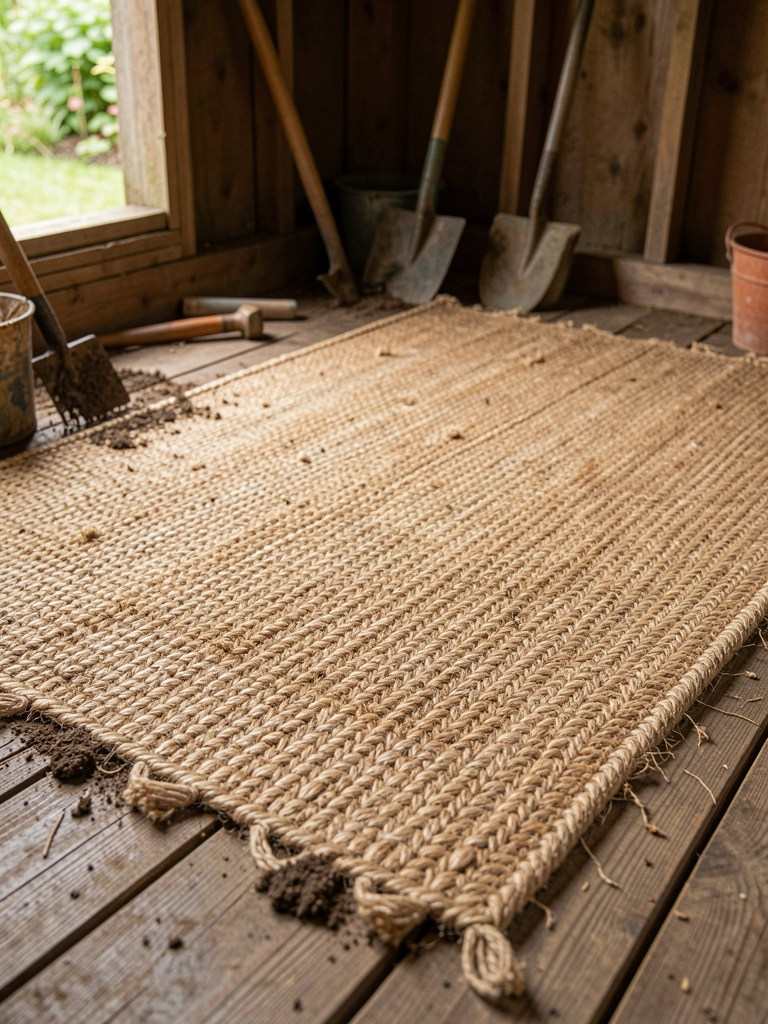
    Laid a woven rug in my shed—bare boards chilled feet. Softens steps, traps dirt at door.

    Feels grounded, less echoey. Cottage warmth instant.

    Outdoor grade; indoor frayed quick.

    What You’ll Need for This Look

    12. Succulent Shelf Ledge

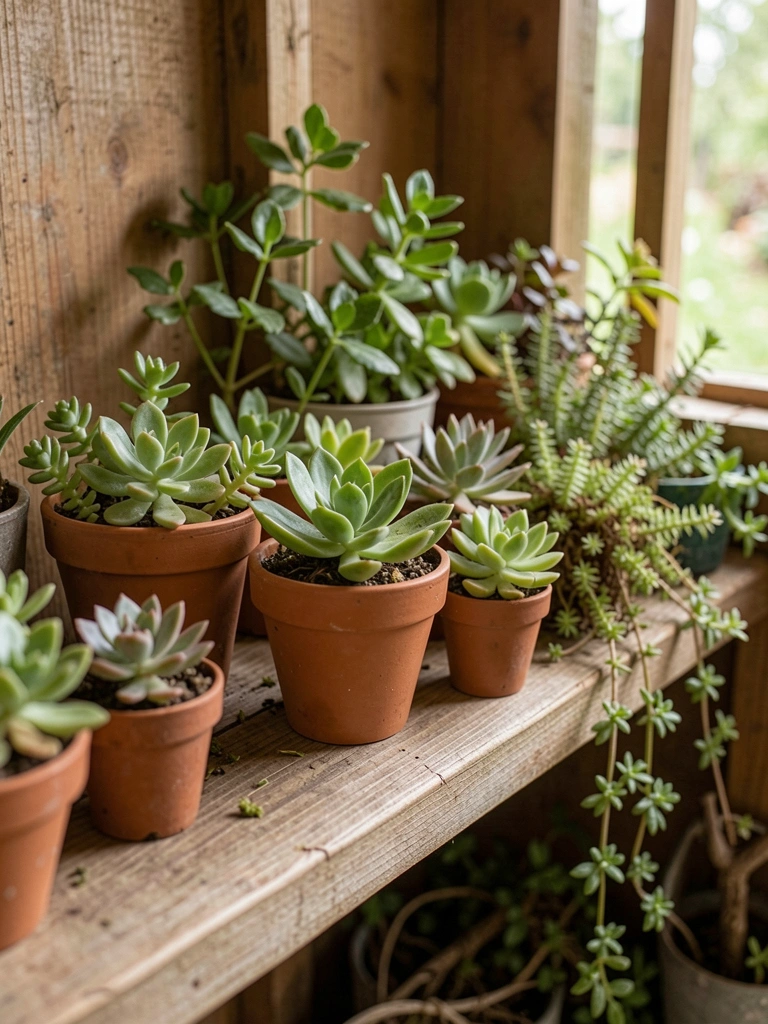
    Added a ledge for succulents near the window—bare spot begged green. Low water plants thrive there.

    Brings life inside; calms the eye. Thrives on neglect.

    Drain holes key; drowned first batch.

    What You’ll Need for This Look

    13. Fabric Lined Storage Boxes

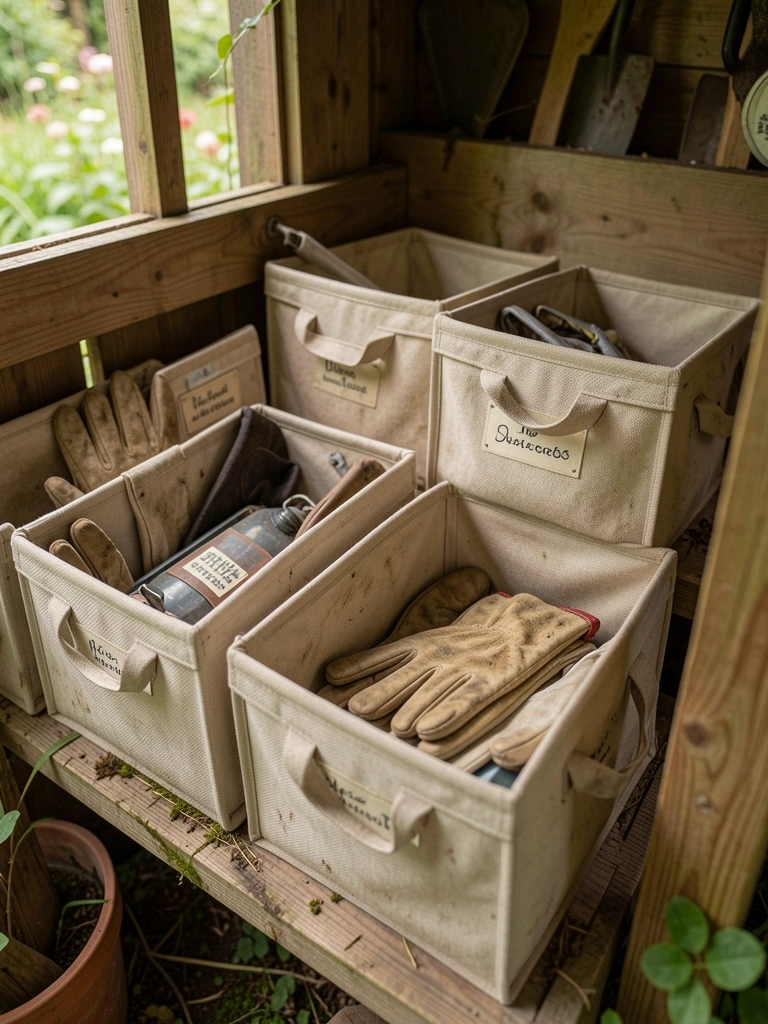
    Lined boxes with fabric for odds and ends—plastic looked cold. Softens stacks, easy labels.

    Tidy without stark; cozy stack.

    Canvas holds up; cotton tore.

    What You’ll Need for This Look

    14. Rustic Mirror for Light Bounce

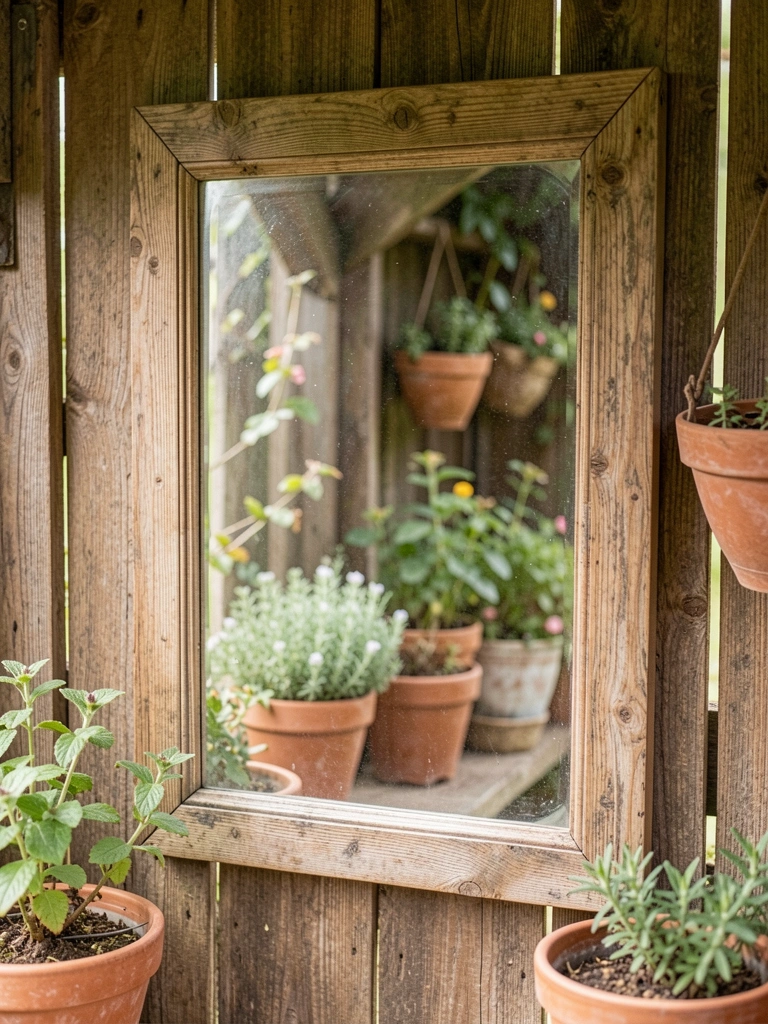
    Hung a rustic mirror to bounce window light—back wall stayed dim. Doubles pots visually too.

    Space feels bigger, brighter. Subtle lift.

    Secure strong; leaned and fell once.

    What You’ll Need for This Look

    15. Herb Drying Rack Overhead

    Rigged a drying rack from dowels for fresh herbs—counter cluttered before. Smells fill the air gently.

    Shed smells of summer always. Practical scent.

    Ventilate; mold hit once in humidity.

    What You’ll Need for This Look

    Final Thoughts

    Pick one or two ideas that match your shed's light and size. No need for all 15—small changes add up over time. Yours will feel right soon, a spot that pulls you in. You've got this.