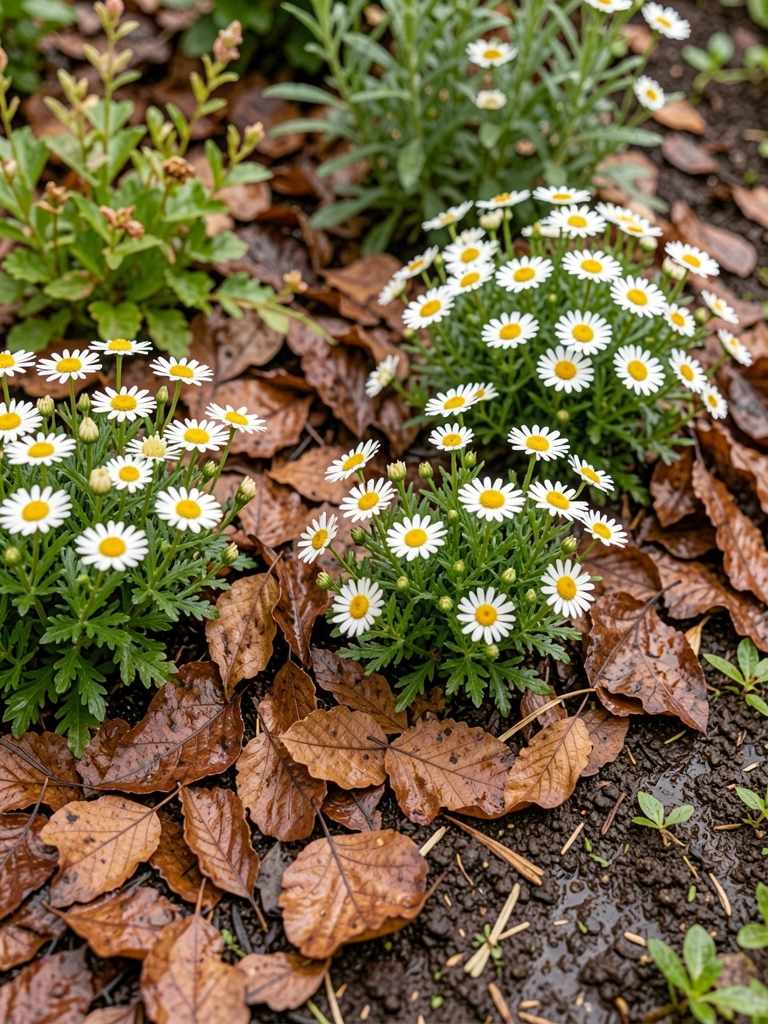
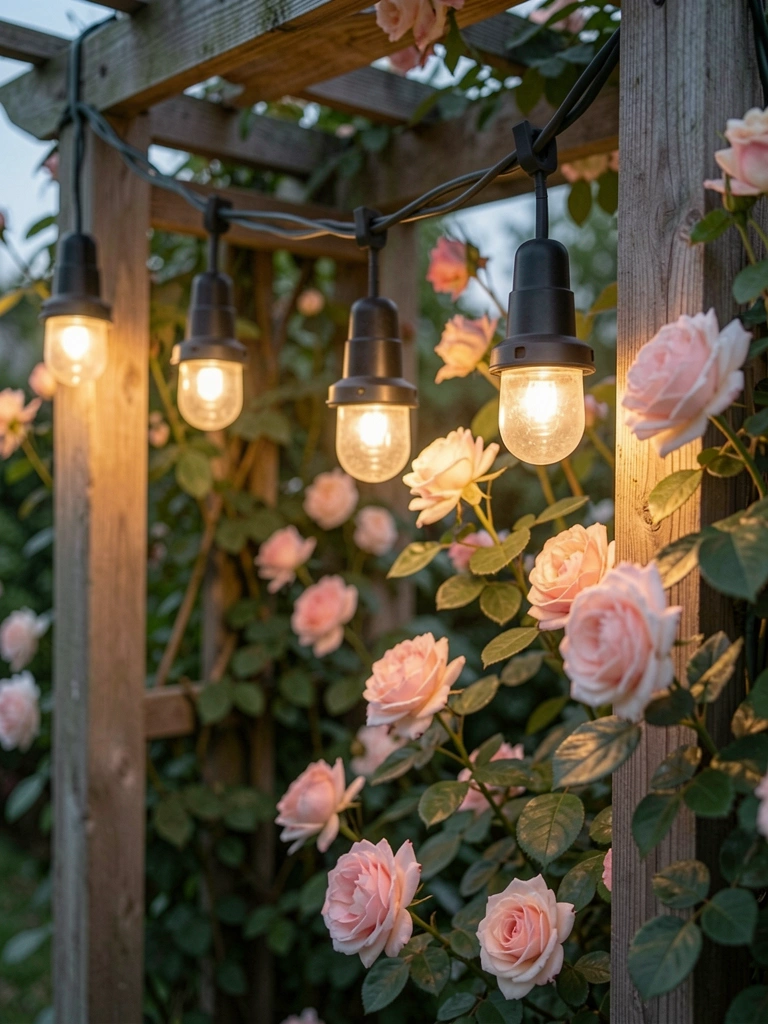
Category: Cottage Ideas

  • How to Make Cottage Garden Colorful

    How to Make Cottage Garden Colorful

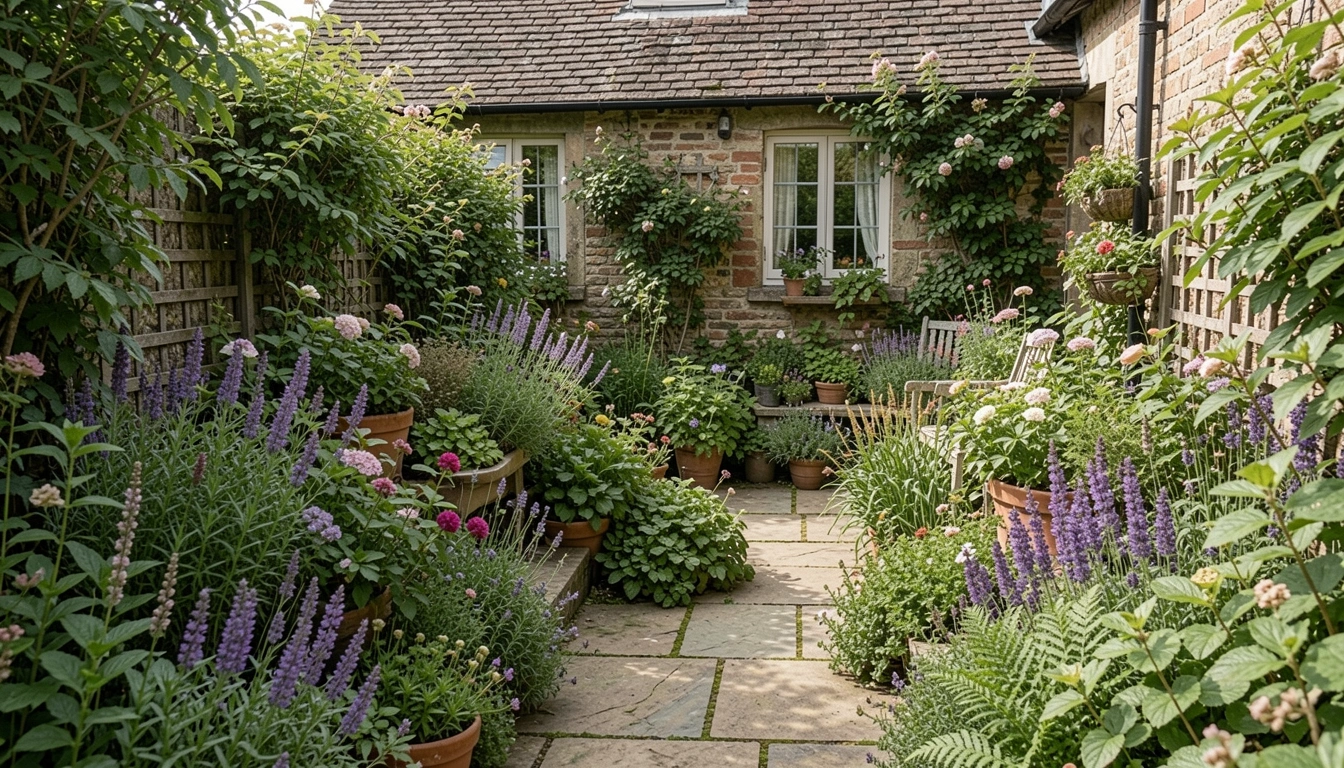
    I remember staring at my cottage garden last spring. It had that soft green base, but something was missing. No real color. Just flat.

    I'd planted a few things, but they didn't connect. The beds felt empty in spots, like they needed life.

    You know that feeling? When the garden looks right from afar, but up close, it's dull.

    How to Make Cottage Garden Colorful

    This approach fills your cottage garden with color that lasts. You'll end up with beds that feel warm and full, without extra work. It's how I bring mine back every year.

    What You’ll Need

    Step 1: Spot the Bare Gaps

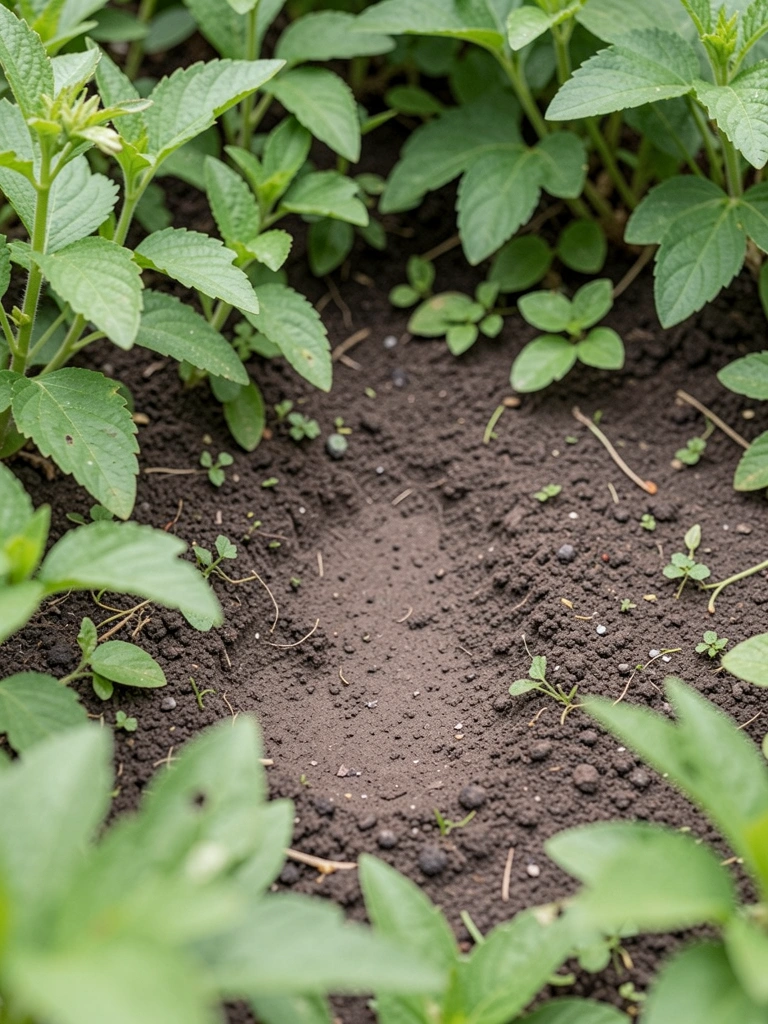
    I walk my garden first, coffee in hand. Look for spots where soil shows through or plants lean away. These gaps pull the eye wrong.

    I mark them with a stick. Why? Color starts here. It changes the feel from sparse to full right away.

    People miss how gaps make color look forced later. Avoid planting too tight—leave room for air. That keeps it balanced.

    Now the garden breathes. Visual pop begins.

    Step 2: Place Tall Spikes First

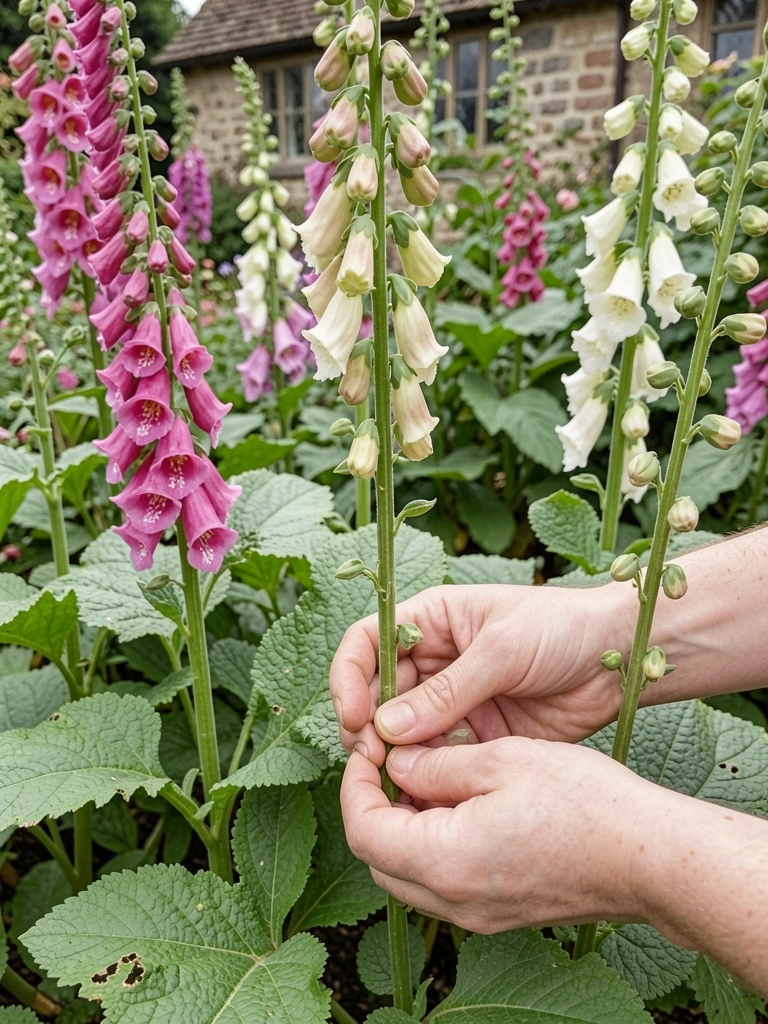
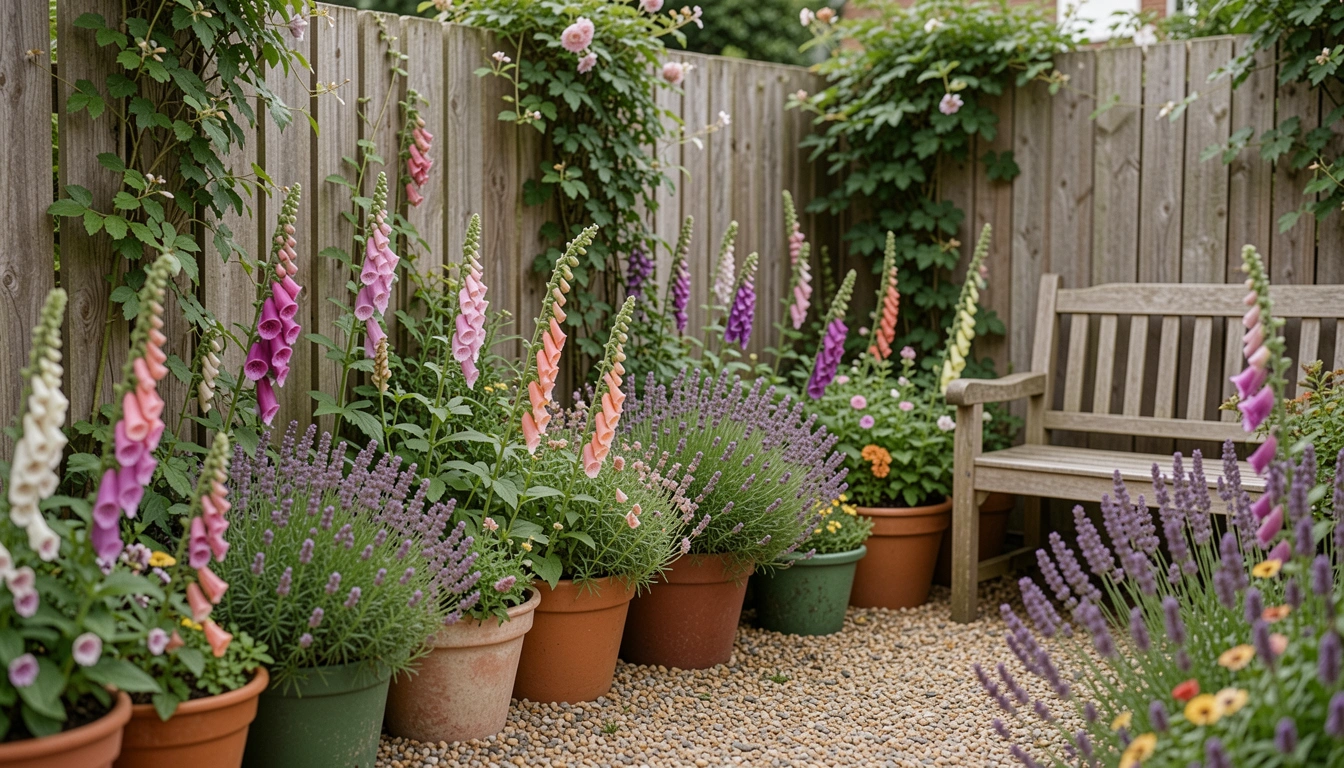
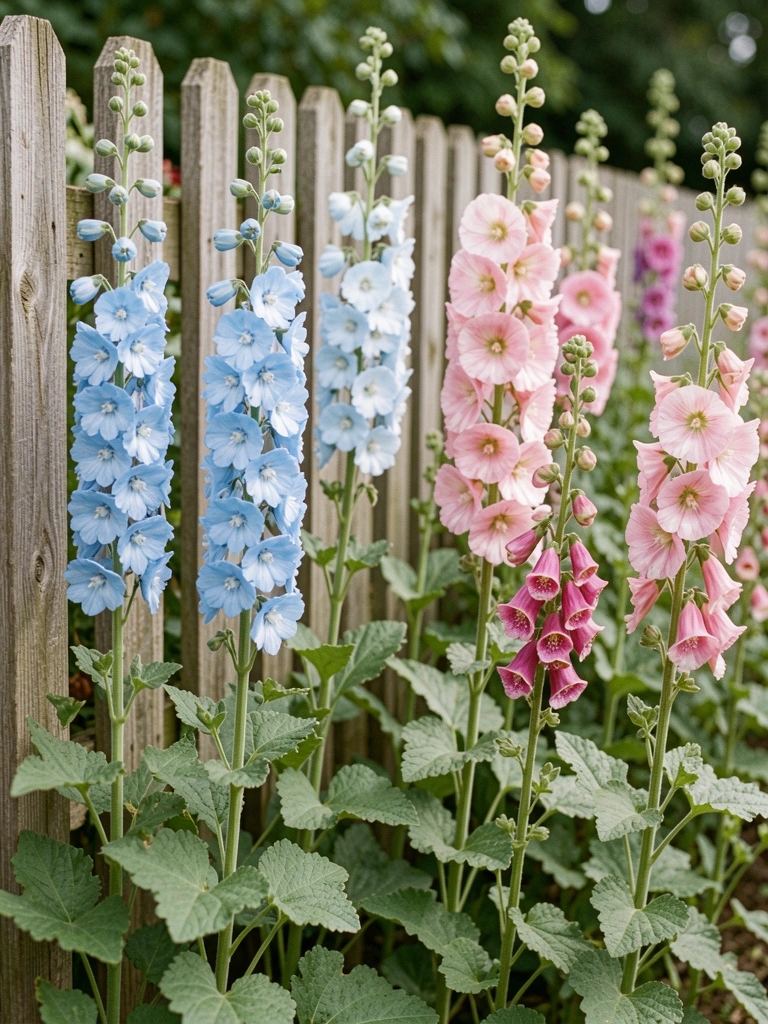
    I grab foxglove and hollyhock seeds, soak them overnight. Plant in back gaps. Tall ones anchor everything.

    They rise above, drawing your eye up. The garden gains height, feels deeper.

    Most overlook spacing—too close, they flop. Plant 18 inches apart. Mistake avoided: crowding kills flow.

    Beds look structured now, ready for mids.

    Step 3: Layer Mid-Height Blooms

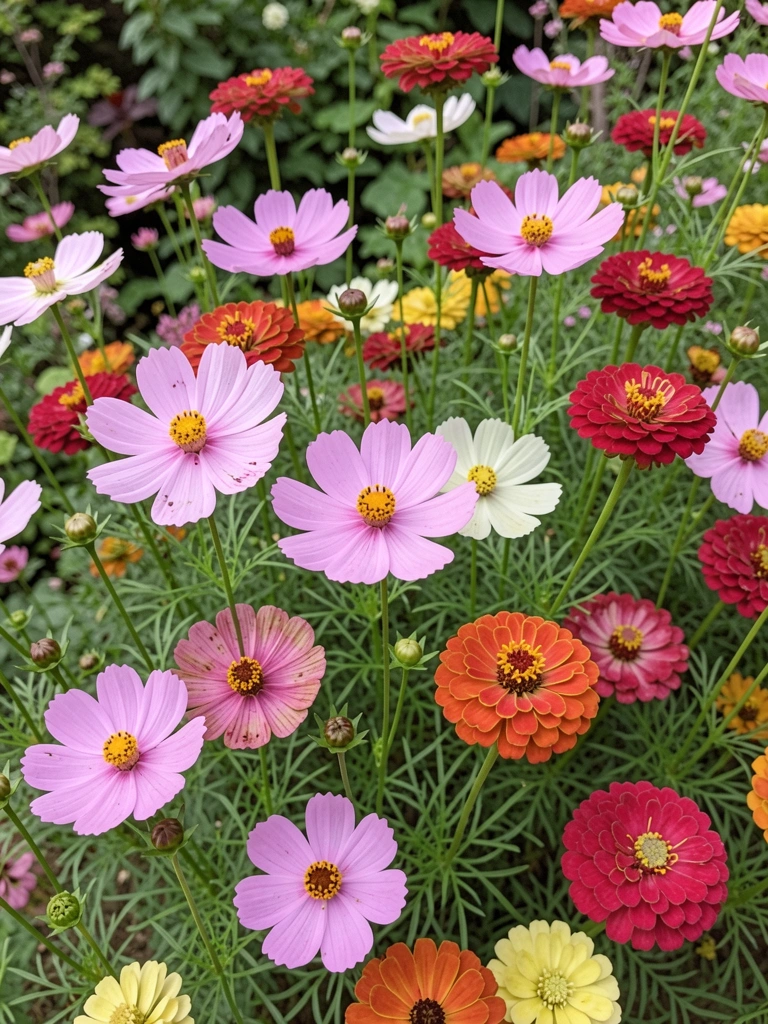
    Next, cosmos and zinnias go mid-level. Scatter seeds where mids touch talls. They fill without blocking.

    Color warms up—pinks, oranges mix soft. Beds feel cozy, not flat.

    Insight: Repeat colors in groups of three. Avoid singles; they fade out. Don't overmix hues early—let them settle.

    Depth builds. It's comfortable now.

    Step 4: Trail Low Color at Edges

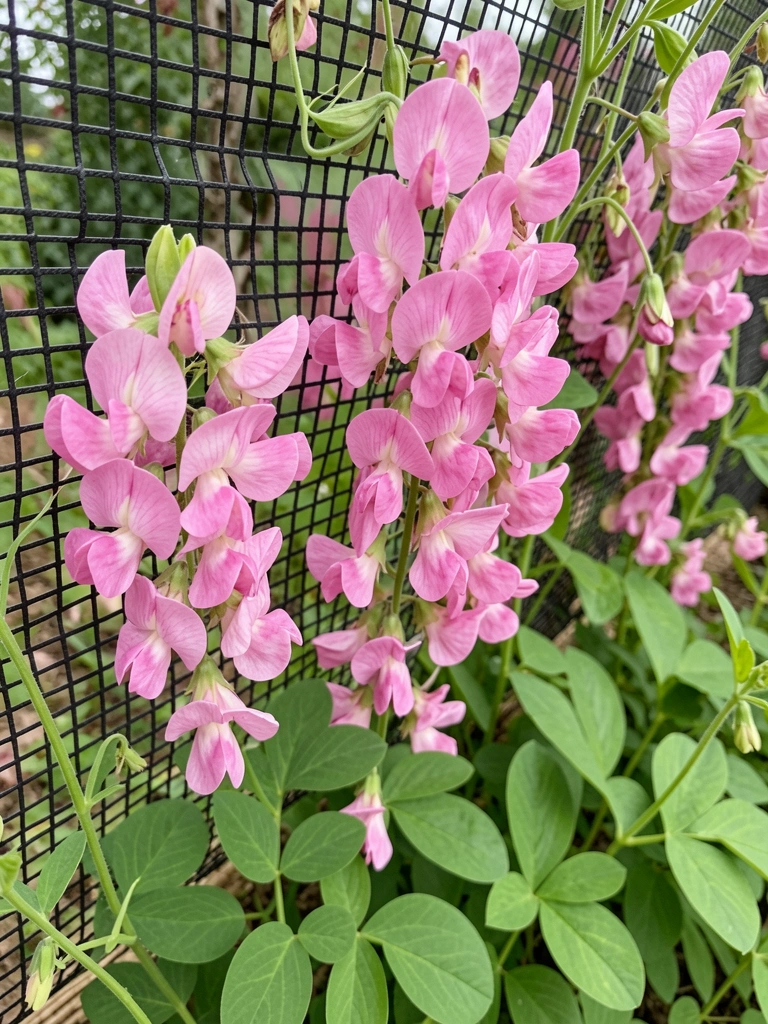
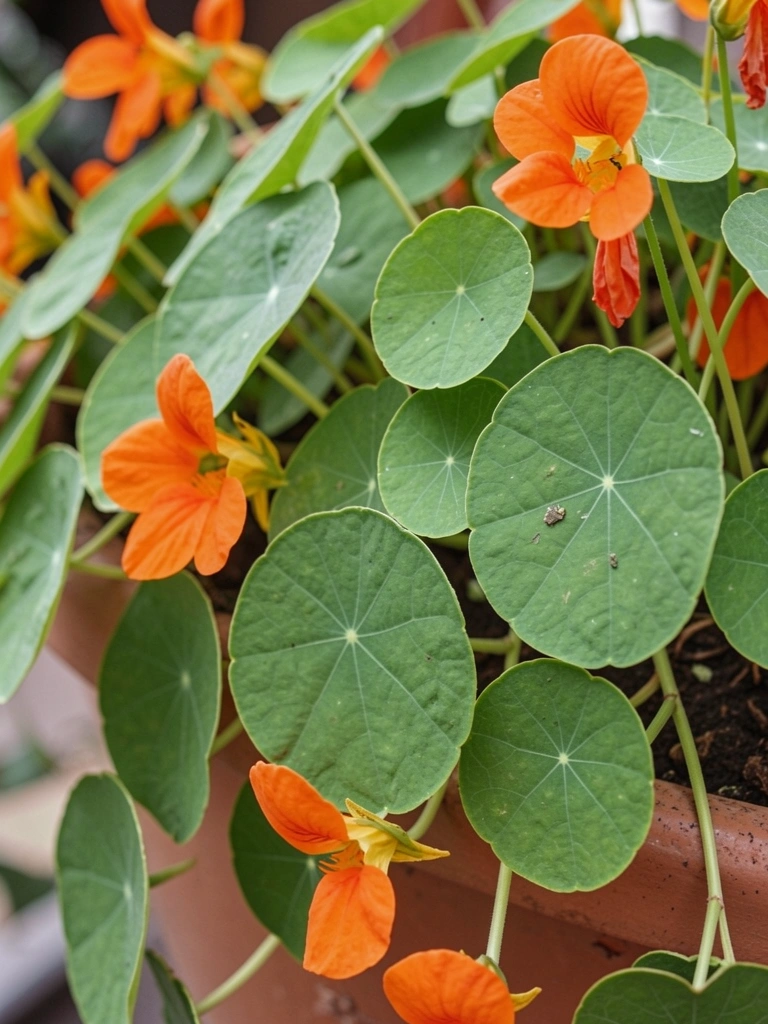
    Nasturtium and sweet pea seeds along fronts. They spill over, soften edges.

    Low trails tie it together. Paths feel invited, garden flows.

    Missed tip: Low growers hide bare soil best. Avoid uprights here—they stiffen lines.

    Full circle. Color settles in.

    Step 5: Dot Lavender for Balance

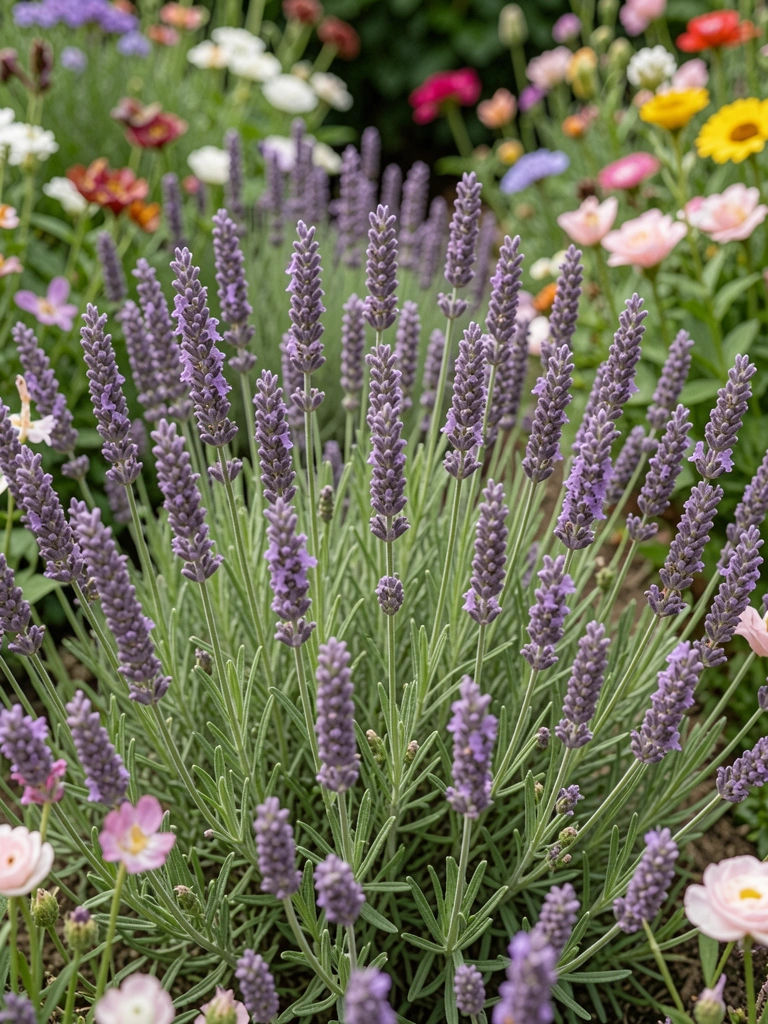
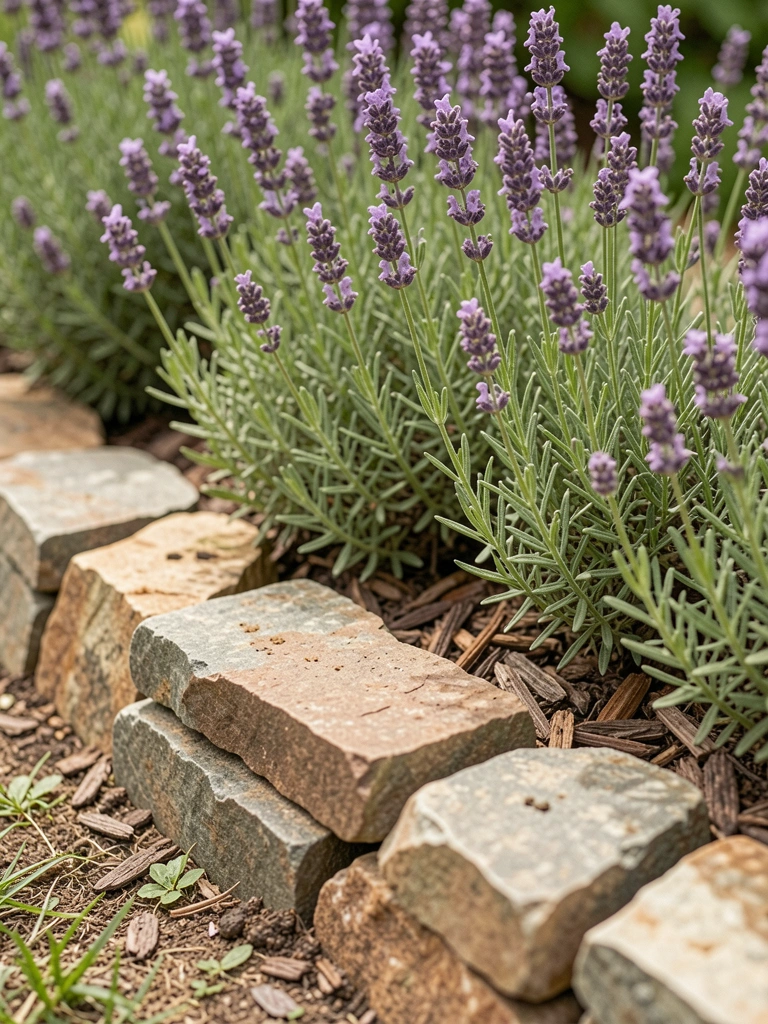
    Lavender plugs go every few feet. Purple calms the brights.

    It grounds color, stops overwhelm. Beds look intentional.

    People forget anchors like this. Skip, and it's chaos. Plant firm, water light.

    Color hums now. Balanced.

    Layering Plants for Depth

    I layer like this every time. Talls back, mids middle, lows front. It makes small beds feel bigger.

    • Foxgloves pull eyes up.
    • Cosmos fill air.
    • Nasturtiums hug ground.

    No bare spots. Just easy depth.

    Year-Round Color Tricks

    Cottage color fades without planning. I sow annuals now, perennials stay.

    Sweet peas climb spring, zinnias hold summer. Lavender evergreen.

    Bullets for repeat:

    • Deadhead weekly.
    • Mulch light.
    • Water base.

    Keeps it going.

    Fixing Color Gaps

    Spots go dull? Check sun first. Move trailers to shade.

    • Thin crowds.
    • Add repeat seeds.
    • Trim spent.

    Mine stays warm this way. Simple fixes.

    Final Thoughts

    Start with one bed. See how color shifts the feel.

    You'll notice it draws you out more. That's the win.

    Your garden will settle into its own rhythm. Just keep at it, a little each week.

  • How to Decorate Cottage Garden Easily

    How to Decorate Cottage Garden Easily

    I stared at my cottage garden last spring. It had flowers spilling over, but it felt jumbled. No clear path, corners empty, everything competing for attention.

    I wanted that warm, lived-in feel without hours of work. Pots tipped over. Paths got lost in weeds.

    One quiet afternoon, I stepped back and saw what was missing: simple balance.

    How to Decorate Cottage Garden Easily

    This method settles a cottage garden into a comfortable flow. You'll end up with layered plants and touches that feel right at home. It's straightforward, from my own yard.

    What You’ll Need

    Step 1: Clear and Map Your Paths

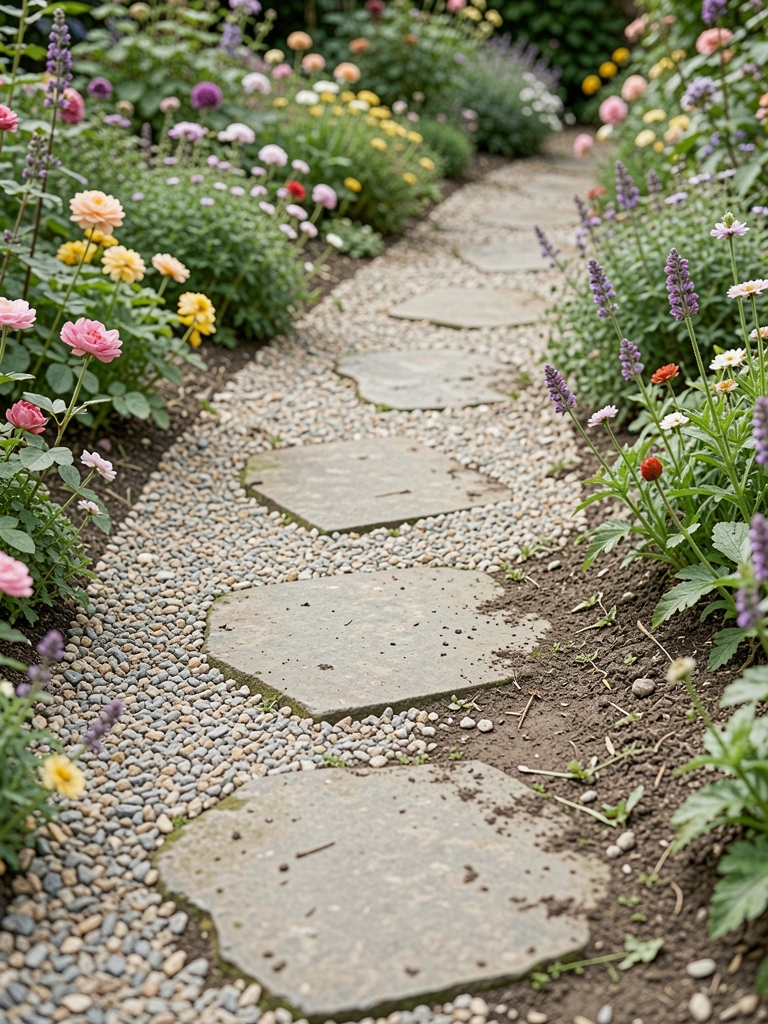
    I walk the garden first, pulling weeds that block natural lines. This opens up the ground, letting you see where feet naturally go.

    Visually, paths emerge—clean lines through the green. It changes everything from crowded to breathable.

    People miss how paths pull your eye through the space. Without them, plants fight each other. Avoid cramming stones too tight; leave room for grass to peek through.

    I place weathered stone stepping stones, 12-inch round where I step most. It feels steady underfoot now.

    Step 2: Layer Heights in Corners

    Corners catch my eye next. I tuck tall foxgloves or hollyhocks in back, then mid-height herbs forward.

    The corner fills with depth—high greens framing lower blooms. It draws you in without overwhelming.

    Most overlook empty corners; they make the whole garden feel bare. Don't plant everything at eye level; heights create that cozy hug.

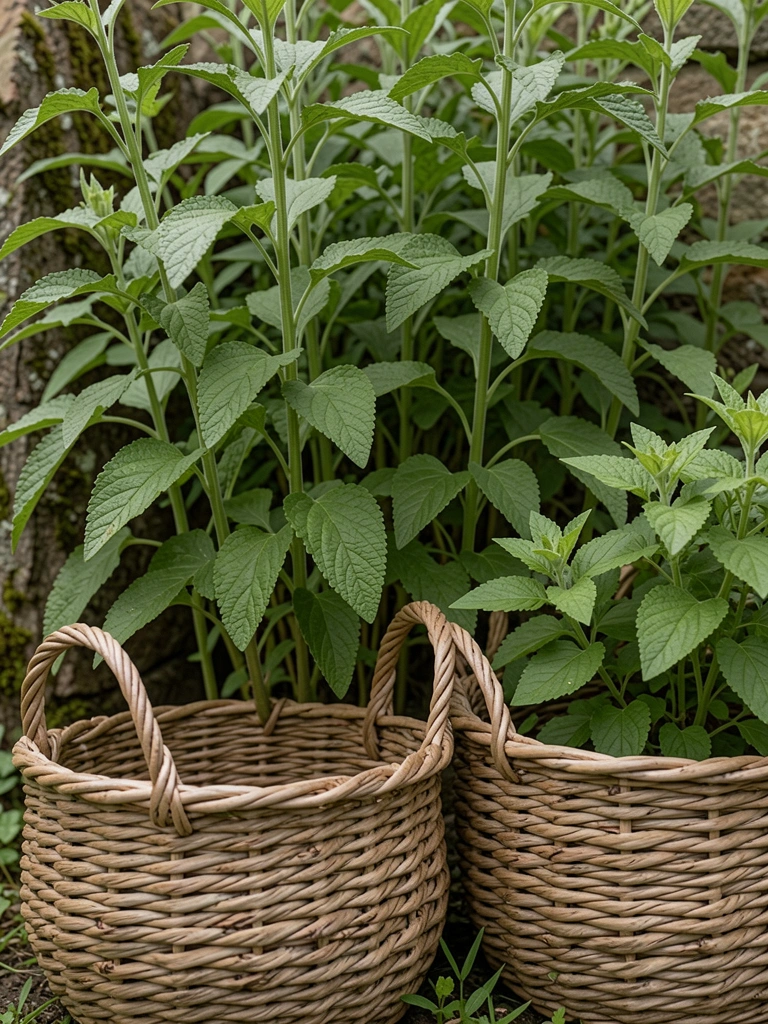
    I add woven willow basket planters, set of 3 at knee height. Balance pulls the eye up gently.

    Step 3: Place Focal Points Low

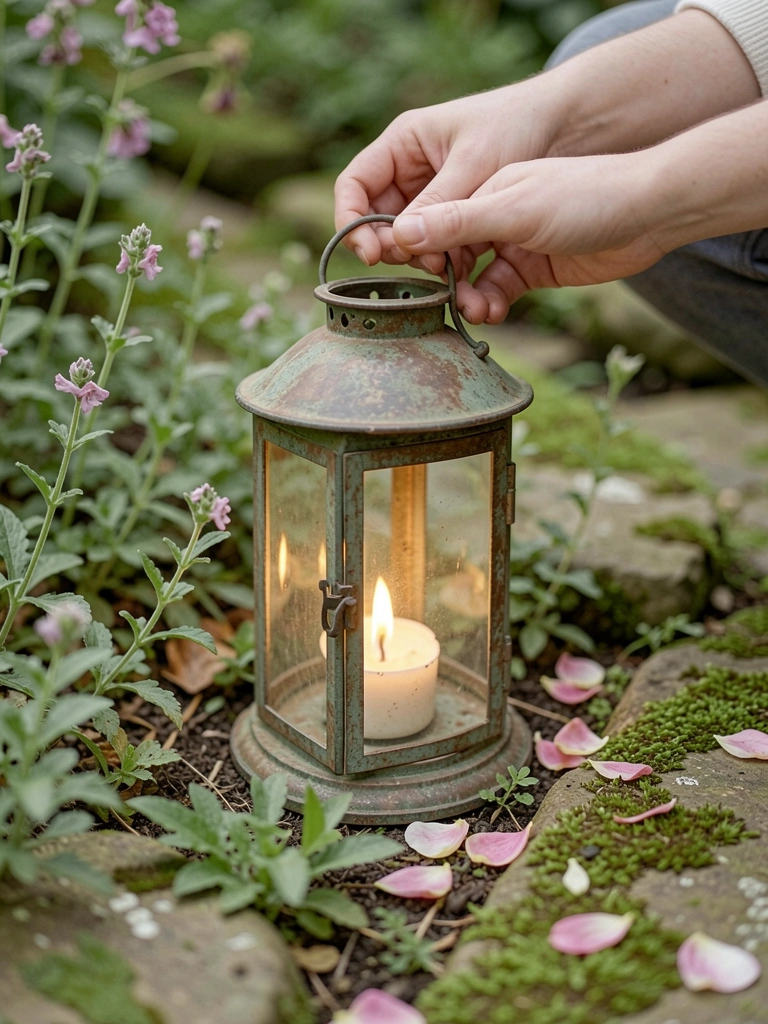
    I pick one spot per path end for a low anchor. A lantern or bench settles the energy.

    Now, your eye rests there—warm metal against soft petals. The garden breathes easier.

    Folks forget low points ground the chaos. Skip floating decor high up; it unbalances. I set the vintage-style metal lantern, medium black where paths meet. Comfortable pause.

    Step 4: Hang and Soften Edges

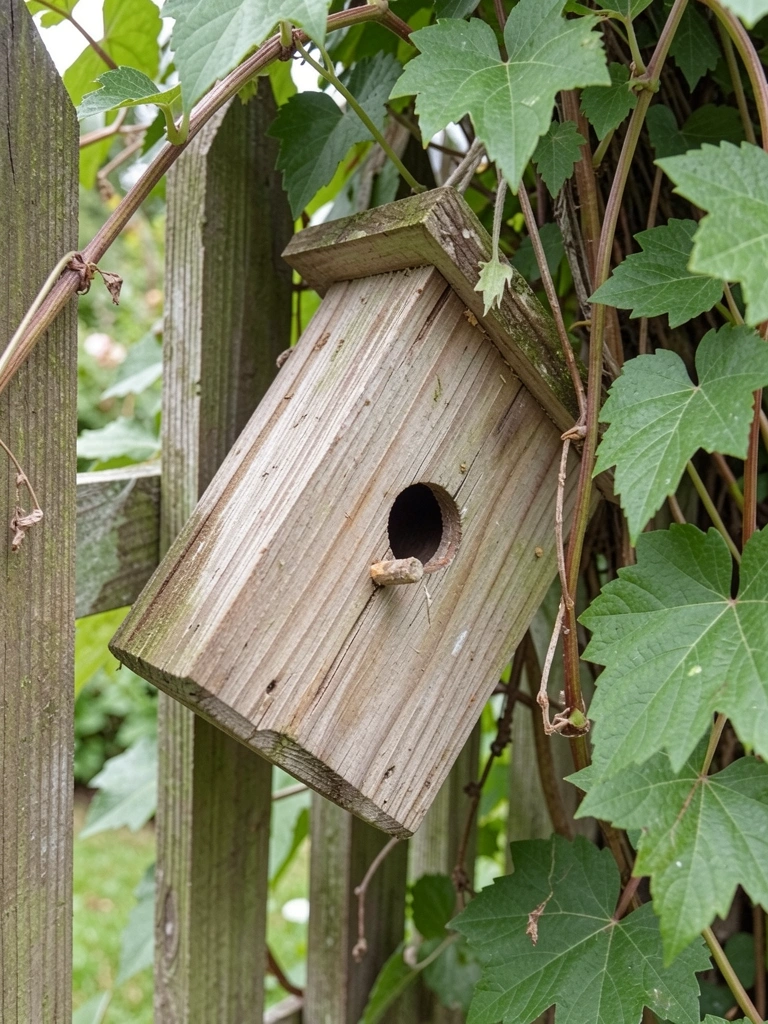
    Edges need softening. I hang a birdhouse on a fence or shepherd's hook.

    Edges warm up—vertical lines blurred by the perch. It connects ground to sky.

    The insight: edges frame without sharpness. Avoid straight hangs; let them lean into plants. My rustic wooden birdhouse, 10-inch sways lightly now.

    Step 5: Add Rest Spots

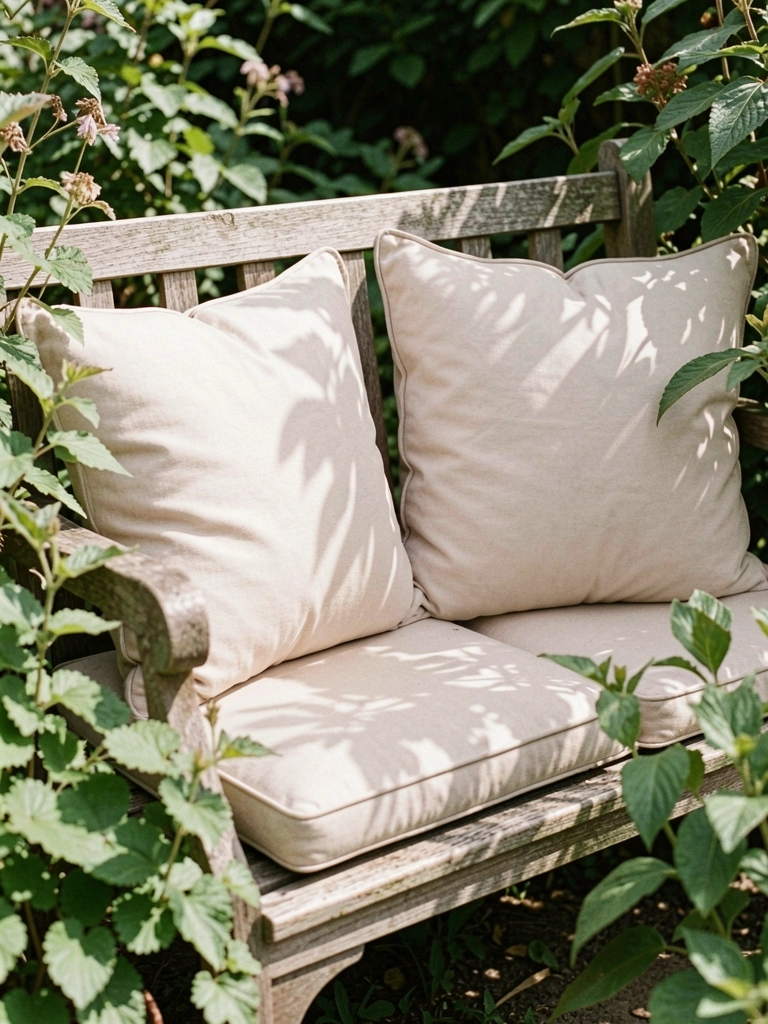
    Finally, I drop in a bench with cushions. It invites lingering amid the layers.

    The space feels complete—somewhere to sit pulls it together. Visual flow settles.

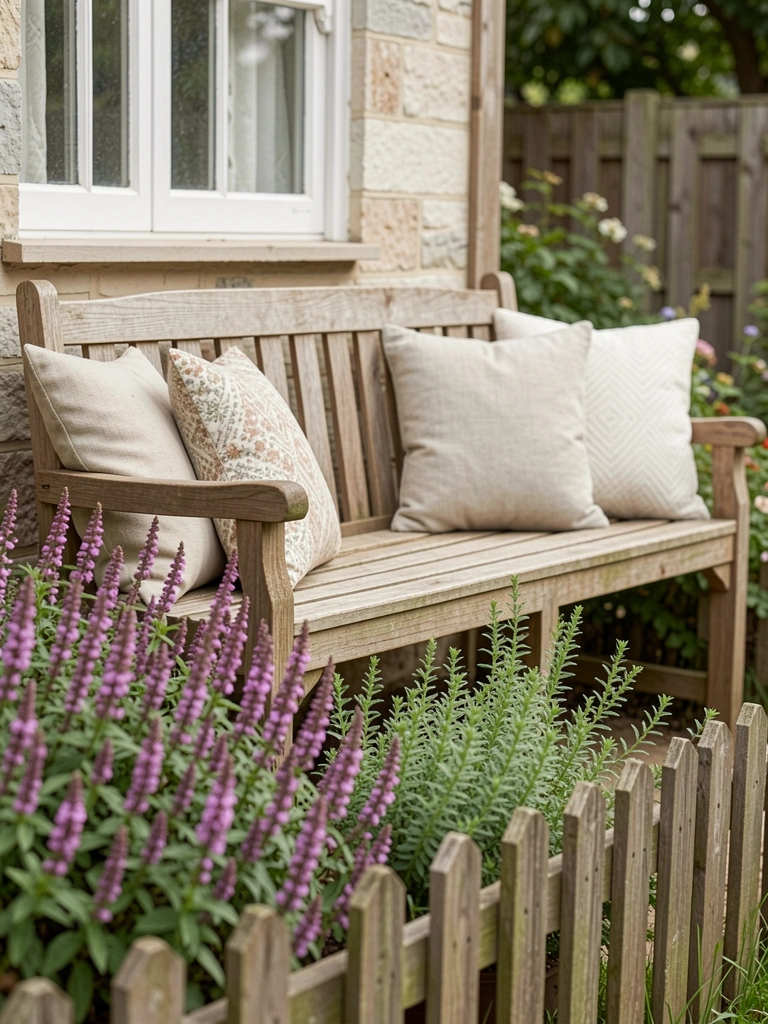
    People miss how seating balances abundance. Don't shove it in a corner; align with paths. My vintage wooden garden bench, 4-foot with soft cotton garden bench cushions fits just right.

    Step 6: Light It Gently

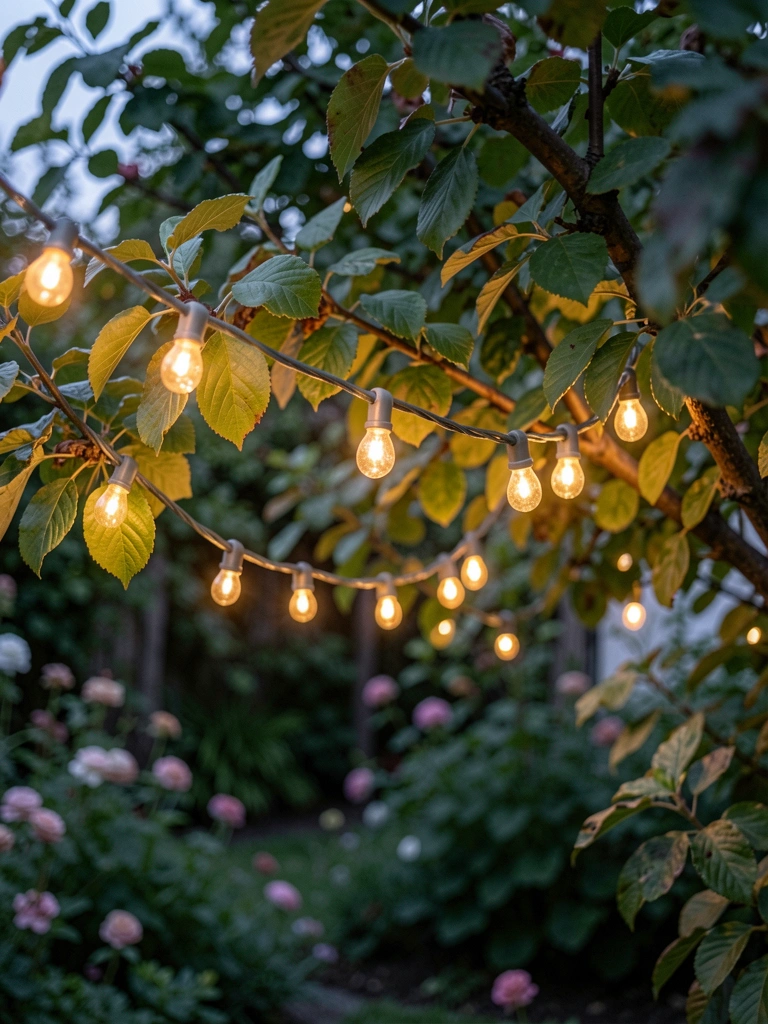
    Evening comes, so I drape lights loosely over arches.

    Paths glow softly—warmth without glare. It extends the day's comfort.

    Overlooked: lights follow structure, not random. Avoid tight bunches; space for air. Solar-powered fairy string lights, 33 feet warm white blend in.

    Layering Plants for Depth

    I layer like this in my cottage beds. Tall at back, tumbling mids, ground covers front.

    It builds that full, lived-in look. No bare soil shows.

    • Start with perennials like delphiniums for height.
    • Fill mids with lavender or salvia.
    • Edge with creeping thyme.

    Depth makes small spaces feel bigger.

    Personal Touches That Last

    I keep touches simple. A tall galvanized metal watering can, 2-gallon by the bench holds tools.

    They age with the garden. Patina matches plants.

    • Pick metal or wood over plastic.
    • Place where you use them daily.
    • Let weather work its charm.

    Feels like home.

    Year-Round Balance Tips

    Cottage gardens shift seasons. I prune lightly, add mulch.

    Balance stays with evergreens in winter.

    • Mulch paths to suppress weeds.
    • Swap annuals for bulbs.
    • Check seating stays dry.

    It holds through rain or frost.

    Final Thoughts

    Start with one path or corner. My garden came together that way.

    You'll see the shift—balanced, inviting.

    Trust your steps through it. That's the real comfort.

  • 17 Cottage Garden Pergola Ideas to Copy

    17 Cottage Garden Pergola Ideas to Copy

    I built my first pergola on a whim one rainy spring. It was crooked at first, posts sinking into wet soil. But once the vines took hold, that spot became our evening hideout—cool shade, sweet scents filling the air.

    Over years tweaking it, I learned what climbs fast without wrecking the structure. What drapes just right for that cozy cottage feel.

    These ideas come from my yard and neighbors' plots. Real fixes, no fluff.

    17 Cottage Garden Pergola Ideas to Copy

    Here are 17 cottage garden pergola ideas pulled from my own trials and gardens I've worked on. Each one easy to copy in a weekend or two. You'll get exact plants and tweaks that actually stick.

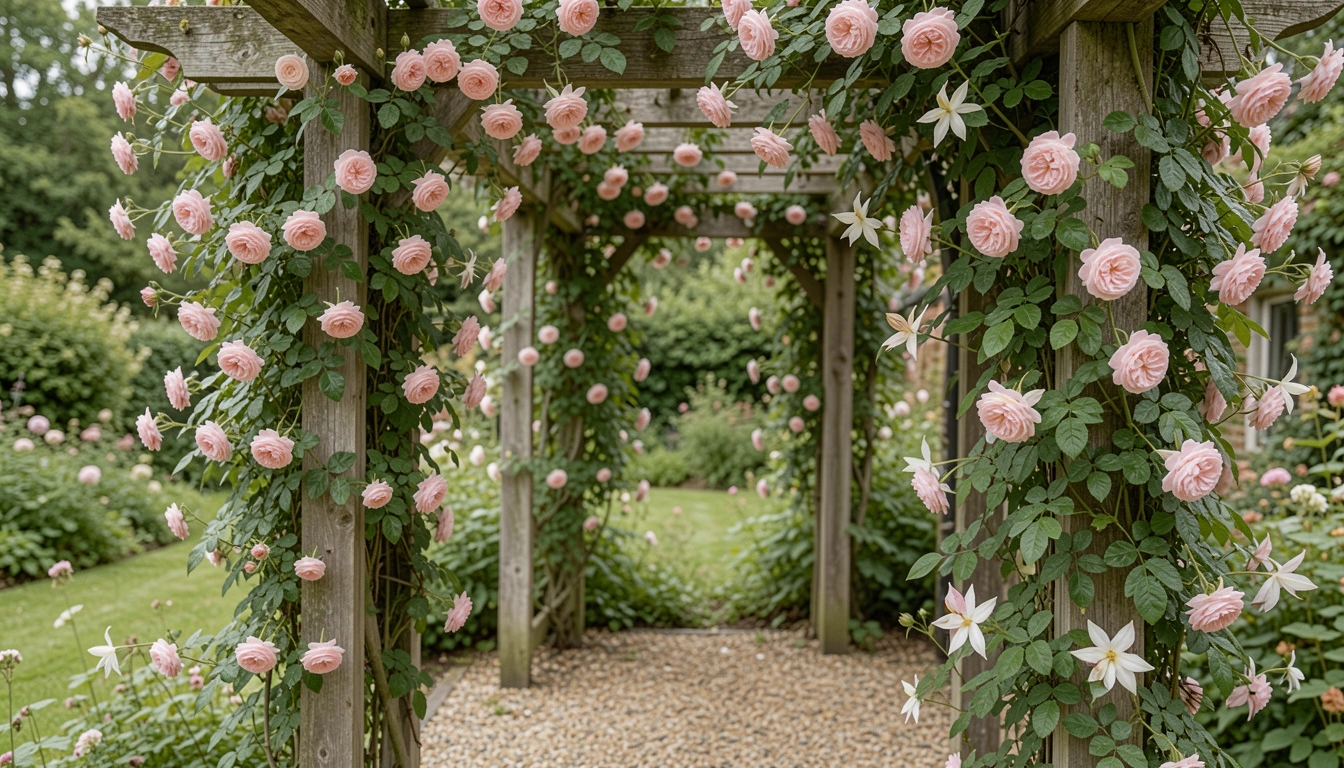
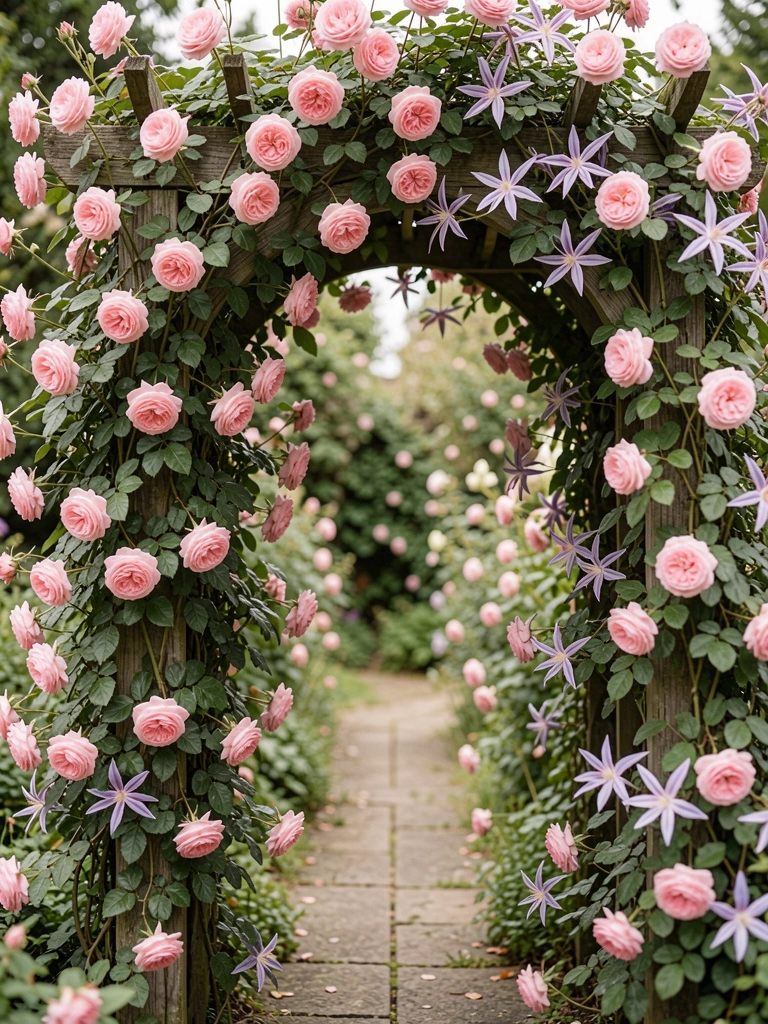
    1. Climbing Roses Draped Over Rustic Beams for Soft Shade

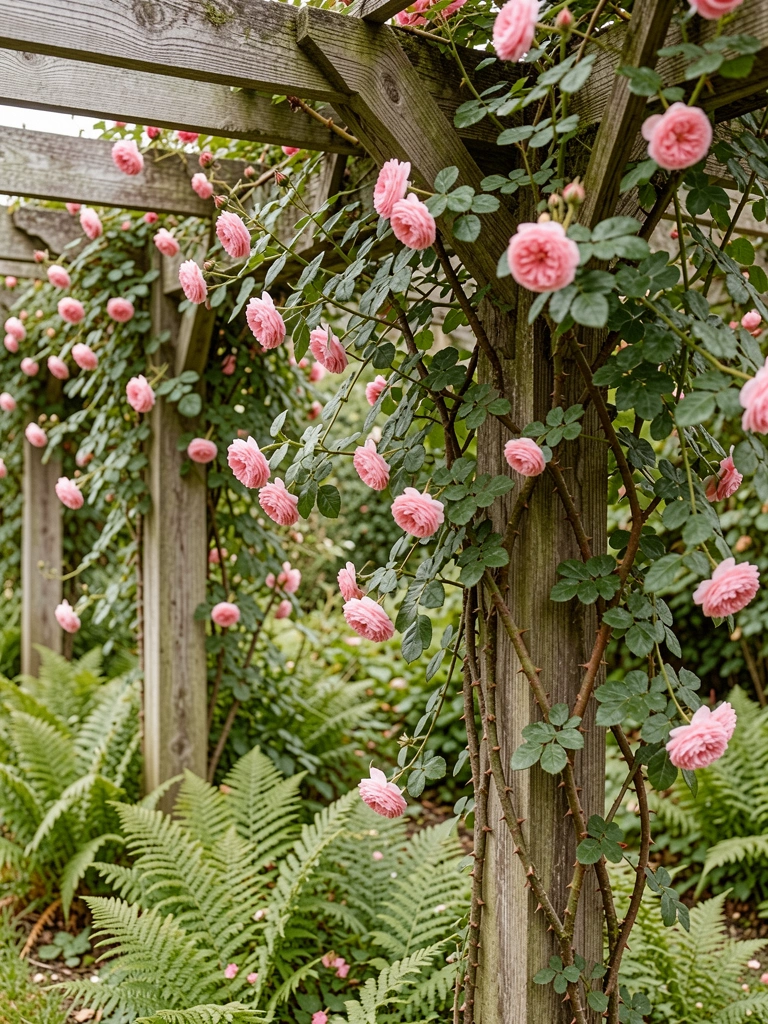
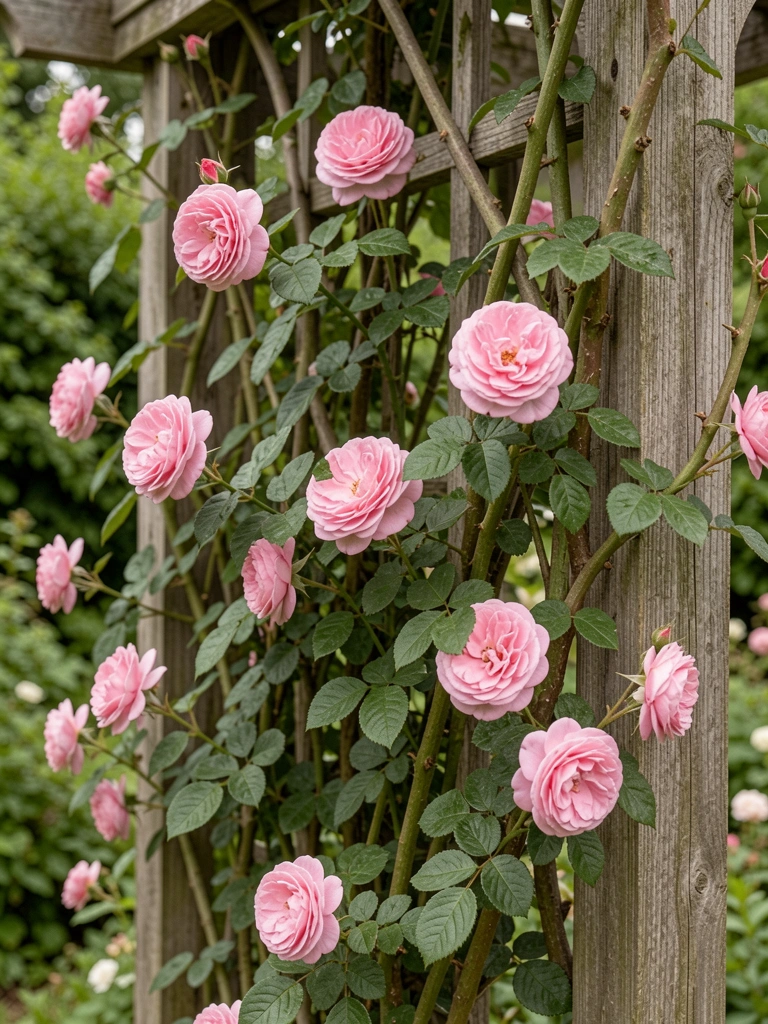
    I planted 'Zephirine Drouhin' roses on my pergola posts three summers back. They scramble up without much fuss, blooming repeat through fall. The shade feels gentle, not heavy—petals drop like confetti on the bench below.

    One year, I skipped tying them early; they pulled a beam loose. Now I check weekly in spring.

    It turns a bare frame into a flowery tunnel. Sit under it with tea; the scent hits you first.

    Watch the thorns—wear gloves planting. Pair with lavender at the base for low weeds.

    What You’ll Need for This Look

    Climbing rose 'Zephirine Drouhin' bare root

    Natural jute garden twine 50 ft

    Live lavender plants 4-inch pots

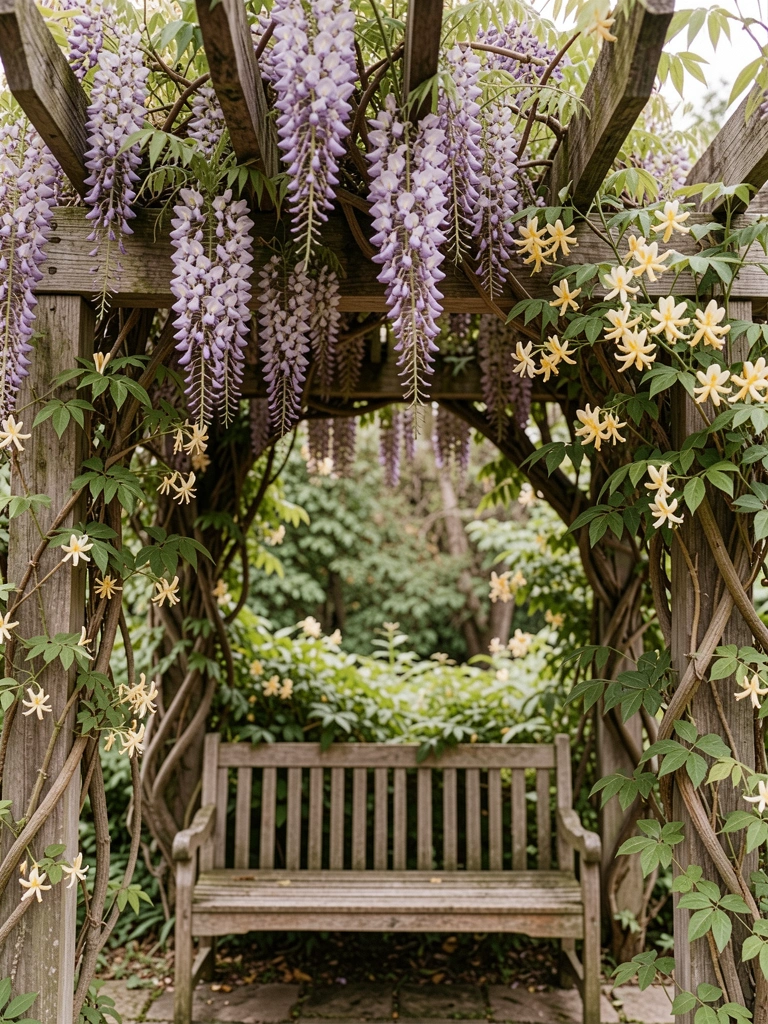
    2. Wisteria Vines Trained into a Loose Canopy Frame

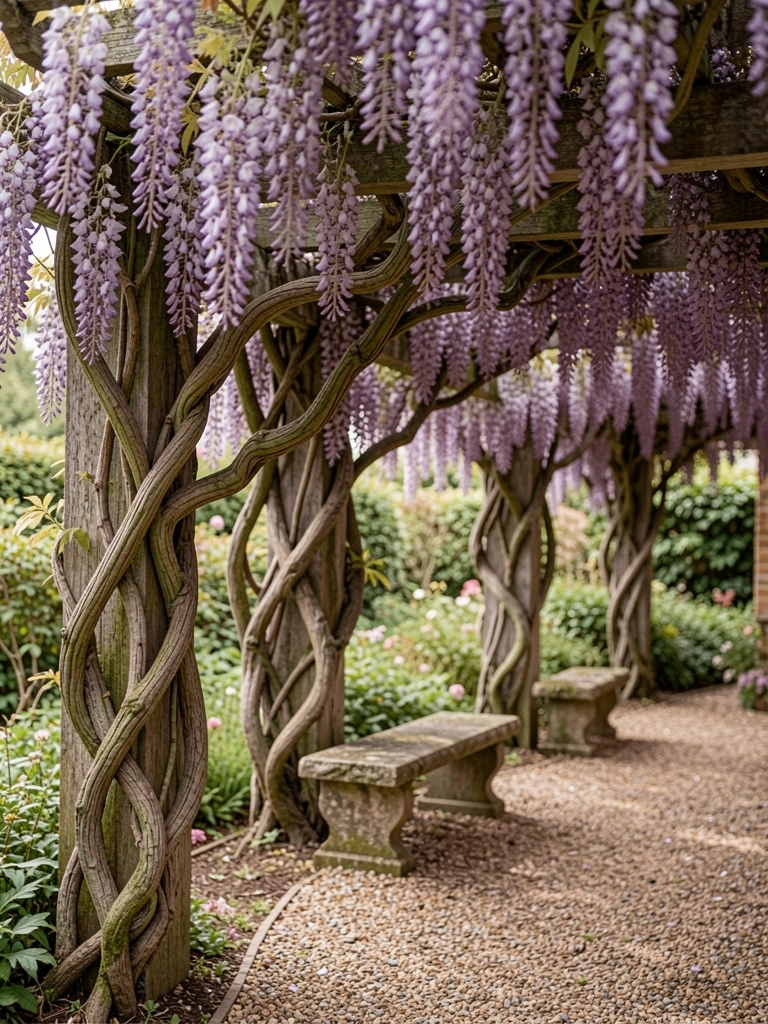
    Wisteria on my back pergola took two years to bloom heavy. I chose 'Amethyst Falls'—smaller, less invasive than the big ones. It droops just enough for dappled light, making lunches there feel private.

    I over-pruned once; no flowers next season. Lesson: tip prune only after bloom.

    The vines thicken the wood visually, like it's always been there. Bees love it too.

    Start with one strong trunk per post. Cut back sides in winter for shape.

    What You’ll Need for This Look

    Wisteria 'Amethyst Falls' bare root

    Heavy-duty bypass pruning shears

    Outdoor garden bench cushion 42-inch

    3. Clematis and Honeysuckle Twined Together on Posts

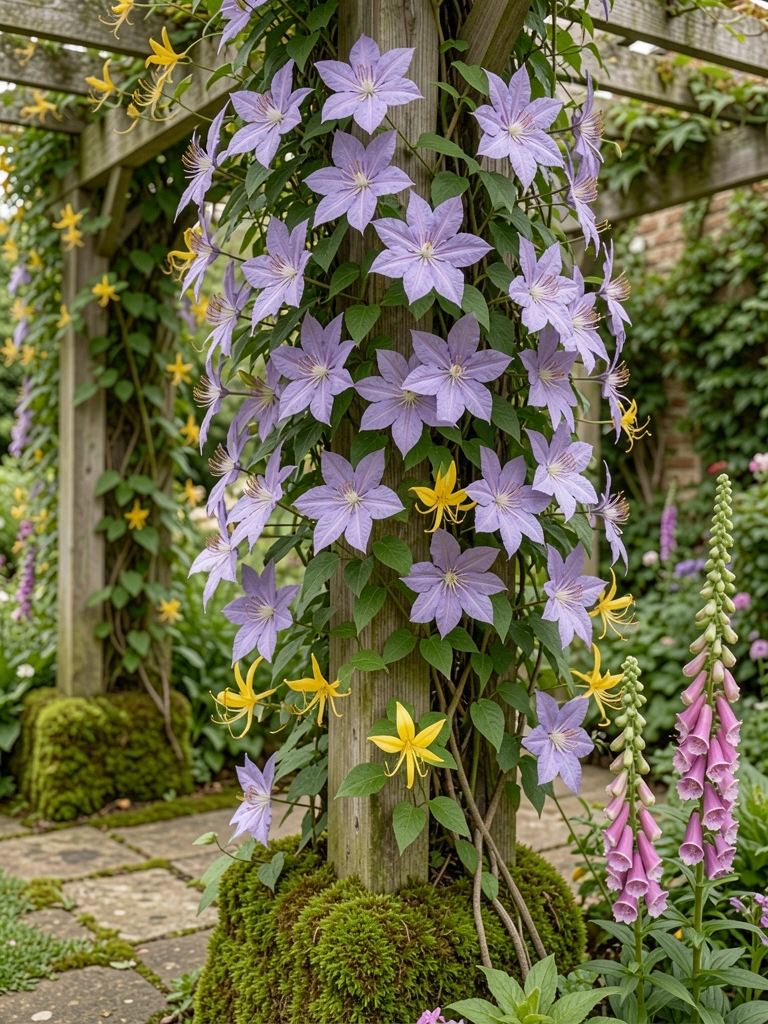
    In my side yard pergola, clematis 'Nelly Moser' and honeysuckle share posts. Clematis climbs neat, honeysuckle fills gaps with scent. Together, they cover fast—full shade by July.

    Honeysuckle spread wild once; I dug out roots yearly now.

    Colors pop against the wood: pinkish blooms over creamy yellow. Walk-through feels inviting.

    Plant clematis feet from post; honeysuckle closer. Water deep first summer.

    What You’ll Need for This Look

    Clematis 'Nelly Moser' bare root

    Live honeysuckle vine plant

    Live foxglove plants mixed colors

    4. Hanging Baskets Lined Along the Top Rails

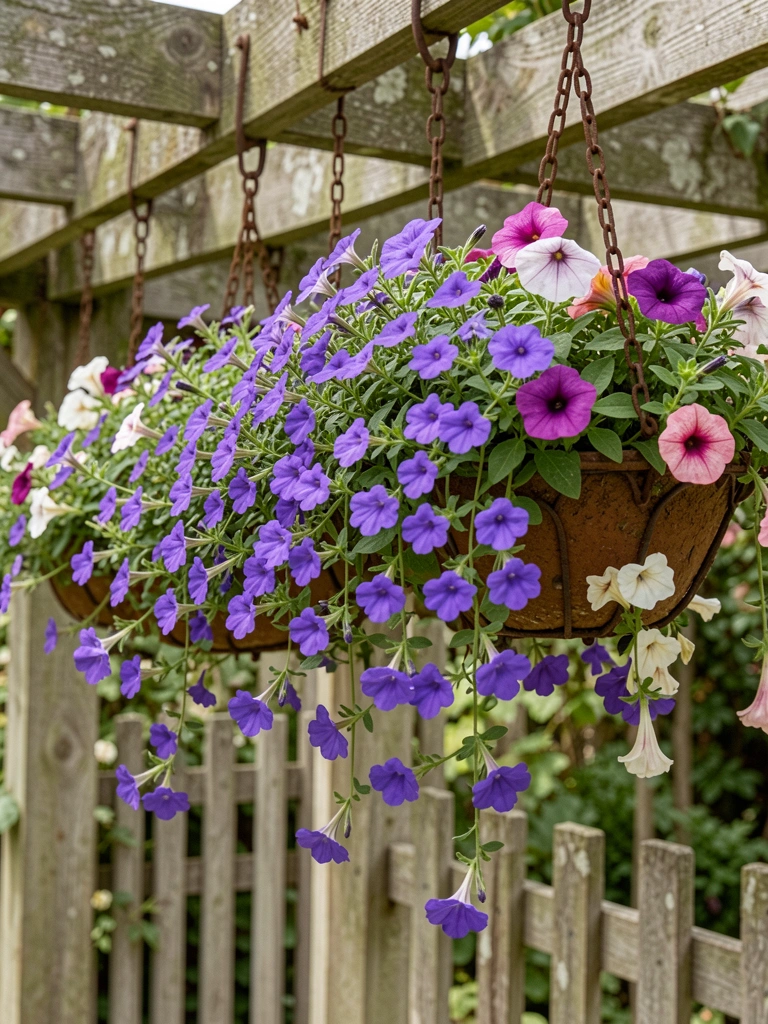
    I hung baskets of trailing petunias and lobelia on my pergola rails last year. They spill over edges, softening the lines. Shade keeps them blooming longer than in full sun.

    Chains rusted fast in rain; switched to galvanized.

    It adds instant fullness—no waiting for vines. Swings lightly in breeze.

    Use slow-release fertilizer. Refresh soil yearly.

    What You’ll Need for This Look

    12-inch metal hanging basket

    Trailing petunia seeds mixed

    Slow-release fertilizer granules

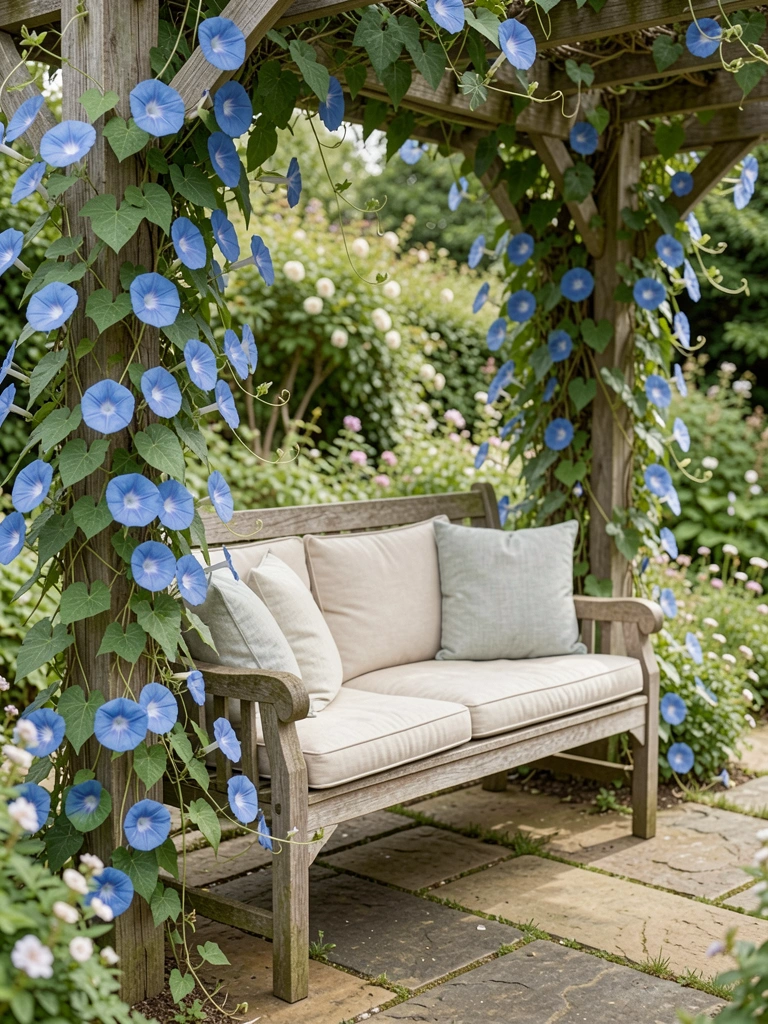
    5. Built-In Bench Wrapped in Morning Glory Vines

    My pergola bench got morning glories last spring. 'Heavenly Blue' seeds sprouted quick, covering slats by midsummer. Sitting there feels tucked away, flowers opening with the sun.

    They reseed everywhere now; I pull extras.

    Blue against green wood pulls your eye. Comfy spot for reading.

    Sow direct in poor soil. Train up bench legs.

    What You’ll Need for This Look

    'Heavenly Blue' morning glory seeds

    Wooden pergola bench kit 48-inch

    Waterproof outdoor bench cushion

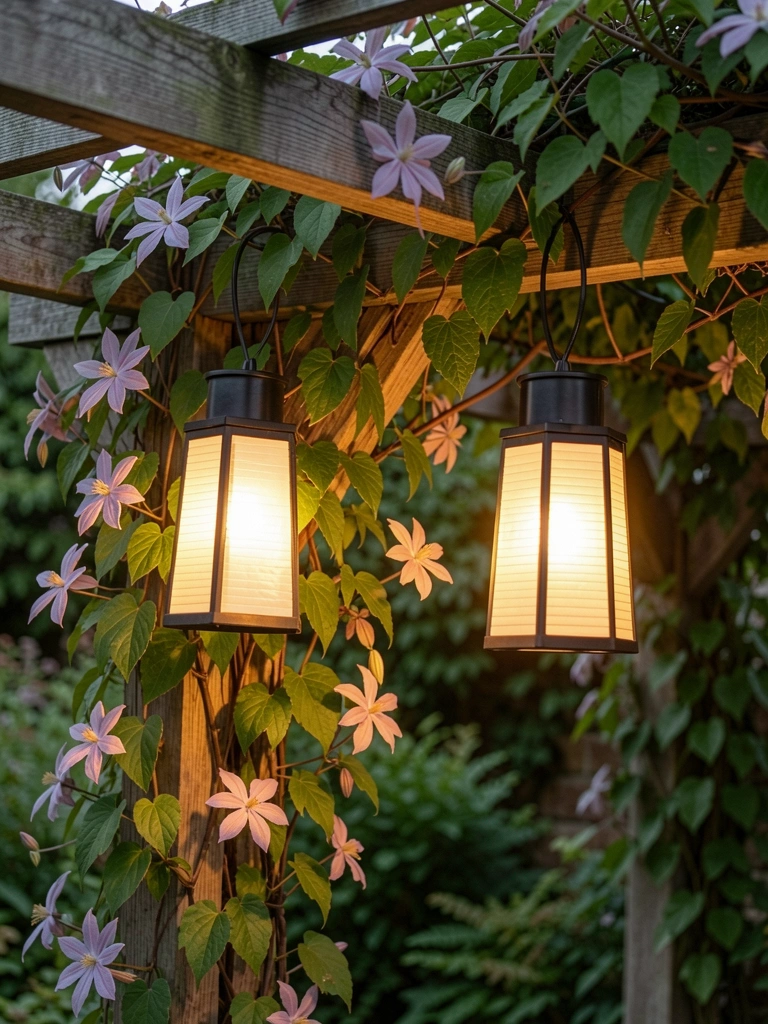
    6. Solar Lanterns Strung Through Vine Gaps

    String lights were too bright; I switched to solar lanterns on my pergola. Dangle between vines—soft glow at dusk, no wires.

    Batteries failed cheap ones fast. These metal ones last winters.

    Evenings under there feel calm, light catching petals.

    Hang loose, not tight. Charge full sun daily.

    What You’ll Need for This Look

    Outdoor metal solar hanging lanterns

    Warm white solar string lights 33ft

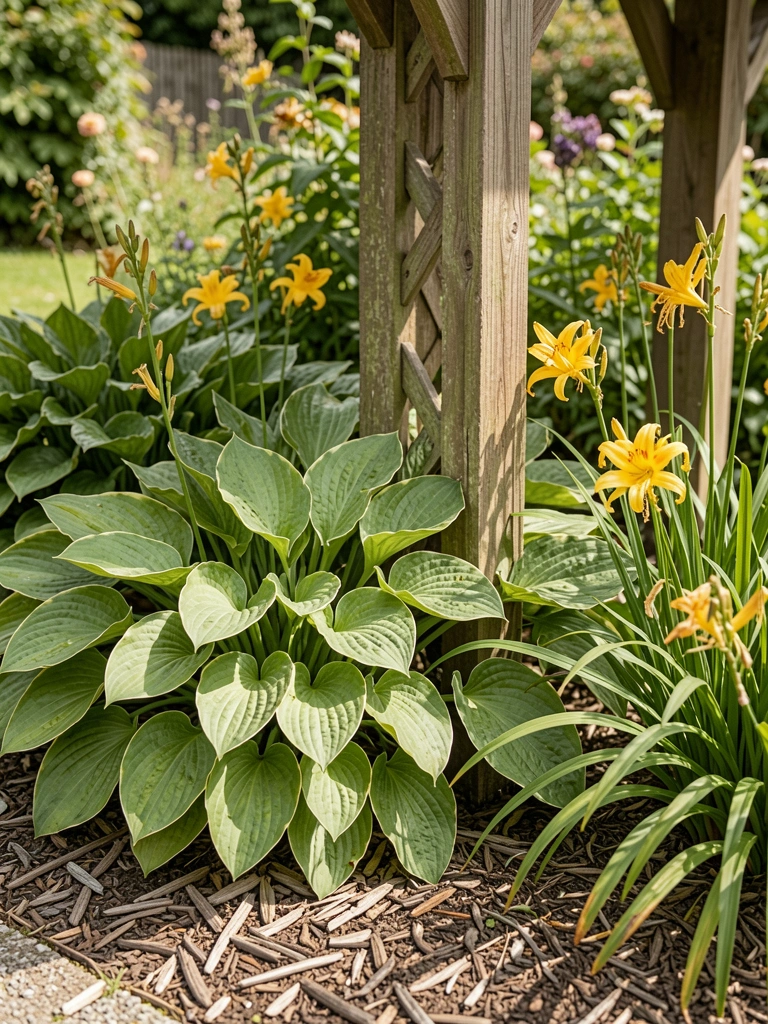
    7. Perennial Base Planting with Hostas and Daylilies

    Hostas and daylilies ring my pergola posts. Low care, fill out base without crowding paths. Foliage hides post bases year-round.

    Daylilies flopped in shade; moved to sunnier spots.

    Green mound softens hard lines. Blooms surprise in June.

    Mulch thick. Divide hostas every four years.

    What You’ll Need for This Look

    Live hosta plants 1-gallon

    Mixed daylily bare root plants

    Organic bark mulch 2 cu ft

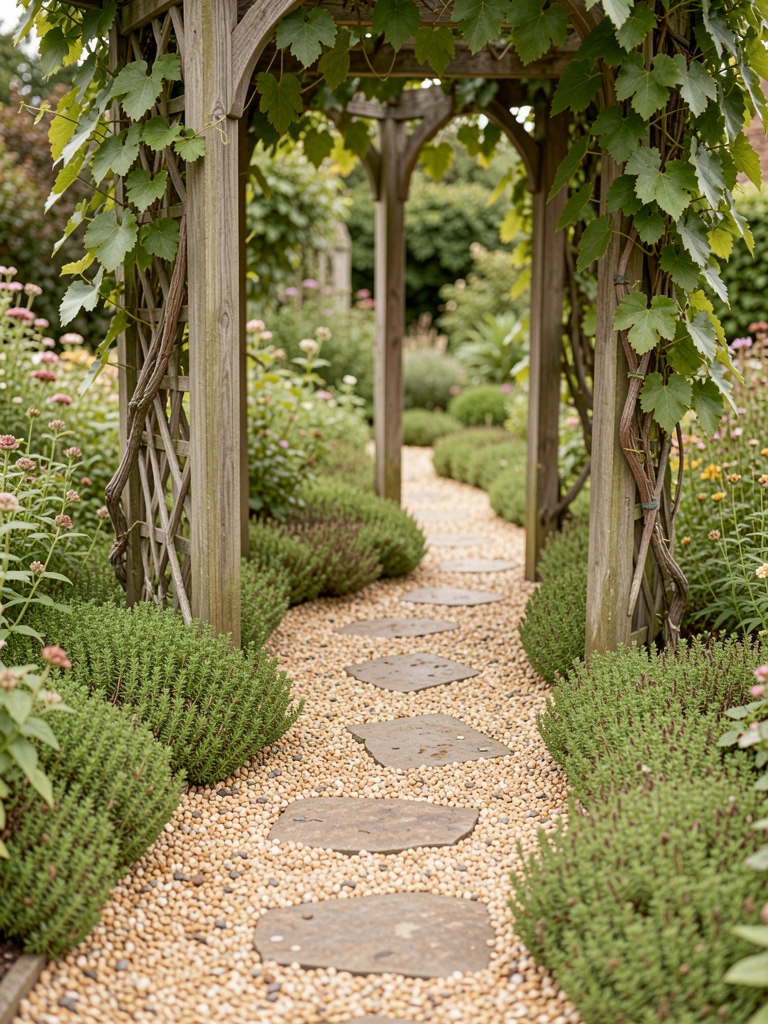
    8. Gravel Circle Path Leading Under the Frame

    Pea gravel under my pergola drains fast, no mud after rain. Edged with thyme—low, smells good when walked on.

    Weeds poked through thin layer first; doubled it up.

    Defines the space, crunches softly. Ties to house path.

    Lay landscape fabric first. Sweep yearly.

    What You’ll Need for This Look

    Pea gravel 50 lb bag

    Creeping thyme groundcover plants

    Weed barrier landscape fabric 100 ft

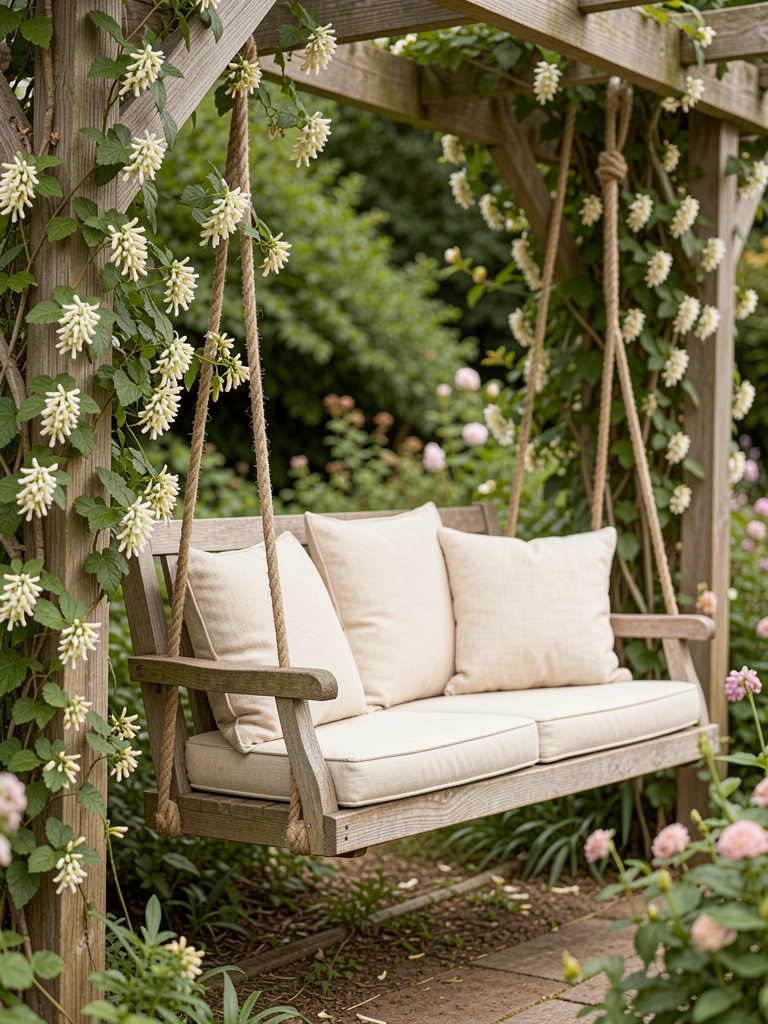
    9. Wooden Swing Hung from Center Beams

    A simple swing centered on my pergola sways gentle. Roses frame it—perfect nap spot.

    Rope frayed quick; used heavier sisal now.

    Motion adds life. Kids claim it daily.

    Eye-bolt strong into beams. Cushion for comfort.

    What You’ll Need for This Look

    4 ft wooden porch swing kit

    1-inch heavy sisal rope 50 ft

    Outdoor swing cushions 48×18 inch

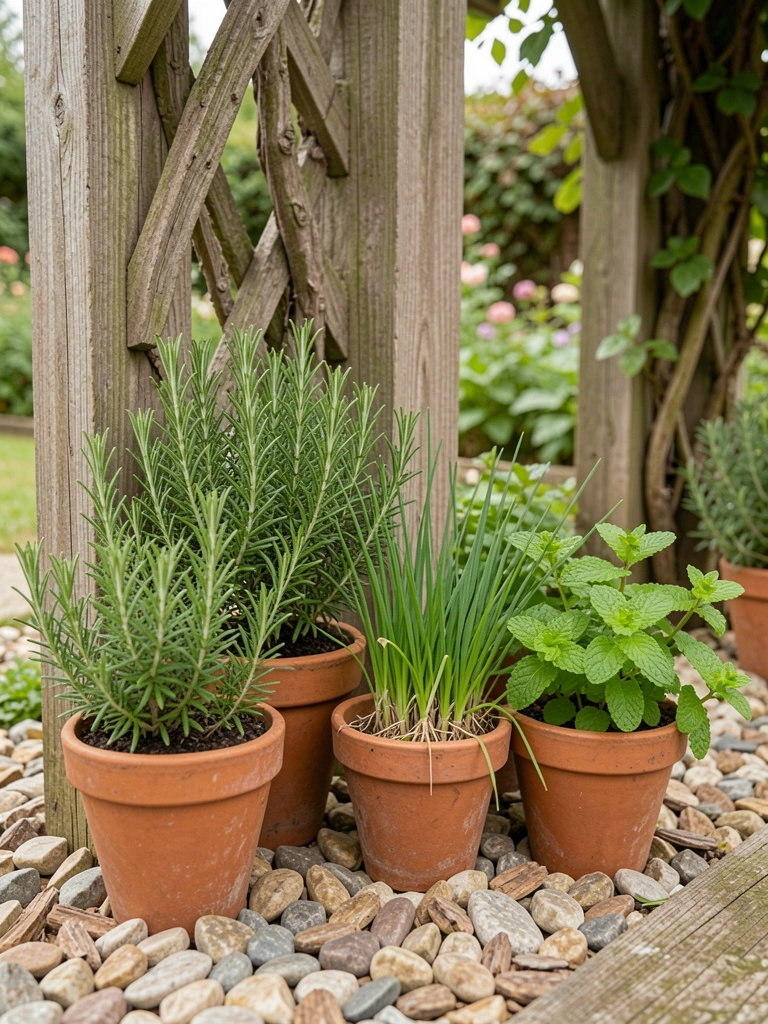
    10. Herb Pots Clustered at Post Feet

    Pots of rosemary, chives, mint at each post—handy for cooking, no big beds. Shade keeps herbs happy.

    Mint invaded once; potted separate now.

    Green pops against gravel. Snip fresh daily.

    Drainage holes key. Group by water needs.

    What You’ll Need for This Look

    8-inch terracotta pots set of 6

    Live rosemary plant 4-inch pot

    Live mint plant 4-inch pot

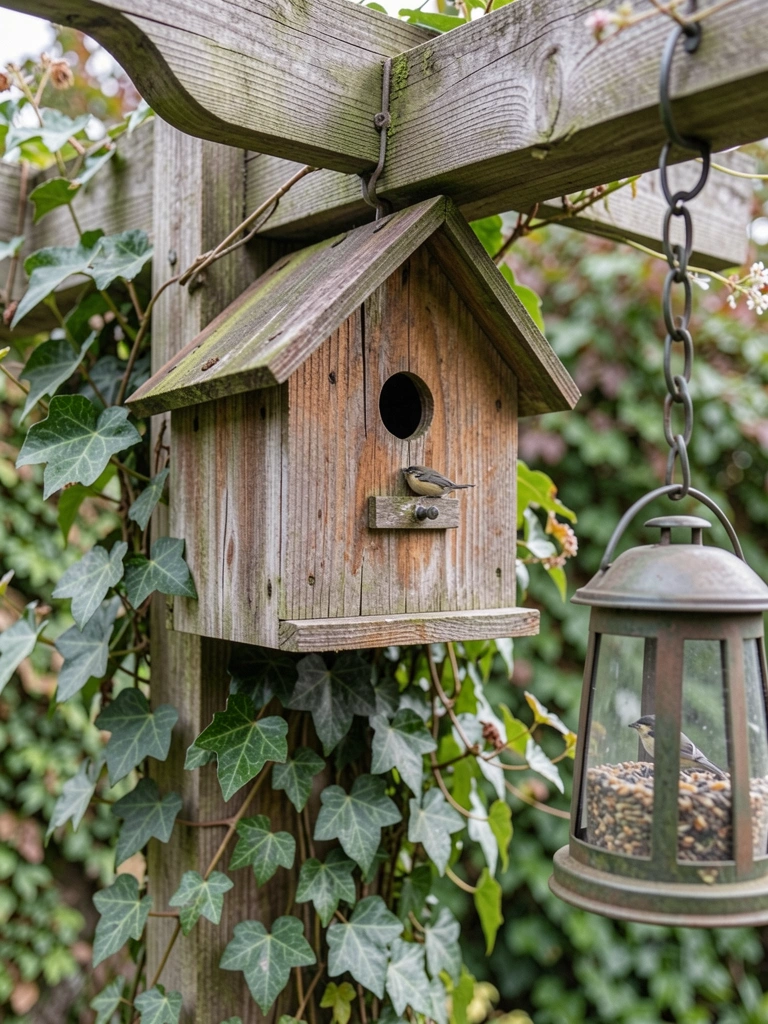
    11. Birdhouse Mounted on Side Beam Ends

    Birdhouse on the beam end draws wrens. Vines nearby give cover—chirps all morning.

    Wrong size hole first; sparrows took over. Drilled smaller.

    Adds movement, life. Watch nests from bench.

    Mount high, predator-proof.

    What You’ll Need for This Look

    Natural wooden wren birdhouse

    Small hanging bird feeder

    Heavy-duty galvanized L-bracket

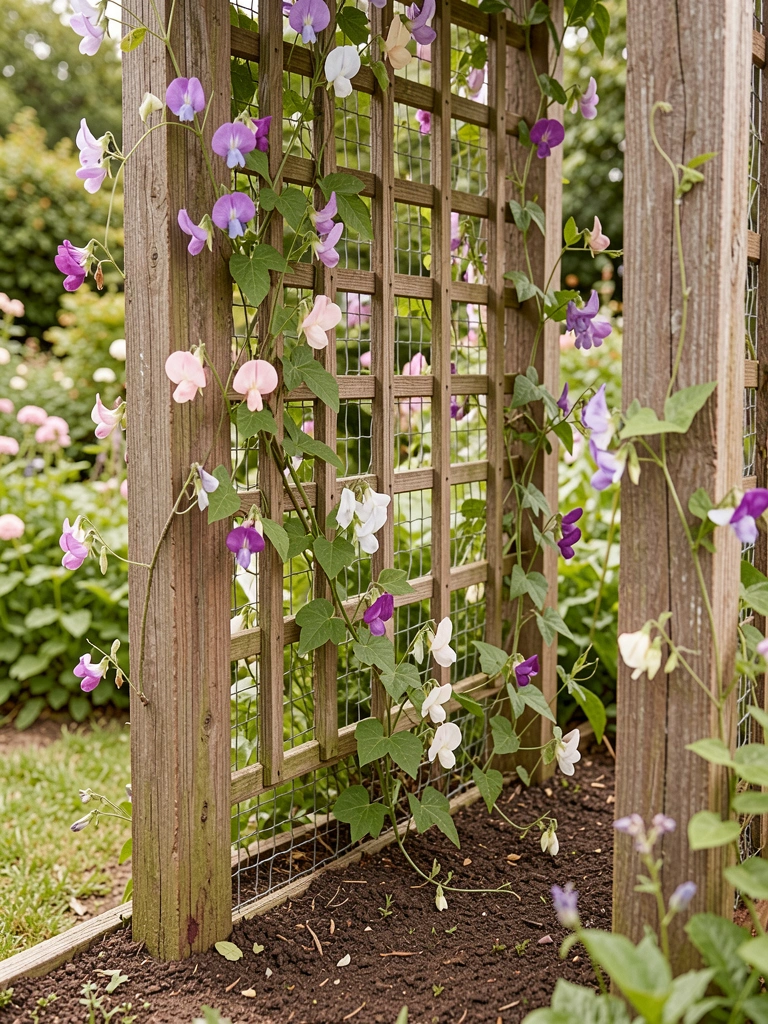
    12. Vertical Trellis Panels on Outer Posts

    Trellis panels zip-tied to posts let sweet peas climb straight up. Quick cover, annual ease.

    Peas died in heat; succession planted now.

    Fills blanks fast. Fragrant evenings.

    Attach loose for wind.

    What You’ll Need for This Look

    36×72 inch wooden vertical trellis panel

    Mixed color sweet pea seeds

    Heavy-duty 12-inch zip ties

    13. Fairy Lights Wrapped Loose Around Crossbeams

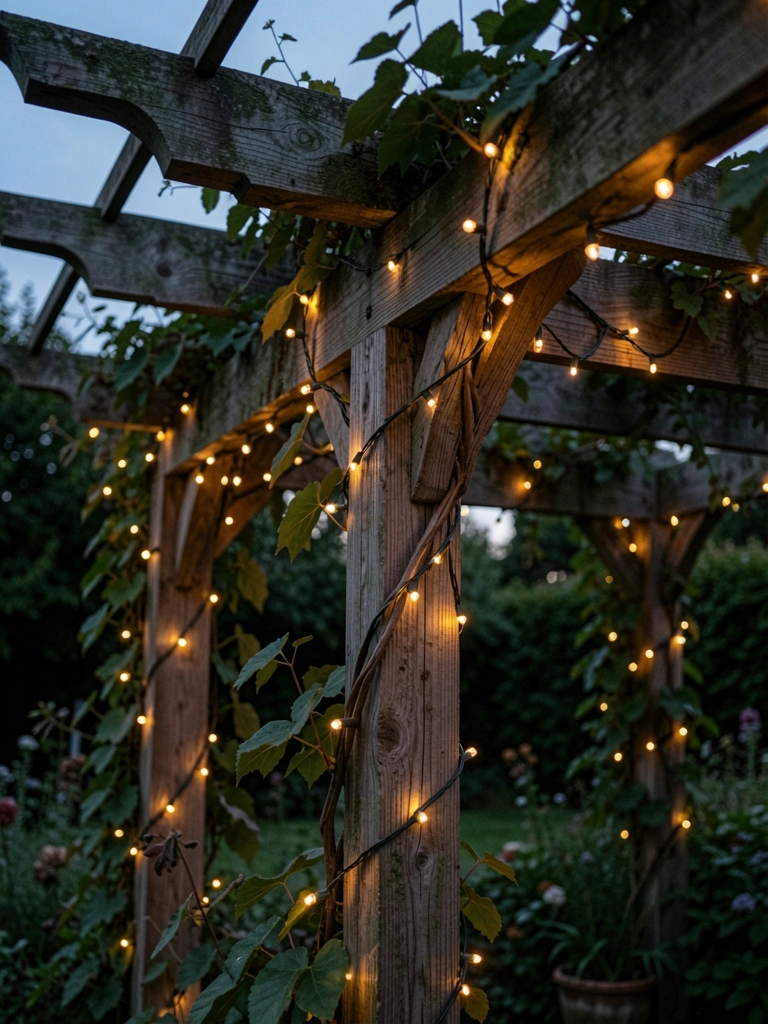
    Fairy lights looped loose on beams glow through vines. Solar, no hassle.

    Tangled first install; test before hanging.

    Nights feel gathered. Subtle sparkle.

    Battery ones dimmed; solar wins.

    What You’ll Need for This Look

    100 ft solar fairy lights warm white

    S-type ceiling extension hooks

    14. Overgrown Ivy for a Wild Edge Frame

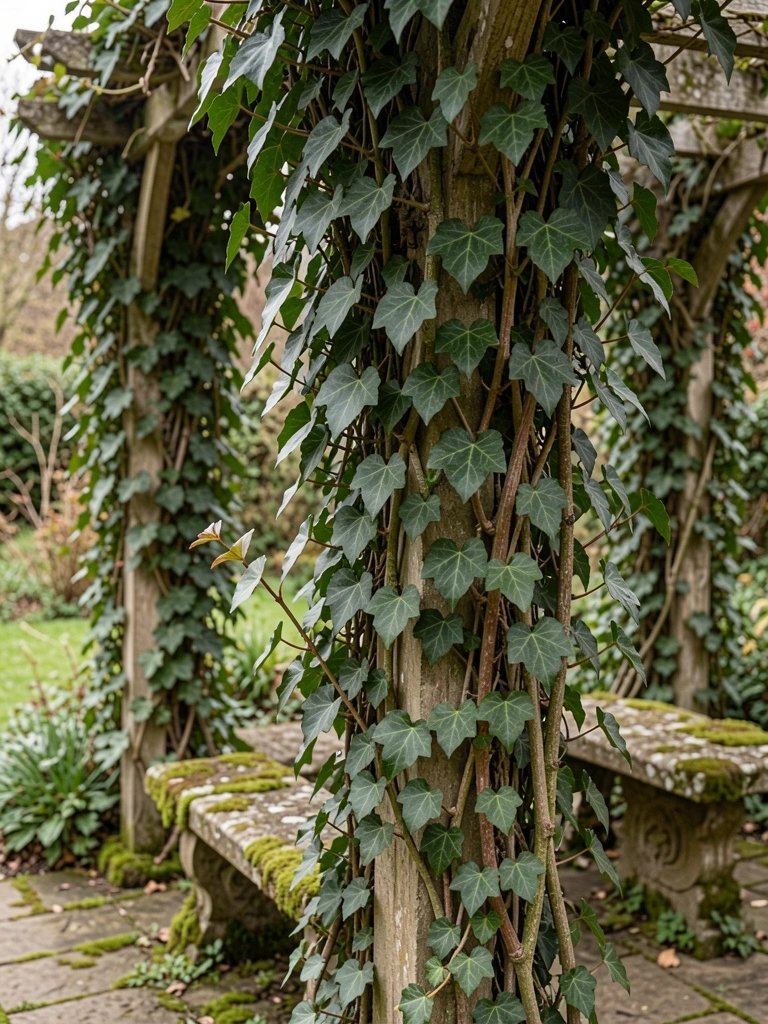
    English ivy on edges gives wild look. Evergreen, winter green.

    It gripped too tight once; trim aggressive.

    Softens sharp corners. Year-round base.

    Plant at base, guide up.

    What You’ll Need for This Look

    Live English ivy 1-gallon pot

    Long blade manual hedge shears

    15. Passionflower Vines for Exotic Twists

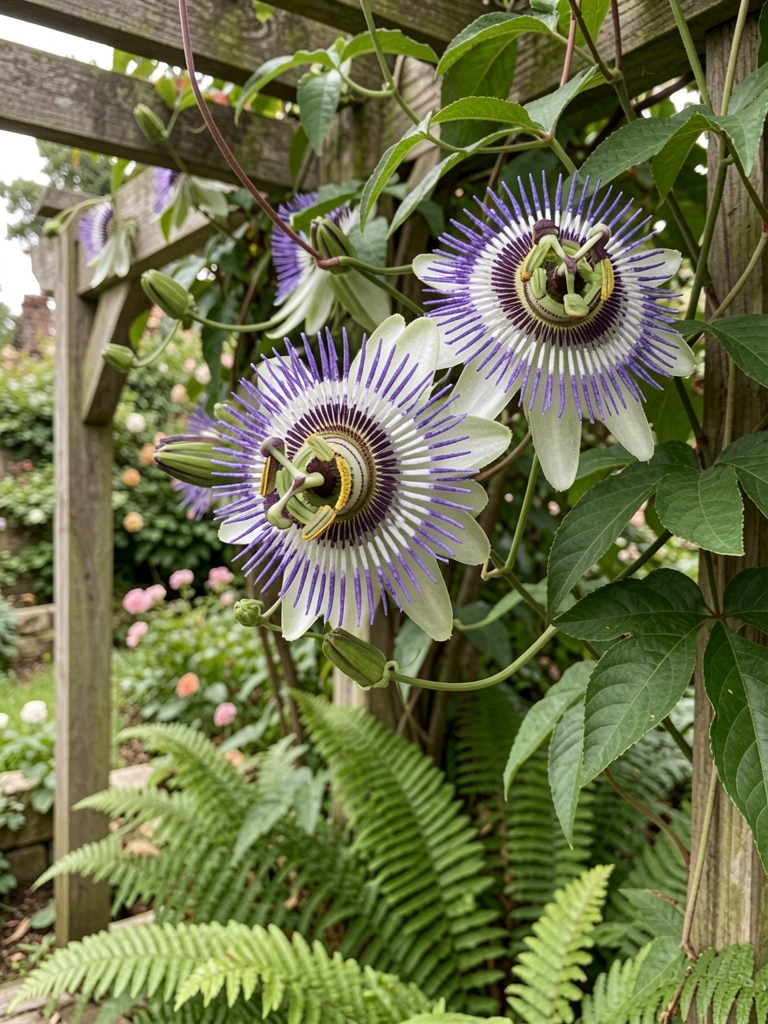
    Passionflower adds odd blooms to my pergola. 'Incarnata' hardy here, fruits even.

    Froze back mild winter; mulched after.

    Blooms stun visitors. Butterfly magnet.

    South-facing post best.

    What You’ll Need for This Look

    Passionflower 'Incarnata' bare root

    Live butterfly weed plants

    16. Fruiting Kiwi Vines on Sturdy Posts

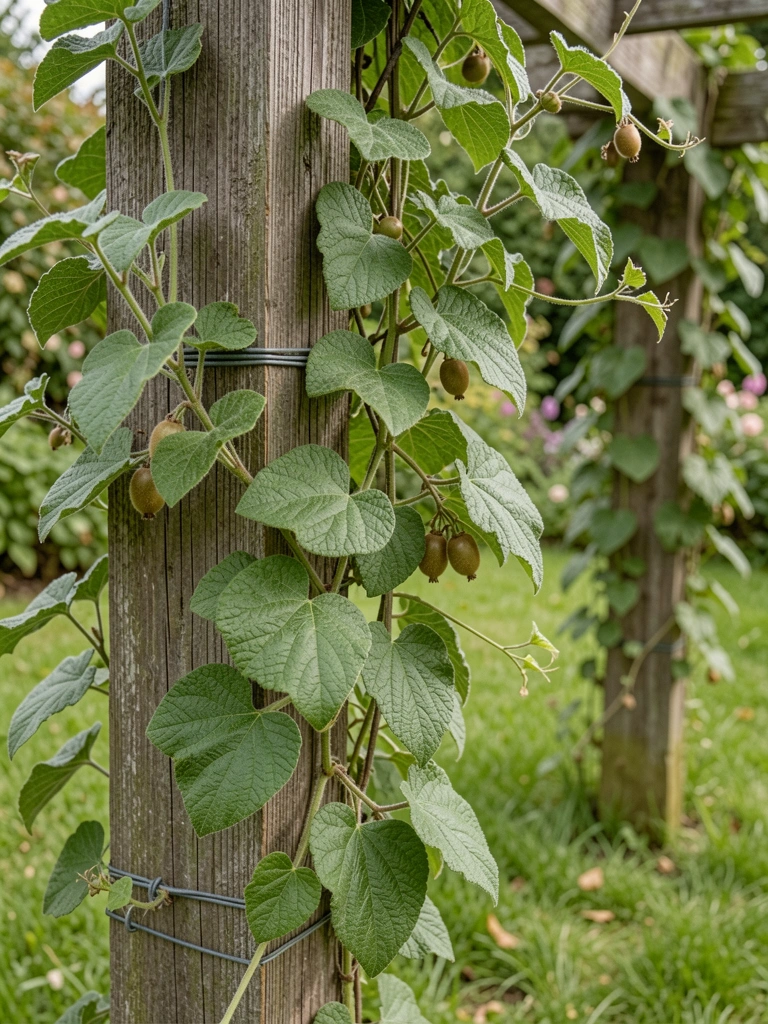
    Kiwi vines give shade and harvest. Male-female pair needed—learned late.

    One vine only fruited; added mate.

    Edible cover. Fuzzy charm.

    Wire between posts for weight.

    What You’ll Need for This Look

    Hardy kiwi vine male bare root

    Hardy kiwi vine female bare root

    Galvanized garden wire 100 ft

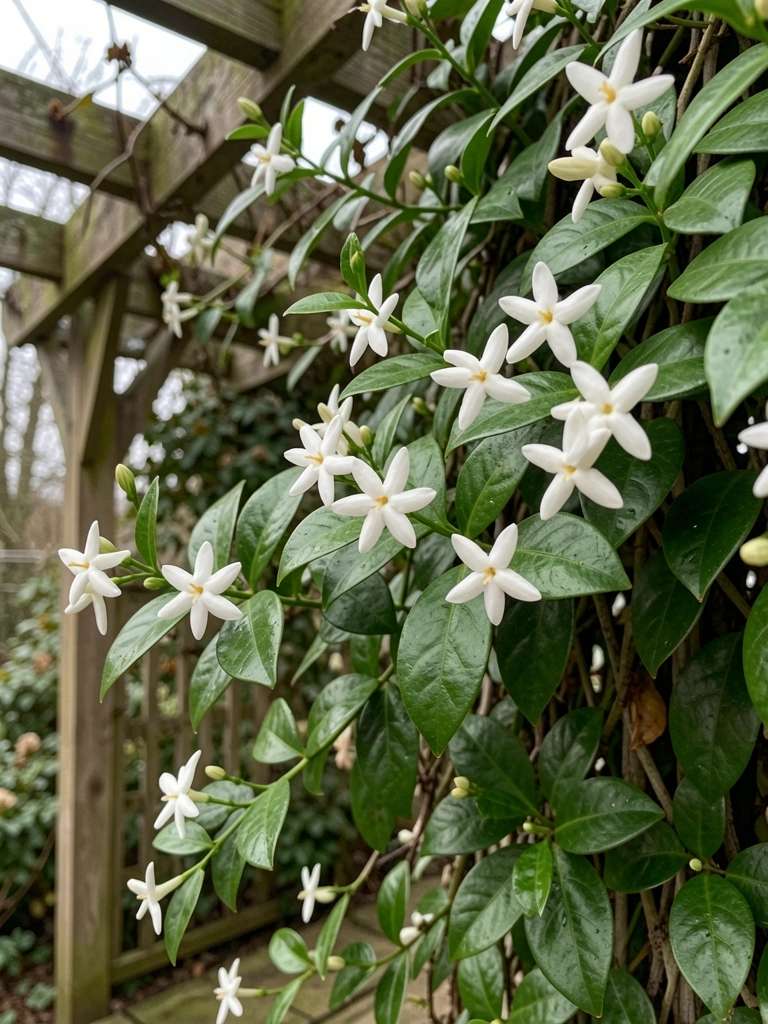
    17. Evergreen Jasmine for Year-Round Scent

    Winter jasmine stays green, scents mild days. Covers beams solid.

    Dropped leaves clogged paths first; rake light.

    Off-season green. Subtle winter bloom.

    Sheltered spot, zone hardy.

    What You’ll Need for This Look

    Live winter evergreen jasmine plant

    Adjustable metal leaf rake

    Final Thoughts

    Pick one or two ideas that fit your yard—no need for all 17. Start small; vines forgive slow hands.

    My pergola took years to feel right. Yours will too, in good ways.

    You've got this. Plant, watch, tweak. It'll be your spot soon.
  • 7 Cottage Garden Borders Ideas to Define Beds

    7 Cottage Garden Borders Ideas to Define Beds

    I still picture that first summer when my side bed just melted into the grass. No clear line, weeds sneaking everywhere. It felt sloppy, like the garden owned me.

    Then I started edging beds properly. Simple borders that actually worked with cottage style—cozy, not fussy.

    Nothing fancy. Just honest lines that make you smile walking by.

    7 Cottage Garden Borders Ideas to Define Beds

    These 7 cottage garden border ideas come from my own trial and error. They're straightforward to set up, using stuff that lasts. You'll know exactly what to grab and plant.

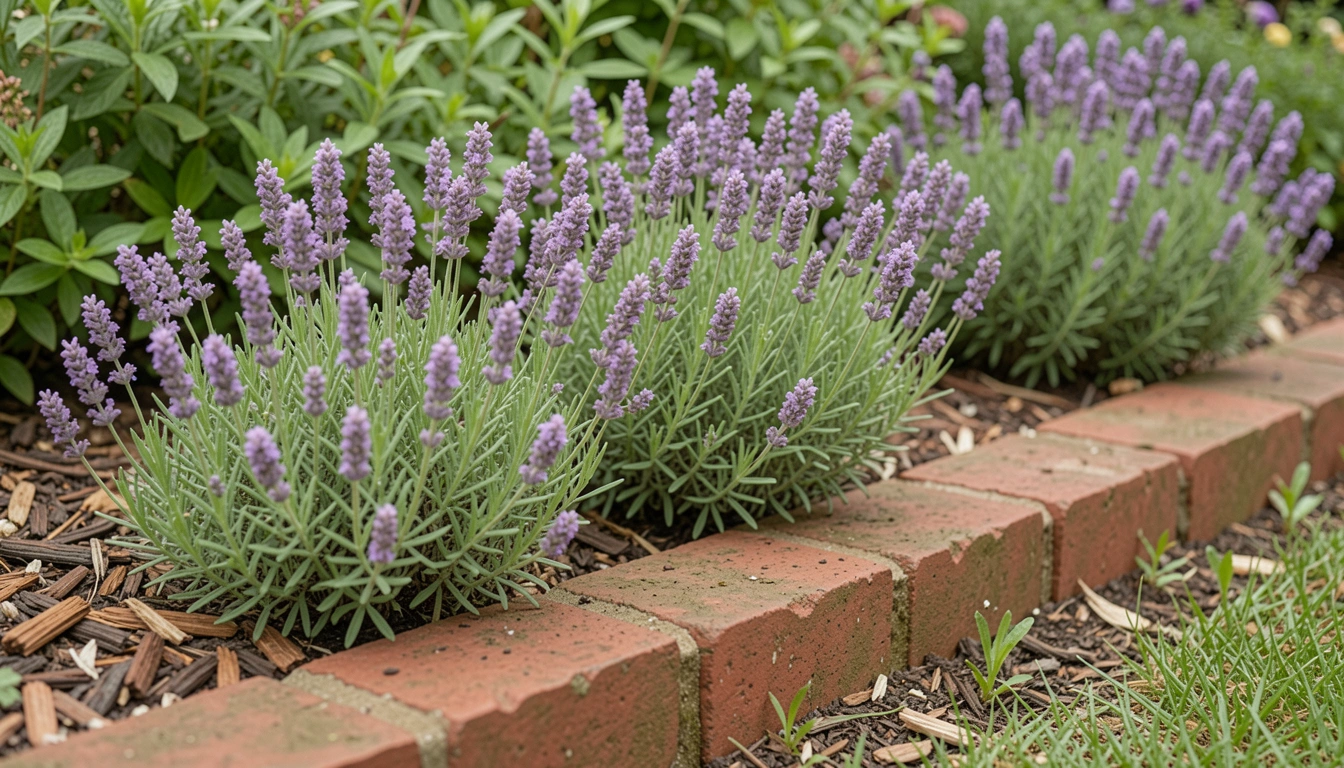
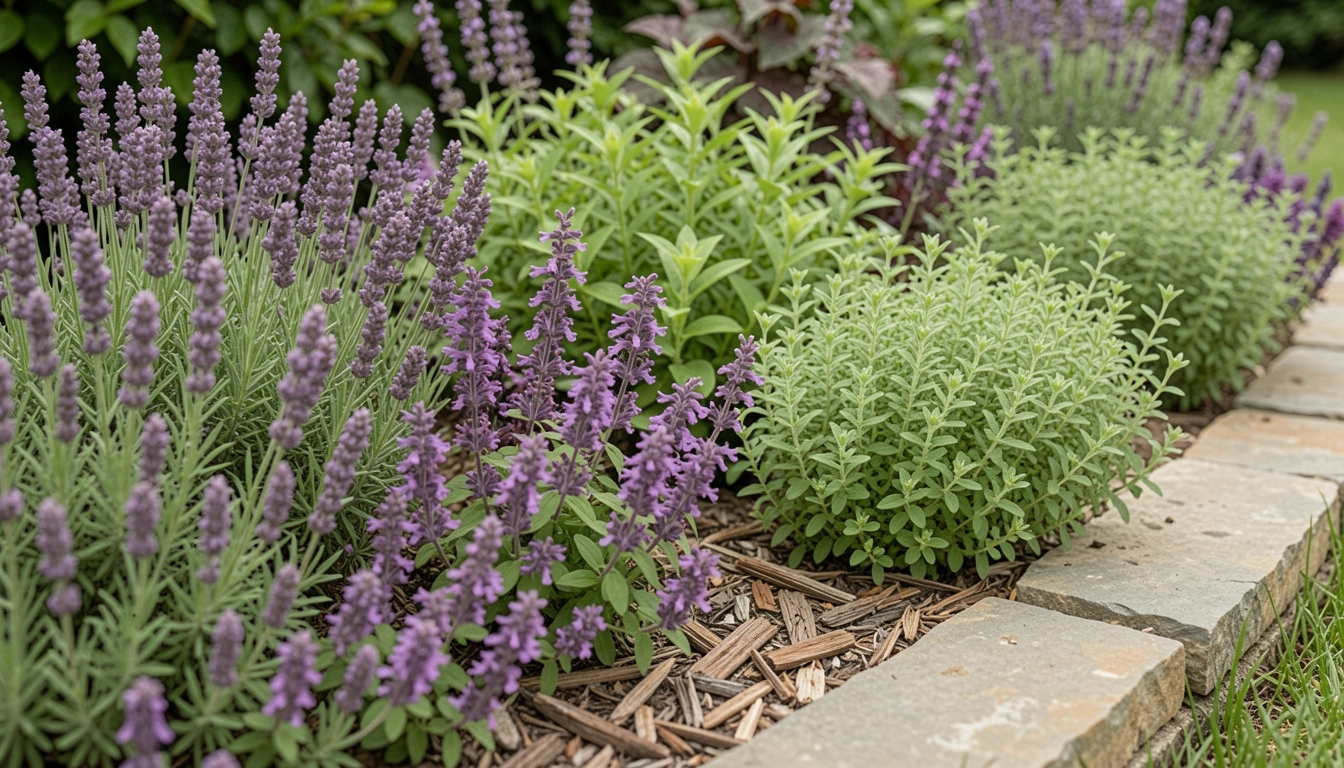
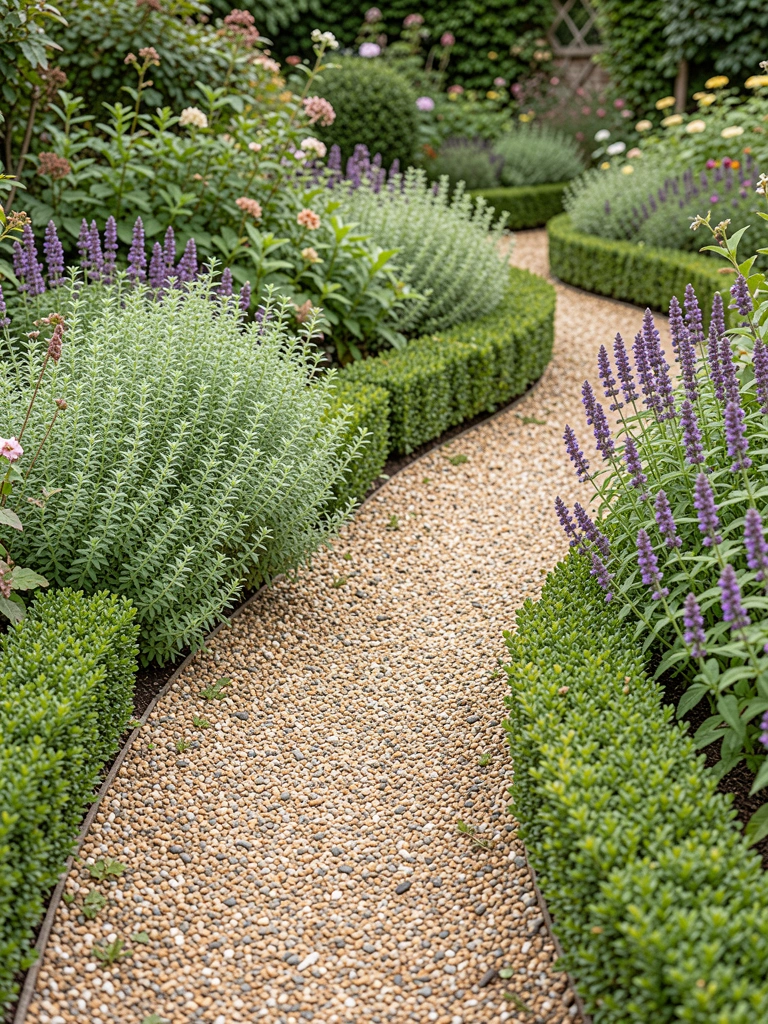
    1. Lavender and Catmint Low Hedge That Curves Gently

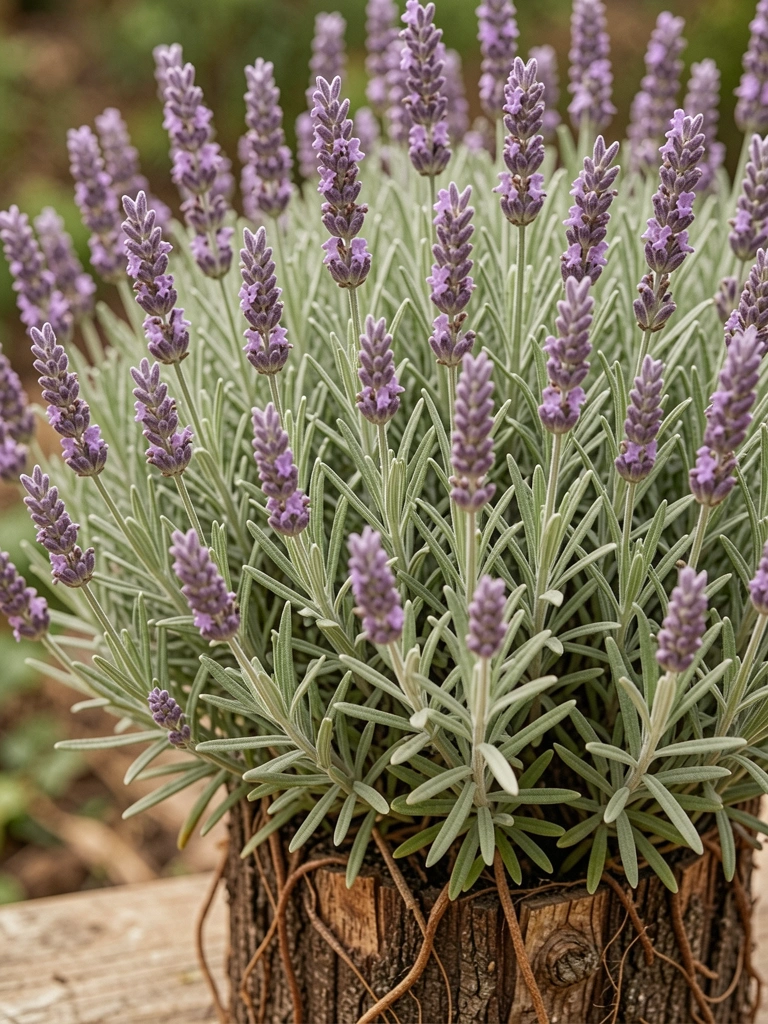
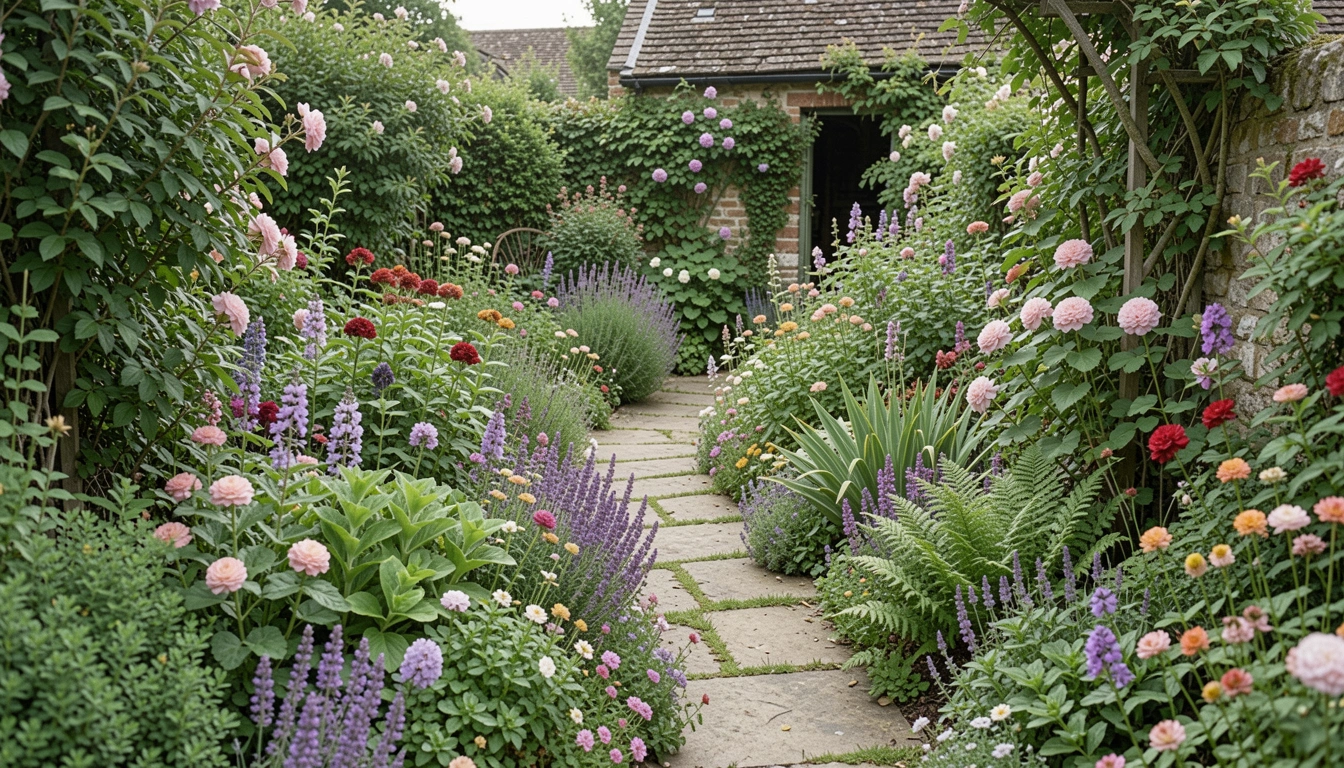
    I planted lavender and catmint along my front bed three years back. They grew knee-high, filling out soft and full by summer. The purple haze draws bees, and it smells amazing when you brush past.

    No more grass creeping in. The edge holds firm, even after rain softens the soil. Visually, it softens the bed's start—cozy invitation, not a hard wall.

    Watch spacing: 12 inches apart. They spread, but that's the point. I overcrowded once; plants got leggy. Thin as needed.

    What You’ll Need for This Look

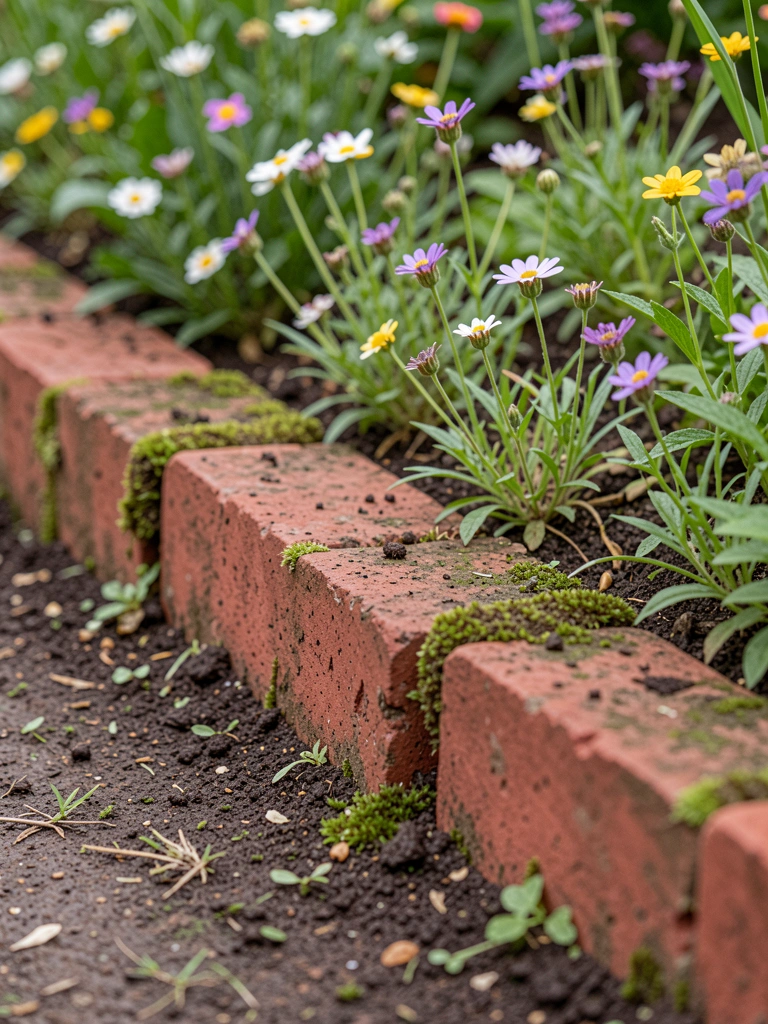
    2. Brick Pavers Buried Halfway for a Red-Orange Glow

    Bricks from an old path worked wonders on my back bed. Buried halfway, they catch the evening light—warm red against green. Defines the bed without screaming "formal."

    Before, mulch spilled everywhere. Now it's contained, easy to mow right up to. Feels settled, like the garden's always been there.

    Dig a shallow trench first. I skipped leveling once; bricks wobbled after frost. Tap them even with a mallet.

    What You’ll Need for This Look

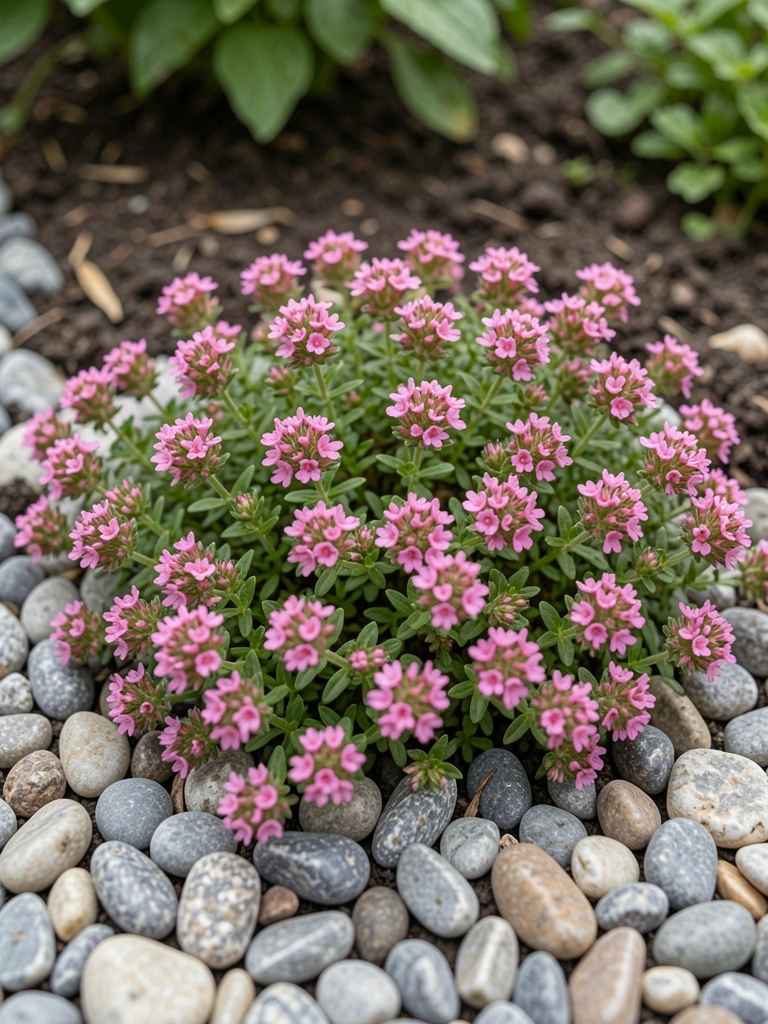
    3. Creeping Thyme Over Gravel That Crunches Underfoot

    Gravel topped with creeping thyme edges my herb bed now. The thyme trails over, soft green mat by spring. Gravel crunches satisfyingly—keeps it low-maintenance.

    It stopped mud tracking inside. Visually, the texture mix grounds the taller herbs, feels intentional.

    Thyme hates soggy roots. I drowned mine first year in clay soil. Amend with sand if needed.

    What You’ll Need for This Look

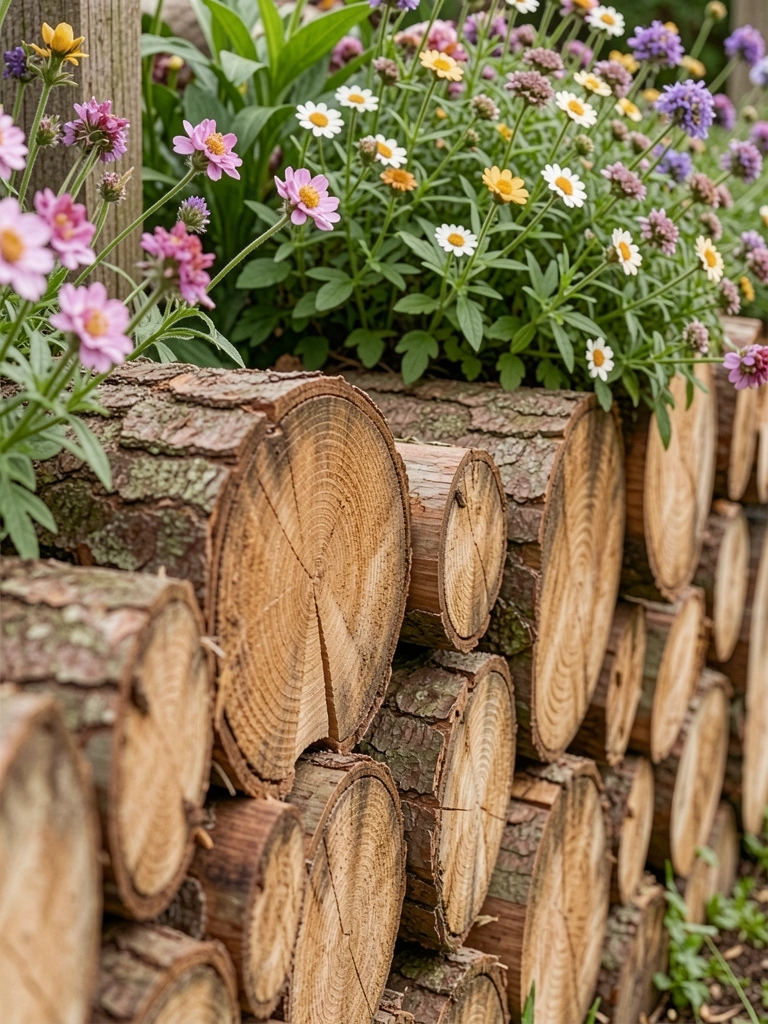
    4. Reclaimed Timber Logs Rolled into Place

    Old fence logs border my veggie patch. Rolled in, ends buried—they hug the bed's curve naturally. Rustic warmth against cottage flowers.

    Changed how the space feels: enclosed, productive. No more veggies tumbling out.

    Logs rot eventually. Mine lasted five years before I replaced. Treat with oil if you want longer.

    What You’ll Need for This Look

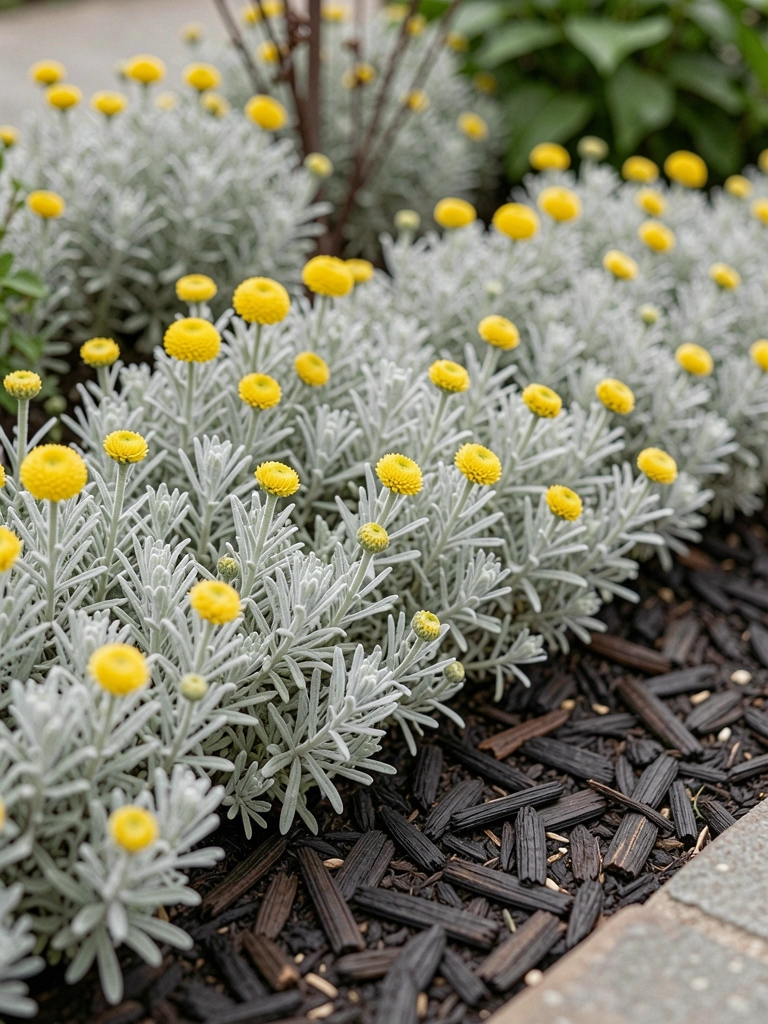
    5. Santolina Clippings Trimmed into a Silver Line

    Santolina's silver leaves edge my rose bed. Trim it twice a year—stays compact, about 18 inches. Scent hits you weeding nearby.

    It frames the roses perfectly, cool tones balancing pinks. Beds look tidier without effort.

    Overwatered at first; it yellowed. Now I let it dry out between.

    What You’ll Need for This Look

    6. Bottle Ends Pressed into Soft Soil

    Recycled bottles—bottoms cut, rims in soil—line my wildflower bed. Sparkle in sun, catch the eye without cost.

    Feels quirky cottage, holds back the sprawl. I dug too deep once; they tipped. Shallow trench works.

    What You’ll Need for This Look

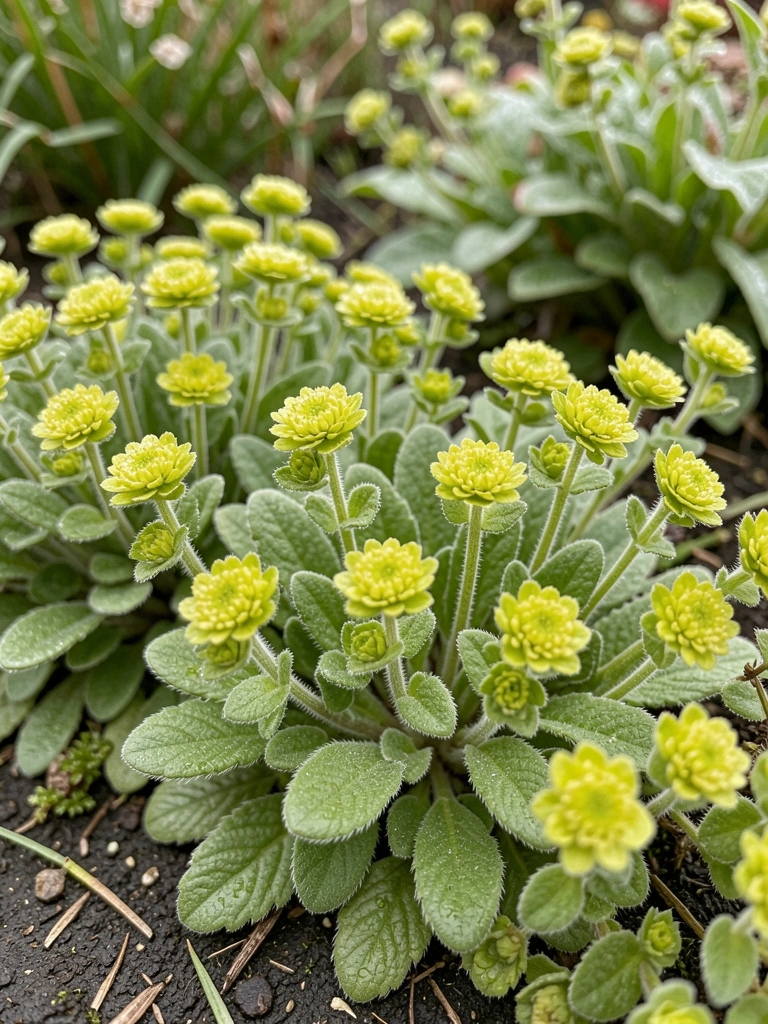
    7. Alchemilla Mollis Mounds That Flop Gracefully

    Lady's mantle mounds soft-edge my shade bed. Lime flowers drip after rain—pure cottage charm. Grows 12 inches, fills gaps.

    Softens harsh lawn line. Wet foliage glows; dries quick.

    Planted in full sun by mistake; it burned. Shade or part sun only.

    What You’ll Need for This Look

    Final Thoughts

    Pick one idea that fits your spot. Start small—no need for the whole garden at once.

    They've made my beds feel right over time. Yours will too. Grab what you need and dig in.

  • 21 Cottage Garden Seating Area Ideas to Relax

    21 Cottage Garden Seating Area Ideas to Relax

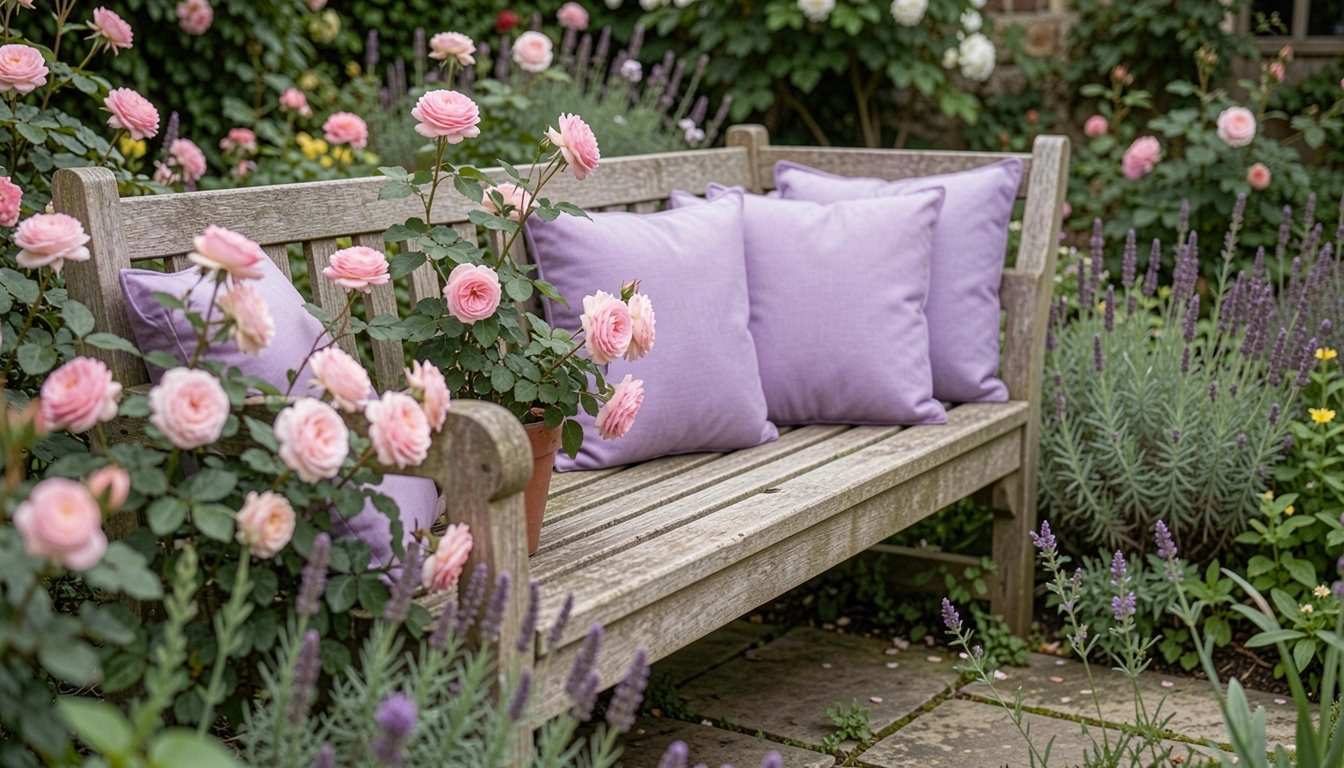
    I sank into that old wooden bench last summer, surrounded by foxgloves that had finally filled out after two tries. The air smelled like damp earth and herbs. No fancy landscaping—just plants that came back year after year.

    That spot became my unwind place. After weeding all day, sinking down there felt earned.

    You can make one too. It doesn't take much.

    21 Cottage Garden Seating Area Ideas to Relax

    These 21 cottage garden seating area ideas come from spots I've built or fixed in my own yard and neighbors'. They're straightforward, forgiving for beginners, and turn any corner cozy. Let's get into them.

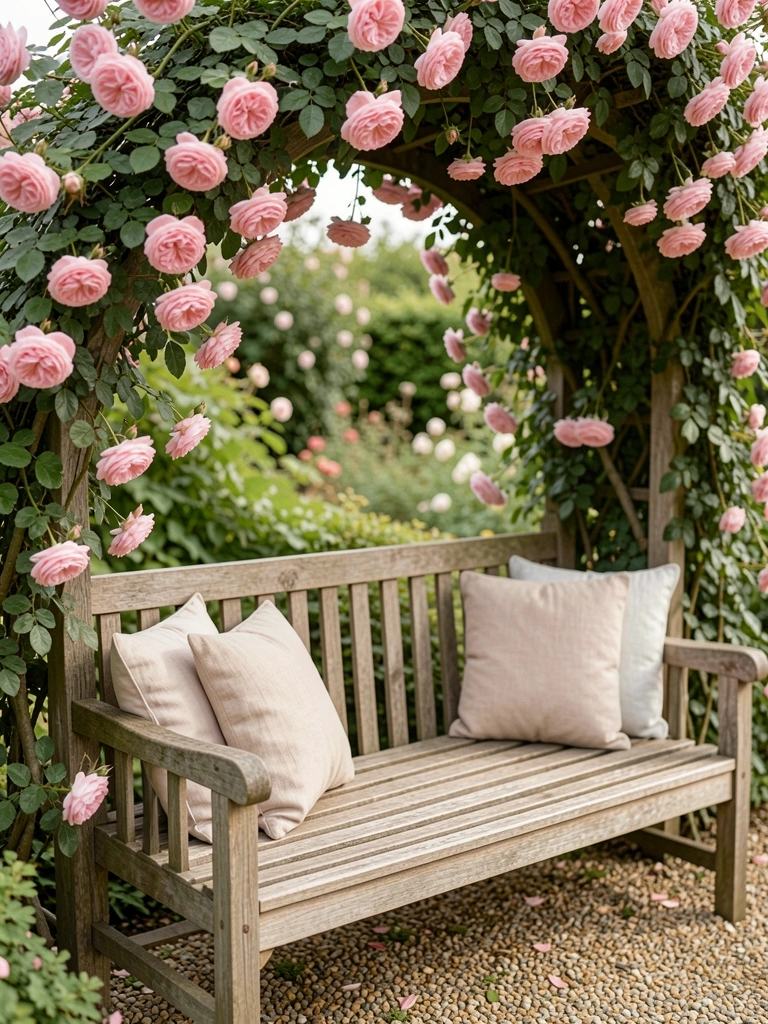
    1. Wooden Bench Tucked Under a Climbing Rose Arch

    I built this bench arch from scrap wood after my first rose trellis collapsed in a storm. Planted 'New Dawn' roses—they climb fast and bloom nonstop. Now it's my evening read spot, petals dropping like confetti.

    The arch shades without blocking light, and roses hide the rough edges. Sit there, and the garden wraps around you.

    Watch the height—roses grow tall, so space the bench 18 inches from the base.

    Trim suckers yearly, or they take over.

    What You’ll Need for This Look

    A wooden garden bench

    Climbing rose bush New Dawn

    Rose trellis arch kit

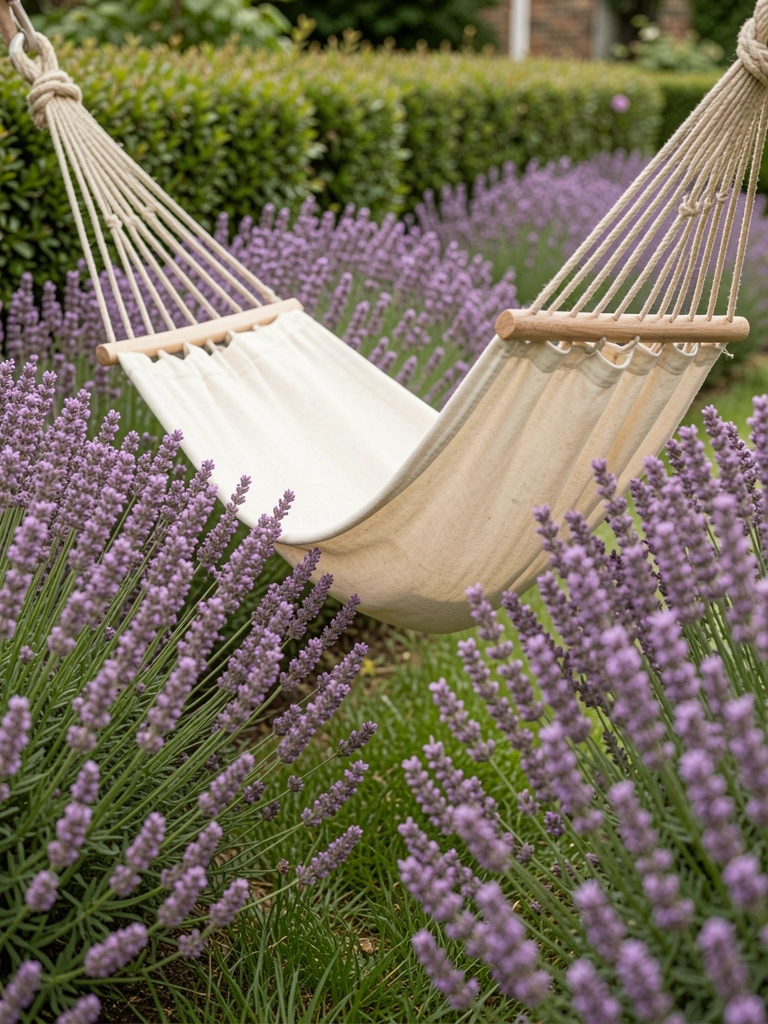
    2. Hammock Sway Between Lavender Hedges

    Hung a hammock between two lavender rows after buying too much from a sale. 'Hidcote' fills the air with that clean scent—perfect for napping. Bees hum by, but never bother.

    It sways gentle, hedges block wind. Feels private in a small yard.

    Plant lavender 2 feet apart; they bush out wide after year two.

    Skip watering once established—they hate wet feet.

    What You’ll Need for This Look

    Cotton hammock double wide

    Lavender Hidcote plants pack of 3

    Hammock hanging straps set

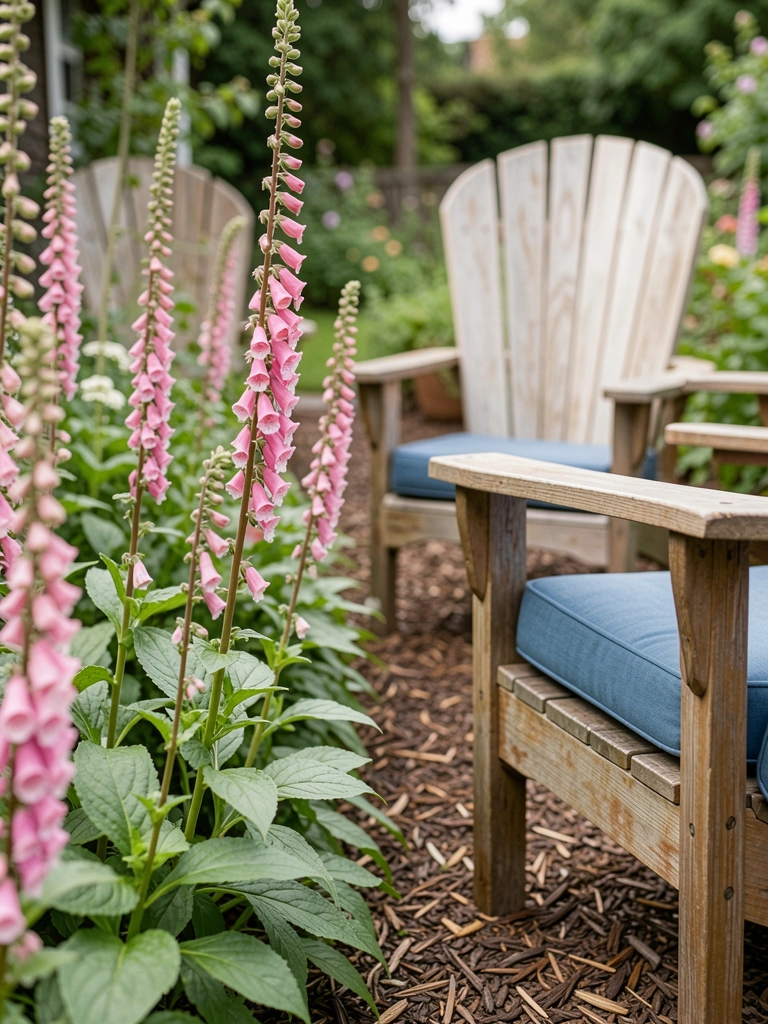
    3. Adirondack Chairs by a Foxglove Border

    Set two Adirondacks against foxgloves that reseed everywhere now. Started with one plant; they tower 5 feet by June. Lean back, drink coffee—towers sway soft in breeze.

    Chairs tilt just right for long sits. Flowers hide the yard's messy side.

    Foxgloves like shade; mine flopped in full sun first try.

    Deadhead to keep blooming.

    What You’ll Need for This Look

    Adirondack chair set of 2 natural wood

    Foxglove plant mix pack

    Outdoor chair cushions blue 20×40 inch

    4. Porch Swing Overhung by Honeysuckle Vine

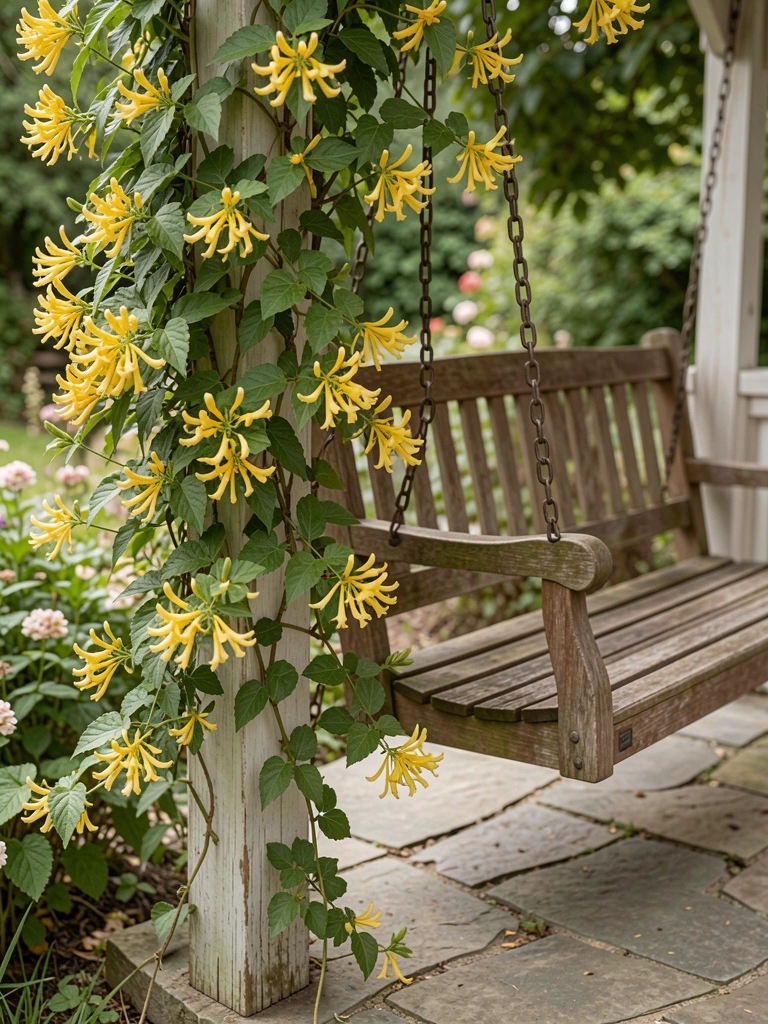
    Fixed up this swing after the chains rusted. Trained 'Gold Flame' honeysuckle over it—sweet smell hits at dusk. Rocks gently; vines filter sun into spots.

    Feels like a hug on hot days.

    Vines grow aggressive—prune twice yearly or they smother.

    Hang swing 20 inches off ground for easy in-out.

    What You’ll Need for This Look

    Two-person porch swing wood

    Honeysuckle vine Gold Flame

    Swing chain hardware kit

    5. Rustic Picnic Table Ringed in Nasturtiums

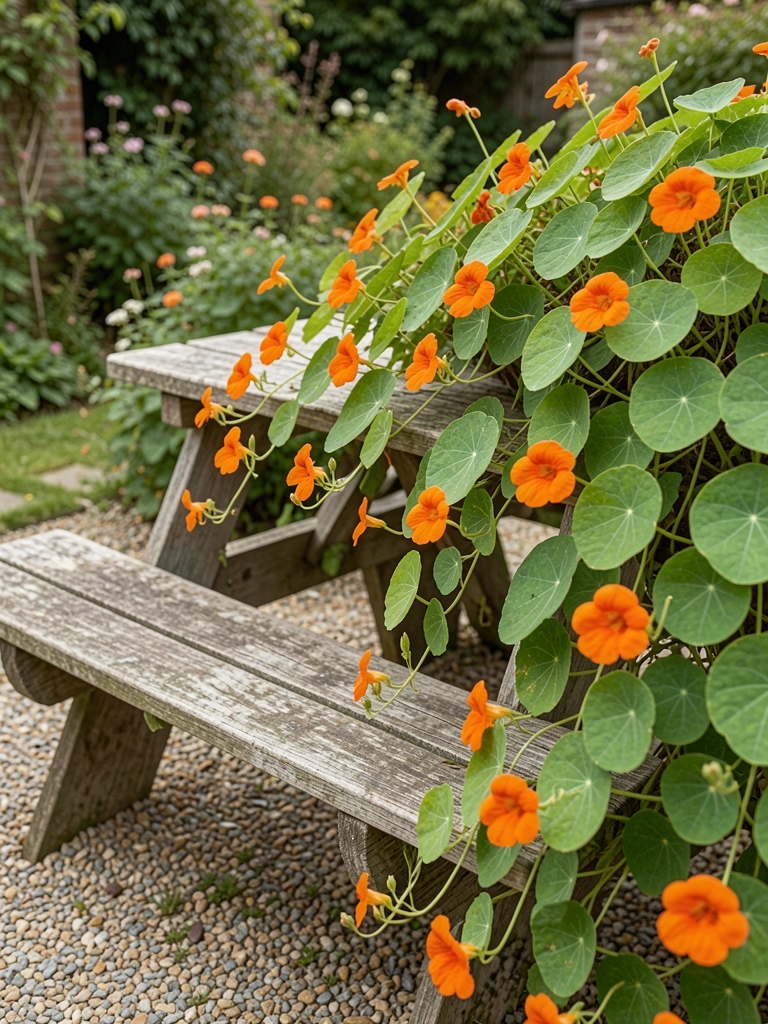
    Dragged this old table out, planted nasturtiums at edges. They trail over sides, edible flowers for salads. Lunch there tastes better with colors popping.

    Table seats four easy; plants soften the edges.

    Nasturtiums self-seed—pull extras or they crowd.

    They love poor soil—no fertilizer.

    What You’ll Need for This Look

    Rustic picnic table 6 foot wood

    Nasturtium seed mix trailing

    Picnic table cover vinyl checkered

    6. Cushioned Fireside Logs with Overgrown Perennials

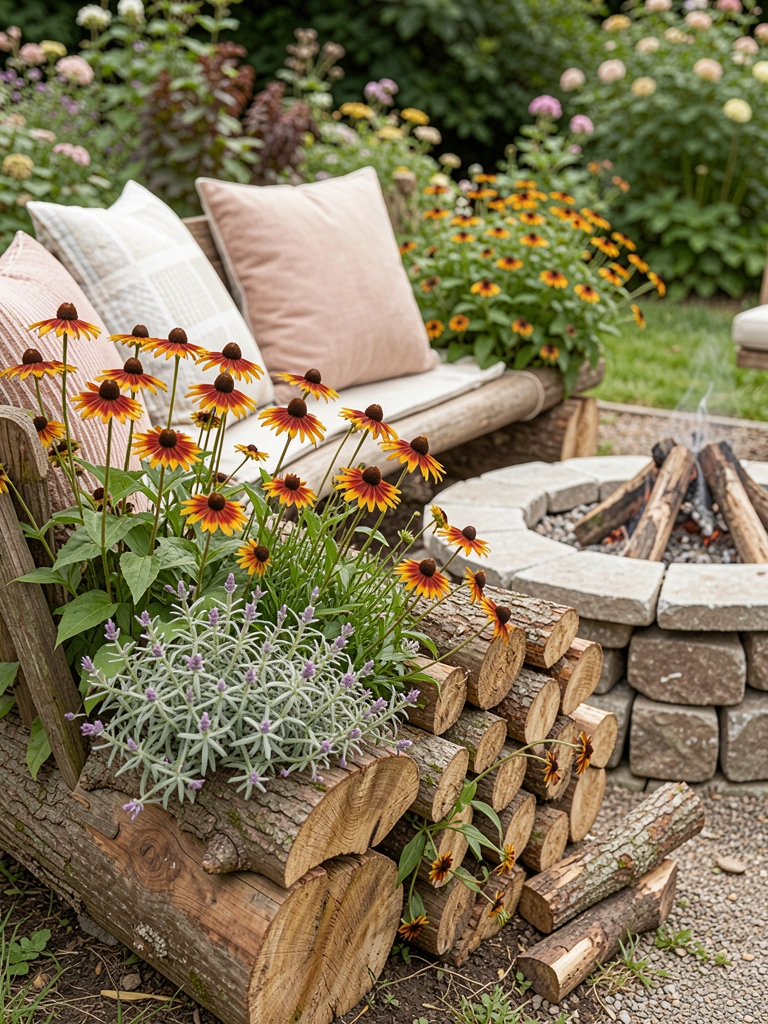
    Stacked logs as benches around a fire pit, backed by rudbeckia that flopped first year from too much water. Now they're sturdy gold towers. Cushions make it comfy for evenings.

    Fire crackles, flowers glow orange.

    Logs settle—level with gravel underneath.

    What You’ll Need for This Look

    Fire pit ring steel 36 inch

    Outdoor seat cushions round 18 inch

    Rudbeckia seed packet perennial

    7. Hanging Egg Chair Amid Fern Fronds

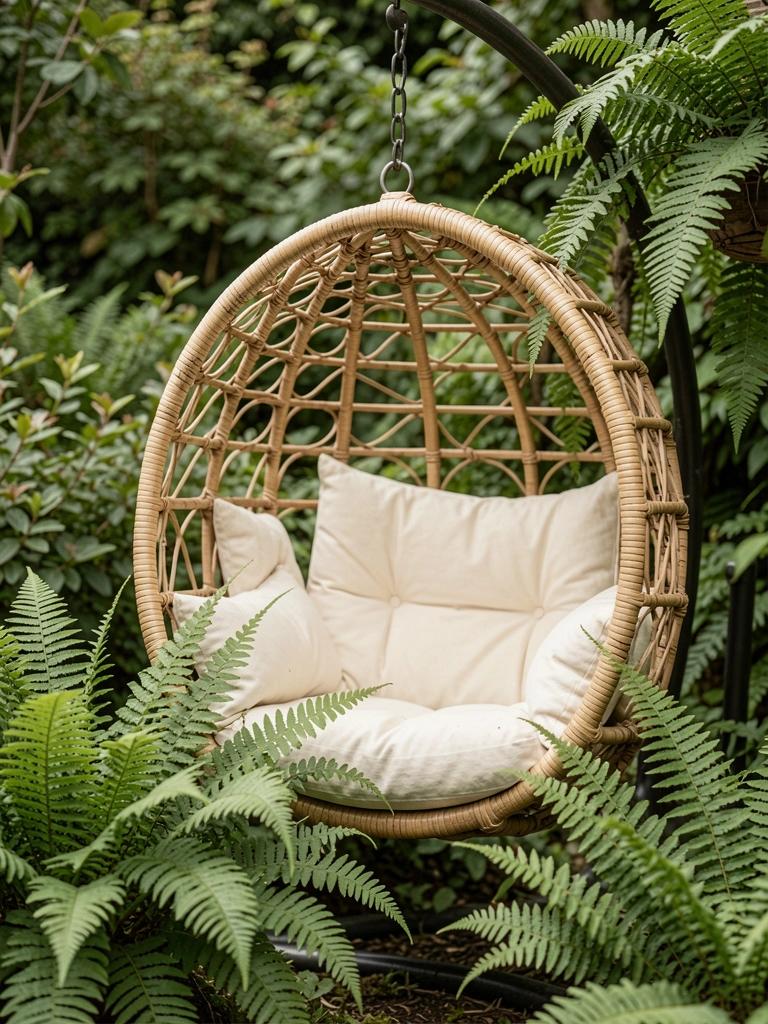
    Suspended an egg chair in a fern patch after ferns shaded my veggies too much. Now it's a curl-up spot—fronds rustle soft. Chair rocks smooth.

    Shady and cool even in July heat.

    Ferns spread; divide every three years.

    What You’ll Need for This Look

    Hanging egg chair rattan wicker

    Fern plants pack of 4 ostrich

    Hanging chair stand metal

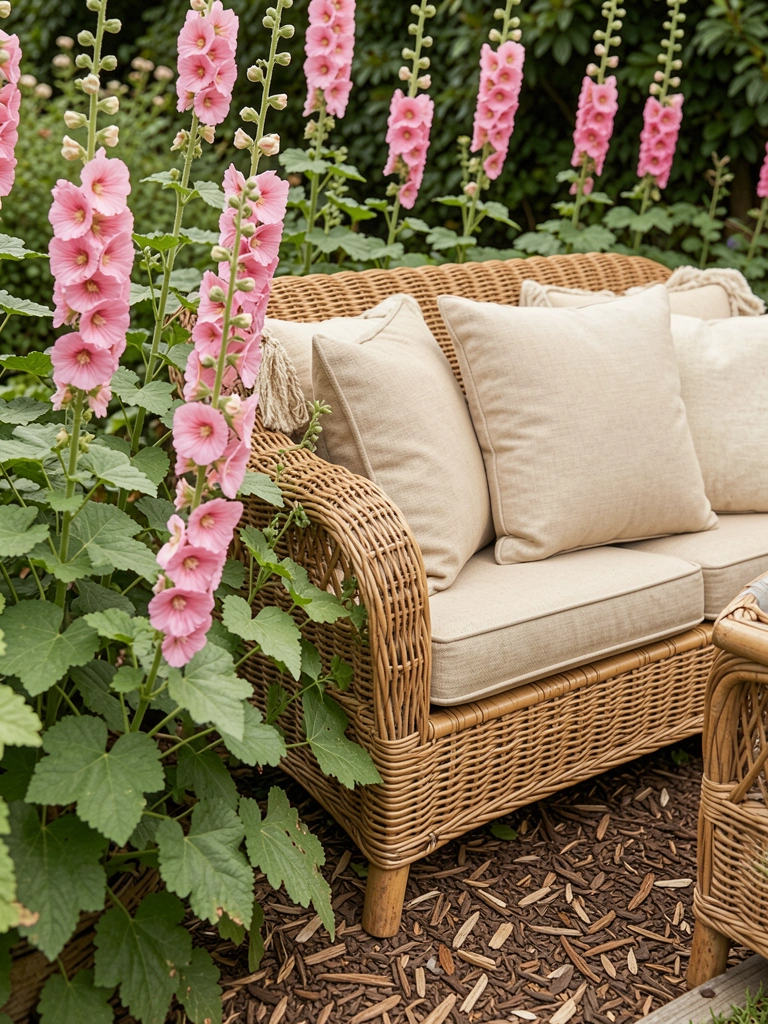
    8. Wicker Loveseat Backed by Hollyhocks

    Pushed a loveseat into hollyhocks that shot up 7 feet. Rustic look hides chair scuffs. Sit close, stems tower protective.

    Blooms last weeks; bees love them.

    Hollyhocks rust if crowded—space 2 feet.

    What You’ll Need for This Look

    Wicker loveseat outdoor beige

    Hollyhock seed mix tall

    Outdoor throw pillows set 2

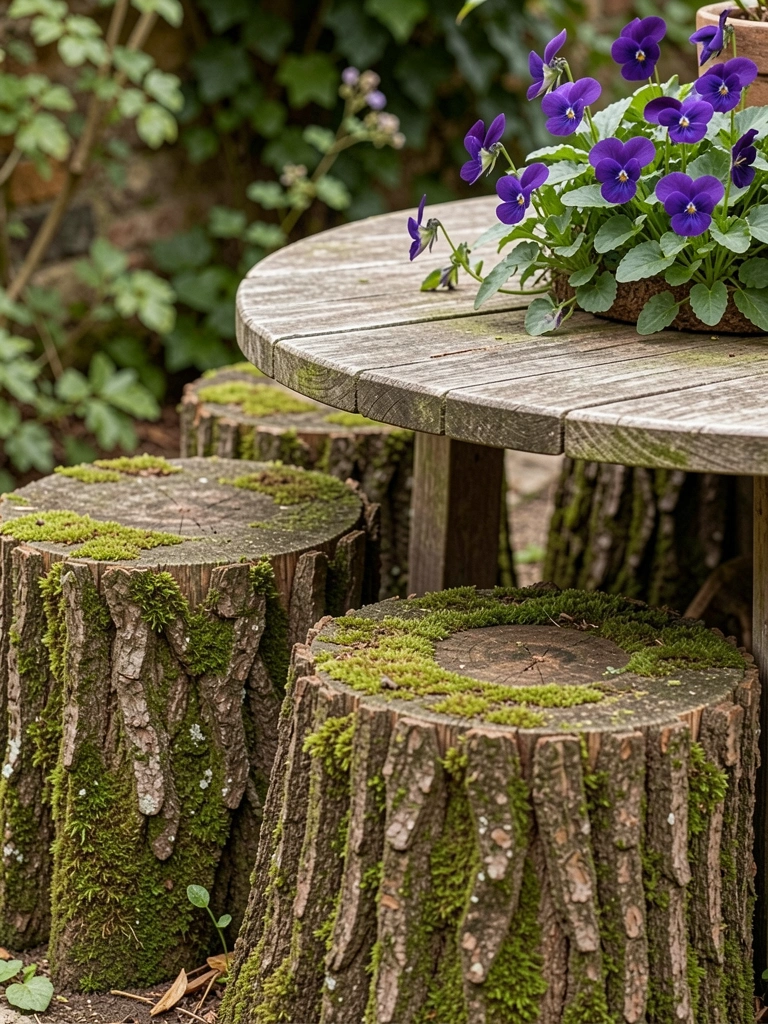
    9. Tree Stump Stools Circling a Small Table

    Sawed stumps from a fallen oak for stools—sand smooth, add pads. Violas tuck between. Low table holds drinks; feels forest-y.

    Stumps age to silver patina.

    Seal stumps or they crack uneven.

    What You’ll Need for This Look

    Round wood side table outdoor 24 inch

    Viola flower plants pack 6

    Outdoor stool pads round 12 inch

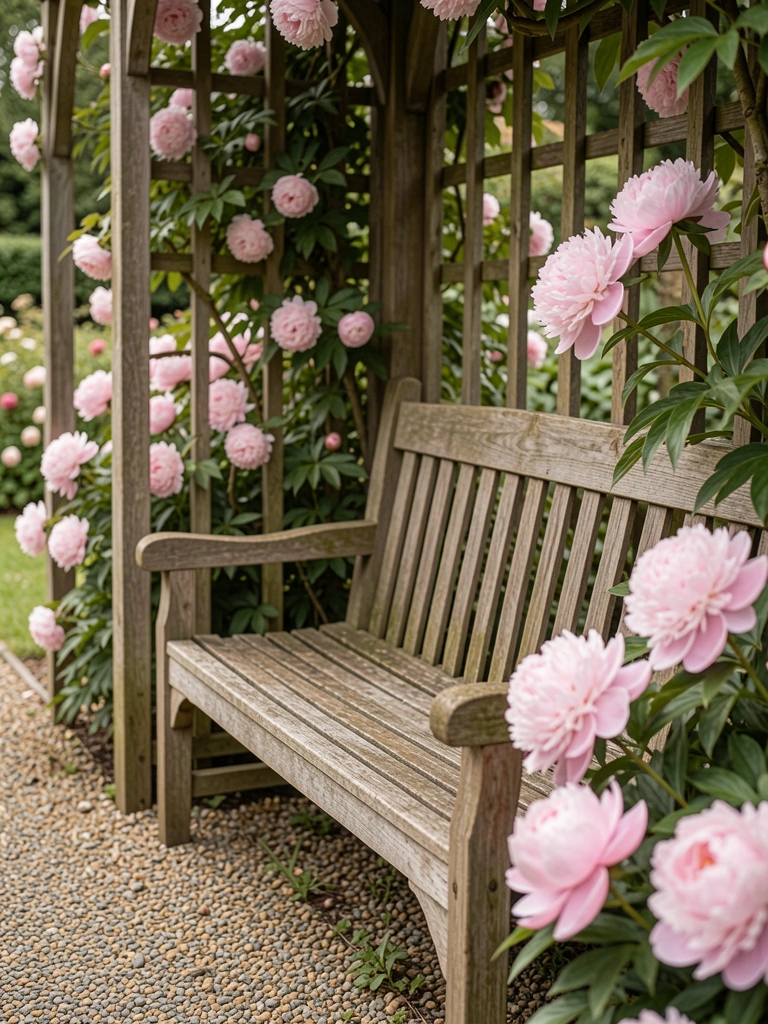
    10. Arbor Bench Overlooking Peony Beds

    Wired an arbor over my peony bench—'Sarah Bernhardt' bushes out huge. Fragrant blasts when you sit. Views the whole bed.

    Peonies flop without stakes first bloom.

    Cut back ants with water hose.

    What You’ll Need for This Look

    Garden arbor with bench attached

    Peony plant Sarah Bernhardt

    Peony support ring 24 inch

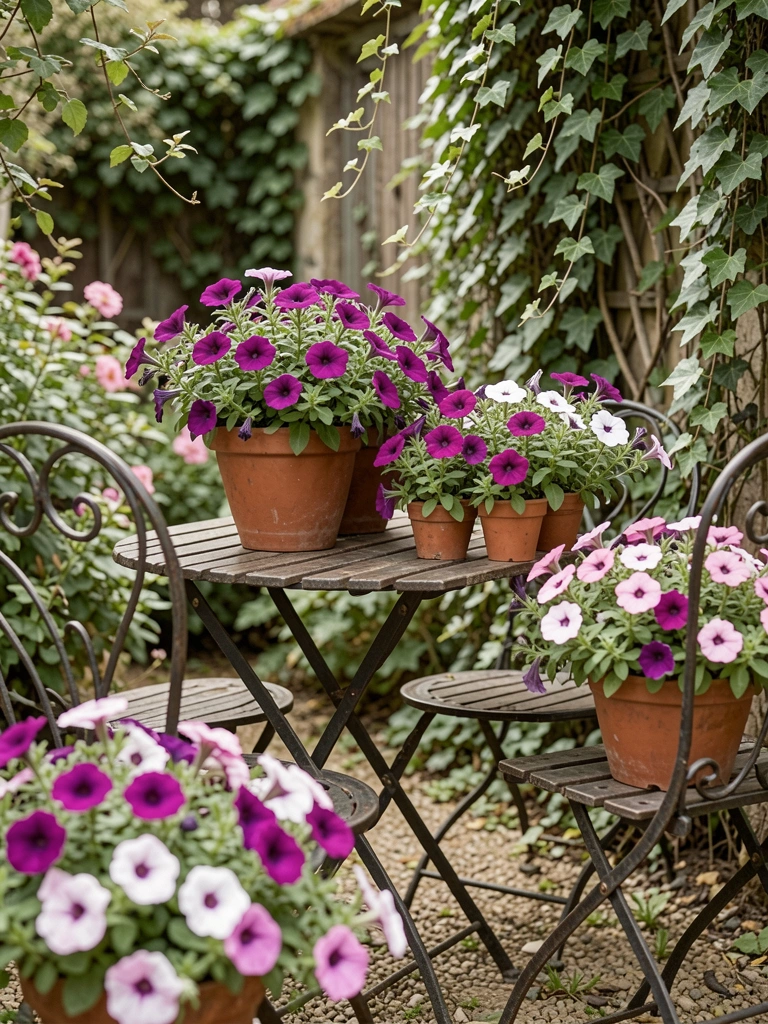
    11. Bistro Set in a Container Flower Explosion

    Clustered pots around a bistro set—petunias and lobelia spill over. Instant full patio on concrete. Chairs tuck easy.

    Mix heights for depth.

    Petunias fade midsummer—swap calibrachoa.

    What You’ll Need for This Look

    Metal bistro set round black

    Terracotta planter set 12 inch

    Petunia wave plants pack 4

    12. Pathway-Lined Bench with Catmint Edges

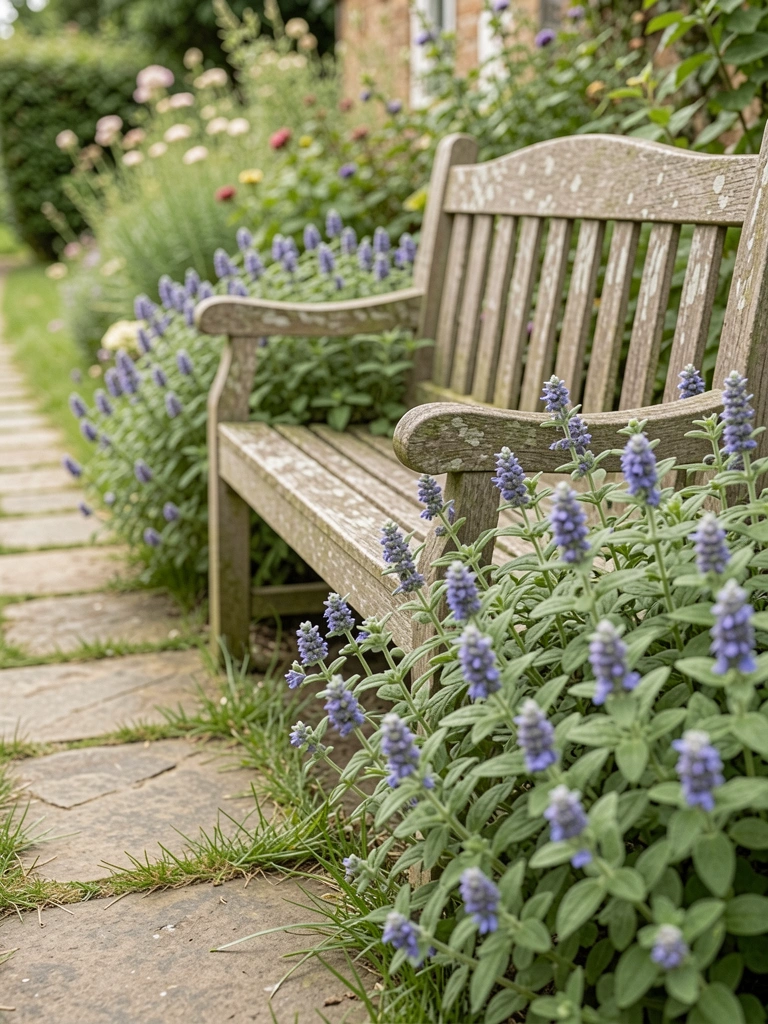
    Laid stones to a bench, edged with catmint. 'Walker's Low' mounds soft blue. Path draws you in; bench rewards.

    Catmint flops if too rich soil.

    Shear after first bloom for more.

    What You’ll Need for This Look

    Wood slat garden bench 4 foot

    Catmint Walker Low plants 3 pack

    Stepping stones set 12 inch round

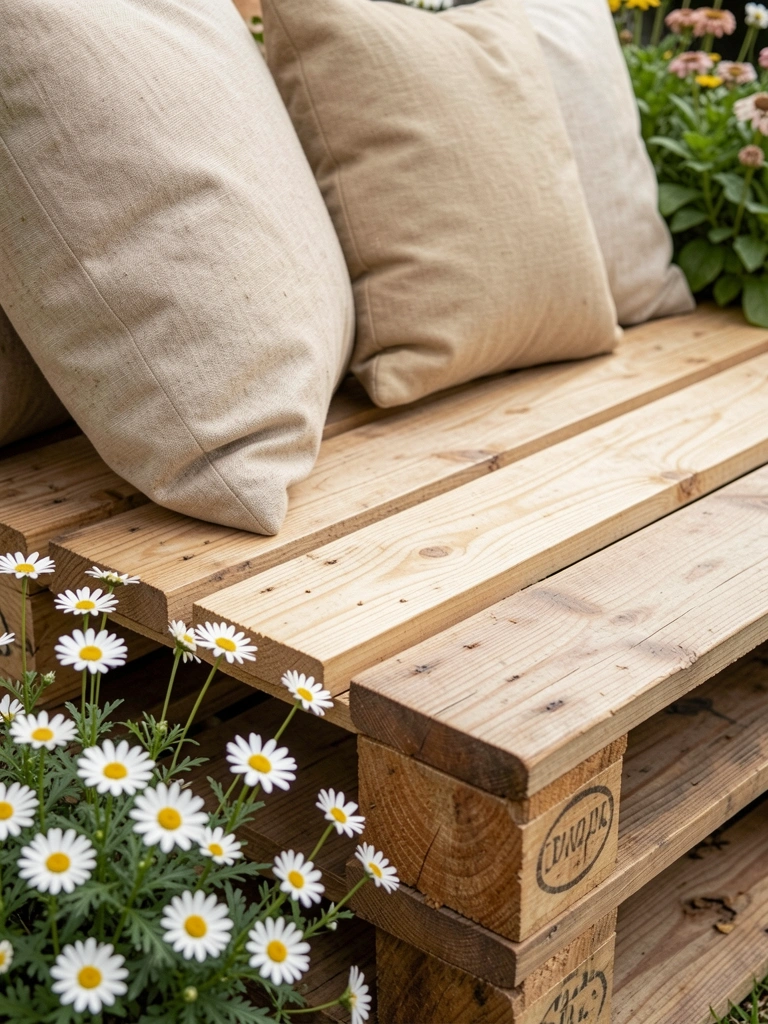
    13. Pallet Daybed Draped in Clematis

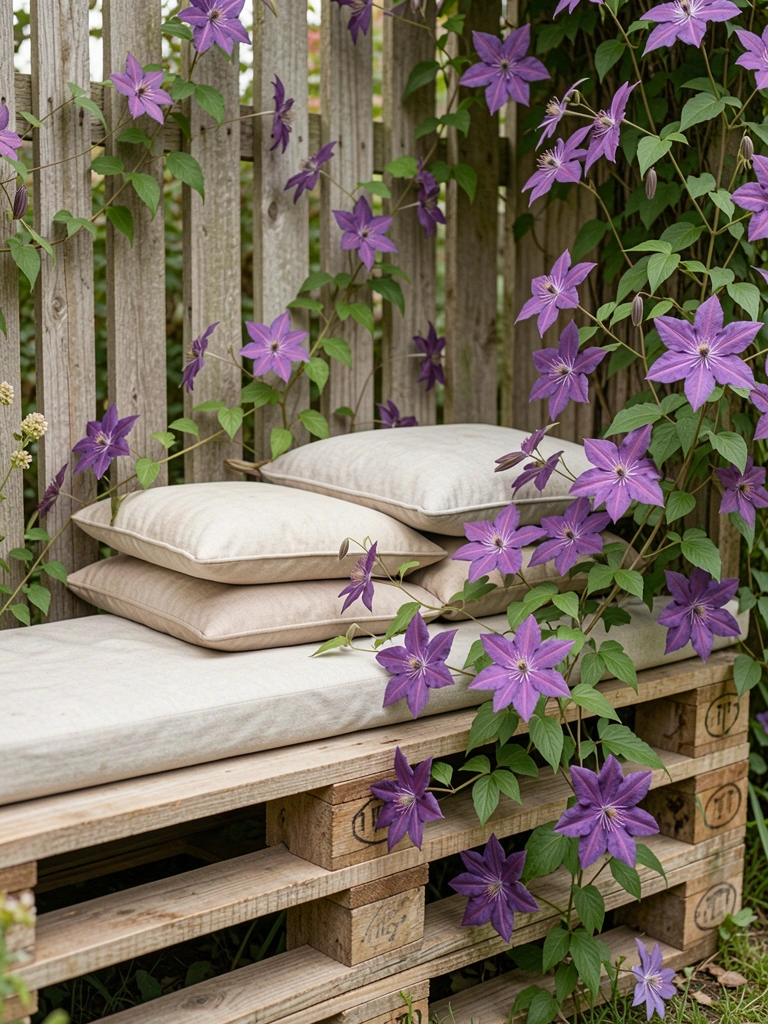
    Converted pallets to a daybed, clematis climbing the fence behind. 'Jackmanii' covers fast. Pile cushions—lounge all afternoon.

    Pallets warp if not treated.

    Clematis needs cool roots, hot top.

    What You’ll Need for This Look

    Outdoor daybed cushions set 3 piece

    Clematis Jackmanii vine

    Pallet wood sealer spray

    14. Bamboo Screen Nook with Hydrangea Backdrop

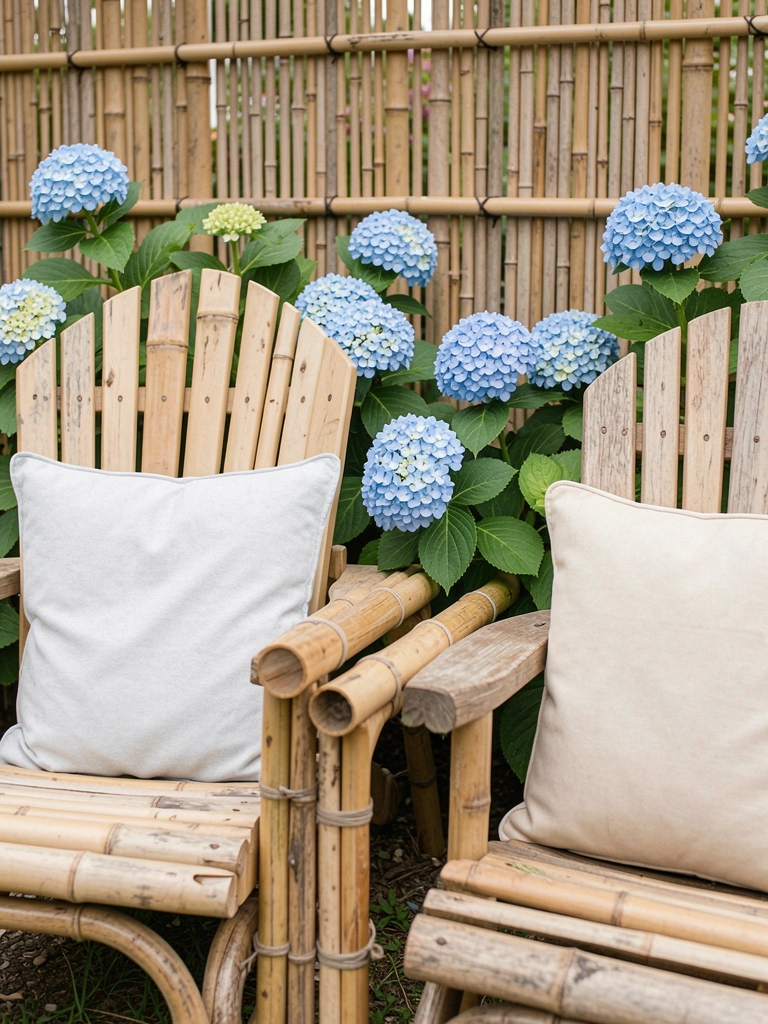
    Rolled bamboo screens for privacy, hydrangeas mound behind. 'Endless Summer' reblooms blue. Chairs face flowers—quiet escape.

    Screens fade; refresh yearly.

    Acidify soil for blue hues.

    What You’ll Need for This Look

    Bamboo privacy screen roll 6×12 foot

    Hydrangea Endless Summer plant

    Garden chair pillows 2 pack

    15. Solar Lantern Circle Around Lounger

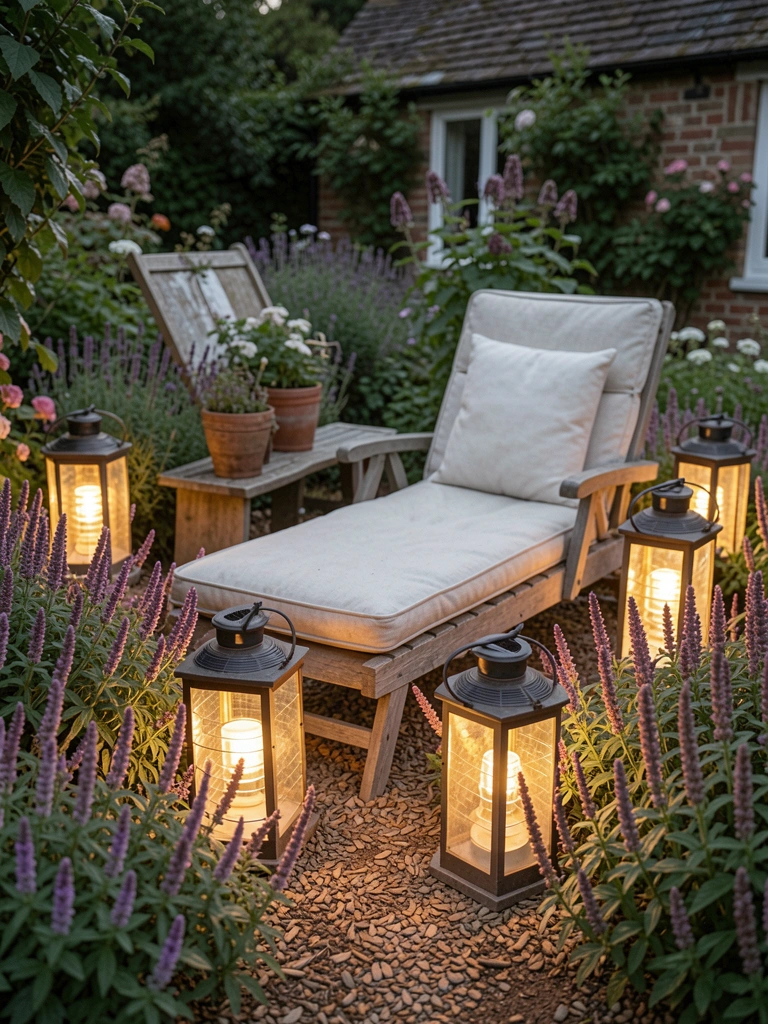
    Studded solar lanterns around a lounger—salvia lights up daytime, lanterns night. Stays till stars out.

    Bury stakes shallow; they pop out easy.

    Salvia needs good drainage.

    What You’ll Need for This Look

    Solar lantern stake lights set 8 warm white

    Outdoor chaise lounge wood

    Salvia plant pack may night

    16. Herb Wheel Seating with Thyme Steps

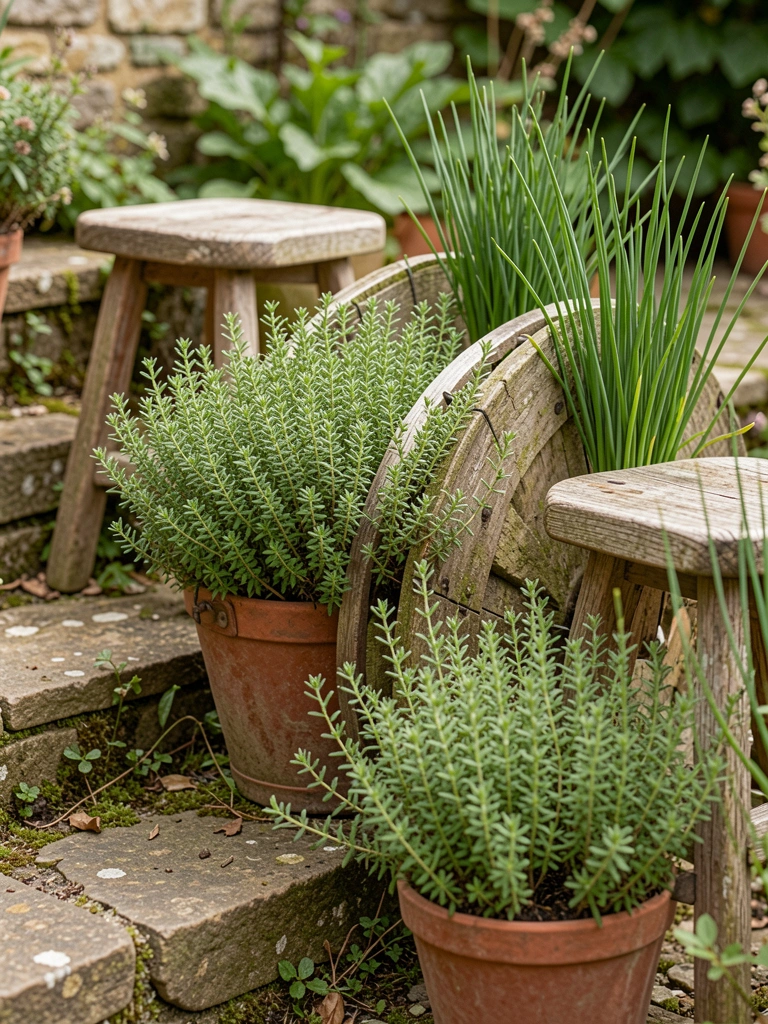
    Built herb wheel steps with thyme—sit on edges, pick rosemary nearby. Smells mix fresh. Low seats keep it grounded.

    Thyme yellows in shade—full sun.

    Harvest often for bushiness.

    What You’ll Need for This Look

    Creeping thyme plants pack 10

    Low wood garden stools set 2

    Rosemary herb plant upright

    17. Bird Feeder Perch Bench in Shrubbery

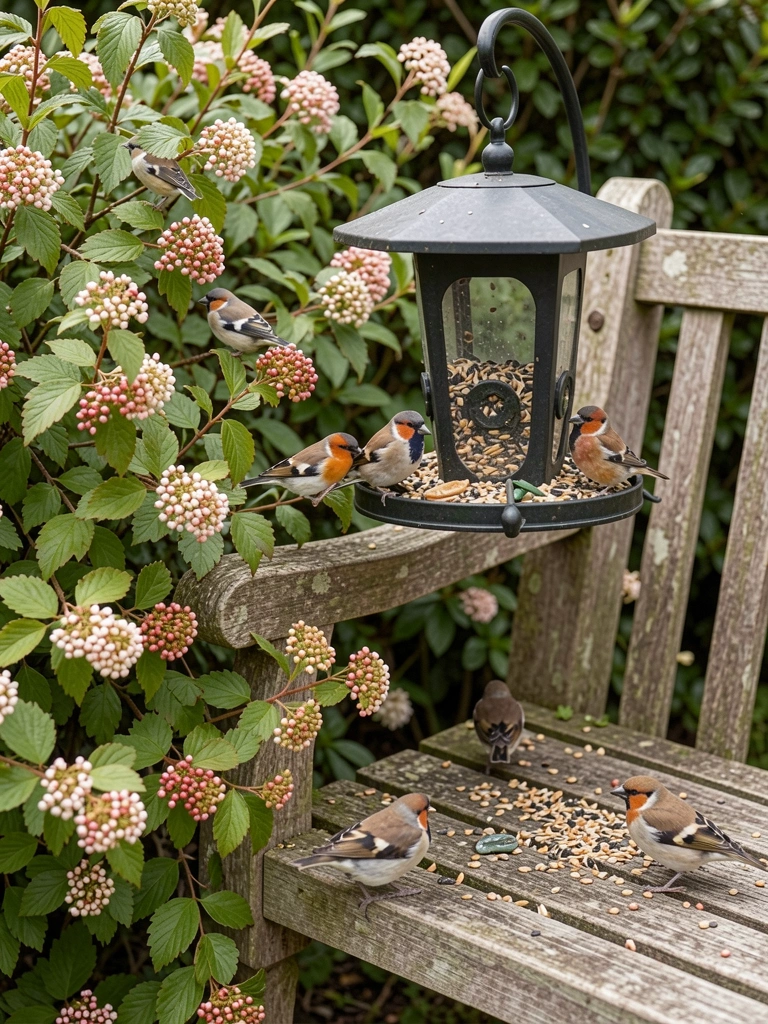
    Placed bench under viburnum by feeder—birds chatter constant. Berries for winter. Watch show unfold.

    Shrubs drop mess; rake weekly.

    Feeder placement avoids squirrels.

    What You’ll Need for This Look

    Bird feeder squirrel proof tube

    Viburnum snowball bush plant

    Simple wood park bench

    18. Water Fountain Nook with Bleeding Hearts

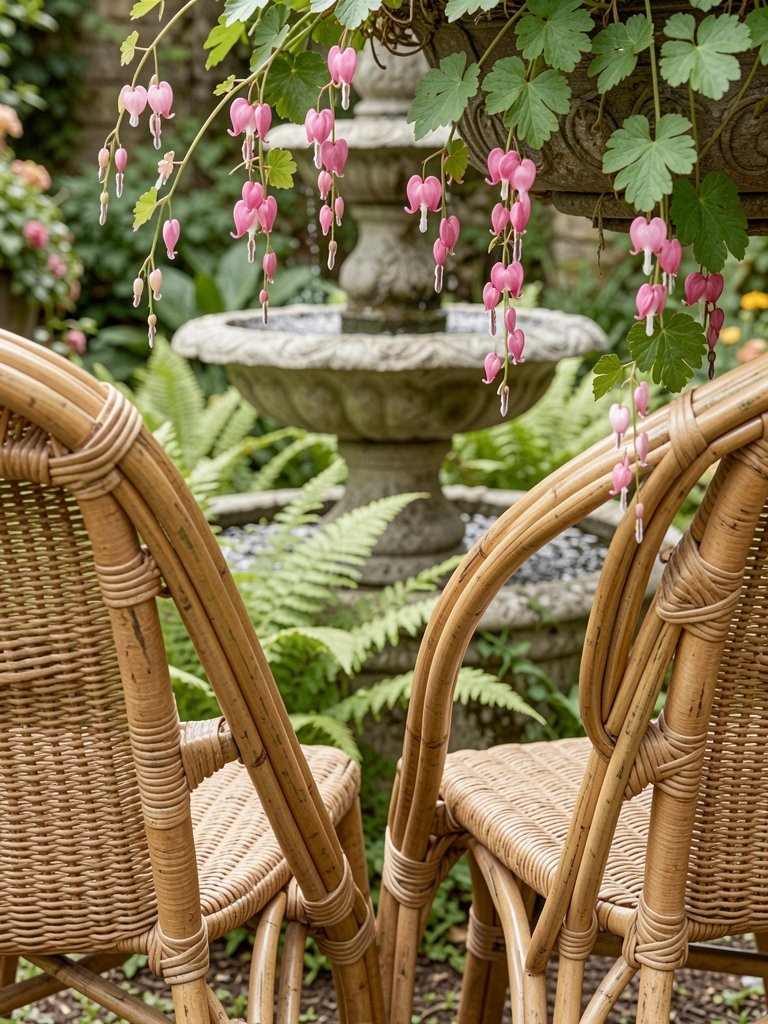
    Tucked fountain behind chairs, bleeding hearts shade base. Water trickles calm—drowns yard noise.

    Hearts go dormant summer—plan around.

    Clean pump monthly.

    What You’ll Need for This Look

    Solar water fountain pump kit

    Bleeding heart plant dicentra

    Wicker armchairs set 2

    19. Greenhouse Corner Lounger with Trailing Ivy

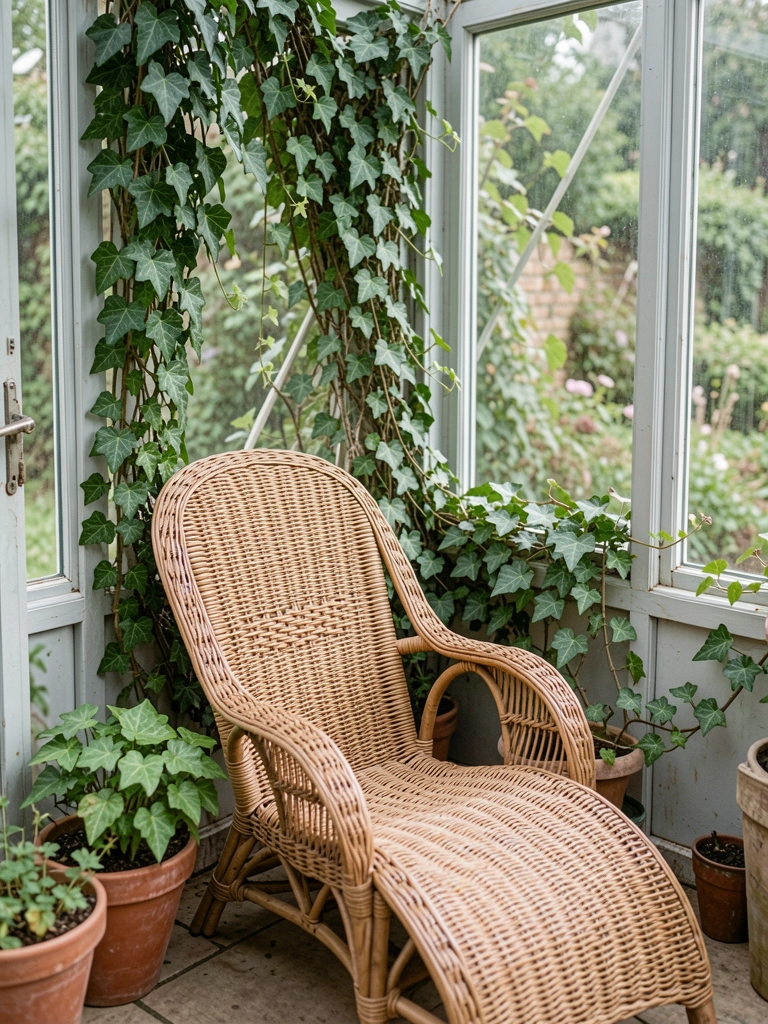
    Lounger in mini greenhouse corner, ivy trails shelves. Warm even chilly days. Extend season reading.

    Ivy clings glass—trim back.

    Ventilate to avoid mold.

    What You’ll Need for This Look

    Small greenhouse kit 6×8 foot

    English ivy trailing plant

    Wicker lounger with cushion

    20. Edible Flower Border Teahouse Chairs

    Chairs face borage and bee balm—pick flowers for tea. Tastes cucumber-fresh. Border doubles snack spot.

    Borage self-seeds heavy—thin out.

    Sun for best flavor.

    What You’ll Need for This Look

    Borage herb seeds packet

    Folding wood teahouse chairs set

    Bee balm monarda plant

    21. Pergola Lounge with Native Wildflower Meadow

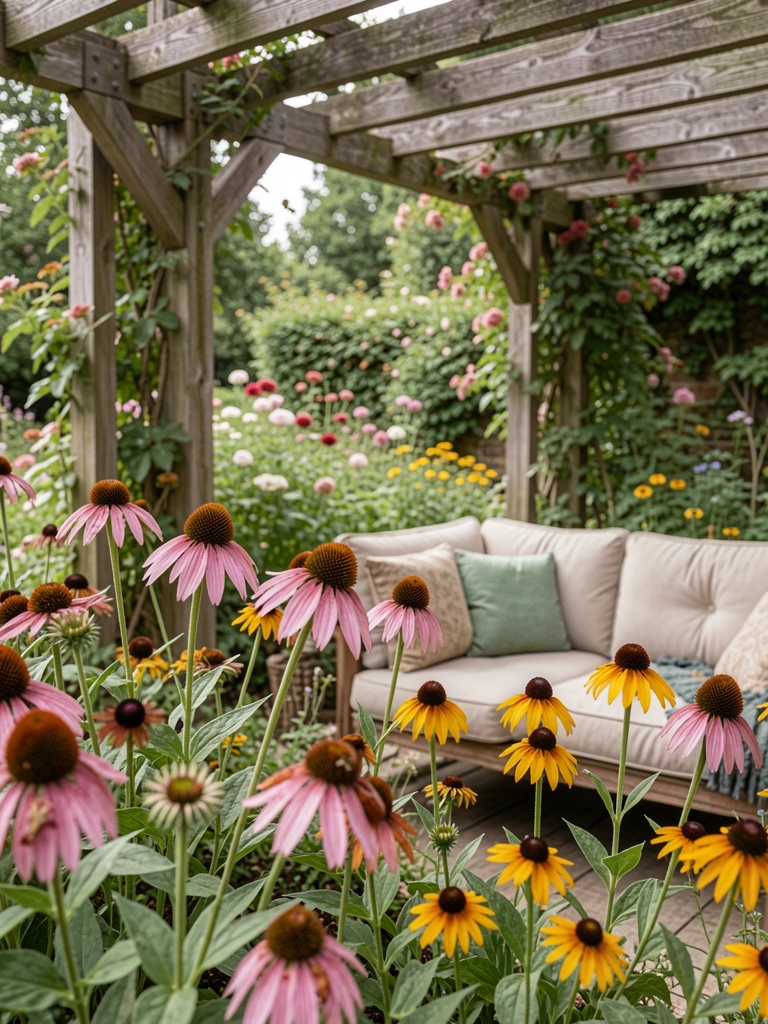
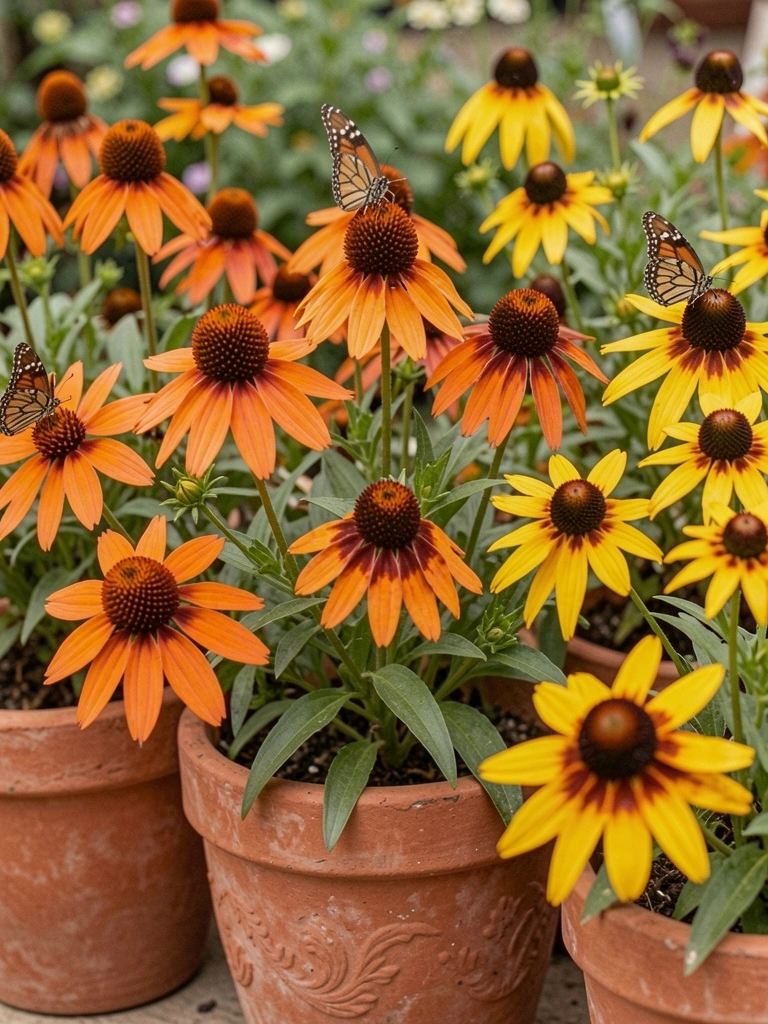
    Raised pergola over sofa, wildflowers meadow underneath. Echinacea draws butterflies. Breeze flows free—lazy afternoons.

    Natives low-water after root.

    Mow edges yearly.

    What You’ll Need for This Look

    Wood pergola kit 10×10 foot

    Native wildflower seed mix prairie

    Outdoor sofa cushions deep seat

    Final Thoughts

    Pick one or two ideas that fit your space—no need for all 21. Start small; gardens forgive tweaks.

    Mine evolved over years, better each time. Yours will too. Sit back soon.
  • 11 Cottage Garden Mural Ideas for Creative Spaces

    11 Cottage Garden Mural Ideas for Creative Spaces

    I remember staring at my blank fence one summer, feeling like the garden stopped at ground level. Then I started pinning plants up high—foxgloves spiking tall, roses tumbling over. Suddenly, that wall breathed. It pulled the whole yard together, made coffee on the patio feel like a retreat. No fancy skills, just layers that grew into something full.

    11 Cottage Garden Mural Ideas for Creative Spaces

    These 11 cottage garden mural ideas come from my own trial-and-error walls. They'll work on fences, sheds, or patios. Each one builds a living picture you can handle, step by step.

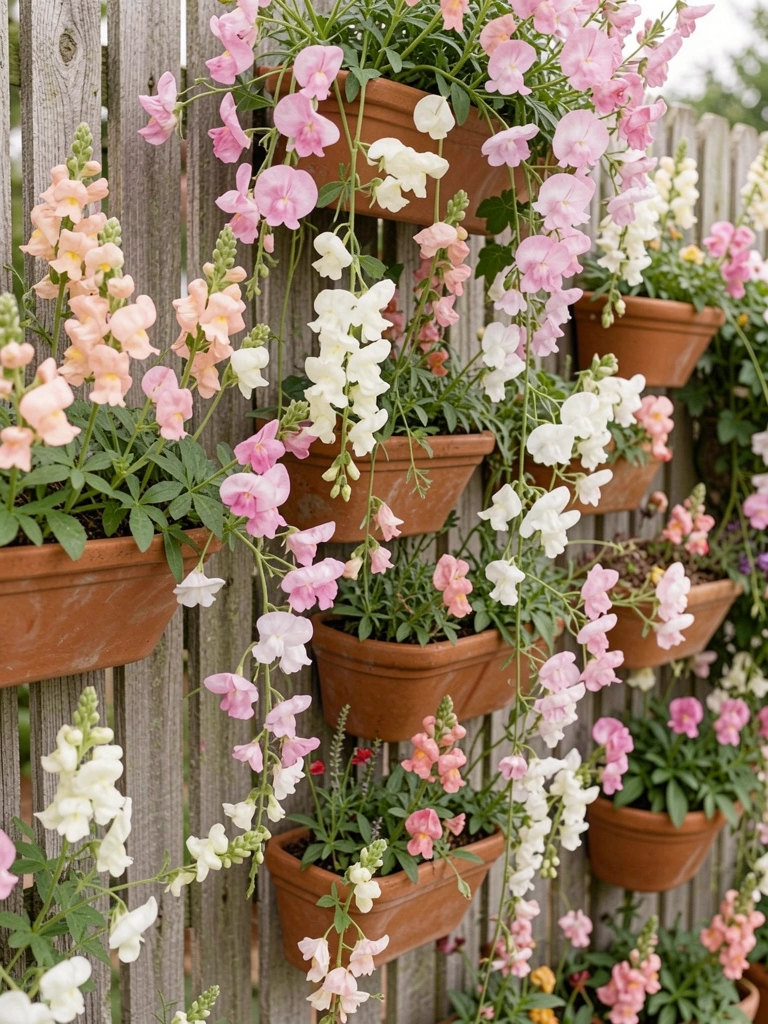
    1. Layered Vertical Planters with Trailing Sweet Peas

    I fixed my dull patio wall with stacked planters last spring. Sweet peas climbed fast, spilling over snapdragons below. It turned that blank space into a soft pink curtain—cozy for morning sits.

    The key was staggering heights so nothing blocked the view. I learned to water from the top down after forgetting once and drying out the bottom row.

    Now it sways gently, draws bees. Feels alive, not flat.

    Pay attention to sun—sweet peas sulk in full blast, so I tucked them east-facing.

    What You’ll Need for This Look

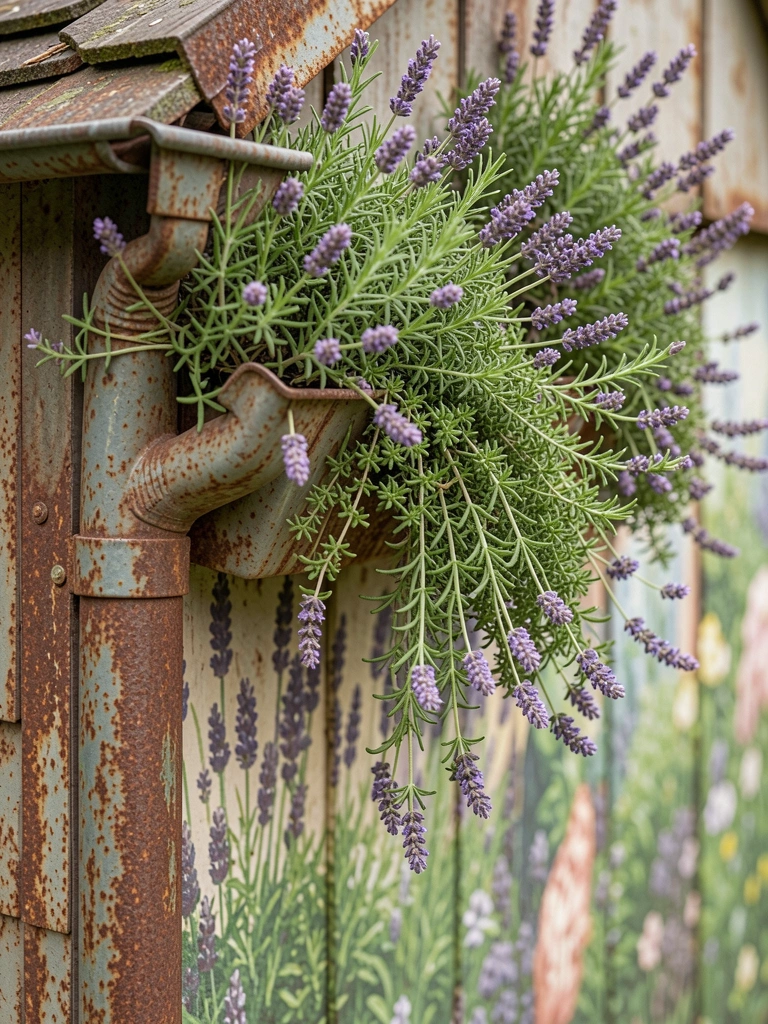
    2. Gutter-Piped Herb Wall for Fragrant Greens

    Gutters nailed sideways on my shed made a green stripe I didn't expect to love so much. Lavender at the top, thyme cascading—brushed my arm every pass, smelled like summer.

    I overplanted rosemary once; it choked the ends. Now I space them, thin yearly.

    That wall hums with pollinators, softens the wood. Herbs stay handy for supper.

    Mount low if kids play nearby—easy reach without ladders.

    What You’ll Need for This Look

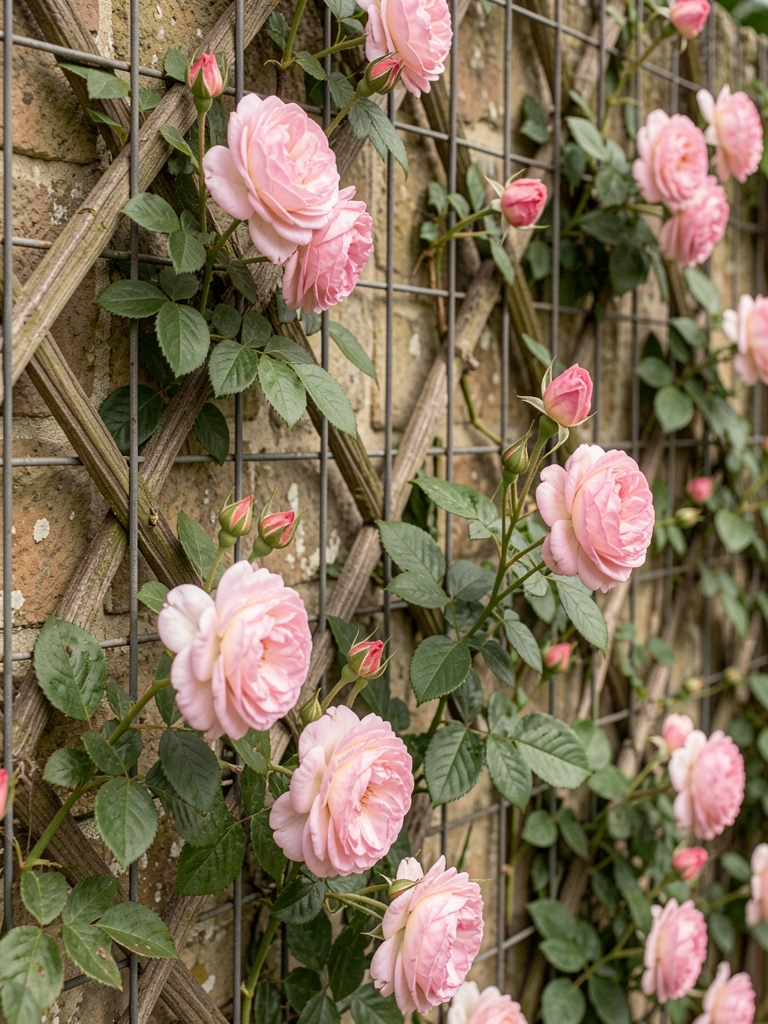
    3. Rose Trellis Cascade Against a Privacy Fence

    My back fence begged for roses after a bare winter. I wired a grid, trained climbers—now it's a blush of petals that sways in breeze.

    They grew wilder than planned; pruned hard in February fixed it. Blooms last longer now.

    Feels private, romantic without fuss. Hides the neighbor's view perfectly.

    Choose repeat bloomers—mine fade too soon otherwise.

    What You’ll Need for This Look

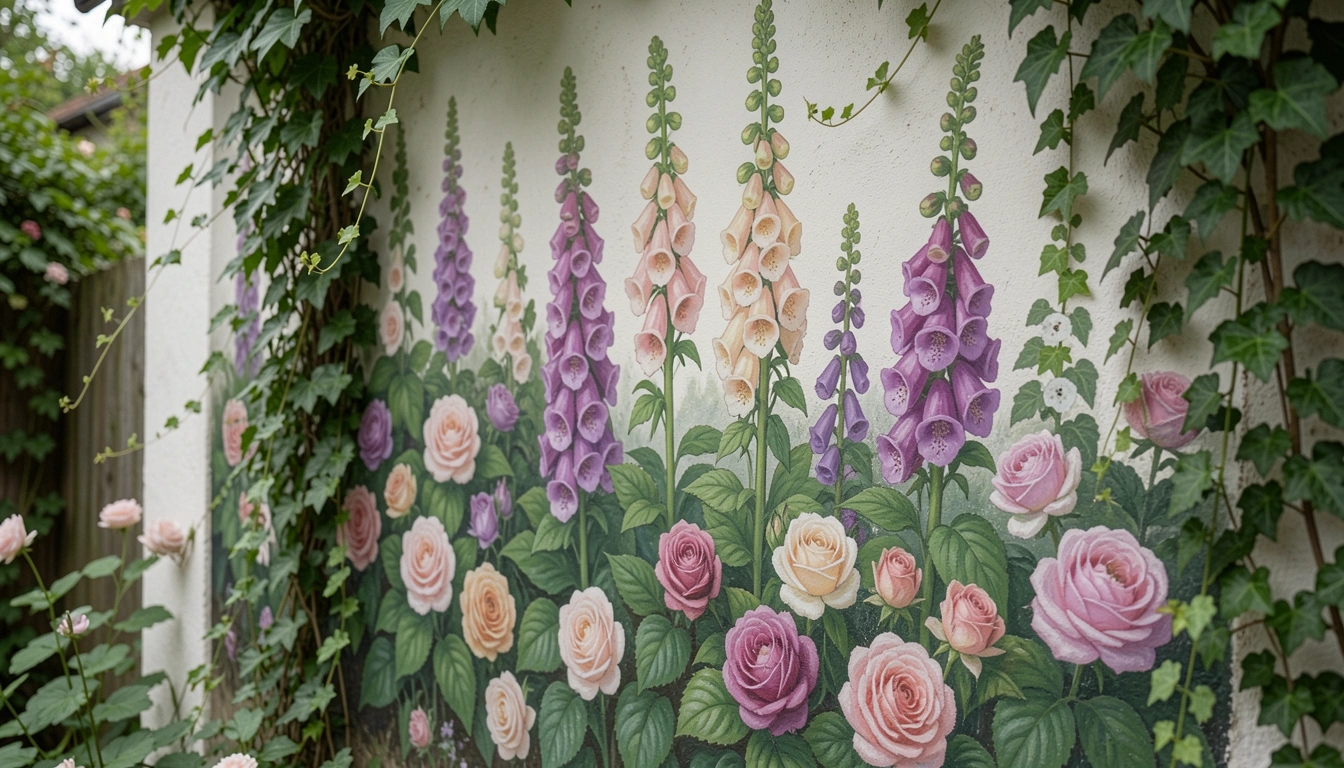
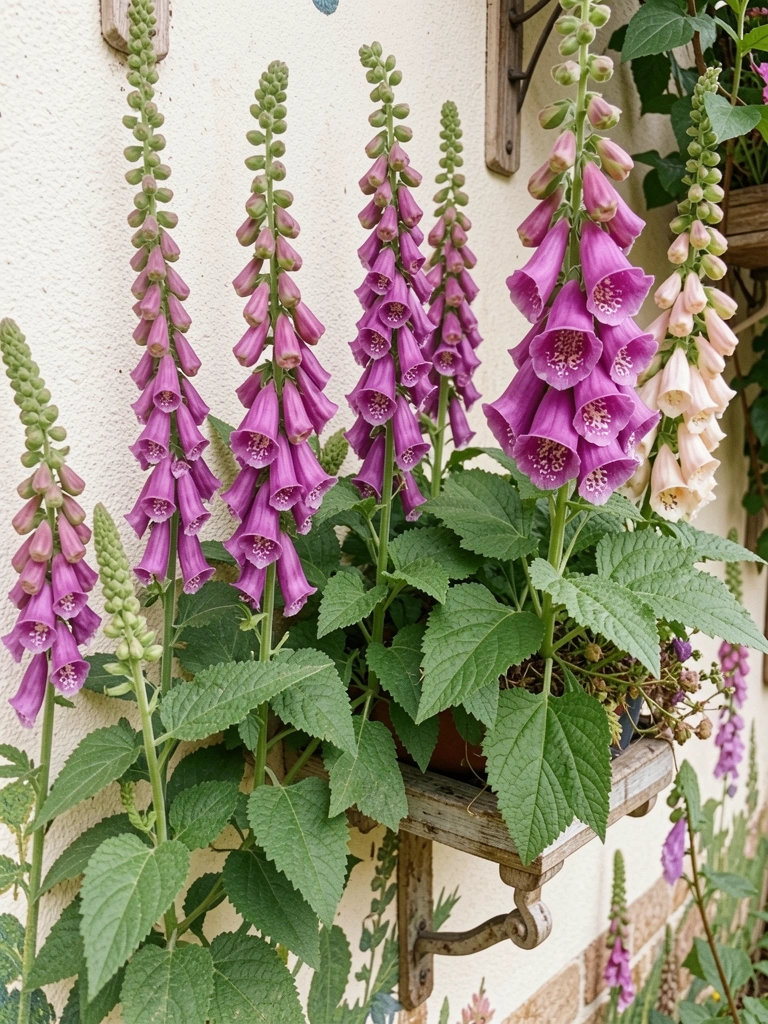
    4. Foxglove and Hollyhock Spire Stack

    Tall foxgloves on brackets turned my garage wall into spires last year. Hollyhocks filled gaps below—purple towers that stop you in your tracks.

    I planted too close first; they leaned. Spacing fixed the upright look.

    Seeds self-sow now, filling bare spots. Gentle giants, cozy scale.

    Biennials, so succession plant for constant height.

    What You’ll Need for This Look

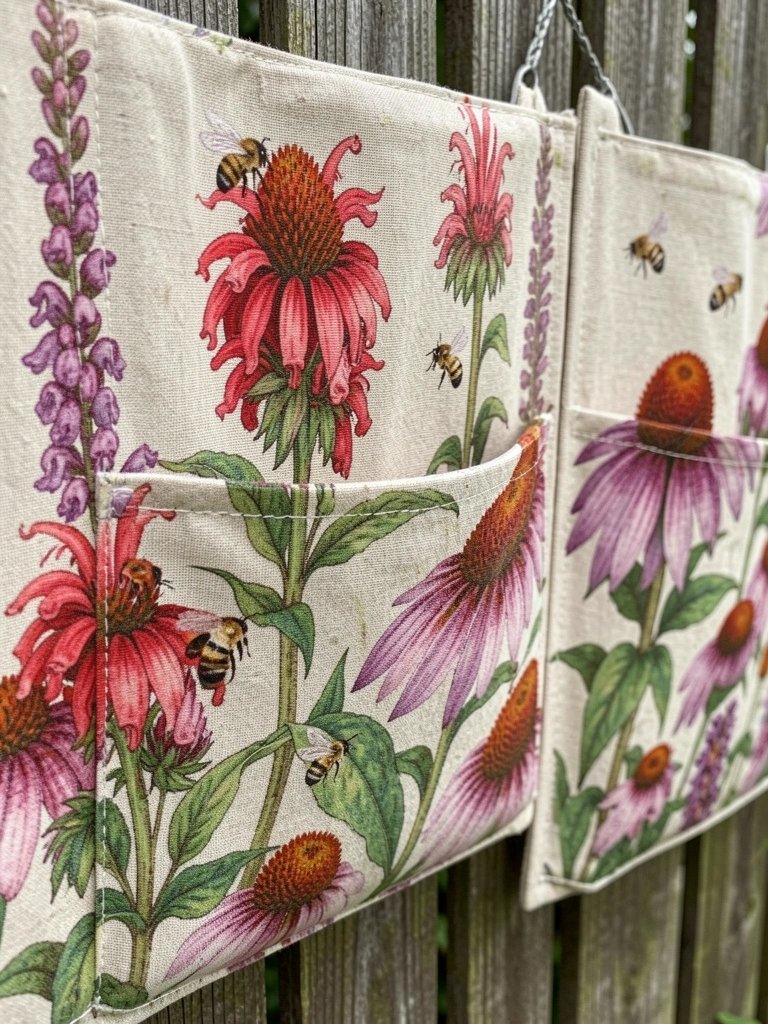
    5. Pocket Planter Pollinator Patch

    Fabric pockets on my side fence buzzed alive with bee balm. Coneflowers poke out—hummingbirds visit daily now.

    Overwatered once, pockets molded. Drip hose sorted it, soil stays even.

    Wall feels welcoming, full of life. Easy to swap spent plants.

    Sun lovers only—shade flops them flat.

    What You’ll Need for This Look

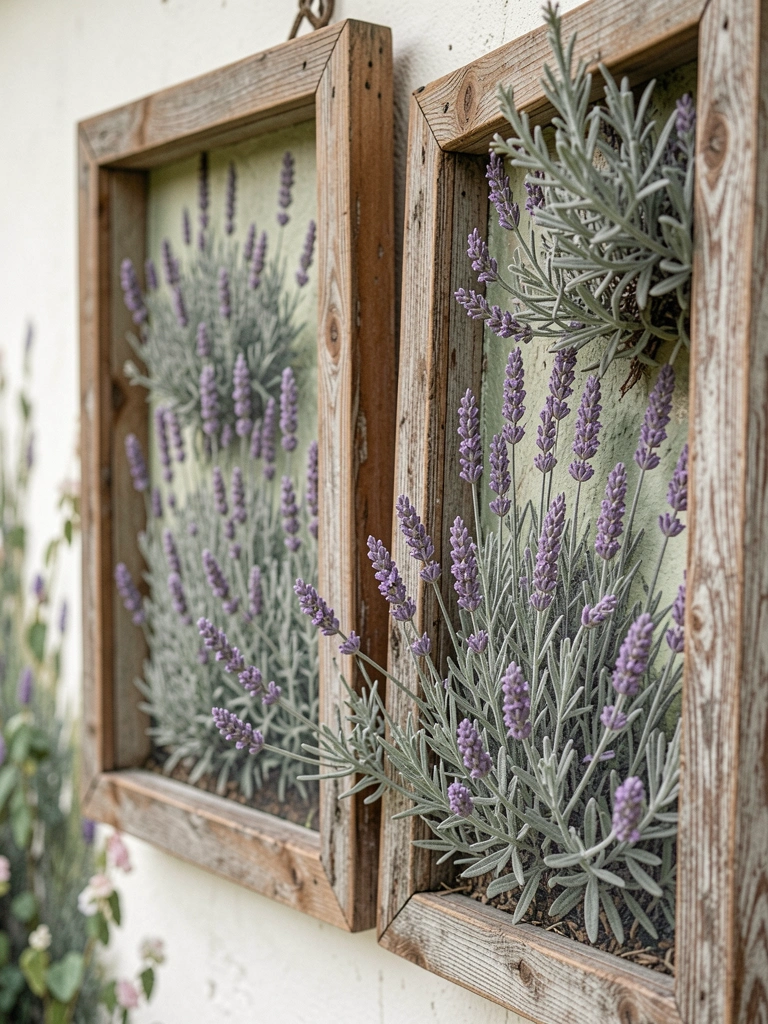
    6. Lavender Framed Border Mural

    Old picture frames filled with lavender edged my patio wall. Silver leaves, purple haze—calms the air instantly.

    Frames warped first rain; sealed them after. Stays neat now.

    Brushes soft against you walking by. Low fuss, year-round green.

    Trim post-bloom to bush out.

    What You’ll Need for This Look

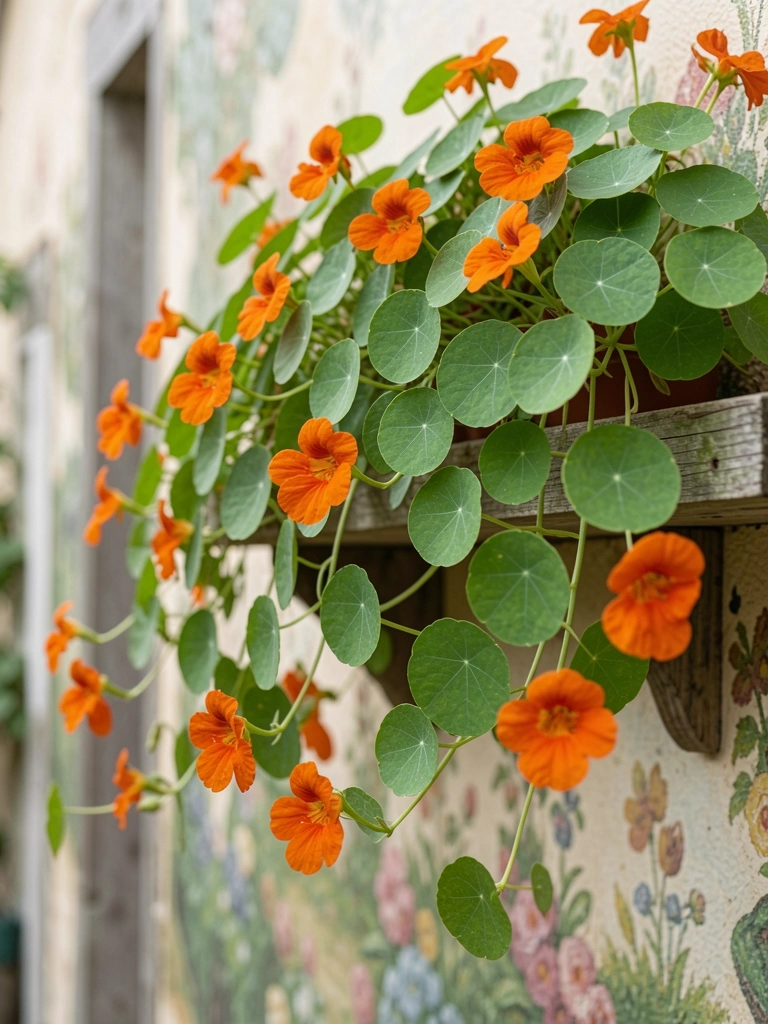
    7. Trailing Nasturtium Vine Drape

    A shelf of nasturtiums draped my tool shed—orange glow against gray wood. Edible flowers, peppery taste.

    Vines tangled bad first year; pinched tips early now keeps tidy.

    Wall glows warm evenings. Kids pick blooms for salads.

    Self-seeds, but pull extras to control.

    What You’ll Need for This Look

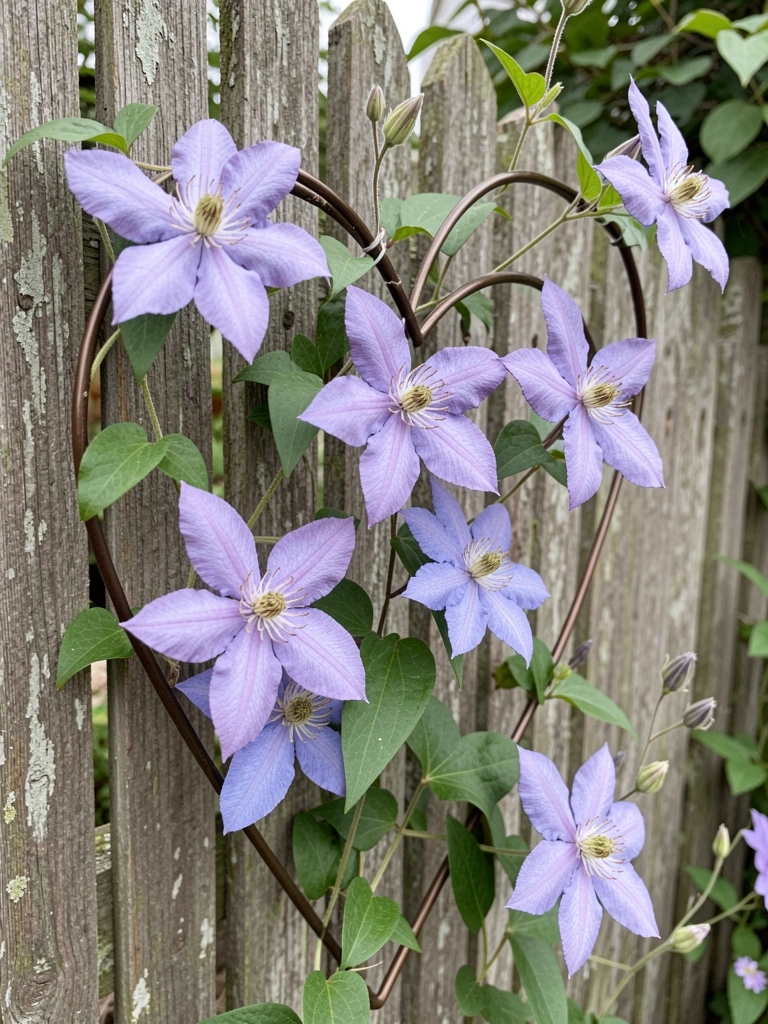
    8. Clematis Wire Heart Motif

    Heart shapes from wire held clematis on my gate wall. Blooms fill them soft—sweet spot by the path.

    Mine browned in heat; mulched roots helped. Flowers double now.

    Feels intentional, pulls eyes up. Gentle sway.

    Prune group 2 types right.

    What You’ll Need for This Look

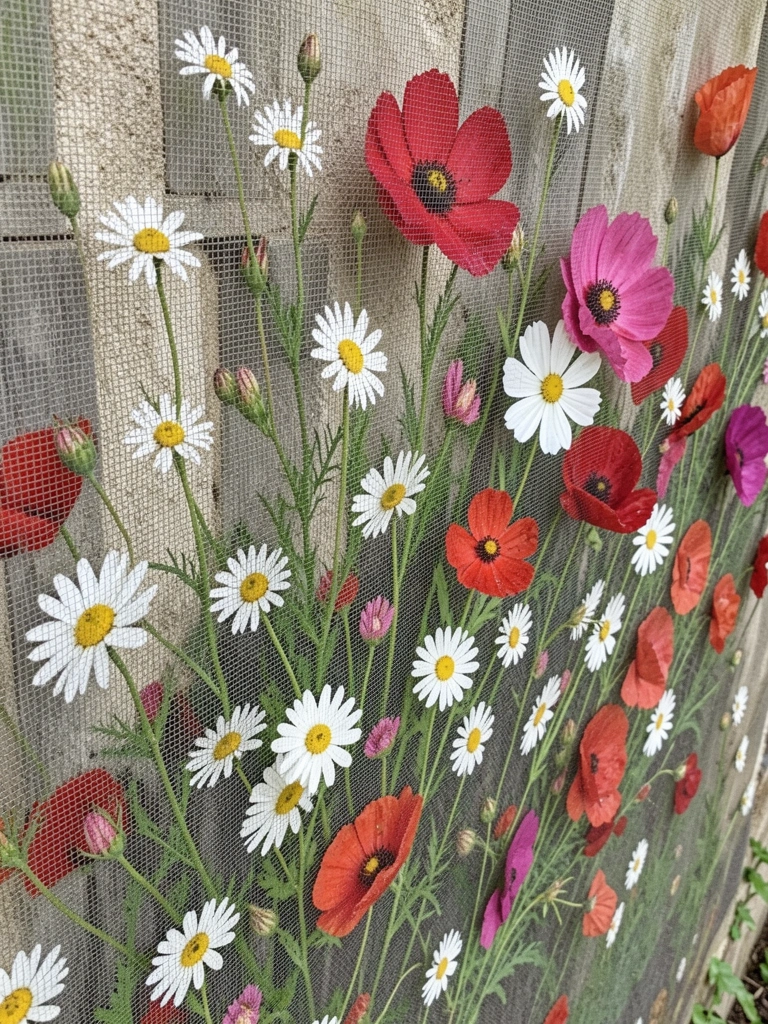
    9. Wildflower Seed Bomb Explosion

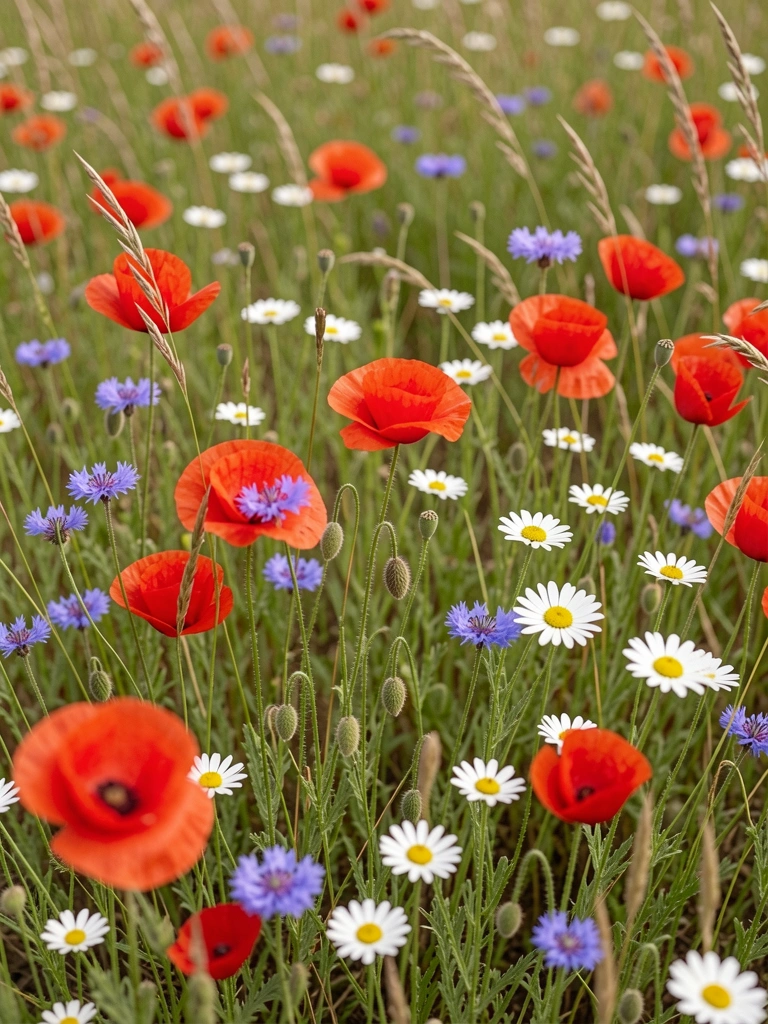
    Mesh bags of seed bombs on my front fence exploded into daisies. Pops of color, no weeding hell.

    Too many poppies first; deadhead keeps balance.

    Meadow feel on wall. Butterflies love it.

    Reseed gaps yearly for fill.

    What You’ll Need for This Look

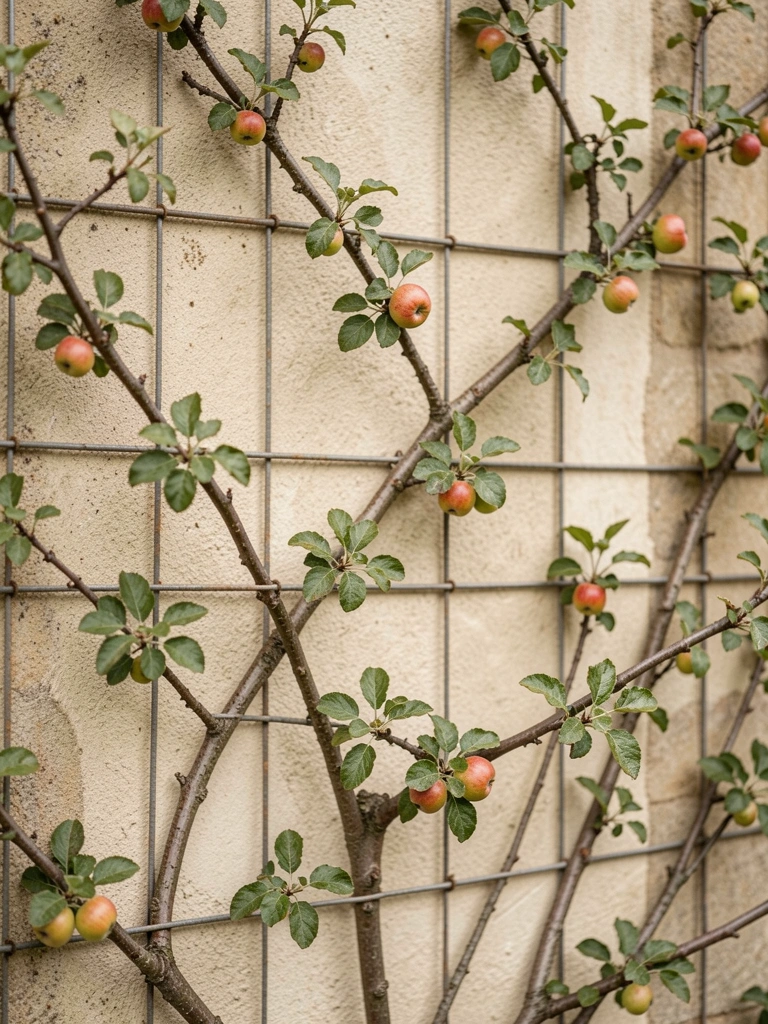
    10. Espaliered Apple Branch Art

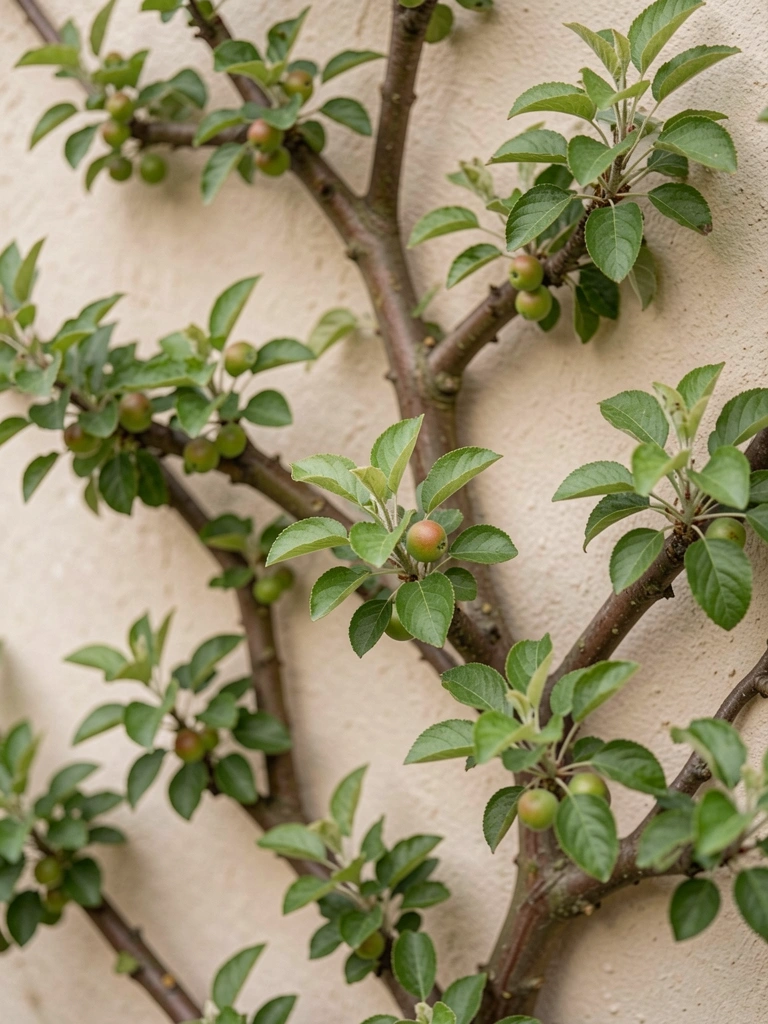
    Fan-wired apple on my garage gives fruit and form. Branches fan out flat—fall apples sweet.

    Tied too tight once; looser now grows straight.

    Wall bears fruit, cozy harvest. Space saver.

    Dwarf rootstock for control.

    What You’ll Need for This Look

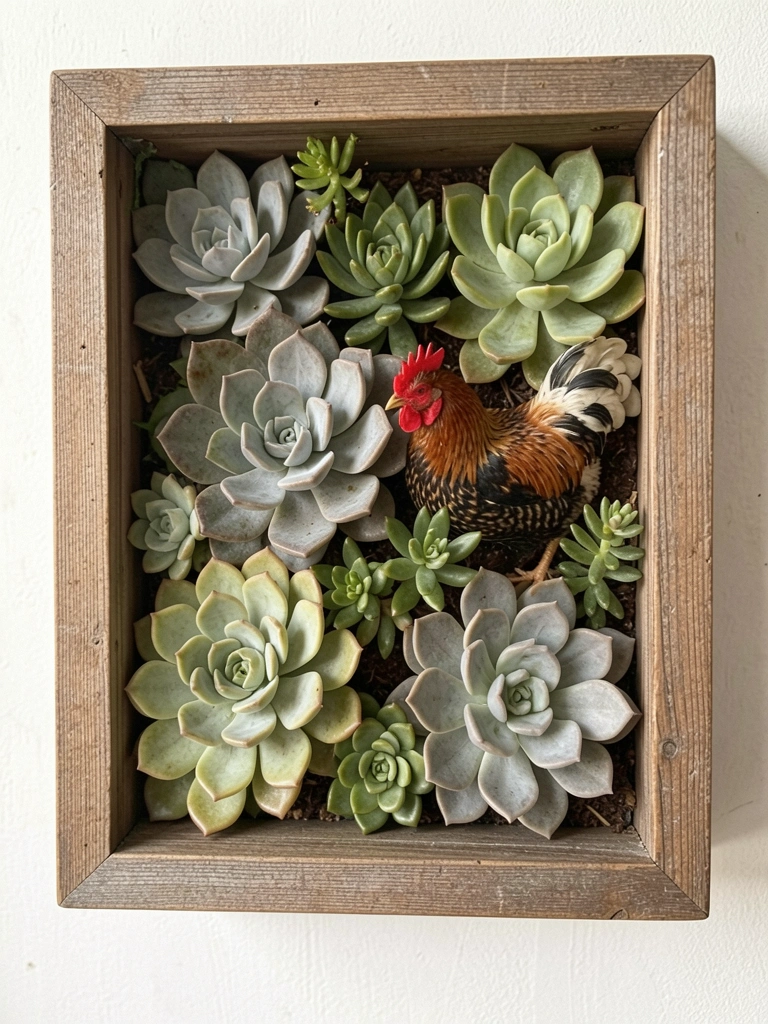
    11. Succulent Frame Low-Water Panel

    Shadowbox succulents on my porch wall stay green through dry spells. Rosettes cluster tight—textured calm.

    Overcrowded once; thinned for air. Thrives now.

    Feels modern yet cottage. No daily water.

    South sun, well-drain soil key.

    What You’ll Need for This Look

    Final Thoughts

    Pick one idea that fits your wall's light and your time. Mine started small, grew over years. No rush—plants forgive slow starts. You'll have that cozy backdrop soon. You've got this.
  • 10 Low Maintenance Cottage Garden Ideas

    10 Low Maintenance Cottage Garden Ideas

    I used to fight my garden every summer. Weeds everywhere, plants dying from too much fuss. Then I let go—picked tough bloomers that spread on their own. Now it hums along, cozy and full, without weekly battles.

    That shift felt like breathing room. No more perfection chase. Just paths I wander, flowers nodding in the breeze.

    You can have this too. Real cottage charm, low effort.

    10 Low Maintenance Cottage Garden Ideas

    These 10 ideas come from my own yard trials. They're simple to start, forgiving if you forget. No big budgets or daily work needed.

    1. Perennial Clusters That Fill Borders Without Yearly Replants

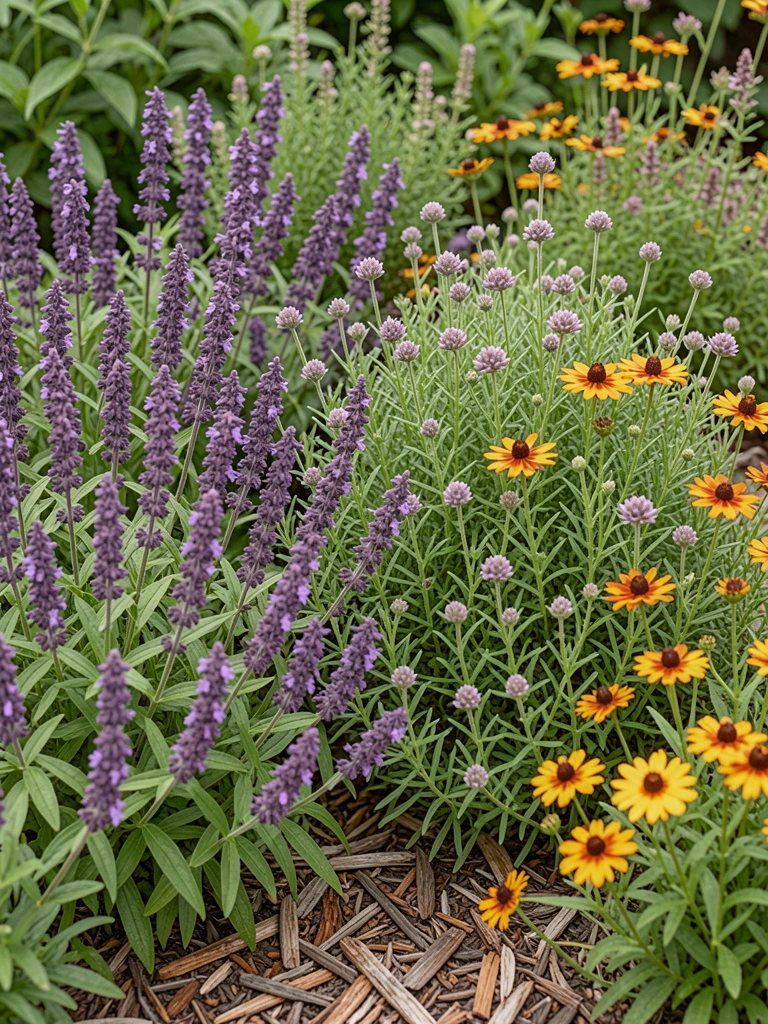
    I started with a bare strip along my fence. Planted salvia, catmint, and coreopsis in tight groups. They knit together over two summers, blocking weeds naturally.

    The change? That empty edge now feels wrapped in color—purples and blues spilling soft. Bees hum constant. I walk by and smile.

    Watch spacing at first; they spread. But mulch deep, and forget the rest.

    One mistake: I overwatered early. Let soil dry between now.

    What You’ll Need for This Look

    Salvia 'May Night' perennial plants

    Catmint Nepeta plants

    Coreopsis tickseed perennials

    Cedar mulch bulk bag

    2. Gravel Paths Lined with Tough Edge Plants

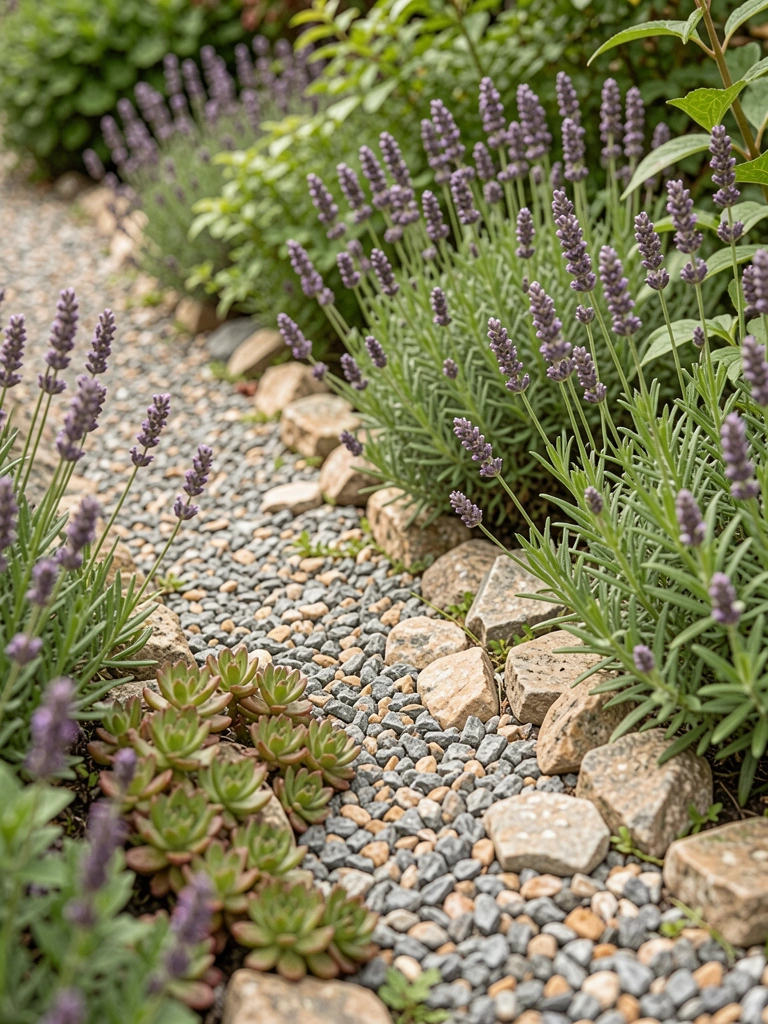
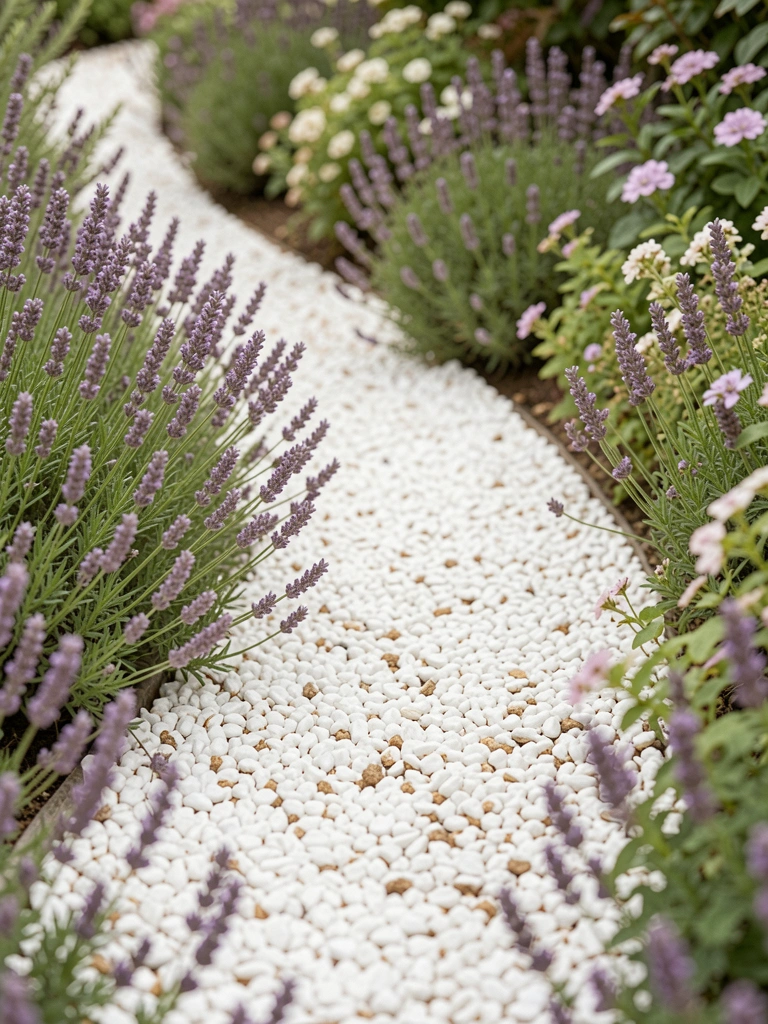
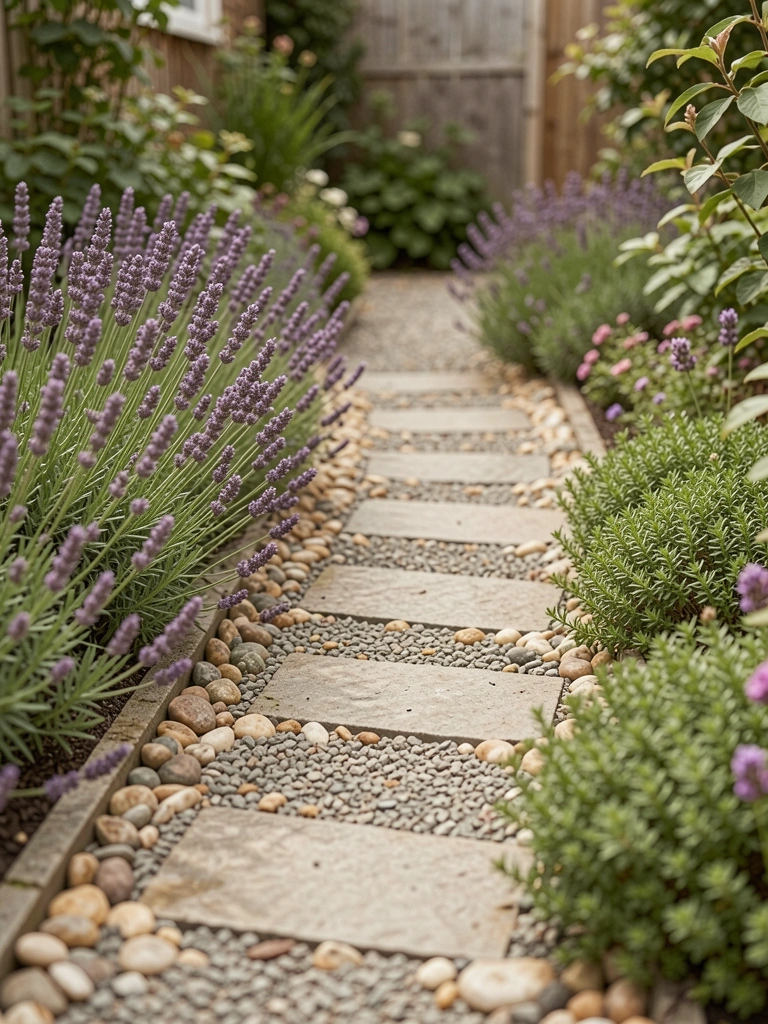
    My old lawn paths turned muddy mess. Switched to gravel, edged with lavender and sedum. No mowing, just crunch underfoot.

    Now it invites slow walks—scent hits you first, then soft flowers. Weeds stay down under stones.

    Lay landscape fabric first; skip and regret. Top with 2 inches gravel.

    Insight: Gravel shifts if too fine. Go pea-sized.

    What You’ll Need for This Look

    Pea gravel bulk bag

    Landscape fabric roll 3ft x 50ft

    Lavender Hidcote plants

    Sedum stonecrop groundcover

    3. Self-Seeding Foxgloves for Woodland Edges

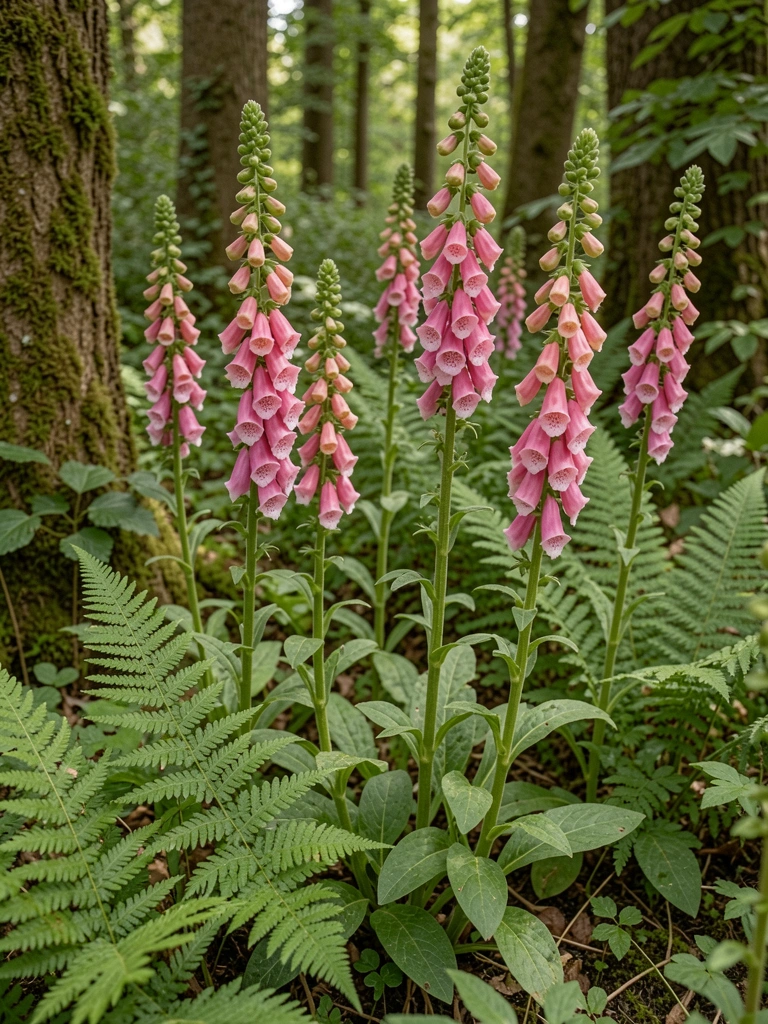
    Foxgloves popped up wild in my shady corner years back. I let them—now they reseed yearly, towers of pink and white.

    That spot went from dull to secret garden feel. Gentle giants leaning, drawing eyes up.

    They like poor soil; rich makes them flop. Thin extras in fall.

    No mistake here—they forgive neglect best.

    What You’ll Need for This Look

    Foxglove digitalis seeds mix

    Ferns for shade pack

    Compost for poor soil amendment

    4. Container Layers with Grasses and Spillovers

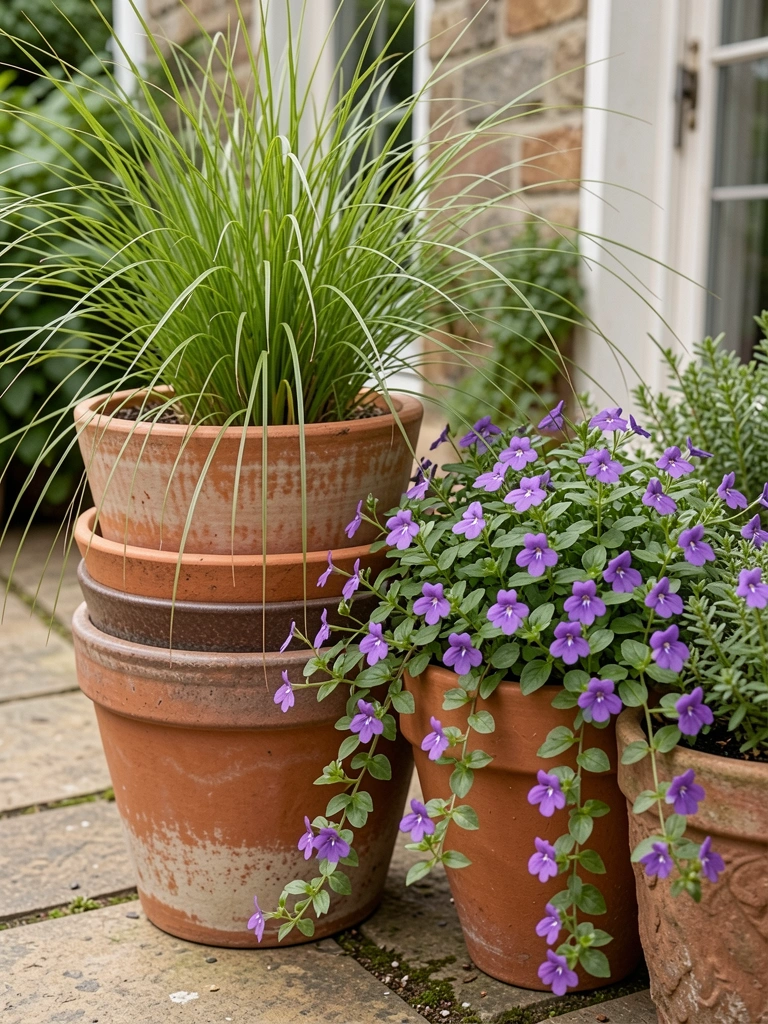
    Patio felt flat. Grouped pots: tall grass center, lobelia trailing. Grasses sway, fillers soften edges.

    Instant cozy nook—sit with coffee, watch movement. Lasts seasons.

    Drain holes matter; soggy roots rot fast. Group in odd numbers.

    I bought cheap plastic first—faded quick. Terracotta holds up.

    What You’ll Need for This Look

    Fountain grass Pennisetum plants

    Trailing lobelia basket plants

    Terracotta planter pots 12-16 inch

    5. Climbing Roses on Simple Arbors

    Arbor over my gate was bare. Planted rambler roses—they scramble up, bloom heavy once a year.

    Entrance now pulls you in—scent lingers, petals drop soft. No pruning fuss.

    Train loosely at first; they find way. Sunny spot key.

    Mistake: Too much shade. Full sun or flop.

    What You’ll Need for This Look

    Climbing rose 'New Dawn' plant

    Rustic wood garden arbor 7ft

    Rose fertilizer spikes

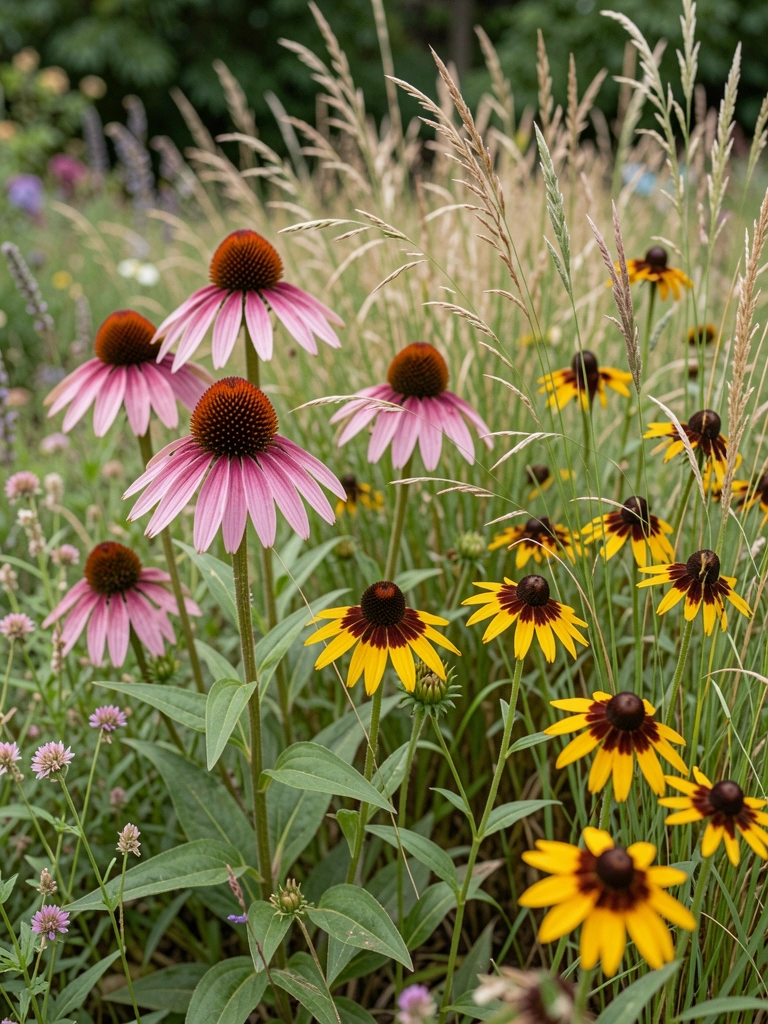
    6. Native Meadow Mix for Open Spaces

    Back patch was lawn waste. Sowed native seeds—coneflowers, rudbeckia, little bluestem. Waves in wind now.

    Feels alive, not manicured. Butterflies constant, zero mowing after year one.

    Scatter in fall; spring surprise. Drought tough once rooted.

    No issues—they thrive ignored.

    What You’ll Need for This Look

    Native wildflower meadow seed mix

    Little bluestem grass seeds

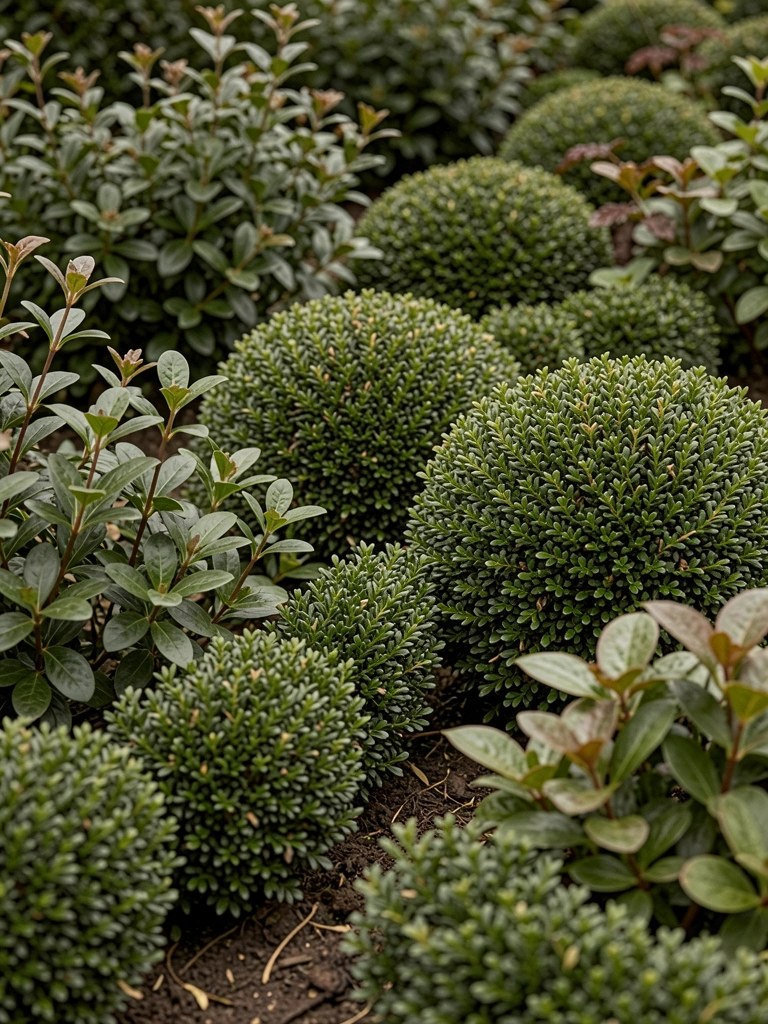
    7. Evergreen Box for Year-Round Backbone

    Borders lacked winter bones. Added low boxwoods—they frame flowers, green all year.

    Holds shape through snow—garden sleeps tidy. Trim once spring.

    Space 18 inches; closer crowds. Well-drained soil.

    I planted too deep once—lifted and saved them.

    What You’ll Need for This Look

    Dwarf boxwood shrubs

    Hand pruner shears

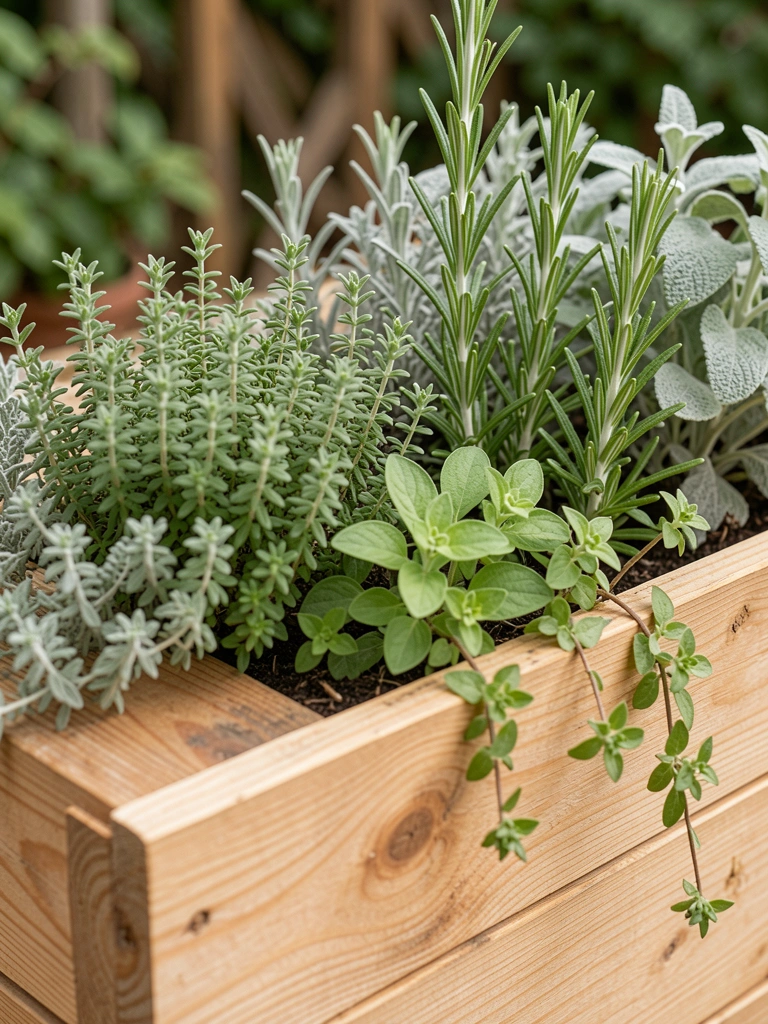
    8. Drought-Tolerant Herbs in Raised Beds

    Side yard dry spot. Built low raised bed, thyme-rosemary-oregano mix. Smells hit when brushed.

    Kitchen steps away now—snip fresh, no wilt. Perks up dry spells.

    Fill with gravel base; drains perfect.

    Overfed first—leggy. Go lean soil.

    What You’ll Need for This Look

    Rosemary upright herb plant

    Thyme creeping plants

    Cedar raised garden bed 4x4ft

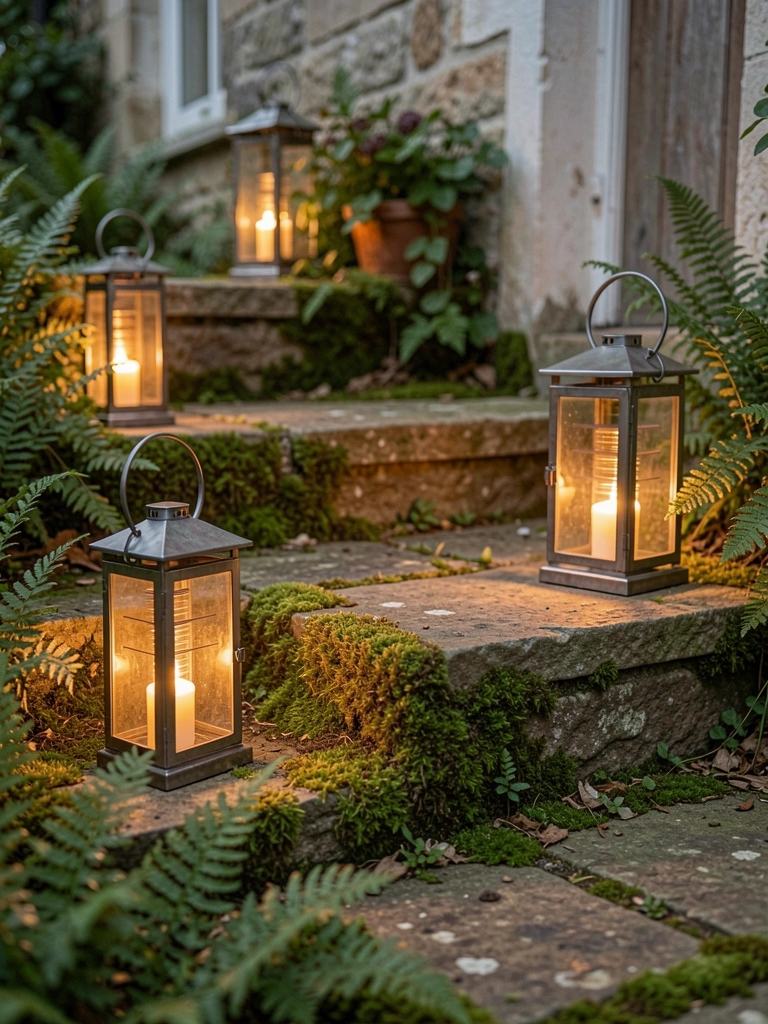
    9. Solar Lanterns Along Stone Steps

    Steps dark at dusk. Hung solar lanterns—they glow soft, light the way.

    Evenings extend now—sit out longer, garden welcomes. Charge full day.

    Stake secure; wind tips cheap ones.

    What You’ll Need for This Look

    Solar lantern pathway lights metal

    Stone step edging kit

    10. Groundcover Carpets Under Trees

    Tree shade killed grass. Planted vinca and pachysandra—they carpet thick, bloom white.

    Shade softens now—no bare dirt. Spreads slow but sure.

    Moist start, then dry ok. Weed out grass intruders.

    Planted singles first—buy plugs next time.

    What You’ll Need for This Look

    Vinca minor groundcover plants

    Pachysandra terminalis plugs

    Final Thoughts

    Pick one or two ideas that fit your spot. Start small—watch it settle in.

    Your garden will feel right over time, not overnight. You've got this; dirt under nails builds the best ones.

  • 23 Cottage Garden Ideas on a Budget That Shine

    23 Cottage Garden Ideas on a Budget That Shine

    I'd stare at my scrappy backyard patch, dreaming of that soft, spilling-over cottage look. First year, I blew cash on fancy perennials that flopped in the clay soil. Heart sinking. Then I switched to cheap seeds, scraps, and patience. Now it wraps my house in color. Yours can feel that way too—without breaking the bank.

    23 Cottage Garden Ideas on a Budget That Shine

    Here are 23 cottage garden ideas on a budget that I've tested in my own yard. Each one costs under $50 to start. You'll get exact steps, what I learned, and simple buys. Pick a few and watch it come alive.

    1. Layered Container Planting That Fills a Patio Fast

    I had a plain concrete patio that felt cold. Stacked old pots with thrift store finds—tall grasses in back, petunias spilling front. It softened everything overnight. The key? Group in odd numbers for that natural clump. Visually, it pulls your eye around without empty spots.

    Watch drainage—my first stack drowned the roots. Now I add gravel bottoms. Feels cozy, like sitting in a flower hug.

    In summer, it draws bees buzzing close. Change annuals yearly for fresh pops.

    What You’ll Need for This Look

    2. Gravel Paths That Wind Through Borders Gently

    My yard was mud after rain. Spread pea gravel from bulk bags—cheap and crunches underfoot. It leads the eye to the back bench, making small spaces feel bigger. No more tracking dirt inside.

    Lay cardboard first to kill grass. Weeds poke less now. Emotionally, it turns chaos into a stroll.

    Mix in stepping stones for charm. Mine settled uneven at first—tamp it down well.

    What You’ll Need for This Look

    3. Upcycled Crates Stacked for Instant Height

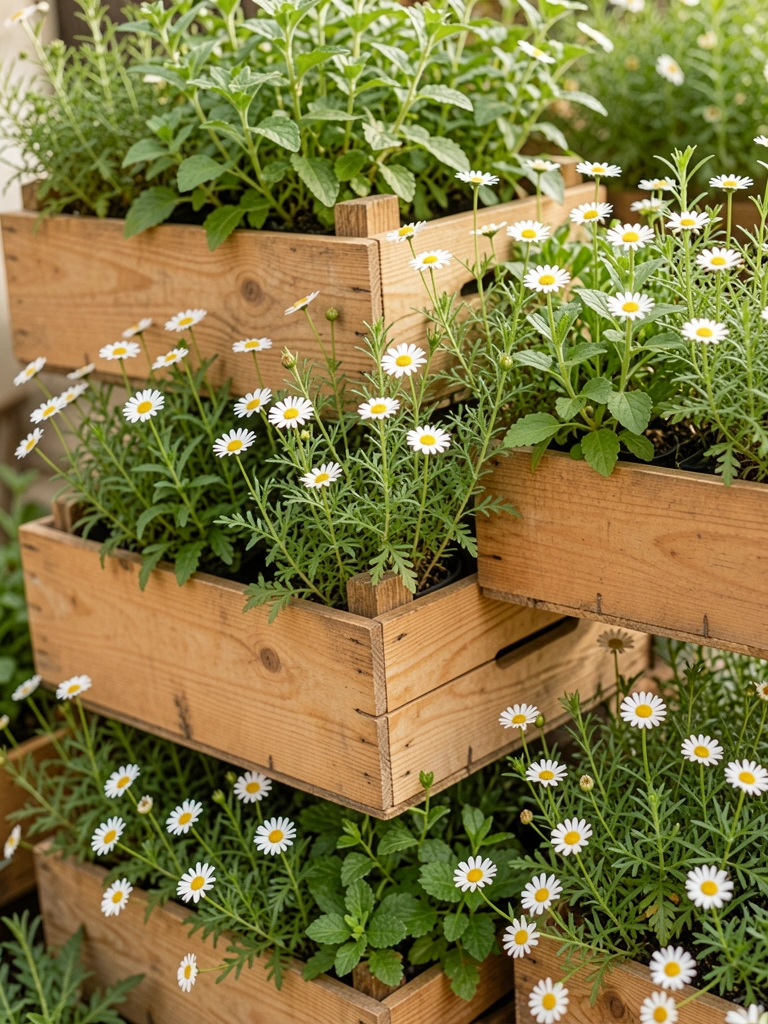
    Found crates at the curb—free wood vibe. Stacked three high, lined with plastic, filled with soil. Chives up top, marigolds below. It frames my door without digging.

    Visually, height tricks the eye into abundance. Feels settled, not new.

    Drill holes or roots rot. Secure with brackets. Now it's my herb station.
    What You’ll Need for This Look

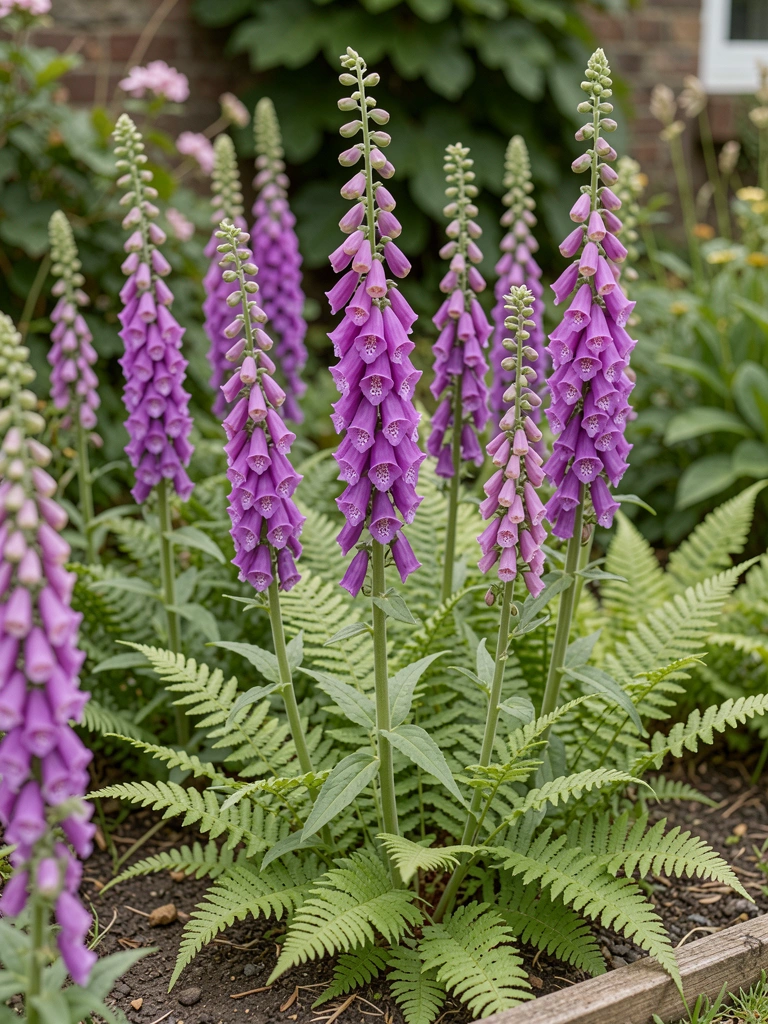
    4. Self-Seeding Foxgloves for Free Return Blooms

    Sowed foxglove seeds cheap—came up wild next year. Tall spires dot my beds, softening fences. Mistake: pulled seedlings thinking weeds. Now I thin gently.

    It feels timeless, like grandma's yard. Bees love the tubes.

    Let seeds drop; deadhead half for control. Purple hues glow at dusk.

    What You’ll Need for This Look

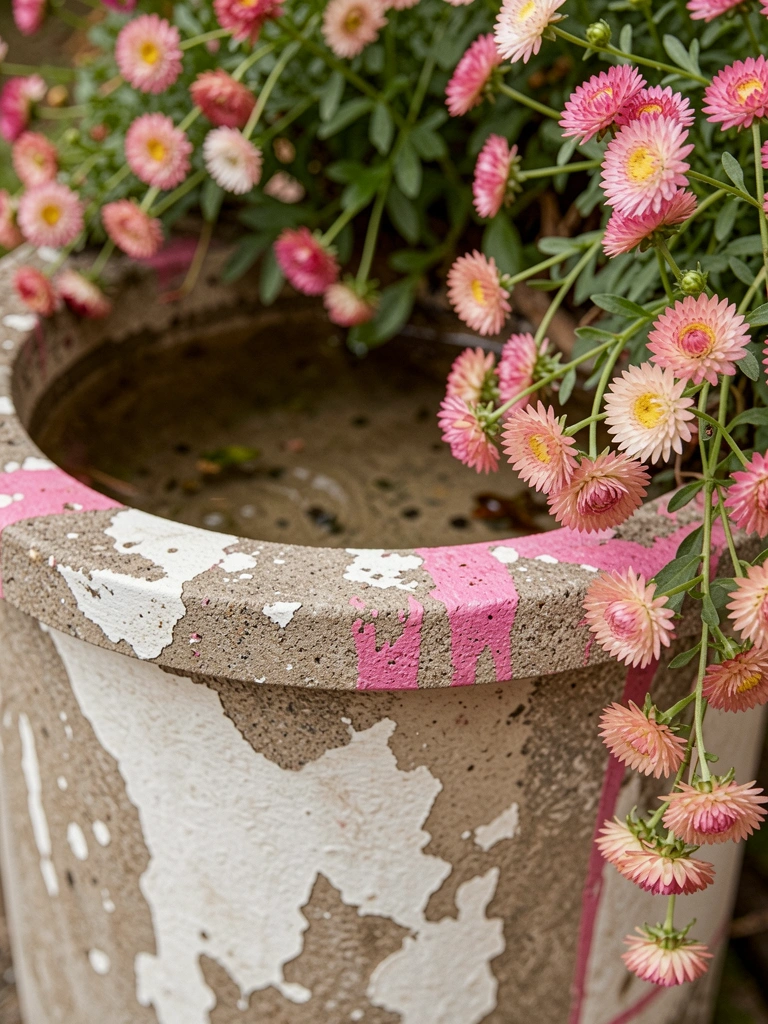
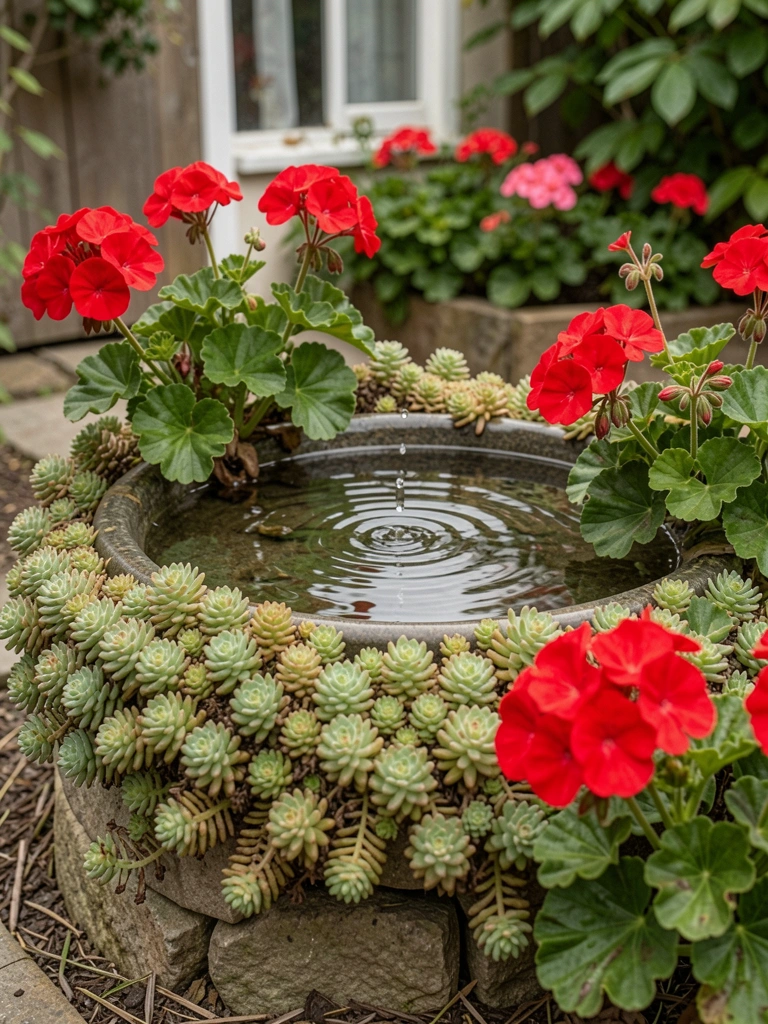
    5. Thrifted Birdbath Cascading with Strawflowers

    Scored a chipped birdbath for $10. Planted strawflowers around edge—they drape soft. Birds still sip center. Draws eyes to quiet corner.

    Feels alive with movement. Fill dish weekly.

    Chip lets water pool—good. Position flat.

    What You’ll Need for This Look

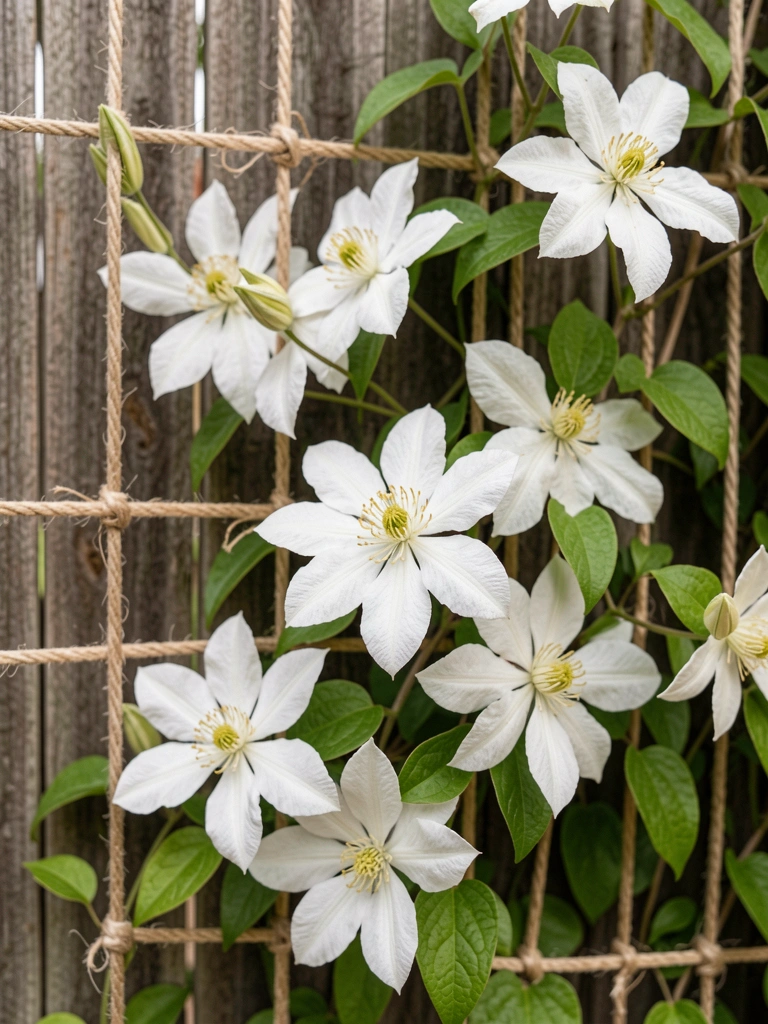
    6. DIY String Trellis for Climbing Clematis

    Tied twine between posts—$5 fix. Clematis rooted at base, shoots up fast. Covers ugly fence in fluffy white.

    Summer screen feels private. Prune lightly.

    Space strings 6 inches—mine tangled once.

    What You’ll Need for This Look

    7. Leaf Mulch Layer That Keeps Soil Alive

    Raked my leaves, shredded with mower—free cover. Spread 3 inches over beds. Holds moisture, weeds vanish. Soil smells rich now.

    Plants push through happy. Feels nurtured.

    Don't pile on stems—rots. Refresh yearly.

    What You’ll Need for This Look

    8. Solar Lights Draped Over Arbors

    Bent wire into arch, hung solar strings—glows at night. Lights roses softly, extends evening sits.

    Cozy without electric. Charge full day.

    Test batteries yearly—mine dimmed.

    What You’ll Need for This Look

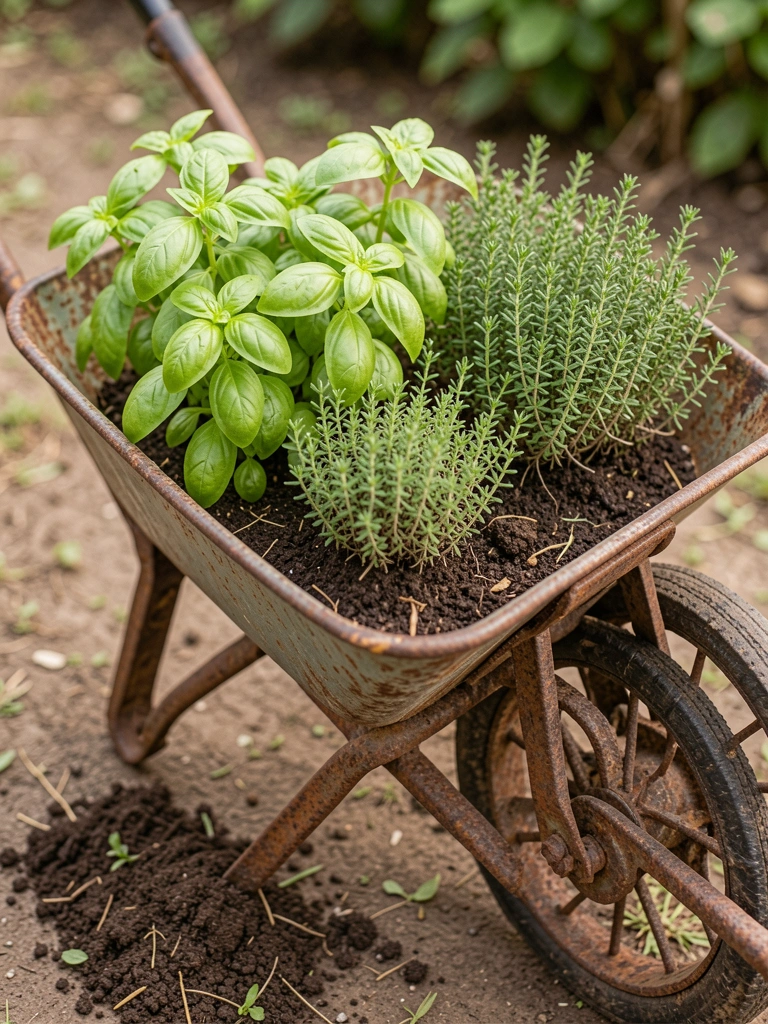
    9. Wheelbarrow Herb Garden That Rolls Easy

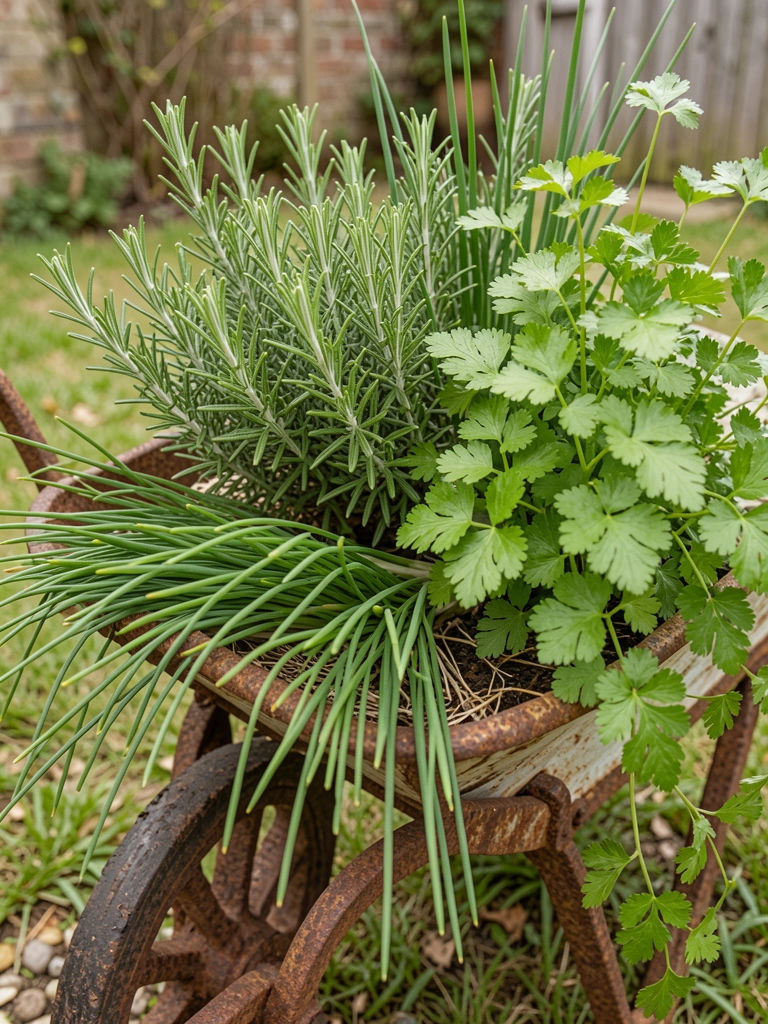
    Old barrow from shed—plugged hole, planted herbs. Roll to sun or kitchen. Mistake: overwatered, rusted more. Now drain rocks.

    Fresh smells hit door. Practical joy.

    What You’ll Need for This Look

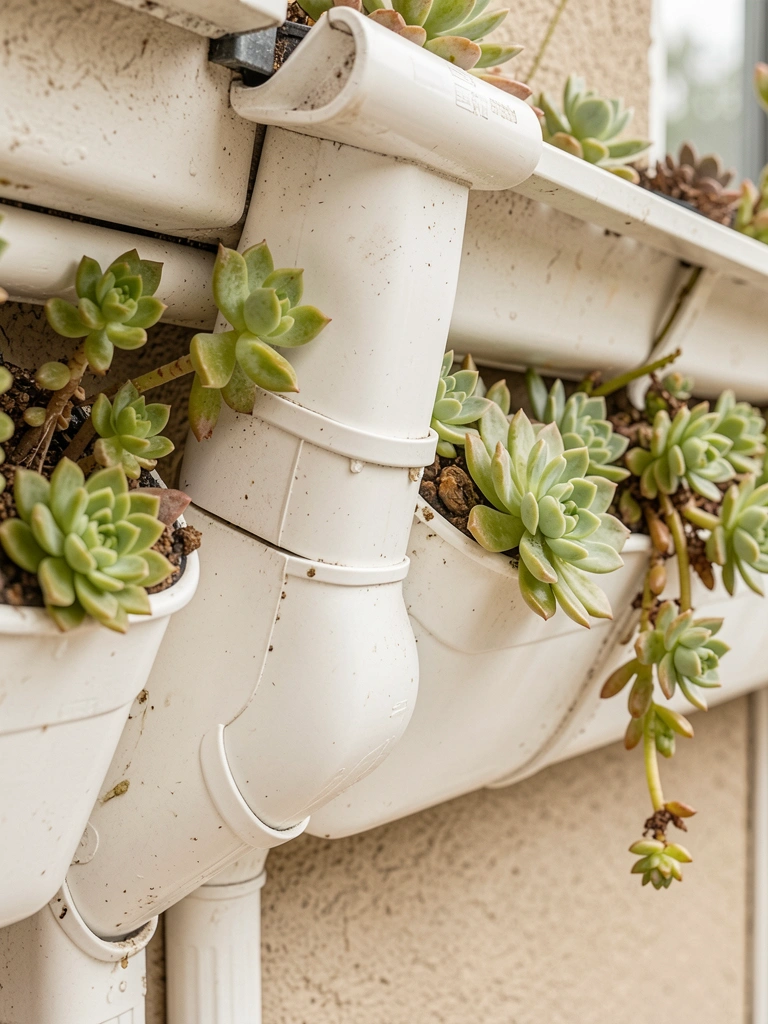
    10. Gutter Pockets Hanging on Shed Walls

    Screwed gutters horizontal—filled with sedum. Vertical green without ground space. Water runs front—clever.

    Walls feel dressed. Low fuss.

    Level them—mine tilted, spilled.

    What You’ll Need for This Look

    11. Sweet Peas on Netting for Scented Screens

    Stretched plastic netting—peas climb quick. Scent fills air mornings. Hides compost pile.

    Fragrant walks. Sow early.

    Pinch tips for bushiness.

    What You’ll Need for This Look

    12. Pallet Bench Tucked in Flower Corners

    Disassembled pallets, screwed frame—cushions on top. Nook for coffee amid blooms.

    Rest spot changes pace. Sand rough edges.

    Brace legs strong.

    What You’ll Need for This Look

    13. Native Wildflower Pots for Pollinators

    Mixed native seeds in pots—bees flock. Tough, no fuss. Yard hums.

    Life everywhere. Drought hardy.

    Group for impact.

    What You’ll Need for This Look

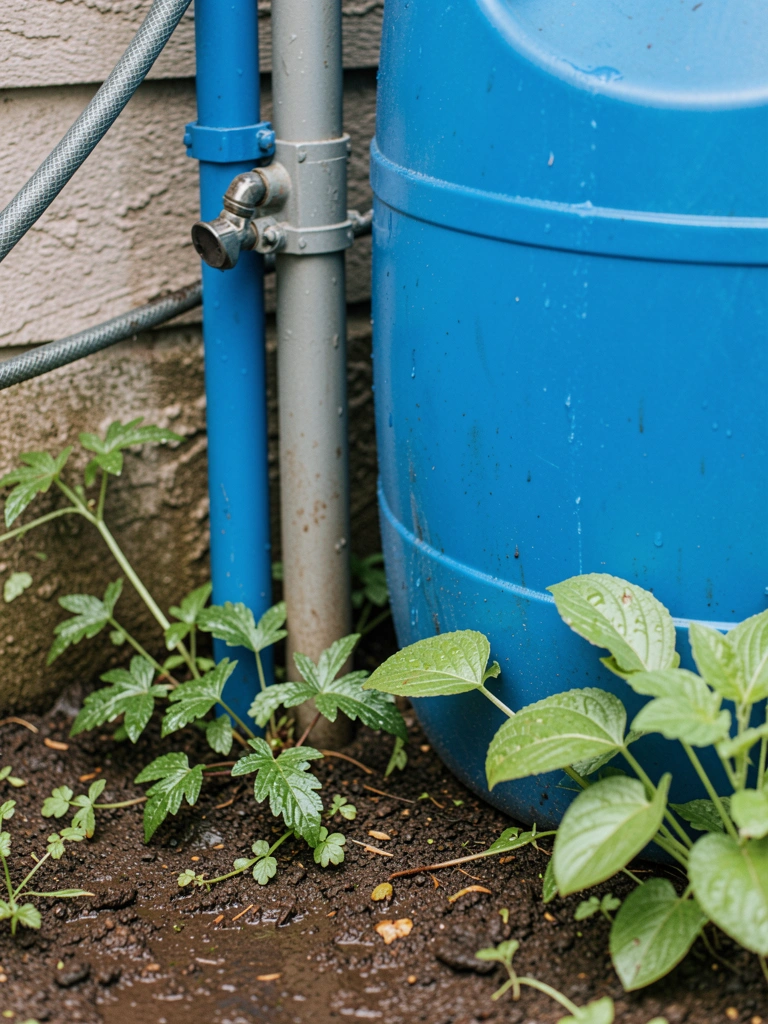
    14. Rain Barrel Setup with Overflow Hose

    Placed barrel under gutter—free water. Hose to beds. Cuts bills.

    Plants drink rain better. Screen lid for bugs.

    Elevate slight.

    What You’ll Need for This Look

    15. Nasturtium Edibles Trailing Over Edges

    Planted nasturtiums—eat flowers, leaves spicy. Trail pots. Mistake: shade, leggy. Full sun now.

    Salad from yard. Brightens.

    Self-seeds mild.

    What You’ll Need for This Look

    16. Ladder Leaner for Trailing Succulents

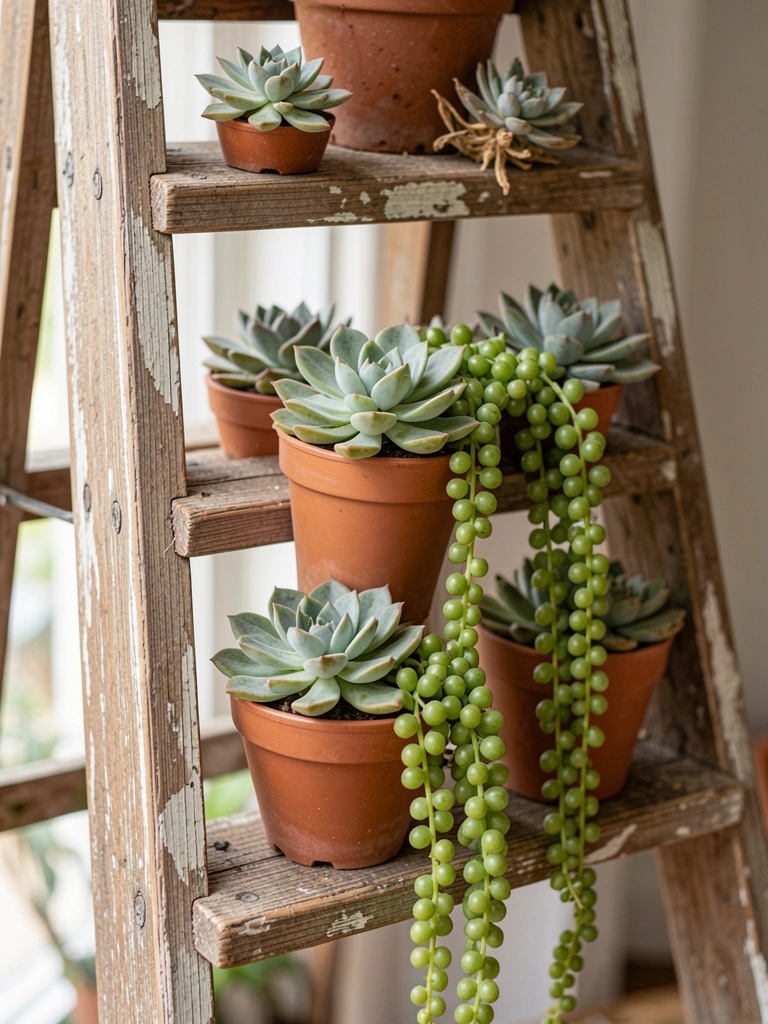
    Leaned ladder, potted succulents per rung. Space saver, textures mix.

    Wall garden feel. Water less.

    Secure top.

    What You’ll Need for This Look

    17. Free Rock Edging Along Beds

    Collected road rocks—curved lines. Holds mulch in, neat.

    Borders breathe order. Bury half deep.

    Sort sizes.

    What You’ll Need for This Look

    18. Lavender Cuttings for Scented Hedges

    Rooted neighbor's trims—free hedge. Fragrant path edge.

    Calm scent daily. Well-drained spot.

    Trim after bloom.

    What You’ll Need for This Look

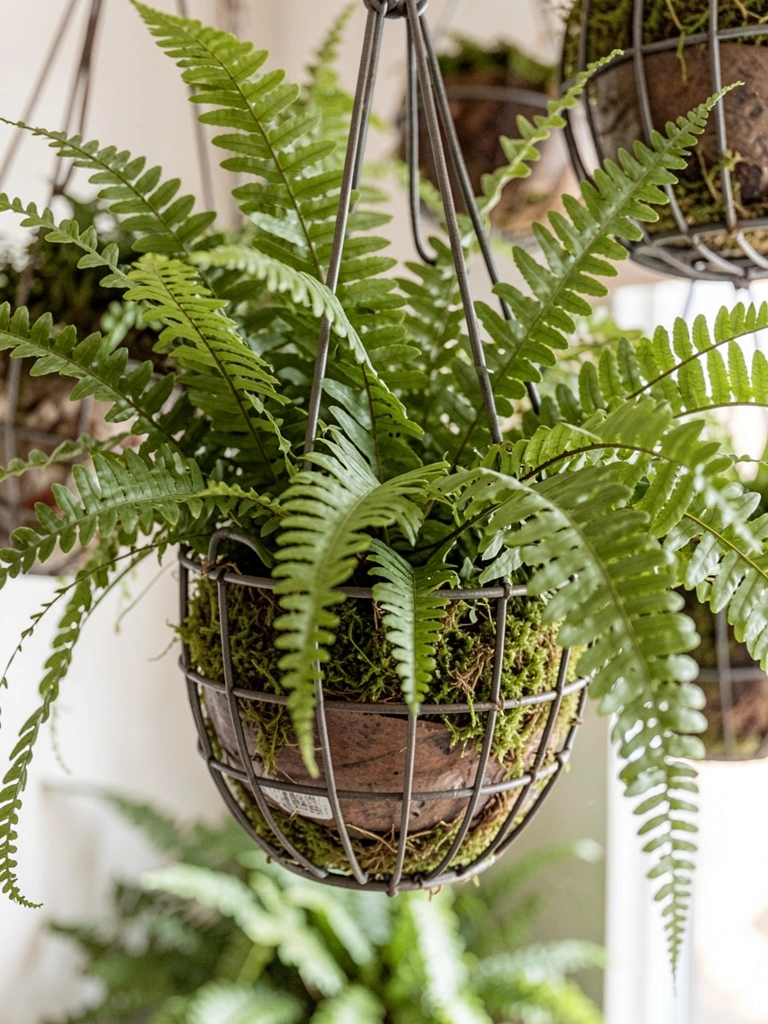
    19. Wire Basket Hangings with Ferns

    Lined baskets with moss, ferns inside. Shade lovers dangle porch.

    Softens hard spots. Moist soil key.

    Chain secure.

    What You’ll Need for This Look

    20. Meadow Grass Patch for Easy Filler

    Broadcast grass seed—low mow zone. Mistake: mowed too soon, patchy. Wait now.

    Wind moves it gentle. Fills awkward spots.

    What You’ll Need for This Look

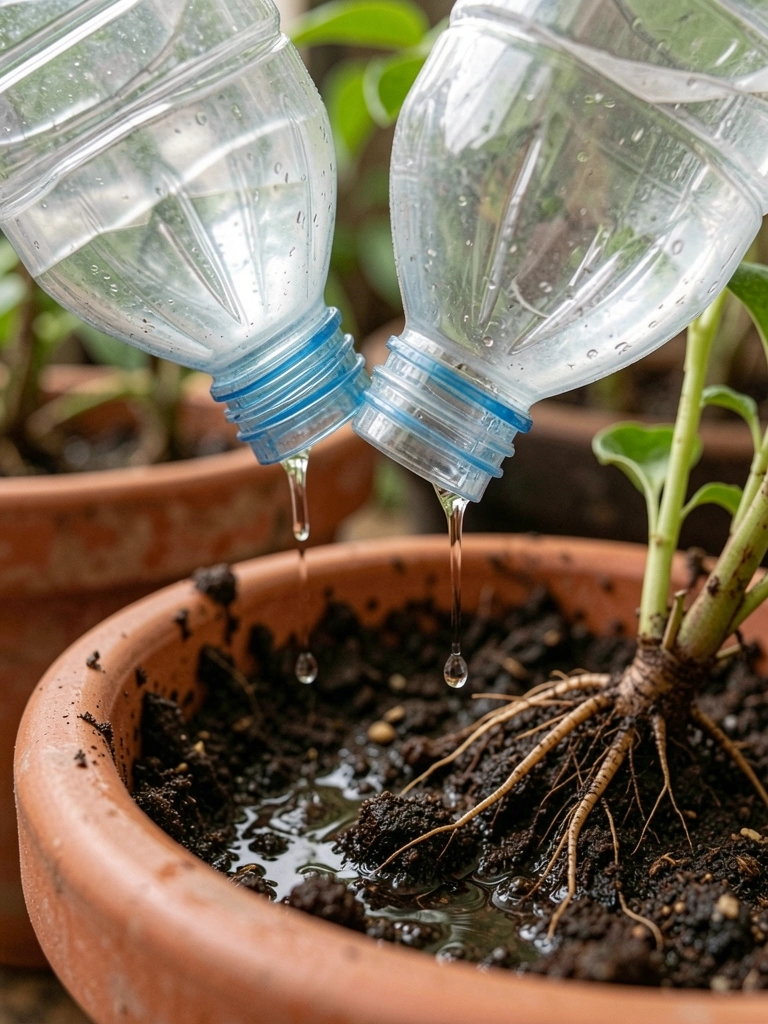
    21. Bottle Drip Feeders for Dry Spells

    Poked holes in bottles, inverted in soil—slow water. Vacations worry-free.

    Roots stay even moist. Full sun best.

    Refill weekly.

    What You’ll Need for This Look

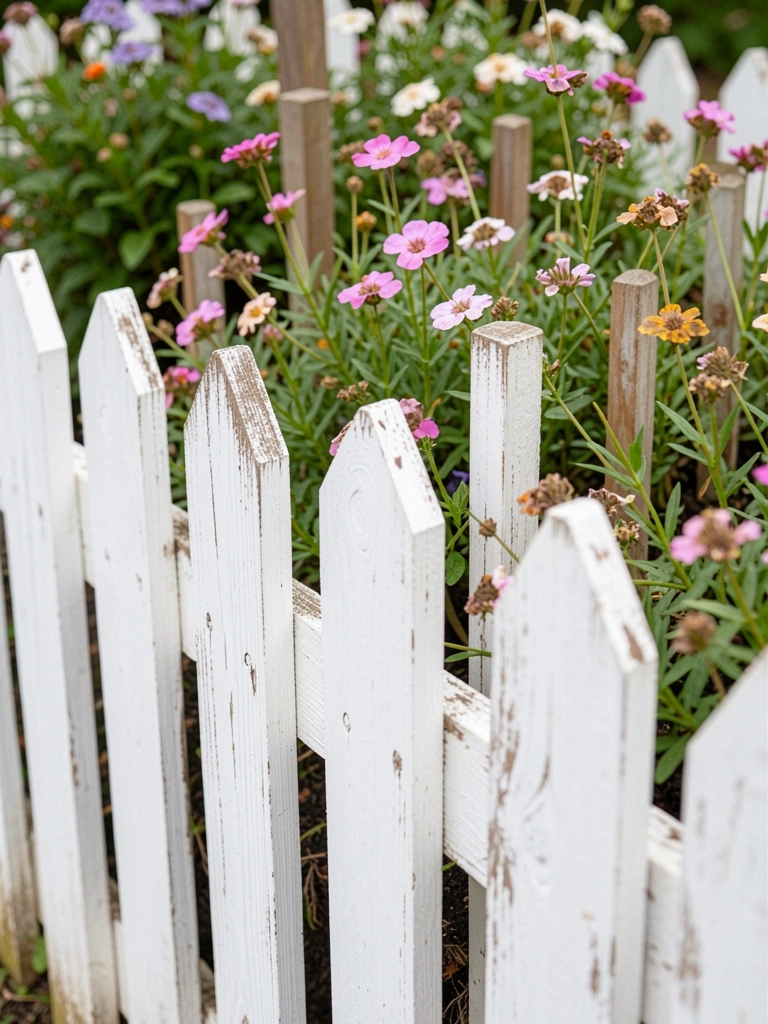
    22. Simple Picket Accents from Scraps

    Cut pickets short, pounded in—cute borders. Plants lean over.

    Charming frame. Paint fades nice.

    Space 4 inches.

    What You’ll Need for This Look

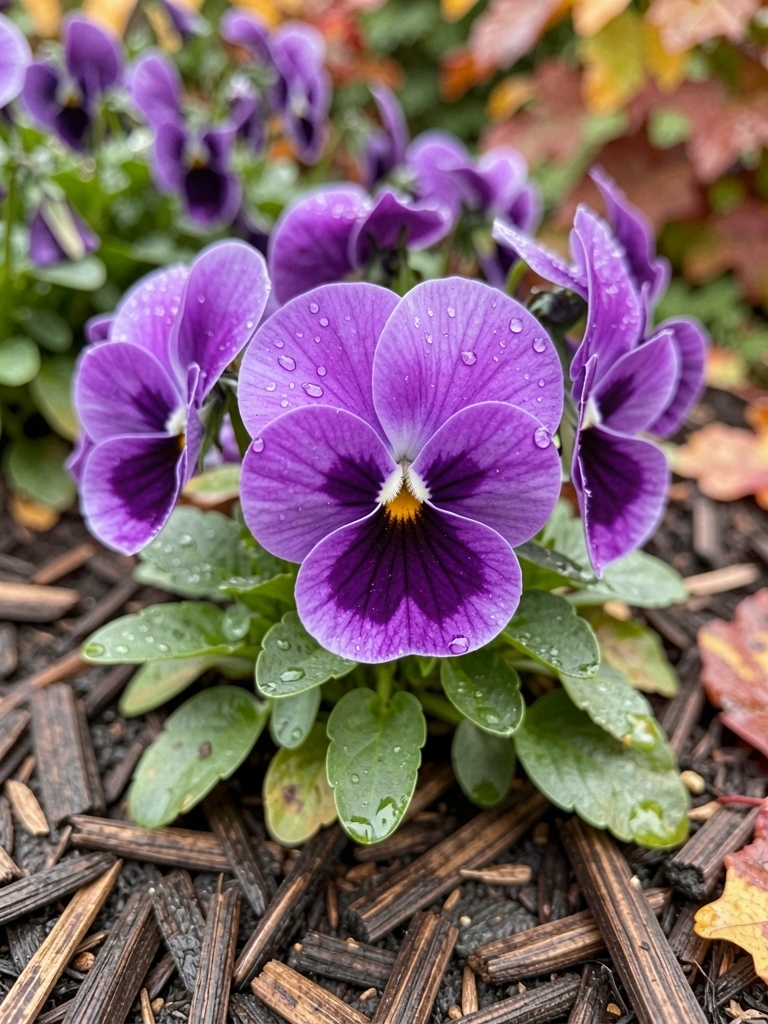
    23. Annual Pansy Swaps for Winter Color

    Pulled summer spent, panned pansies—cheer through frost. Easy refresh.

    Face up happy. Cold hardy.

    Mulch roots.

    What You’ll Need for This Look

    Final Thoughts

    Start with three ideas that fit your spot. My garden grew bit by bit—no rush. You'll mess up a plant or two, but that's how it teaches. Now mine hugs the house just right. Yours will settle in cozy. Get digging.

  • 13 Cottage Garden Ideas for Small Backyards

    13 Cottage Garden Ideas for Small Backyards

    I remember digging into my scrappy 8×12 backyard, dirt under nails, dreaming of that soft English overflow. But reality hit—space so tight, one wrong shrub choked everything.

    I trimmed back, layered smart. Now it wraps around me cozy.

    Your small yard? Same chance. These ideas pack abundance without overwhelm.

    13 Cottage Garden Ideas for Small Backyards

    These 13 cottage garden ideas for small backyards come straight from my dirt-stained trials. Each fits tight spots, uses what grows reliable. You'll know exactly what to grab and plant.

    1. Layered Container Planting That Makes a Patio Feel Full

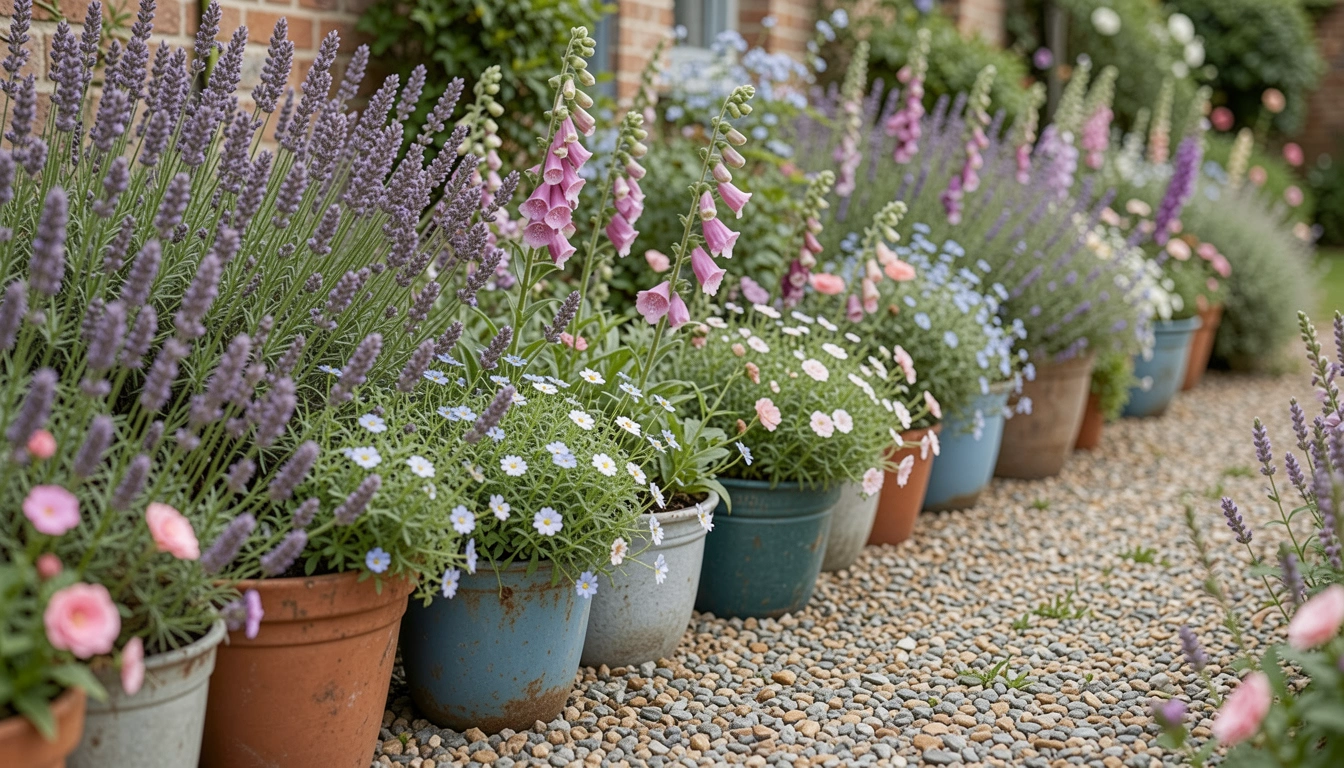
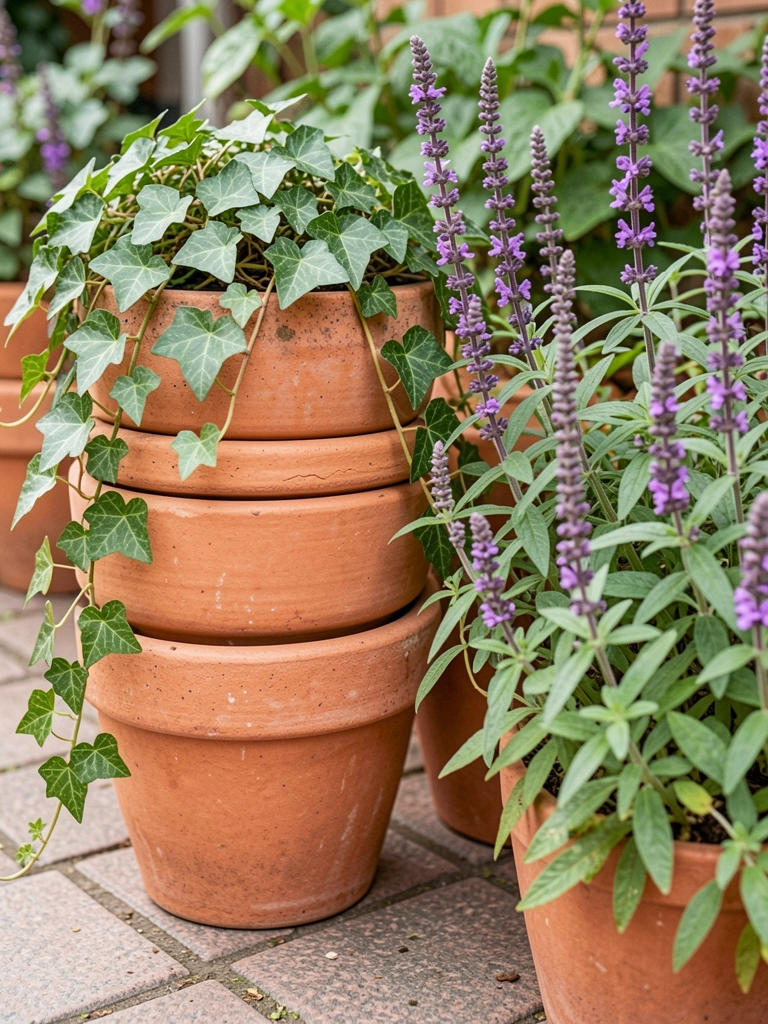
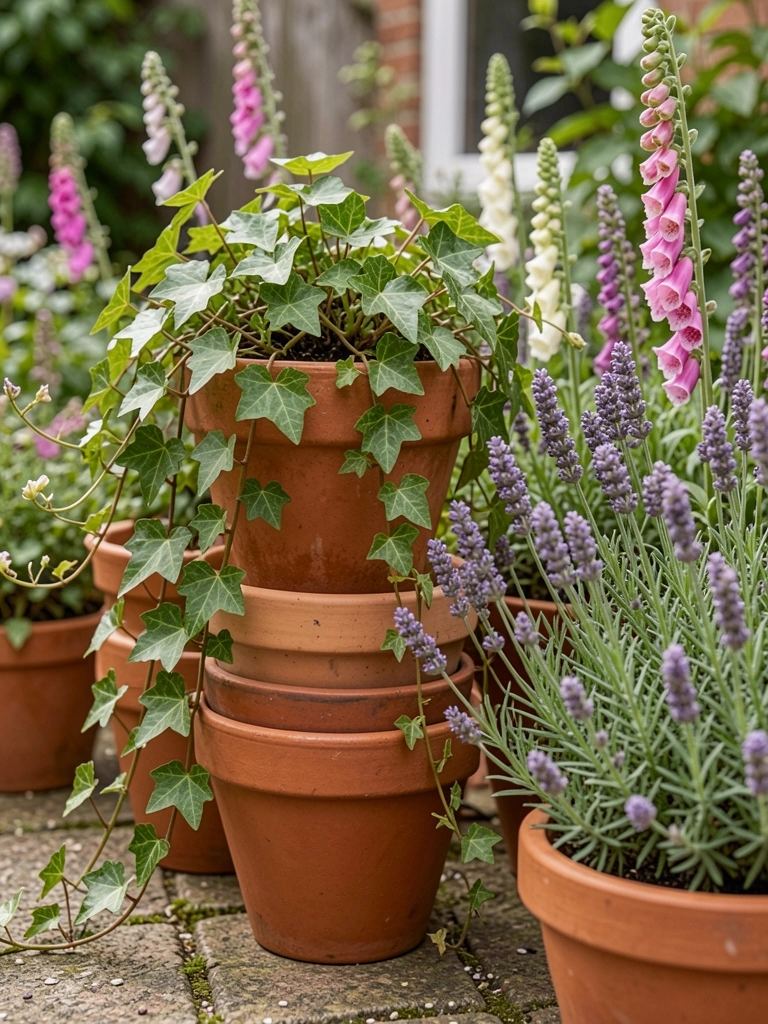
    I started with empty concrete patio slabs staring back. Stacked pots three high—tall foxgloves center, lavender mid, trailing ivy spilling low. Instant fullness, no ground loss.

    It softened hard edges, drew bees buzzing close. Mornings feel wrapped in green now.

    Watch pot drainage; I skipped once, rotted roots. Group by height, colors soft—purple, pink, white.

    Turn your slab into a hug. Fills eyes, saves feet.

    What You’ll Need for This Look

    2. Vertical Climbers on Fences to Save Floor Space

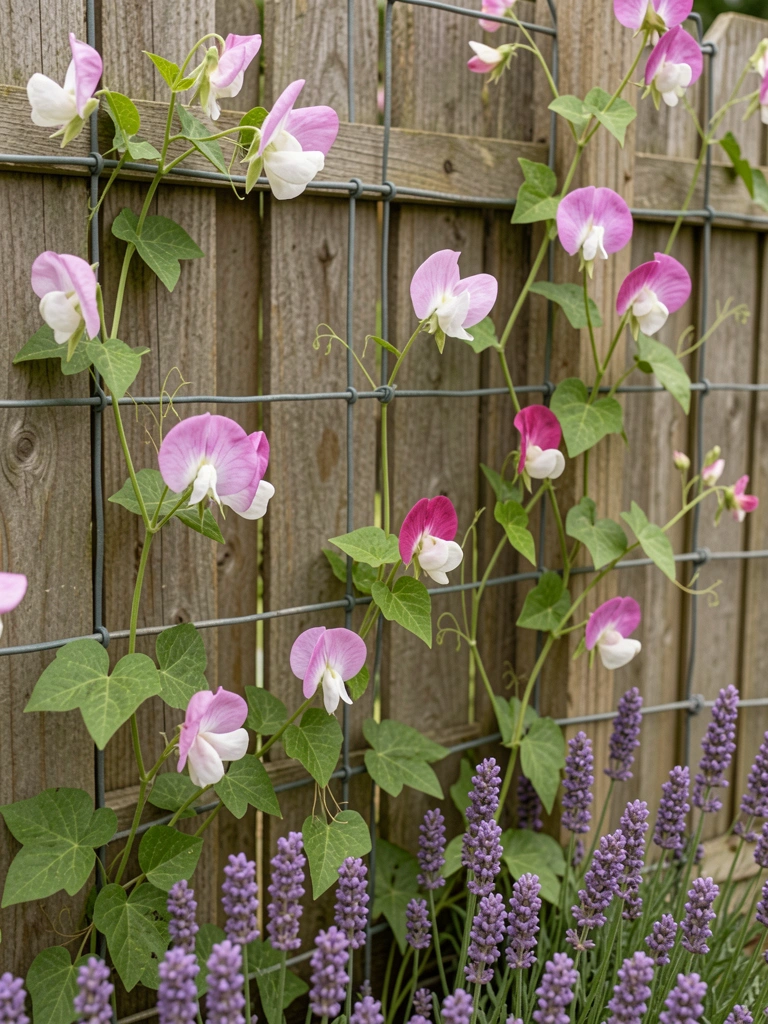
    My fence was blank wood wall, yard feeling boxed. Nailed cheap wire trellis, planted sweet peas at base. They shot up summer, flowers nodding over.

    Air flows better, privacy softens. Birds perch, nest nearby.

    Pick sun-lovers; shade ones flopped for me. Tie loose stems early.

    Frees ground for paths or seats. Green curtain without crowding.

    What You’ll Need for This Look

    3. Winding Gravel Path Through Tight Corners

    Straight paths dead-end my narrow yard. Curved gravel one-foot wide, edged thyme. Guides eye deeper, space feels bigger.

    Feet crunch soft, weeds stay out. Flowers nudge close.

    I over-graveled once, drained poor—lifted, added sand base. Sweep edges weekly.

    Invites slow walks, discovery. Your tight spot breathes.

    What You’ll Need for This Look

    4. Cozy Bench Nook Tucked in Flowers

    No spot to sit in my cramped yard. Wedged old bench corner, planted salvia around. Flowers brush knees sitting.

    Sun warms wood, scents rise. Feels like escape.

    Cushions fade rain—bought waterproof next. Face south for light.

    Claims corner cozy. Yours waits.

    What You’ll Need for This Look

    5. Herb-Filled Wheelbarrow for Easy Reach

    Wheelbarrow rusted unused. Filled herbs—rosemary tall, chives low. Roll to kitchen door.

    Picks fresh, no bending far. Fronds sway breeze.

    Overwatered first, drowned—now bottom holes. Snip often, regrows thick.

    Moves with sun. Handy abundance.

    What You’ll Need for This Look

    6. Birdbath Centerpiece Ringed by Low Growers

    Plain grass patch bored. Set birdbath, low sedum circle. Birds splash, song fills air.

    Draws life, softens center. Leaves turn red fall.

    Algae built fast—add fish safe cleaner. Refill daily.

    Heartbeat to yard. Yours sings.

    What You’ll Need for This Look

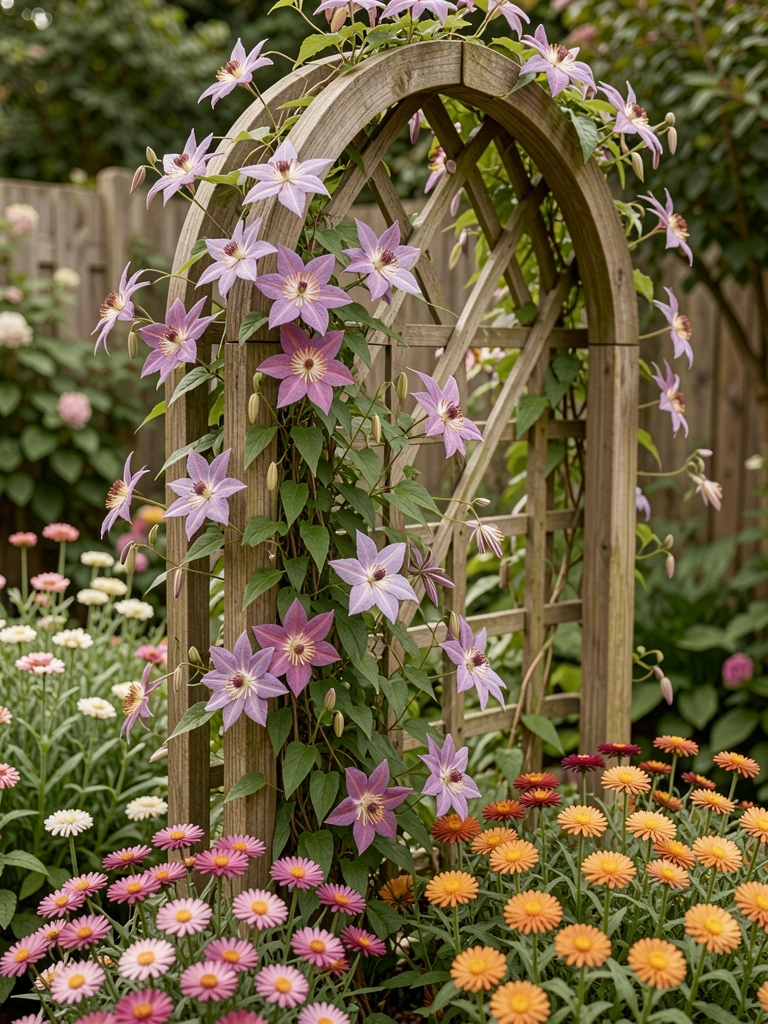
    7. Arched Trellis Gateway for Depth Illusion

    Yard felt shallow. Built low arch end, clematis over. Frames view, pulls eye back.

    Blooms frame doorway feel. Vines thicken yearly.

    Wire too thin, sagged—upgraded wood. Train side shoots.

    Stretches space. Borrow depth.

    What You’ll Need for This Look

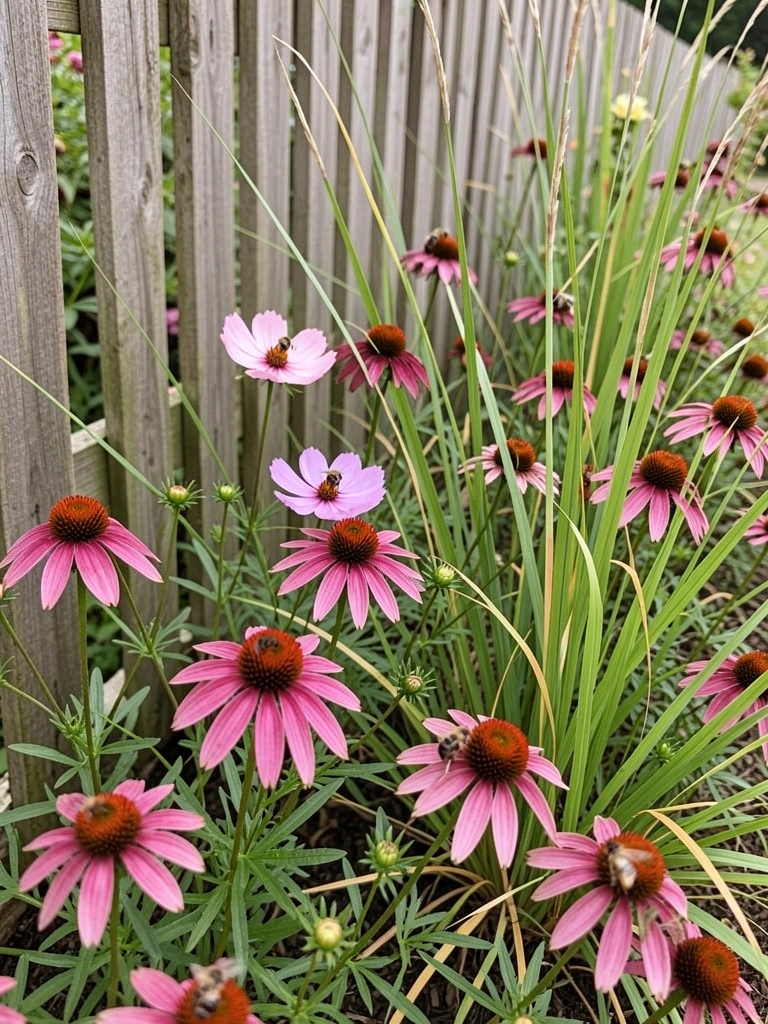
    8. Pollinator Meadow Strip Along the Edge

    Edge bare, no buzz. Sowed cosmos, echinacea narrow strip. Butterflies flock, hum constant.

    Wild softens fence, color waves. Seeds self-spread.

    Too many annuals died winter—mix perennials. Mow edges neat.

    Life edge. Yours hums.

    What You’ll Need for This Look

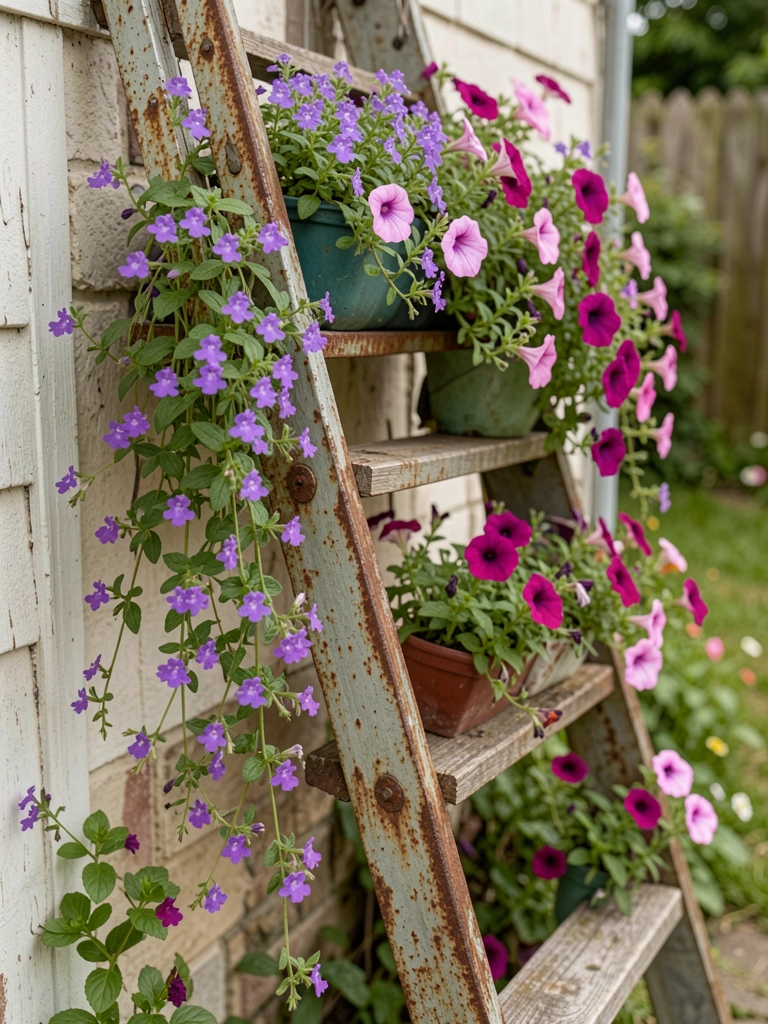
    9. Upcycled Ladder for Trailing Plants

    Old ladder gathered dust. Leaned fence, potted lobelia shelves. Trails fill air pockets.

    Hides blank wall, pots easy swap. Blooms till frost.

    Soil dry fast up high—mulch holds. Secure base firm.

    Vertical without build. Layers free.

    What You’ll Need for This Look

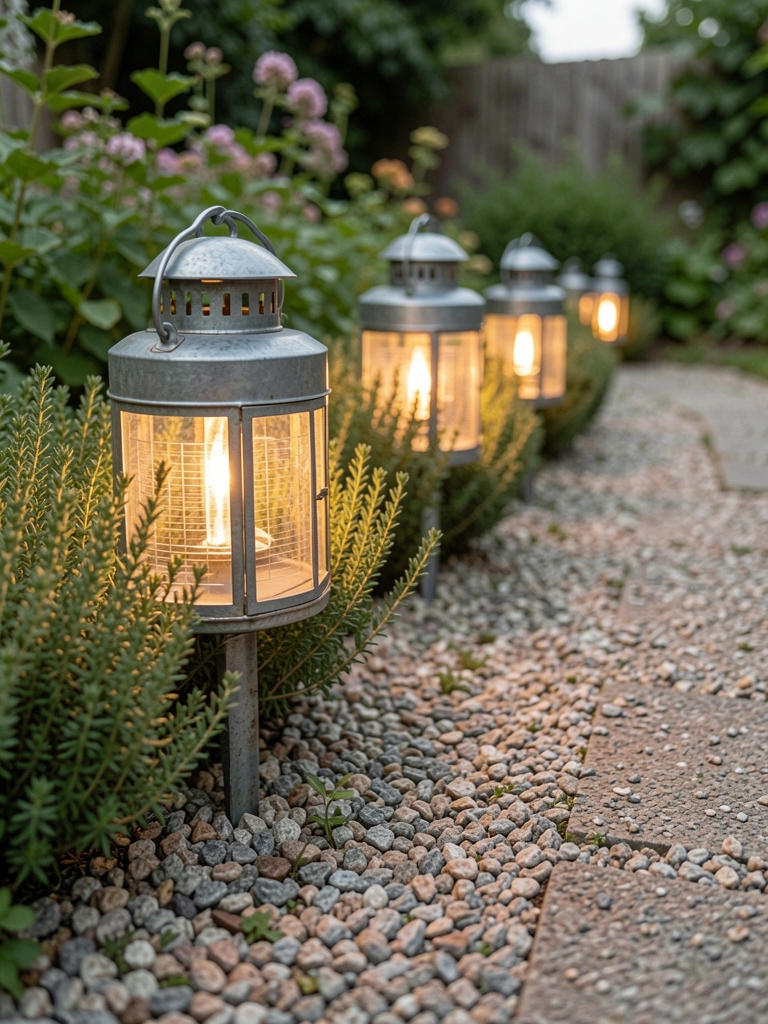
    10. Soft Solar Lanterns Along Evening Paths

    Dark paths tripped me. Staked solar lanterns curve. Glow leads gentle, extends night yard.

    Highlights flowers after dusk, cozy sit. Batteries last years.

    Cheap ones dimmed—quality LED. Clean monthly.

    Night magic simple. Yours lights.

    What You’ll Need for This Look

    11. Pocket Planters on Shed Walls

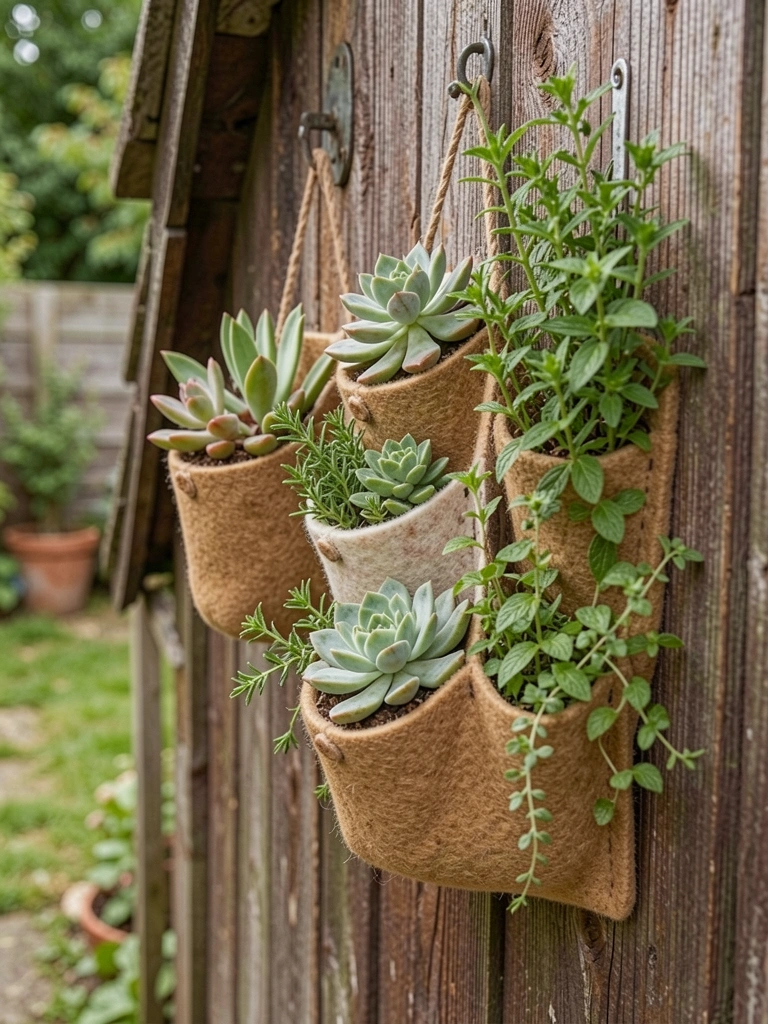
    Shed wall wasted. Hung felt pockets, succulents, chives. Green quilt climbs.

    Harvest easy, no floor take. Drought tough plants thrive.

    Overplanted, spilled—thin yearly. Face east light.

    Wall blooms. Space saver.

    What You’ll Need for This Look

    12. Mixed Perennial Border with Self-Seeders

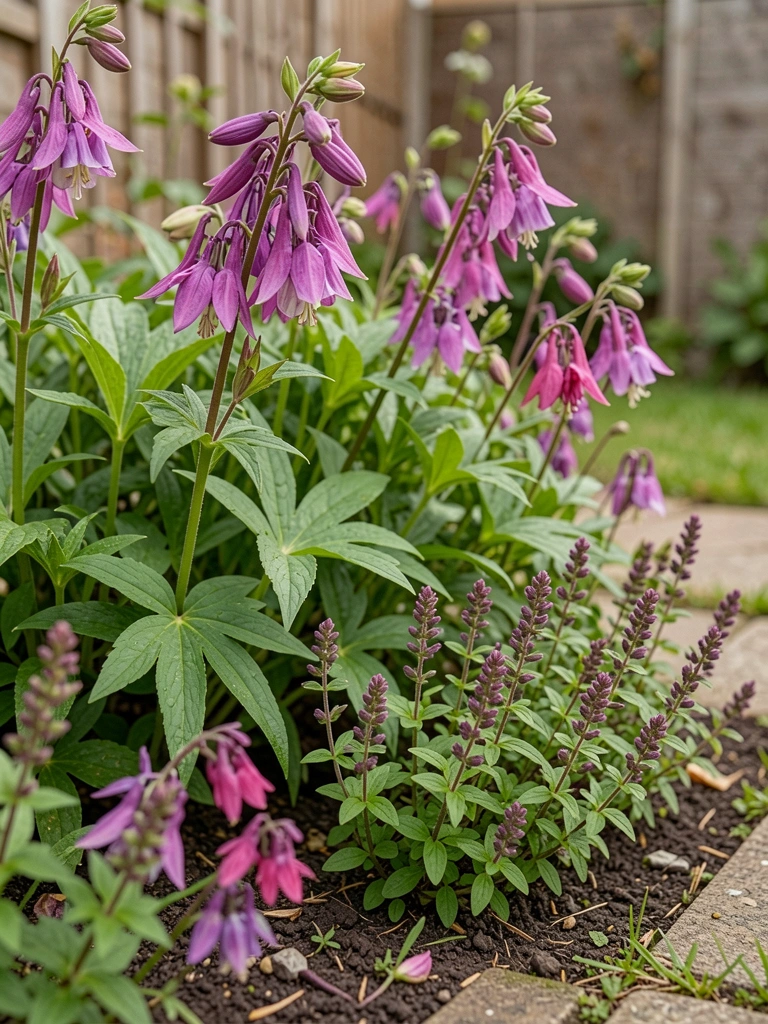
    Border flat. Mixed foxglove, columbine—self-seed fillers. Returns fuller yearly.

    Soft chaos, pink-purple drift. Less replant.

    Invasives crowded—pull extras. Mulch holds moisture.

    Lives on. Set forget.
    What You’ll Need for This Look

    13. Hammock Hideaway Overhung by Vines

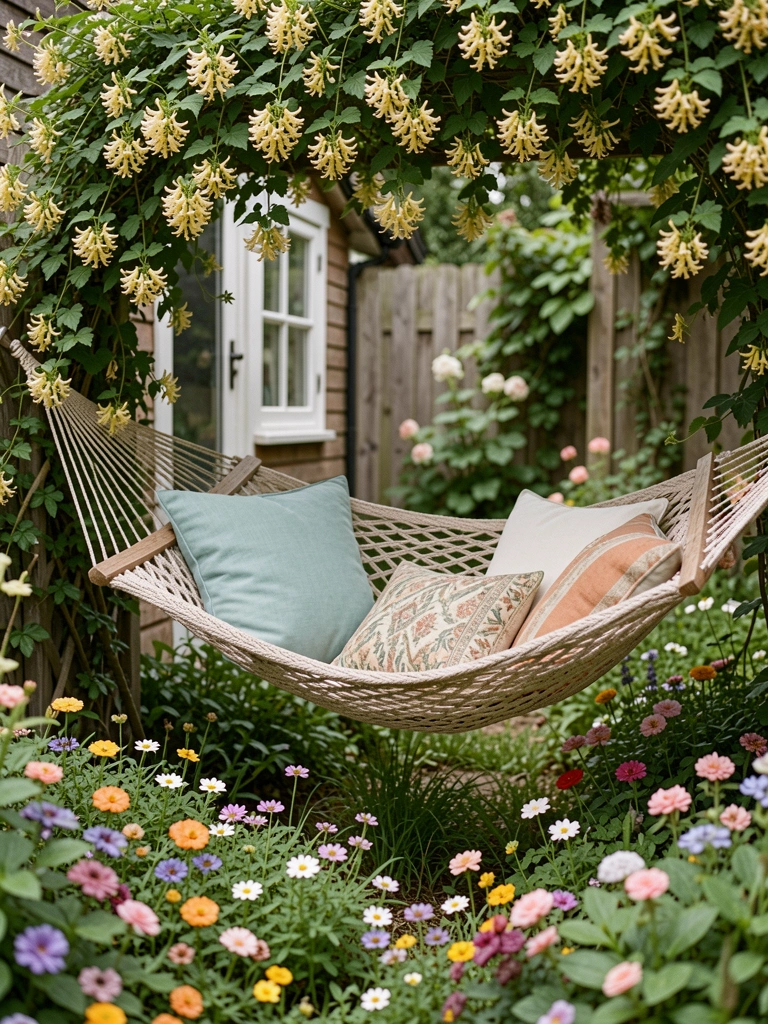
    No relax spot. Hung hammock between posts, honeysuckle arch. Sways under blooms.

    Private pocket, scent heavy. Breeze perfect.

    Vines grew wild, tangled—prune spring. Strong ropes.

    Rest haven. Swing in.
    What You’ll Need for This Look

    Final Thoughts

    Start with two ideas that fit your light and soil. My yard bloomed slow, layer by layer.

    Small backyards hold cozy worlds. Plant one today.

    You can grow this. Dirt waits.

  • 15 Cottage Garden Ideas for Large Backyards

    15 Cottage Garden Ideas for Large Backyards

    I stood in my half-acre backyard one spring, weeds knee-high, feeling lost. No focus, just empty space. I carved out a simple path first. Flowers followed. Now it pulls you in, room by room.

    That shift happened because I stopped planning everything at once. Started small, let it grow.

    Large backyards like mine reward patience. These ideas come from years of trial there.

    15 Cottage Garden Ideas for Large Backyards

    Here are 15 cottage garden ideas for large backyards, pulled from my own plots. They fit big spaces without overwhelming you. Each one scales up easily—pick three to try first.

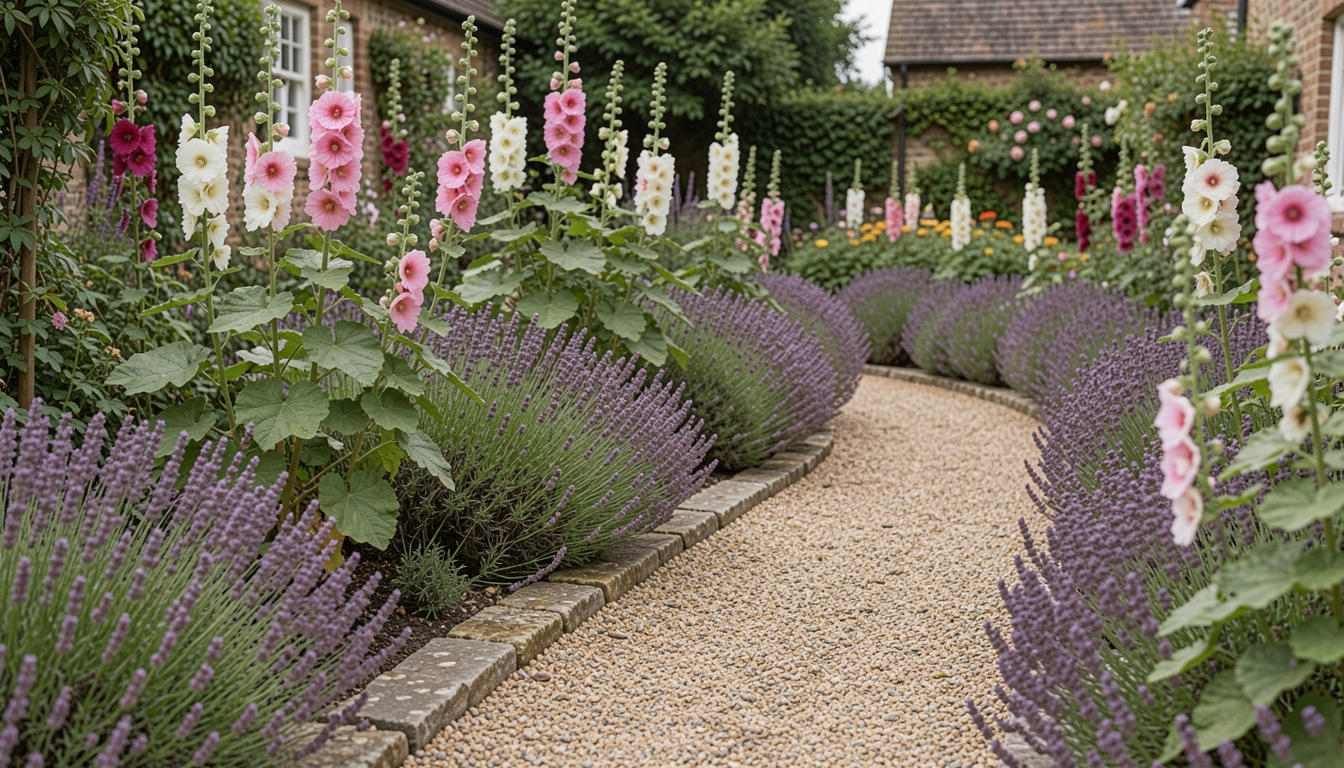
    1. Winding Gravel Paths That Draw You Deeper

    I laid gravel paths in my backyard to break up the openness. They snake between flower beds, making the space feel intimate. Suddenly, you want to wander, not just cross it.

    The paths softened hard edges. Gravel crunches underfoot, and plants lean over like old friends. In a large yard, they create "rooms" without walls.

    Watch the width—too narrow pinches flow. I made mine 3 feet across after squeezing past wheelbarrows once.

    Mulch edges yearly to keep weeds down. It stays cozy even as plants fill out.

    What You’ll Need for This Look

    Pea gravel bulk bag (50 lb)

    Landscape fabric weed barrier (4 ft x 100 ft)

    Boxwood edging stones (12 inch)

    2. Tall Flower Borders Along Long Fences

    Fences in my large yard felt stark, so I planted tall borders against them. Delphiniums and hollyhocks shoot up, hiding boards and adding height. It frames the space like a living backdrop.

    Colors soften in evening light, pulling your eye along the length. The yard feels enclosed, not exposed.

    I overcrowded at first—plants flopped. Now I space 18 inches apart, stake the tall ones.

    Deadhead midsummer for reblooms. It keeps the border full through fall.

    What You’ll Need for This Look

    Delphinium seed mix (Pacific Giants)

    Hollyhock perennial plants (tall singles)

    Garden stakes bamboo (6 ft)

    3. Rose Arches Over Path Gateways

    I built rose arches at path turns in my backyard. Climbing roses drape over, scenting the air. They mark transitions between garden zones, making exploration fun.

    Blooms hit in June, framing views ahead. Thorns snag sleeves—a reminder it's real.

    Roses sulked in shade once; now full sun only. Prune hard in winter.

    Train side shoots horizontally for more flowers. It fills the arch fast.

    What You’ll Need for This Look

    Climbing rose bush (New Dawn variety)

    Garden arch kit galvanized (8 ft)

    Rose fertilizer spikes (slow release)

    4. Vining Pergola for Shaded Seating

    My pergola anchors a seating spot in the yard's center. Vines cover it overhead, dappled shade below. It's where I sit with coffee, yard unfolding around.

    Wisteria drops blooms like confetti. The structure feels rooted, not added on.

    Vines grew wild first year—trim annually. Plant at corners for even cover.

    Anchor posts deep; wind tests them here.

    What You’ll Need for This Look

    Wisteria vine plant (mature)

    Pergola kit cedar (10×10 ft)

    Outdoor bench wooden (teak slats)

    5. Wildflower Meadows in Open Corners

    Open corners of my large yard got wildflower seeds. Poppies and daisies self-seed now, waving carefree. Low effort, big color payoff.

    Bees hum through it. The meadow softens mown grass edges.

    I mowed paths through—keeps it tidy. Sow in fall for spring roots.

    Expect gaps first year; patience fills them.

    What You’ll Need for This Look

    Wildflower seed mix (perennial blend)

    Meadow rake steel (adjustable)

    6. Spiral Herb Gardens Near the Kitchen Door

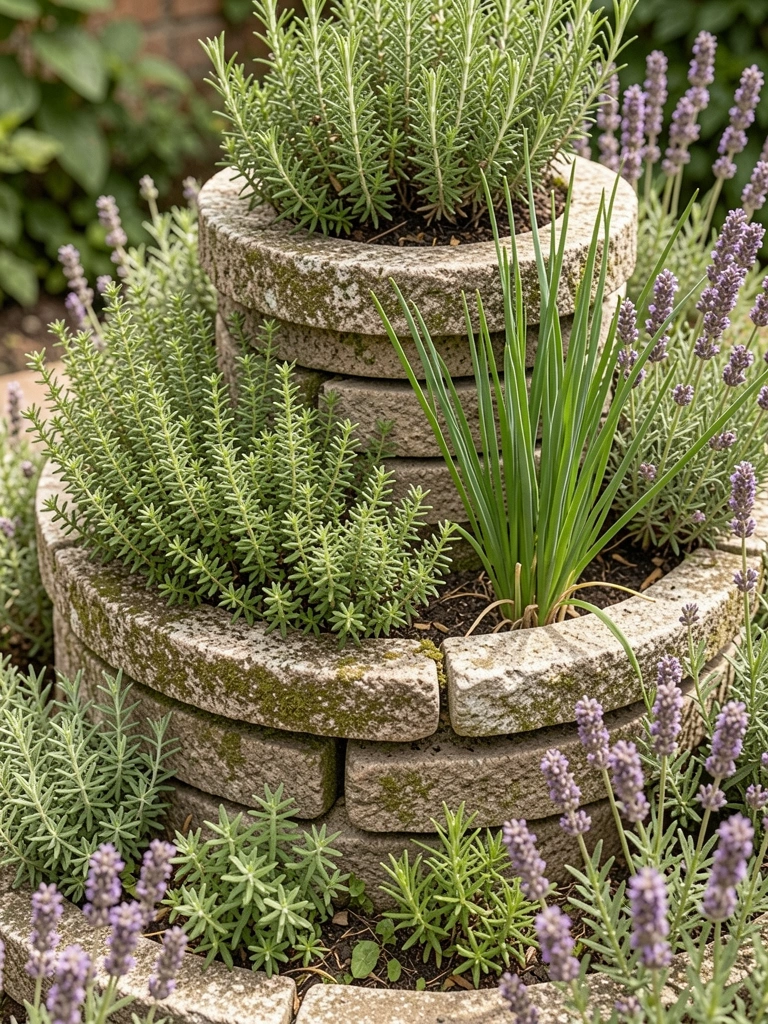
    I stacked a herb spiral by my door for quick picks. Tiers suit drainage—rosemary high, mint low. Handy for cooking, fits large yards tight.

    Smells hit you walking by. Chives flower purple, drawing eyes.

    Overwatered mint once; now it sprawls contained.

    Harvest often; it bushes denser.

    What You’ll Need for This Look

    Rosemary herb plant (upright variety)

    Landscape stones flat (stackable)

    Thyme creeping groundcover

    7. Espaliered Fruit Trees on Sunny Walls

    Walls in my yard host espaliered apples. Branches fan out flat, saving space in the big plot. Fruits hang