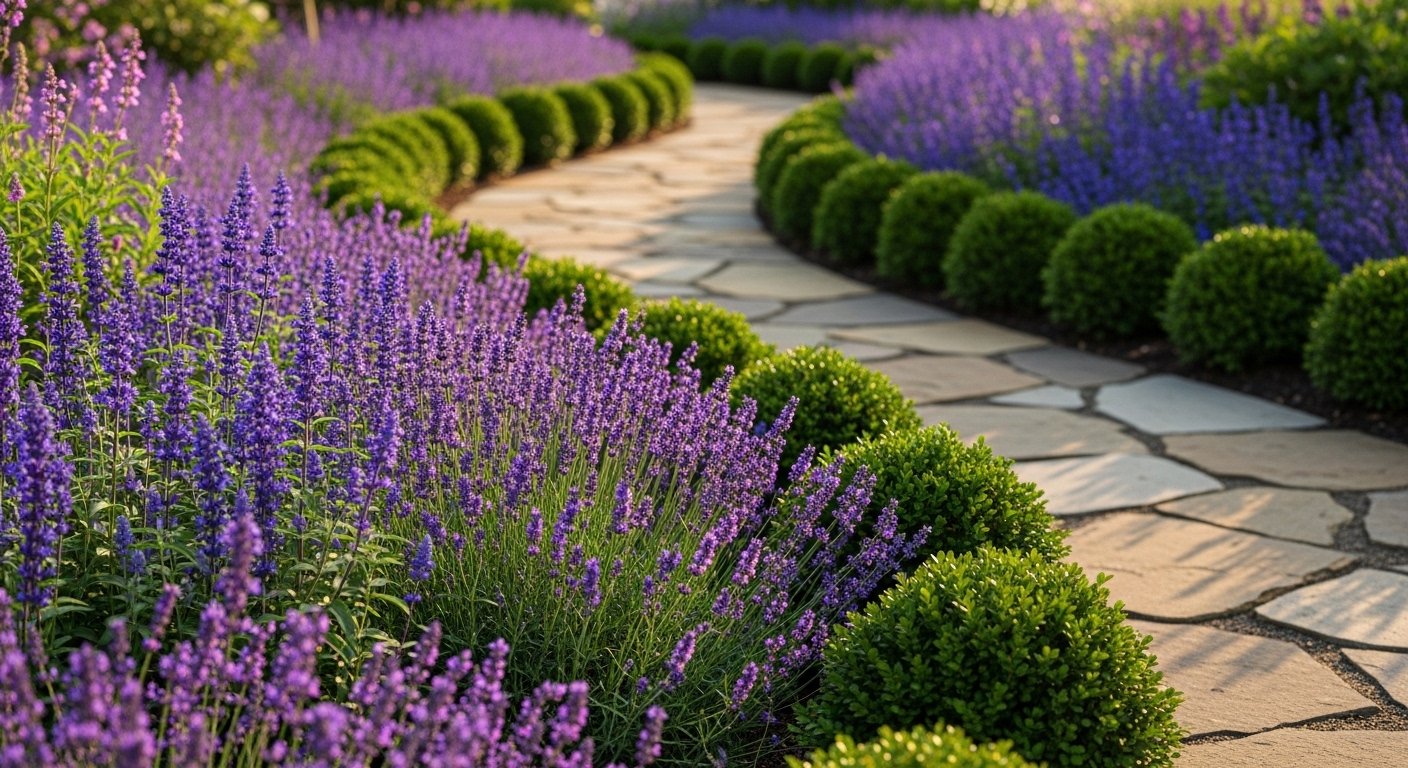
I used to think curb appeal meant flawless lawns. Then a rainy season, a missed planting window, and a crooked path taught me different.
Now I aim for practical looks that feel lived-in. These ideas are what worked on my small, real lawns—planted, pruned, and occasionally replaced.
24 Stunning Front Lawn Landscaping Ideas For Instant Curb Appeal
These 24 front lawn landscaping ideas come from hands-in-dirt experience. Each one is doable, low-drama, and clearly explained. Pick a few that fit your yard and personality.
1. Curved Flagstone Path with Mixed Borders
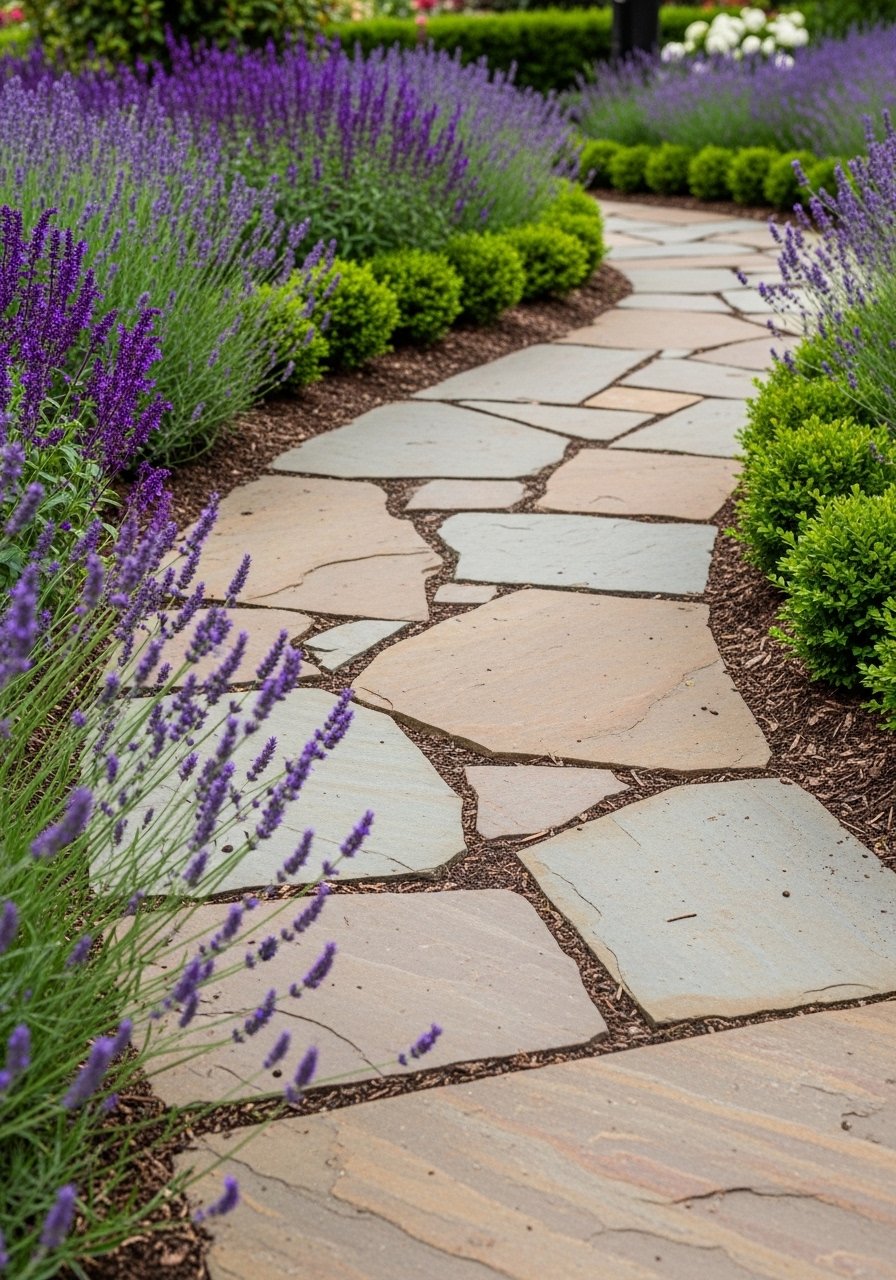
I put in a curved flagstone path after the straight concrete walkway felt harsh. The curve slowed the eye and made the front lawn feel deeper.
I planted lavender and salvia along the edges. They hide imperfect joints and release scent when warm. I learned to stagger heights; tall plants at the back, low ones at the edge.
Watch drainage—slopes will collect soil if stones aren't set well. A small gravel base keeps things stable.
What You’ll Need for This Look
- Flagstone stepping stones (irregular, 12–18 inch)
- Lavender plants (1 gallon)
- Boxwood shrubs (2 gallon)
2. Cottage-Style Window Bed Under the Front Windows
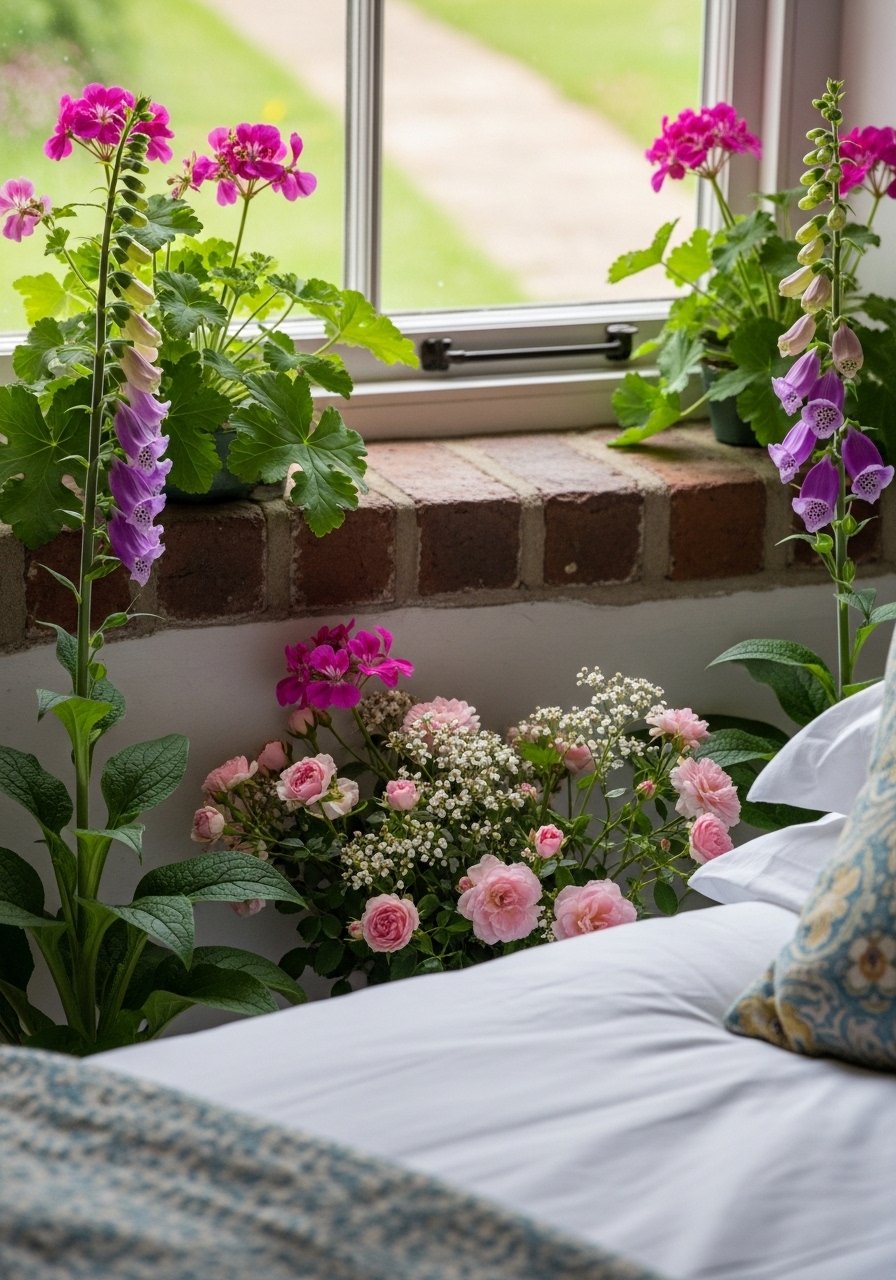
I planted a flower bed under the front windows to soften the house. I mixed foxgloves, geraniums, and a small rose. It reads cozy from the street.
My mistake: I once put a giant shrub too close to the window. It blocked light and needed relocating. Now I leave room to open windows and see over the plants.
Keep things low in front and taller toward the house. Repeat two or three colors for unity.
What You’ll Need for This Look
3. Minimalist Gravel Strip with Sculptural Planting
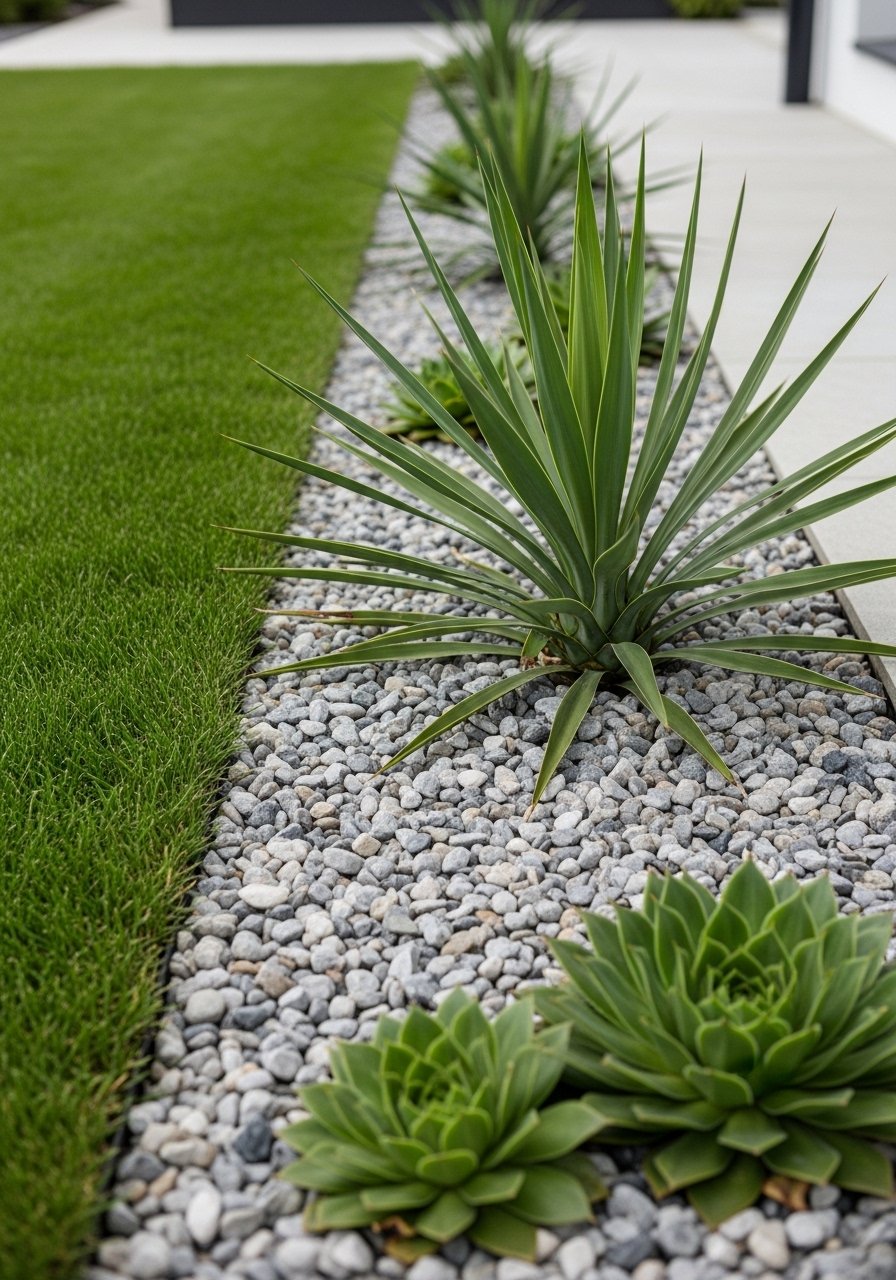
I slimmed a side strip of lawn into a gravel bed with a sculptural yucca and succulents. It reduced mowing and reads modern without being sterile.
I kept one focal plant and used drought-tolerant groundcovers to soften edges. The gravel reflects light and makes the yard feel brighter.
Check local codes for gravel near walkways. I also test soil—succulents hate compacted clay.
What You’ll Need for This Look
4. Symmetrical Boxwood and Lantern Entrance
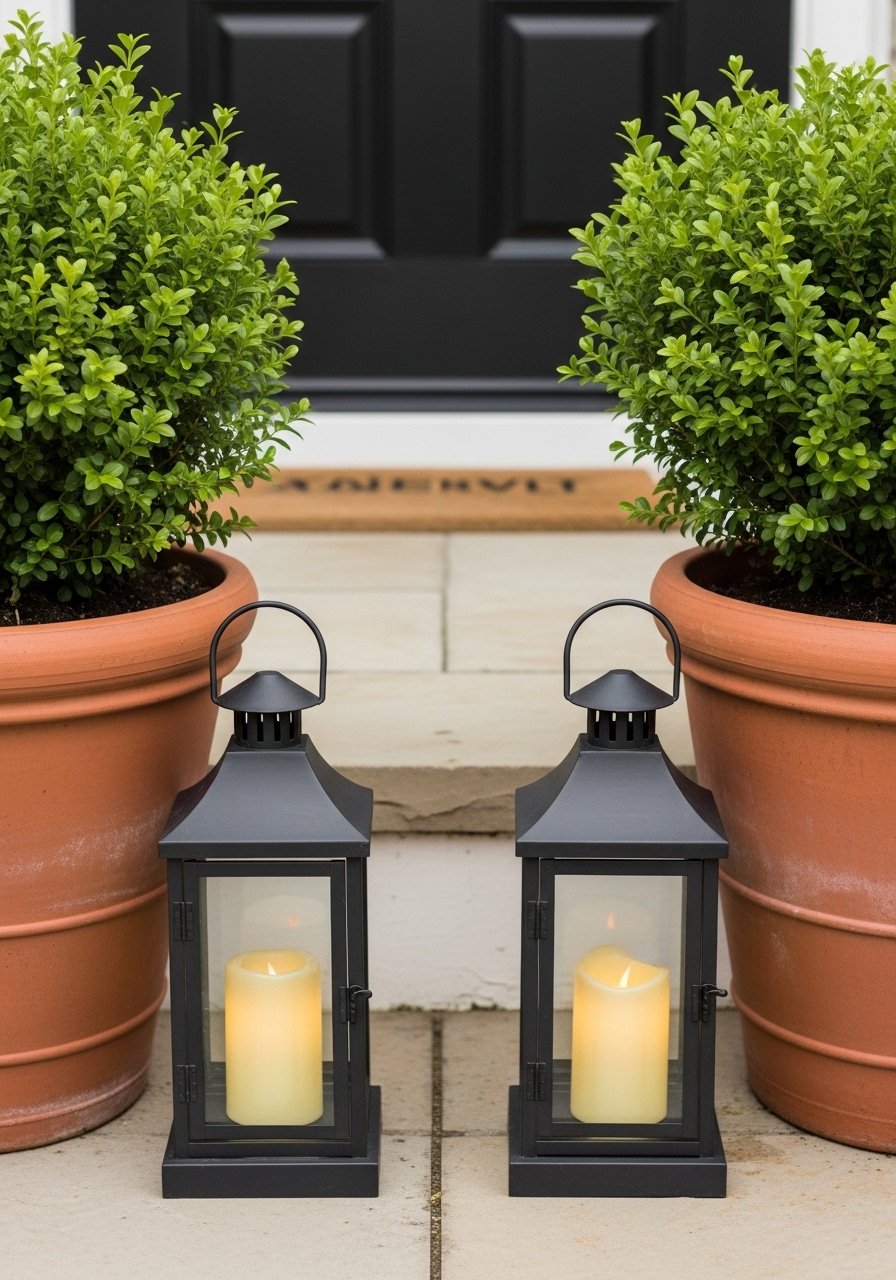
I planted matched boxwoods in pots on either side of my front steps. I added matching lanterns. Symmetry gives a tidy, intentional look.
Boxwood stays neat with light pruning. I found that matching pot size matters more than exact plant size for balance.
If your soil is poor, use containers. They frame the entry without permanent planting mistakes.
What You’ll Need for This Look
5. Cedar Raised Beds Flanking the Walkway
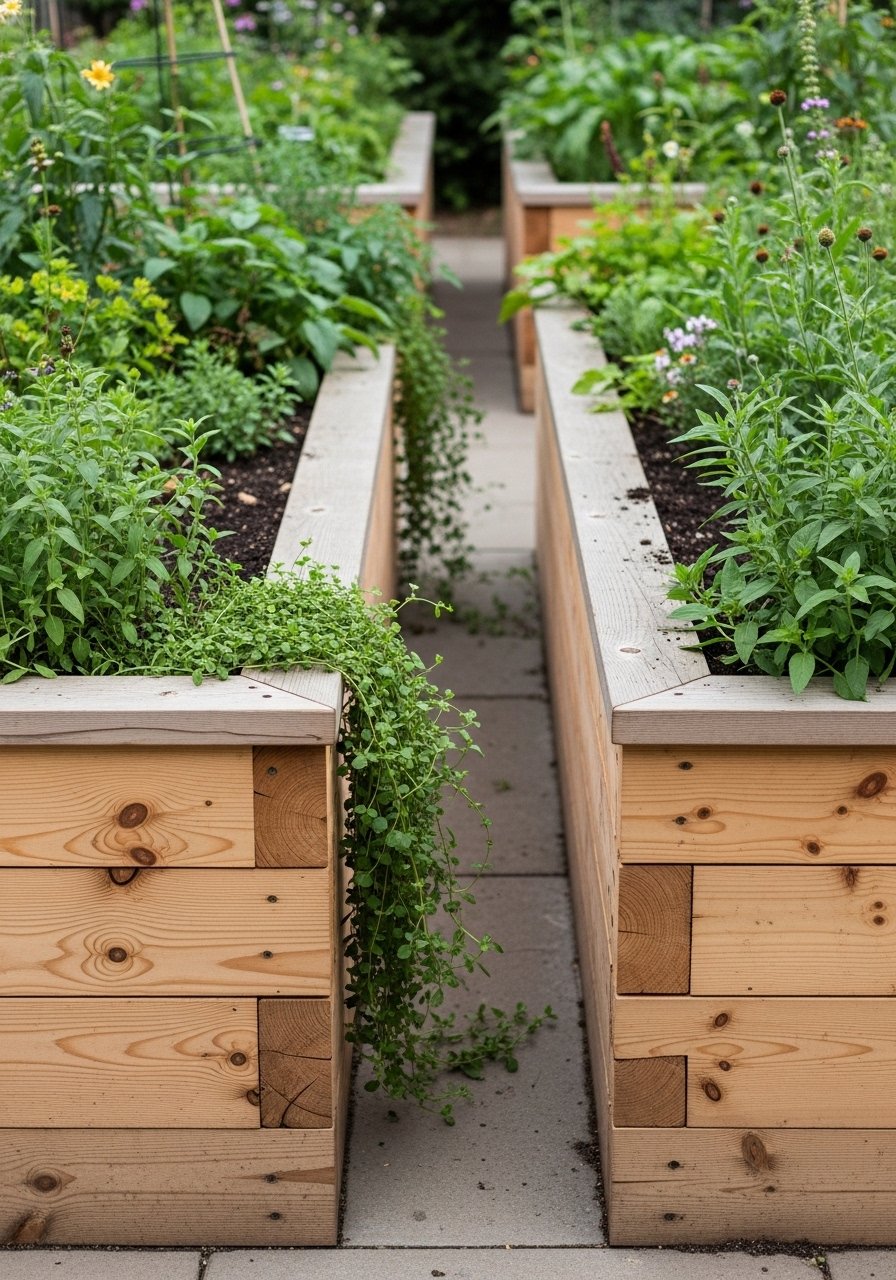
I built low cedar beds along the path and planted herbs and easy perennials. The wood warms the entrance and organizes the space.
Cedar resists rot and looks good as it ages. The raised soil drains better, which helped when our front lawn stayed soggy in spring.
Keep beds low—about 8–12 inches—so the view from the street isn't blocked.
What You’ll Need for This Look
- Cedar raised garden bed kit (48×24 inch)
- Herb starter pack (terracotta-ready)
- All-purpose potting soil
6. Native Meadow Patch for Low Maintenance
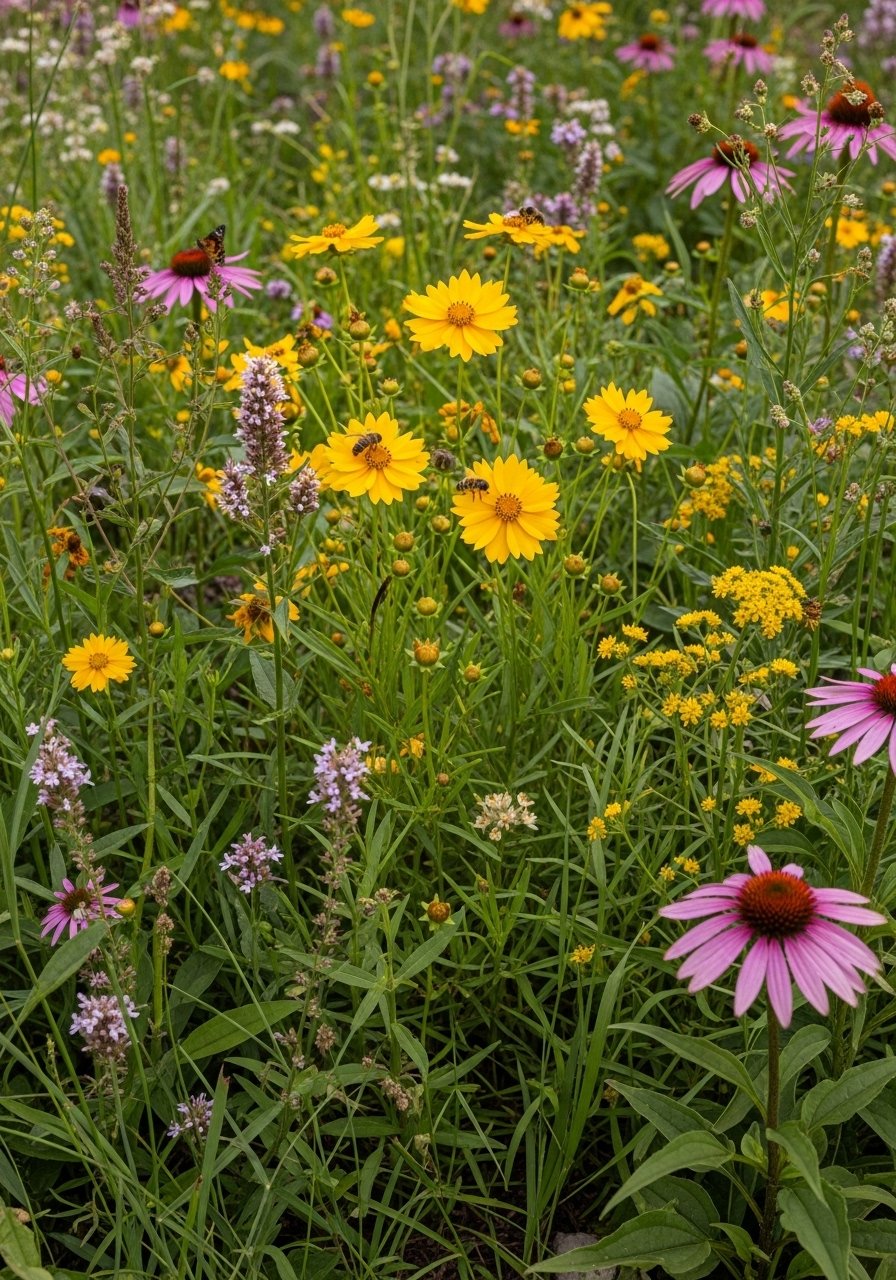
I replaced a dull strip with a native meadow patch. Coneflowers and coreopsis arrived the first year and insects followed.
It took a season to establish. I had to pull aggressive grass the first summer—my mistake was underestimating weeds. After that, it settled into a low-maintenance rhythm.
This look gives texture and seasonal color without daily fuss.
What You’ll Need for This Look
7. Rock Garden with Low Succulents and Thyme
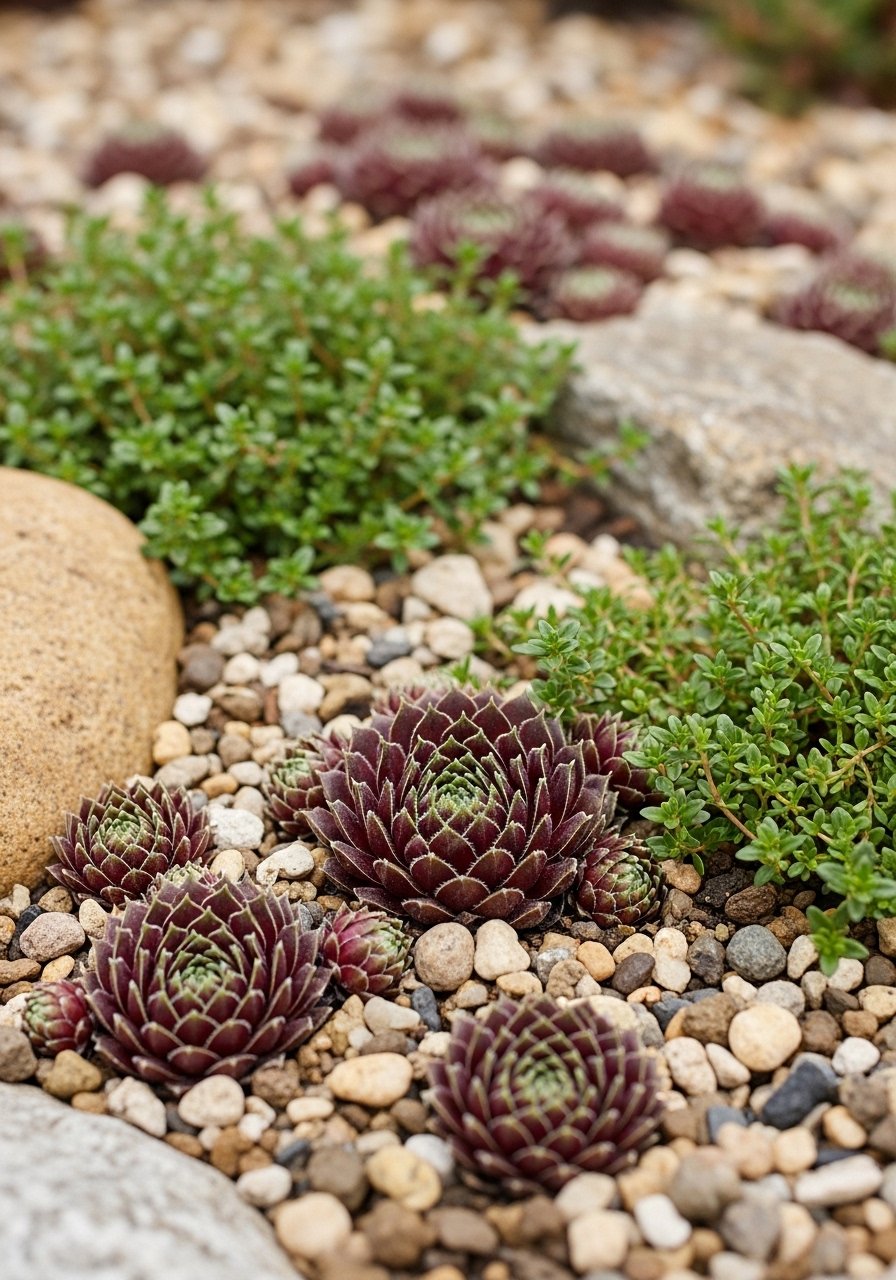
I made a small rock garden on a dry patch. Hens-and-chicks and creeping thyme filled gaps and gave year-round interest.
Early on I planted a sun-loving sedum in a shaded corner—my mistake. It sulked until I moved it. After relocating, the rock garden settled and needed almost no watering.
Use varied rock sizes and leave tiny pockets of soil for plants to root.
What You’ll Need for This Look
8. Front Yard Seating Nook with a Small Bench
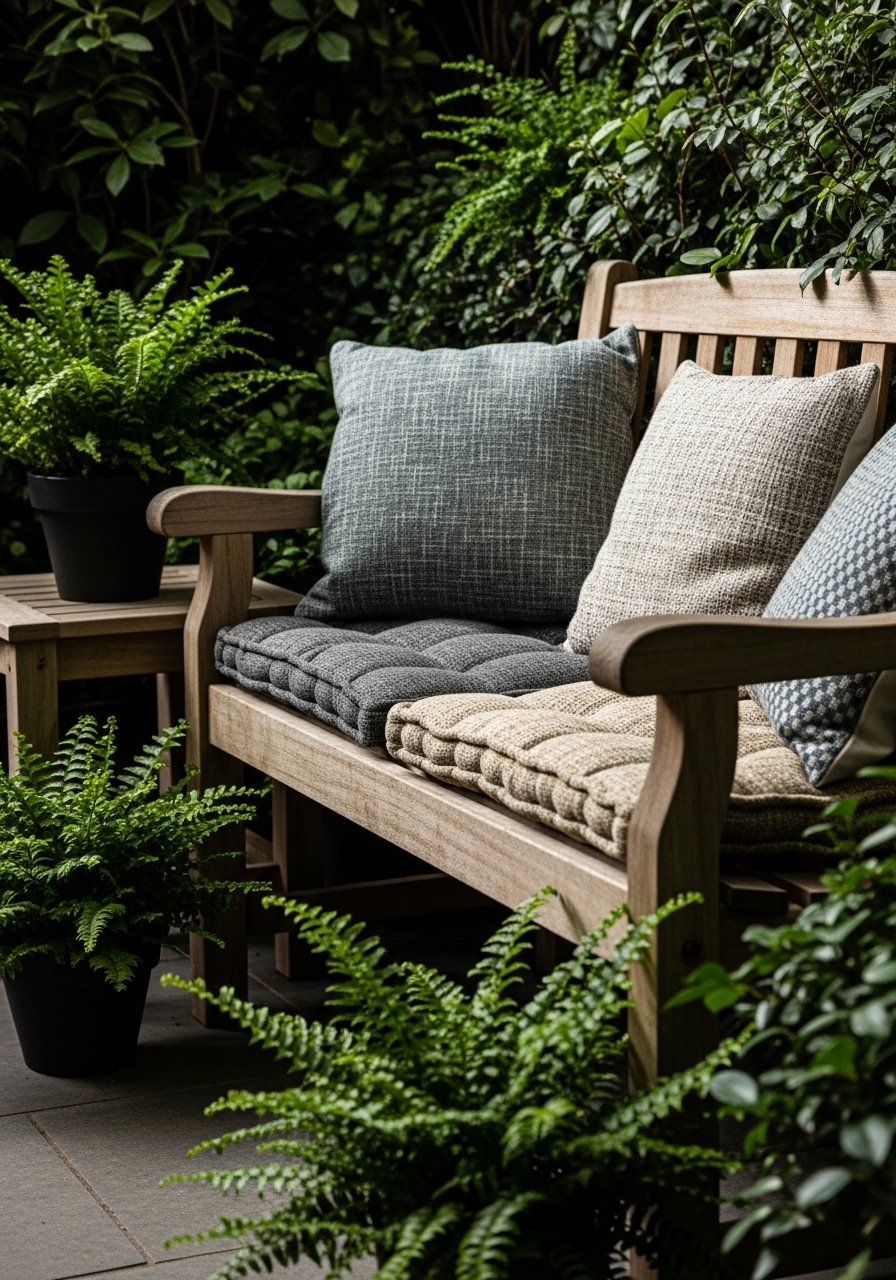
I carved a tiny seating nook under a maple near the front walk. A simple bench and potted ferns made the yard feel used and welcoming.
I tried a large sofa once—too heavy for the space. The bench fits the scale and still invites a pause.
Use weatherproof cushions and a small side table. The nook becomes a place to sip coffee and watch the neighborhood.
What You’ll Need for This Look
9. Evergreen Foundation Planting for Year-Round Shape
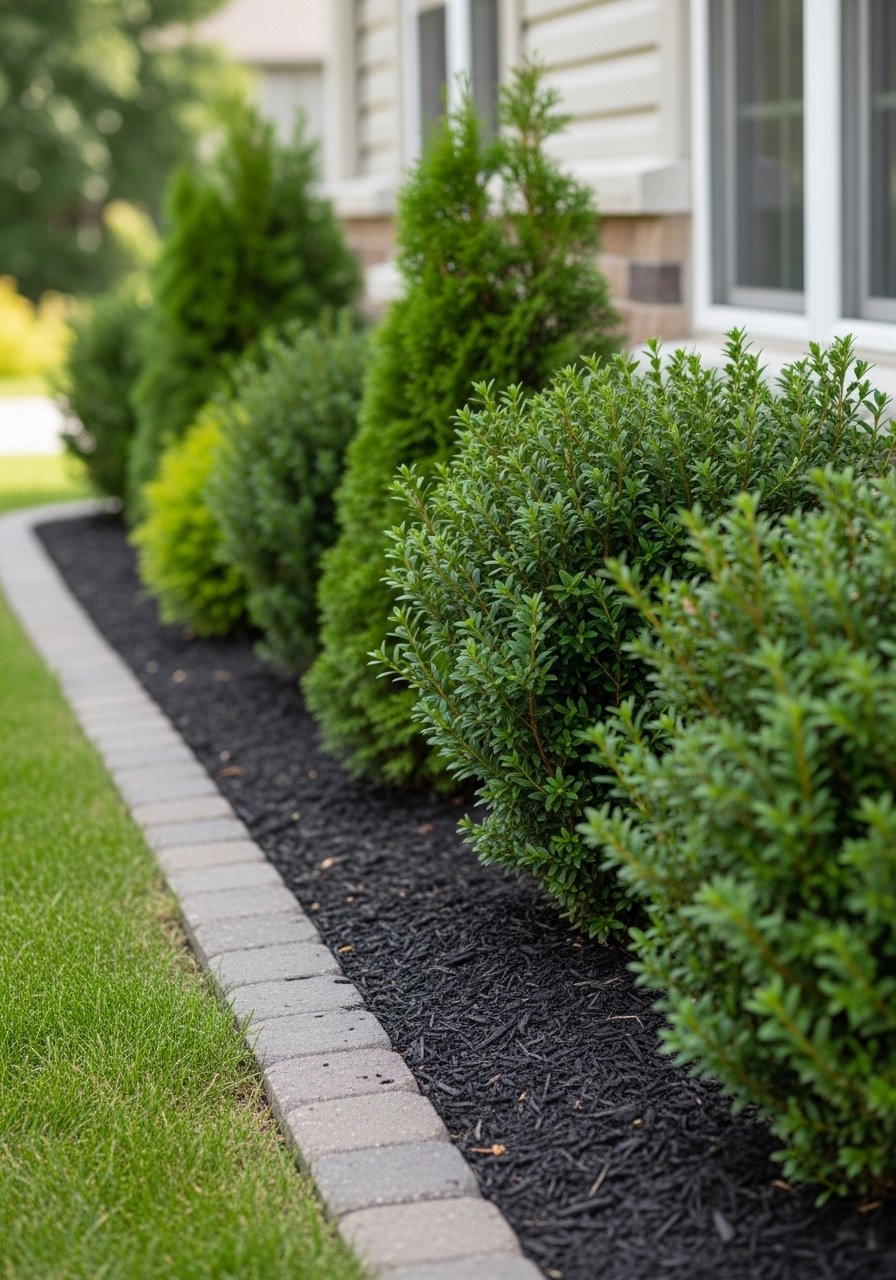
I replaced a line of roses with a mix of evergreen shrubs. The house finally had structure in winter and I didn’t miss the constant deadheading.
I mix textures—broadleaf evergreens and fine-needled varieties—to avoid monotony. I learned to space them so they don’t fight as mature plants.
Evergreen foundations add backbone. Trim lightly to keep a tidy silhouette.
What You’ll Need for This Look
10. Layered Containers on the Porch Steps
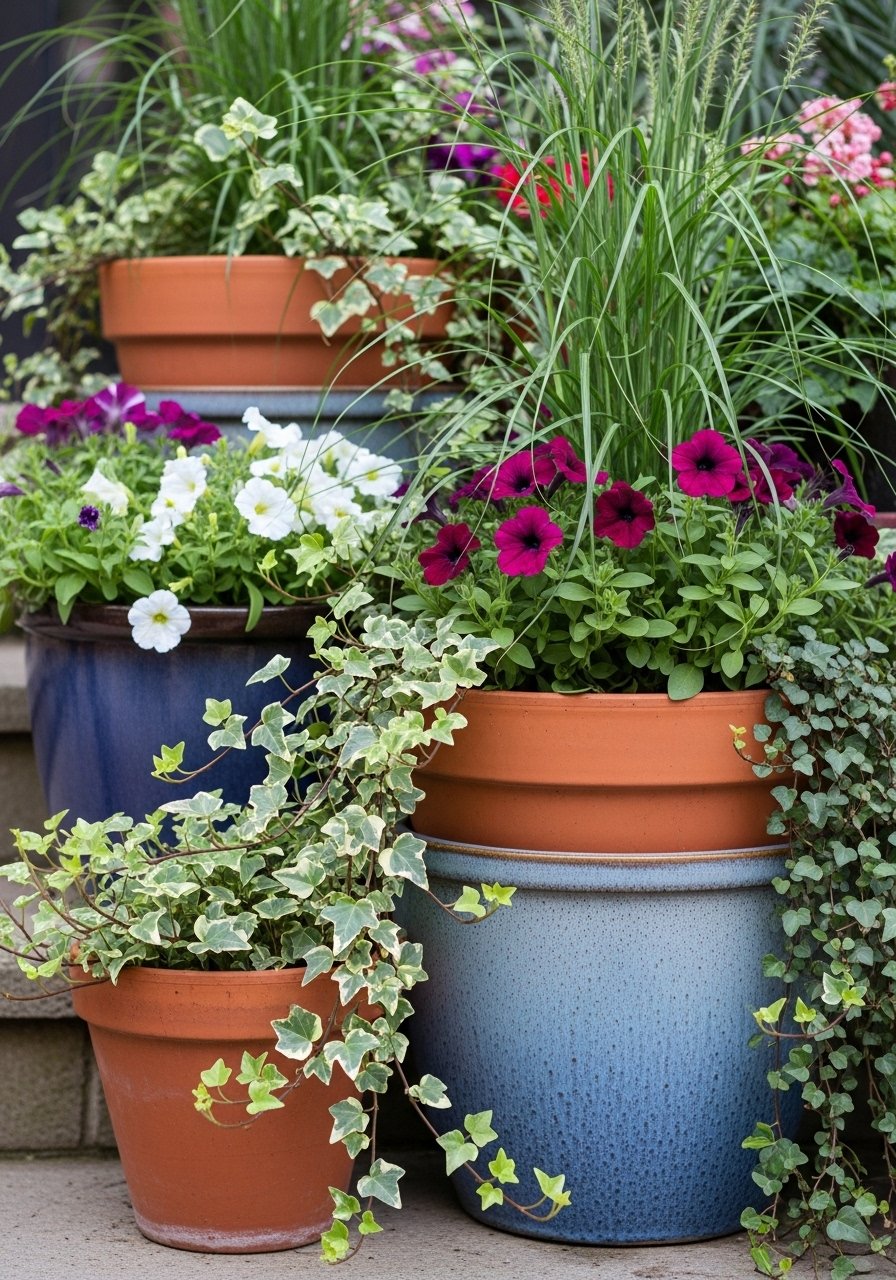
I started using layered containers on the steps because my soil is heavy clay. Tall grasses in the back, trailing ivy in front—instant depth.
I once overloaded a single pot with too many big plants. It looked crowded and stressed. Now I use two or three pots per side and let each plant breathe.
Rotate seasonal color and use quality potting mix. Containers are flexible and forgiving.
What You’ll Need for This Look
11. Warm Solar Path Lights Along the Walkway

I swapped half-broken wired lights for solar path lights. They charge in the day and glow warm at night—no wiring fuss.
I tested a few brands. Cheap ones faded quickly. Investing in a mid-range set cut replacements and kept consistent light. Place them where summer foliage won't overshadow the panels.
Solar lighting adds safety and mood without electricians.
What You’ll Need for This Look
12. Low Hedge with Scattered Flower Accents
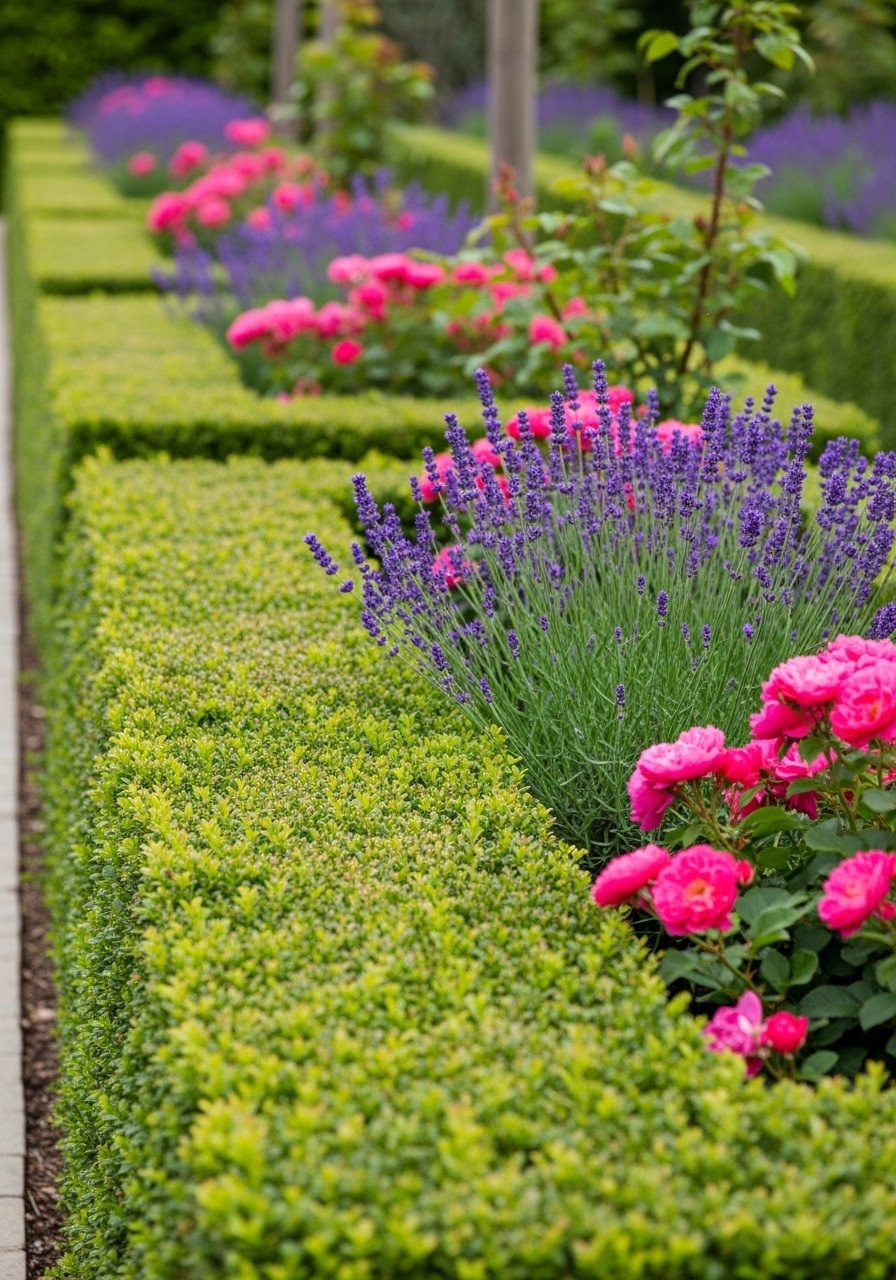
I clipped a low hedge along the sidewalk and added pockets of lavender and small roses. The hedge feels intentional and the flowers break monotony.
I used a mix of evergreen and deciduous hedging for texture. I recommend pruning gently the first years to train a tidy line.
Hedges give privacy and a clear edge. Leave gaps for seasonal color.
What You’ll Need for This Look
13. Mixed Ornamental Grasses for Movement
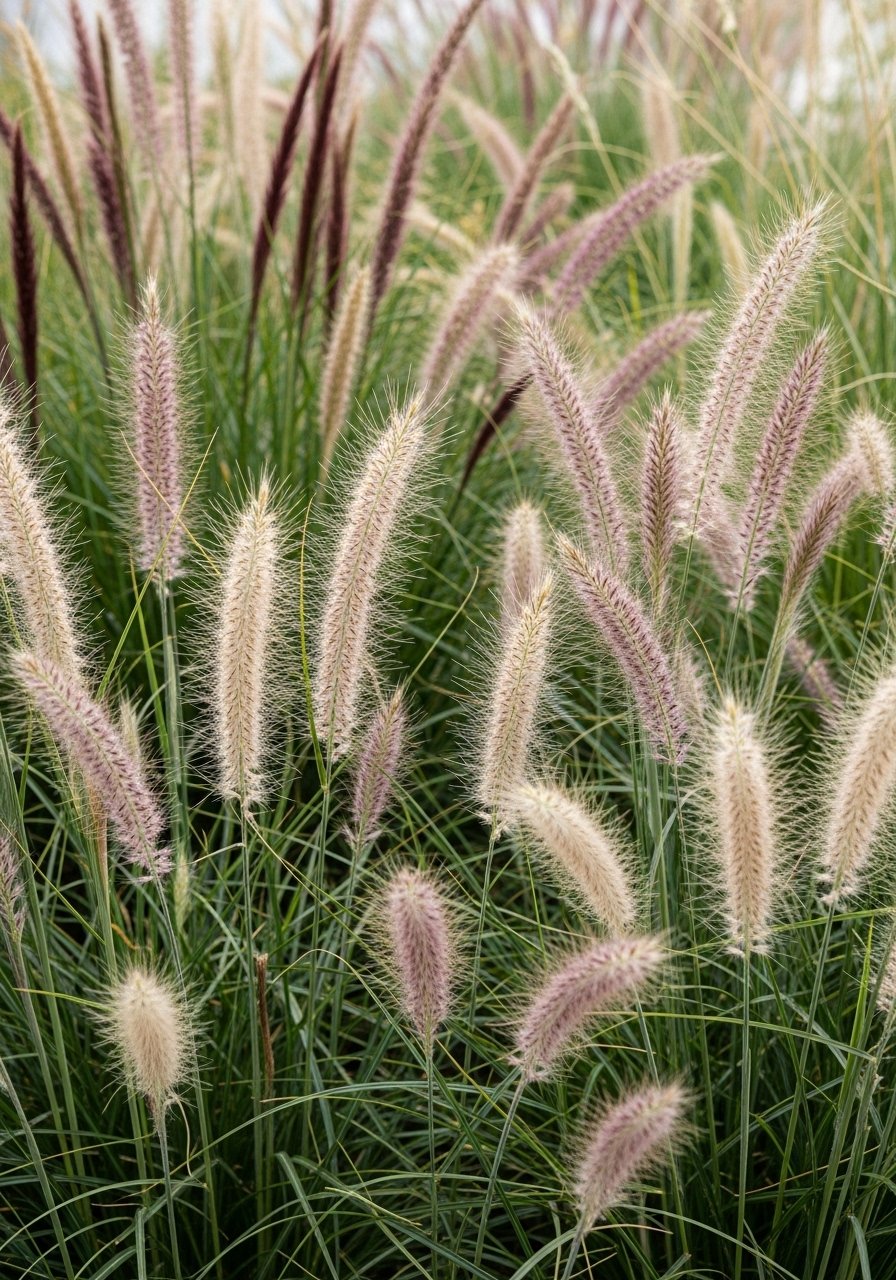
I planted mixed ornamental grasses to add movement and sound. They sway in the breeze and look good even when browned in winter.
I mix heights and leaf textures. Use grasses as background plants or repeat them in groups for impact. They’re forgiving about soil and require little water once established.
Leave old foliage through winter and cut back in spring for clean regrowth.
What You’ll Need for This Look
14. Split-Rail Fence with Climbing Roses
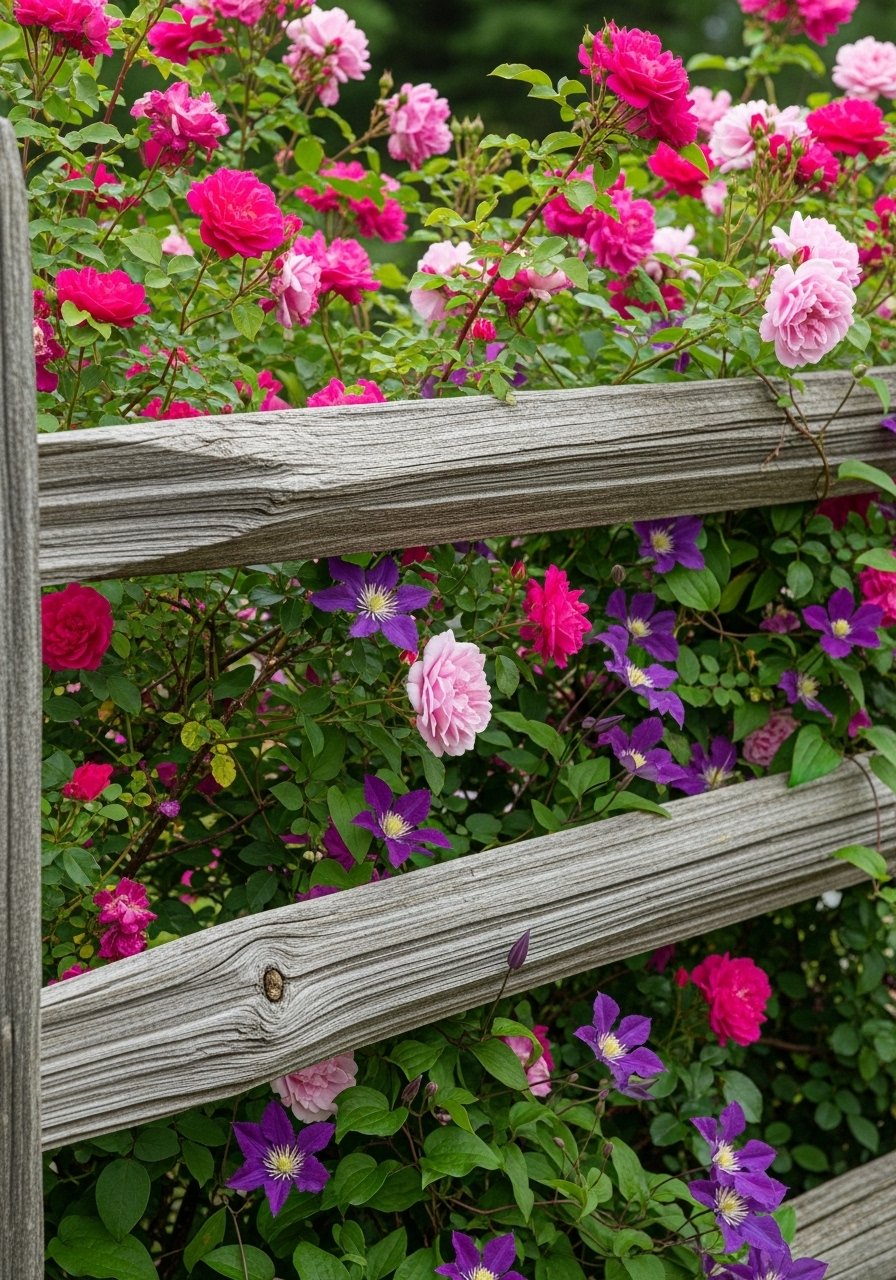
I added a short split-rail fence and trained climbing roses and clematis through it. It marks property and looks romantic without needing a full formal fence.
At first I used a vigorous rose that took over a neighbor’s bed—lesson learned. Choose varieties suited to your space and train them gently.
A low fence keeps things open while adding charm.
What You’ll Need for This Look
15. Mulch and River Rock Contrast Bed
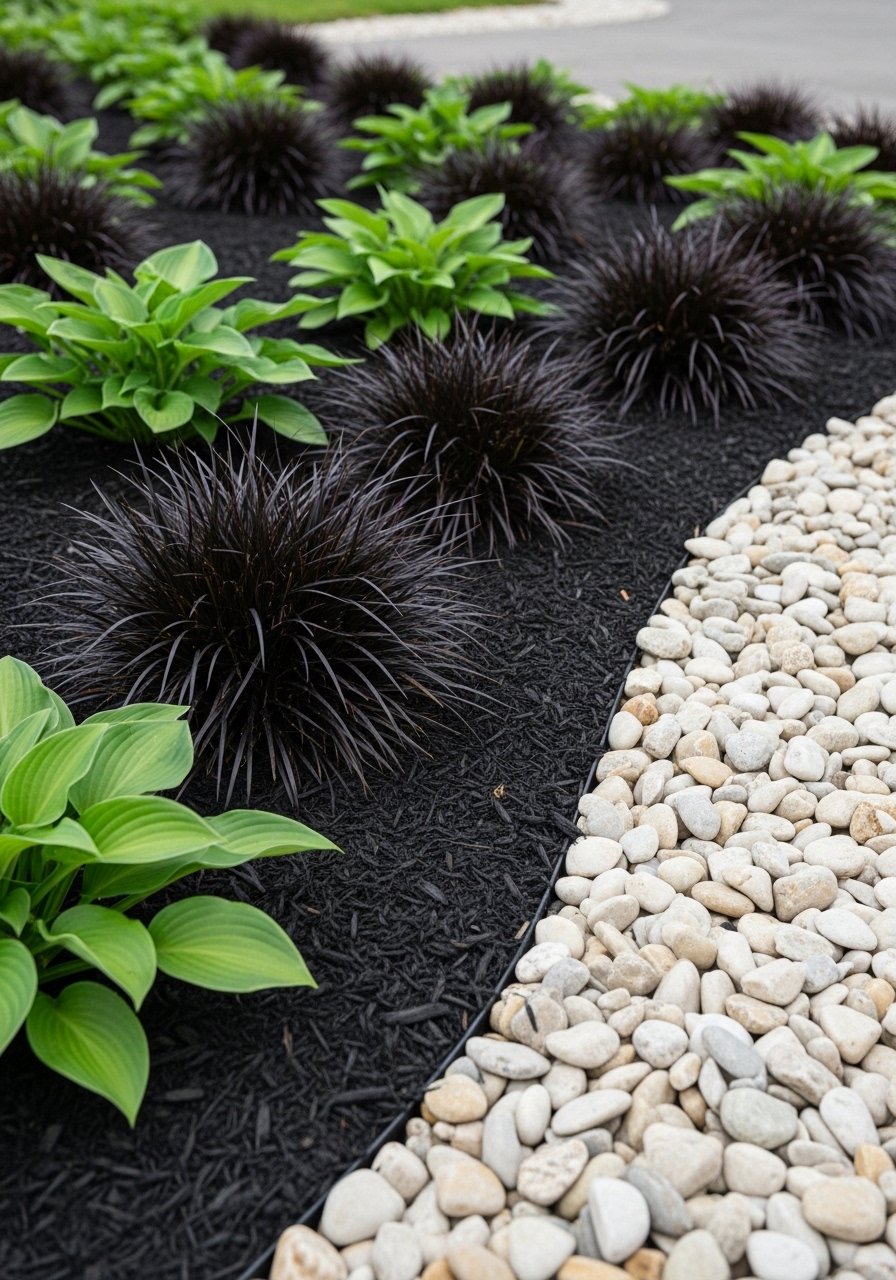
I bordered a planting bed with river rock against dark mulch. The contrast is crisp and low maintenance.
I planted shade-tolerant hostas and black mondo grass to emphasize the contrast. Rocks keep edges tidy and reduce weeding along driveways.
Avoid piling rocks against plant stems. A clean separation keeps plants healthy.
What You’ll Need for This Look
16. Rain Garden for a Soggy Corner
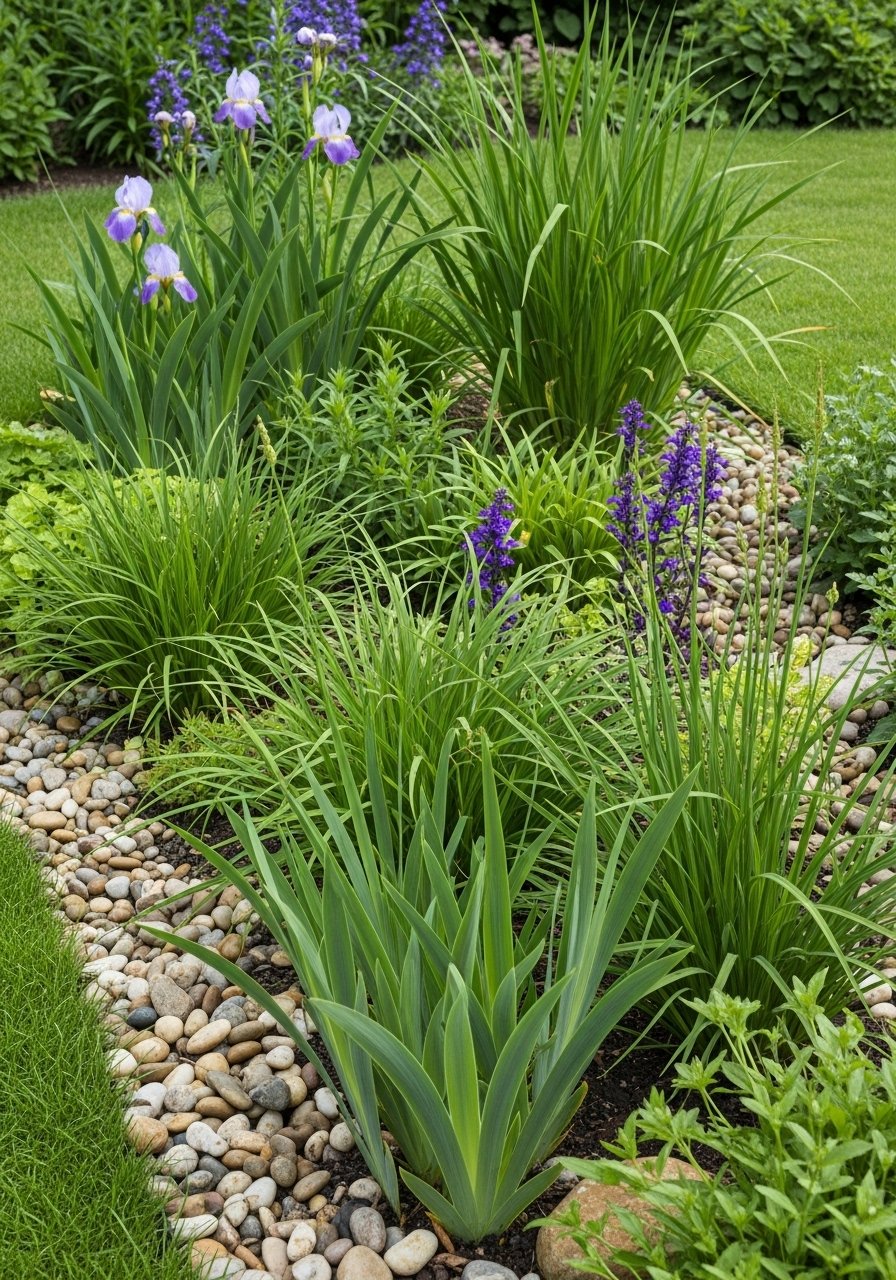
I dug a shallow rain garden where water pooled every spring. Iris, sedges, and joe-pye weed turned a muddy nuisance into a feature.
My first instinct was to plant roses there—big mistake. They drowned. The rain garden taught me to choose plants that like wet feet.
Place it where runoff naturally flows and plant in layers for texture.
What You’ll Need for This Look
17. Small Evergreen Trees as Scaled Focal Points
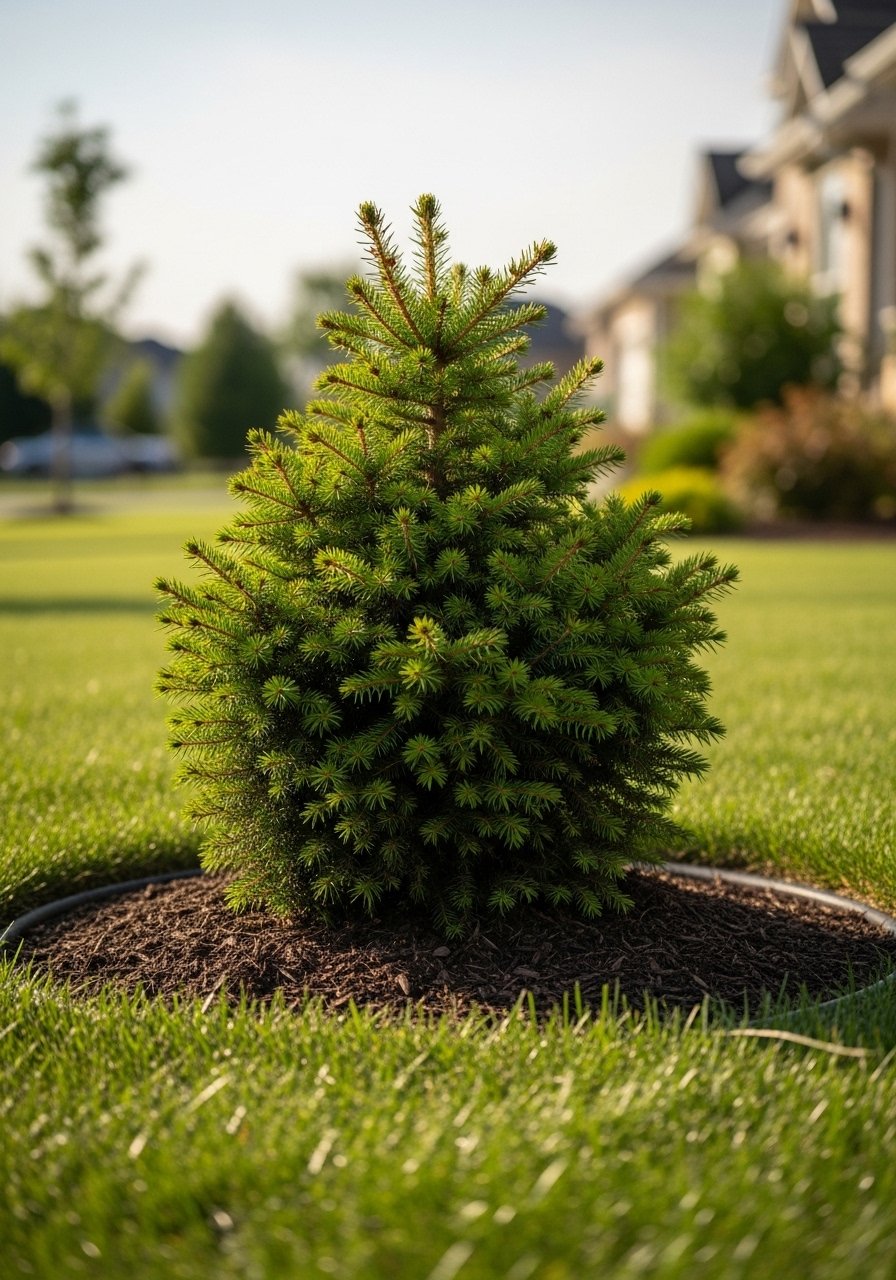
I planted a small evergreen tree to anchor the lawn without overwhelming it. A dwarf spruce gives winter structure and vertical interest.
I chose a slow-grower to avoid future pruning drama. Early placement matters—move a baby tree now and you avoid a big transplant later.
Use mulch to keep roots cool and water during the first few years.
What You’ll Need for This Look
18. Recycled Planter Arrangement with Salvaged Pieces
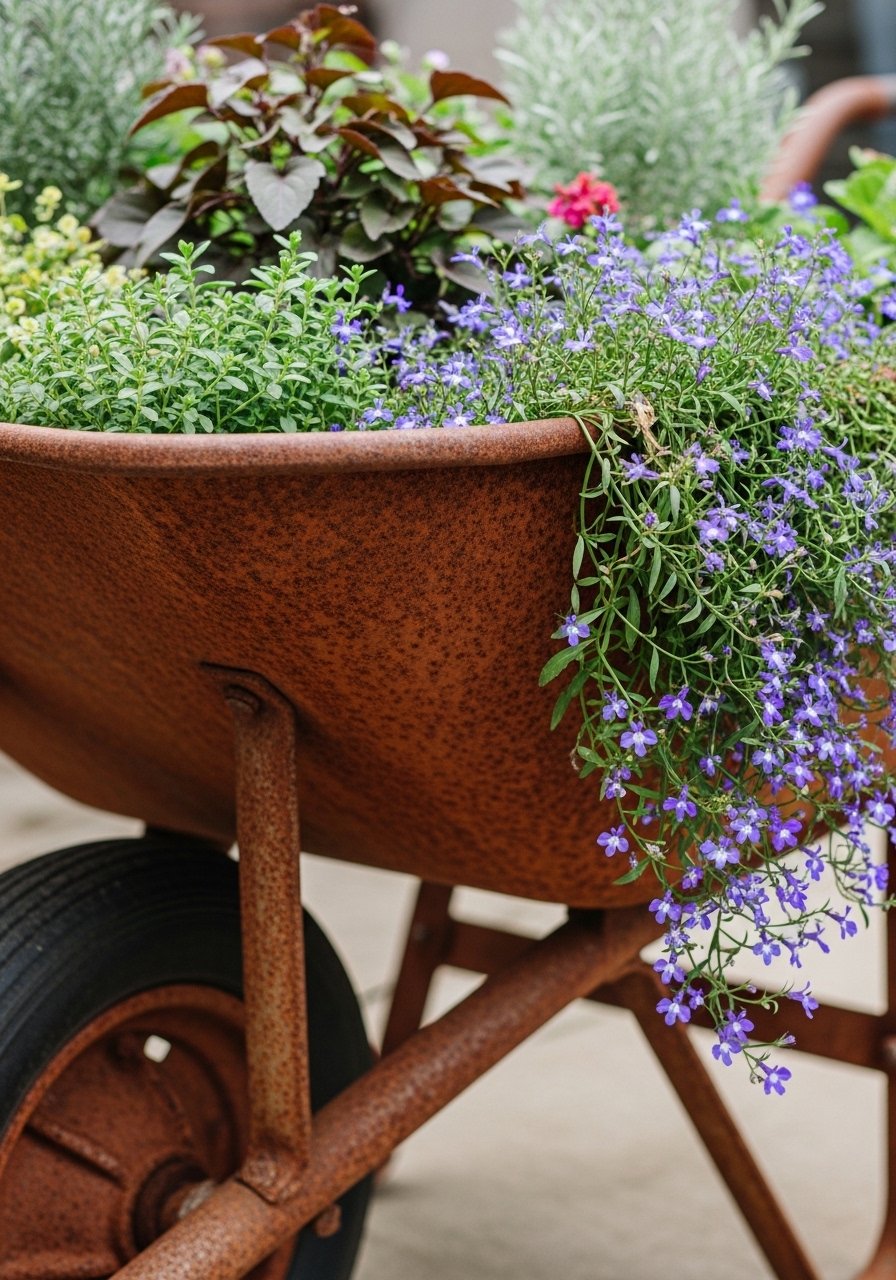
I love using old things as planters. A salvaged wheelbarrow filled with herbs and annuals adds personality.
The metal can heat up in summer—my mistake was not drilling drainage holes first. Now I check and line containers as needed.
Recycled planters are unique and budget-friendly. Just make sure drainage and soil depth work for the plants.
What You’ll Need for This Look
- Metal planter tray or vintage wheelbarrow
- Potted herb starter kit
- Drill bit for metal (for drainage)
19. Color-Block Planting for Bold Visual Impact
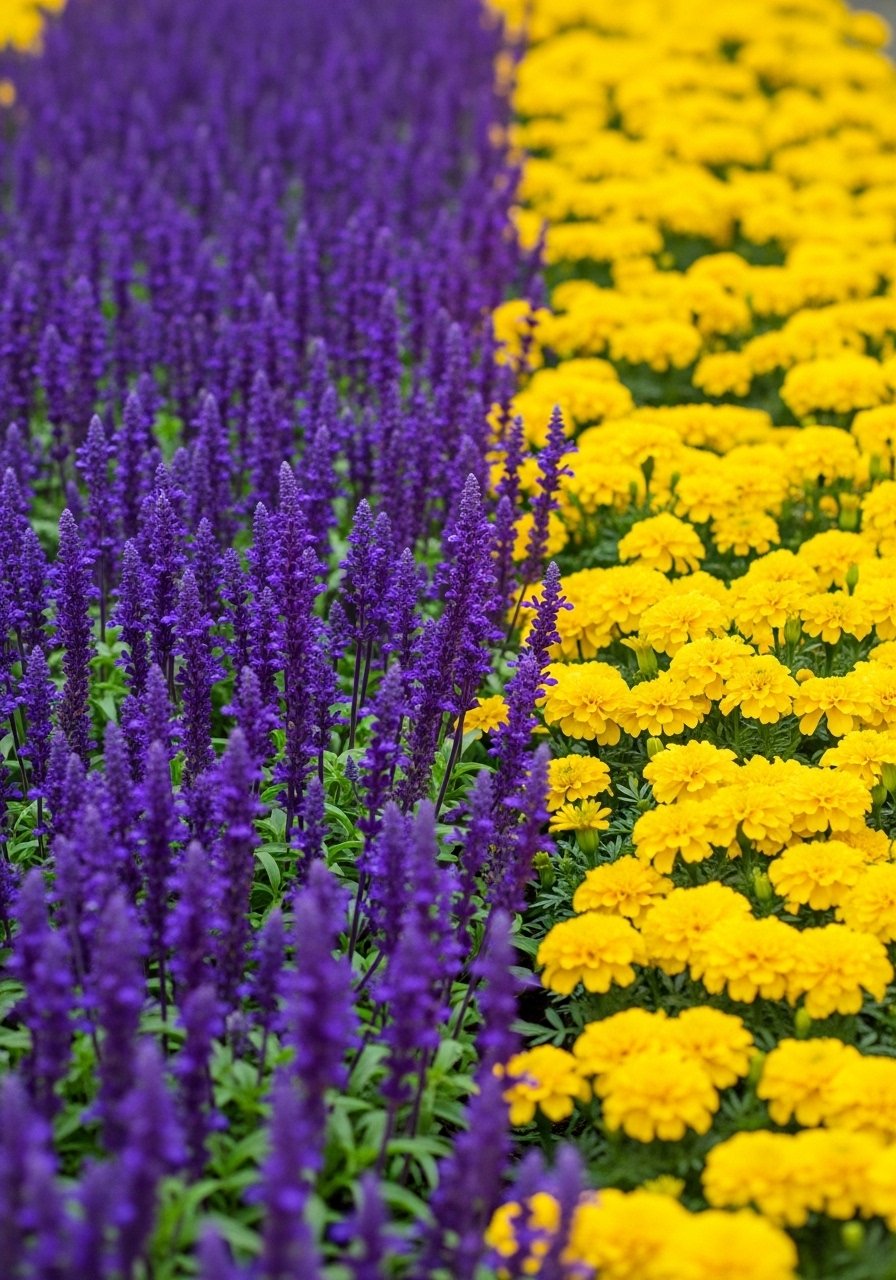
I planted color blocks—one mass of purple salvia next to a swath of yellow marigolds. From the street it reads like a simple, bold stripe.
It needed more plants than I guessed to read from distance. I filled gaps the following season and the effect became immediate and graphic.
Color-blocking is an easy way to make small yards feel intentional.
What You’ll Need for This Look
20. Kid-Friendly Play Patch with Durable Groundcover
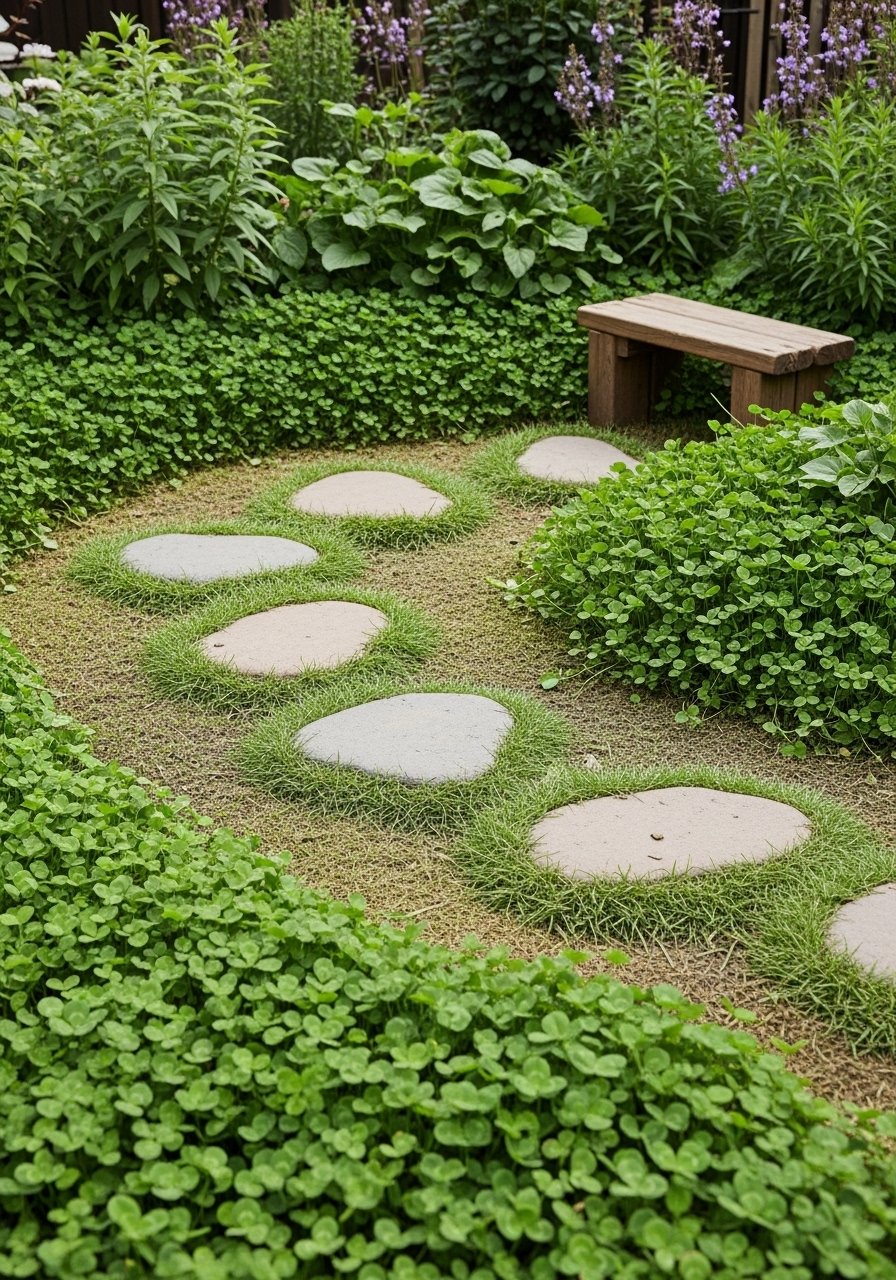
When kids sprint across my lawn, certain plants couldn't survive. I replaced a worn spot with a clover-turf mix and stepping stones.
Clover tolerates traffic and stays green with less watering. I still keep a small turf strip for ball games, but the clover patch takes heavy wear.
Choose durable groundcovers and accept a lived-in look.
What You’ll Need for This Look
21. Mailbox Garden with Year-Round Interest
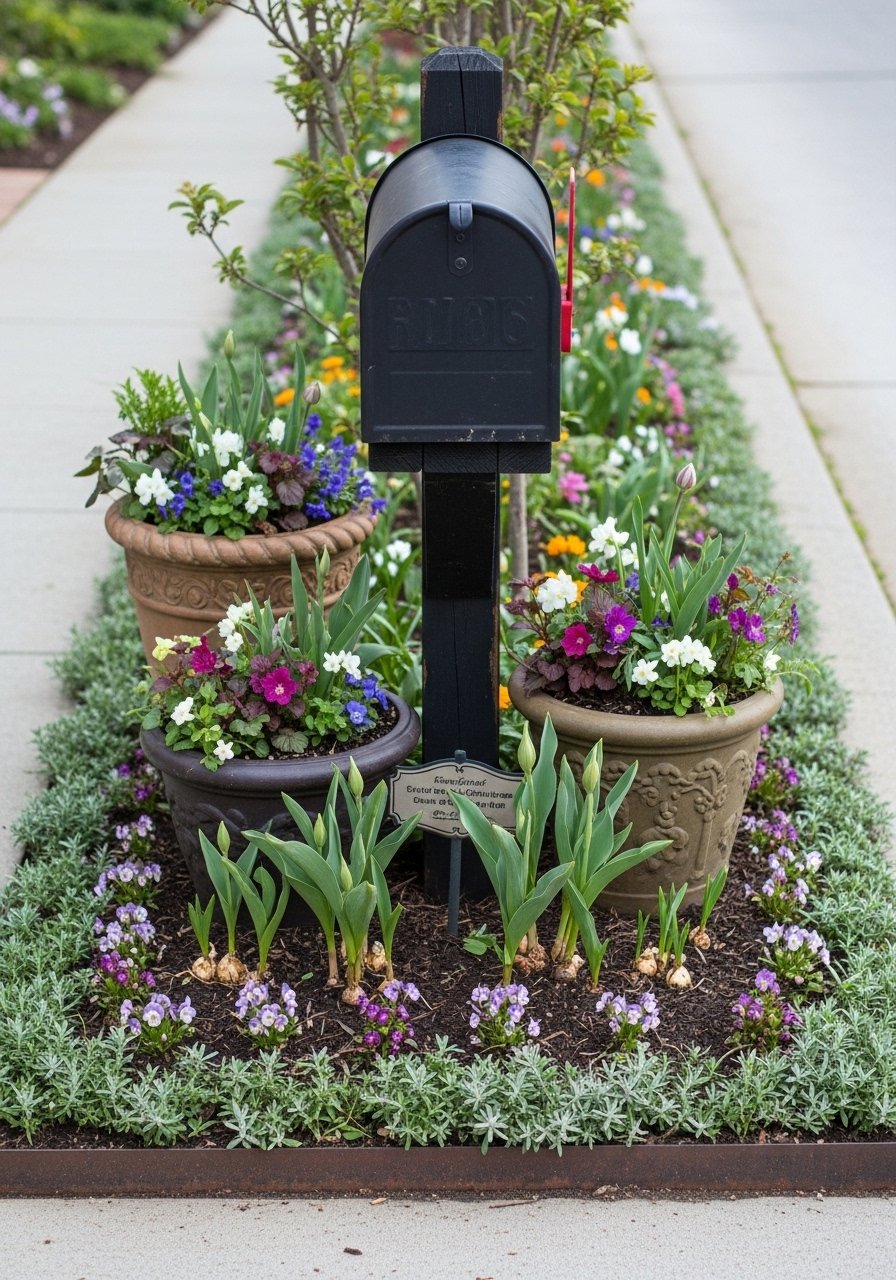
I planted around the mailbox to make that tiny corner work for the whole yard. Daffodil bulbs, summer perennials, and wintered ornamental kale give year-round interest.
I once planted a tall shrub that blocked mail pickup—learned the hard way to keep clearance for service access.
Mailbox gardens are small but high-impact. Keep scale in mind.
What You’ll Need for This Look
22. Vertical Porch Planters for Small Entries
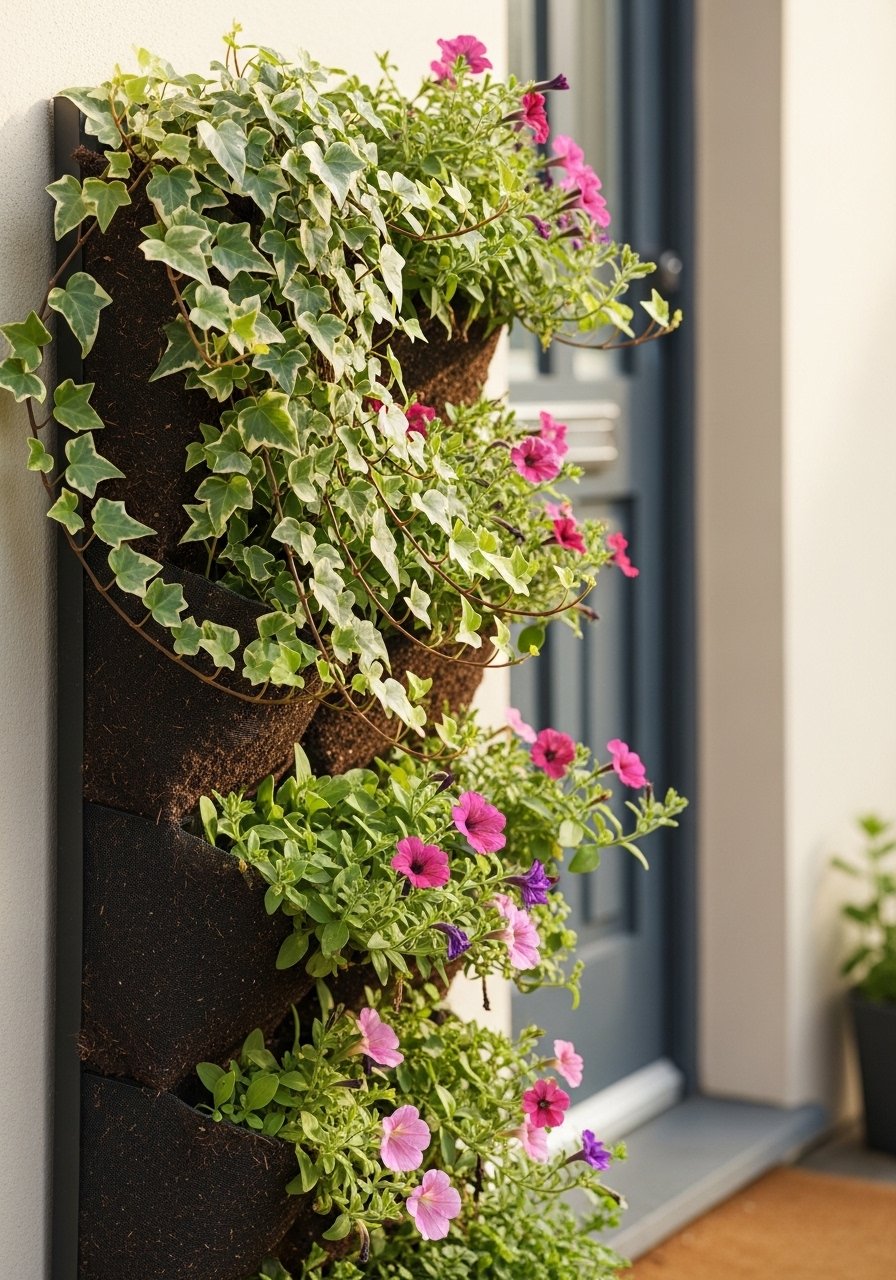
I used vertical planters on my small porch when floor space was tight. Layers of trailing petunia and sweet potato vine added lushness without crowding.
I learned to check drainage and rotate plants seasonally. Vertical planters dry faster, so plan a watering routine.
They’re a smart way to get big impact in a small footprint.
What You’ll Need for This Look
23. Gravel Driveway with Native Planted Edges
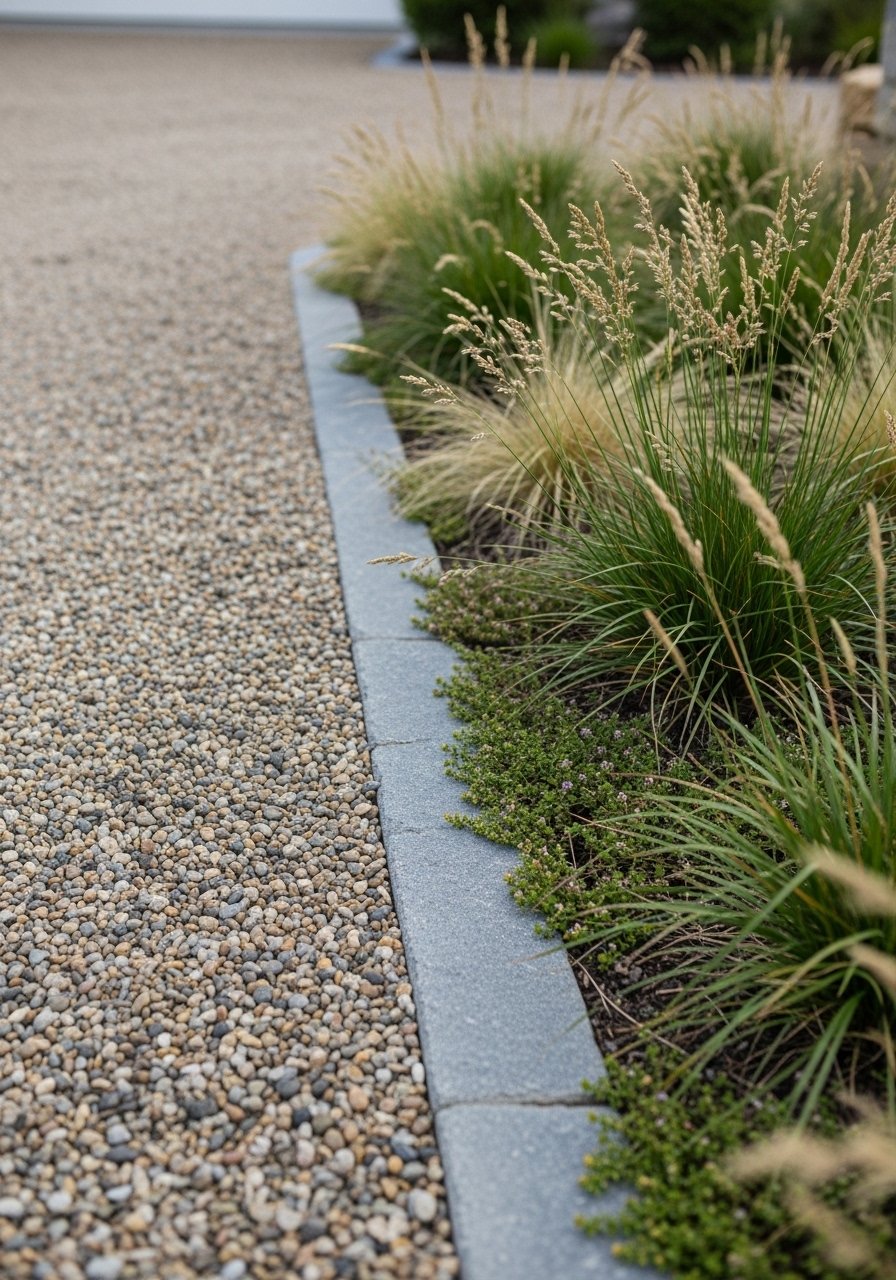
I replaced an asphalt edge with gravel and native grasses. It softened the driveway and reduced runoff.
I use a compacted base to keep gravel from migrating into beds. Native edges provide seasonal interest and habitat.
It’s low-maintenance once established and looks informal and lived-in.
What You’ll Need for This Look
24. Tree Uplighting to Define Evenings
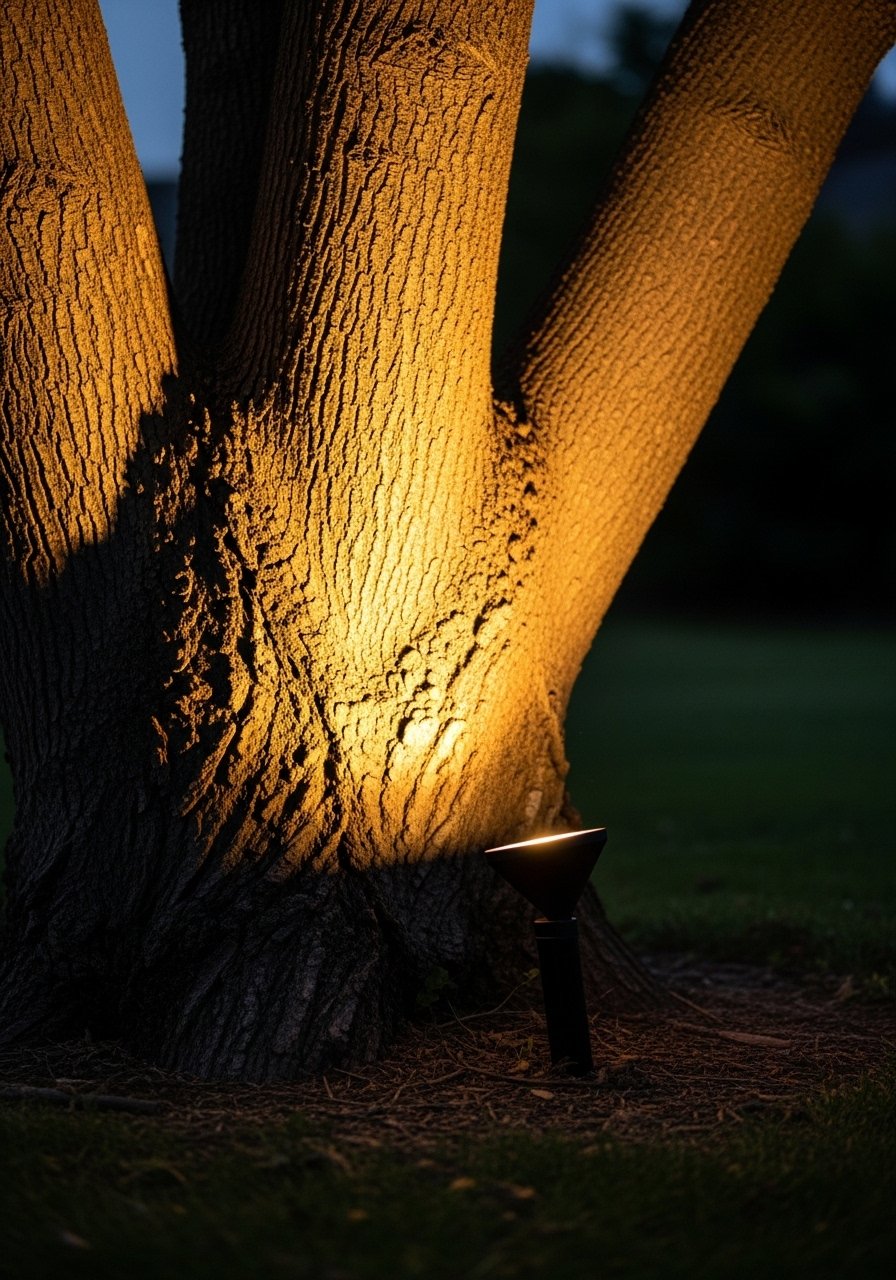
I added uplighting under a front plane tree. At dusk the trunk and canopy glow and the yard reads as cared-for, even on a weekday night.
I aimed lights low so they wash the trunk without blinding neighbors. Using warm LEDs keeps the light soft and inviting.
Lighting extends the usefulness of your lawn and highlights favorite plants.
What You’ll Need for This Look
Final Thoughts
You don't need to try all 24 ideas. Pick two or three that fit your yard and your time.
I start small, learn from what doesn’t work, then expand. That’s how real curb appeal builds—one honest project at a time.
Leave a Reply