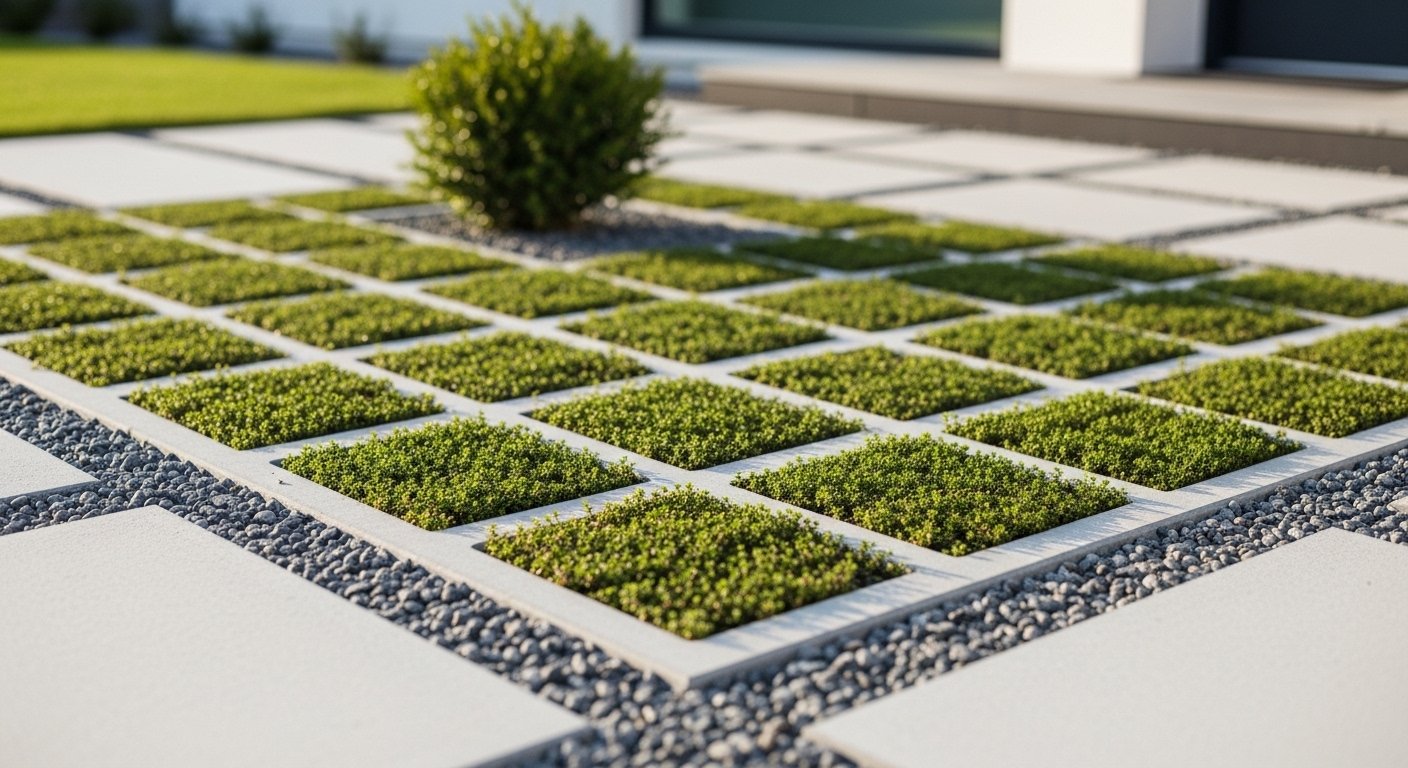
I used to overplant everything. My front lawn looked busy and tired for years.
Then I learned how restraint reads as elegance. Simple lines, a few strong plants, and quality pots changed the whole house.
These ideas are what actually worked for me. Practical, modern, and doable.
29 Elegant Modern Front Lawn Landscaping Ideas For A Sleek Exterior
These 29 ideas are real, low-fuss options you can copy. I tried them, flubbed some, and note what mattered most.
1. Grid Pavers with Low Groundcover
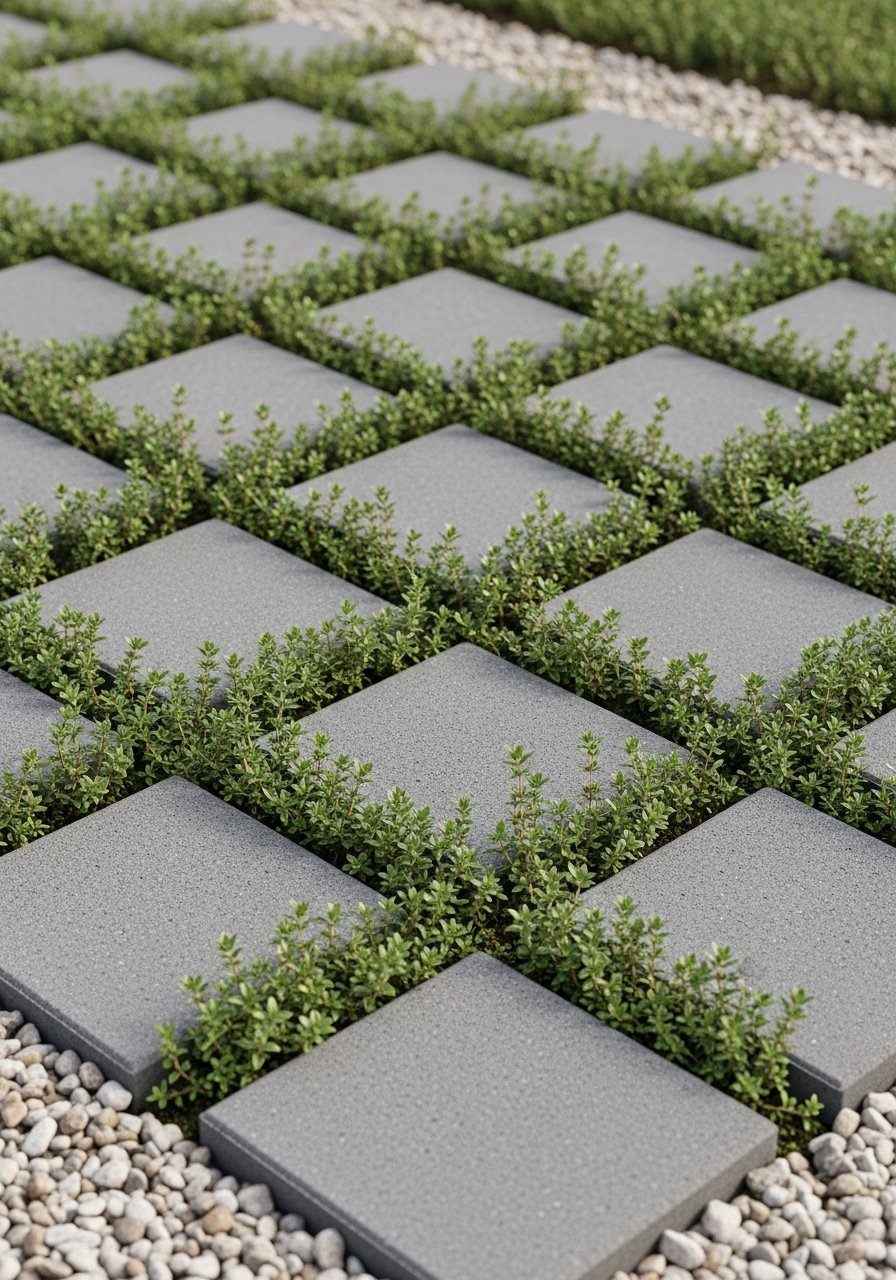
I laid a paver grid to break up the lawn without losing green. The joints filled with thyme look neat and smell good in summer. I learned to space pavers wider than I first tried — too close felt crowded.
Visually it’s calm and modern. It reduced mowing and gave the entrance a tidy, walkable feel. Keep the joint soil shallow so the groundcover doesn’t overrun the pavers.
What You’ll Need for This Look
2. Narrow Turf Ribbon Flanked by Gravel
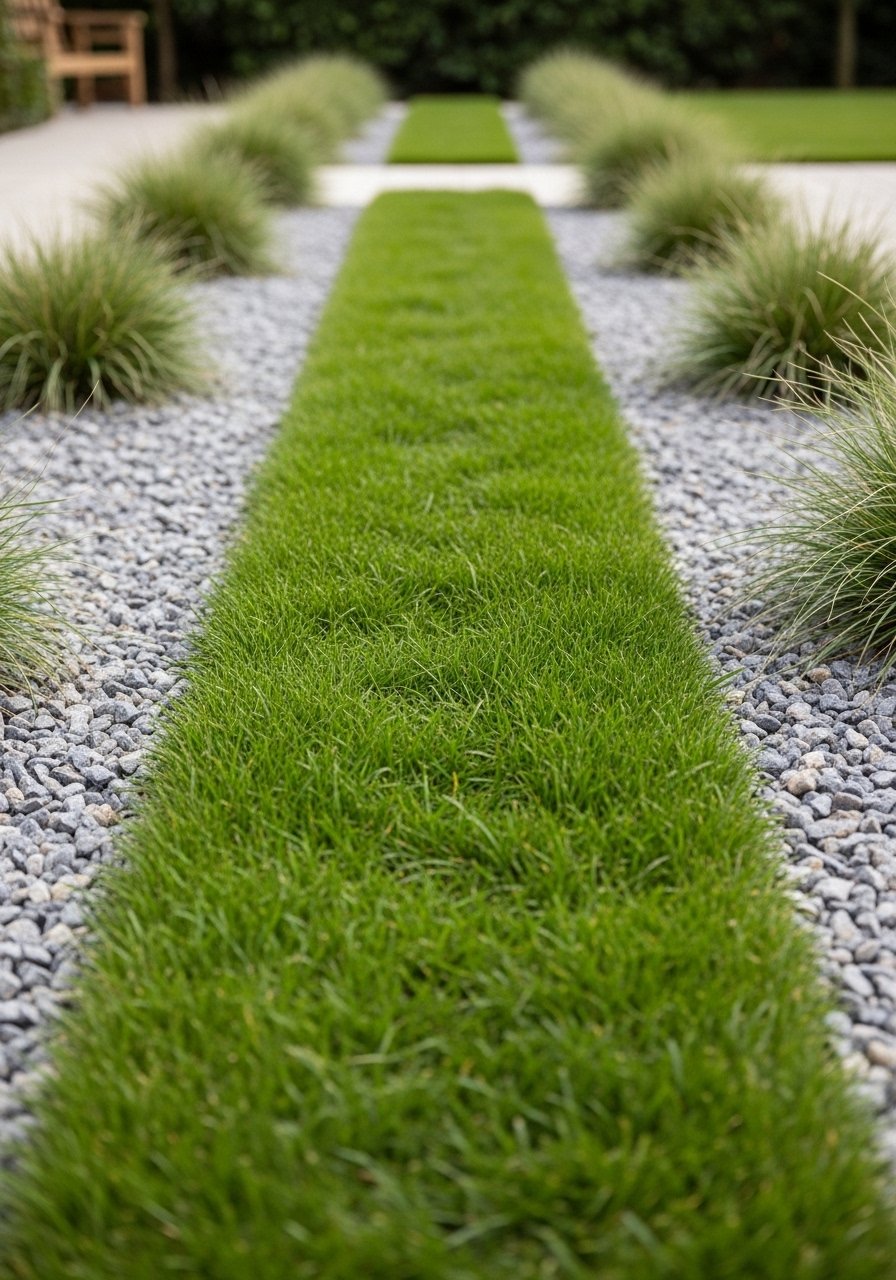
I once planted the wrong turf here and it got patchy fast. After switching to fine fescue, the thin ribbon stayed lush with less water. The gravel edges cut maintenance and make the strip read intentional.
It’s a modern, linear look that guides the eye to the front door. Watering is easier because the gravel doesn’t hold moisture. Keep the turf narrow — under three feet works for most homes.
What You’ll Need for This Look
3. Boxy Evergreen Hedge for Clean Lines
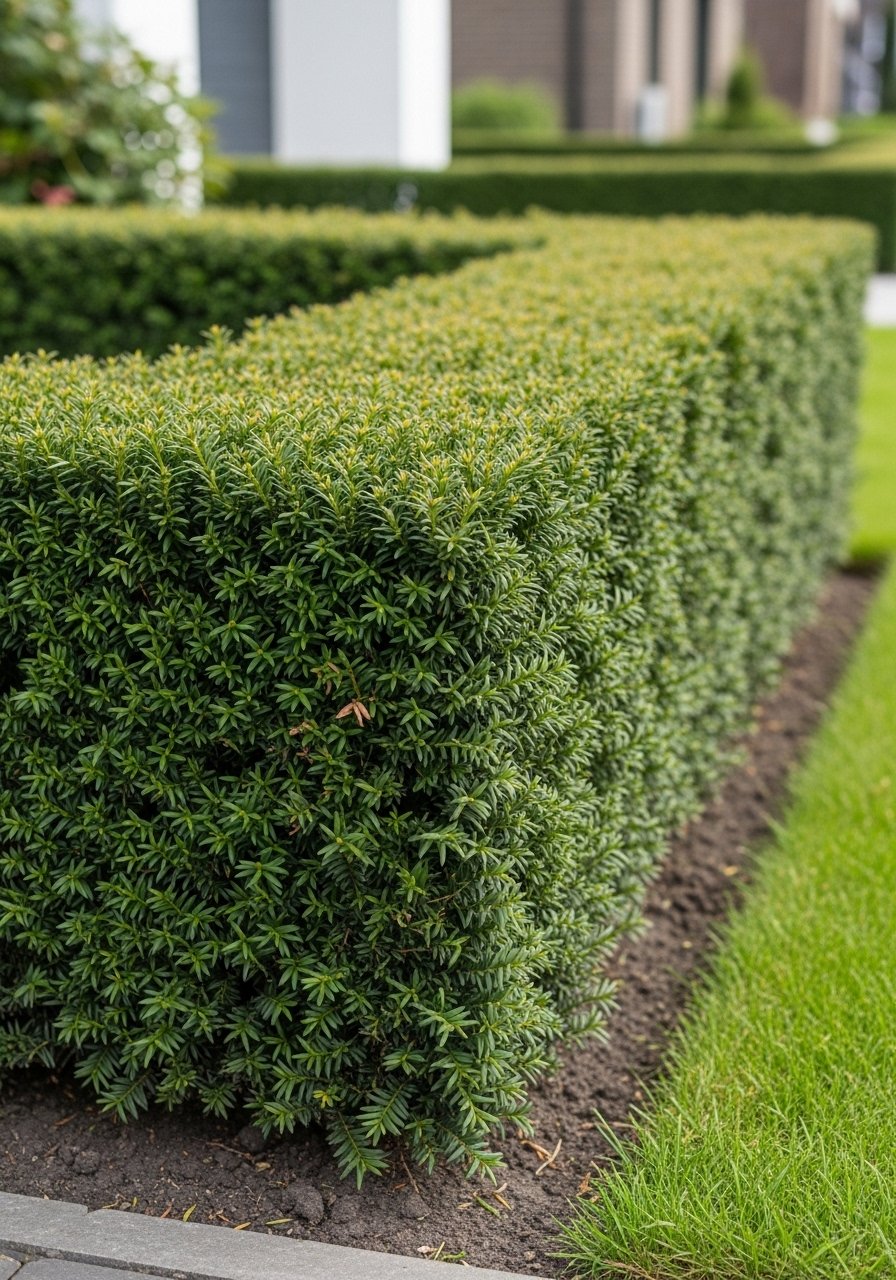
I clipped a yew hedge into a short, boxy form to anchor the lawn. It frames the yard without needing flowers. The shape stays tidy and keeps sightlines open. I learned that pruning a touch earlier in spring prevents the ragged look I had at first.
Evergreen hedges give a clean, modern backdrop year-round. Trim twice a season to maintain the form and avoid one big ugly haircut.
What You’ll Need for This Look
4. Steel Raised Beds Along the Driveway
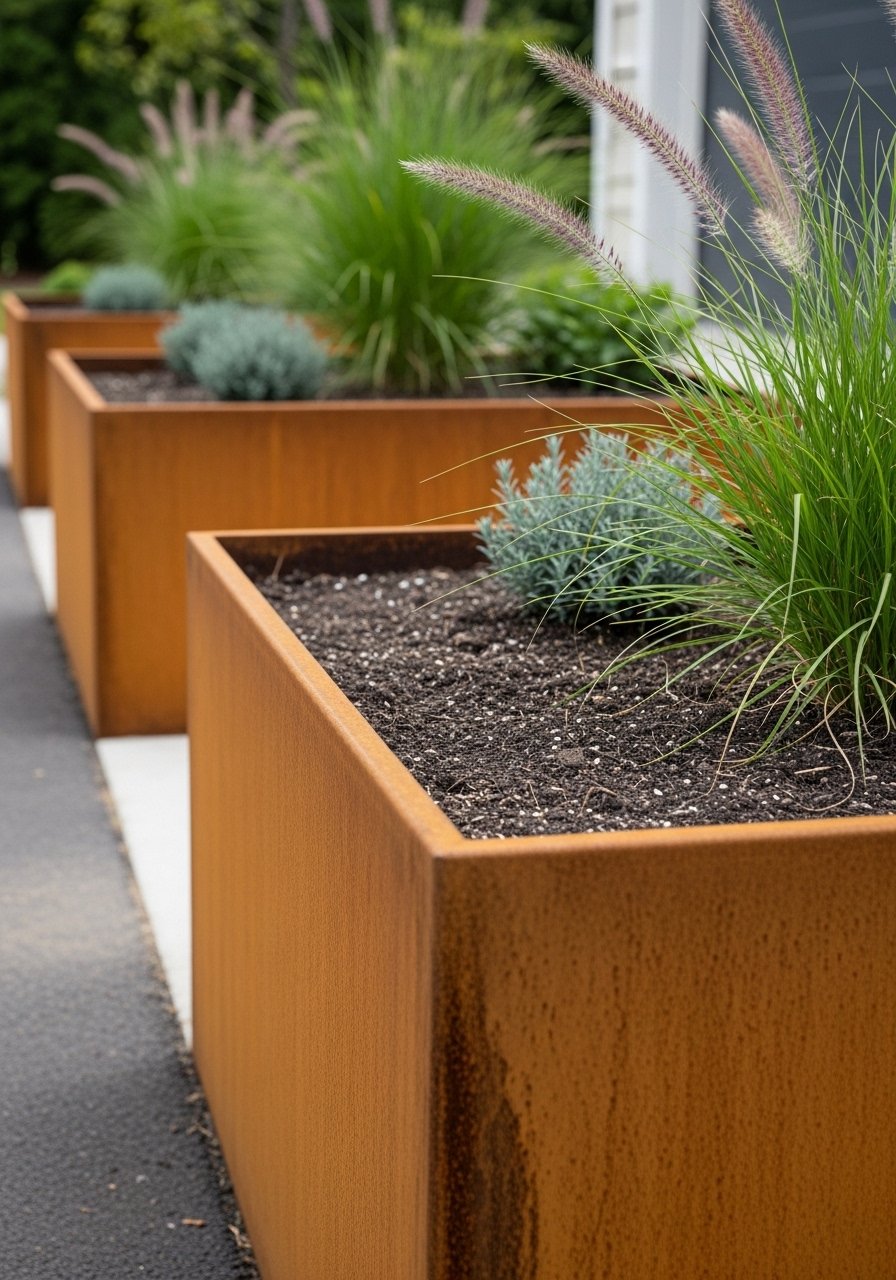
I installed low corten steel beds to keep plantings tidy and contained. The metal edge reads modern and hides messy soil. Initially I bought cheap panels and they bowed; invest in thicker steel or bracing.
Raised beds make planting easier and protect roots from salt or runoff from the driveway. They feel intentional and require less edging. Plant a mix of evergreens and seasonal color for interest.
What You’ll Need for This Look
5. Monochrome White-Flowering Border
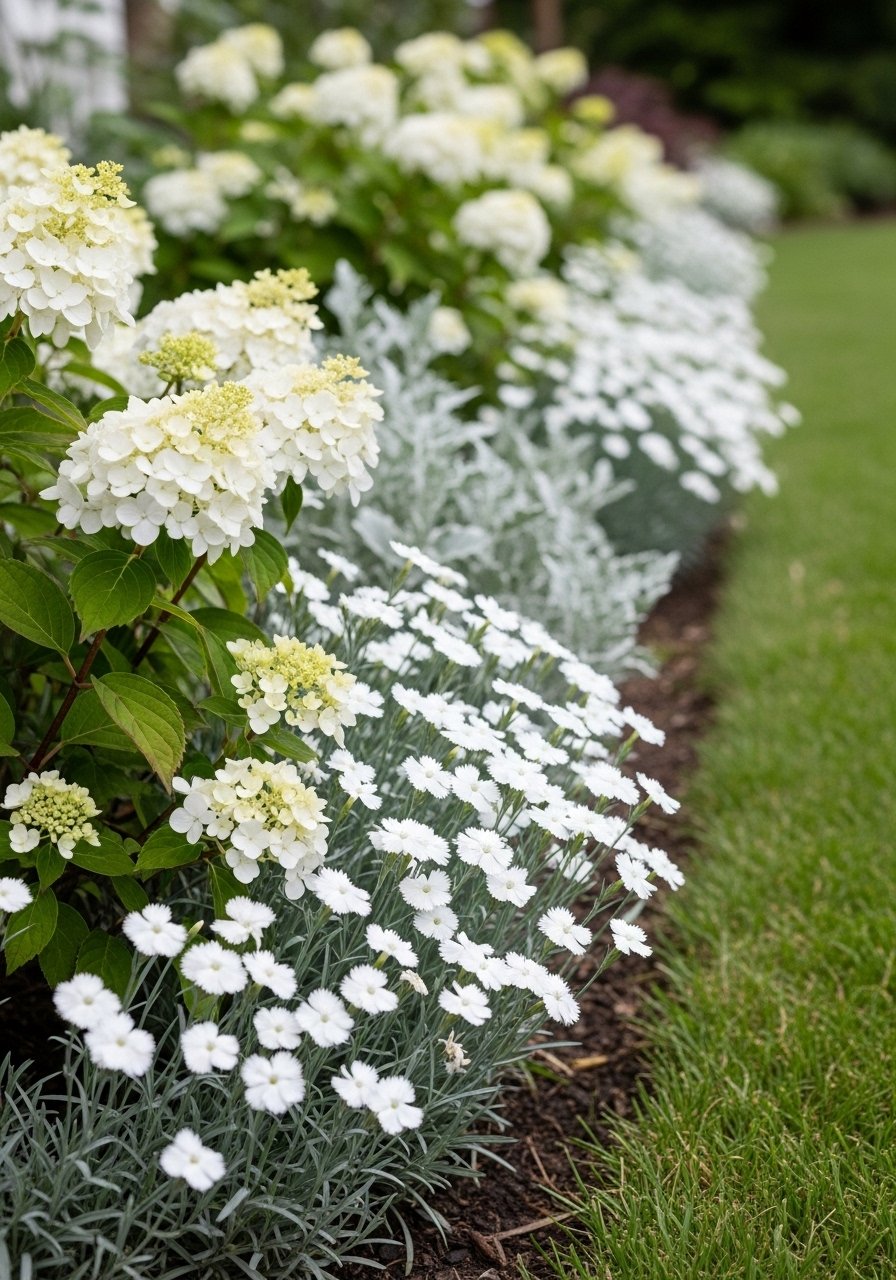
A white border calmed my busy corner. I planted white hydrangeas, white geraniums, and silver-leaved artemisia for contrast. At first I expected nonstop blooms — but placement matters. Shade reduced flowering in one spot, so I moved a few plants.
White feels modern and clean against green lawn and dark mulch. It’s forgiving visually and keeps the front simple. Use foliage contrast so the white doesn’t look flat.
What You’ll Need for This Look
6. Layered Container Trio on the Porch
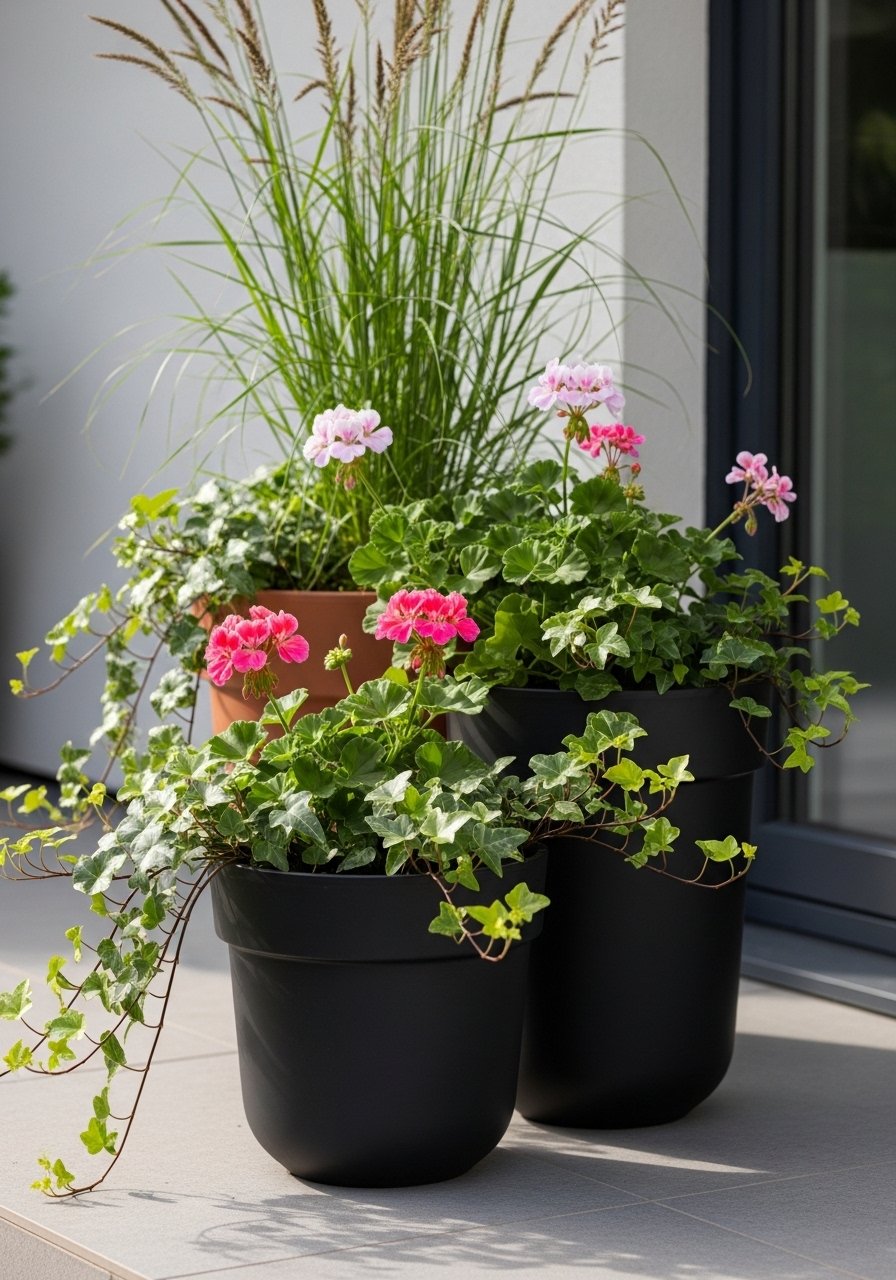
I grouped three containers of different heights by the door. Tall grass, a mid-layer plant, and trailing ivy make a small space read full. I once bought pots that were too tiny and repotted everything — buy proportional sizes.
Layering adds depth without more beds. Use similar colors to keep the look unified. Rotate a seasonal plant in the middle for freshness.
What You’ll Need for This Look
7. Rain Garden Swale with Native Grasses
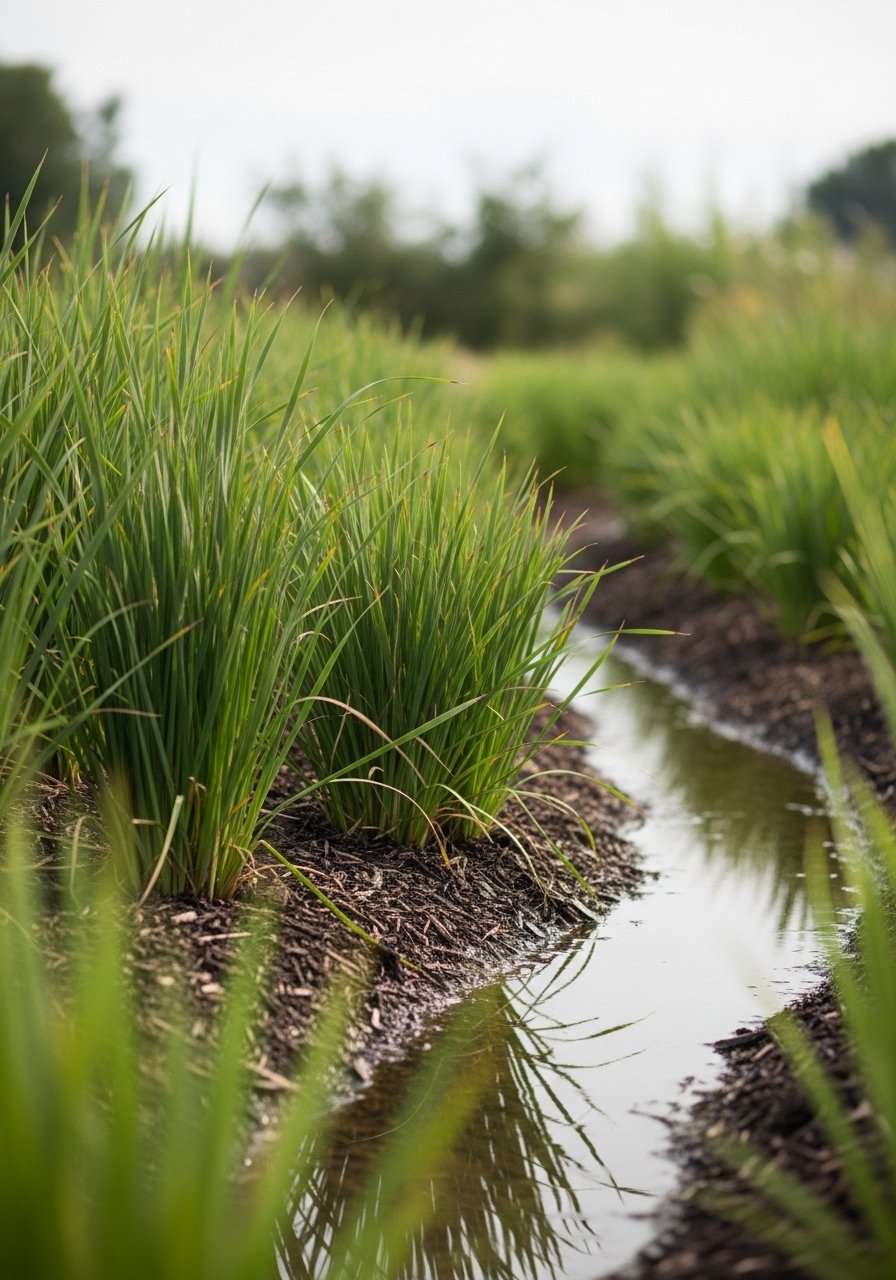
My yard flooded one spring. I carved a shallow swale and planted native rushes and sedges. It keeps runoff from pooling at the foundation and looks natural. The first year some plugs didn’t take because I overworked the soil.
A rain swale can be tidy in a modern yard if edged and planted carefully. Choose local species and expect slower establishment the first season.
What You’ll Need for This Look
8. Mailbox Planter Column
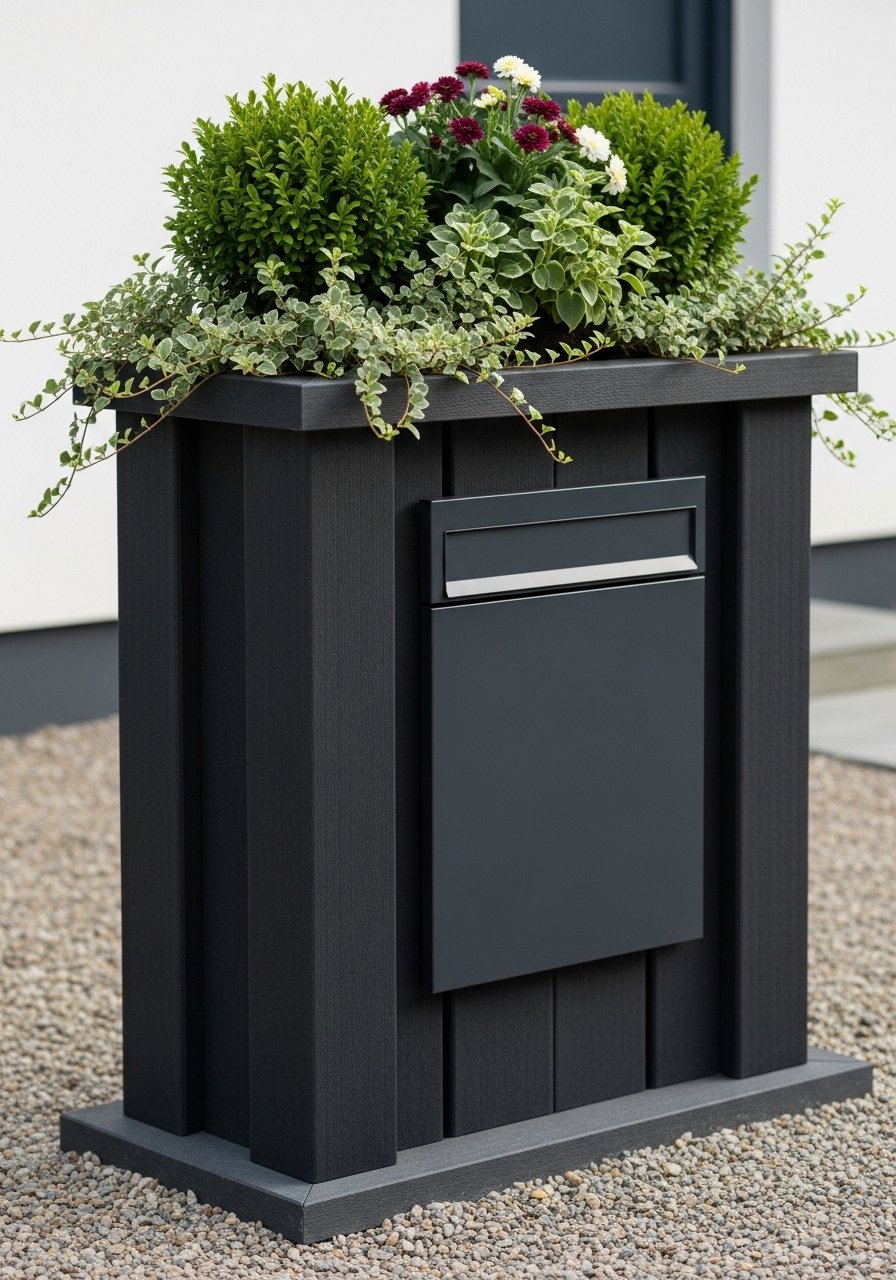
I swapped a lonely mailbox post for a planter column. It frames the mailbox and gives me a spot to change plants each season. My first column leaned because the base wasn’t anchored — learn from my failure and secure the post.
This small upgrade packs personality without cluttering the front lawn. Use durable materials and plant compact shrubs for year-round structure.
What You’ll Need for This Look
9. Concrete Bench with Integrated Planter
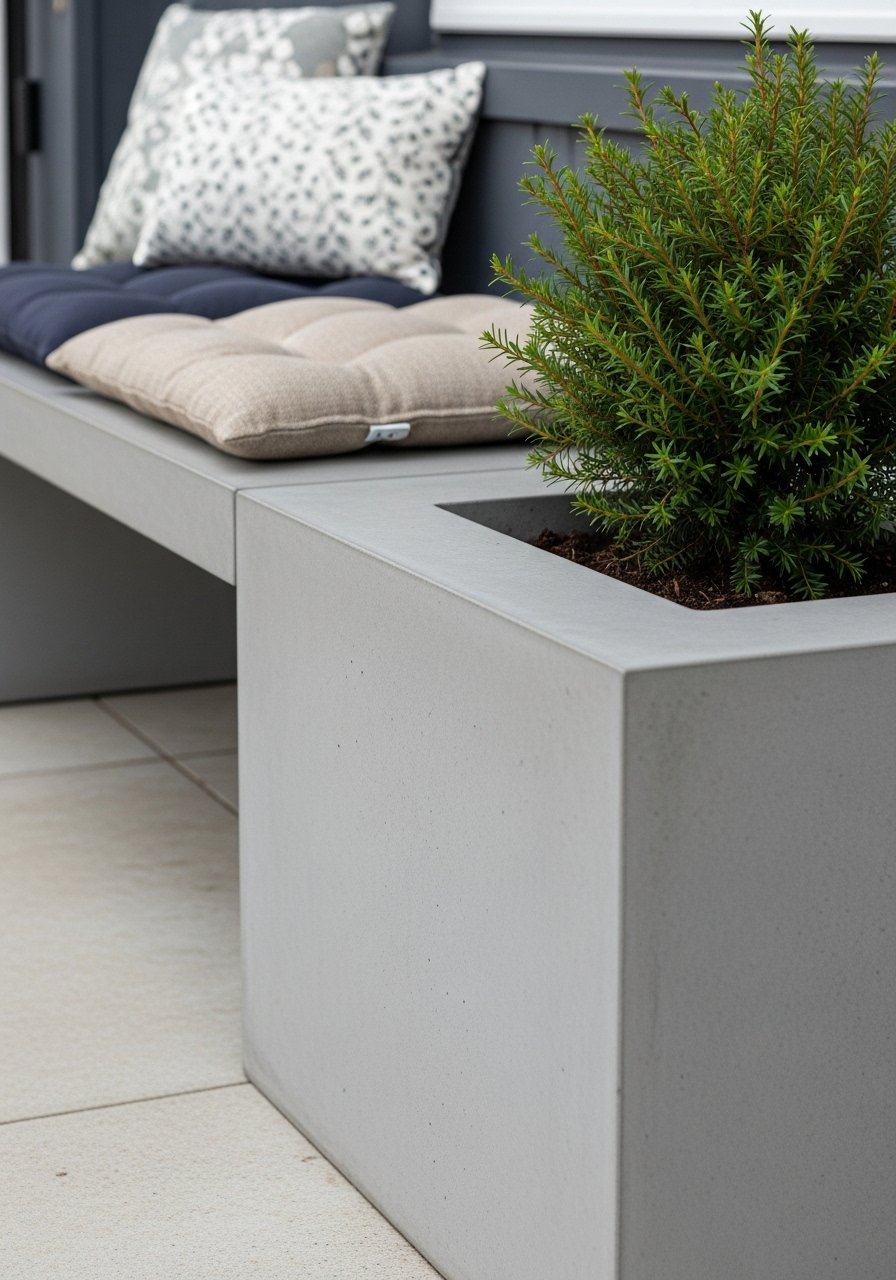
I built a short concrete bench with a planter at one end. It made the porch feel edited and functional. I didn’t waterproof the planter at first and had staining issues. Now I use a liner.
The bench gives a place to set packages and softens the entry. Plant a tidy evergreen or a structural succulent in the planter for low fuss.
What You’ll Need for This Look
10. Sculptural Boulders with Succulents
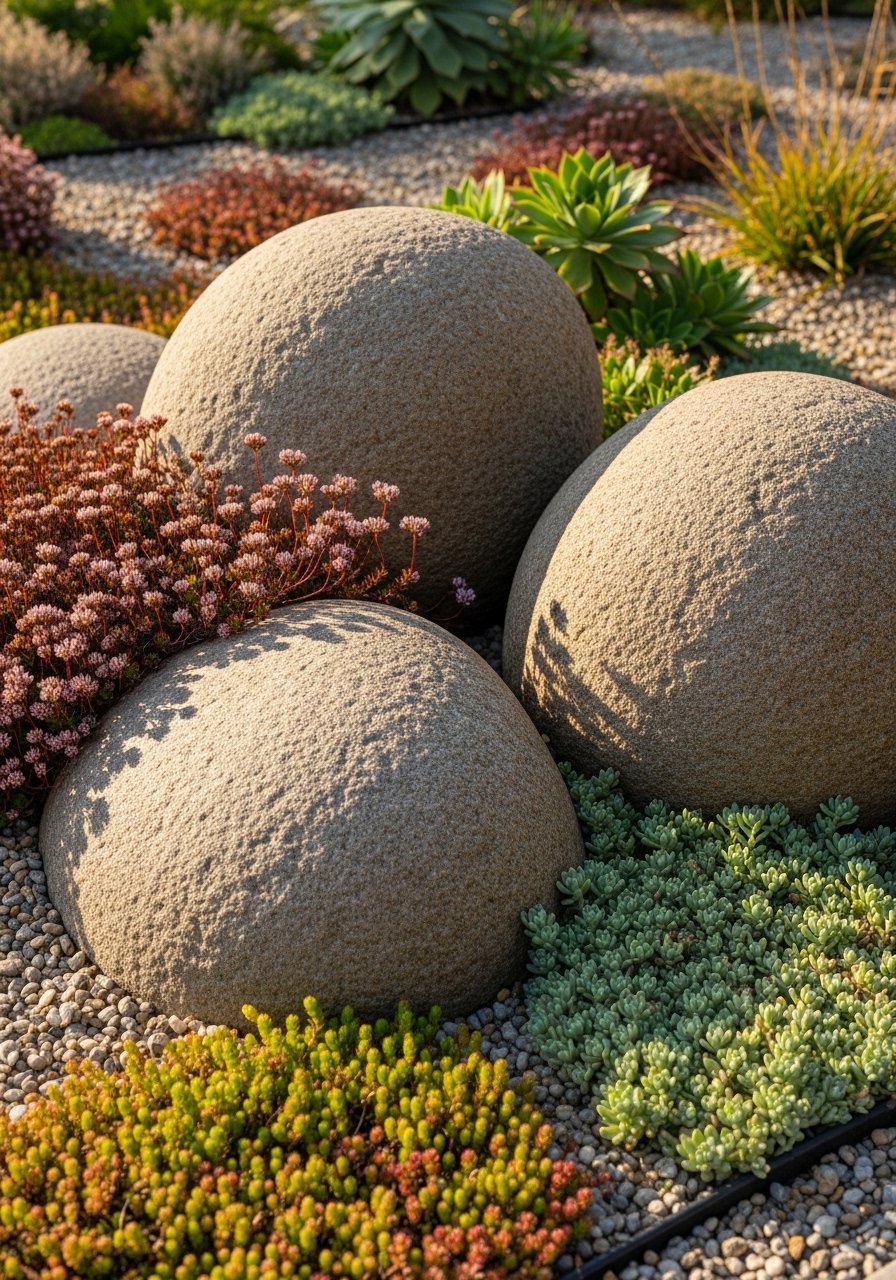
I added one big boulder and a few smaller stones to anchor a dry patch. Surrounding them with sedum and hens-and-chicks created a low-water focal spot. I overplanted succulents initially and fought shade problems in year two.
Boulders give a modern, sculptural quality without fuss. Keep planting sparse and match slope drainage so water doesn’t sit.
What You’ll Need for This Look
11. Native Pollinator Shrub Border
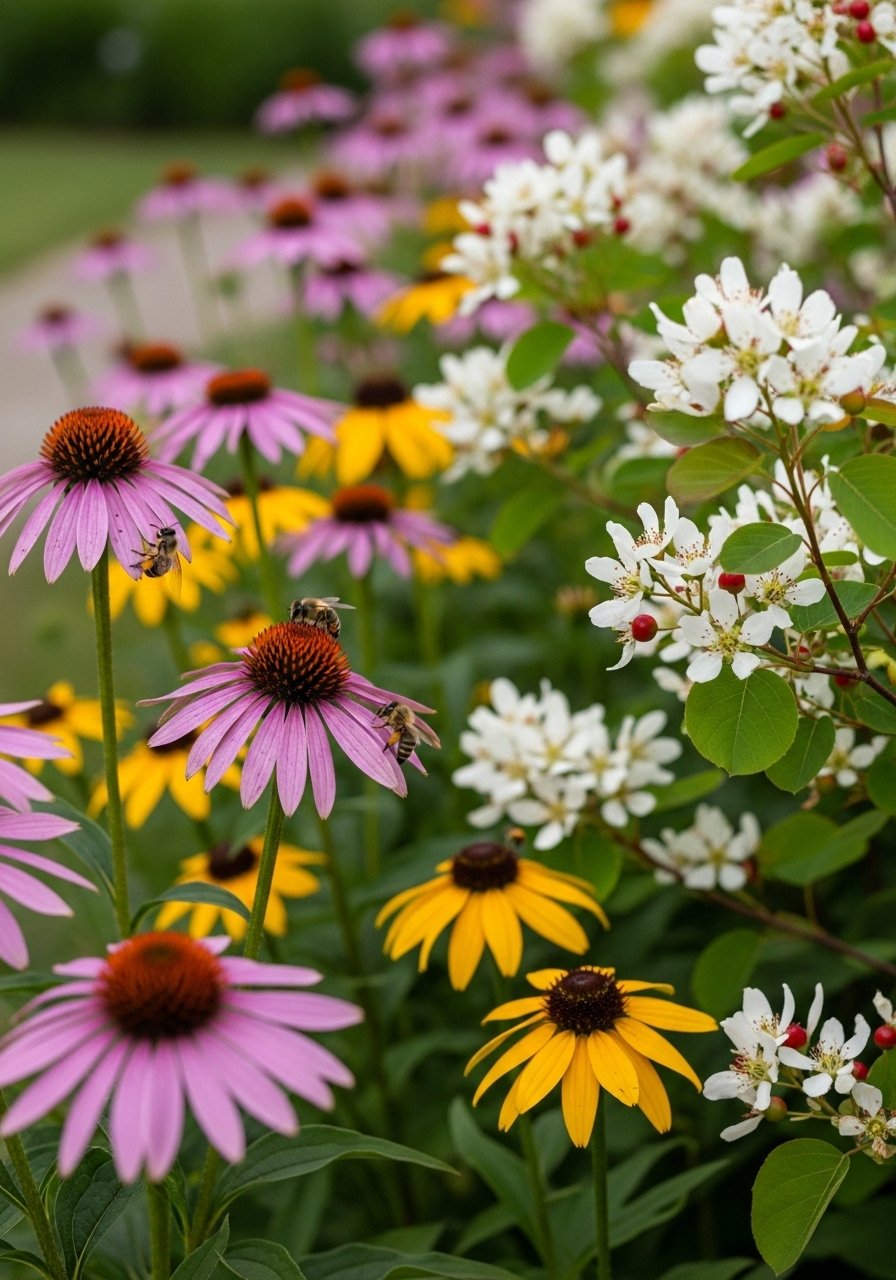
I planted a strip of native shrubs and herbs near the walkway. Bees arrived within weeks. The shrubs are forgiving and look neat when trimmed back in spring. My mistake was planting too many different species at once — it read messy until things matured.
A pollinator border feels alive and intentional. Pick three or four reliable natives and let them fill in.
What You’ll Need for This Look
12. Geometric Gravel Courtyard with Stepping Stones
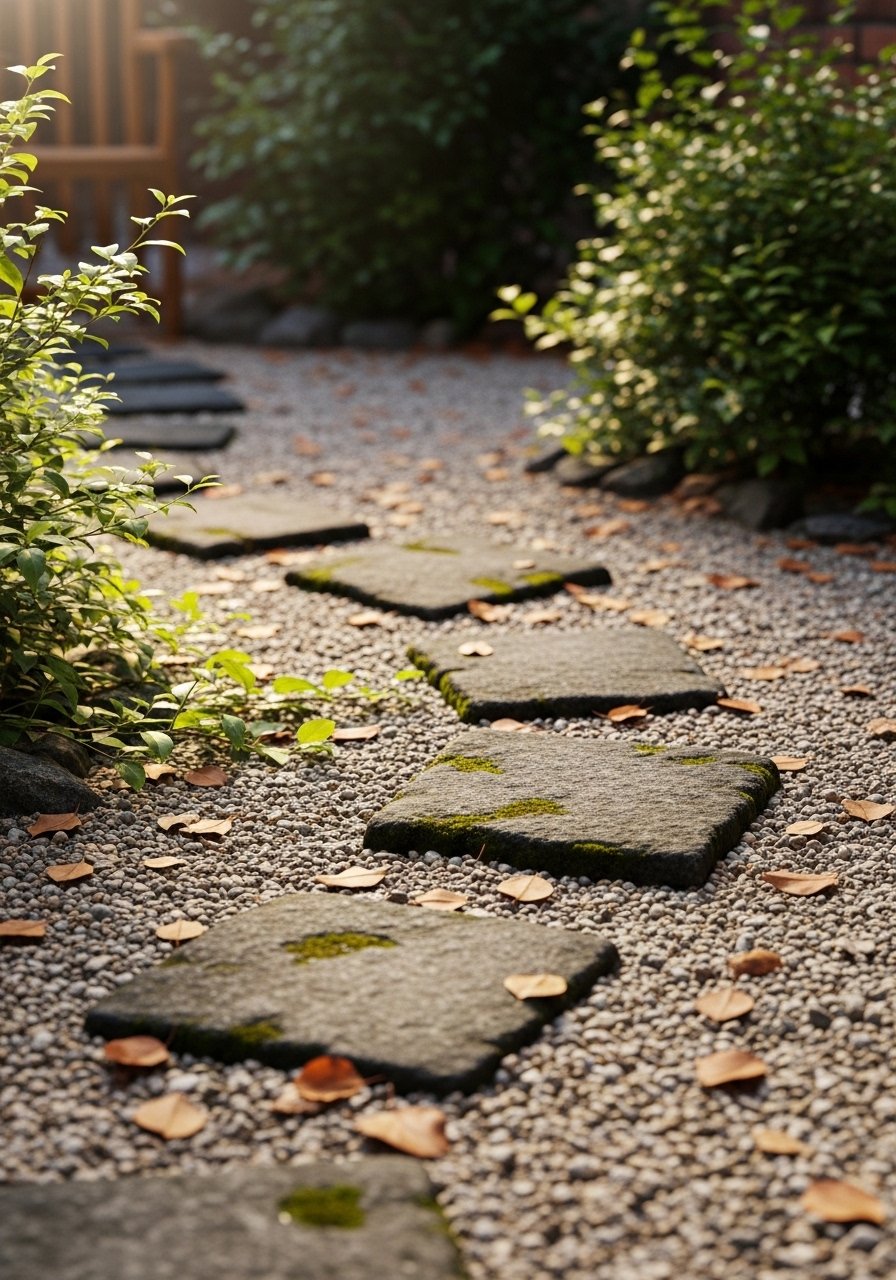
I converted a small front lawn corner into a geometric gravel courtyard. Big slabs act as a path and seating zone. It cleared the visual clutter and cut mowing. The first winter I forgot an edge and gravel spread; now I use hidden edging.
This look is low-maintenance and crisp. Add a single structural plant to anchor the area and you’ve got a tidy modern space.
What You’ll Need for This Look
13. Vertical Living Wall by the Entry
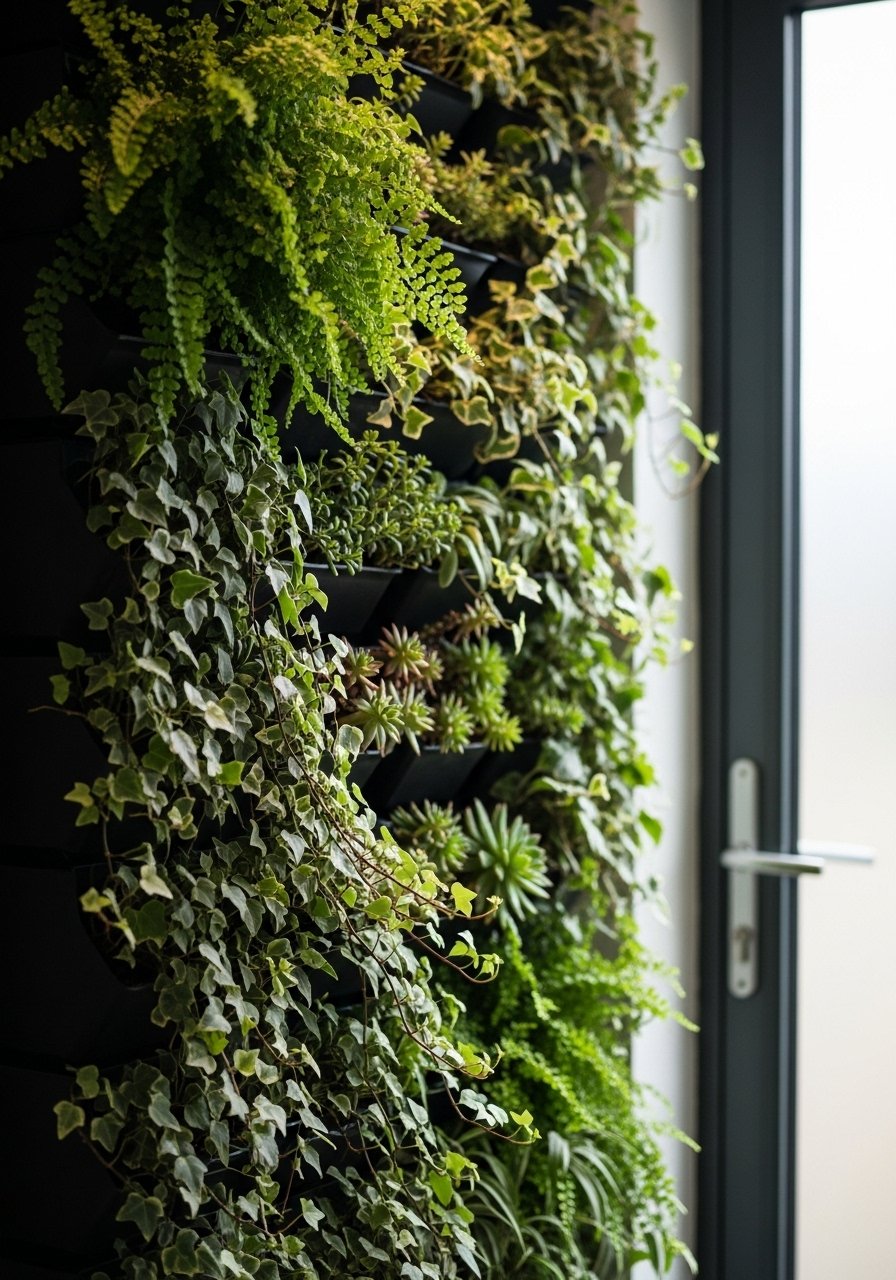
A vertical panel adds green without taking lawn space. I mounted modular pockets by the door and used low-water plants. Early on I under-watered the pockets and lost a row, so check irrigation regularly.
It reads modern and deliberate. Use a simple frame and consistent plants for a clean look. This is great if your yard is small or you want green near the door.
What You’ll Need for This Look
14. Low Sedum and Succulent Rock Garden
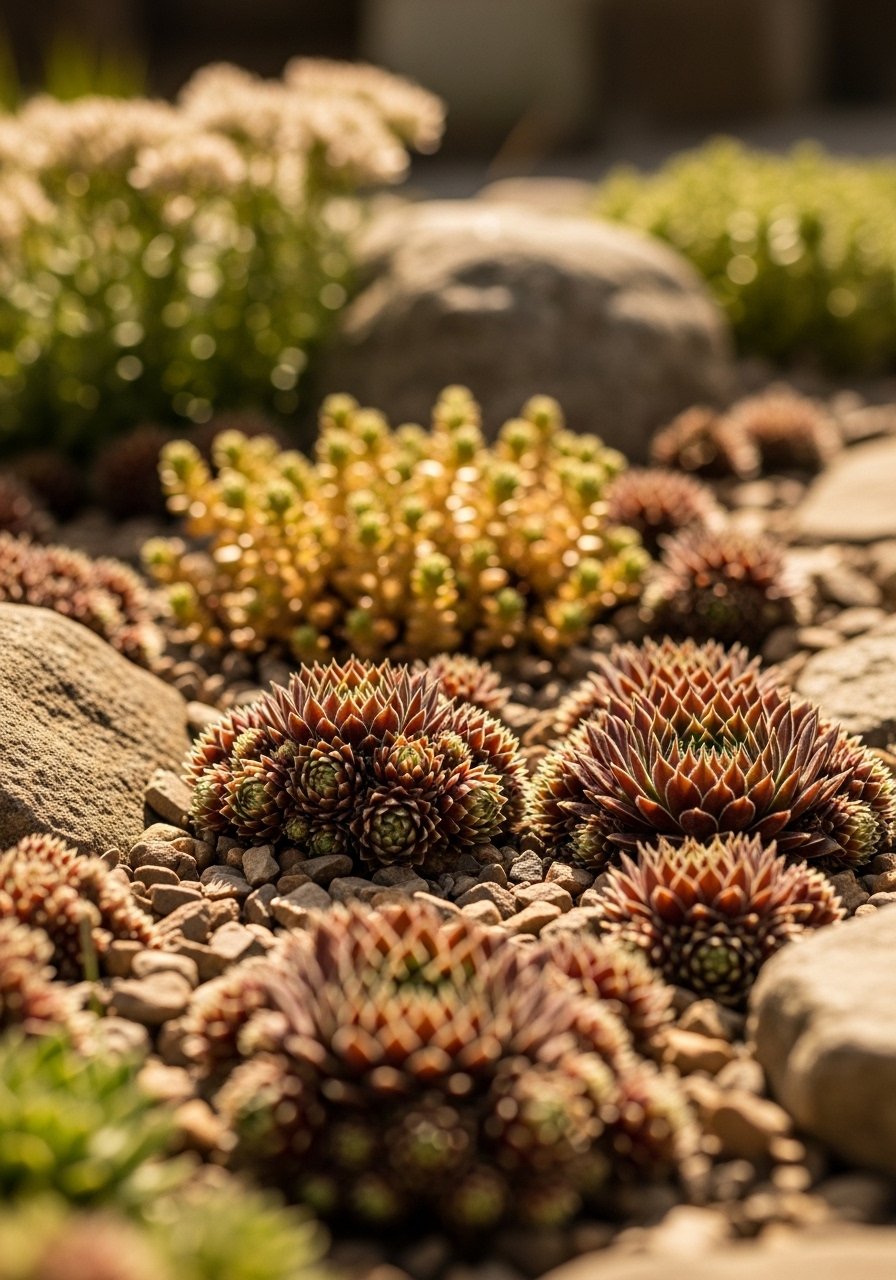
I tried a full succulent bed and overwatered the first batch. After correcting drainage and switching to coarse grit, the sedums thrived. The rock garden is extremely low-care and reads crisp next to a lawn.
Use layers of gravel, drainage sand, and coarse soil. Plant sparingly so each rosette shows. It’s a modern counterpoint to soft turf.
What You’ll Need for This Look
15. Minimalist Lighting-Led Pathway
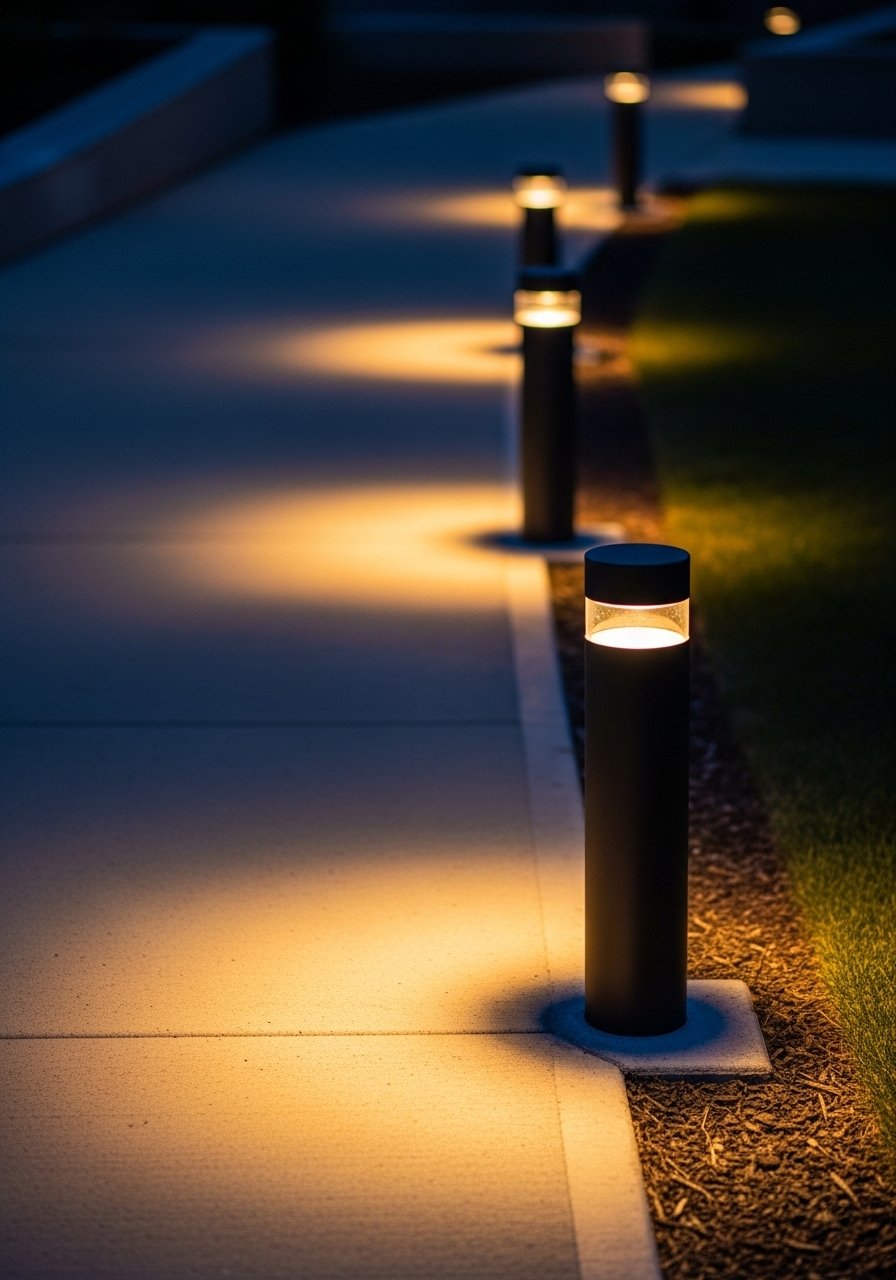
I swapped old lamps for low bollards that cast warm pools of light. The path felt safer and more modern. I once installed lights too bright and had complaints — softer LEDs work better for neighbors.
Lighting draws the eye along clean lines. Use warm color temperature and hide wiring under edging for a neat installation.
What You’ll Need for This Look
16. Single Specimen Tree with Uplighting
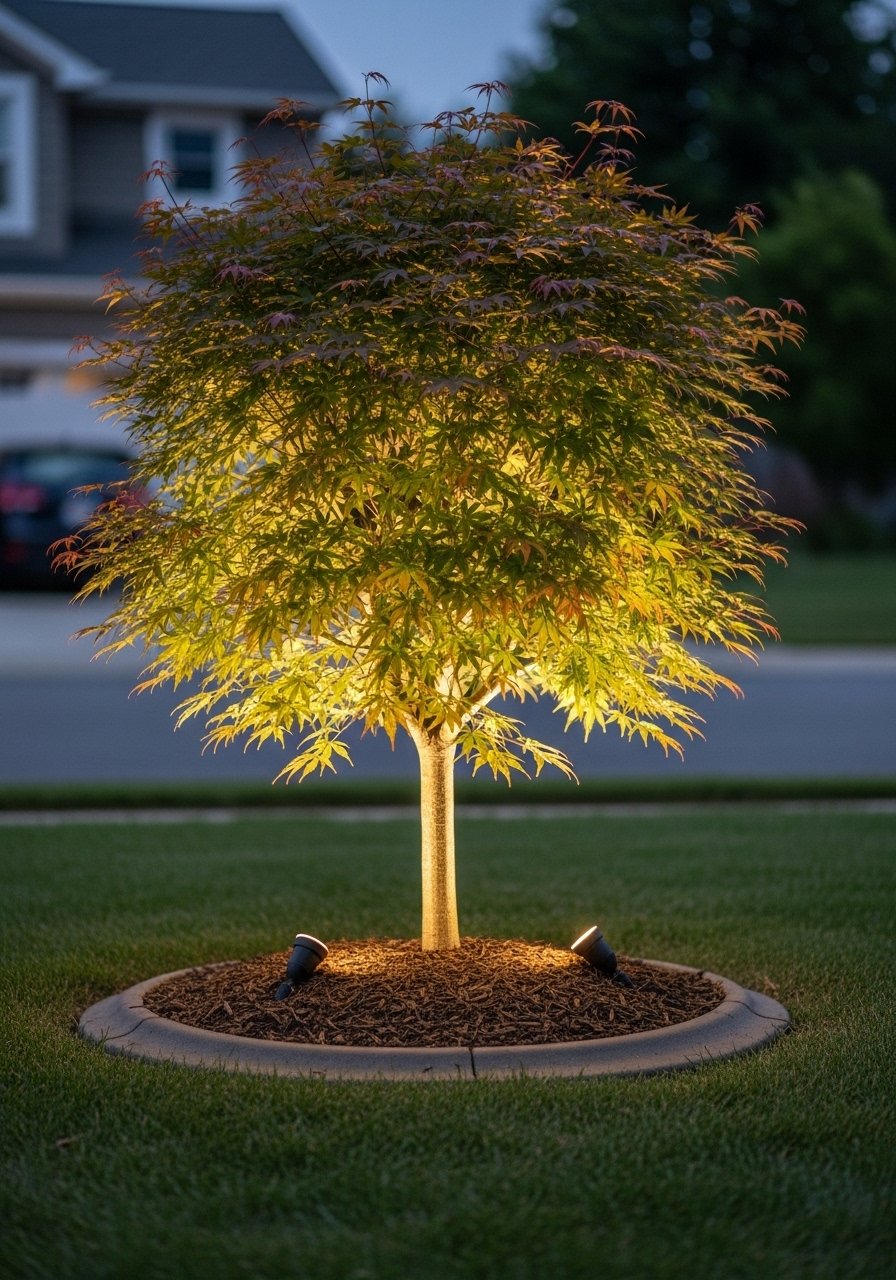
I planted a small Japanese maple as a focal point and added an uplight. At night the tree becomes a quiet sculpture. I planted it a touch too close to the house and had to prune branches later.
A single specimen anchors a modern lawn without clutter. Choose scale carefully and use a warm uplight for softness.
What You’ll Need for This Look
17. Mixed Evergreen and Bulb Layers for Year-Round Interest
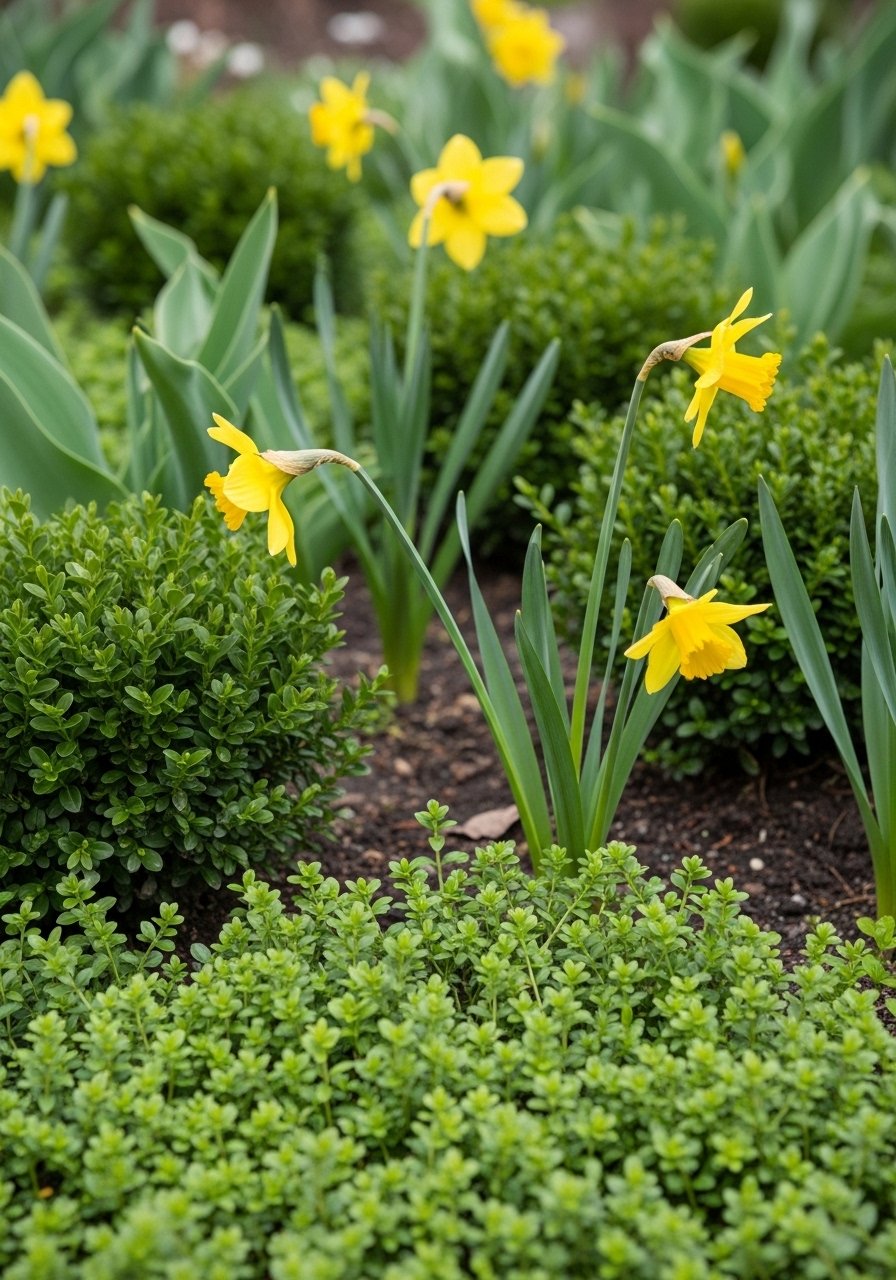
I layered low evergreen shrubs with spring bulbs. In winter it’s tidy; in spring there’s a surprise of color. My first try had bulbs planted too shallow and they suffered, so plant bulbs deeper than package suggests.
Layering gives seasonal change without replanting every year. Keep bulb clumps grouped and match evergreen spacing for balance.
What You’ll Need for This Look
18. Built-In Storage Bench with Planter Top
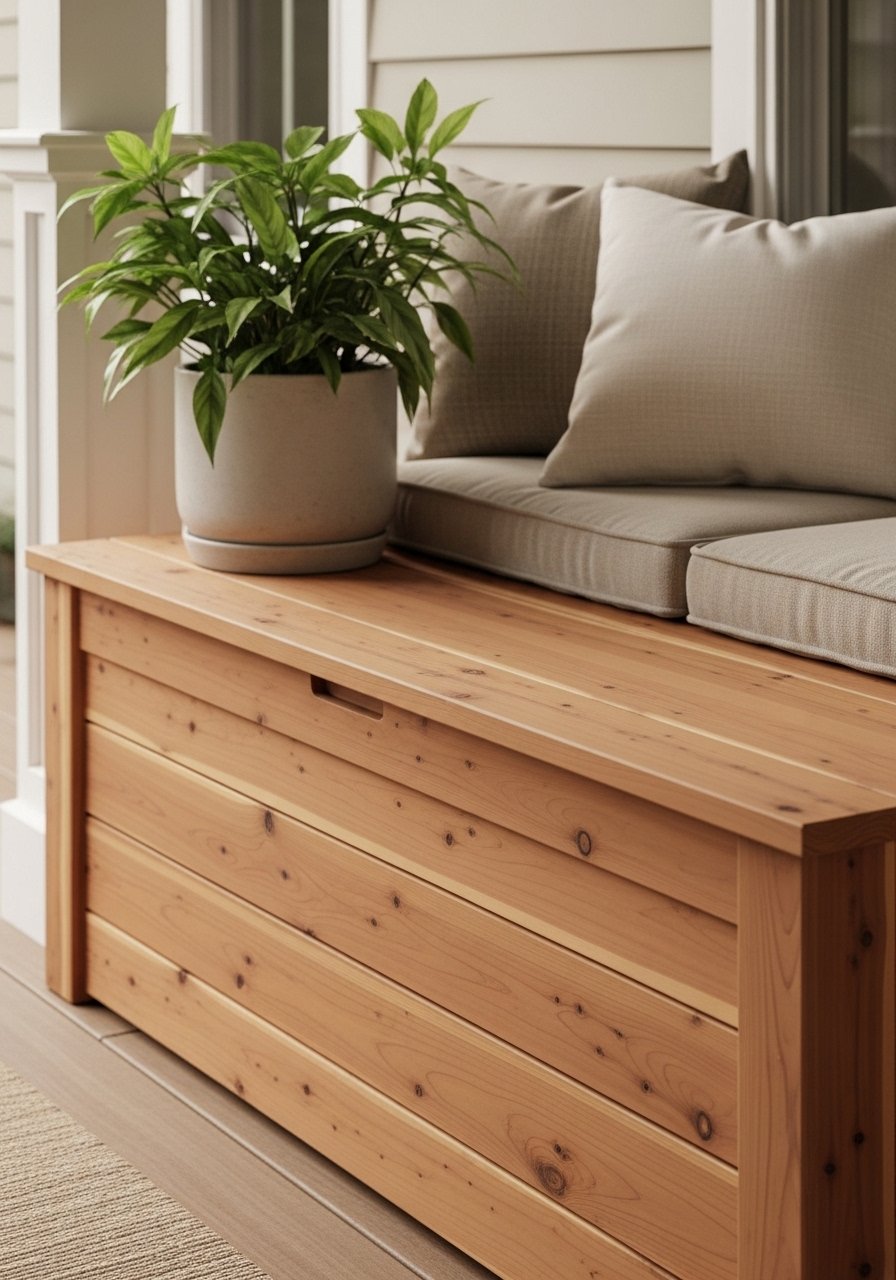
I made a bench that hides garden tools and sports gear with a planter on top. It keeps clutter off the lawn and looks intentional. I didn’t seal the wood properly at first and had minor rot; use good sealant.
A storage bench is practical and keeps the front neat. Choose rot-resistant wood and a tight planter liner.
What You’ll Need for This Look
19. Corten Steel Screen as Sculptural Backdrop
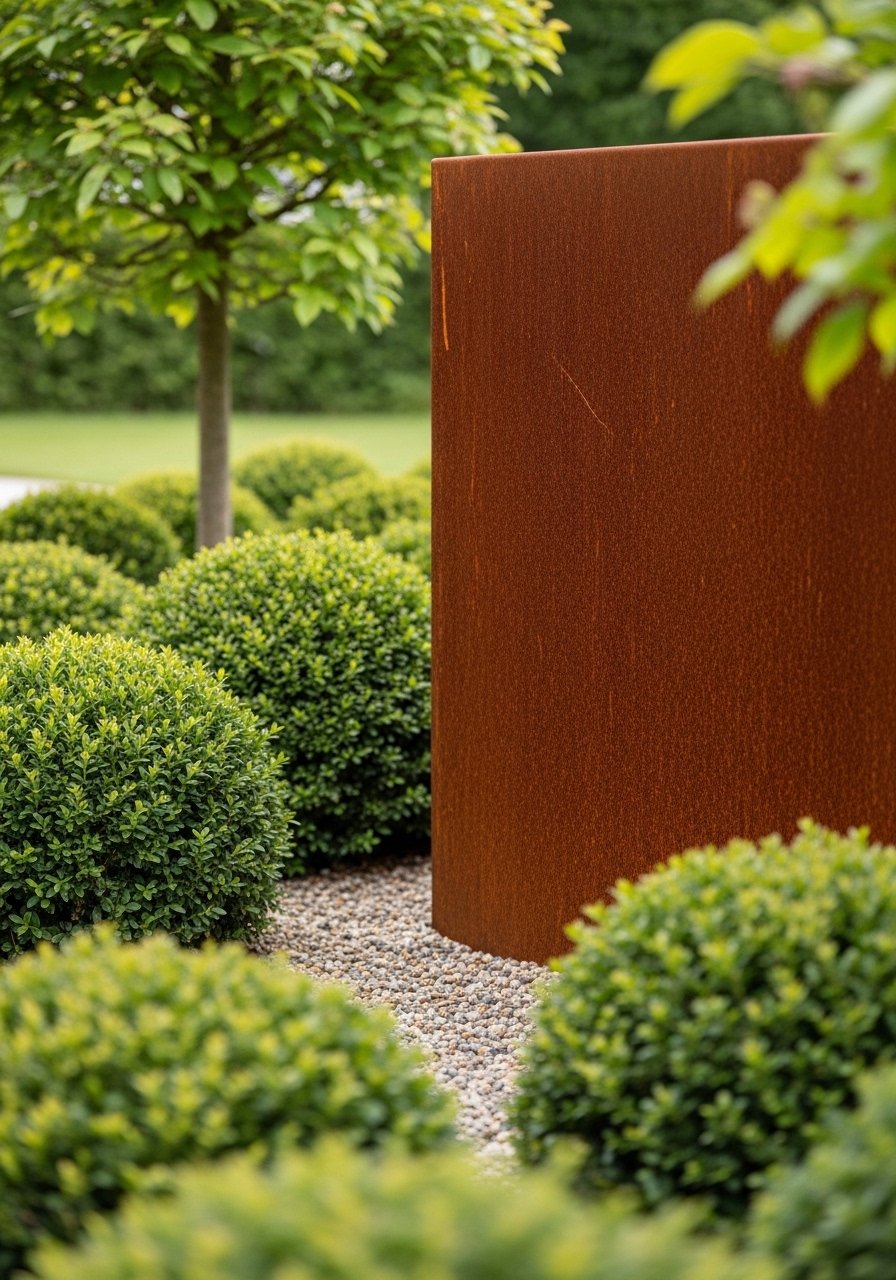
I installed a corten steel screen to hide a neighbor’s fence and it became a backdrop for plantings. The warm rust color pairs nicely with green. I ordered thin panels first and they warped; heavier sheets were the fix.
A steel screen reads modern and requires minimal maintenance. Plant low in front to keep the screen visible and clean-lined.
What You’ll Need for This Look
20. Recessed Planting Beds with Timber Edging
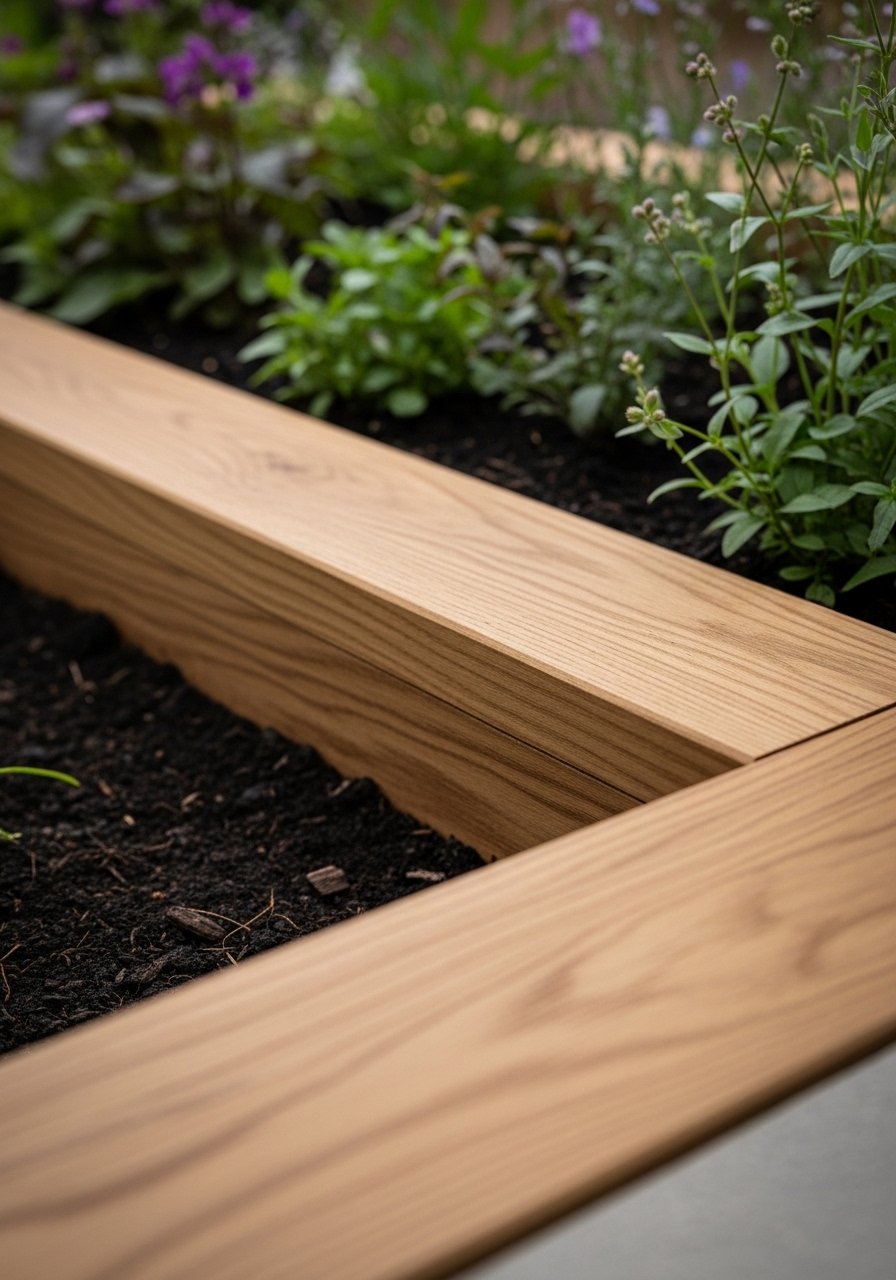
I dug shallow recessed beds and edged them in treated timber. The lower plane gives the lawn a crisp edge and keeps plants looking tidy. Treat the timber to avoid early rot; I rushed that step and replaced boards.
This subtle depth change reads modern and intentional. Use a narrow palette of plants so the bed reads calm.
What You’ll Need for This Look
21. Planted Strips in Paved Driveway (Tree Lawn)
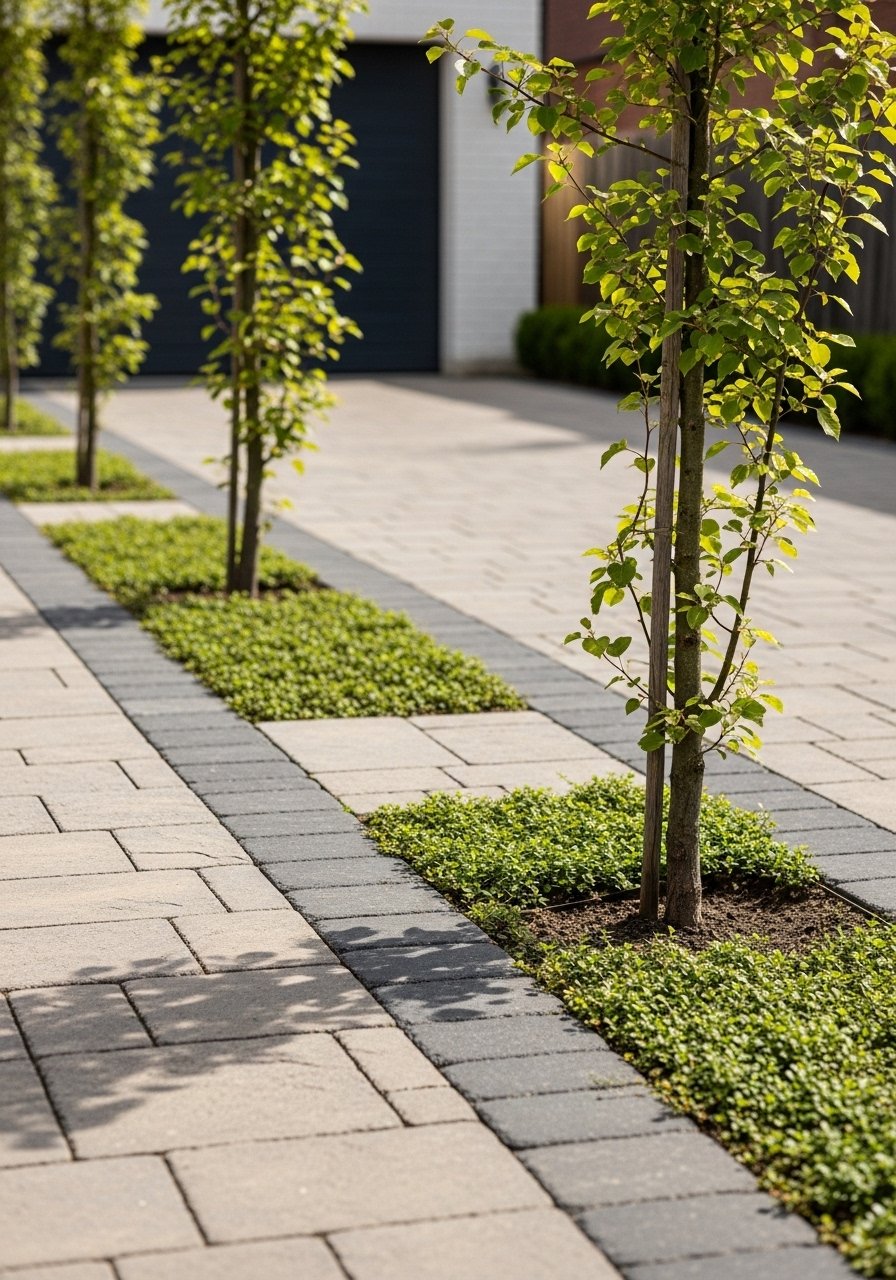
I replaced a full-width paved driveway with planted strips and pavers. It broke up the hardscape and cut heat reflection. I undercut tree root space at first and had stunted growth; give roots room.
This solution modernizes the driveway and keeps visual greenery. Use hardy trees and a root-friendly soil mix.
What You’ll Need for This Look
22. Modern Water Trough Fountain
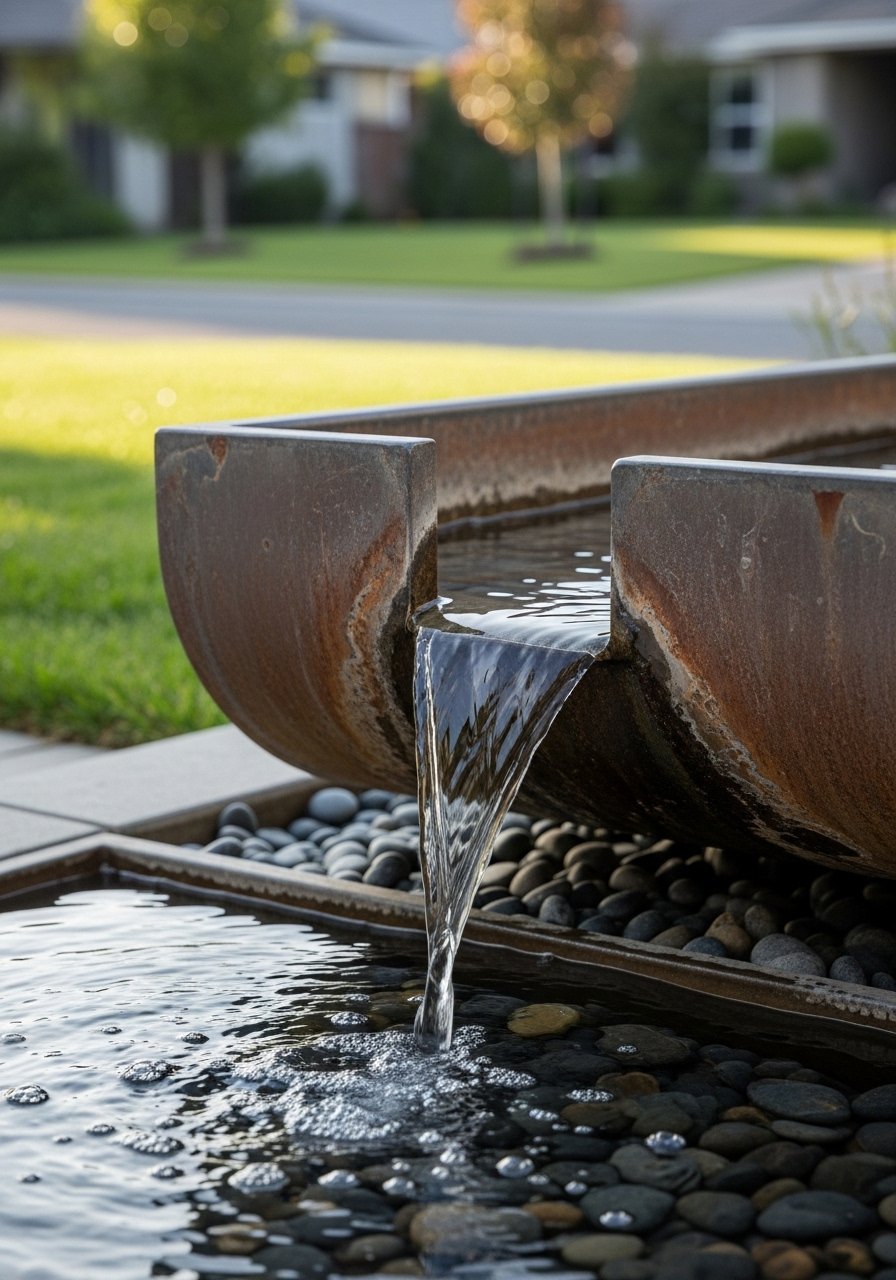
I placed a low trough fountain near the path. The gentle sound calms the front yard and masks street noise. I almost put it where runoff drained; that made algae a mess. Move it to higher ground and add circulation.
A simple, low-profile water feature reads modern and relaxed. Keep the pump accessible and use hardy marginal plants.
What You’ll Need for This Look
23. Topiary Columns Flanking Steps
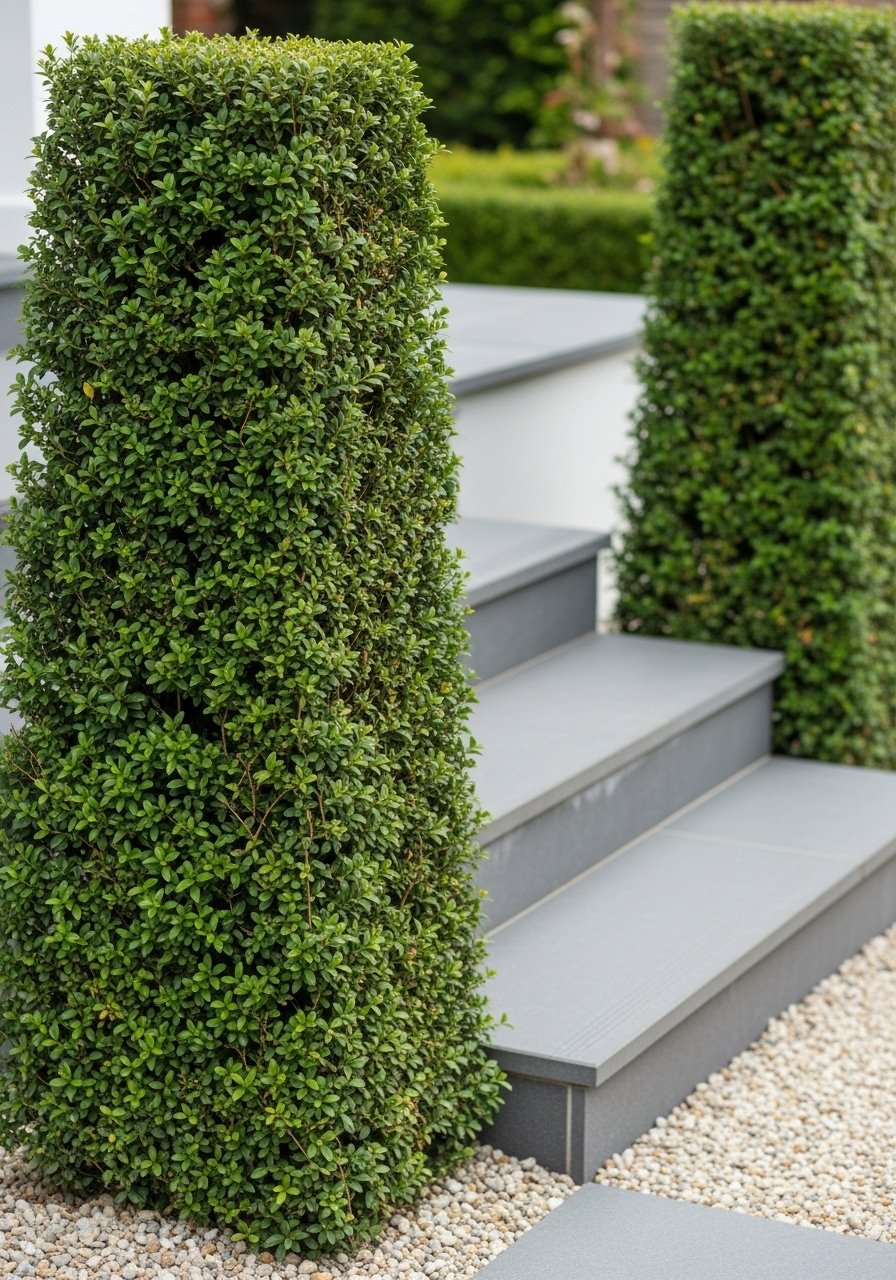
I planted two narrow boxwood columns by the steps. They frame the entry and feel very intentional without fuss. The first winter one suffered from salt spray; I now use salt-tolerant species or gravel buffer.
Topiary columns are a modern nod to formality that still reads clean. Keep them pruned and balanced.
What You’ll Need for This Look
24. Repeating Concrete Planter Modules
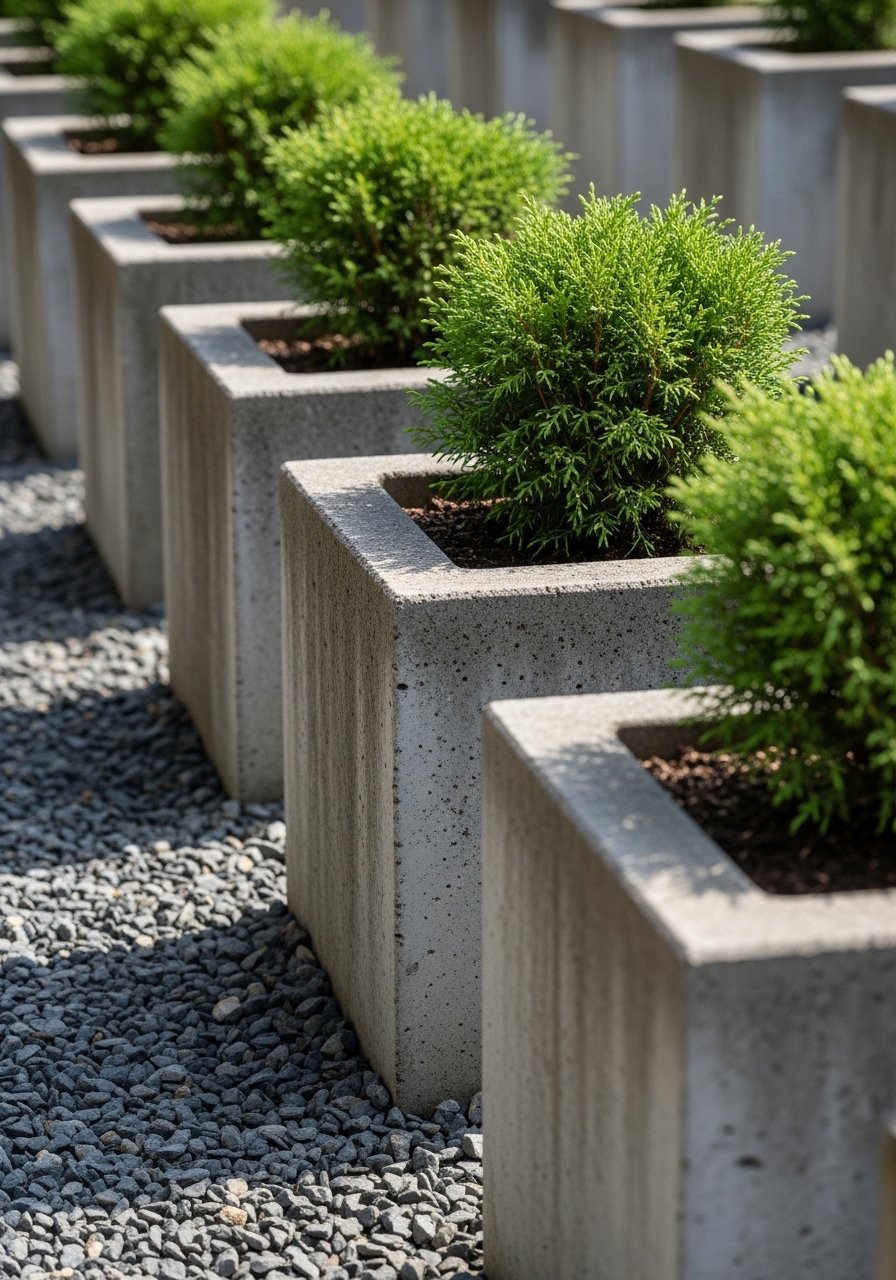
I bought matching concrete modules and lined them along the front path. The repetition reads modern and keeps plantings tidy. Early on I didn’t space them evenly and it looked amateur — measure carefully.
Concrete planters are durable and frame the entrance visually. Use similar plants for rhythm, and leave space between units for breathing room.
What You’ll Need for This Look
25. Native Wildflower Pocket at the Curb
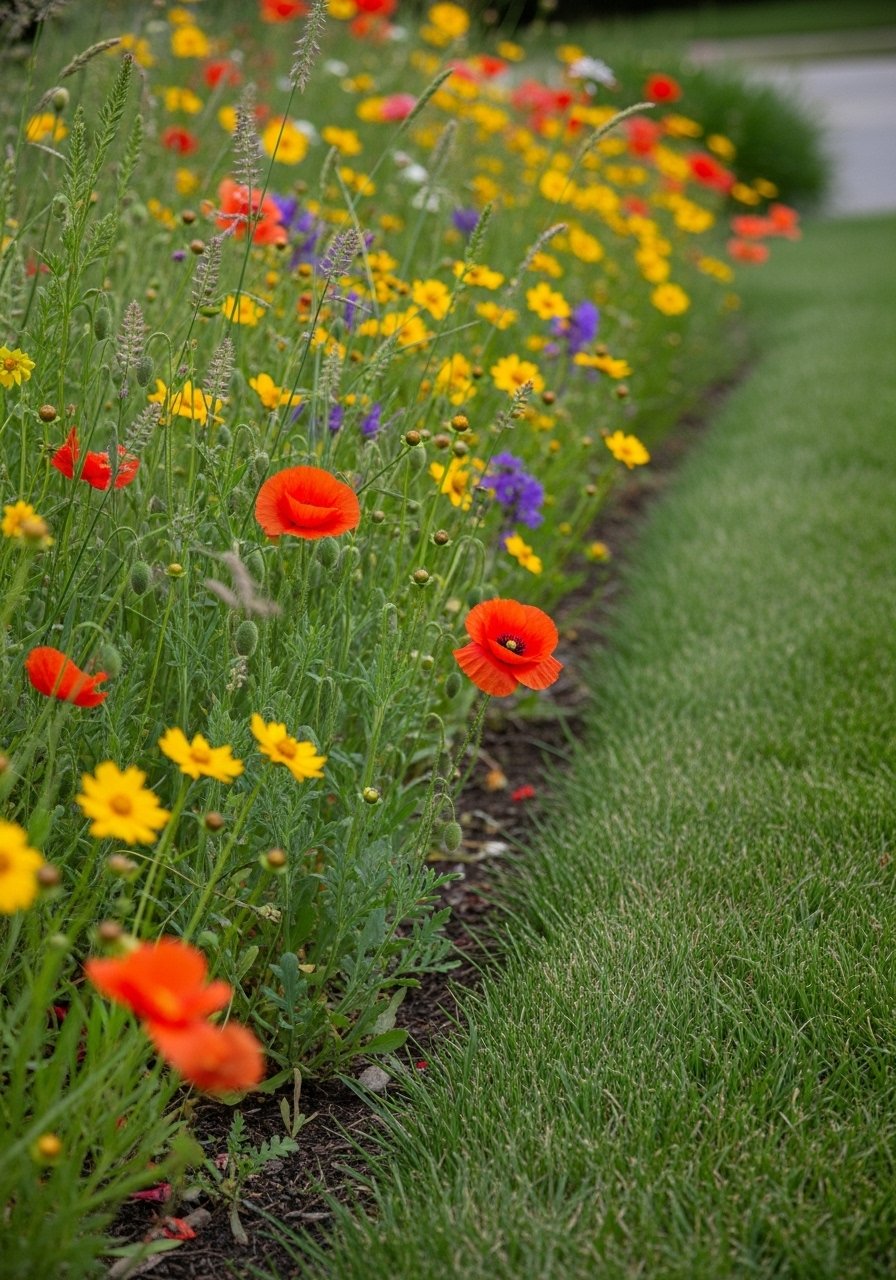
I set aside a narrow pocket at the curb for native wildflowers. It’s low cost and brings summer color without constant care. The first year I planted too many annuals and it needed reseeding; now I favor perennials and leave seedheads.
A curb pocket reads deliberate and natural. Mow carefully around it and expect seasonal variation.
What You’ll Need for This Look
26. Ornamental Grass Flank for Soft Motion
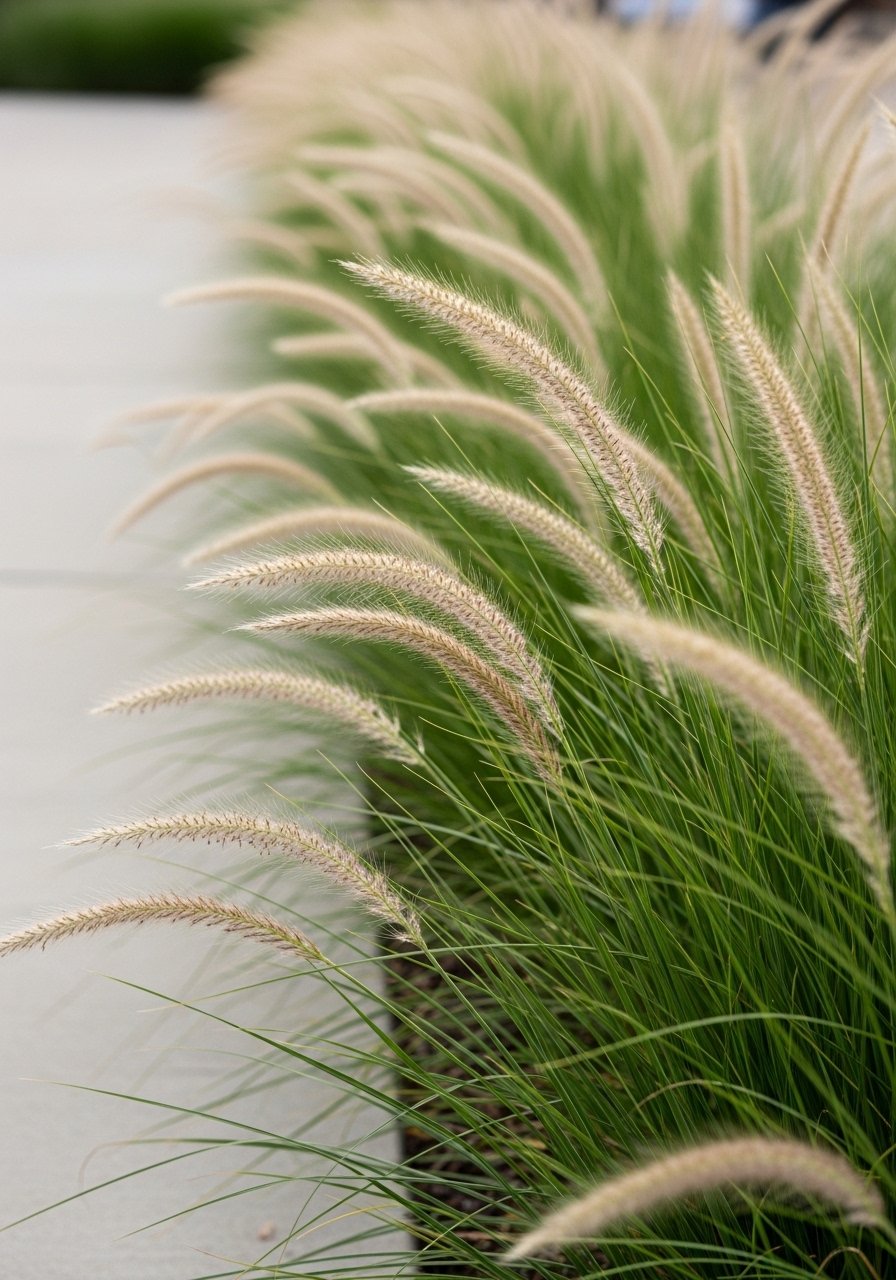
I planted ornamental grasses along one side of the path for movement and texture. They sway and catch light. I once planted a fast-spreading variety too close to a bed and had to pull runners.
Grasses are forgiving and modern when used in groups. Cut back in late winter and enjoy the winter form.
What You’ll Need for This Look
27. Stone Steps with Mossy Groundcover
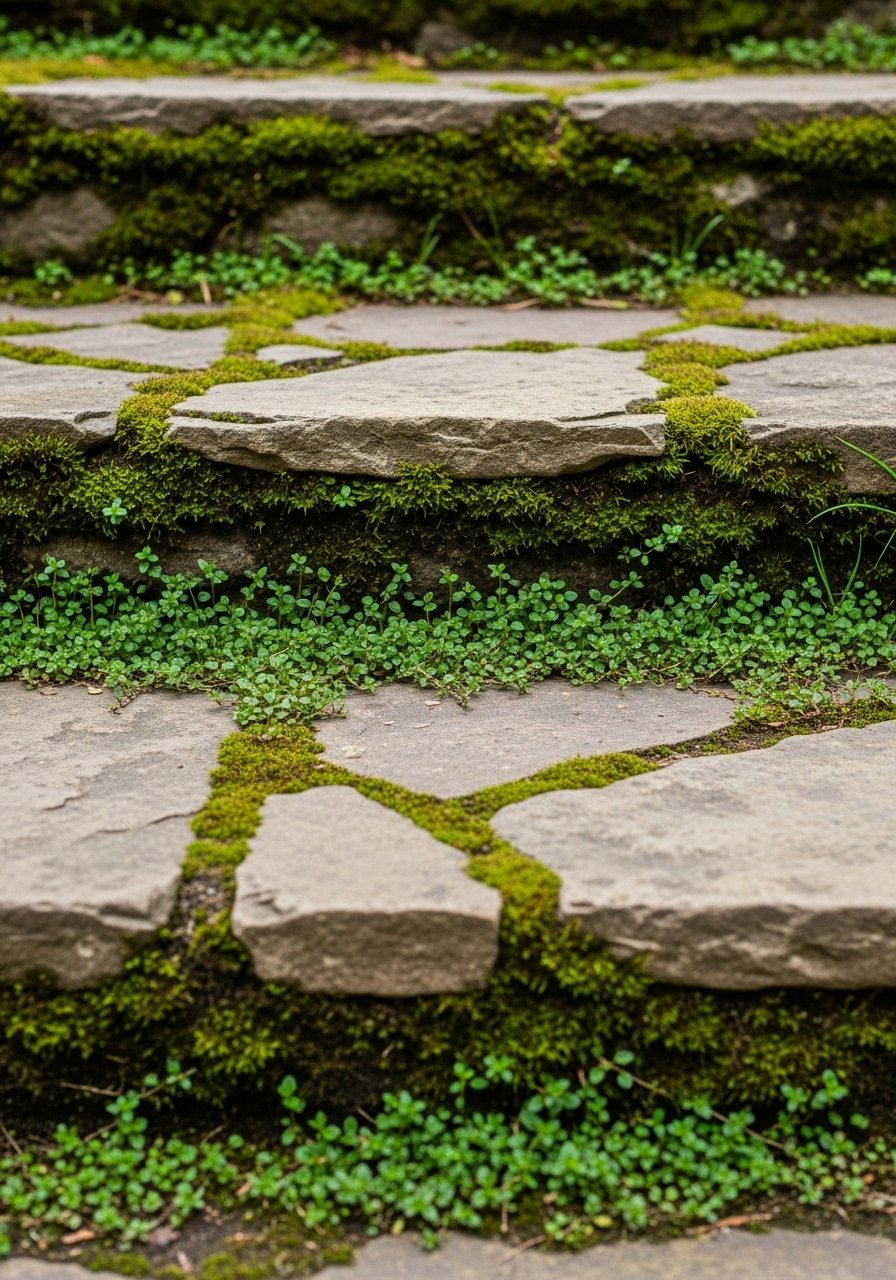
I replaced a steep path with wide stone steps and planted moss and tiny thyme between them. It softened the hard edges and felt very lived-in. I did push plants into deep shade once and they stalled — match light conditions.
This look is modern but relaxed. Keep stones level for safety and choose hardy groundcovers for foot traffic.
What You’ll Need for This Look
28. Low-Maintenance Mulch with Contrasting Textures
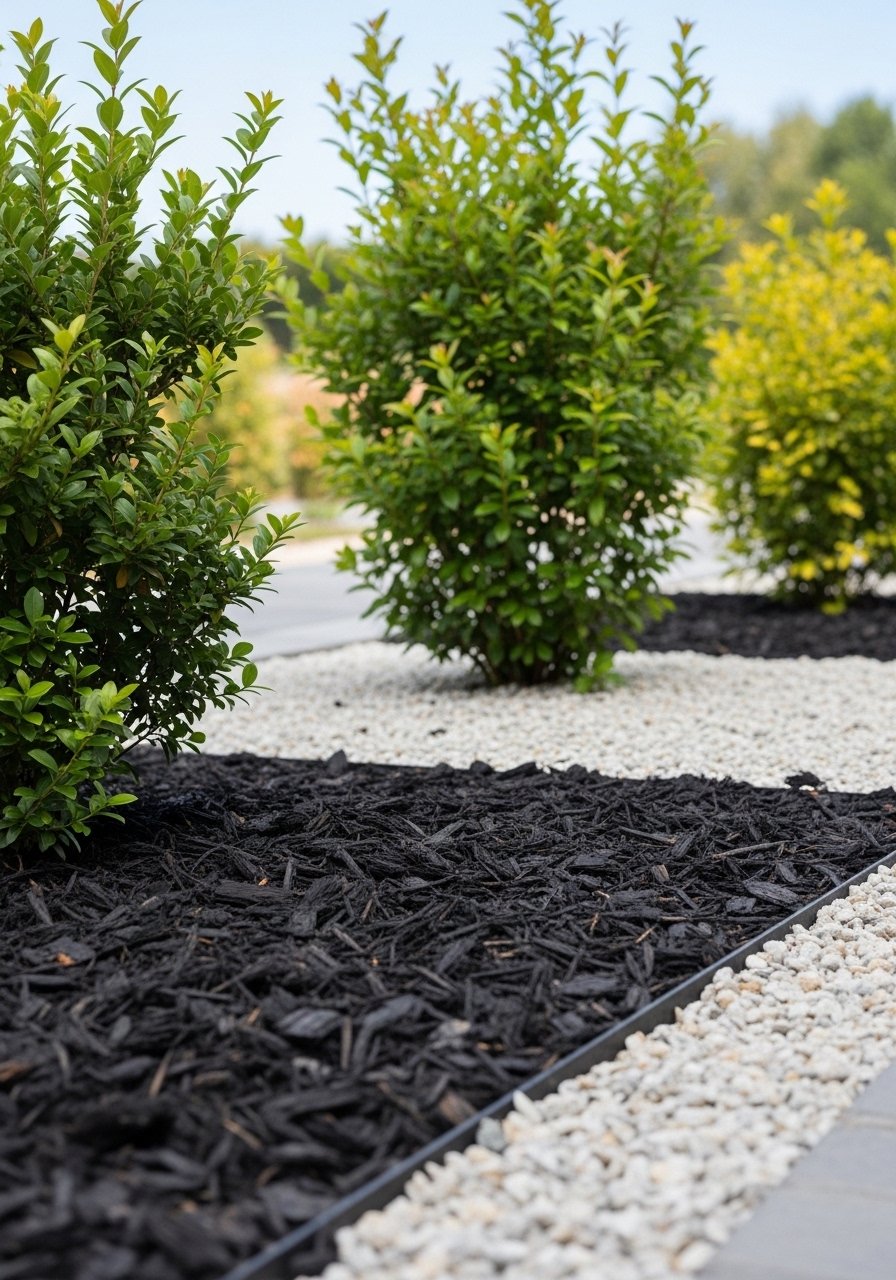
I simplified a big border into mulch and three structural plants. The contrast between dark mulch and light gravel feels modern and hides weeds. I once used a single mulch and it looked flat; adding a gravel strip added interest.
This approach is cheap and tidy. Refresh mulch every other year and spot-weed when needed.
What You’ll Need for This Look
29. Front Porch Seating Nook with Planters
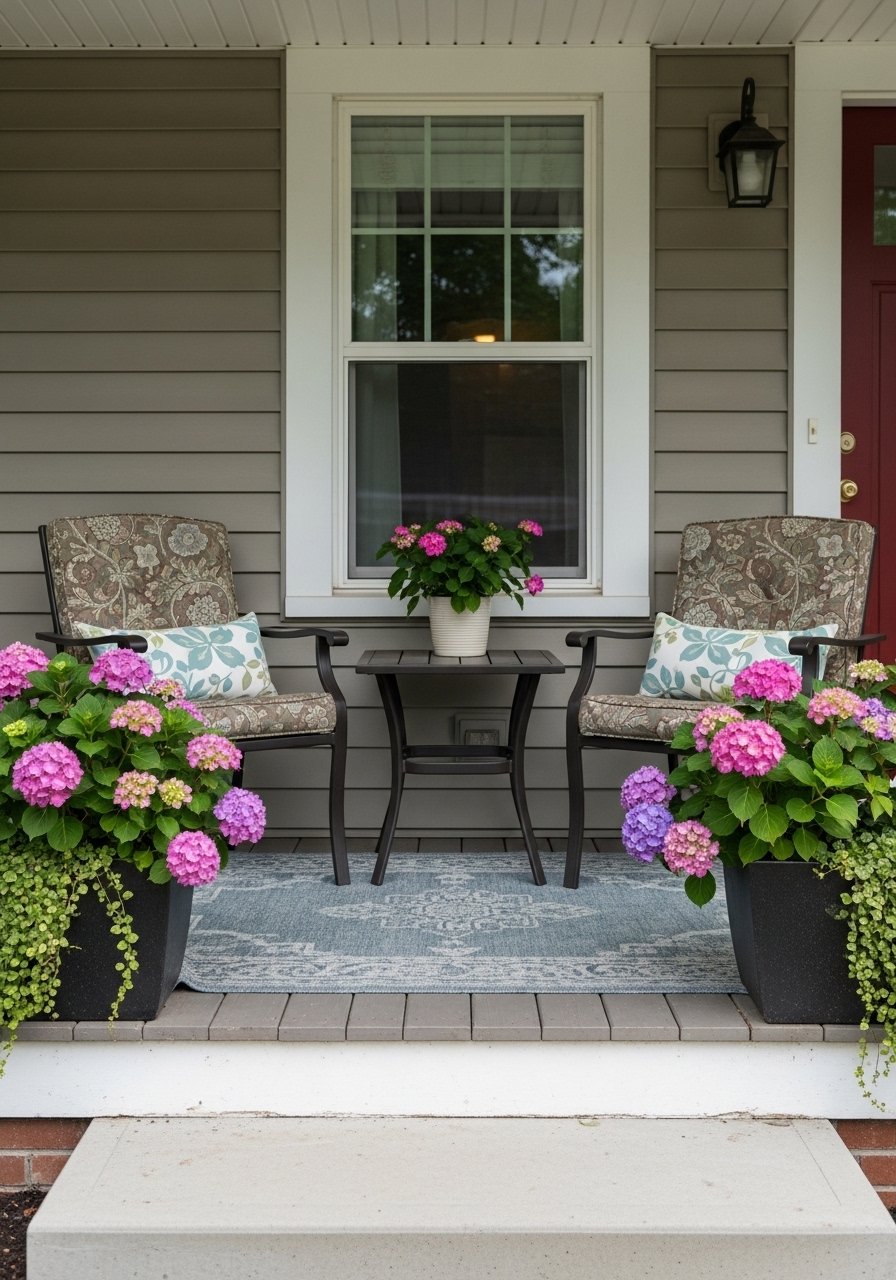
I carved a small seating nook on the porch with two chairs and matching planters. It made the entry feel lived-in and welcoming without being fussy. My early chairs were too big and cramped the space — scale matters.
A simple seating spot invites you to pause and keeps the front from feeling like an afterthought. Use durable outdoor fabrics and swap seasonal plants in the planters.
What You’ll Need for This Look
Final Thoughts
You don’t need to do everything at once. Pick one or two ideas that match your yard and skill level.
I started small and built confidence. A clean line, a couple of strong plants, and the right pots go a long way.
Leave a Reply