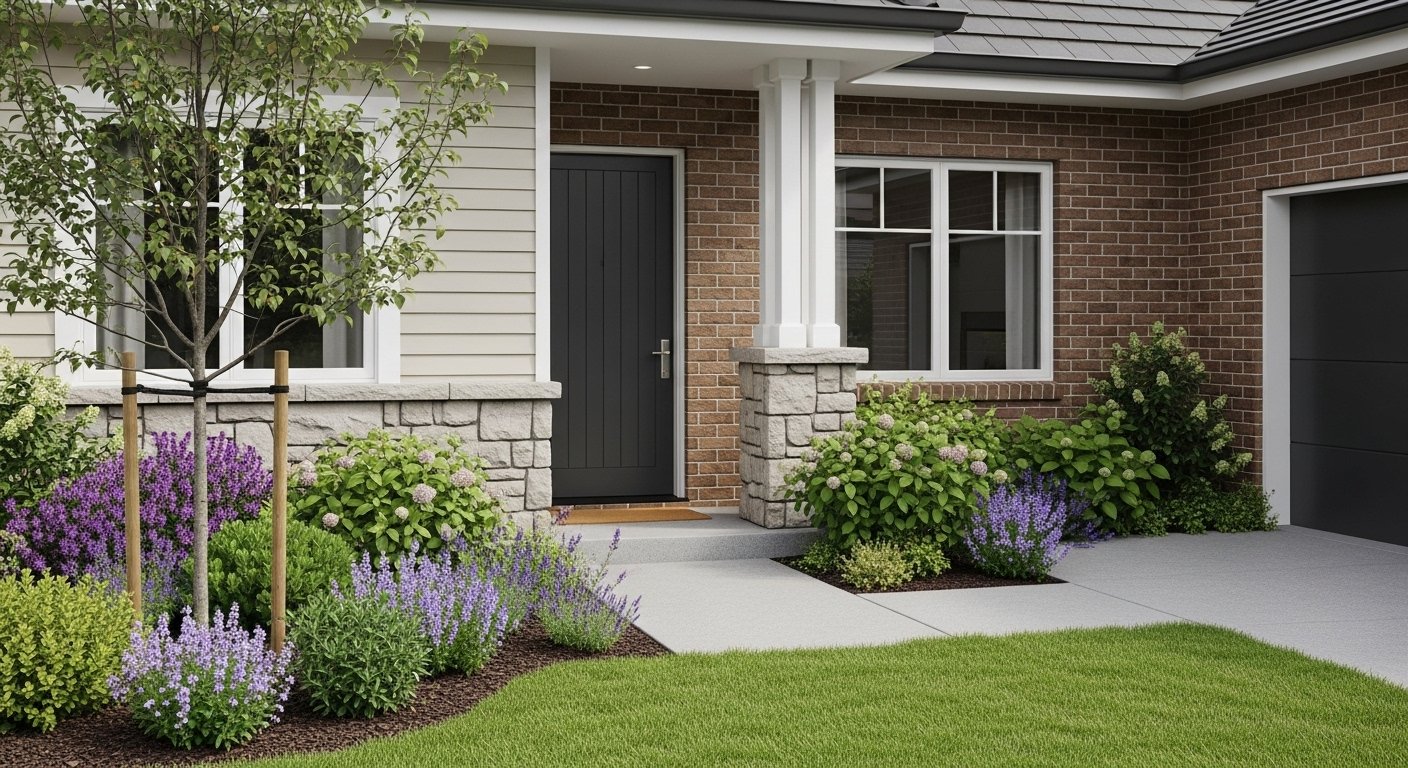
I used to cram the best plants into every bare corner and still feel dissatisfied. The lawn looked busy but empty. I’d stand there unsure where to look.
Over time I learned to place plants so the space breathes. This method keeps the yard simple, balanced, and welcoming without feeling overcrowded.
How to Landscape a Small Front Lawn Without Overcrowding It
This is the method I use every time a garden needs to read calm and intentional. You’ll learn how to place plants and empty space so the front lawn feels balanced and open.
What You’ll Need
- Compact 2–3 ft Boxwood evergreen shrub
- Dwarf ornamental grass (18–24 in, clumping)
- Low-growing thyme groundcover (green, mat-forming)
- Dwarf hydrangea (2–3 ft, rounded habit)
- Narrow salvia perennial (spiky color, 12–24 in)
- Coarse bark mulch (2 cu ft bag)
- Narrow slate stepping stones (rectangular pavers)
- Low solar pathway lights (black, 4-pack)
Step 1: Decide Where the Eye Should Rest
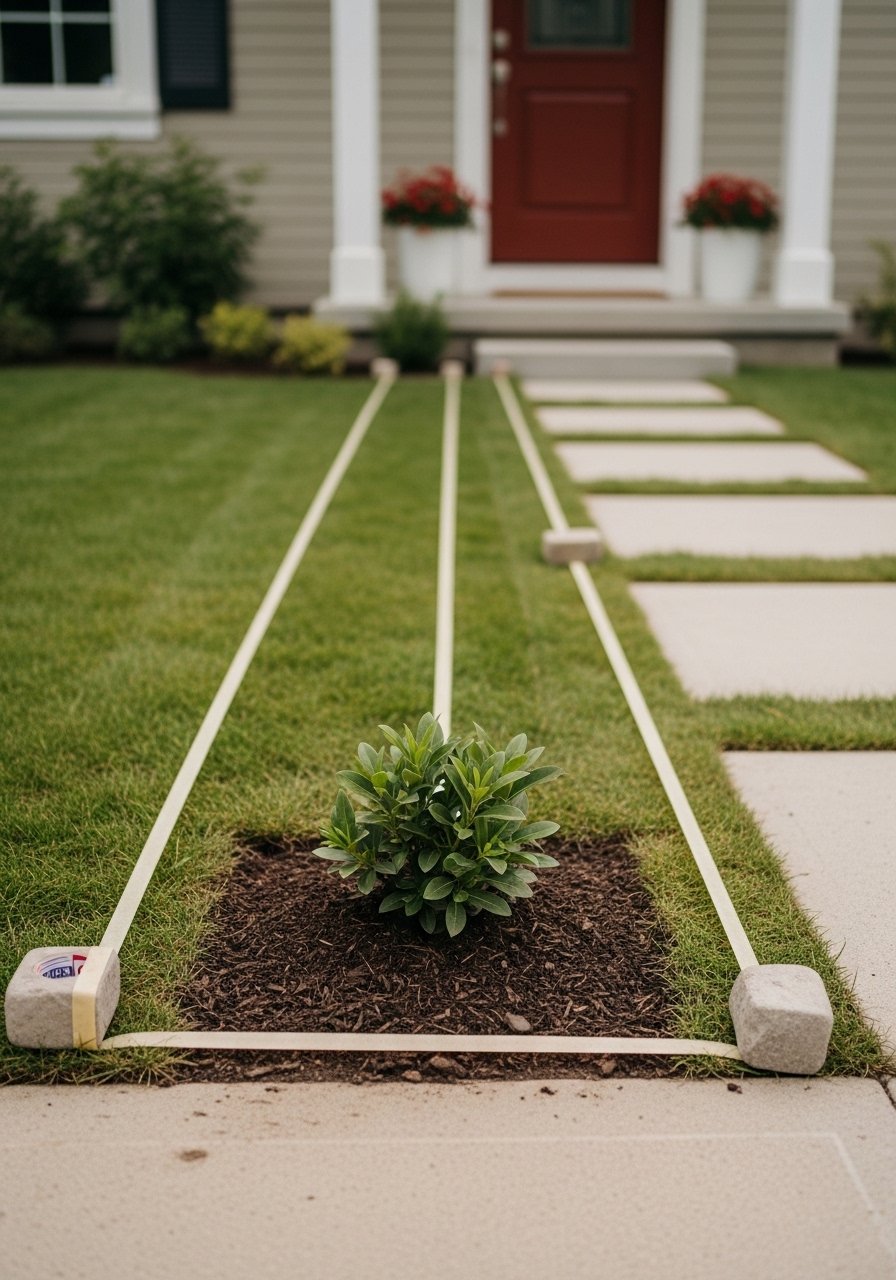
I walk the lawn and pick one or two resting points — a small evergreen and the front door. That decision changes everything. It gives me permission to leave gaps and keeps the space from competing for attention.
Visually, the lawn gains purpose. You’ll notice paths and plant groups start to point toward those rests. One thing people miss is that empty space is intentional design, not neglect. The small mistake I made was trying to add a third focal point; it pulled the eye in too many directions.
Step 2: Group Plants in Odd Numbers
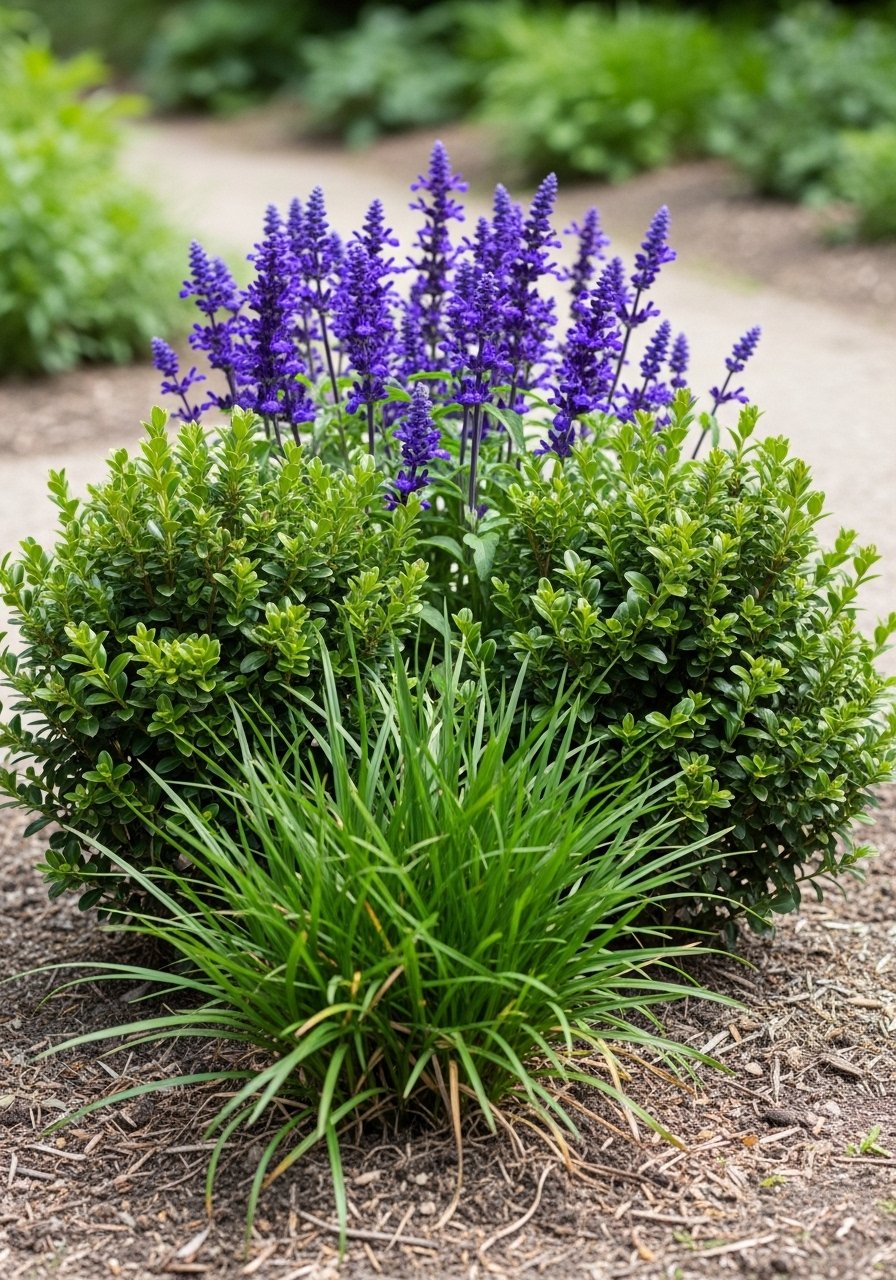
I plant in groups of three or five instead of lining things up. Odd numbers read more natural and make planting feel deliberate without clutter. I tuck a low grass and a flowering perennial together to create a single visual chunk.
The lawn instantly looks less like a display and more like a place. A common insight is that scale matters more than quantity; three small plants can fill a view as well as ten mismatched ones. Don’t scatter single plants across the yard — that’s the easy mistake that makes a small lawn feel busy.
Step 3: Keep Heights Layered, Not Tall Everywhere
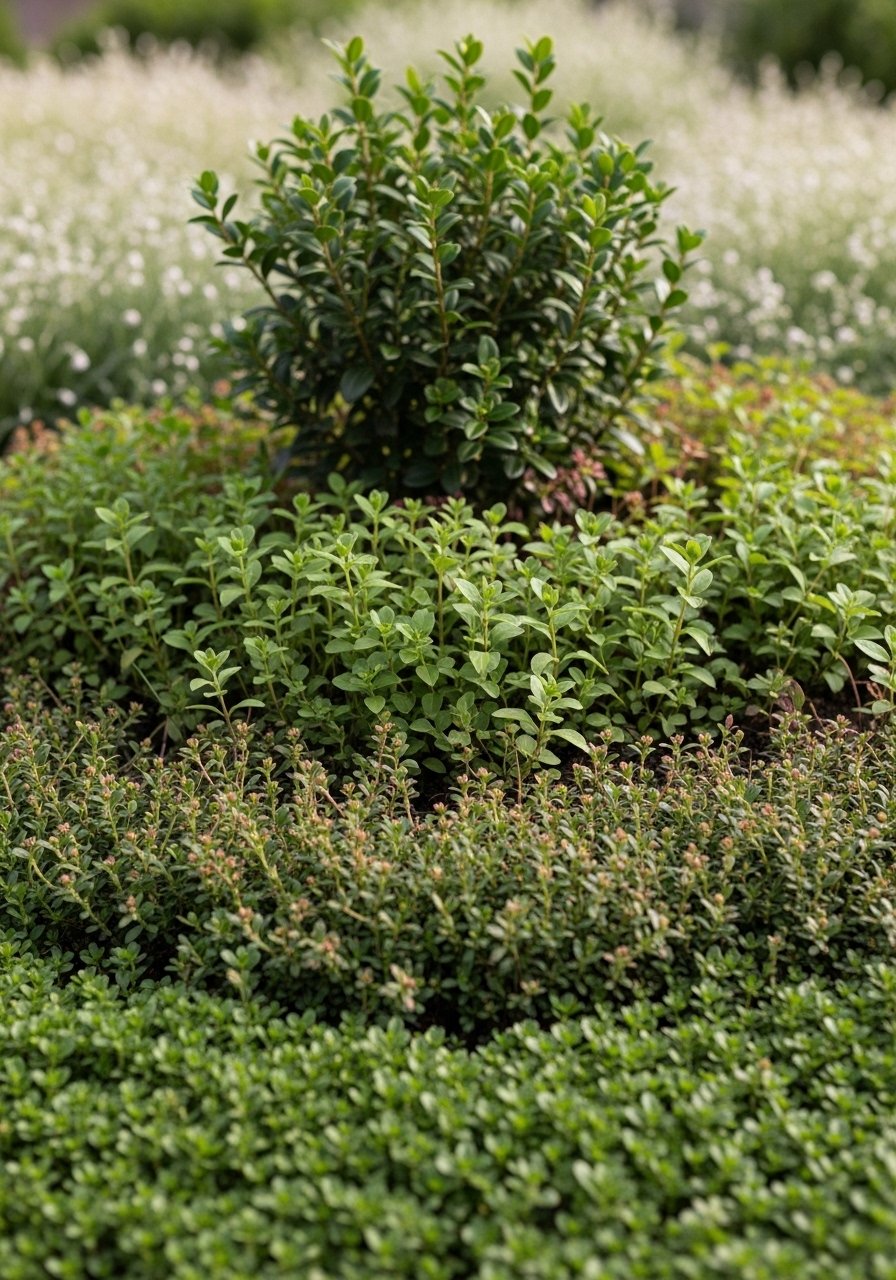
I think in layers: low groundcover, mid-height perennials, and one small shrub. That vertical rhythm gives depth without crowding. I place tallest at the back or nearest the house and step down toward the lawn edge.
The visual change is immediate — the bed looks tidy and intentional. Many people plant too many tall things, which blocks sightlines and shrinks the space. A common error is planting tall at the front; avoid hiding your own path or porch behind oversized plants.
Step 4: Use Paths and Empty Strips to Guide Movement
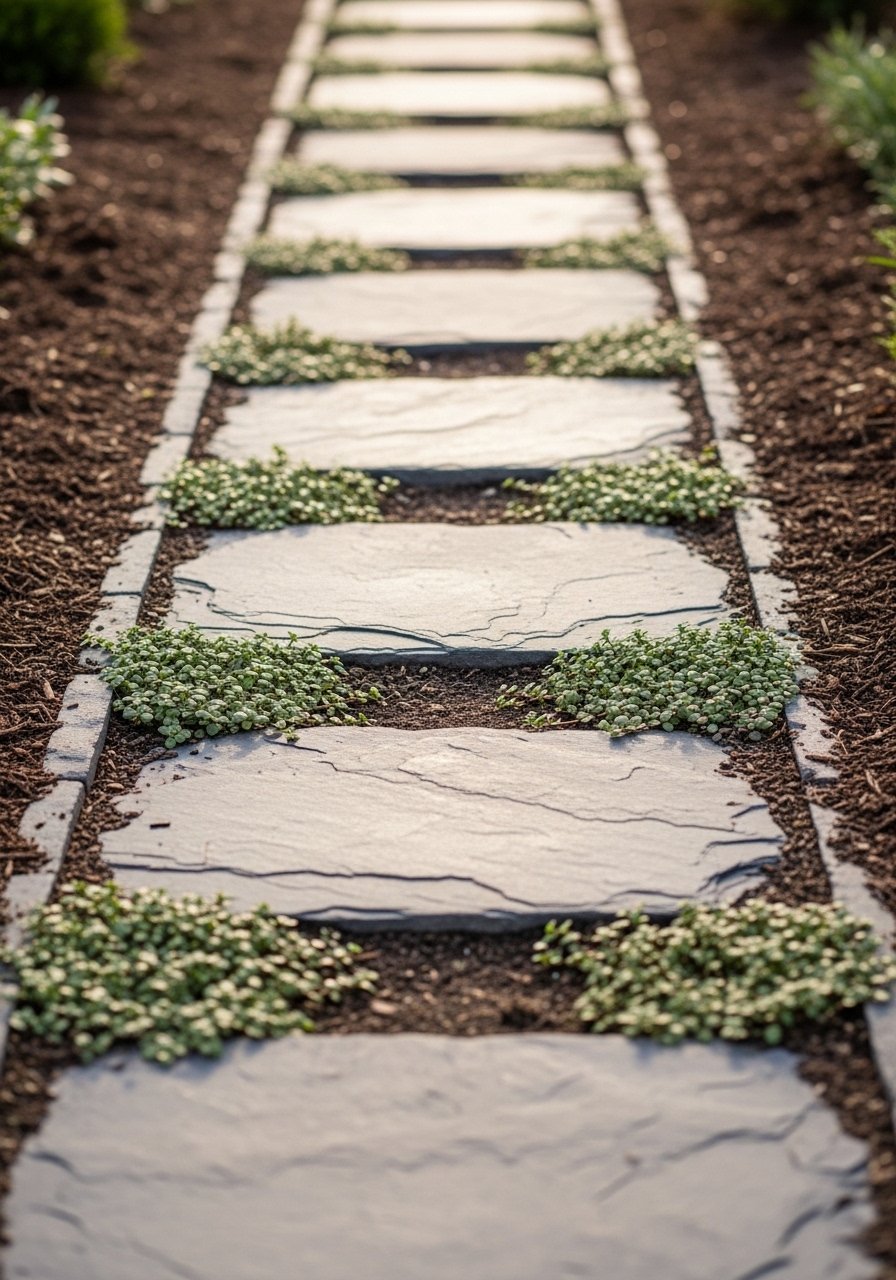
I add a simple narrow path or leave a strip of lawn as a visual guide. The route doesn’t need to be wide. It hints where to walk and creates purposeful voids that balance planting beds.
Visually, paths make the design read as organized instead of random. People often forget that the space between beds is part of the plan. The small mistake is making the path too ornate or wide — it should feel useful and quiet, not decorative.
Step 5: Finish with Mulch, Lights, and One Accent
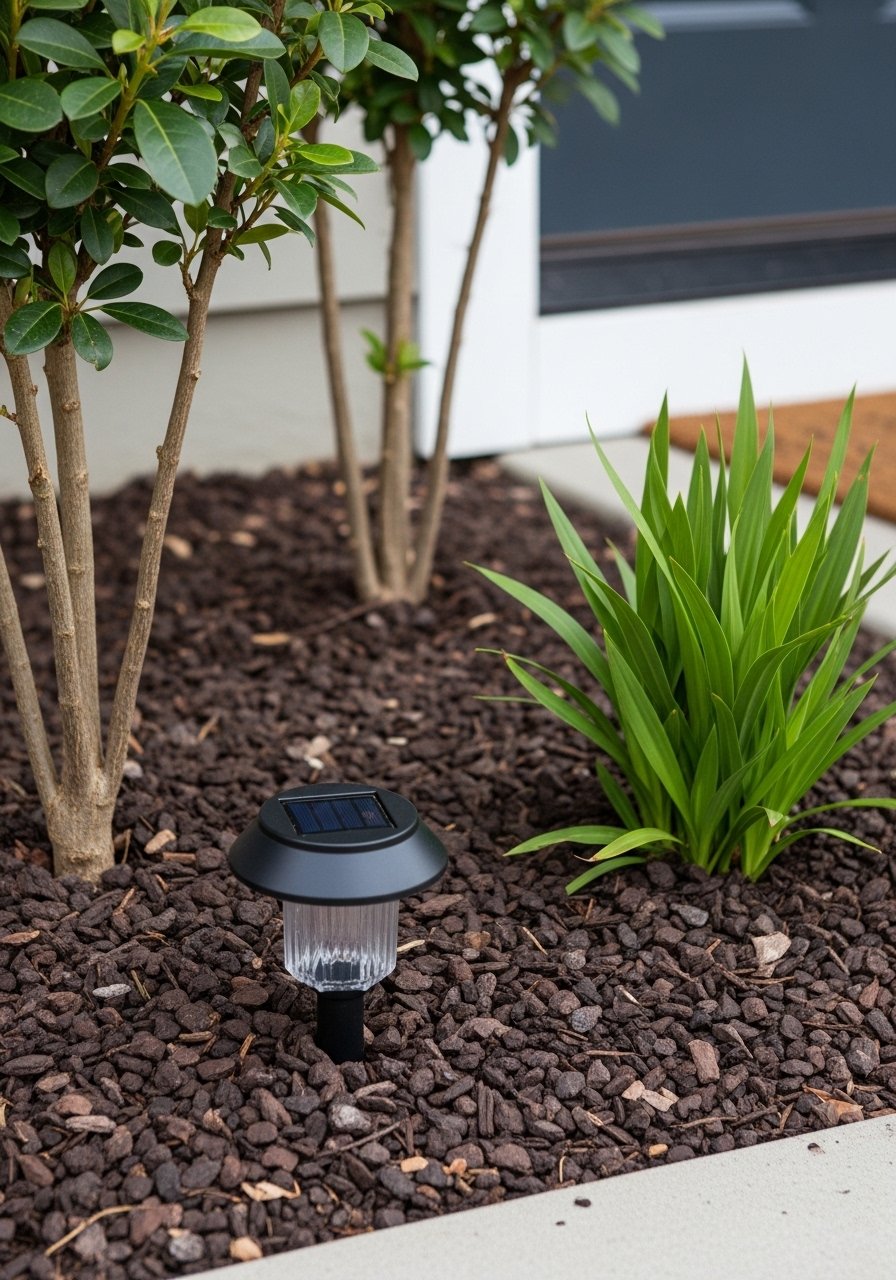
I spread a tidy layer of coarse mulch and add one subtle accent near the entry — a simple pot or a dwarf hydrangea. Mulch ties the planting beds together and signals boundaries without adding more color or clutter.
The lawn reads calmer and more finished. One insight is that a single accent is stronger than multiple small decorations. A mistake I used to make was over-ornamenting with too many pots; that competes with the plants and steals the quiet feeling.
Plant Selection Notes
I favor plants that keep a compact habit. Dwarf evergreens, clumping grasses, and tidy perennials give me predictable shapes. That predictability makes it easy to place them with breathing room.
Choose two dominant textures — one structural (evergreen or shrub) and one soft (grass or groundcover). Repeat them across the lawn for cohesion. Repetition is quieter than variety.
Rhythm and Repetition
Rhythm comes from repeating plant groups and spacing. I repeat the same small planting trio two or three times rather than using many different species once. It creates a calm pulse that the eye follows.
Use gaps between repeated groups deliberately. Those gaps are as important as the plants themselves. They help the eye move from one group to the next.
Low-Maintenance Habits
I prune lightly and thin every spring to keep scale in check. Mulch suppresses weeds and keeps edges clean. I also check sightlines from the sidewalk and front door each season and adjust one plant at a time.
Maintenance is part of the design. Small, regular edits preserve the simple look without a lot of work.
Final Thoughts
Start with one focal point and leave space around it. Small moves like grouping and layering make a big visual difference. Trust empty space as part of the plan.
Work in stages and resist filling every gap at once. The lawn will feel calmer and more intentional that way.
Leave a Reply