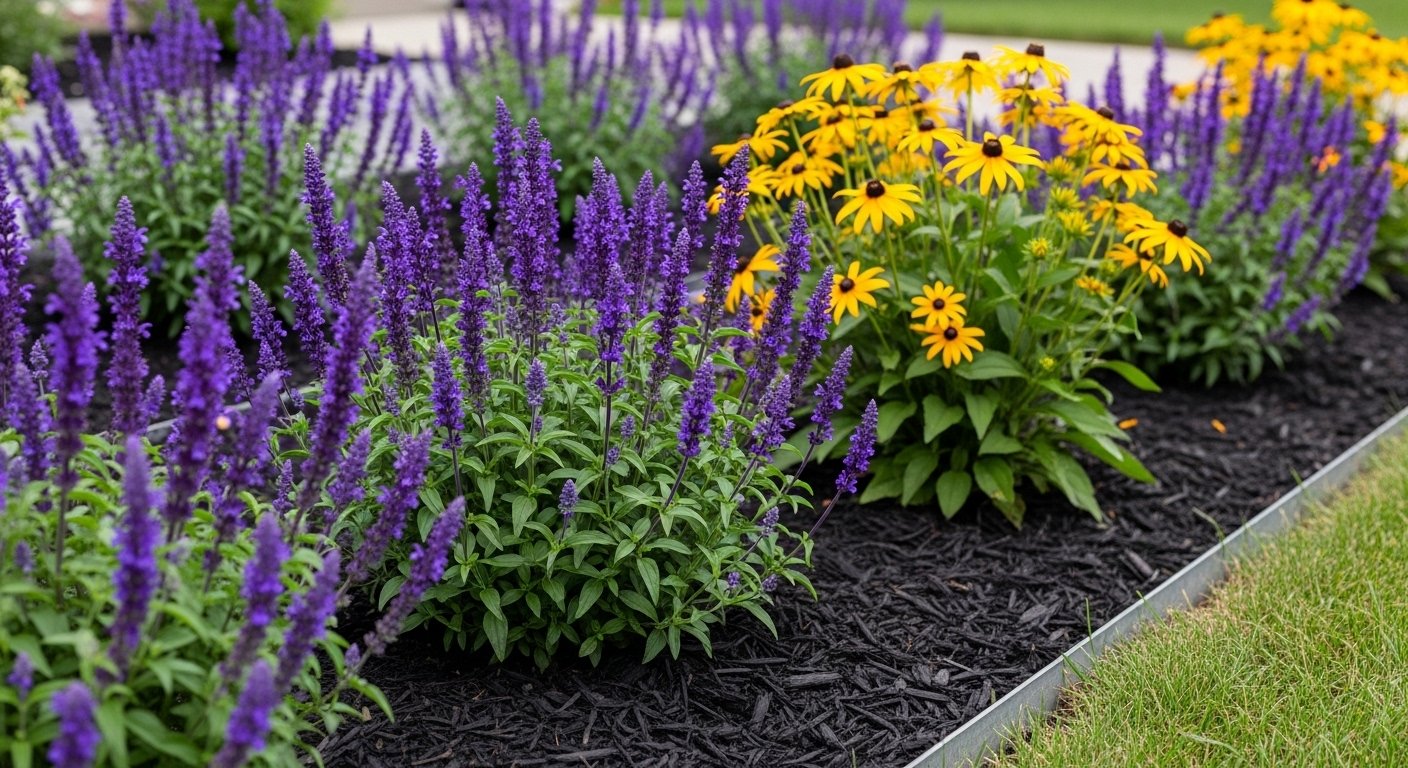
I finally stopped trying to copy magazine lawns. I planted things that survive my forgetfulness and still look good from the street.
These are cheap, plain-work ideas I used, fixed, or messily improved. You can pick a few and get a visible front-lawn change this weekend.
22 Budget-Friendly Budget Front Lawn Landscaping Ideas For Affordable Makeovers
These 22 ideas are hands-on, low-cost, and realistic. Pick some that match your time and style—there’s a mix of plant, hardscape, and lighting ideas to try.
1. Narrow Gravel Path to Break a Big Lawn
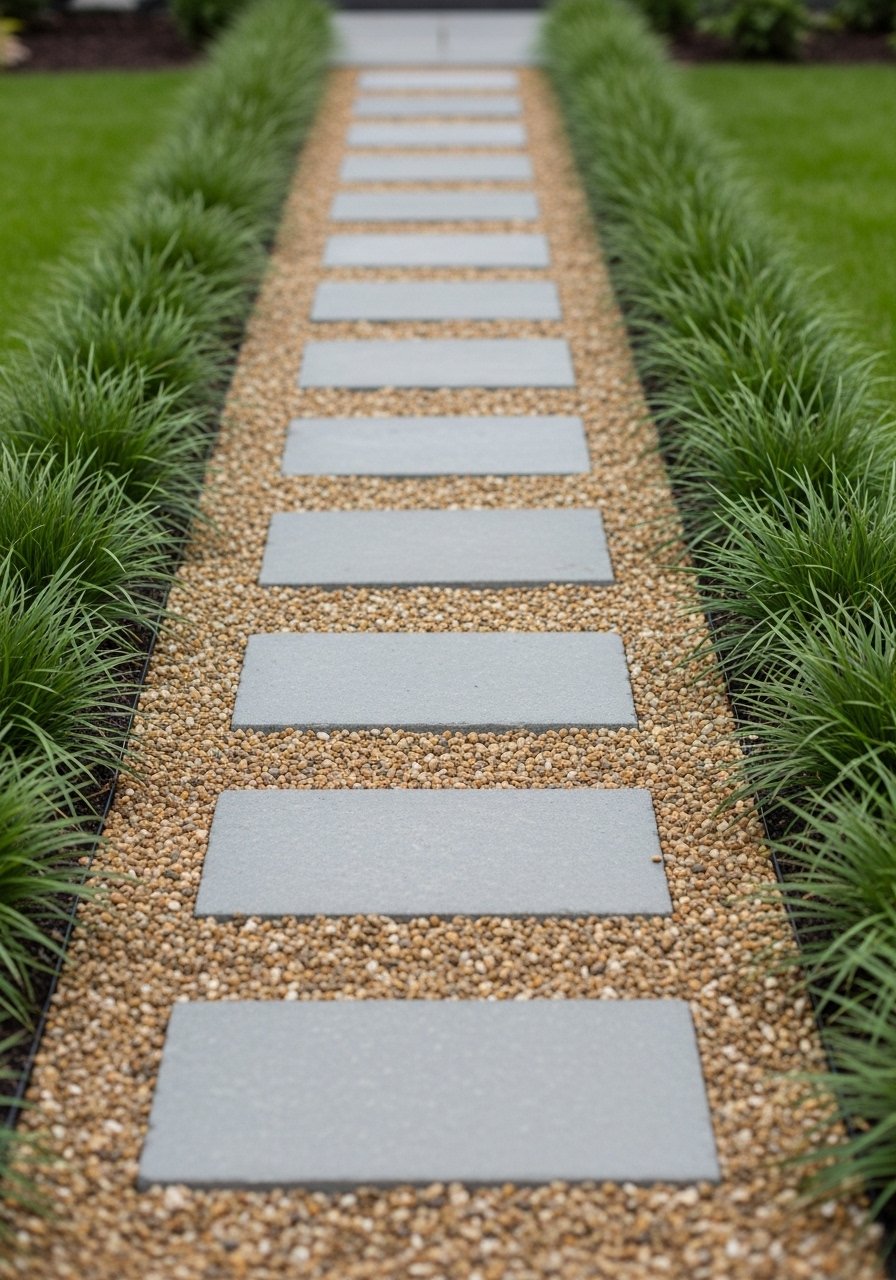
I cut a narrow gravel path through my wide front lawn to guide views to the porch. It broke the plain green and made mowing less tedious.
I used crushed pea gravel because it compacts and stays put. Honest flaw: I underestimated edging at first and gravel spread into the grass. I fixed it with simple metal edging.
Tip: keep the path about 2.5–3 feet wide for a natural, walkable look.
What You’ll Need for This Look
2. Clustered Containers at the Walkway
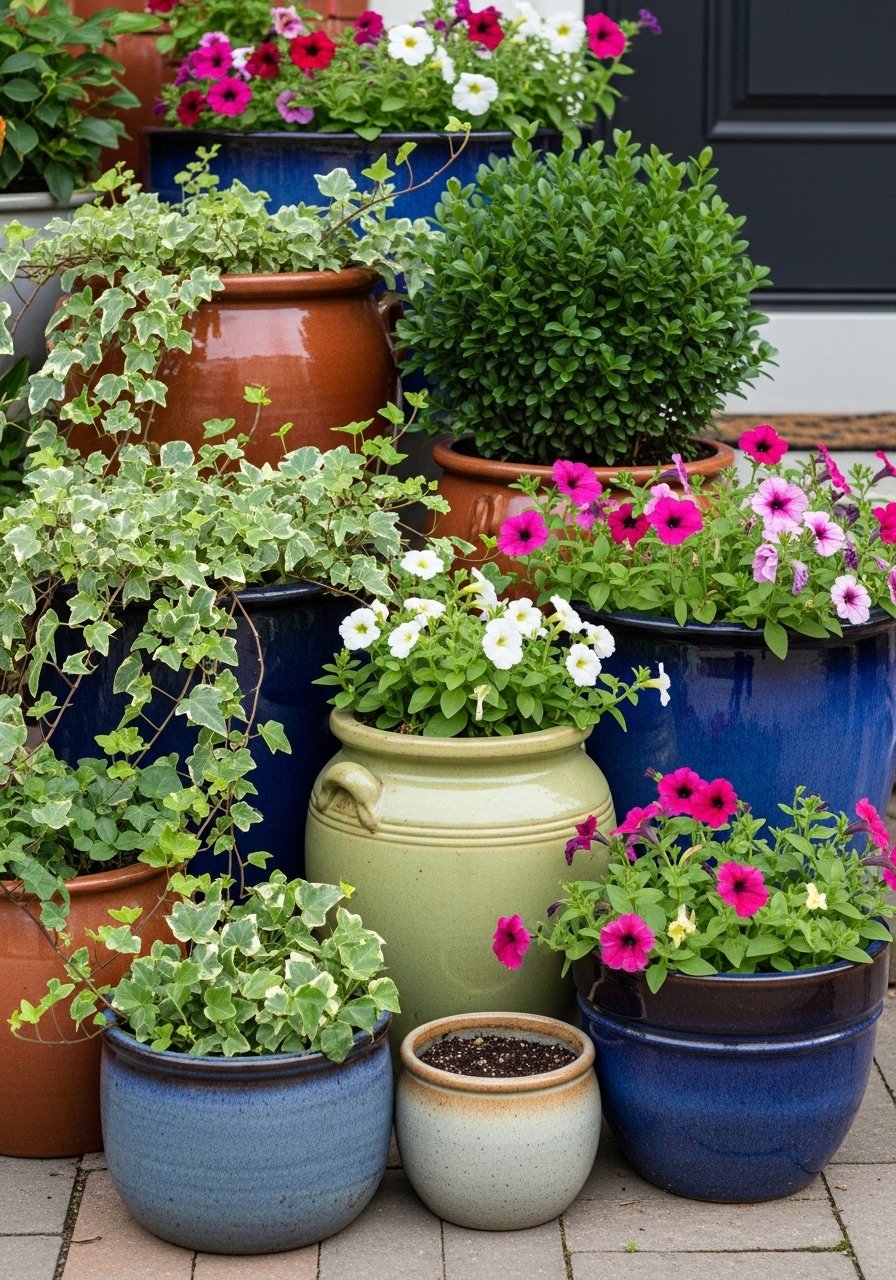
I grouped three different-sized pots near my walkway and it immediately read as intentional. Containers let me add color without digging or big expense.
I mix a tall structural plant, a mid filler, and a trailing piece. I once bought all the same pot and it felt flat—mixing textures helped.
Move pots seasonally and you get instant curb appeal without planting beds.
What You’ll Need for This Look
3. Low Boxwood Edge for a Clean Look
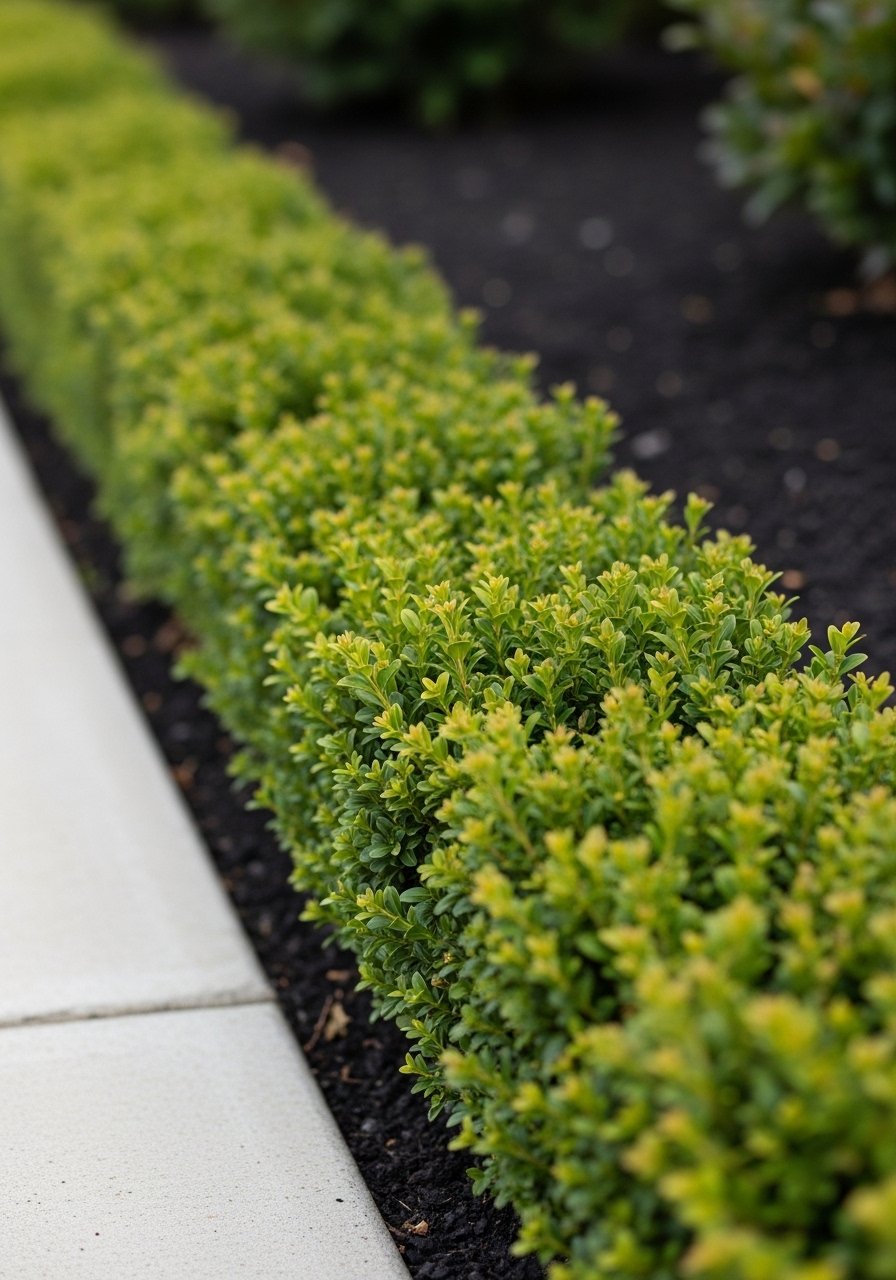
I planted a short row of dwarf boxwood to define my lawn and beds. It looks neat and costs less than a larger hedge.
I trimmed lightly the first year and learned not to shape too tightly. Over-pruning made gaps. Let them fill in before you sculpt.
This gives structure even in winter and reads as intentional from the street.
What You’ll Need for This Look
4. Solar Path Lights for Evenings
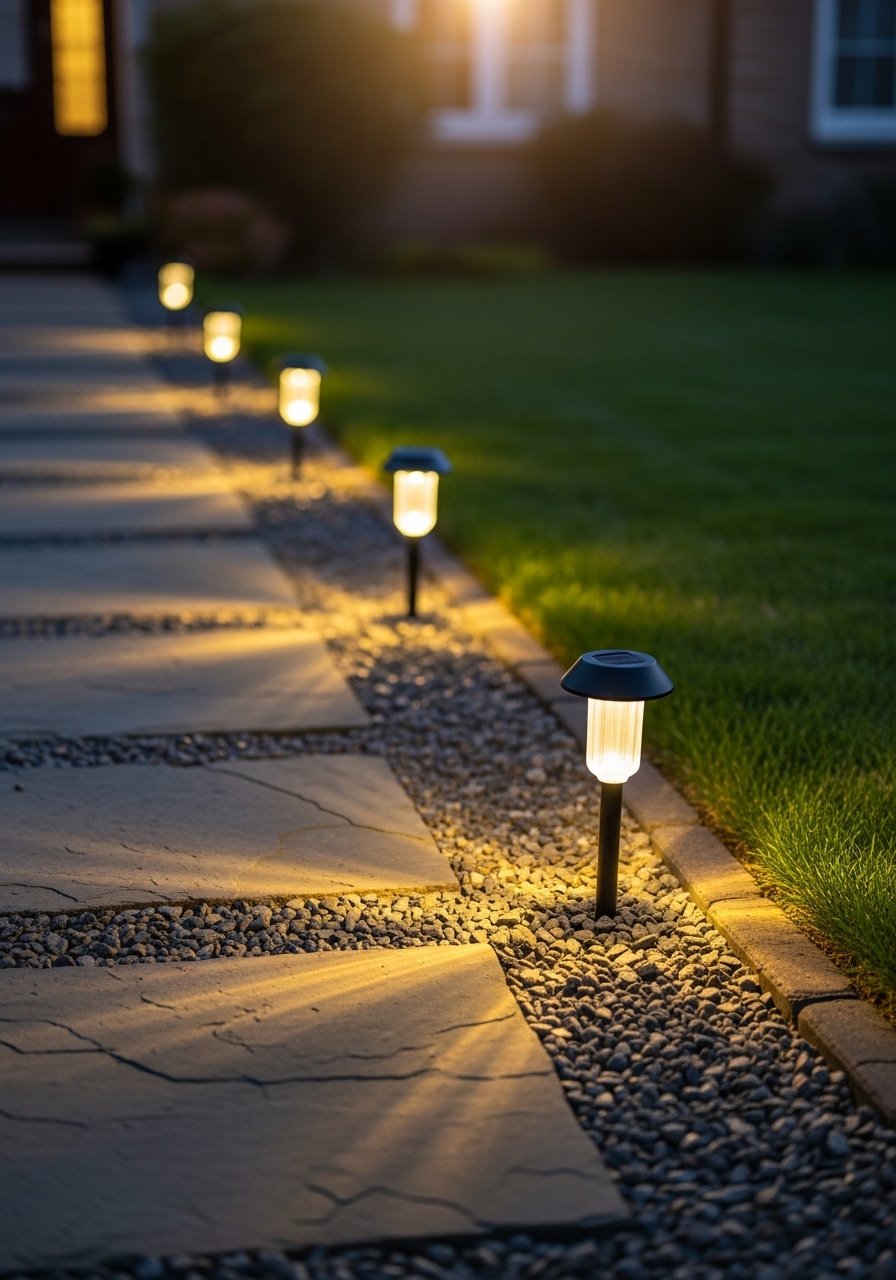
I added solar stakes along my walkway and the house looked friendly at dusk. No wiring, no electrician—each evening has that soft glow.
I once bought flimsy lights that wobbled in wind. Upgrading to heavier-stake models fixed that. Also angle them toward the lawn, not into neighbors’ windows.
Solar lights are an affordable way to extend time in the front yard and make it safer.
What You’ll Need for This Look
5. Native Wildflower Strip for Pollinators
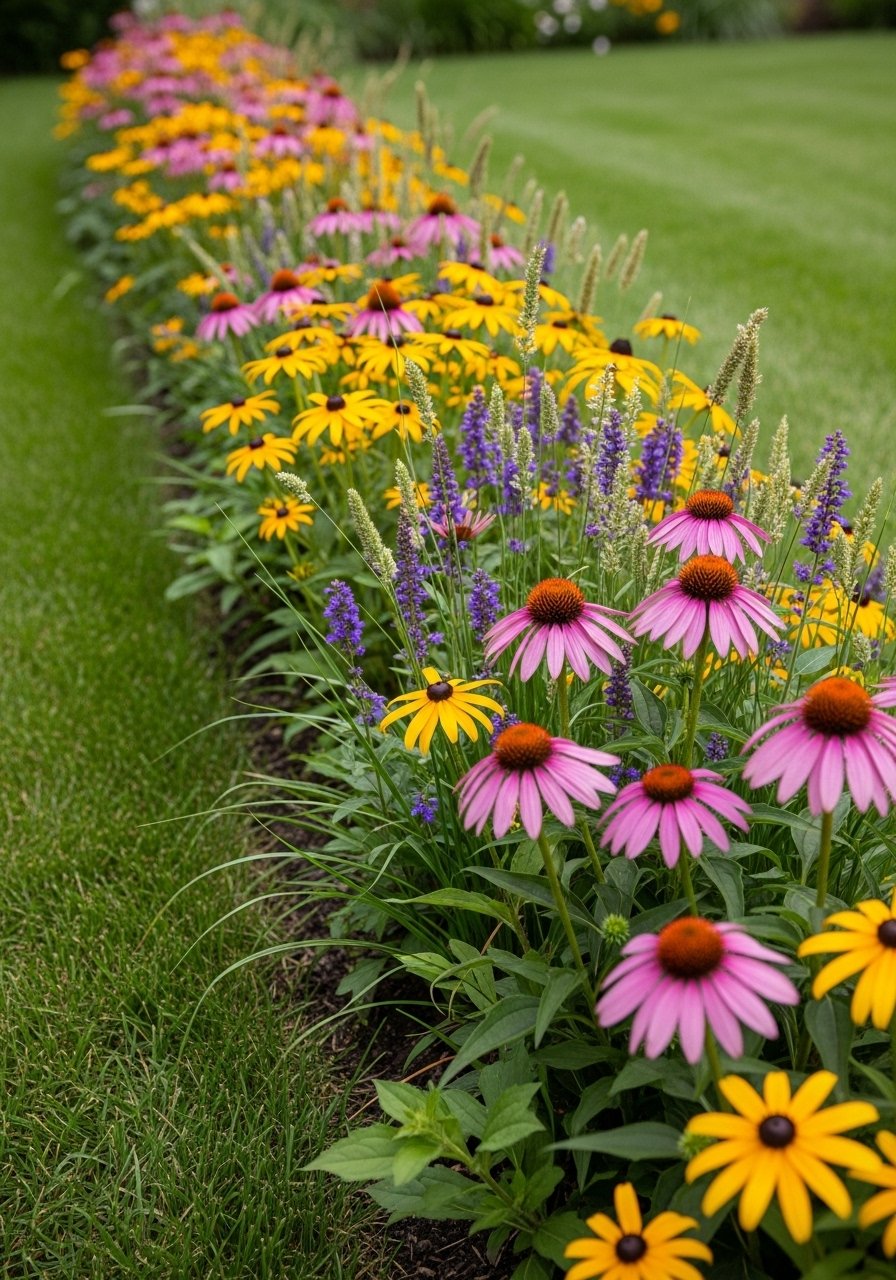
I ripped out a patch of grass and seeded native wildflowers. It took a season to settle, but now bees and butterflies visit daily.
I learned the hard way that weeds come first. I did one aggressive weeding season before the natives dominated. Stick with low-mow the first year.
This costs little and gives text and color from spring through fall.
What You’ll Need for This Look
6. Cheap Raised Bed at the Corner
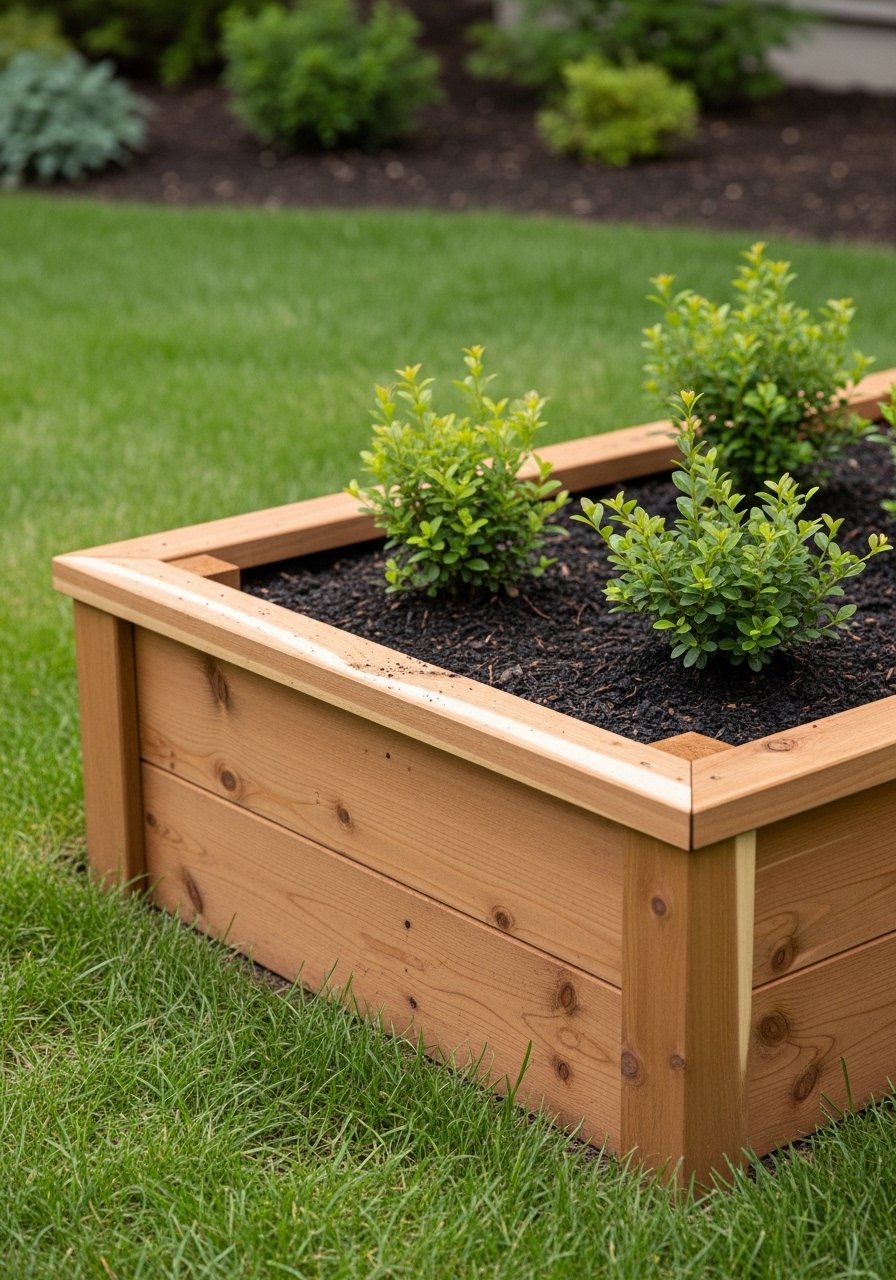
I built a simple cedar raised bed at the corner of my lawn to anchor the eye. It cost less than I expected and hides ugly utility meters.
I initially used treated lumber and regretted the smell. Cedar was pricier but lasted and looked better. Raised beds also reduce bending and keep soil neat.
Plant a mix of evergreen and seasonal color for year-round interest.
What You’ll Need for This Look
7. Replace Lawn with Clover Patches
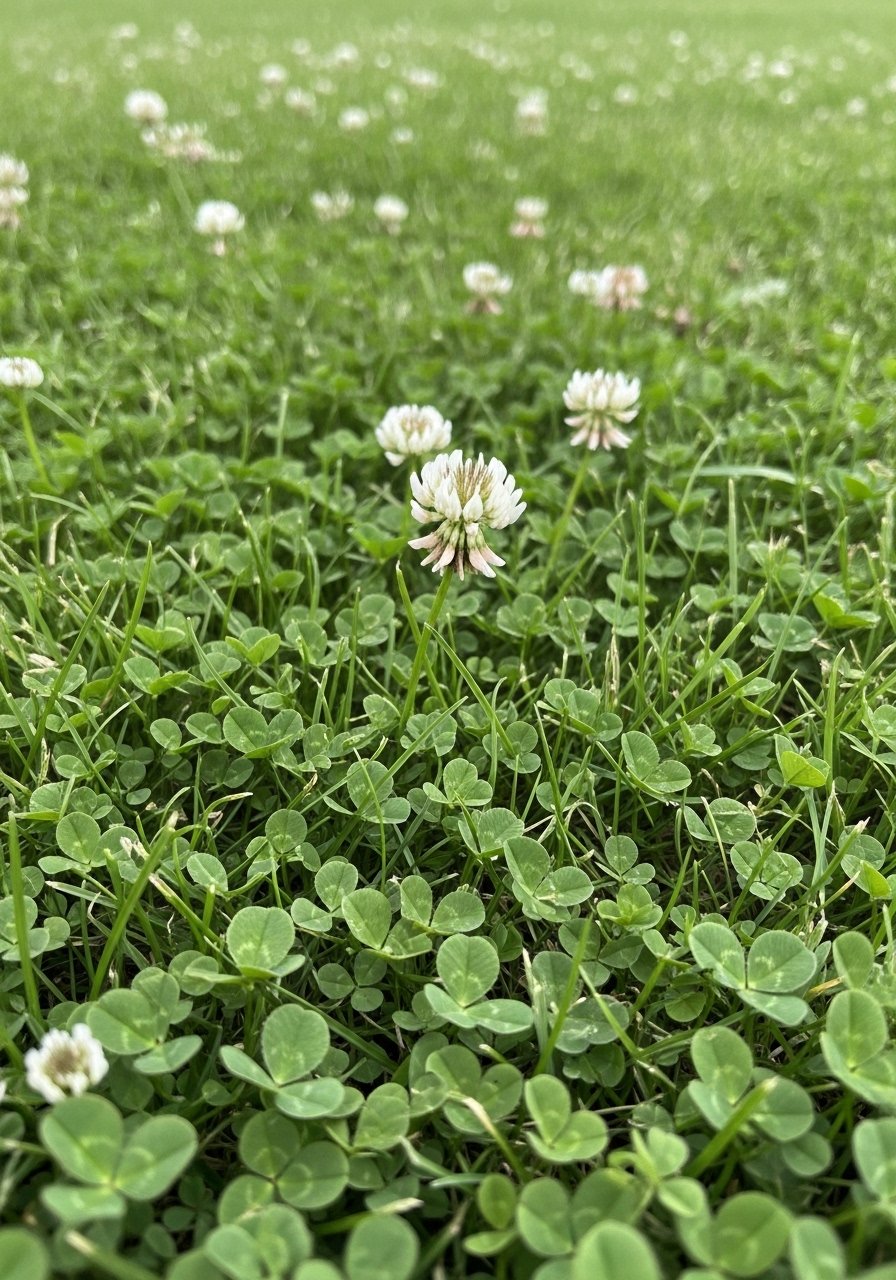
I allowed clover to take over part of my front lawn. It needs less water and stays green earlier in droughts.
Neighbors complained at first, but the bees loved it. I did trim edges to keep it tidy. Mistake: I over-seeded one year and got local weeds; a modest seed rate works best.
Use clover where you want low maintenance and a soft, flowering lawn substitute.
What You’ll Need for This Look
8. Seasonal Annual Color Swaps in Window Boxes
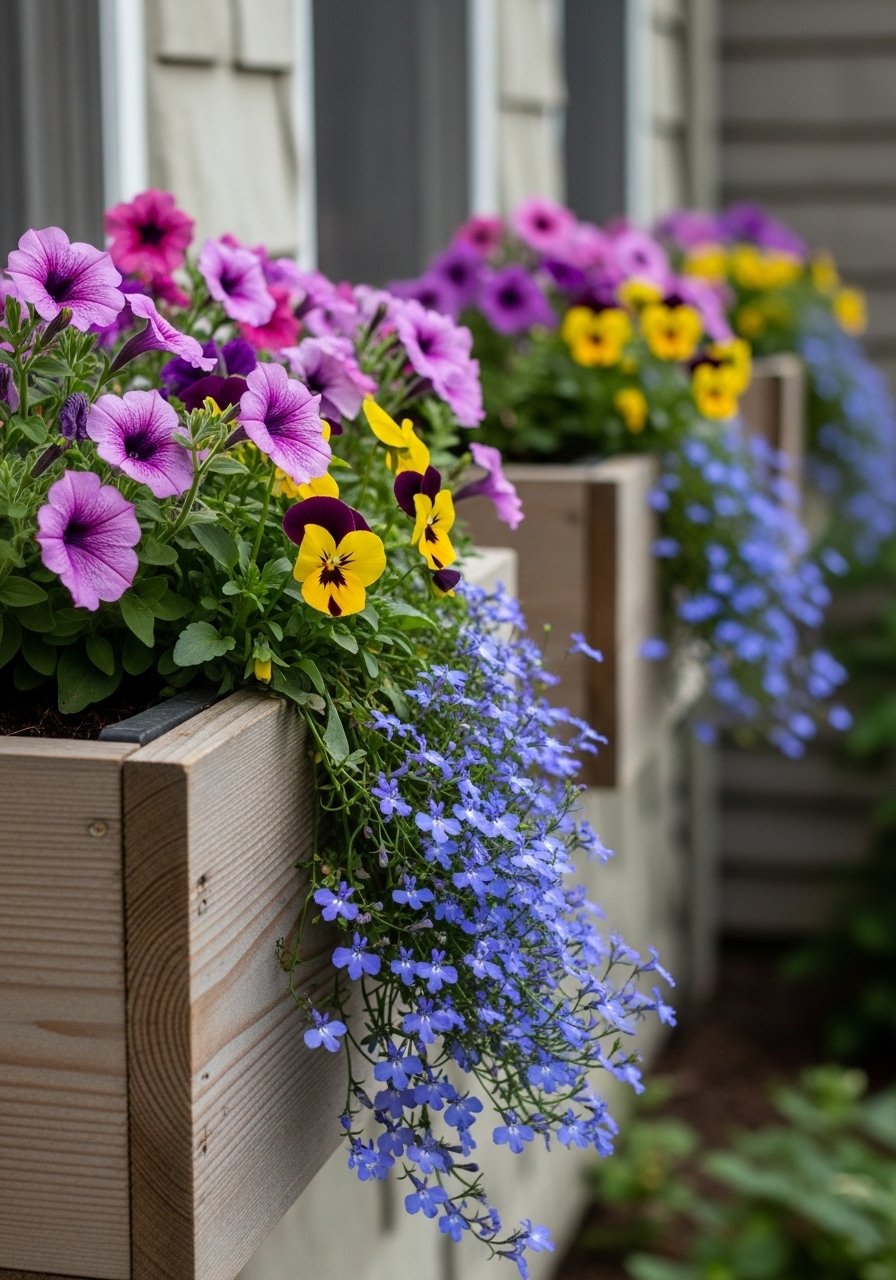
I used window boxes to change the front-house look with the seasons. It’s an inexpensive way to keep color fresh.
I once planted a summer mix that burned in heat. Now I choose drought-tough annuals for summer and swap to pansies in cool months.
Window boxes also make the house feel cared-for with minimal ground work.
What You’ll Need for This Look
9. Cheap Mulch and Bark for Instant Definition
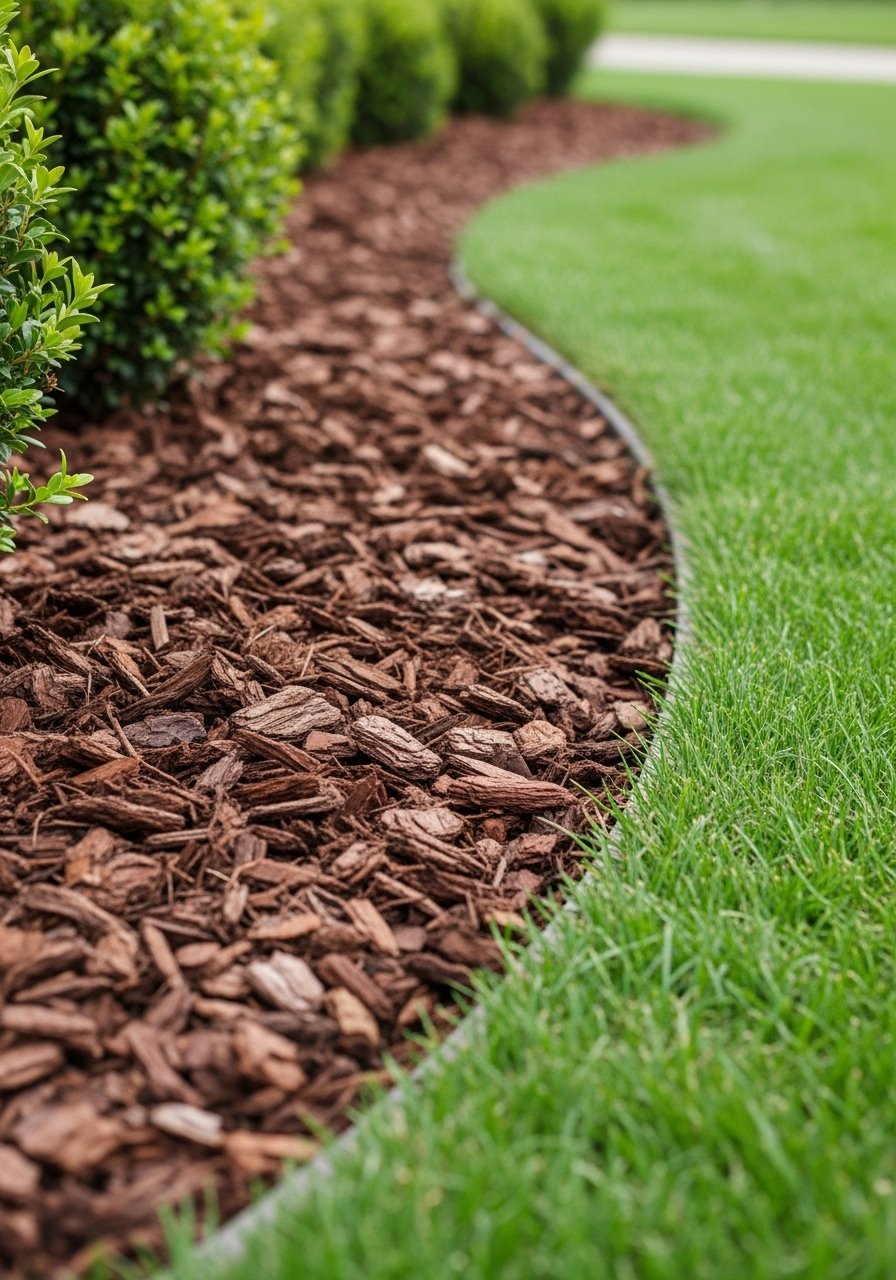
I re-mulched beds every spring and my front yard suddenly looked tidy and intentional. Mulch is inexpensive and hides bare soil.
I once piled it too high around trunks and watched a young shrub suffer. Keep mulch a finger’s width from stems and trunks.
Mulch also reduces weeds and keeps moisture in—big visual improvement for little labor.
What You’ll Need for This Look
10. Cheap Decorative Rocks + Succulent Mix
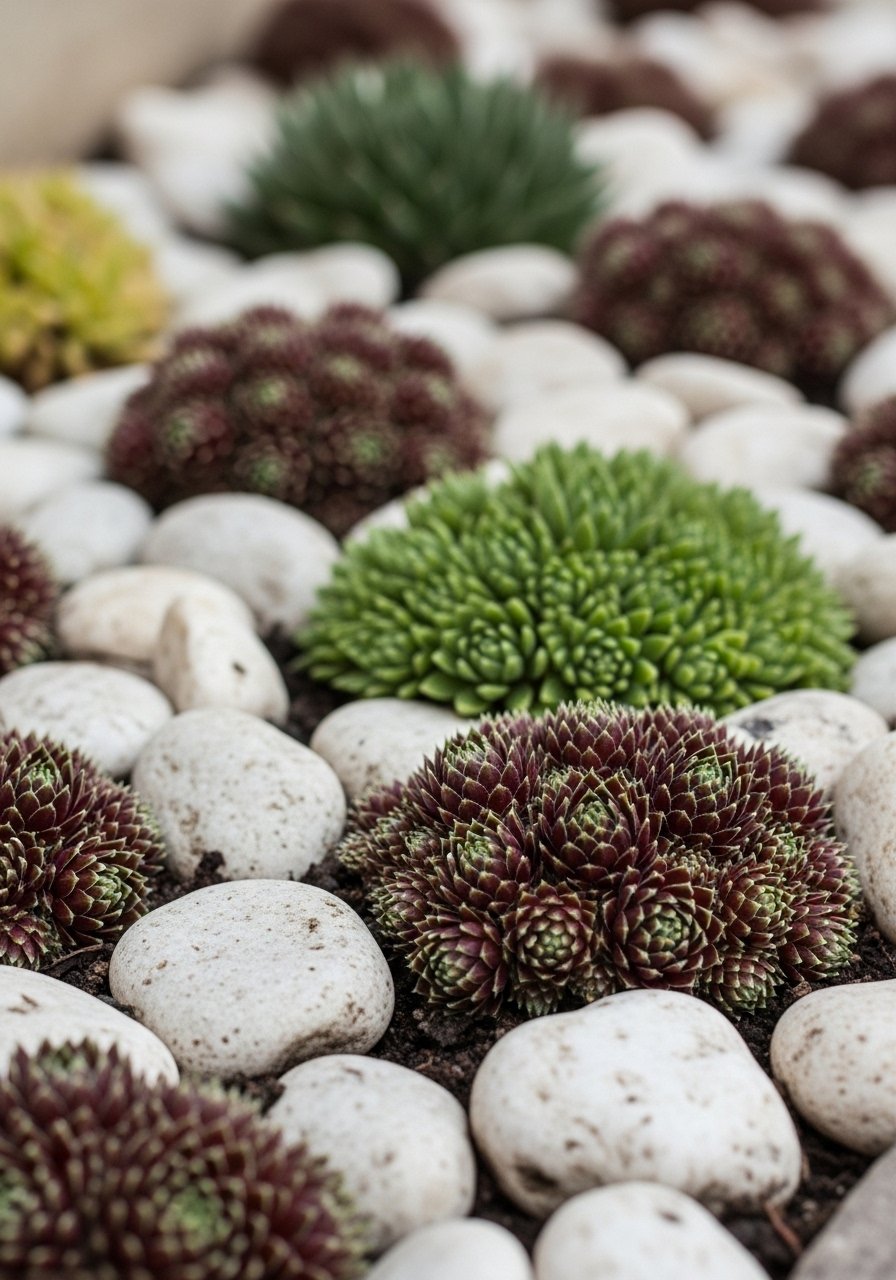
I used a layer of decorative pebbles with a patch of succulents near the front steps. It looks modern without fuss.
I learned succulents need great drainage—my first batch rotted in clay soil. Raised planting and sandier mix fixed that.
This is drought-tolerant and needs almost no maintenance once settled.
What You’ll Need for This Look
11. Reclaimed Pallet Planter for Personality
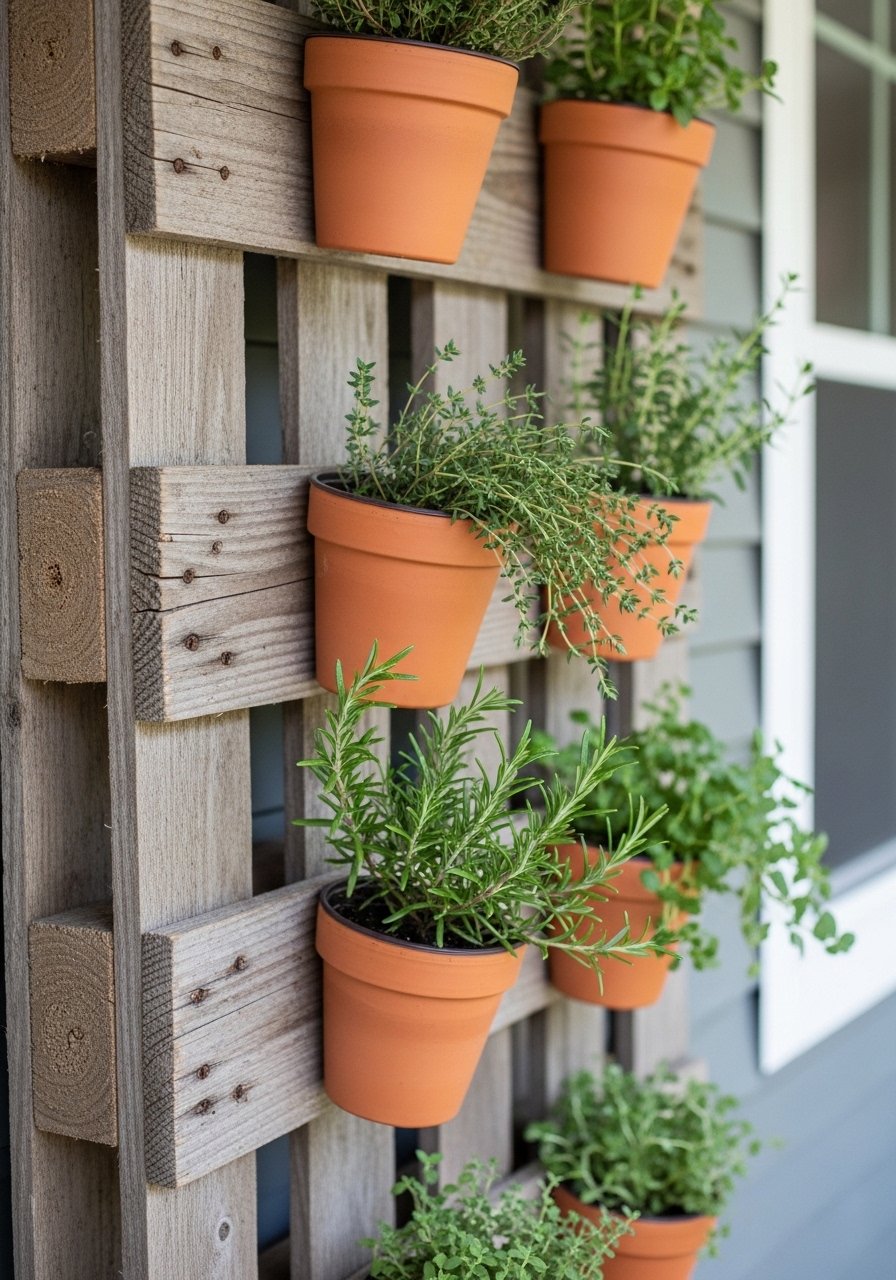
I made a pallet planter and leaned it by my front door. It offered a vertical garden without a big budget.
At first I used pallet wood that wasn’t cleaned; I should’ve sanded and sealed it. After fixing that, it lasted years.
A pallet gives structure and instant cottage charm while using free or cheap materials.
What You’ll Need for This Look
12. Simple Rocking Chair and Mat for a Porch Nook
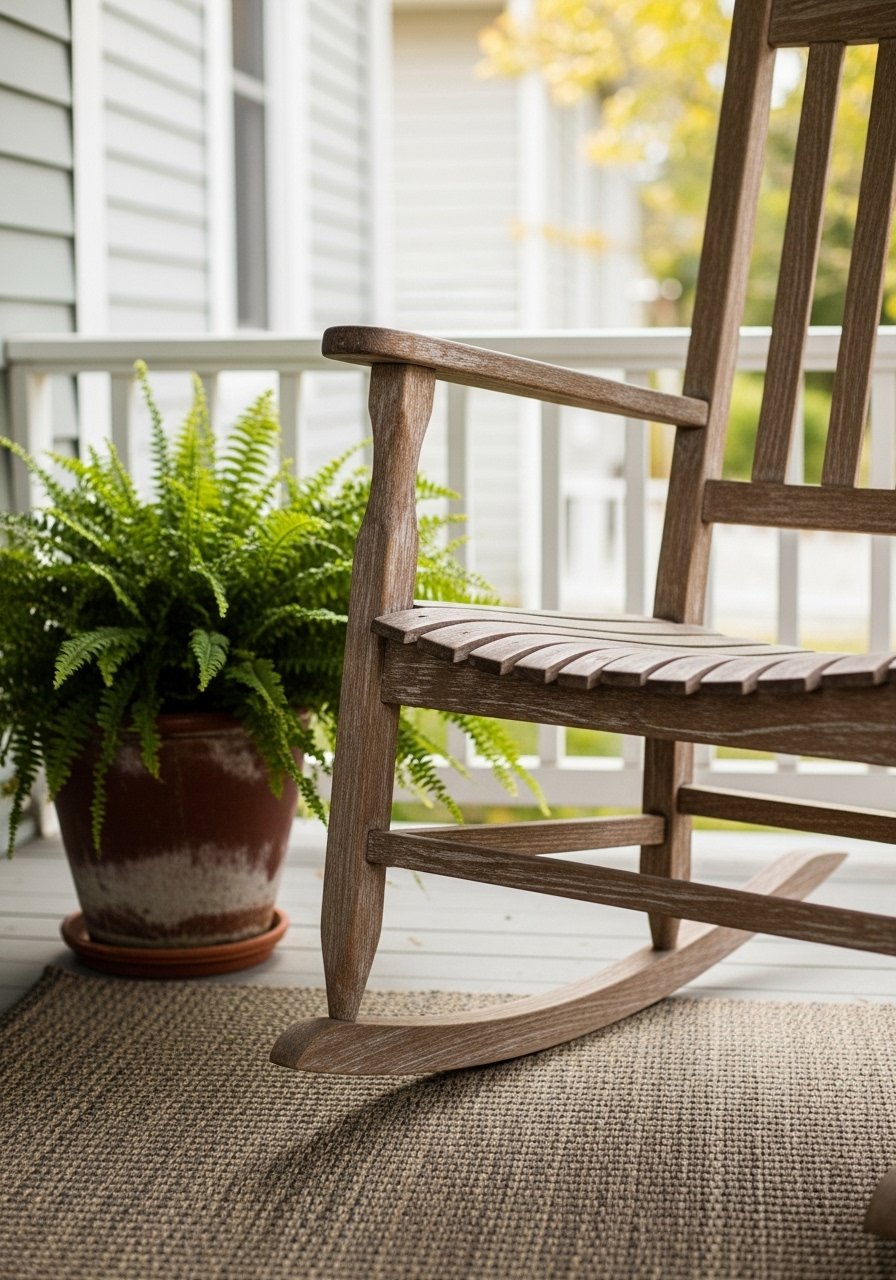
I added a single rocking chair and a small rug to my porch and suddenly the house felt used, not staged. It invites neighbors to chat.
I mistakenly picked a chair that didn’t fit the porch depth—measure first. A slim profile piece is more useful on narrow porches.
You don’t need two chairs—one comfortable seat reads welcoming and costs less.
What You’ll Need for This Look
13. Drifts of Bulbs for Spring Punch
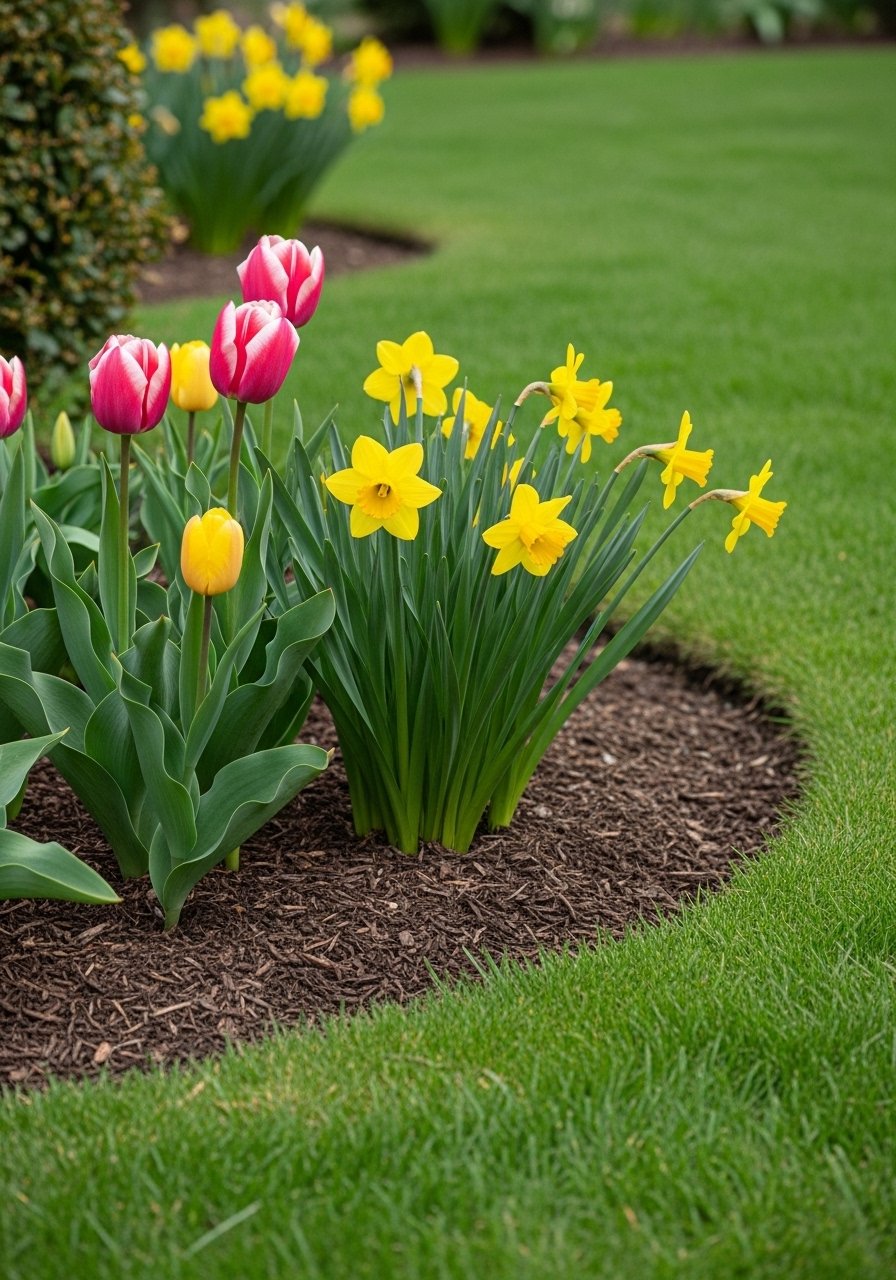
I planted bulbs in groups instead of single plants and the front lawn had a bright spring show. Drifts look natural and are budget-friendly.
I tried single bulbs for variety and it looked sparse. Clumping gives impact with fewer bulbs. Don’t forget to map bulbs so you don’t accidentally dig them up later.
This gives early-season interest with little upkeep.
What You’ll Need for This Look
14. Quick Low-Growth Groundcover Instead of Grass
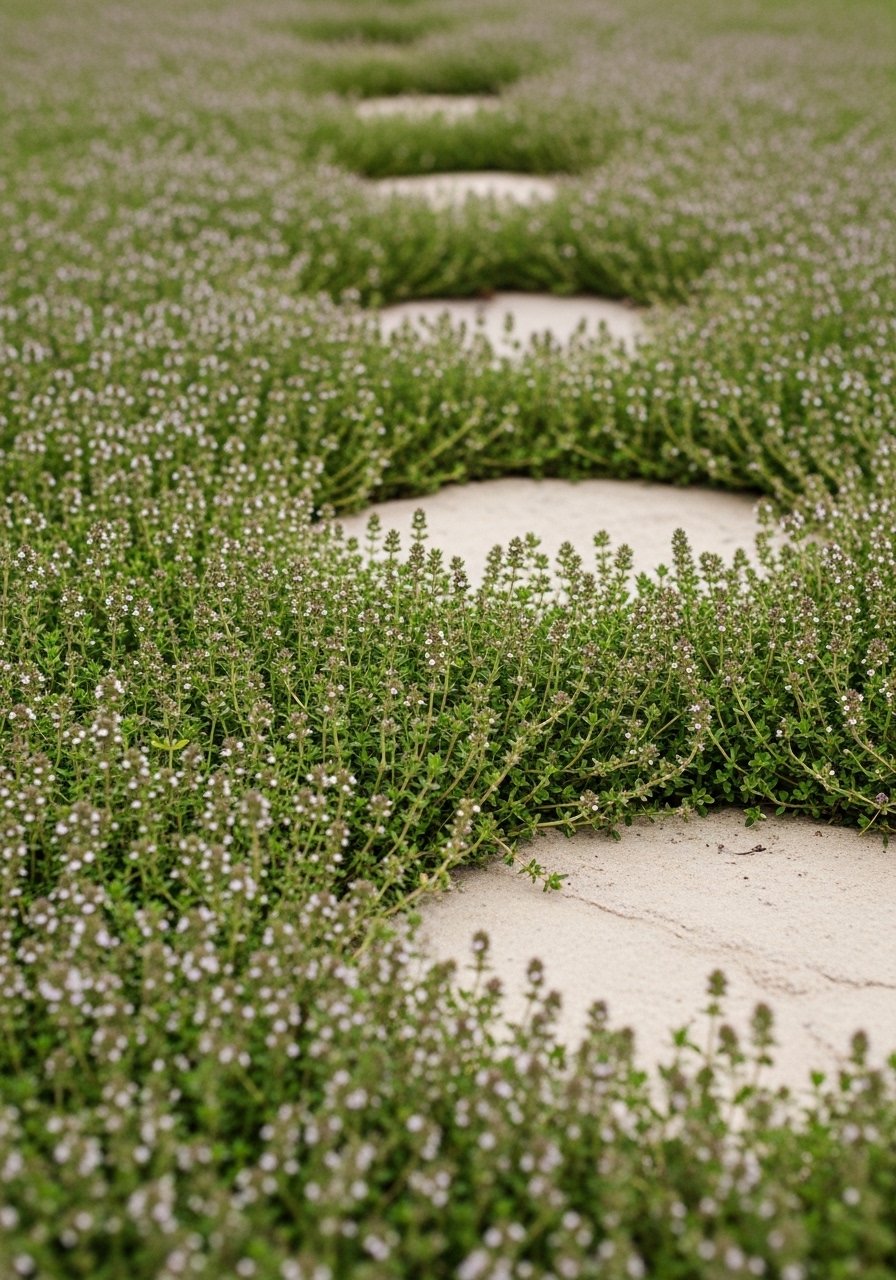
I replaced a strip of lawn with low thyme groundcover. It stays low, smells great when stepped on, and needed almost no trimming.
My mistake: I planted the wrong variety initially and it spread too slowly. Choose a fast-spreading, hardy cultivar for quick coverage.
Groundcover opens possibilities for stepping stones and reduces mowing chores.
What You’ll Need for This Look
15. Painted Front Door and New House Numbers
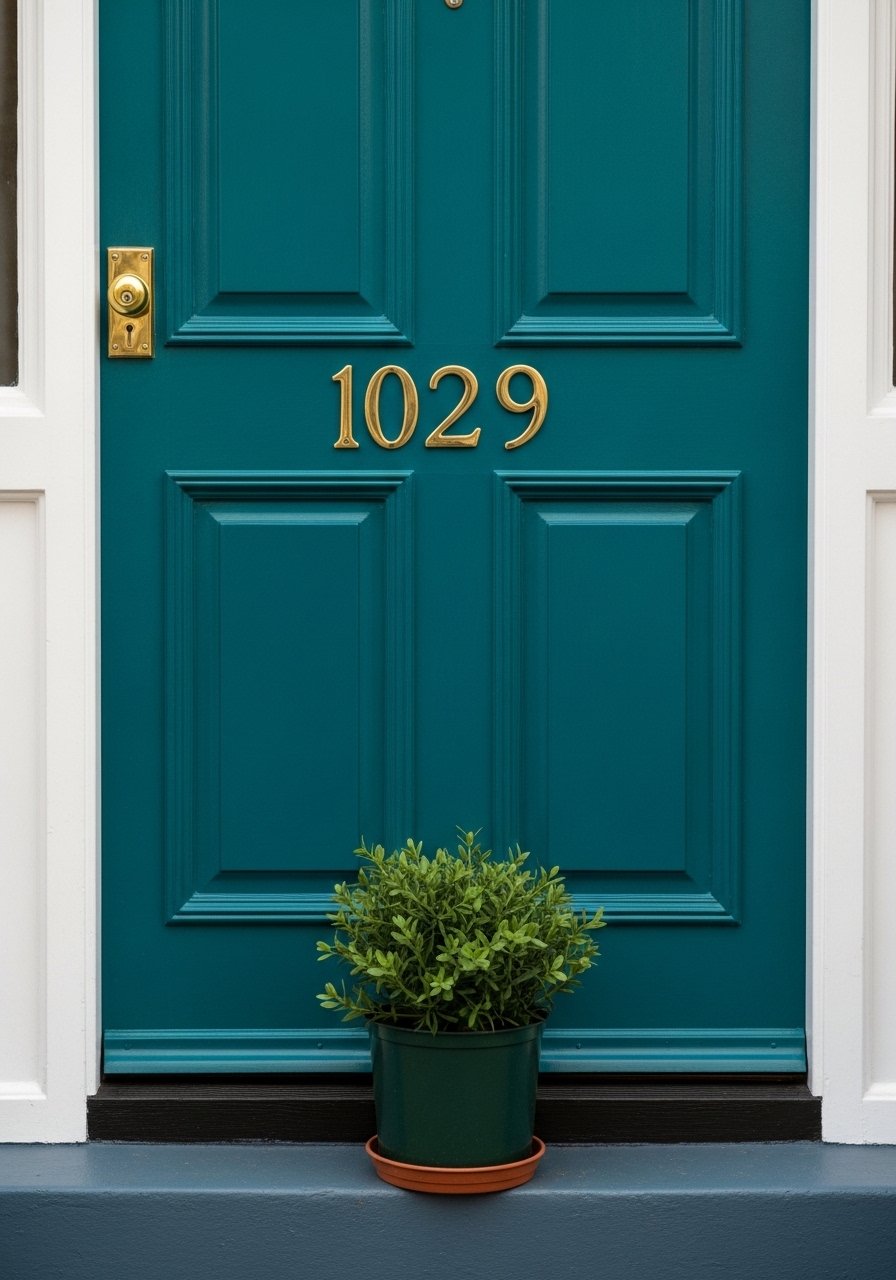
I painted my front door a bold color and added contrasting house numbers. It was cheap and visible from the street.
The paint choice took me three attempts—primer mattered when the old finish was glossy. New numbers anchored the look.
This is one of the fastest curb-appeal fixes that actually cheers me up when I arrive home.
What You’ll Need for This Look
16. Simple Dry River Bed for Drain and Interest
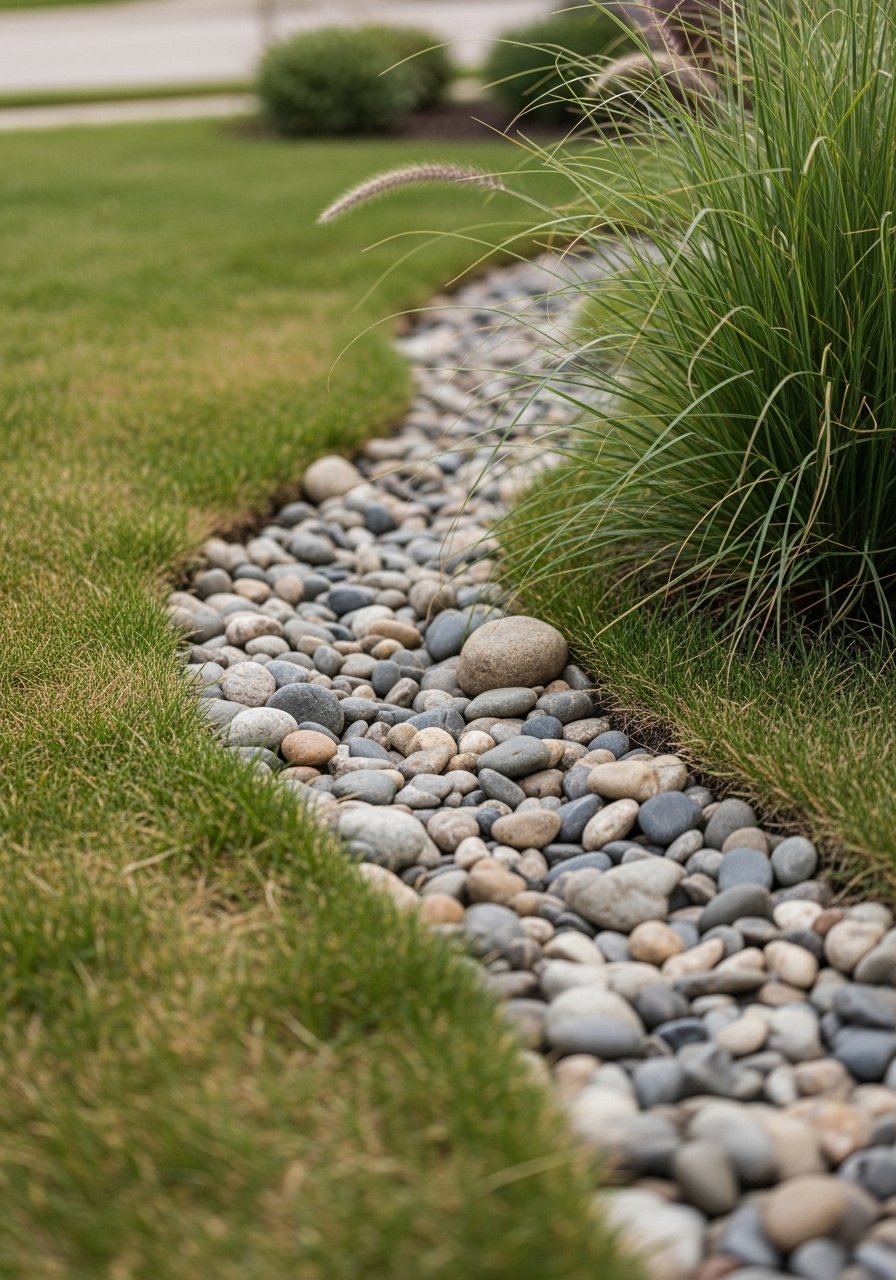
I carved a dry river bed to solve a puddling spot and it became a feature. It’s low-cost and channels water away from foundations.
At first I made it too shallow; water still pooled. Deepening and adding larger stones solved the problem. It’s now both practical and pretty.
Pair with native grasses and it looks natural.
What You’ll Need for This Look
17. Small Accent Tree for Shade and Shape
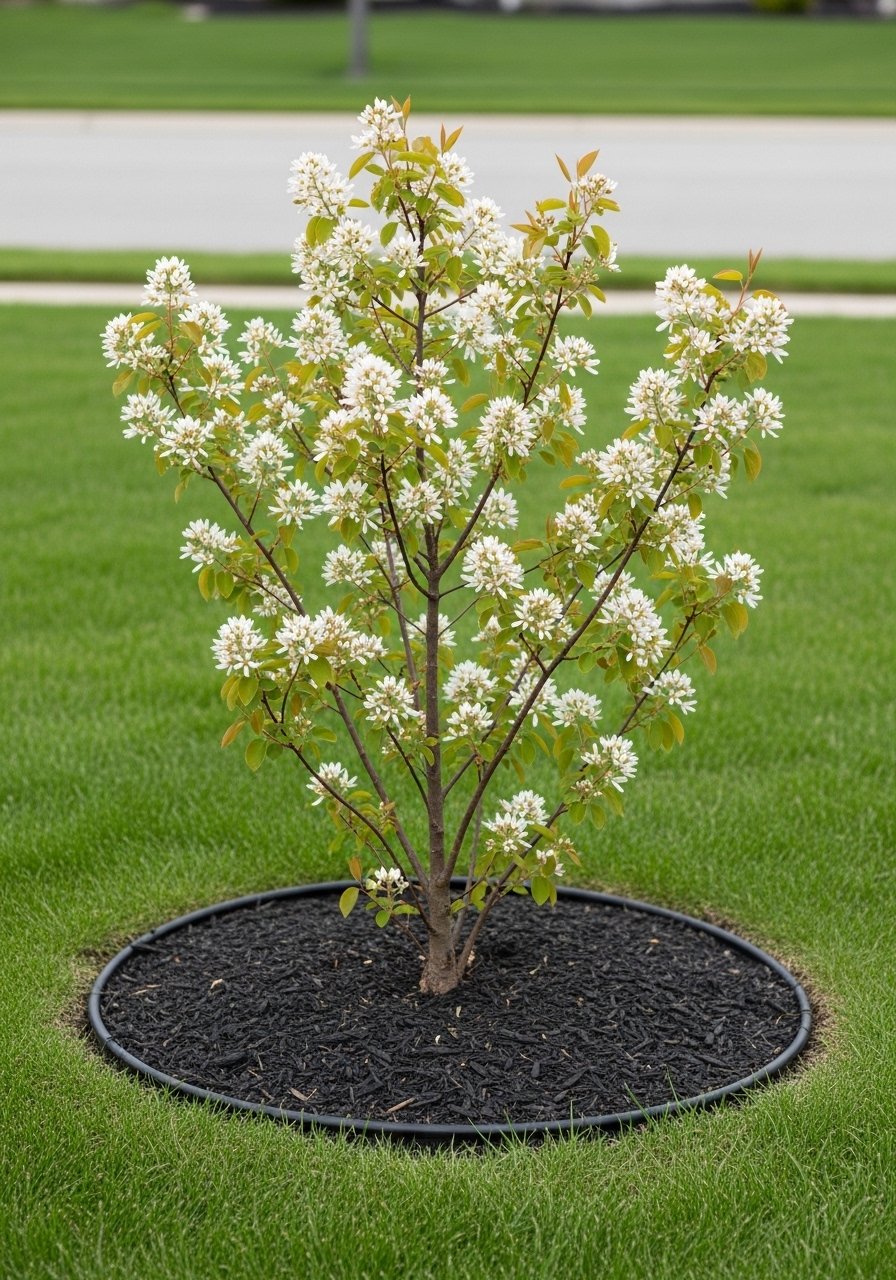
I planted a small ornamental tree to give vertical interest and a little shade. A single tree changes the whole front-yard composition.
I planted too close to the driveway once and had root issues. Now I locate young trees with room to grow and stake lightly if needed.
Choose a small-maturing species so you won’t need heavy pruning later.
What You’ll Need for This Look
18. Low-Cost DIY Arbor at the Walkway
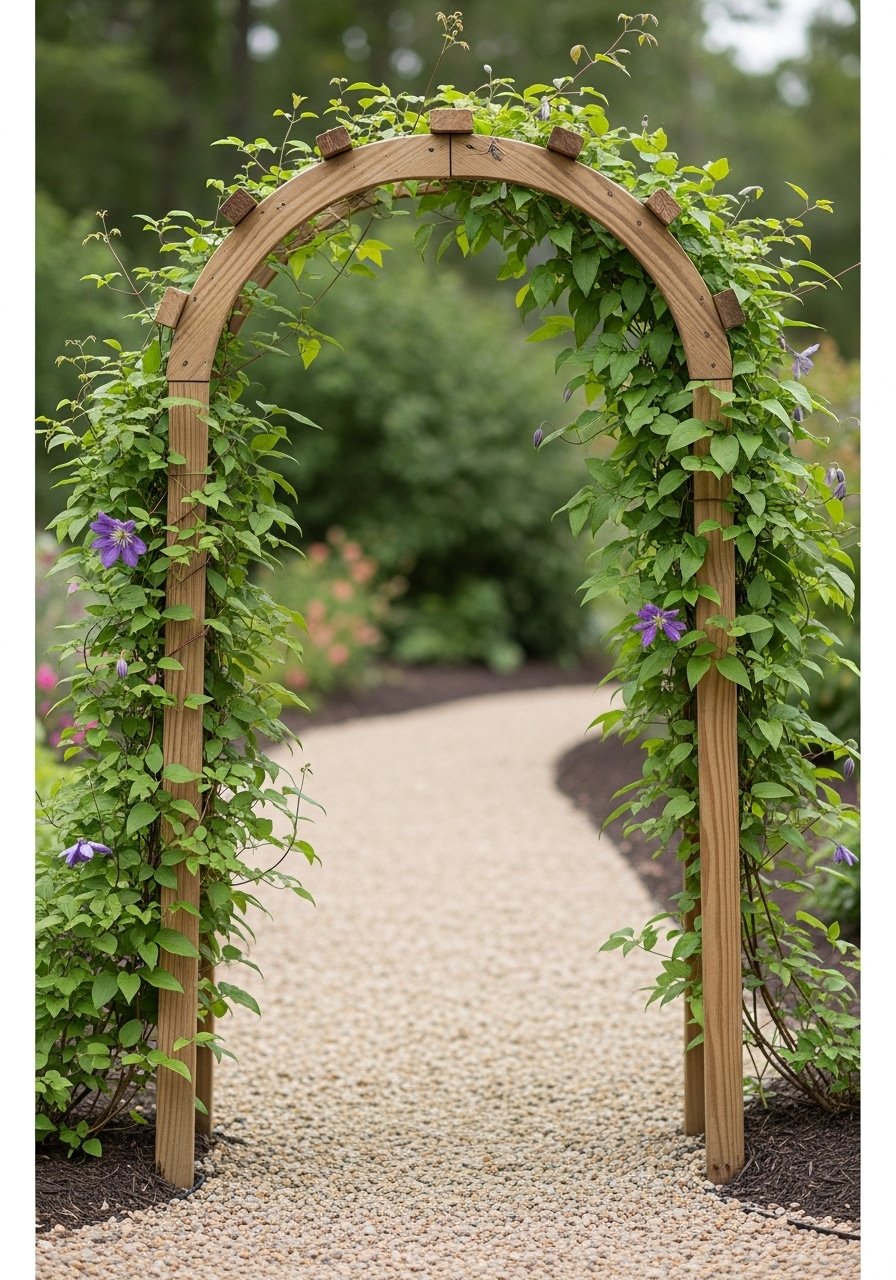
I built a small arbor over the path to frame the entrance. Climbing vines softened the wood and created a moment as you approach the house.
Mistake: my first arbor was too heavy for the soil and tilted. I rebuilt with anchored posts and it holds well. Light structures are fine for most yards.
A short arbor is a big visual cue for a welcoming entry.
What You’ll Need for This Look
19. Reuse Old Bricks for a Small Patio Patch
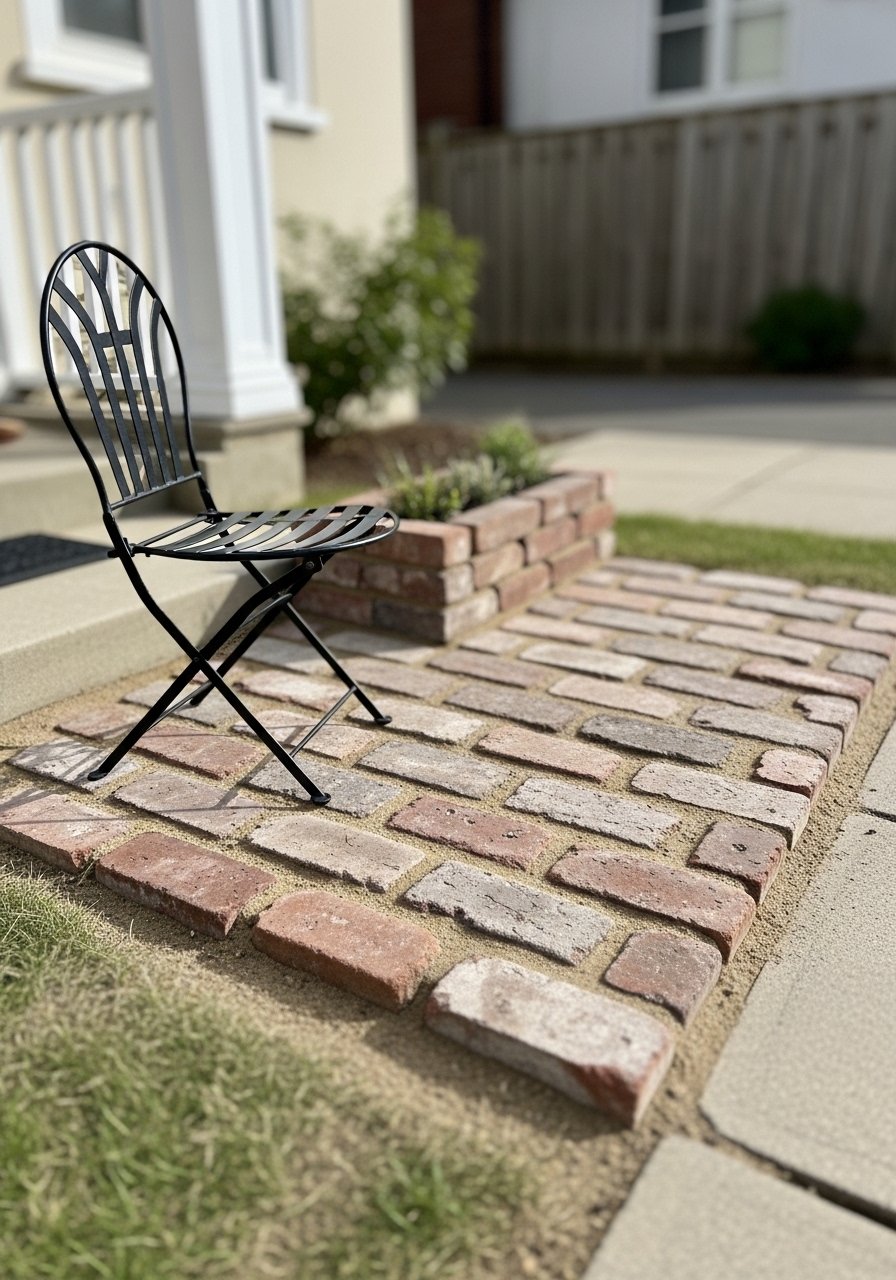
I salvaged old bricks and made a tiny patio near the mailbox. It added a focal point without new materials.
Laying bricks on compacted sand worked fine for a small patch. I once skipped compacting and the bricks shifted; always prep the base.
This gives a little seating area or plant display spot without breaking the bank.
What You’ll Need for This Look
20. Minimalist Gravel Circle Around a Tree
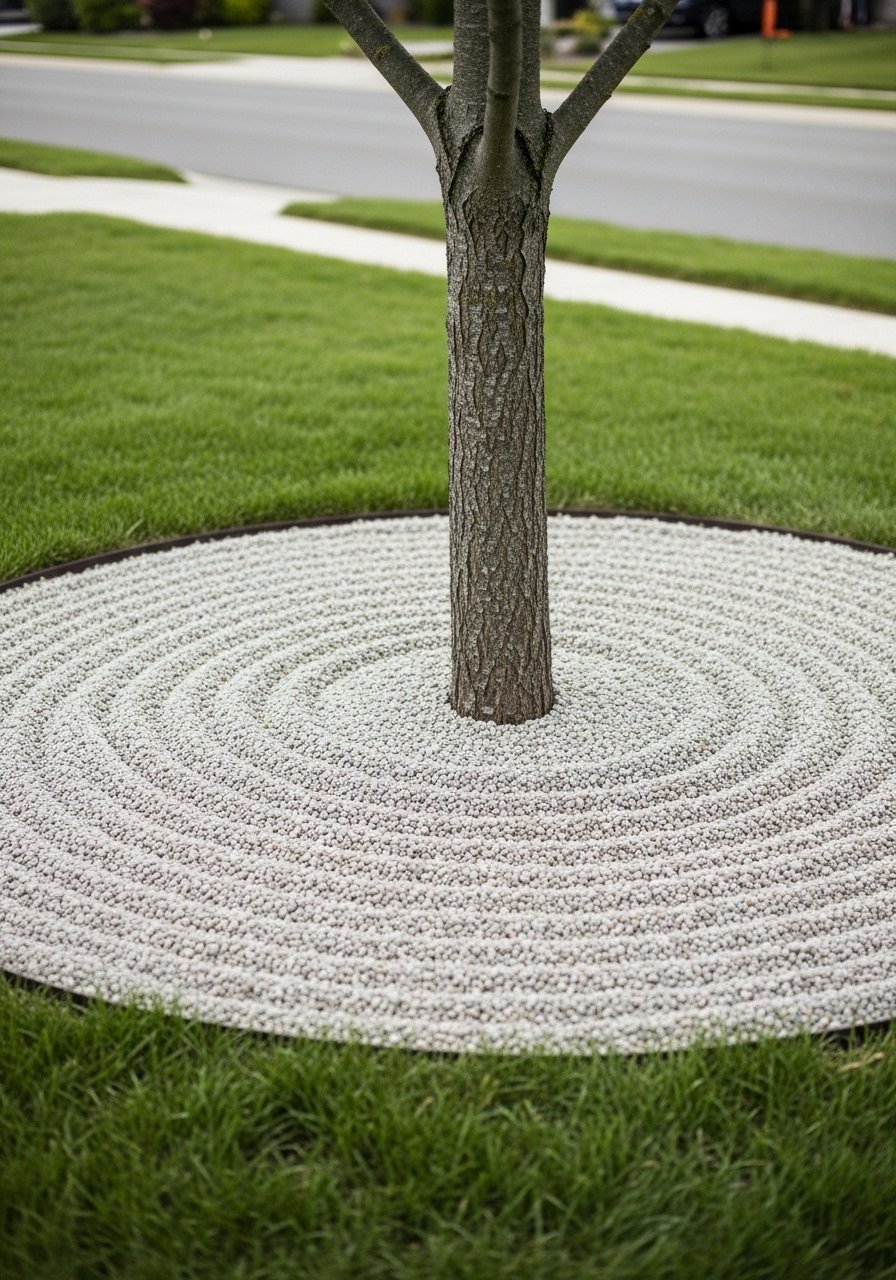
I edged a clean gravel circle around an existing tree and it instantly read as intentional. It keeps mower damage away and looks sharp.
I once used too fine gravel and it compacted oddly. Bigger pea gravel gave the look I wanted and drains better.
A simple circle is one of the cheapest upgrades with a big visual payoff.
What You’ll Need for This Look
21. Cottage-Style Mixed Border for a Soft Edge
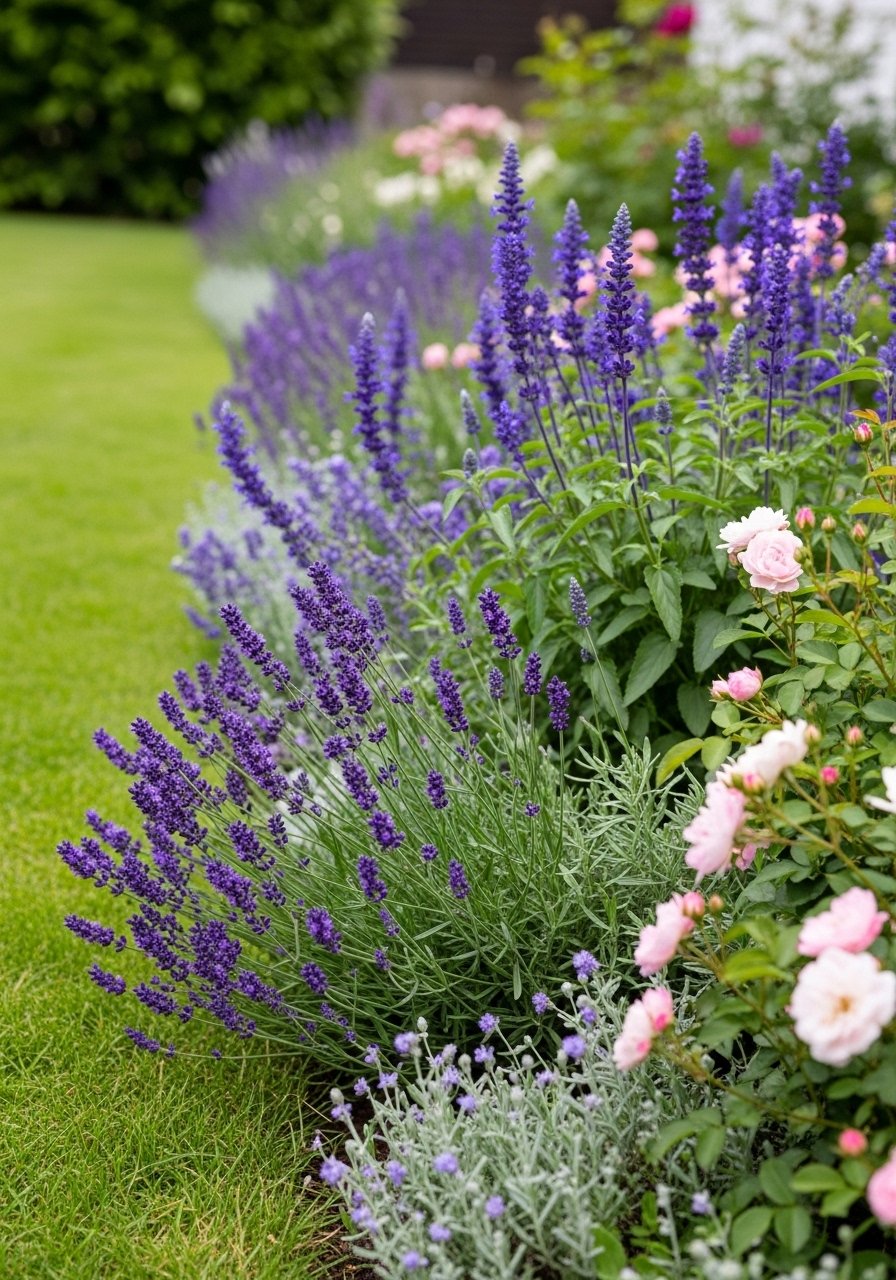
I planted a cozy cottage border along the sidewalk with lavender, salvia, and a few small roses. It softened the hard edge and smells nice in summer.
I mistakenly planted roses too close together and they competed. Now I space broadly and let perennials fill gaps. Deadhead roses for tidy blooms.
This style reads comfortable and lived-in without expensive plants.
What You’ll Need for This Look
22. Simple Drip Irrigation for Shrubs and Containers
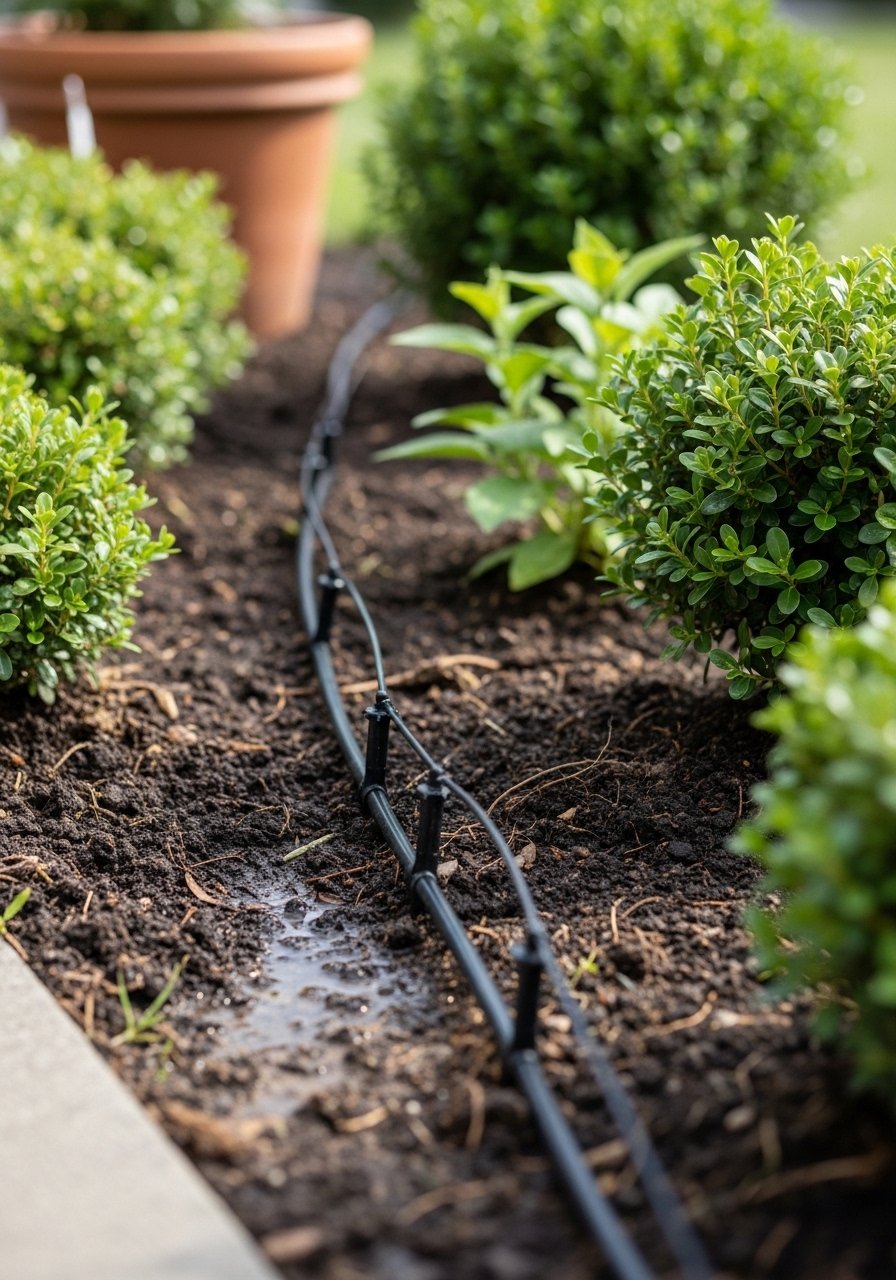
I installed a basic drip tape to keep shrubs and container plants watered without daily hoses. It saved me time and water.
I messed up spacing at first and over-watered a few pots. Adjusting emitter flow fixed that. Start with a short run and test each outlet.
Drip systems are cheap and make plant care predictable, especially in summer.
What You’ll Need for This Look
Final Thoughts
You don’t need to do all 22 ideas. I mixed a few small, cheap changes and my front yard felt like mine again.
Start with one visible change and build from there. Garden work is slow in the best way—little moves add up.
Leave a Reply