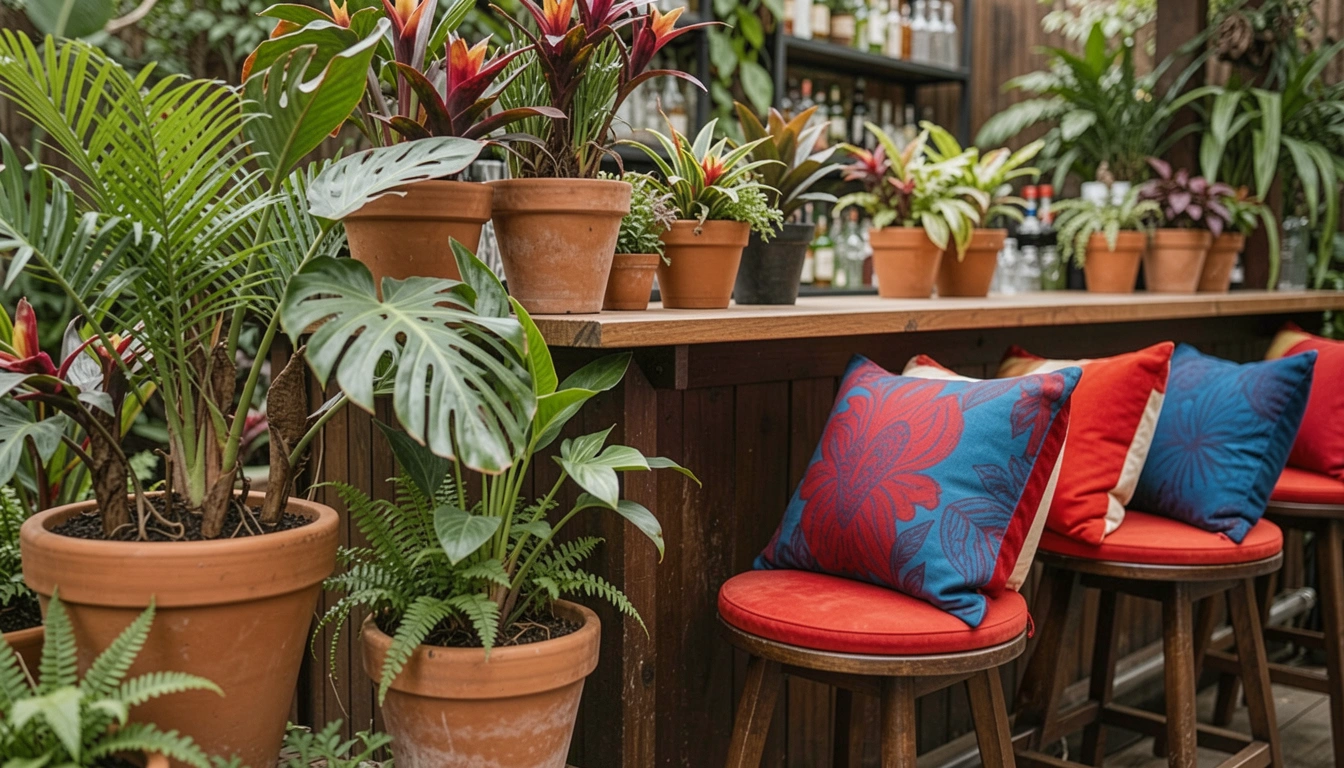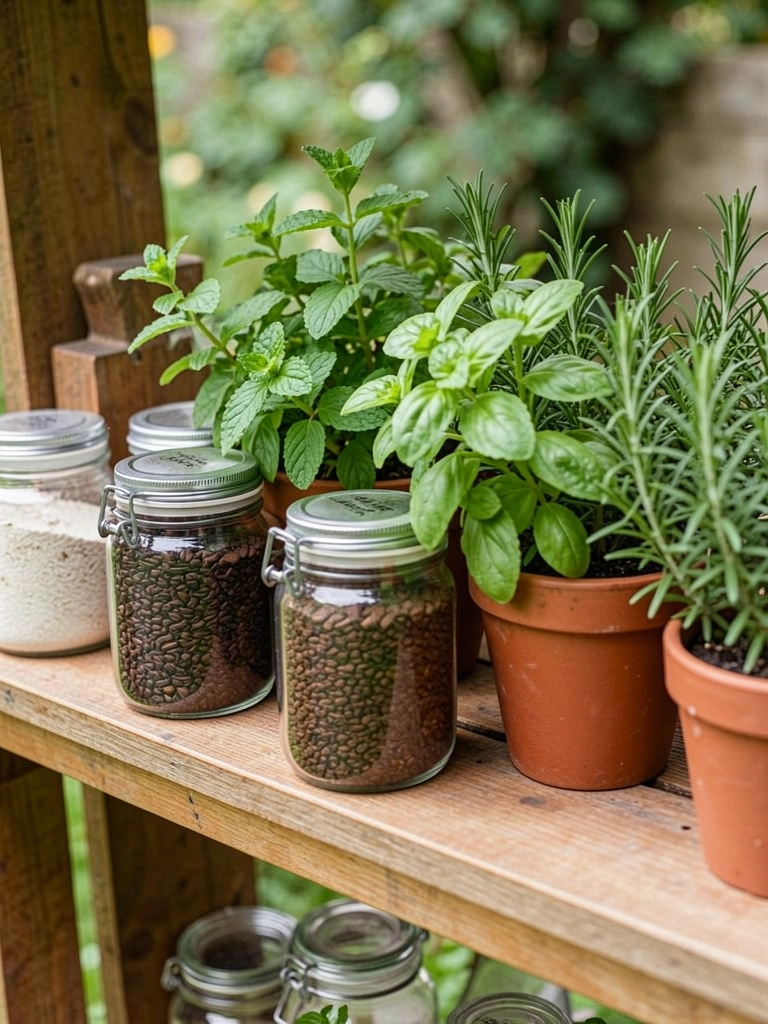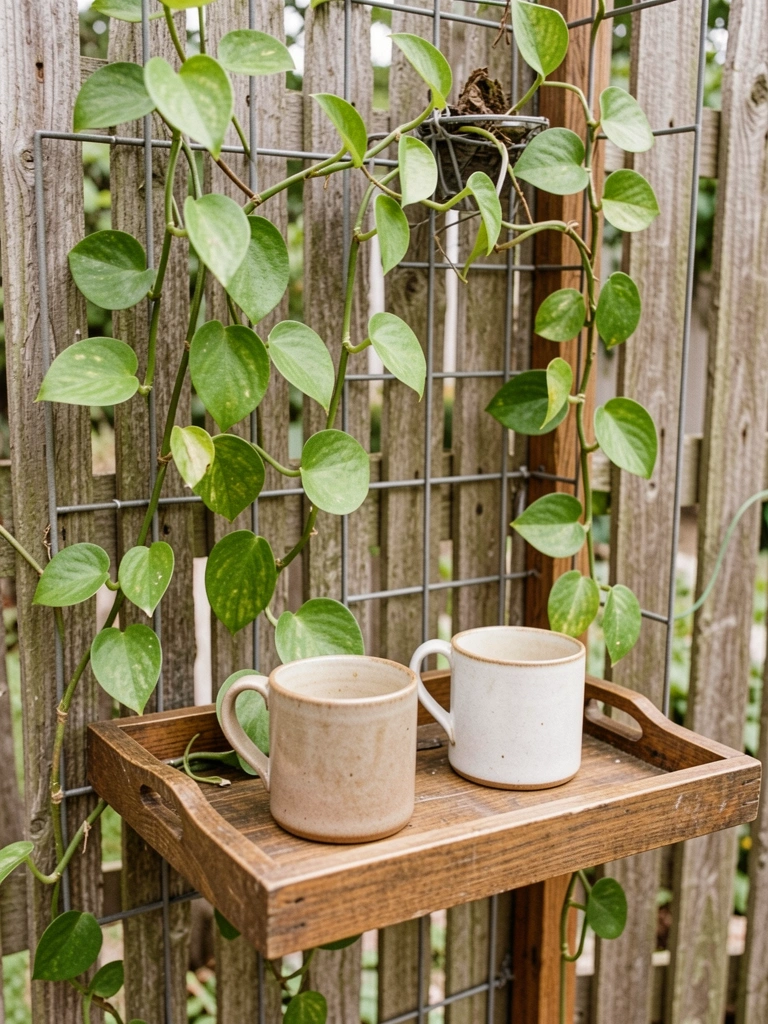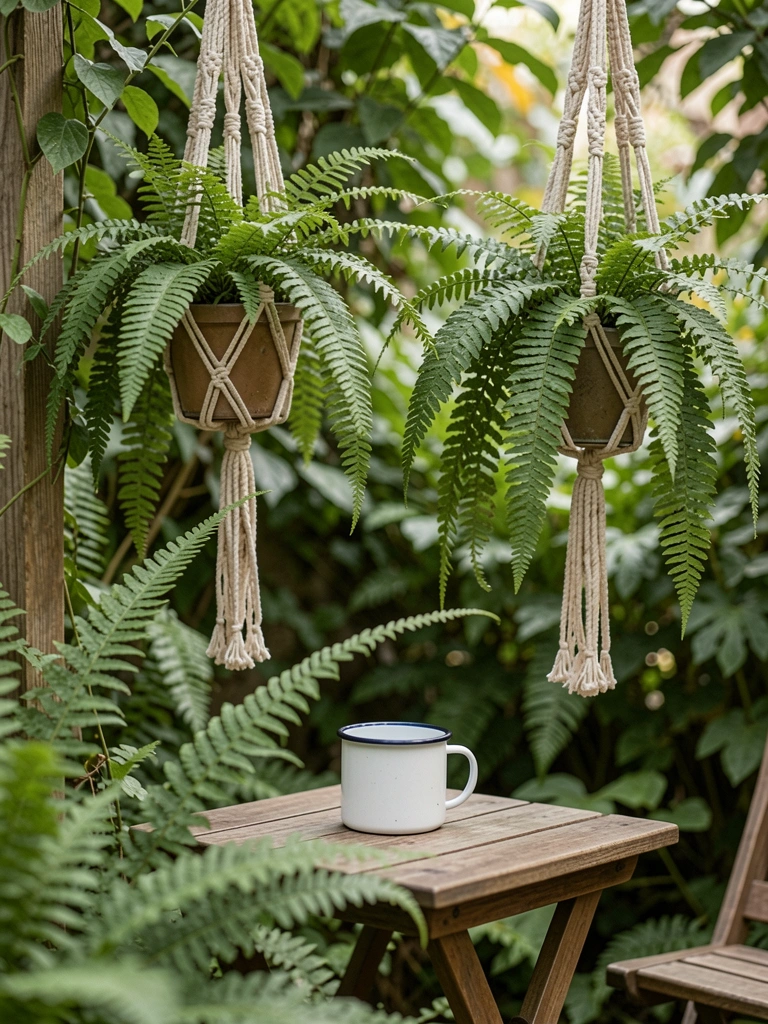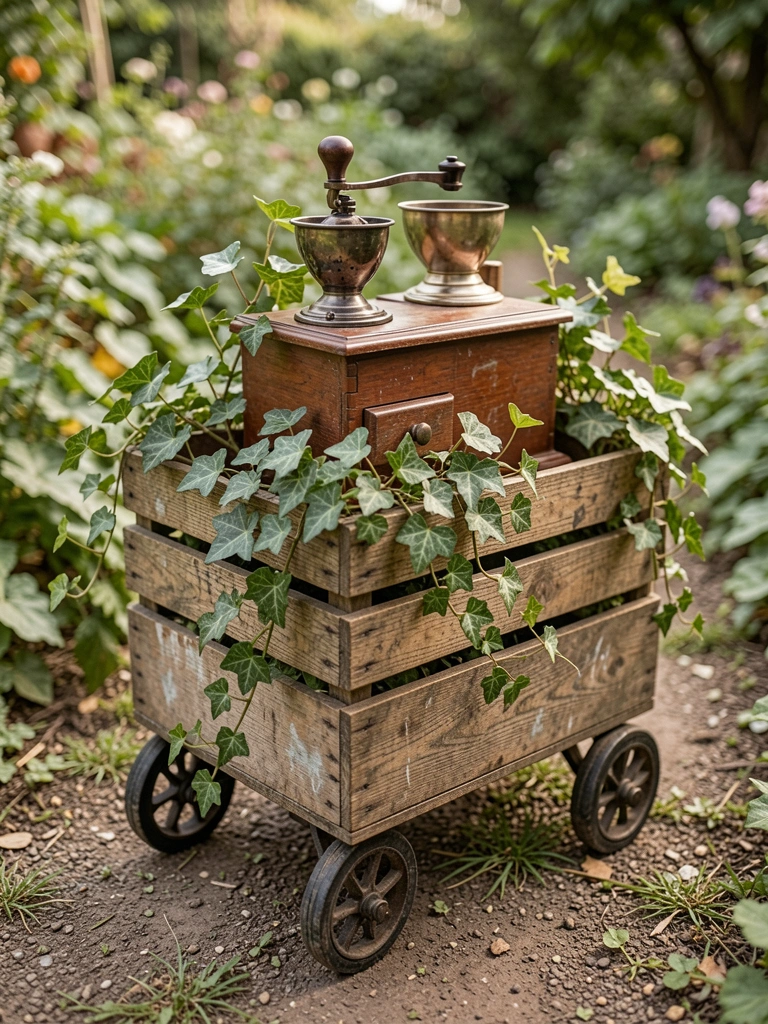
Last summer, I dragged an old table into the garden for drinks with friends. It wobbled, plants spilled over, and it felt cluttered.
Then I stripped it back. Clean lines, just enough green.
Suddenly, the yard felt like an extension of the house—calm, ready for evenings outside.
You can get that too, without fuss.
21 Modern Garden Bar Ideas for Sleek Spaces
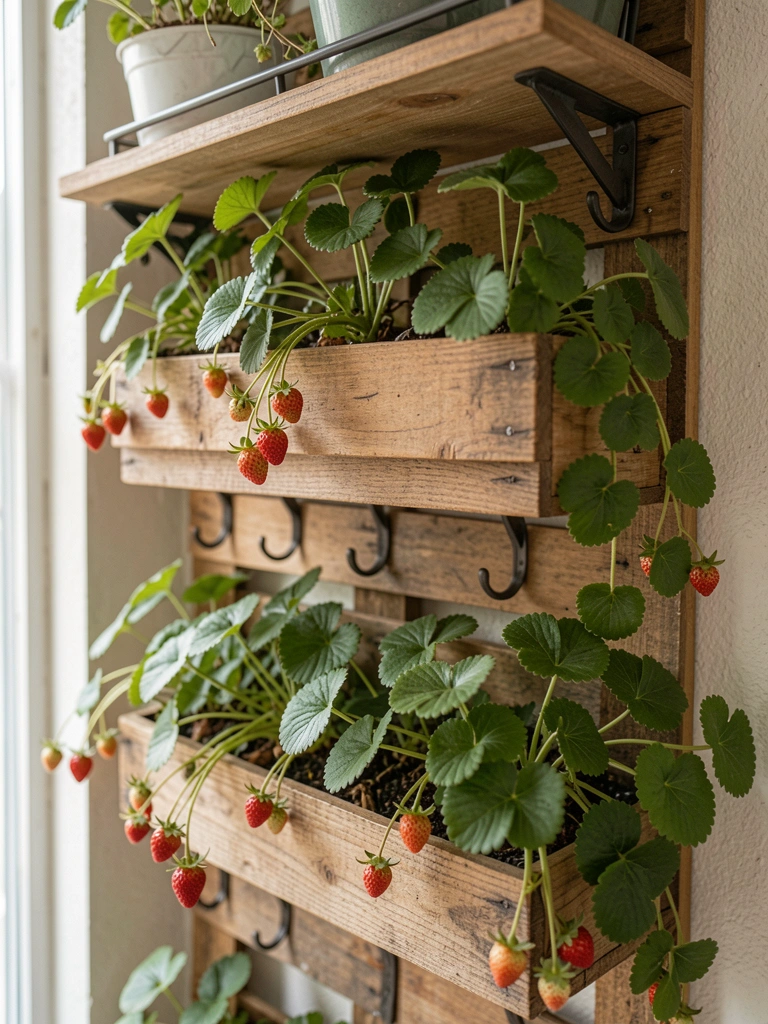
These 21 modern garden bar ideas come from my own yard trials. They're straightforward, fit tight spaces, and stay sleek. Pick one, tweak it, and you're set.
1. Concrete Block Bar Counter with Herb Edge
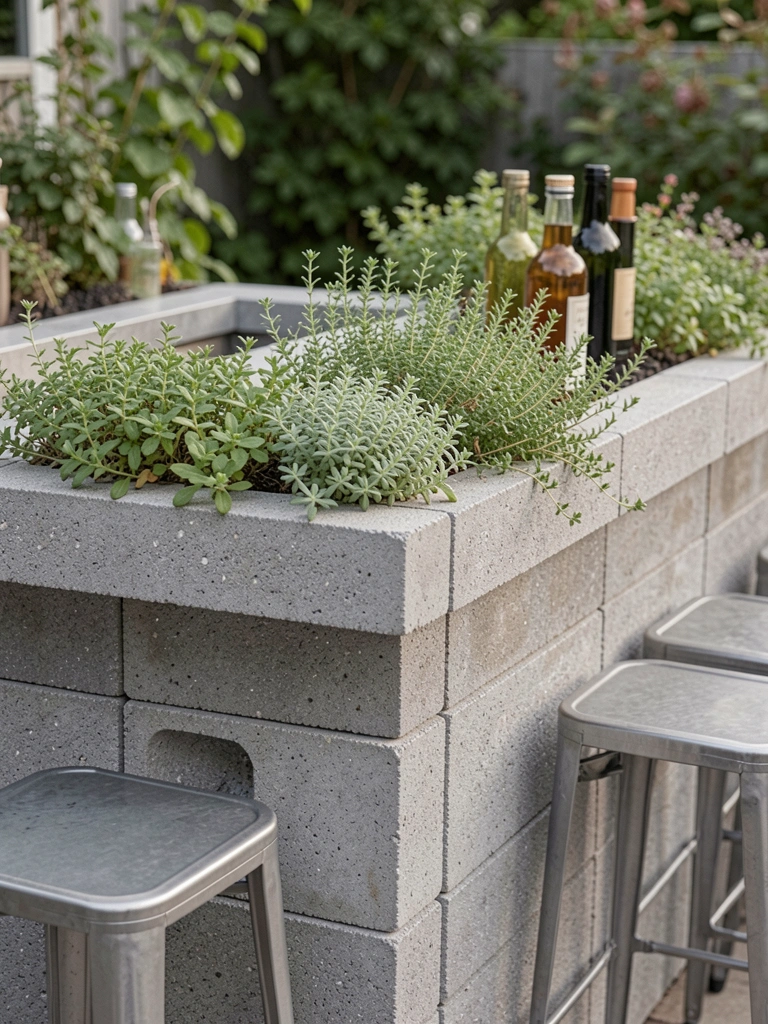
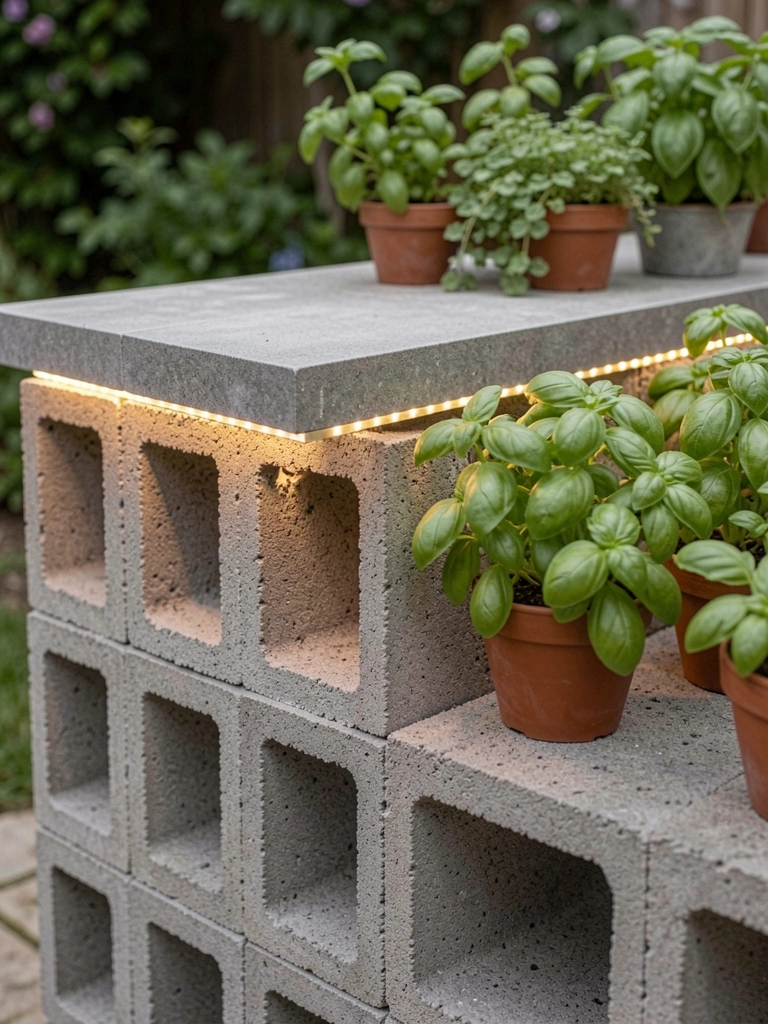
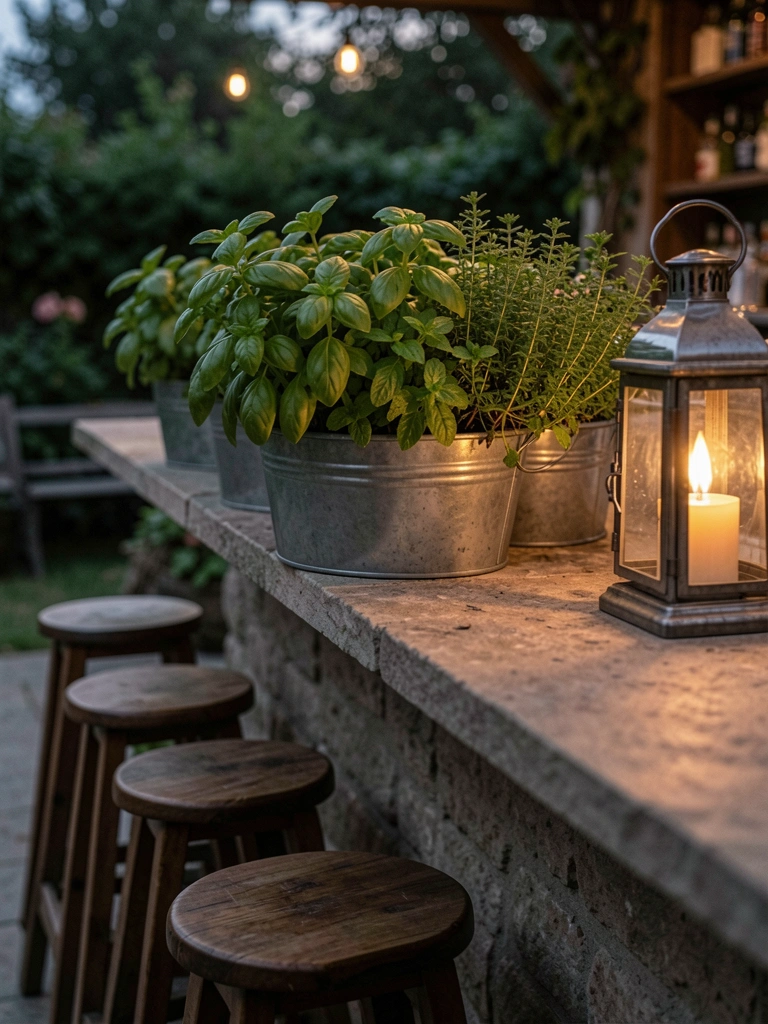
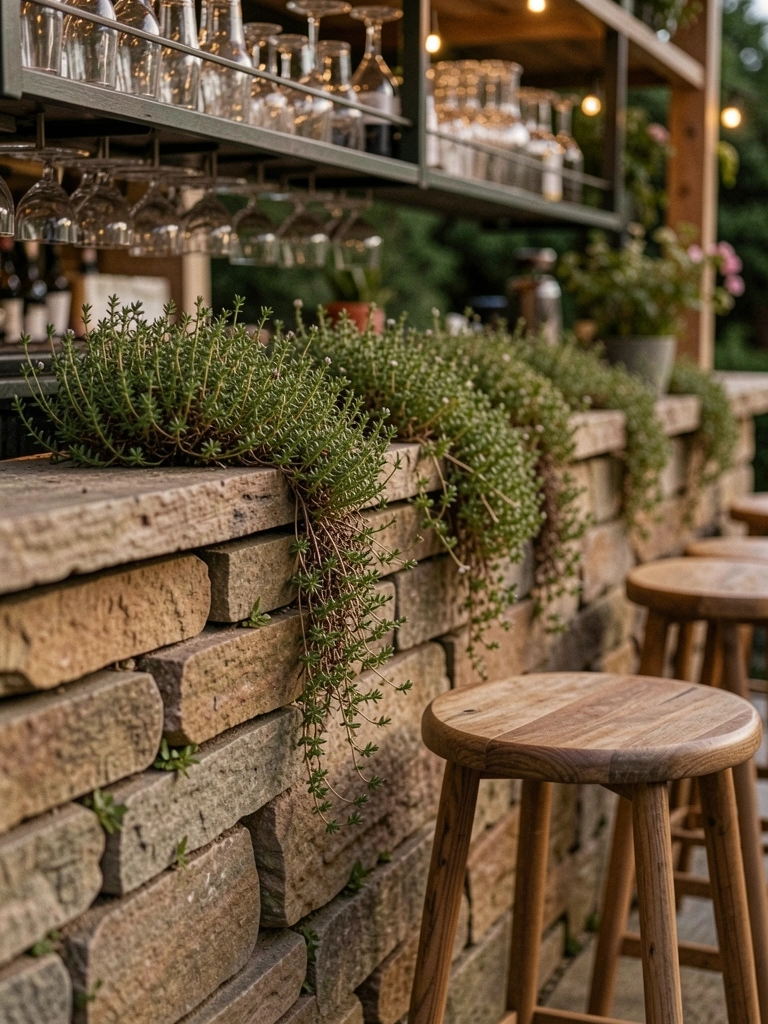
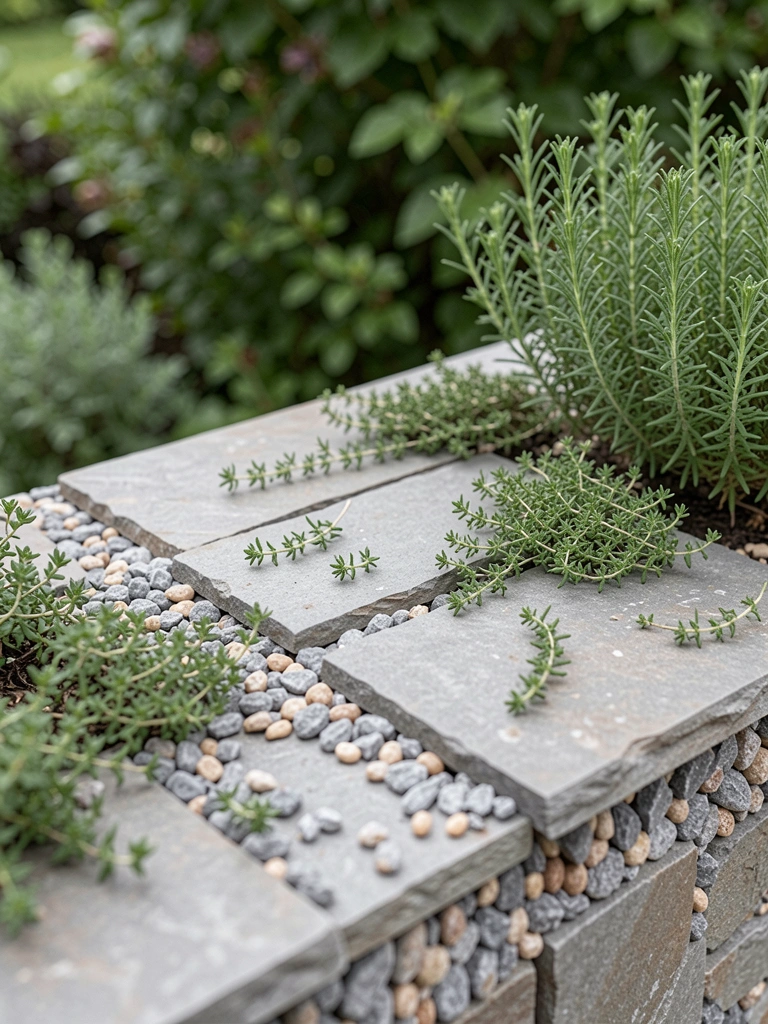
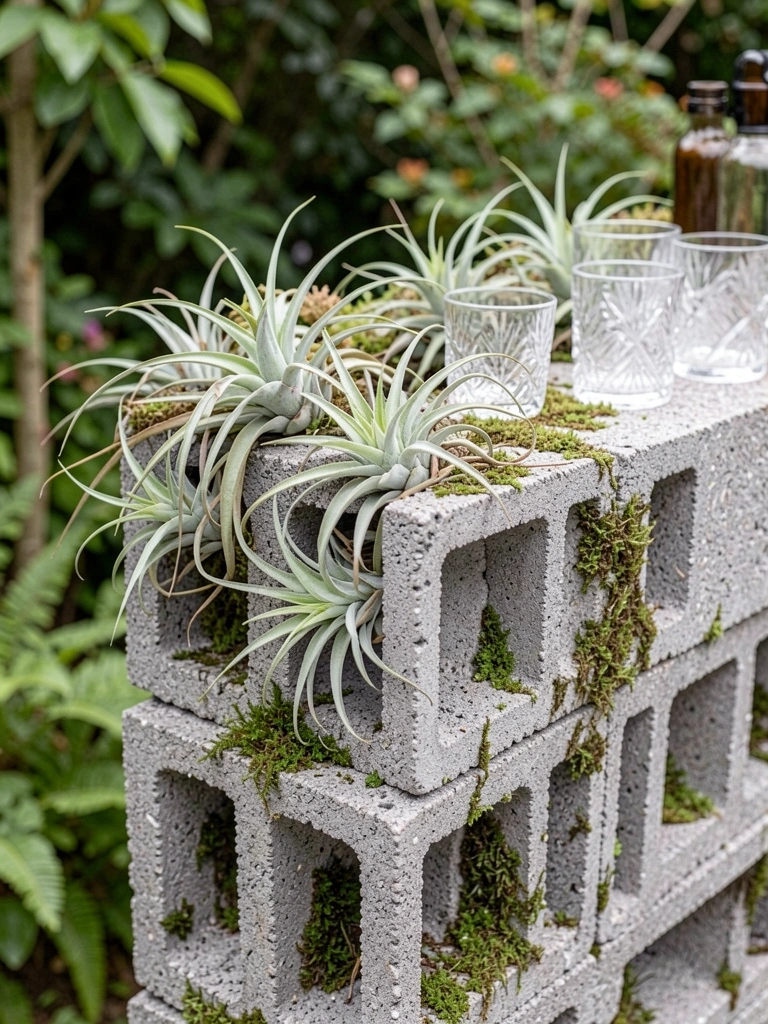
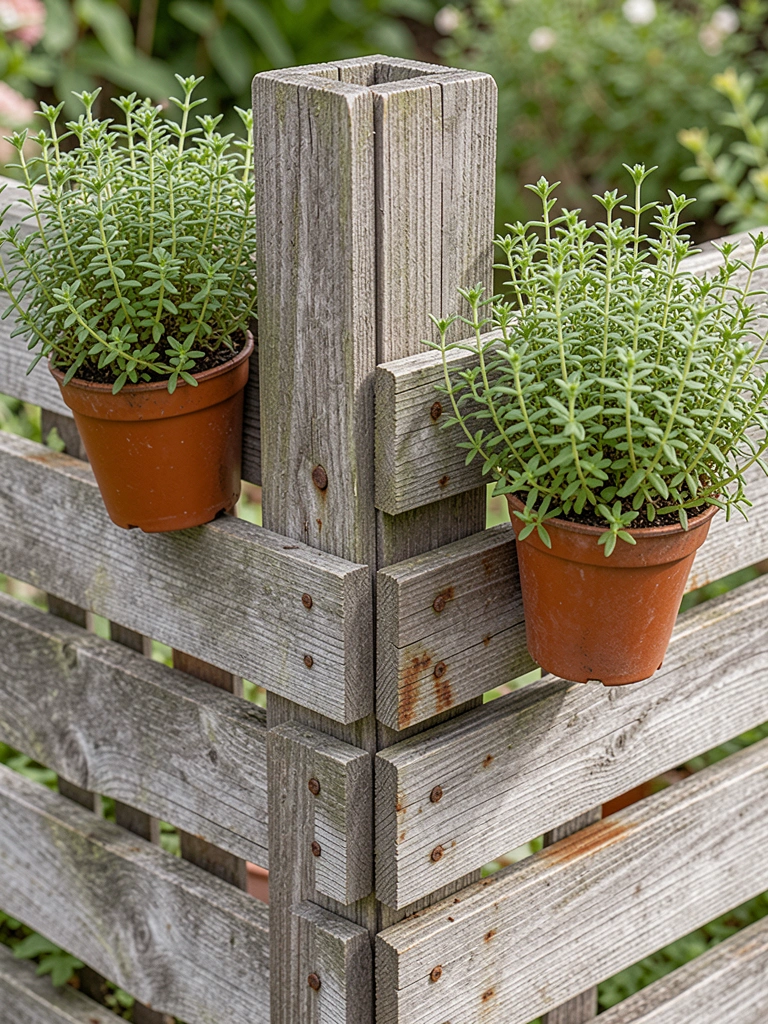
I stacked concrete blocks for a bar top in my back corner last spring. No mortar, just level gravel base—it held up through rain. The flat surface wipes clean, and I tucked thyme along the edge for quick garnishes.
It changed how we linger out there. No more hauling trays inside.
Watch the blocks' weight; I overloaded once and it tipped. Start light.
Friends grab a sprig while pouring—feels natural, not forced.
What You’ll Need for This Look
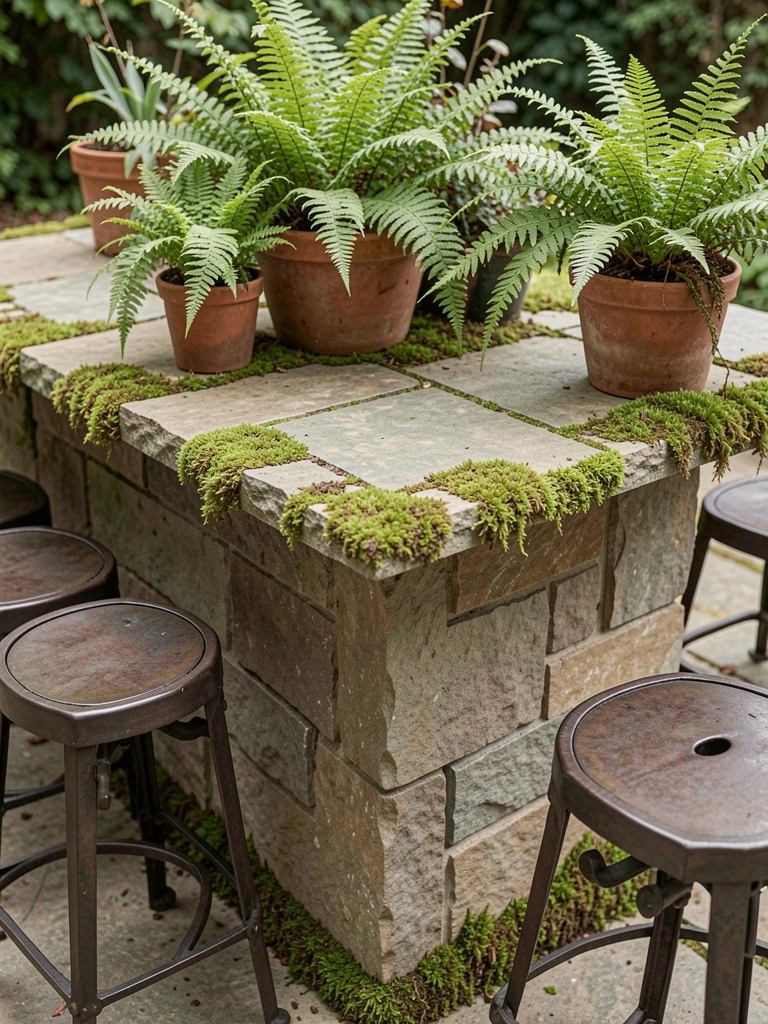
Metal bar stools, black powder-coated
2. Floating Metal Shelf Bar Wall
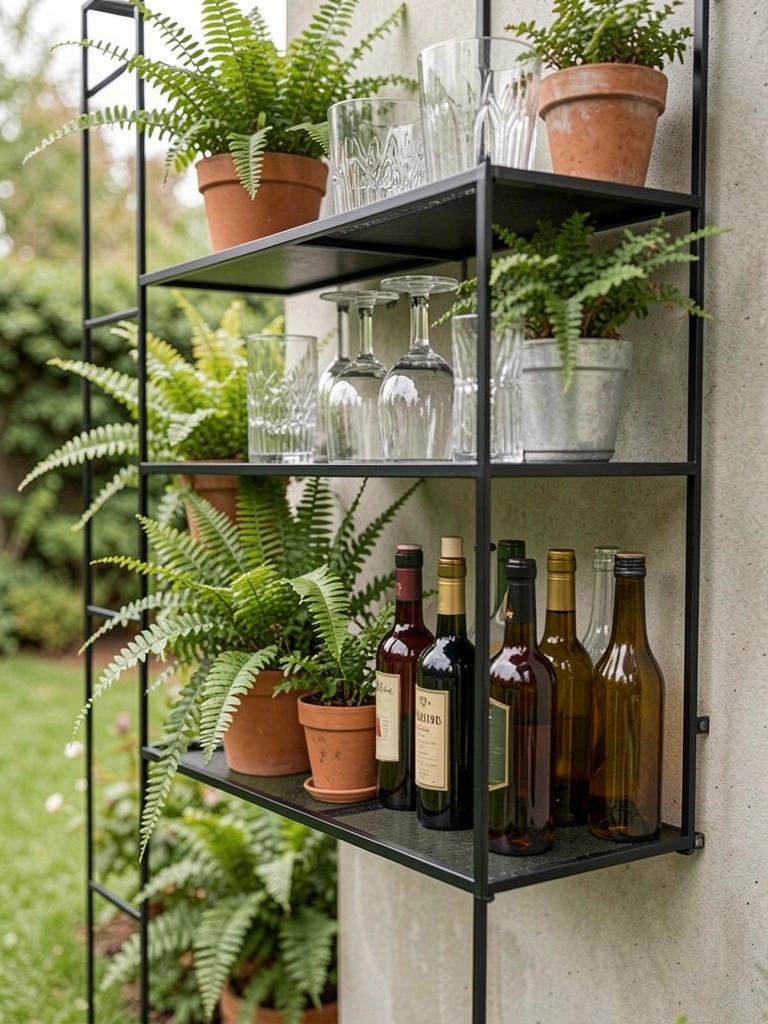
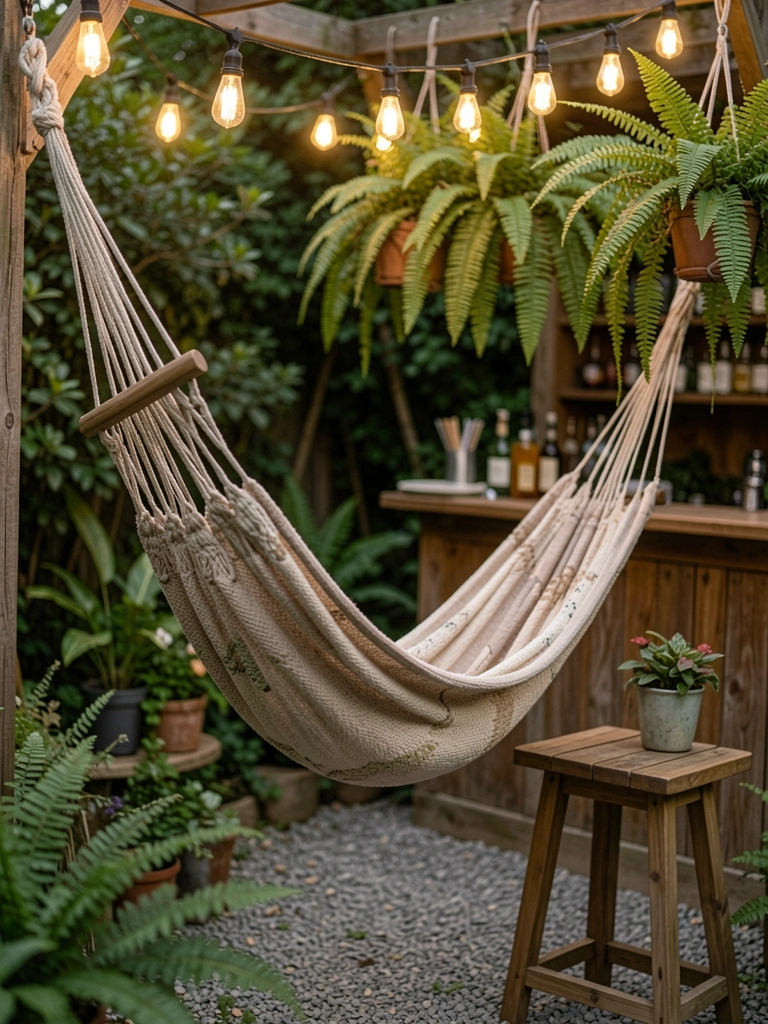
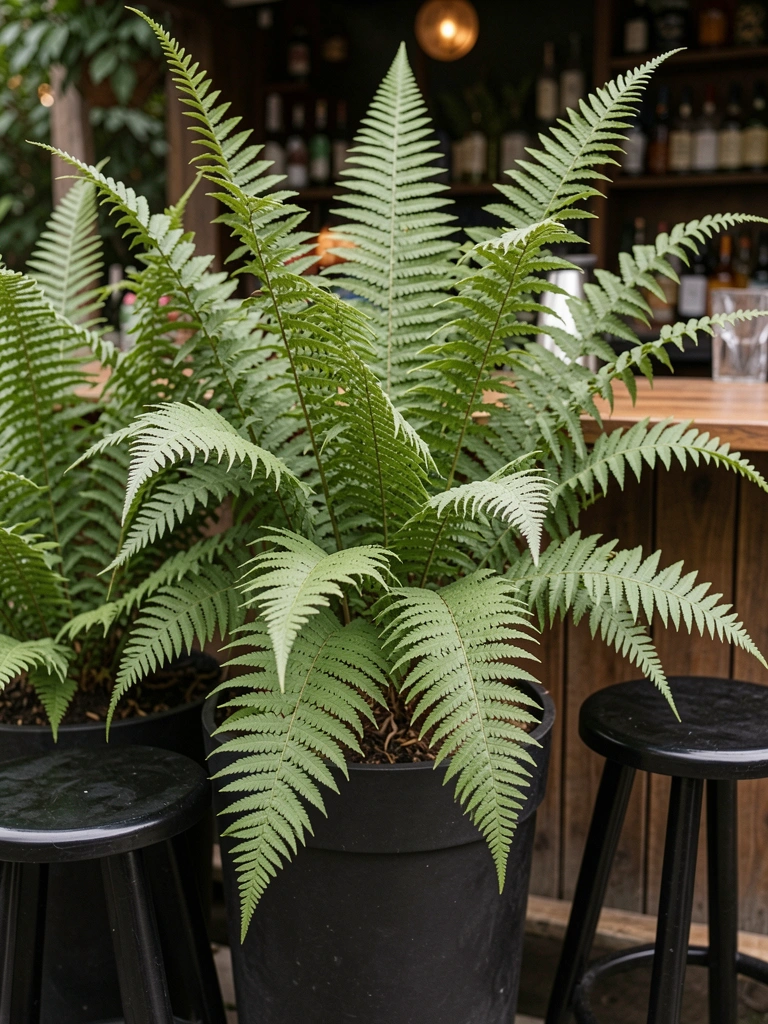
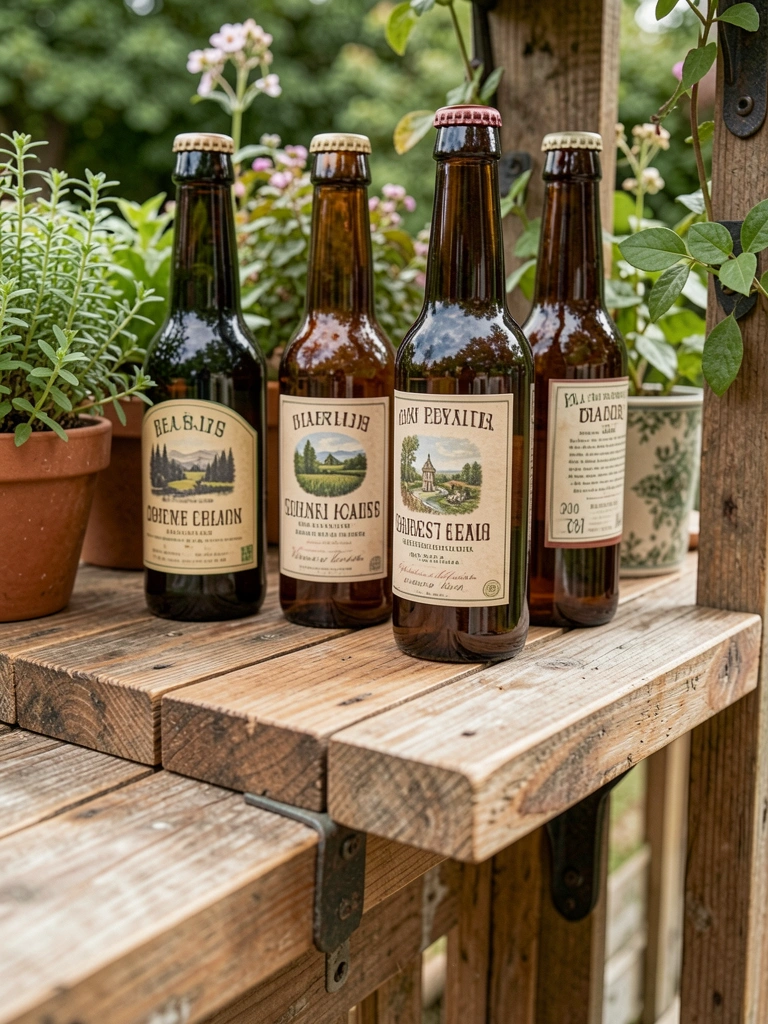
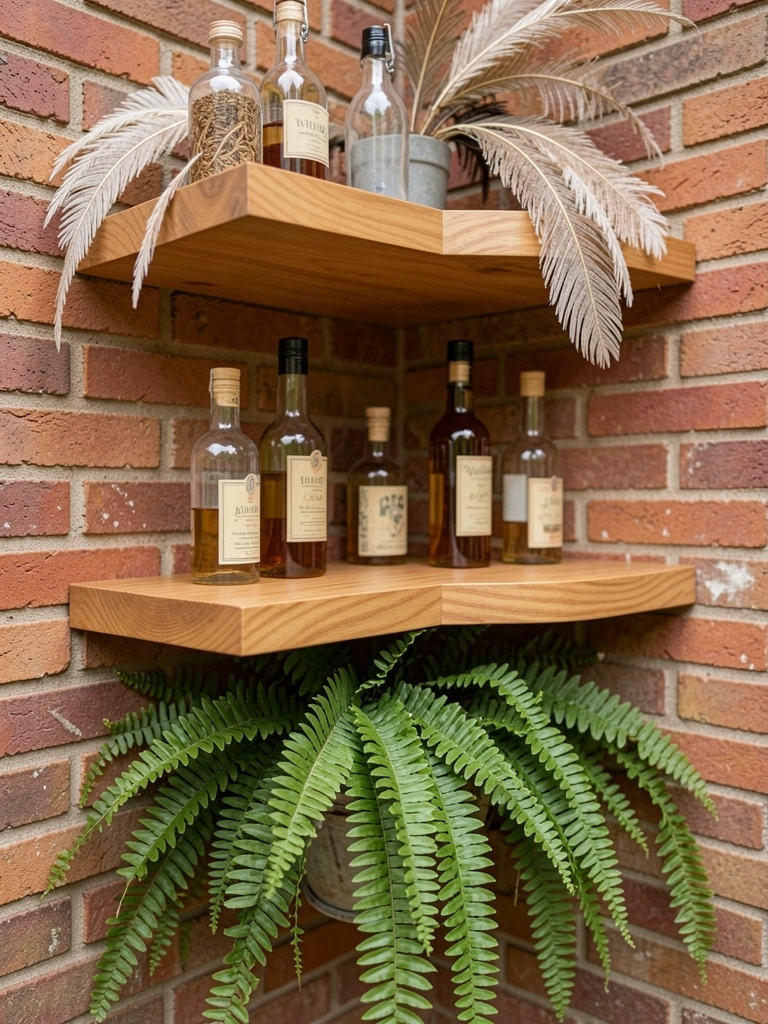
I bolted slim metal shelves to the fence for a bar wall. Two shelves: glasses up top, bottles below. Added small ferns in between to soften the steel.
The yard opened up—no bulky cart blocking the view. Evenings feel taller, airier.
I misjudged shelf depth first; glasses tipped. Go deeper than you think.
Now it's our go-to spot, rain or shine.
What You’ll Need for This Look
Floating metal shelves (24 inch, black)
3. LED-Strip Lit Bottle Rack
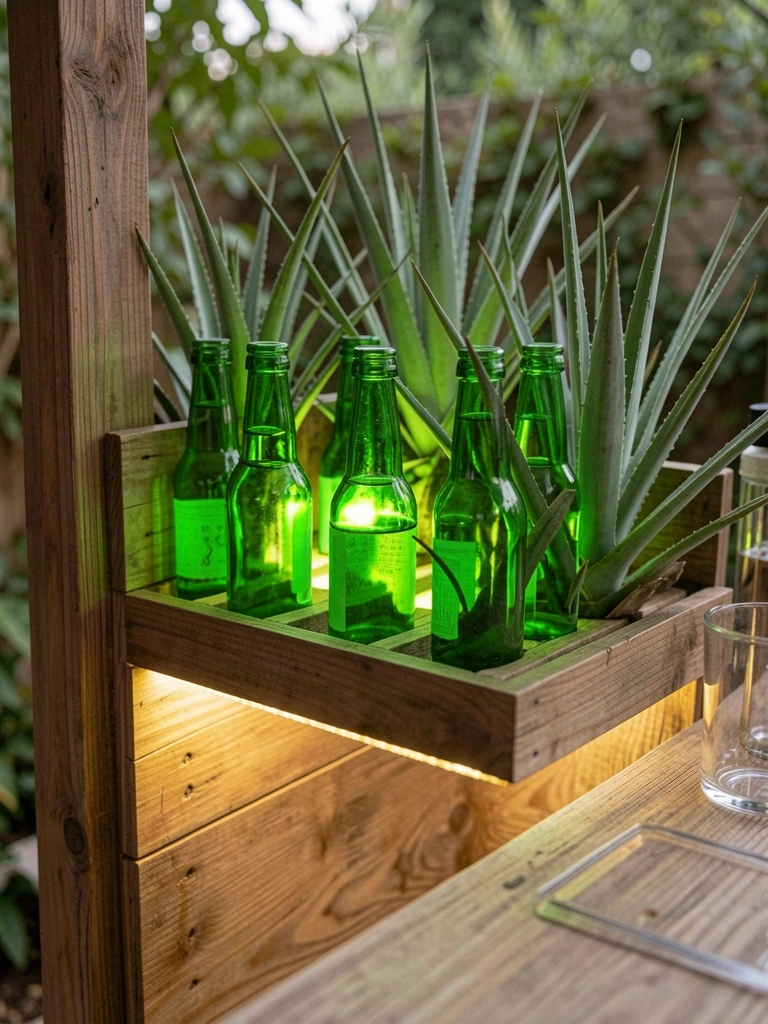
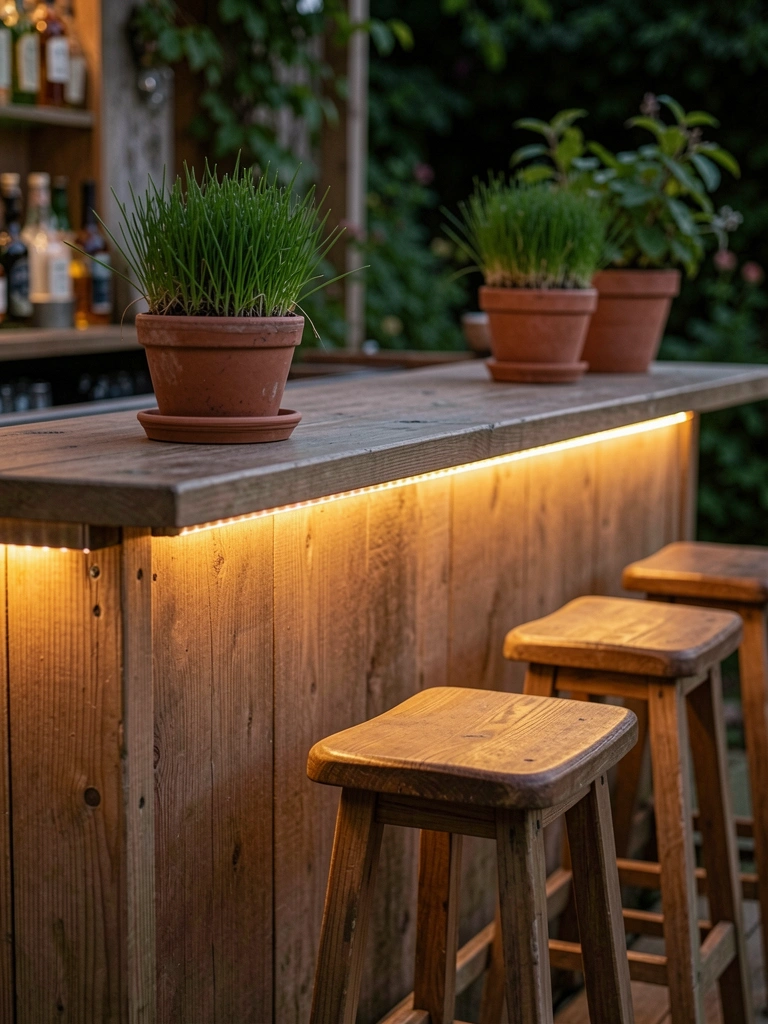
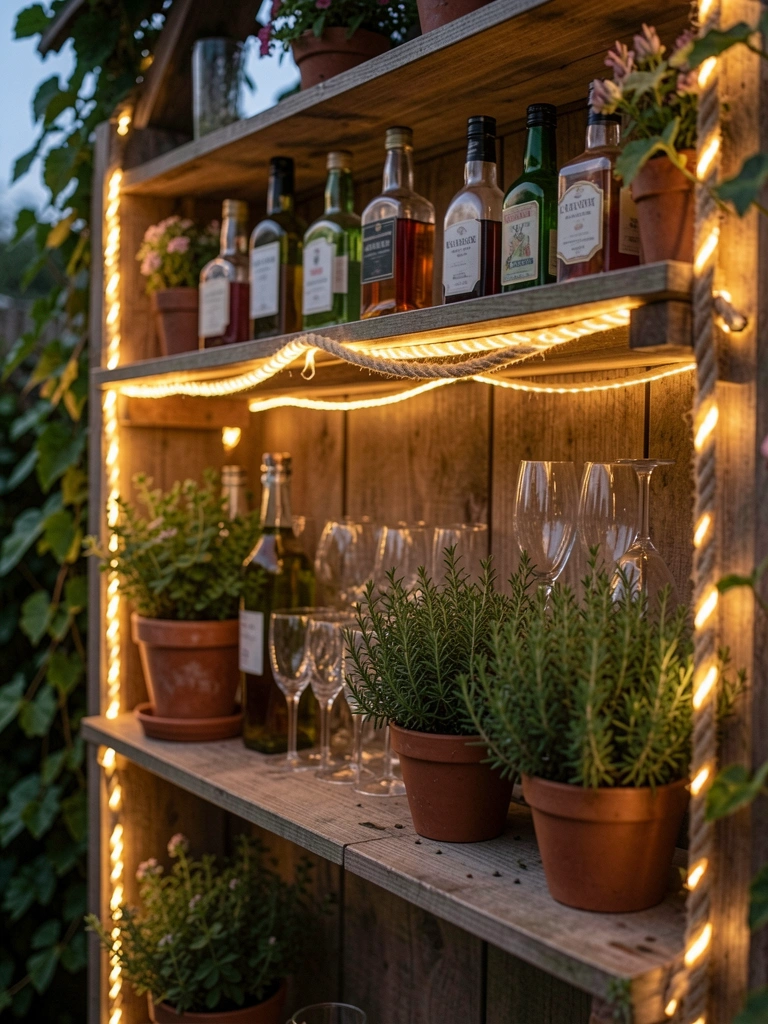
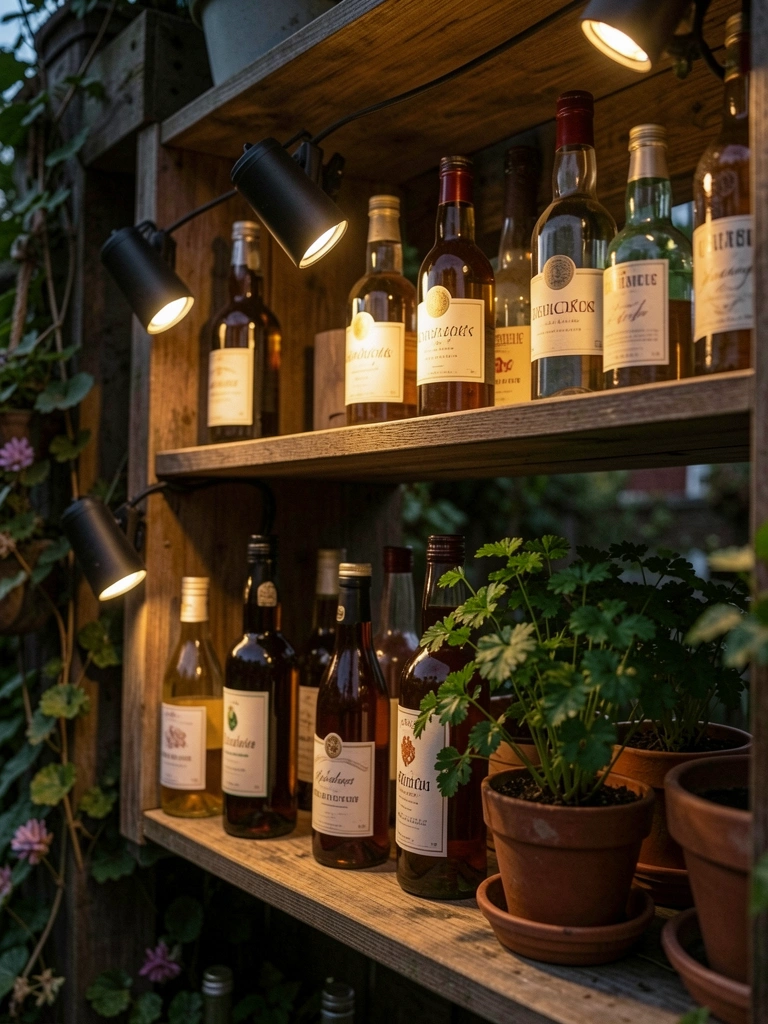
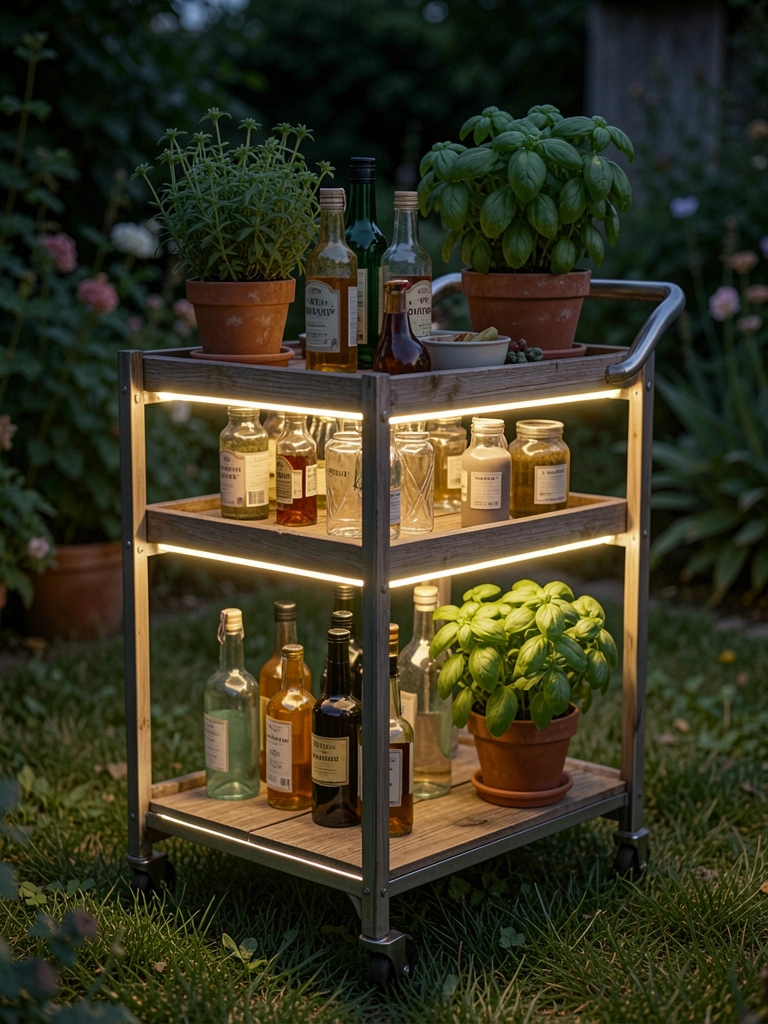
I built a simple rack from scrap wood and ran LED strips underneath. Bottles glow soft at dusk—no harsh glare. Slid in agave pots at the ends for balance.
It draws eyes without overwhelming the space. Nights feel inviting, not stark.
Tape failed once in humidity; use waterproof now.
Pouring under that light? Pure garden magic, quietly.
What You’ll Need for This Look
LED strip lights, waterproof 16ft
4. Modular Crate Bar on Wheels
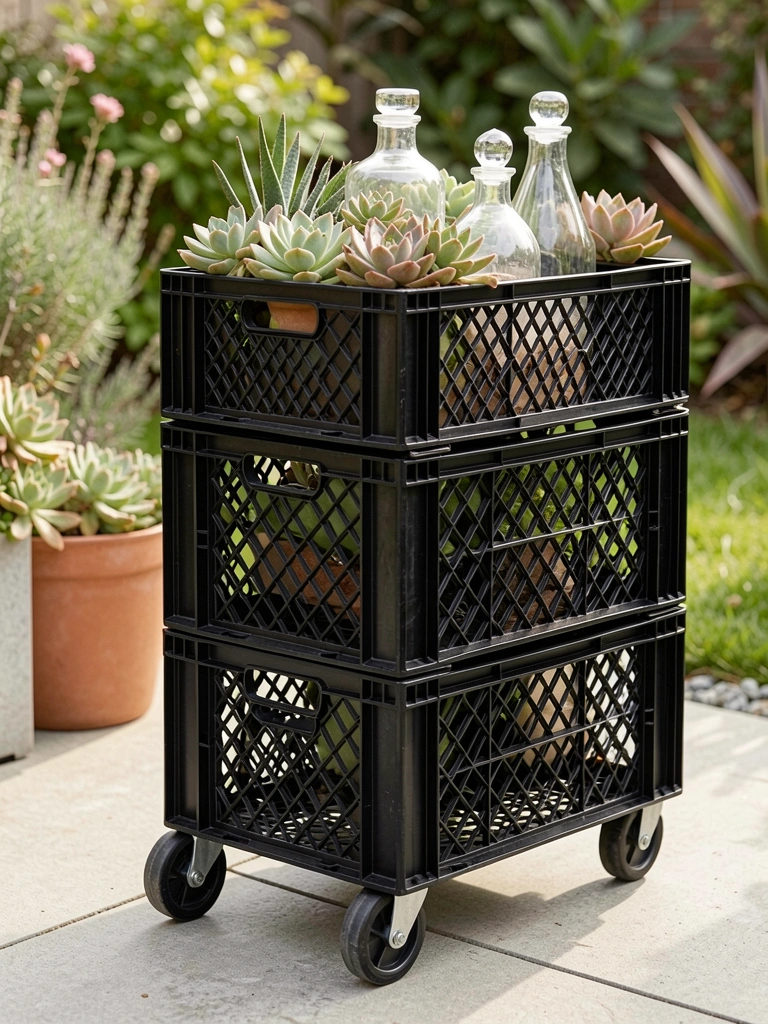
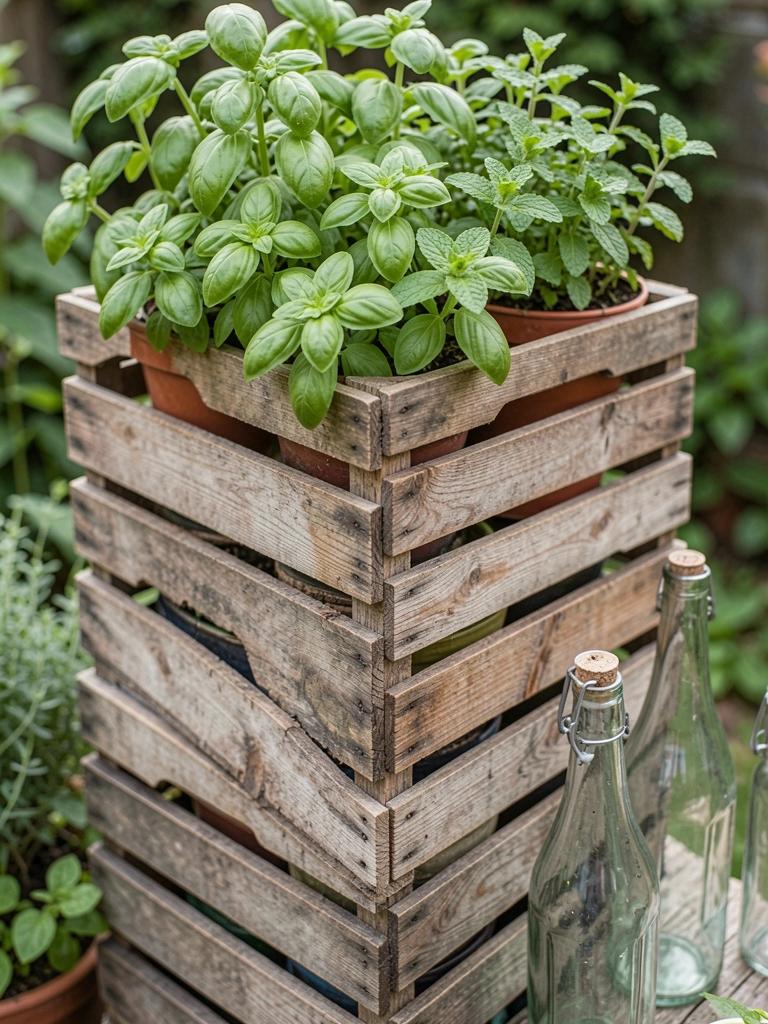
Stacked black crates on casters made my movable bar. Roll it patio to lawn. Top crate holds mixers; lower ones store ice. Added succulents for green pops.
Frees up space when not in use—sleek storage.
Wheels stuck in mud first time; pick heavy-duty.
We wheel it out for parties, back for quiet mornings.
What You’ll Need for This Look
Black plastic crates (13×13 inch)
5. Vertical Herb Wall Backdrop
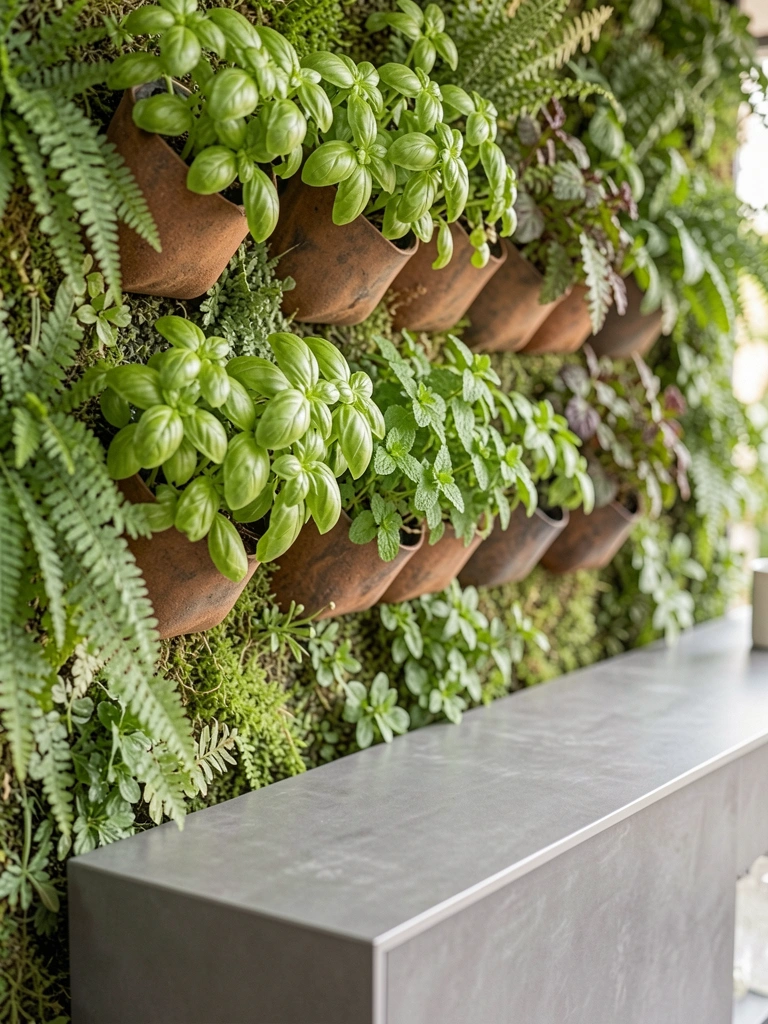
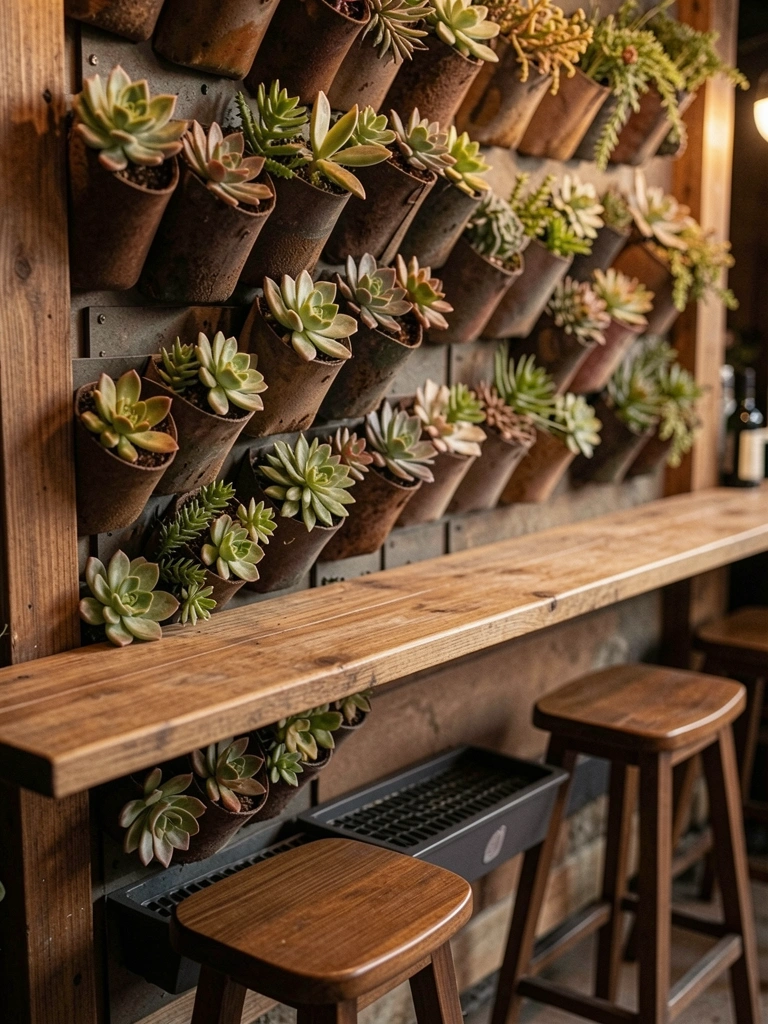
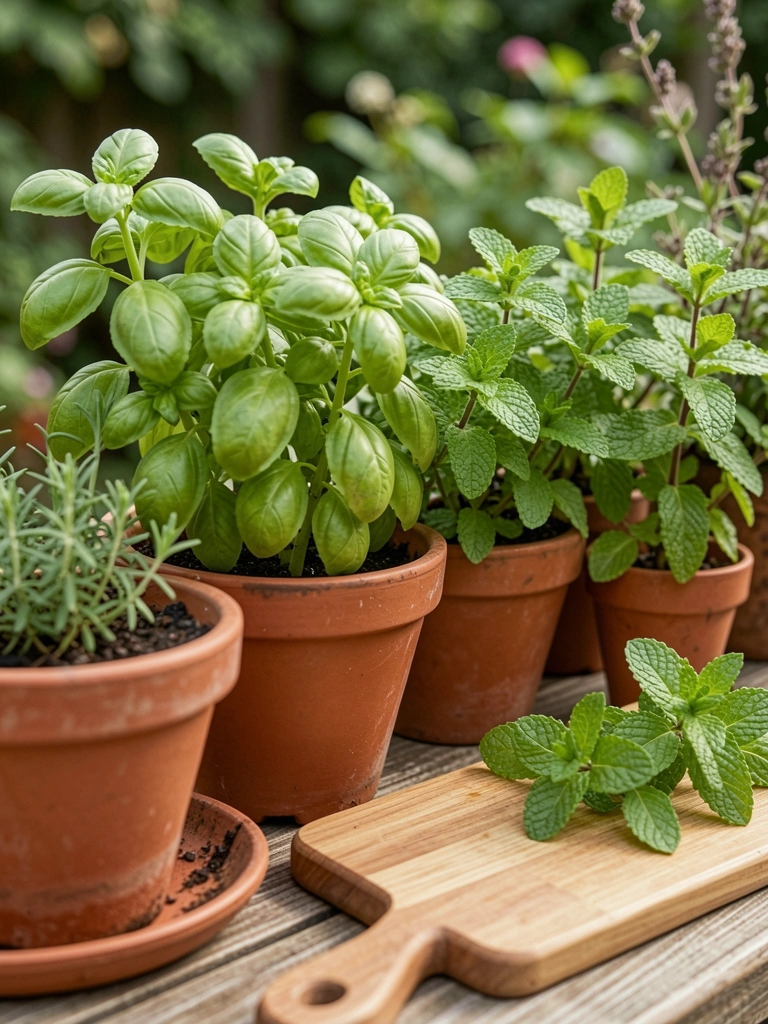
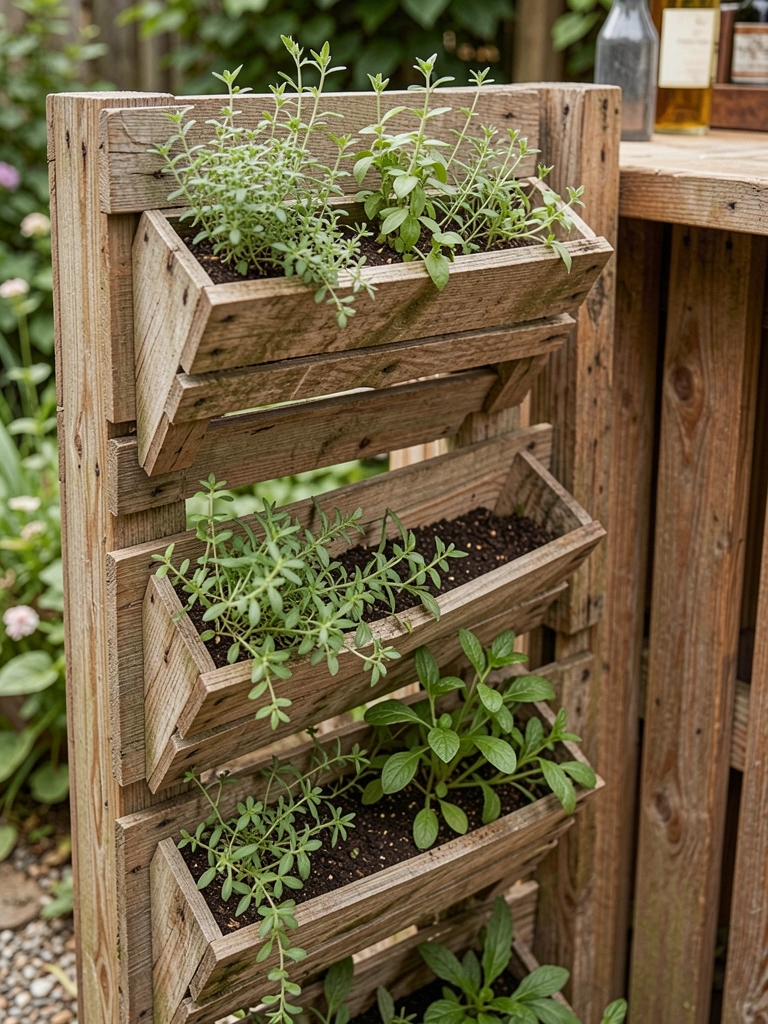
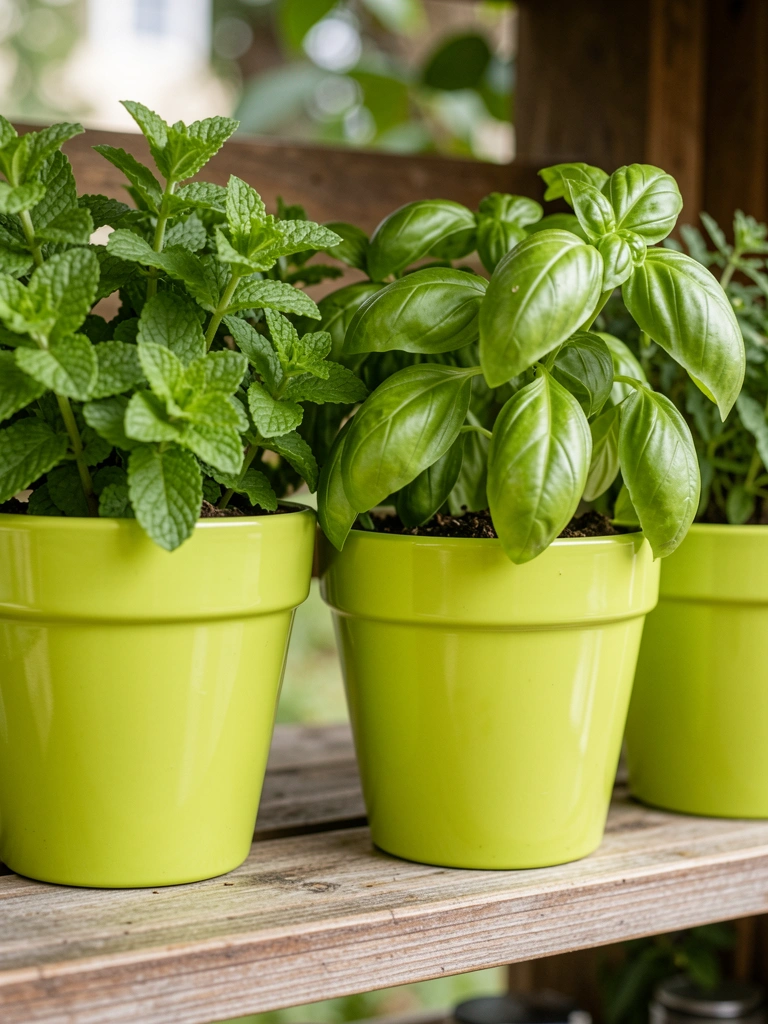
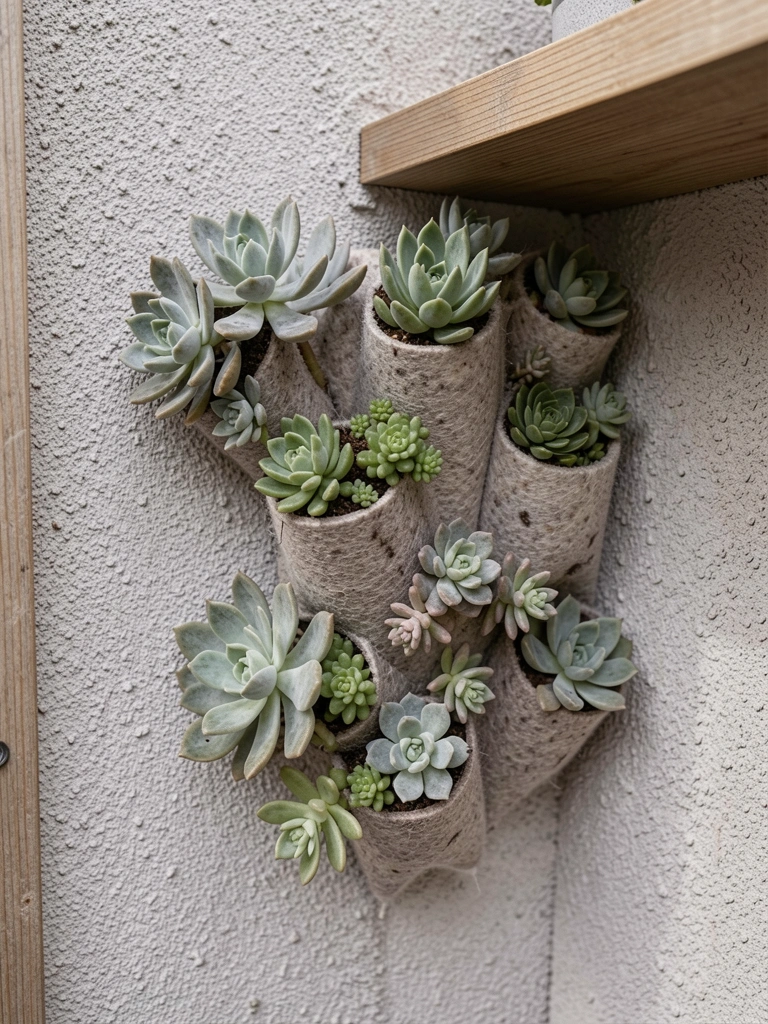
Nailed felt pockets to the shed for herbs behind my bar counter. Basil, mint—fresh muddles steps away. Keeps the line clean, no pots cluttering.
Snipping herbs mid-drink makes it feel alive, grounded.
Overwatered once, pockets dripped; check drainage.
Sleek and useful—my favorite tweak.
What You’ll Need for This Look
Vertical garden pockets felt (10-pack)
Slim plywood counter top (24×48 inch)
6. Slim Steel Trolley Bar Cart
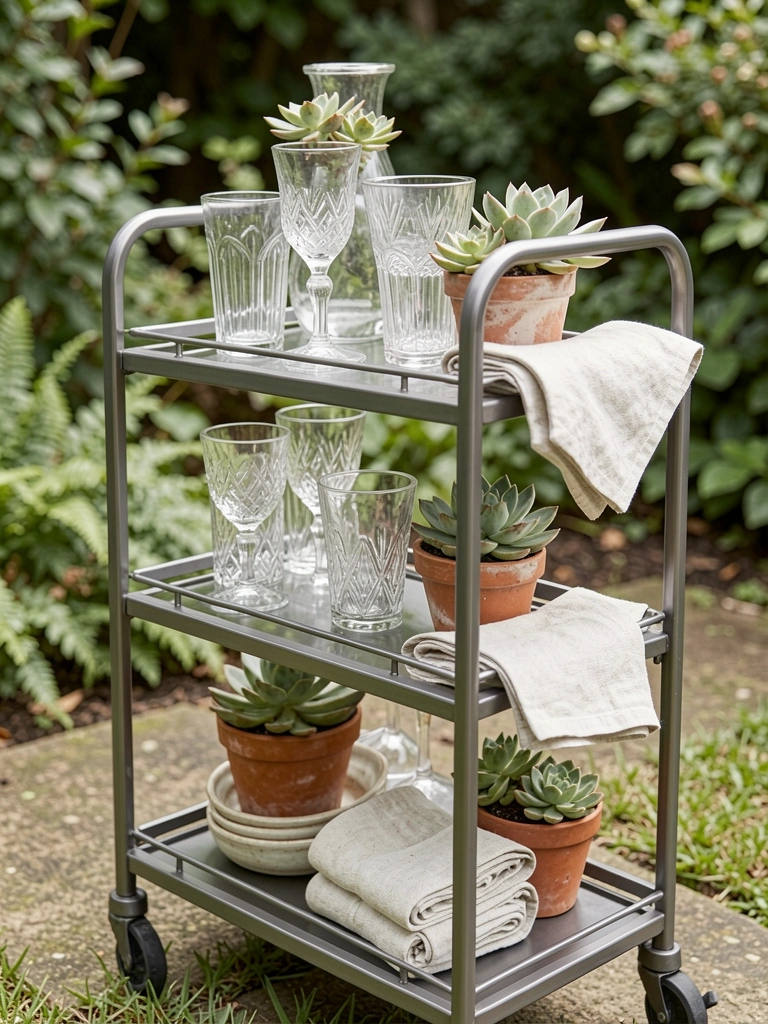
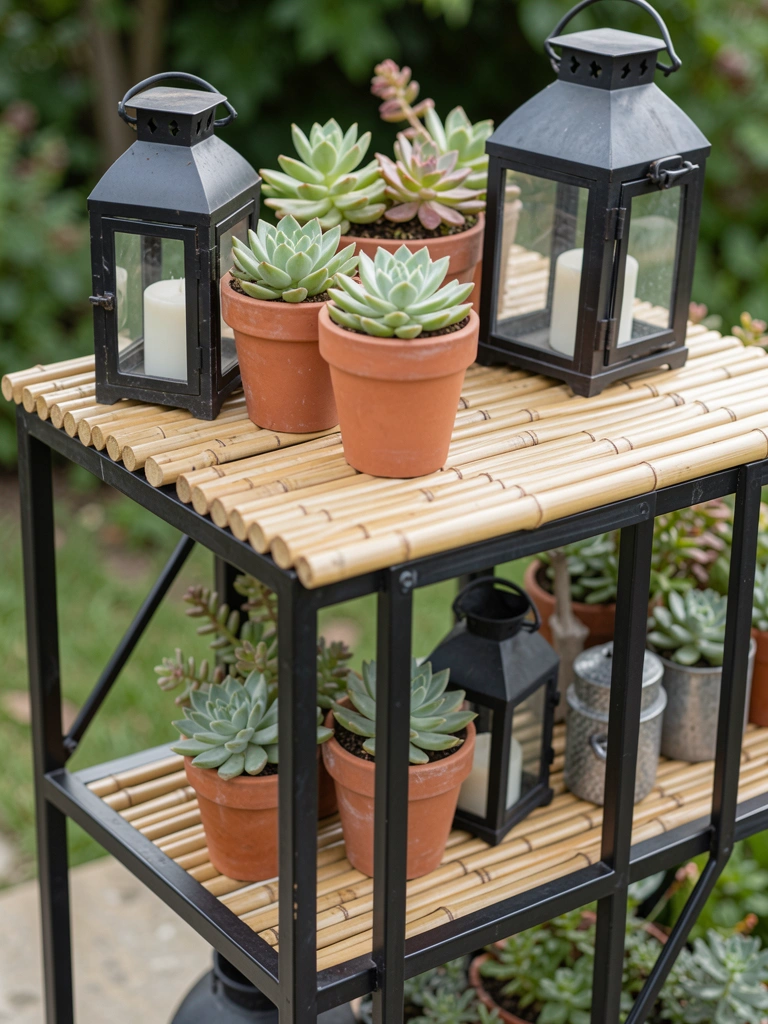
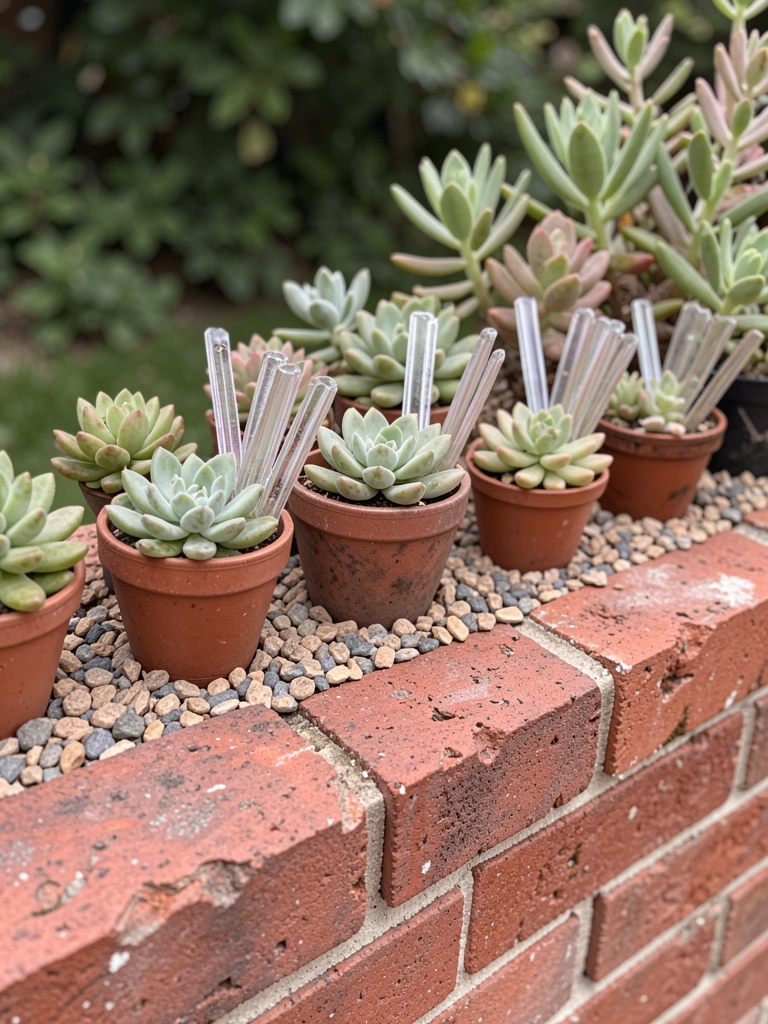
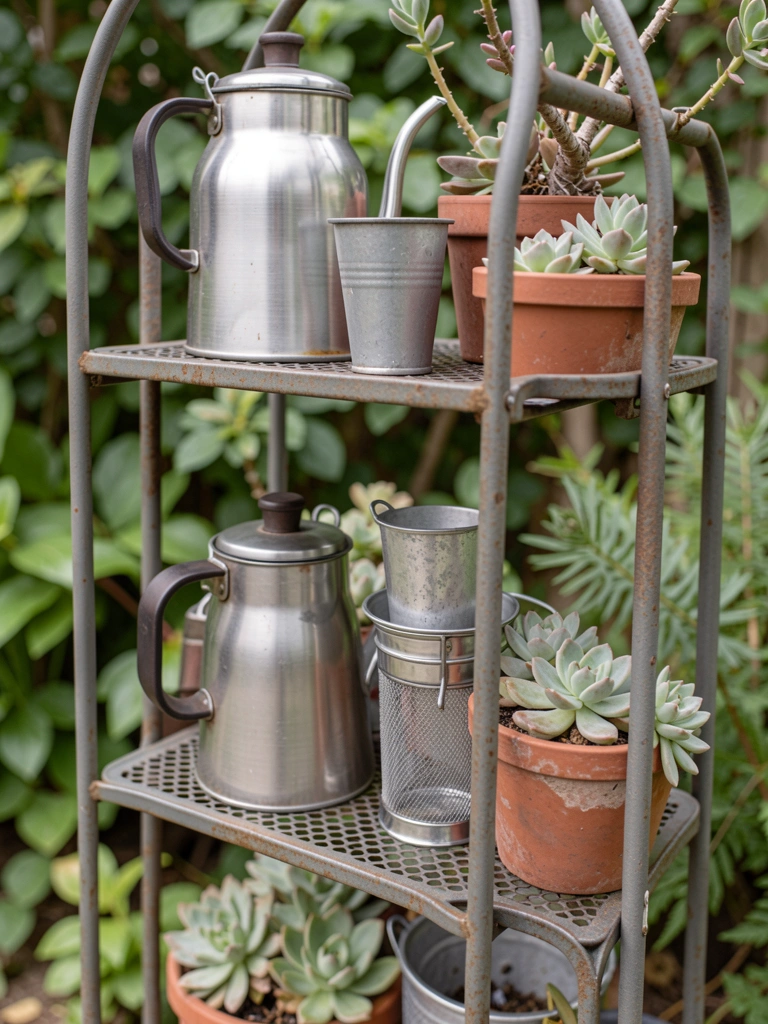
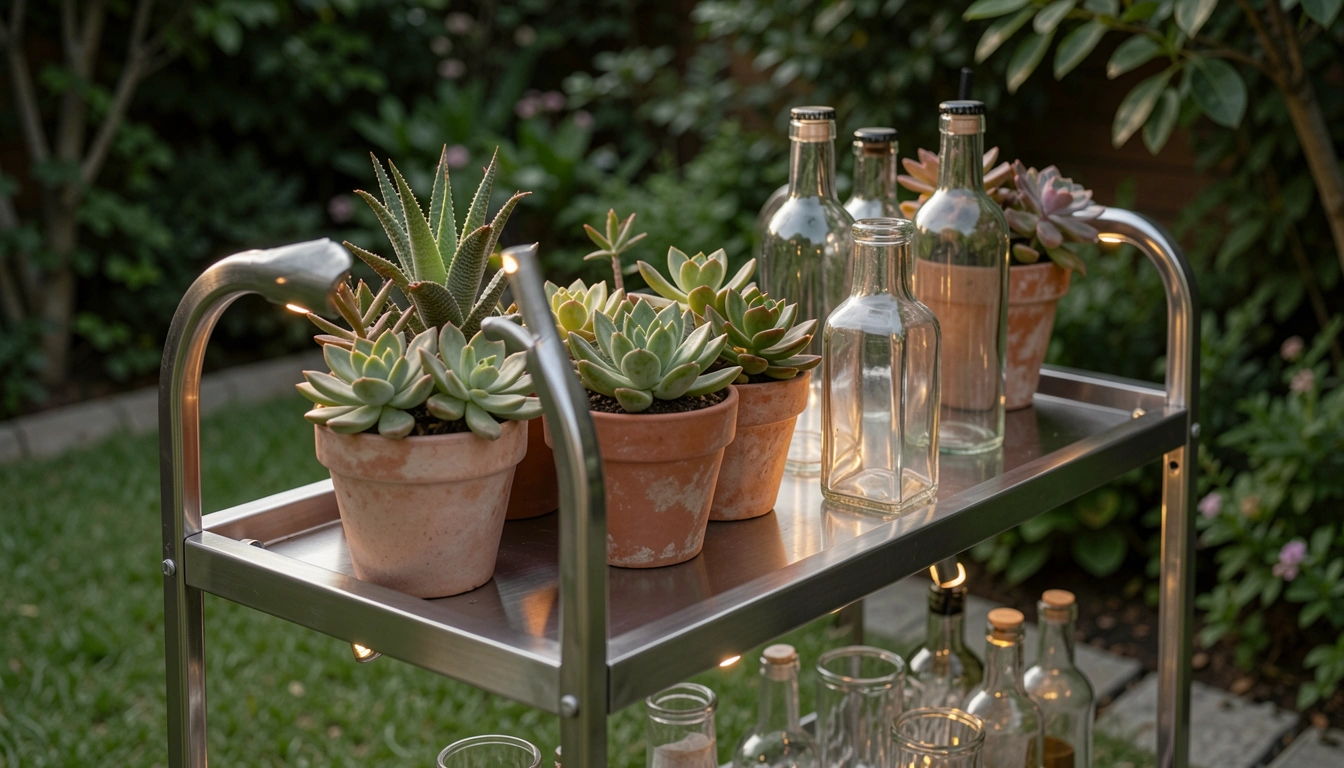
Picked up a steel trolley cart—three tiers for bottles, glasses, garnishes. Echeveria pots on bottom add weight and green. Rolls smooth on gravel.
Clears the patio fast after use. Feels intentional, not junky.
Bought too narrow first; measure your glasses.
Now it's always ready, low effort.
What You’ll Need for This Look
Echeveria succulent pots 6 inch
7. Glass Block Bar Divider
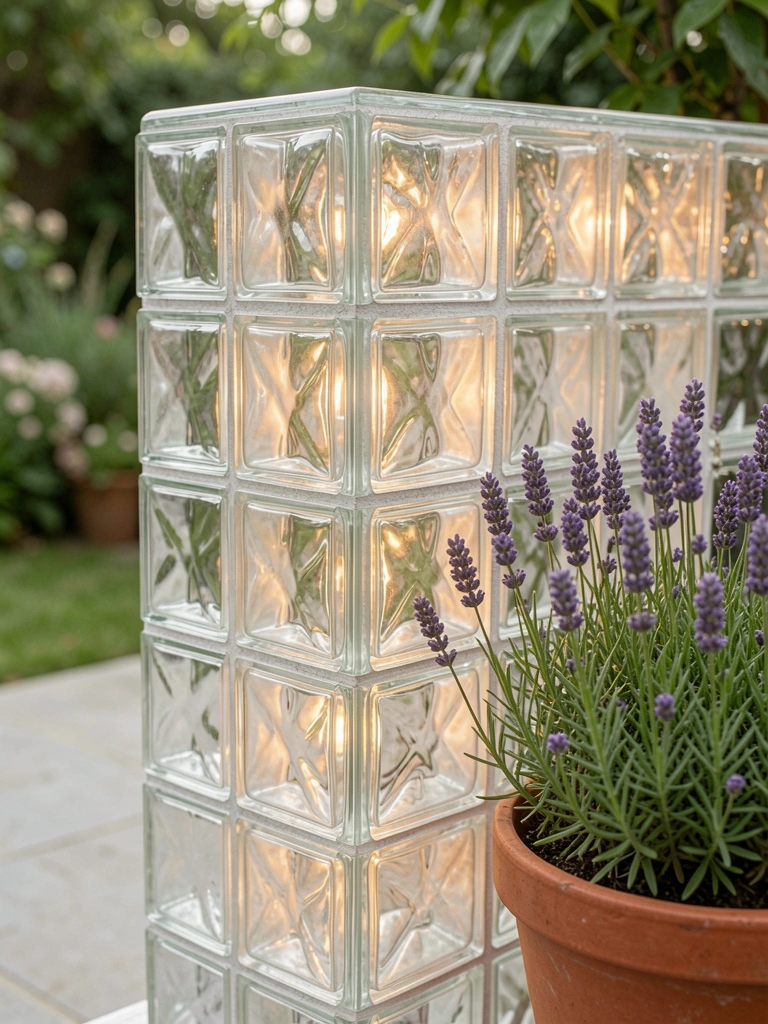
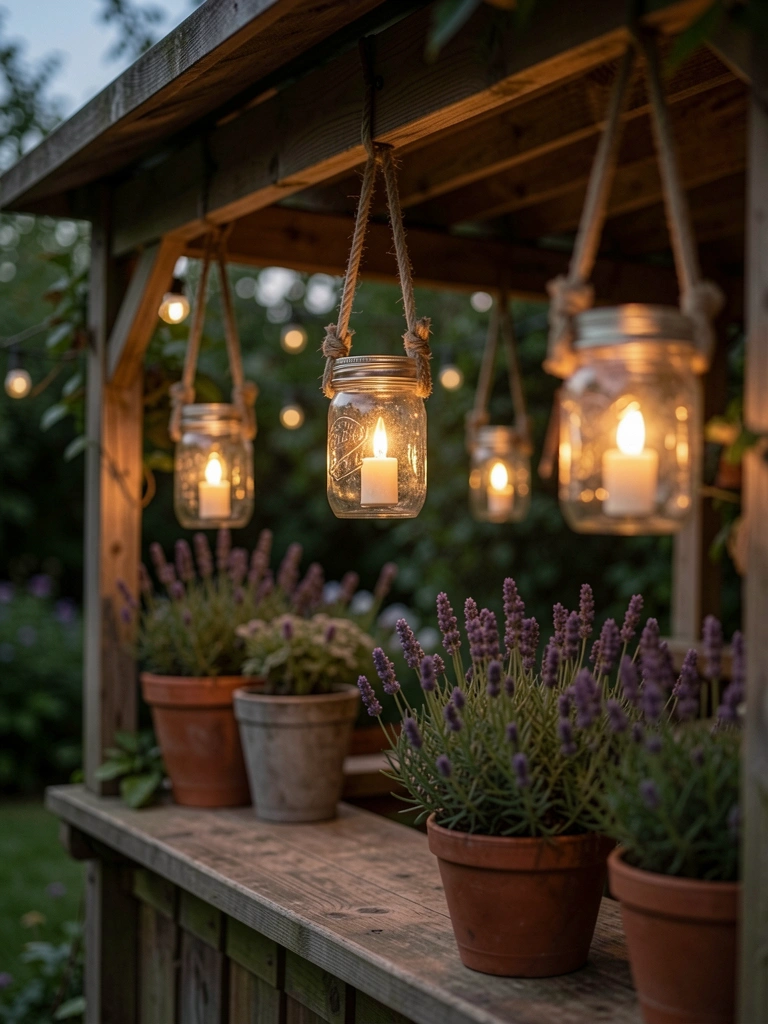
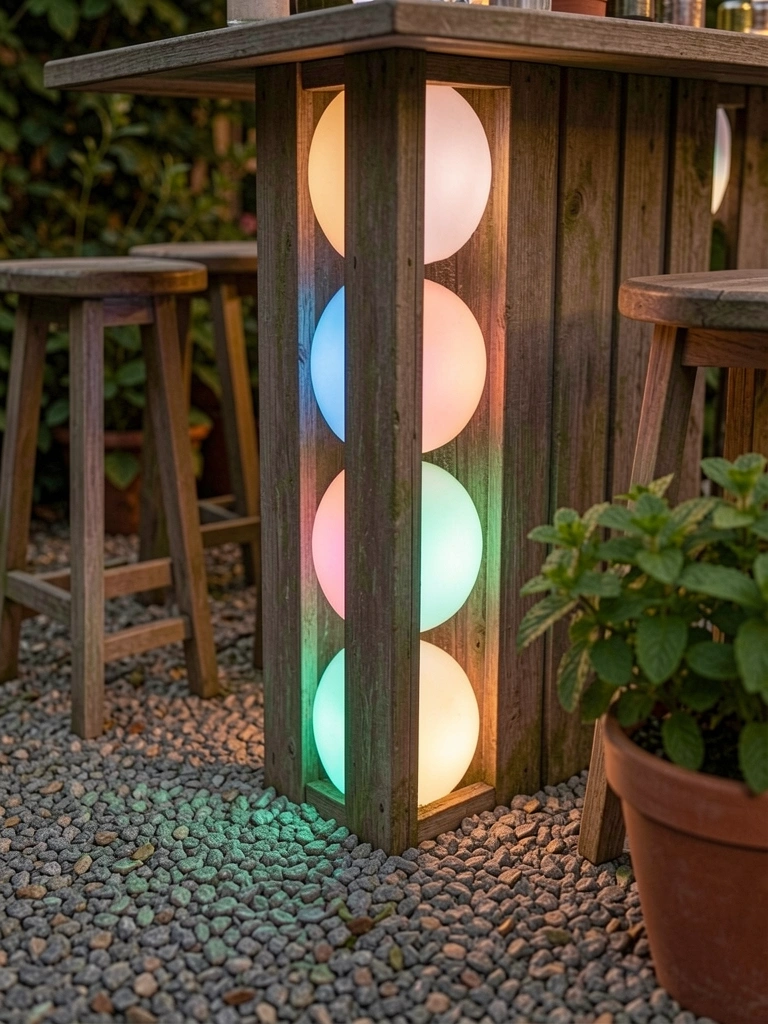
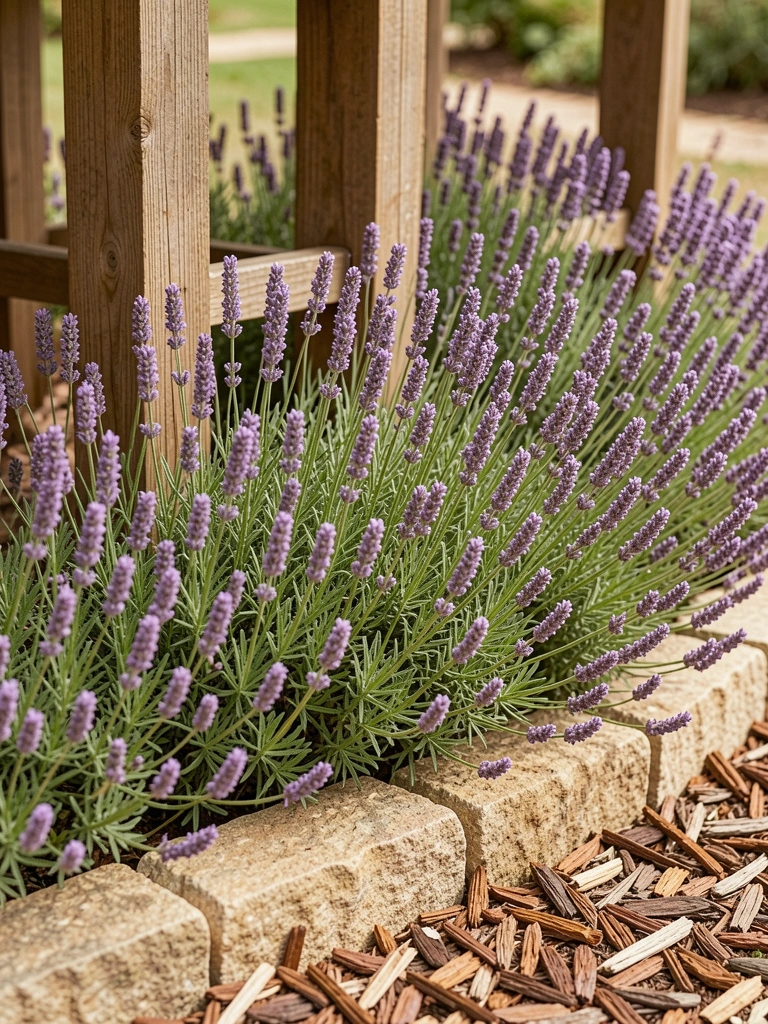
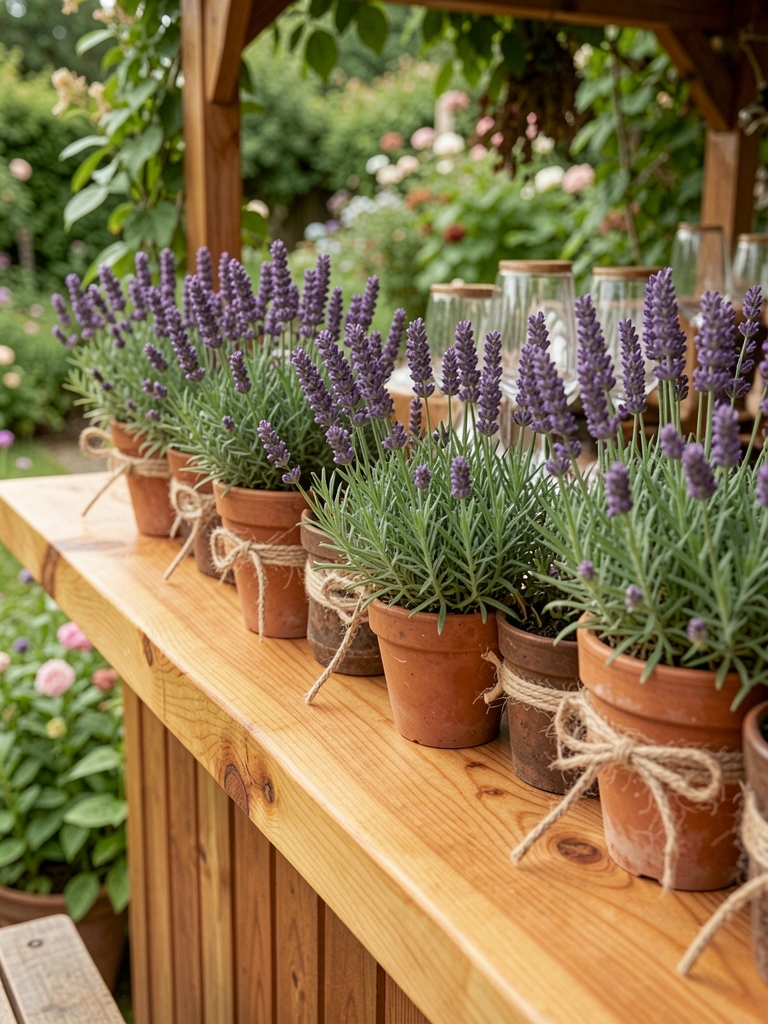
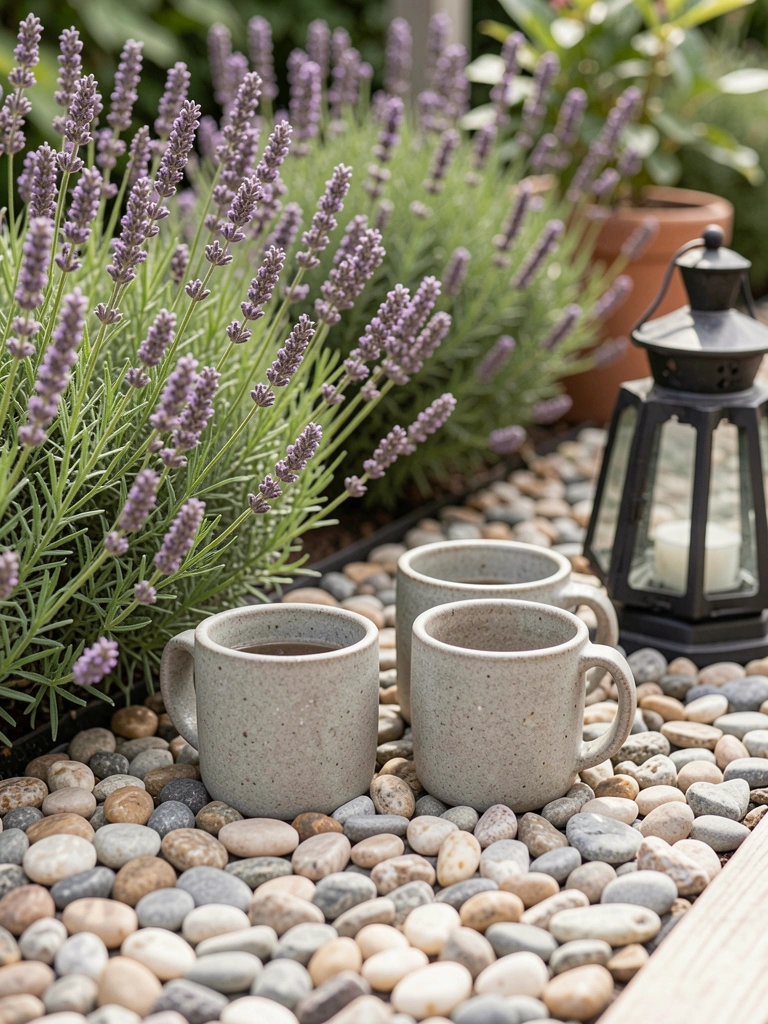
Stacked glass blocks as a low divider—light filters through, no full wall block. Dropped LEDs inside for night glow. Lavender pots flank it.
Separates bar zone without closing off the yard. Softens hard edges.
Blocks shifted in wind; secure with adhesive.
Changes the whole flow—open yet defined.
What You’ll Need for This Look
Glass blocks (8×8 inch, 10-pack)
8. Bamboo Screen Privacy Bar Nook
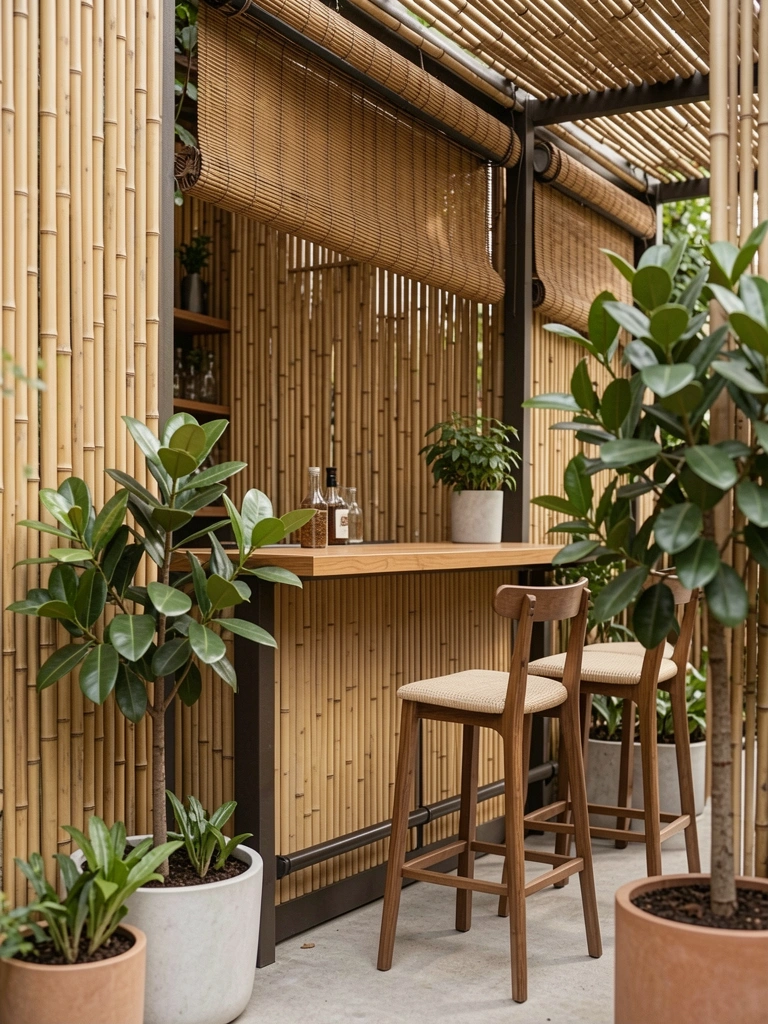
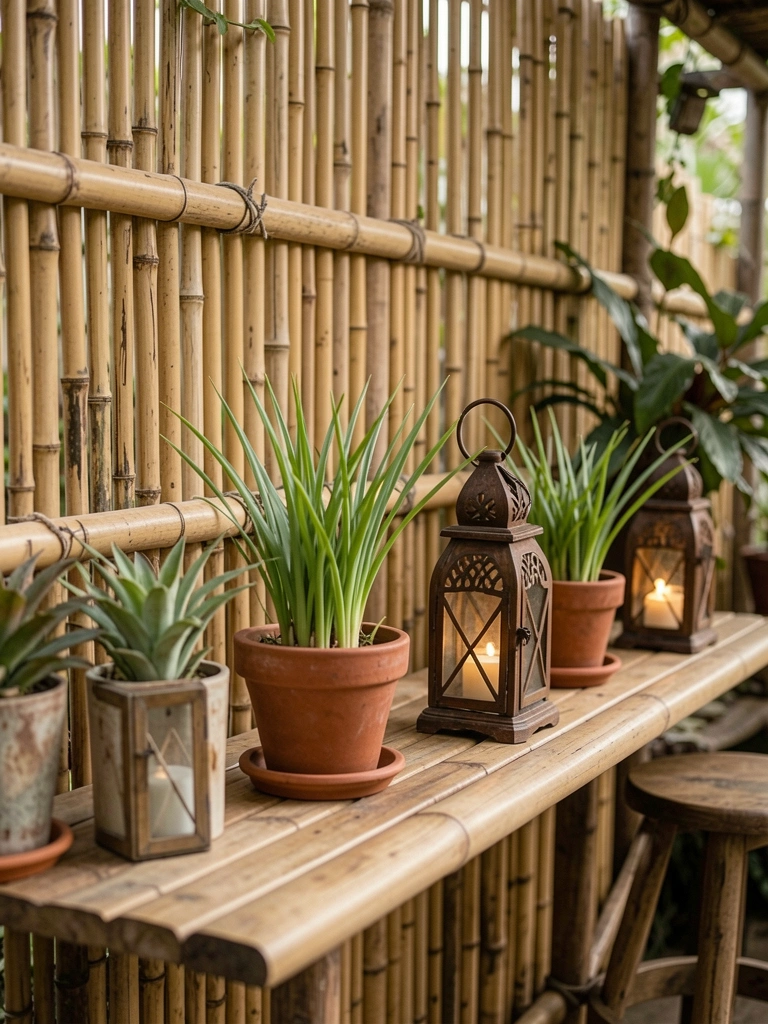
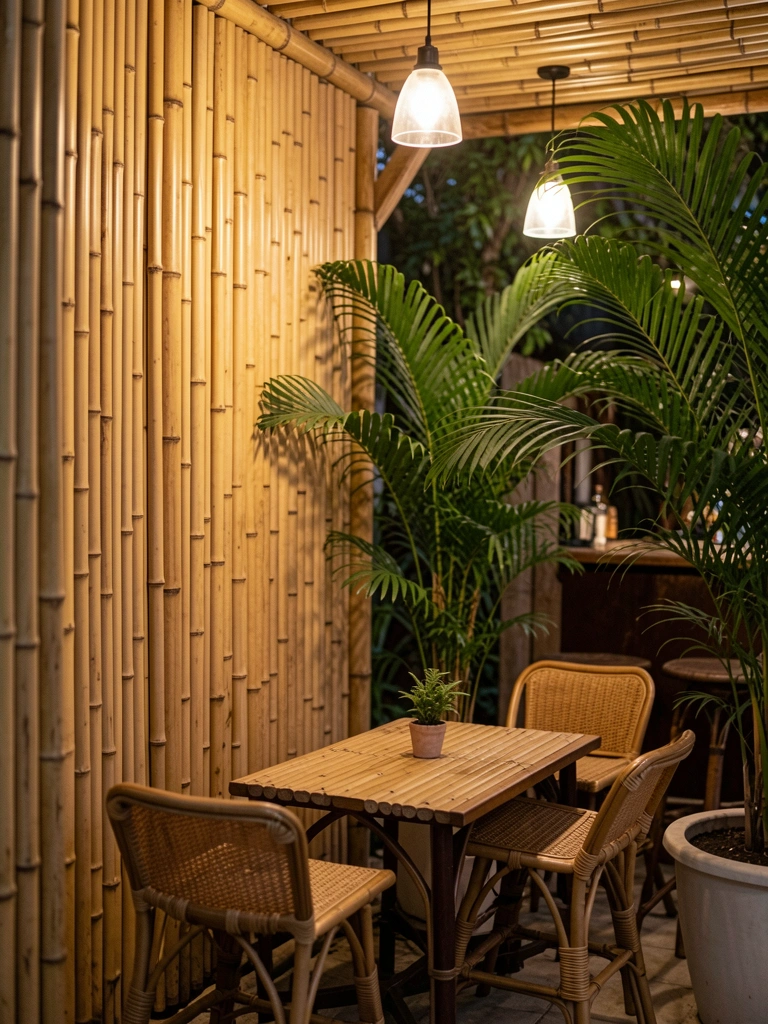
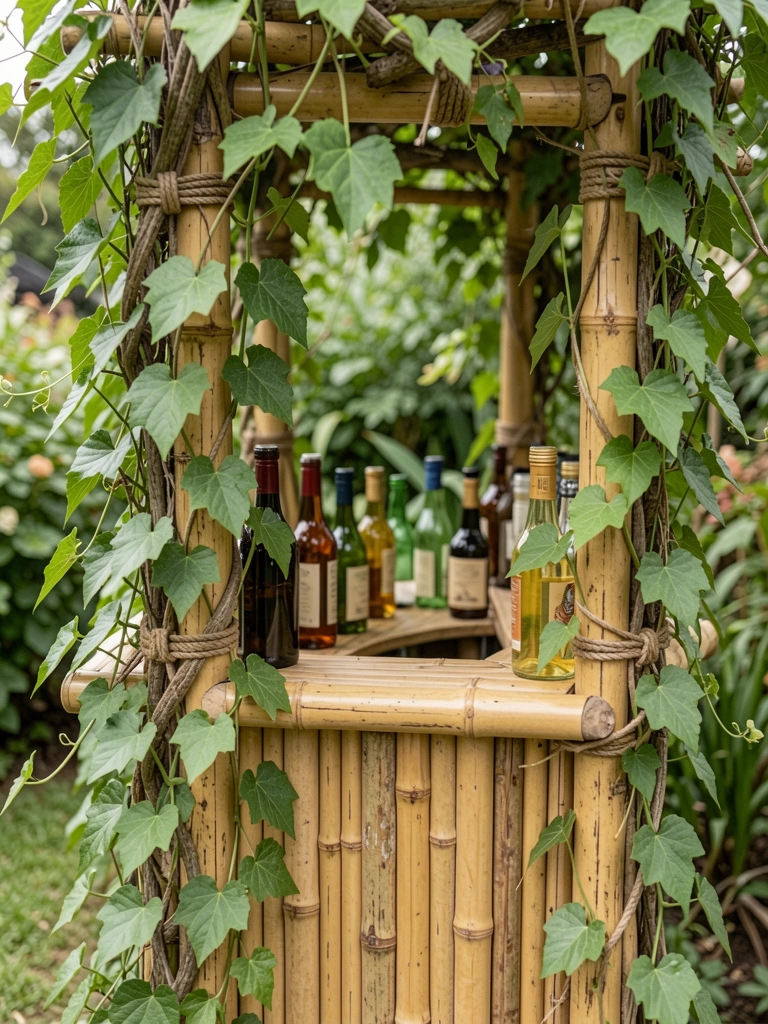
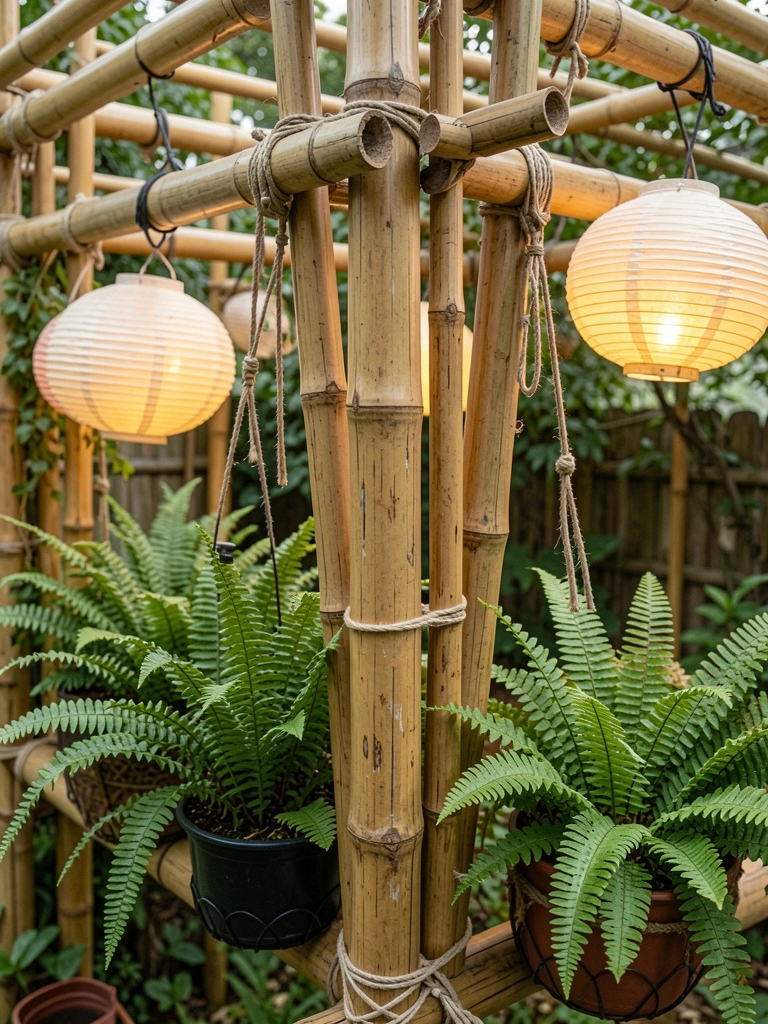
Rolled bamboo screens around a corner bar nook. Ties back for open days. Ficus in corners ground it.
Creates a private spot without fences—cozy sleekness.
Screens faded fast; treat with sealant yearly.
We escape neighbors there now.
What You’ll Need for This Look
Bamboo roll-up screens 6ft x 6ft
9. Integrated Planter Bar Top
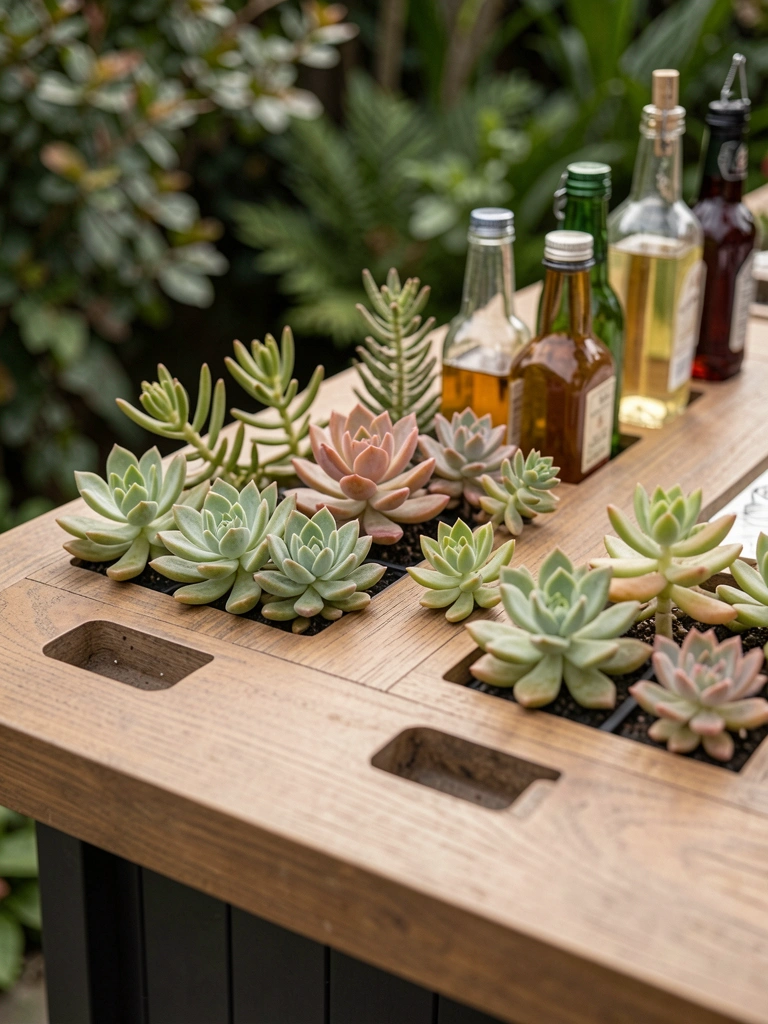
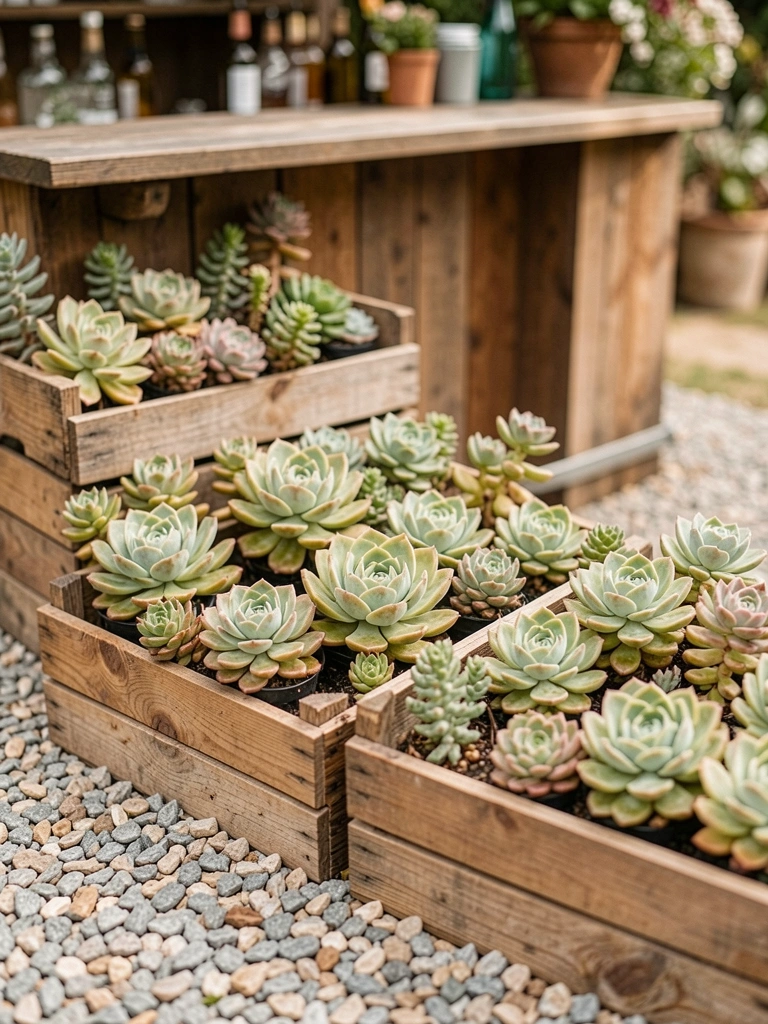
Cut planter holes into a plywood bar top. Succulents spill over edges—no separate pots. Seals edges with silicone.
Green weaves right into serving—feels built-in, modern.
Soil spilled first time; line with plastic.
Yard drinks taste fresher somehow.
What You’ll Need for This Look
10. String Light Canopy Over Bar
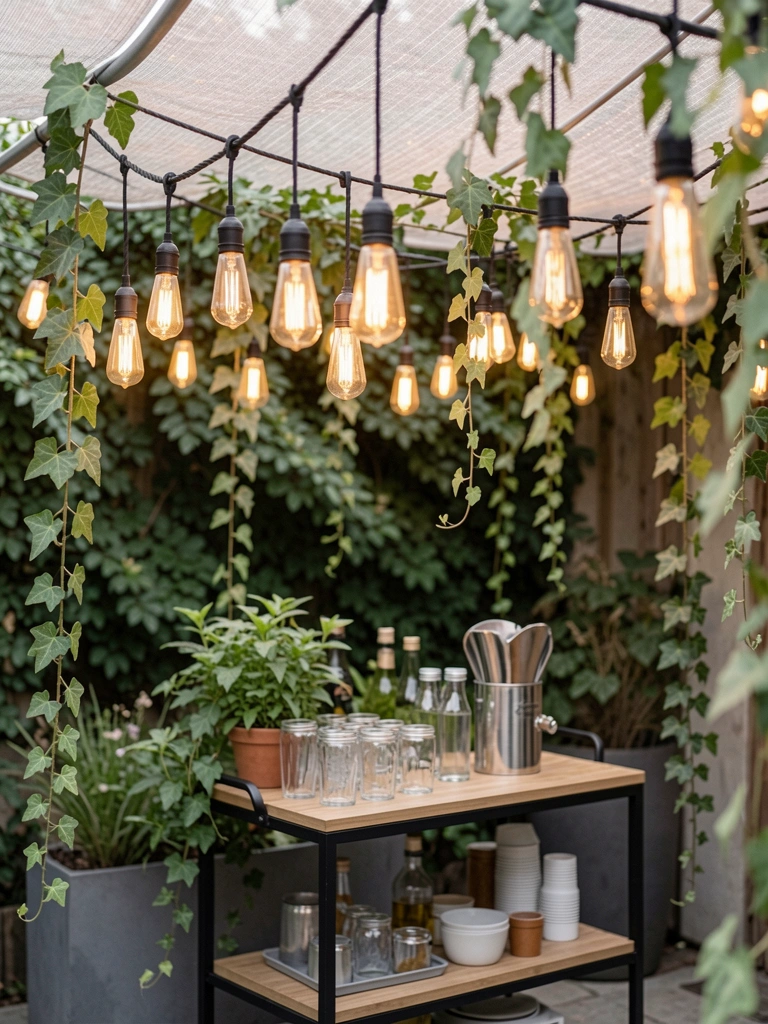
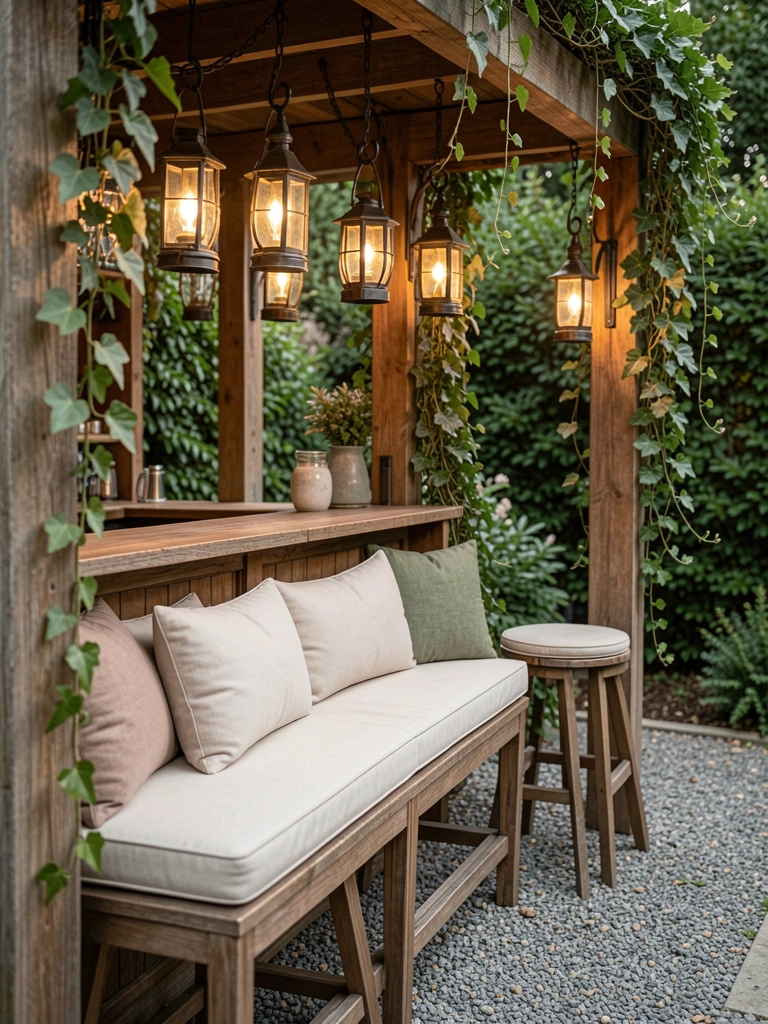
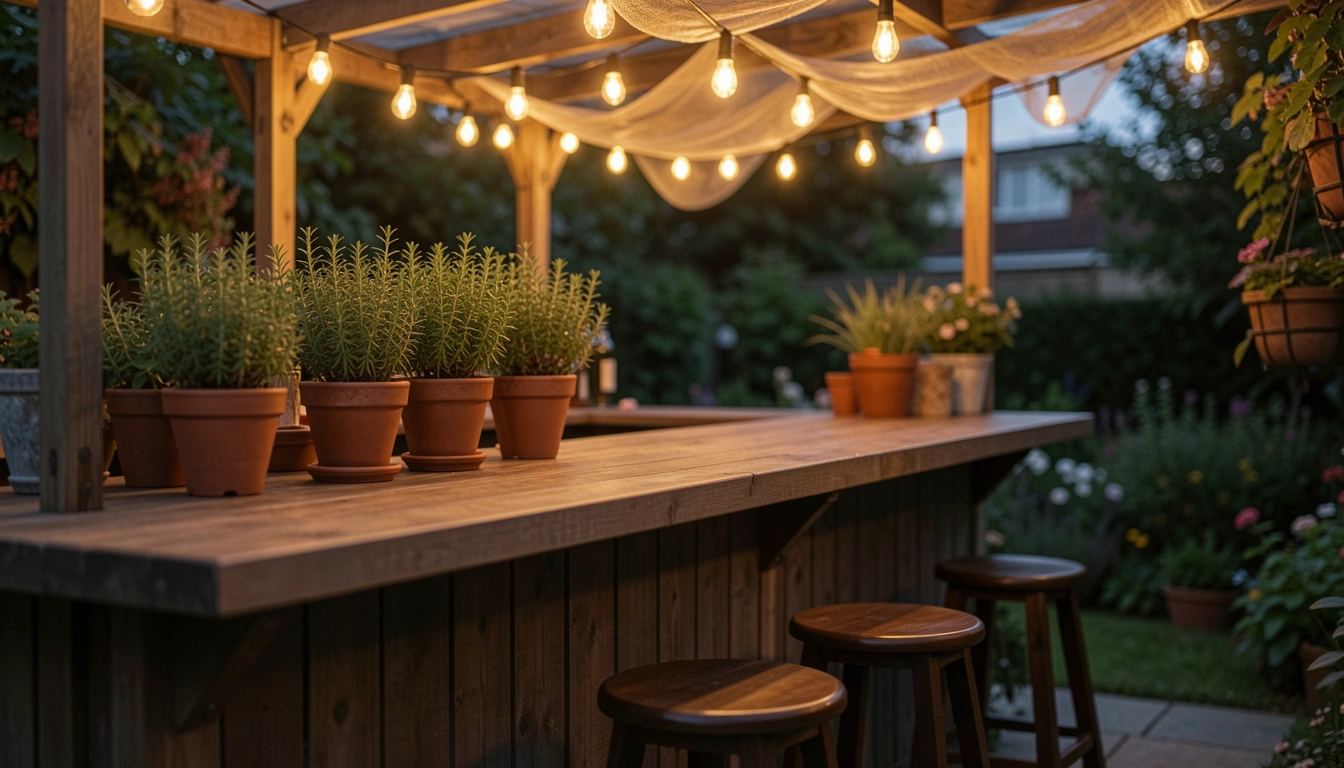
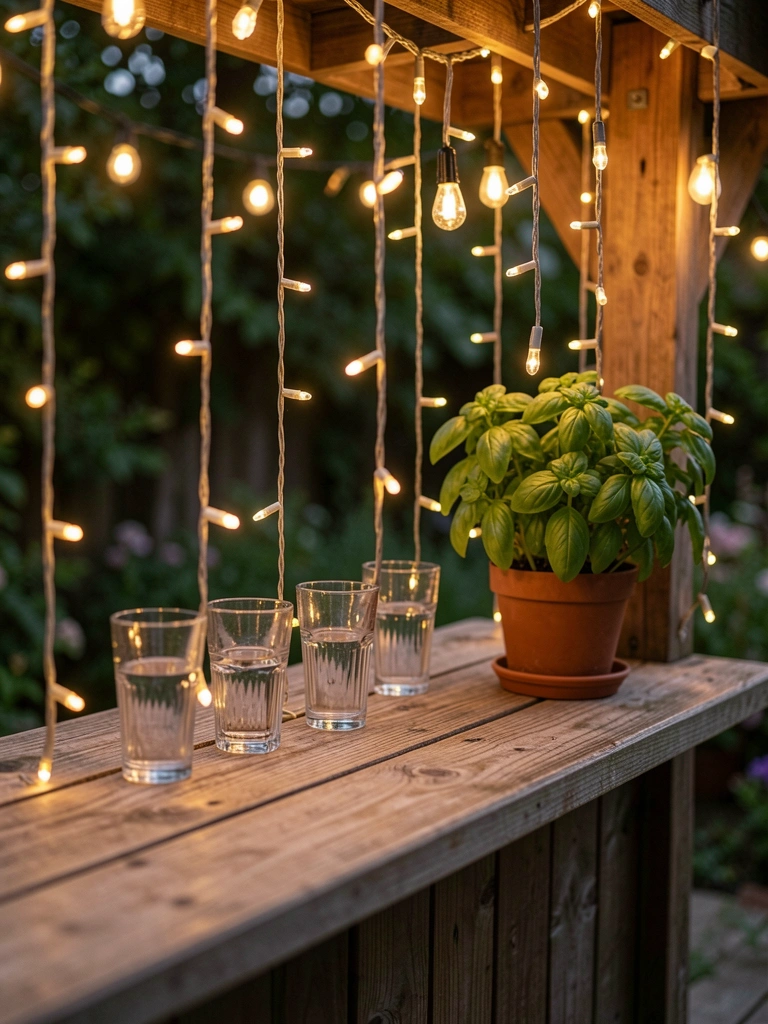
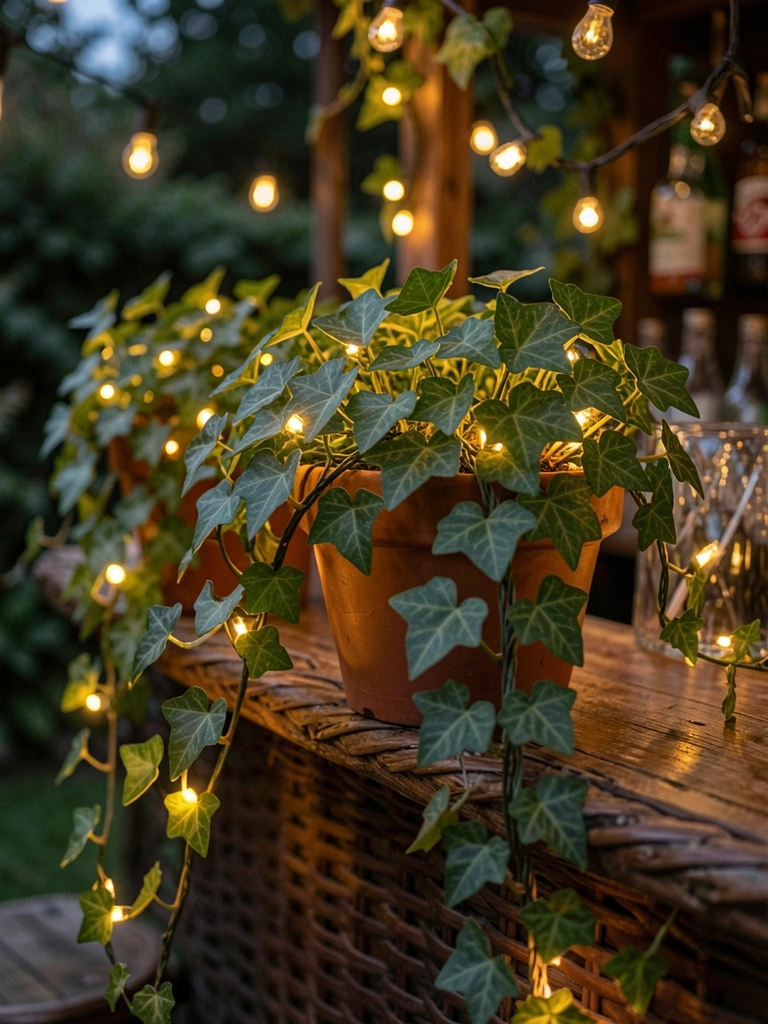
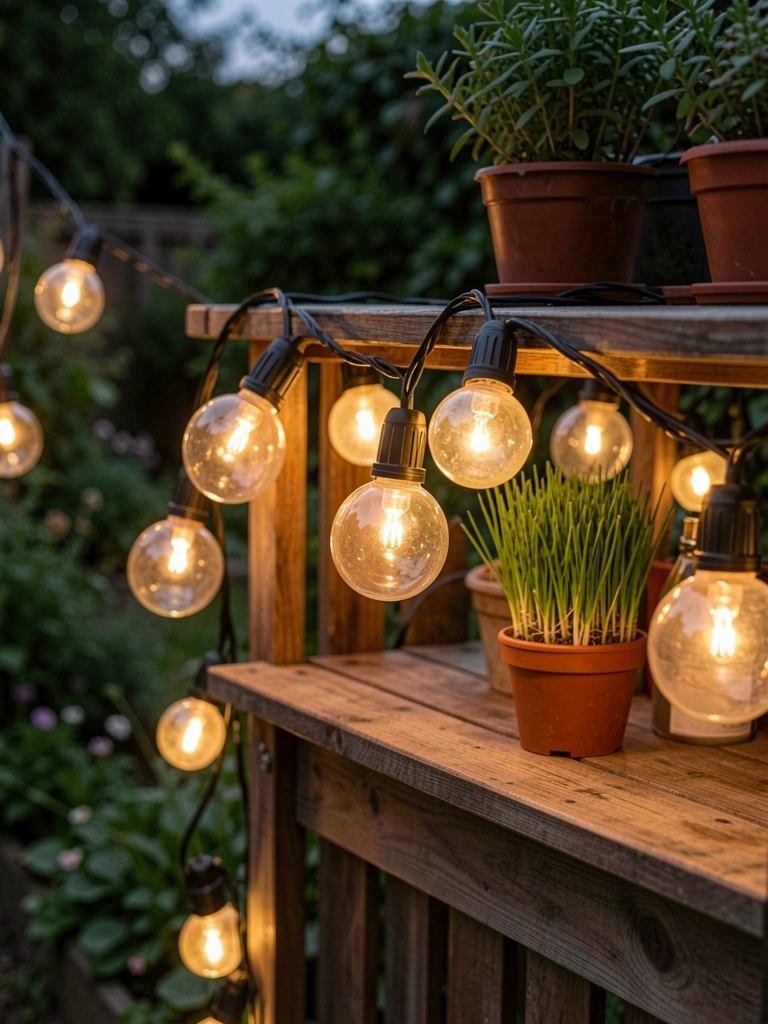
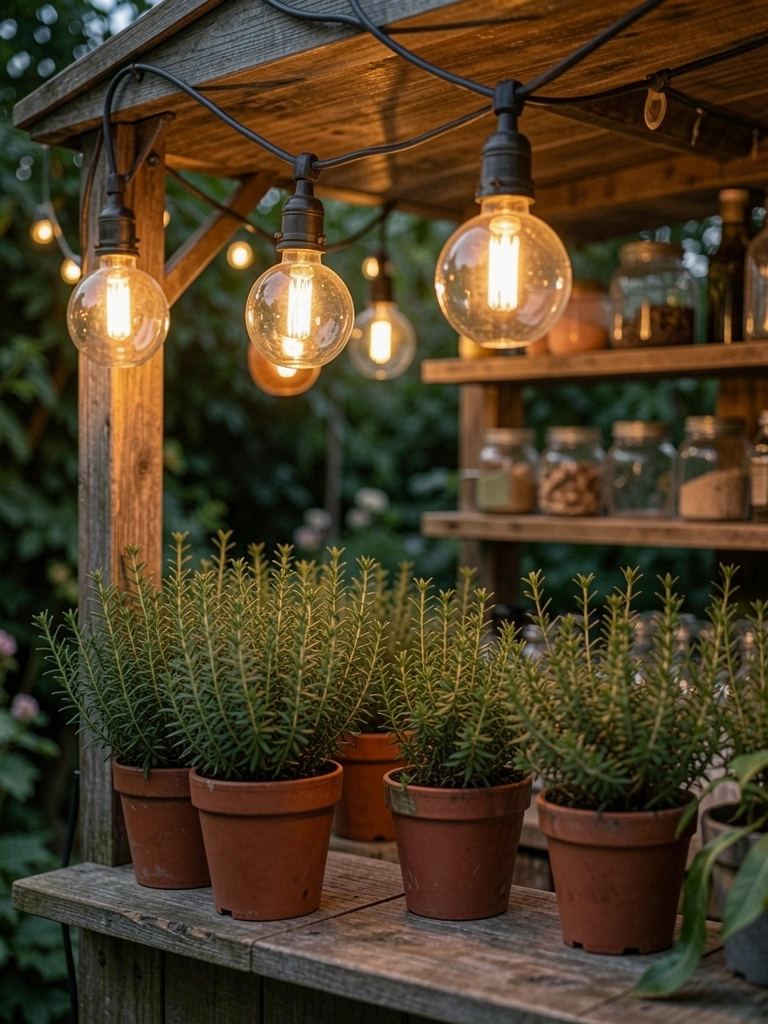
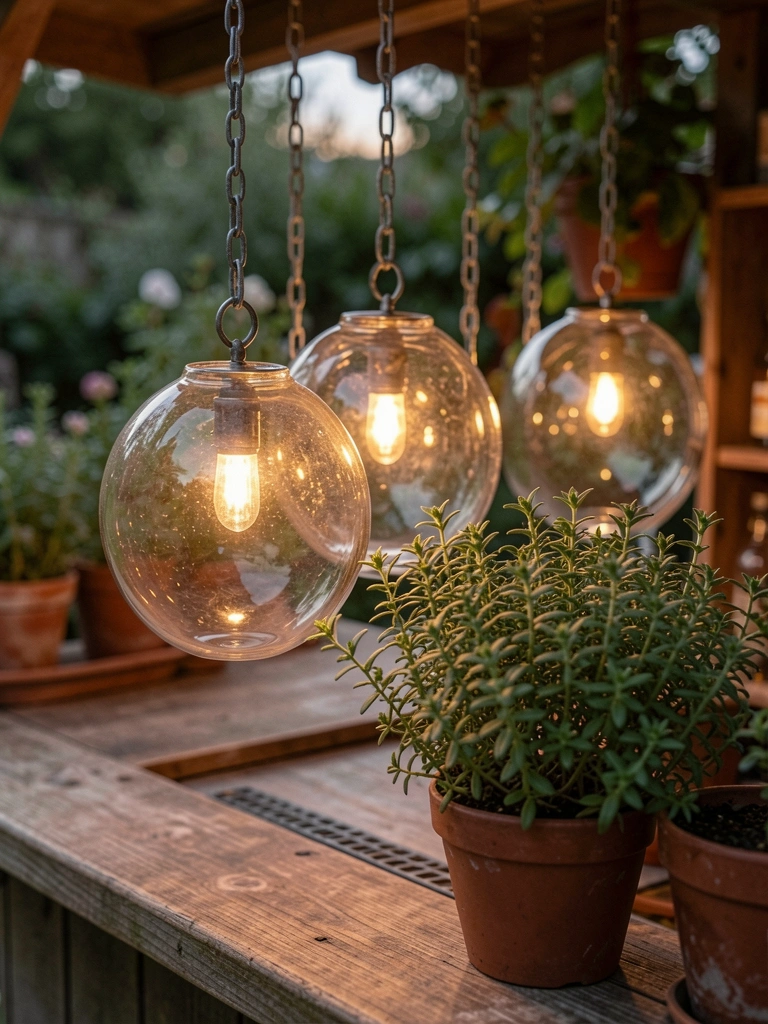
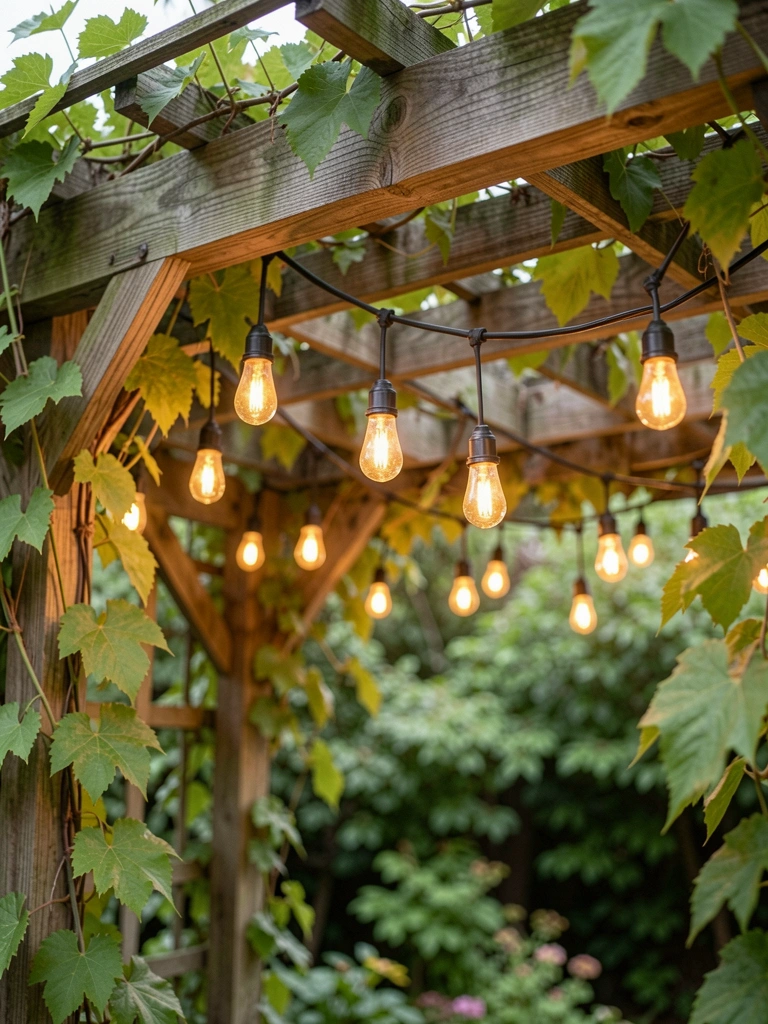
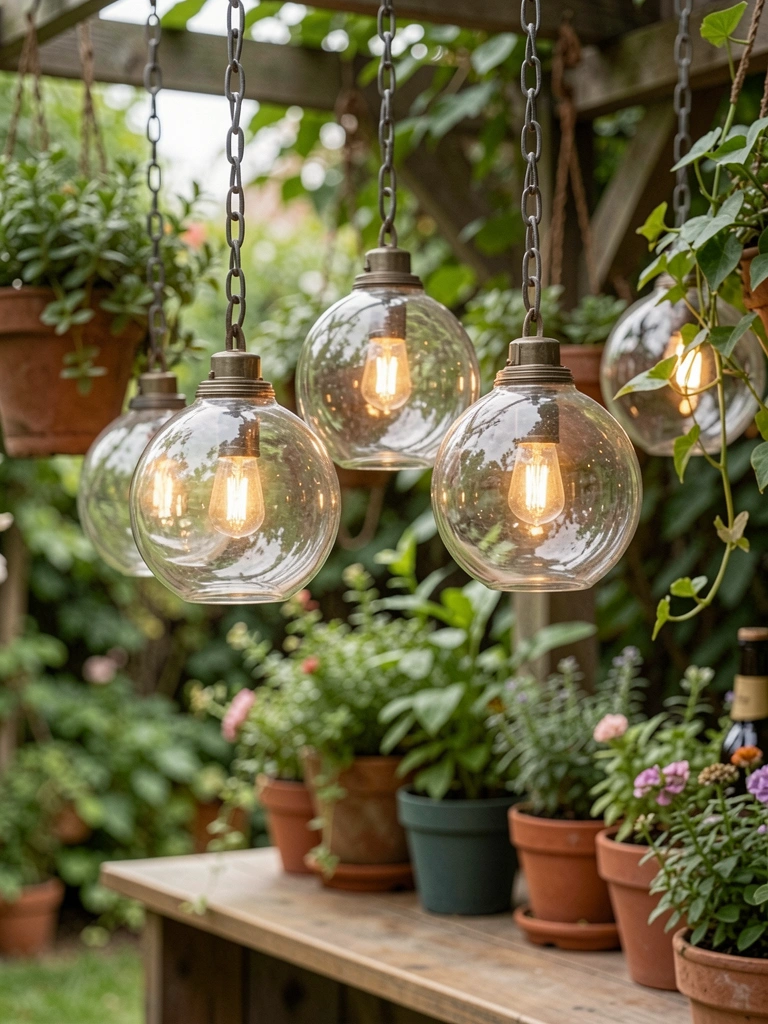
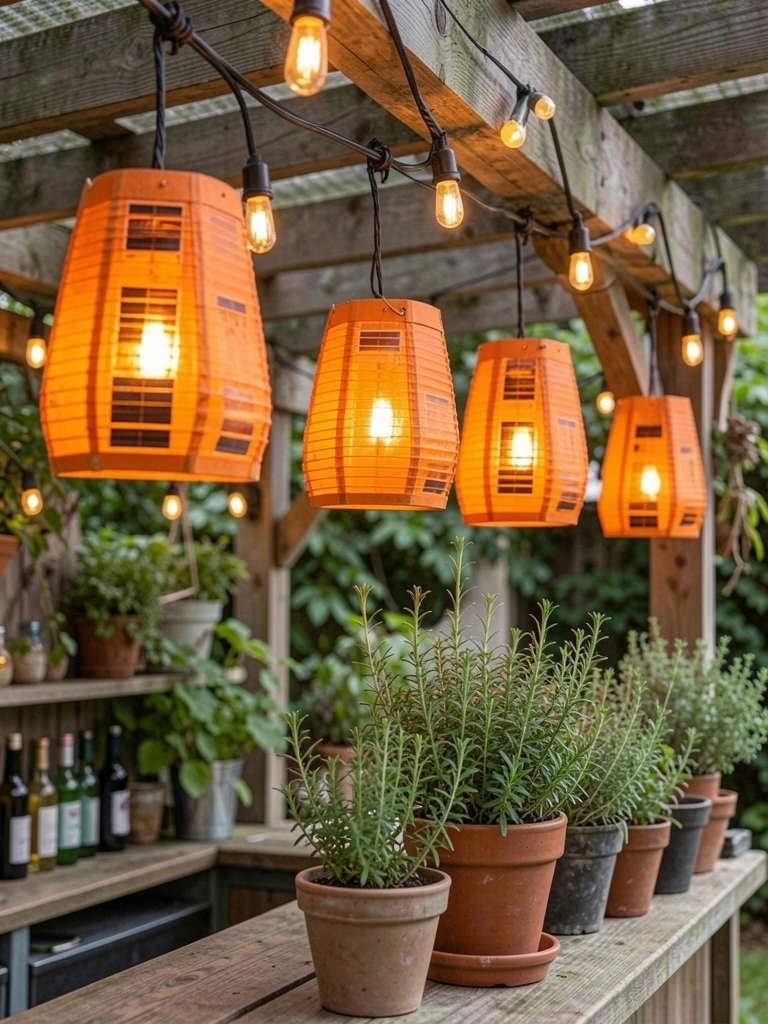
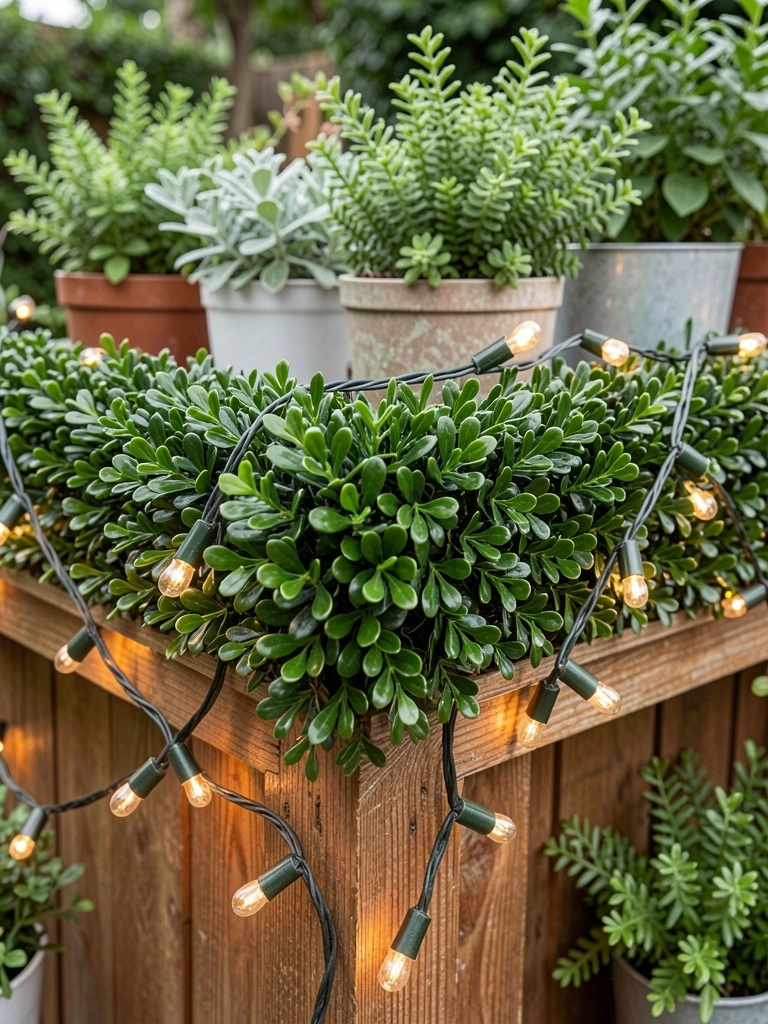
Draped warm string lights over poles above the bar. Ivy climbs the poles for daytime green. Plugs into outdoor socket.
Nights turn golden without glare—pulls people in.
Wind tangled them once; secure with zip ties.
Simple setup, big mood shift.
What You’ll Need for This Look
Edison string lights 50ft outdoor
11. Pebble Floor Bar Zone
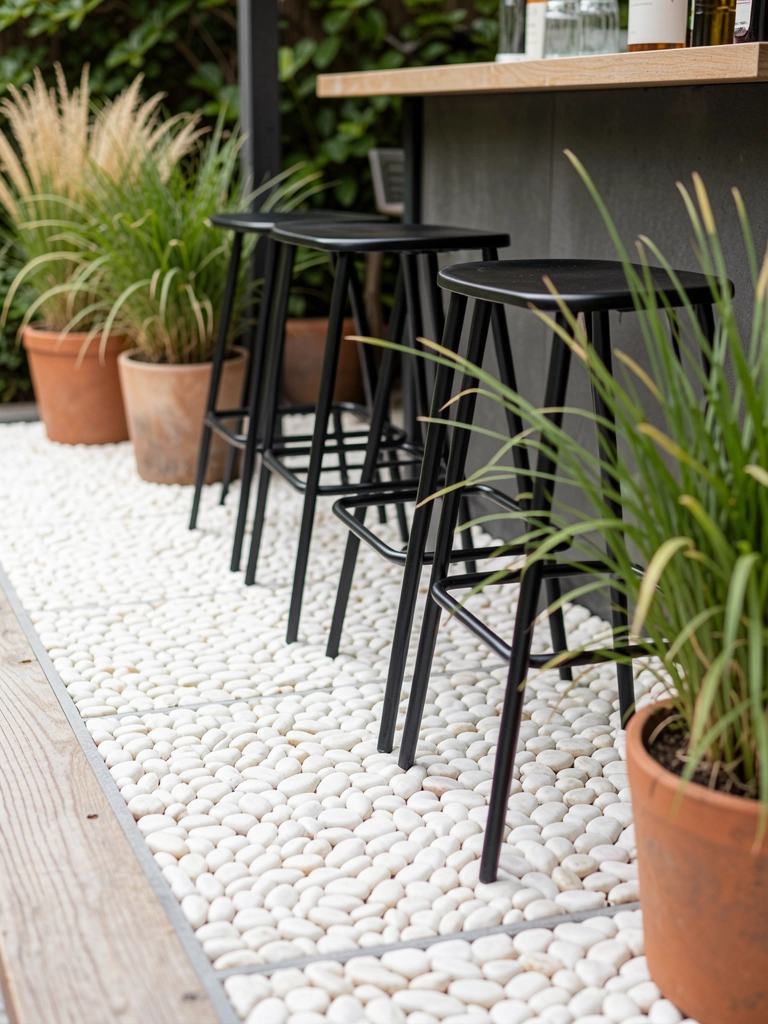
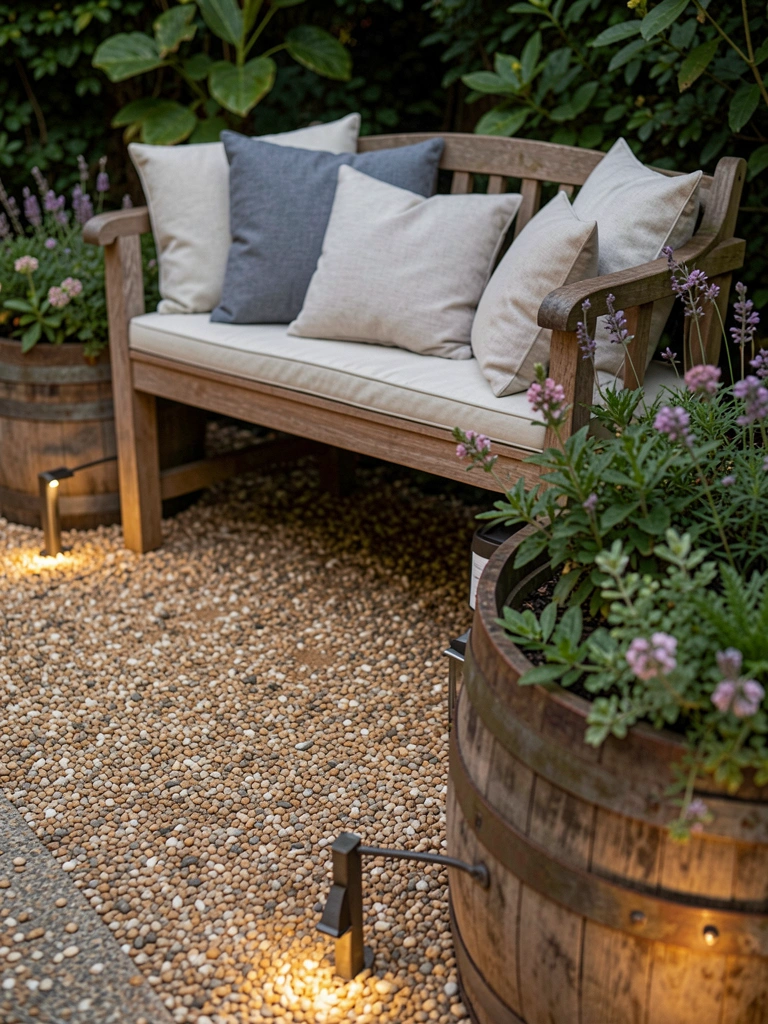
Laid white pebbles in a 6×6 zone under the bar stools. Drains fast, no mud. Grasses in pots define edges.
Grounds the space—clean, beachy modern without sand.
Pebbles shifted; use landscape fabric under.
Bare feet love it come summer.
What You’ll Need for This Look
White pebble gravel 0.5 cu ft bag
12. Black Pipe Shelving Bar Unit
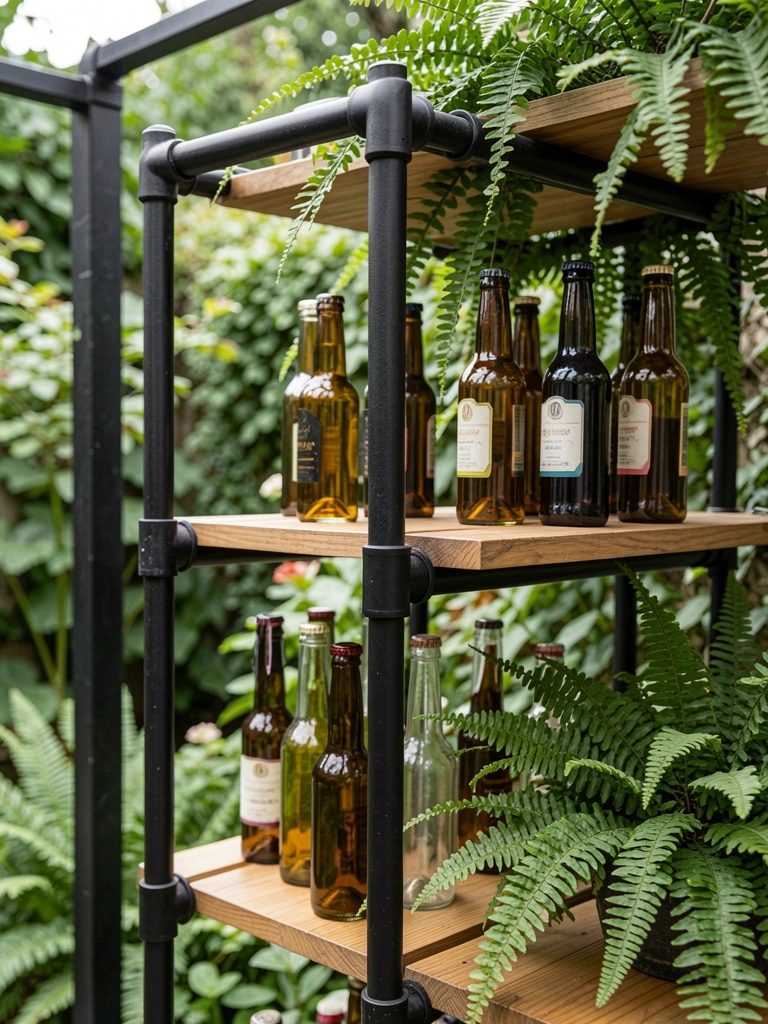
Plumbed black pipes into shelves for an industrial bar unit. Wood planks on top and middle. Ferns hang below.
Raw edges give sleek grit—holds tons without bulk.
Fittings leaked rust first; prime them.
Tough as nails now.
What You’ll Need for This Look
Reclaimed wood planks 1×12 inch
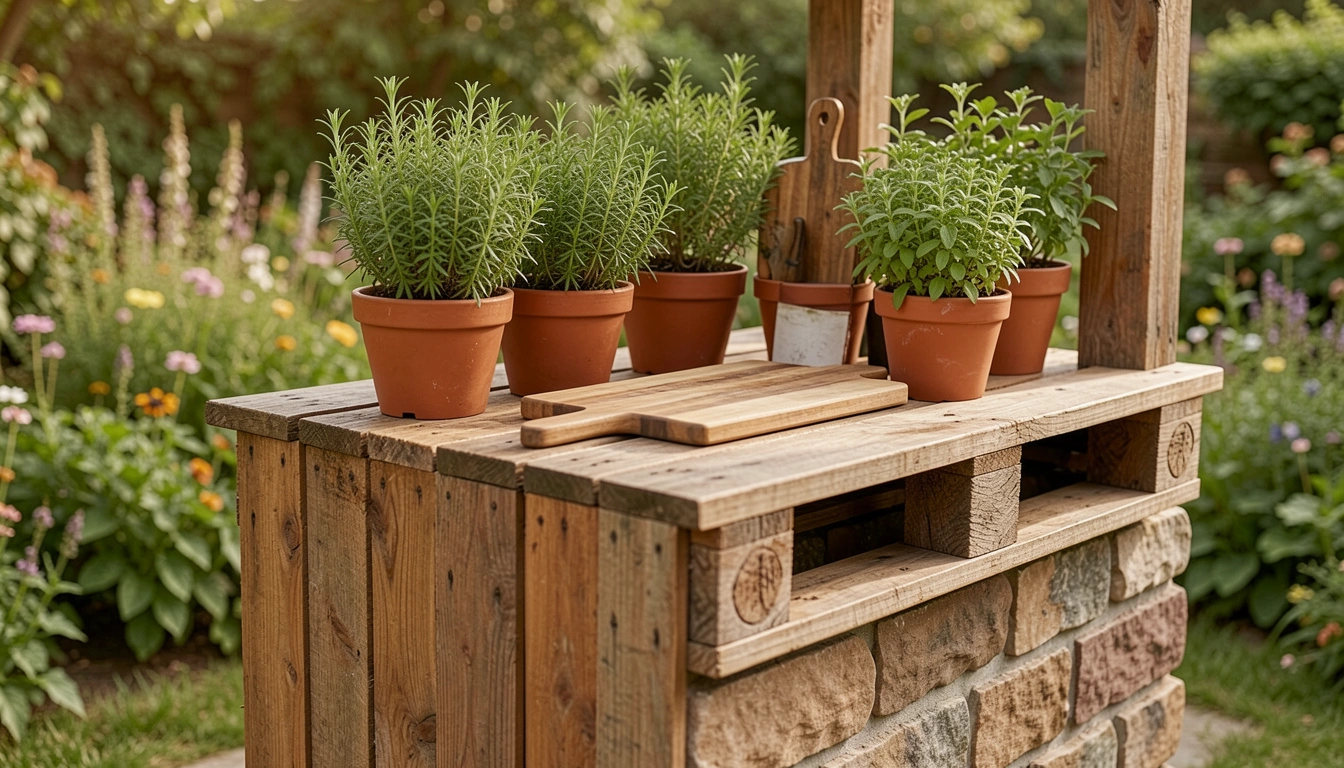
13. Reclaimed Plank Bar Leaner
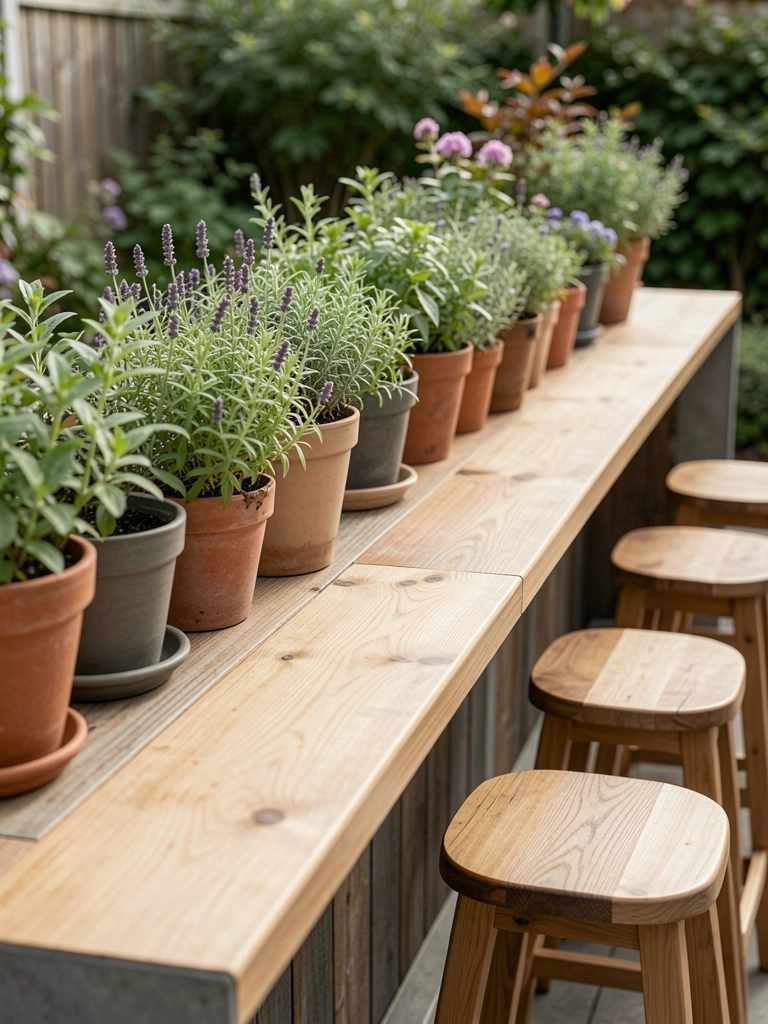
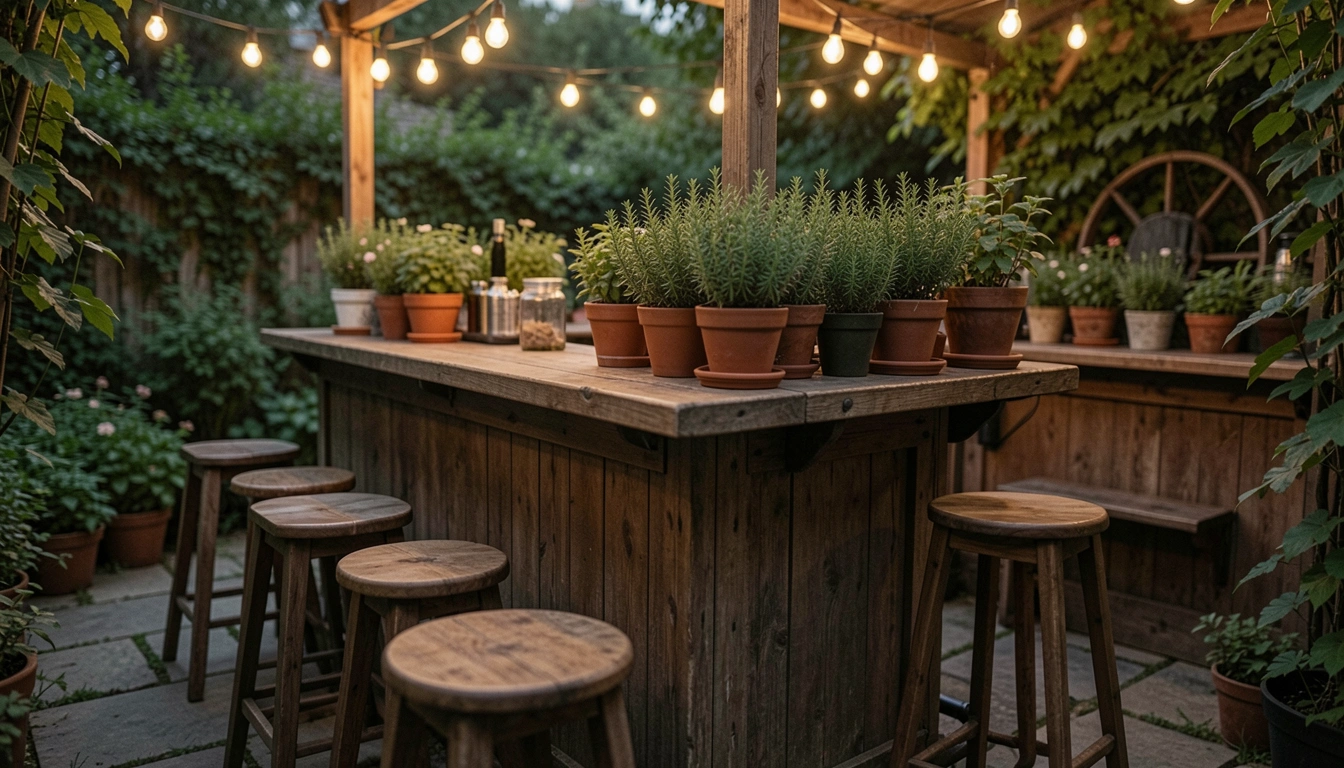
Mounted a long reclaimed plank as a leaner bar on posts. Herbs in shallow pots along it. Sanded smooth for resting arms.
Low profile hugs the fence—conversations flow easy.
Warped in rain; seal all sides.
Casual spot we use daily.
What You’ll Need for This Look
Reclaimed wood plank 2x12x72 inch
14. Mirror-Backed Bottle Shelf
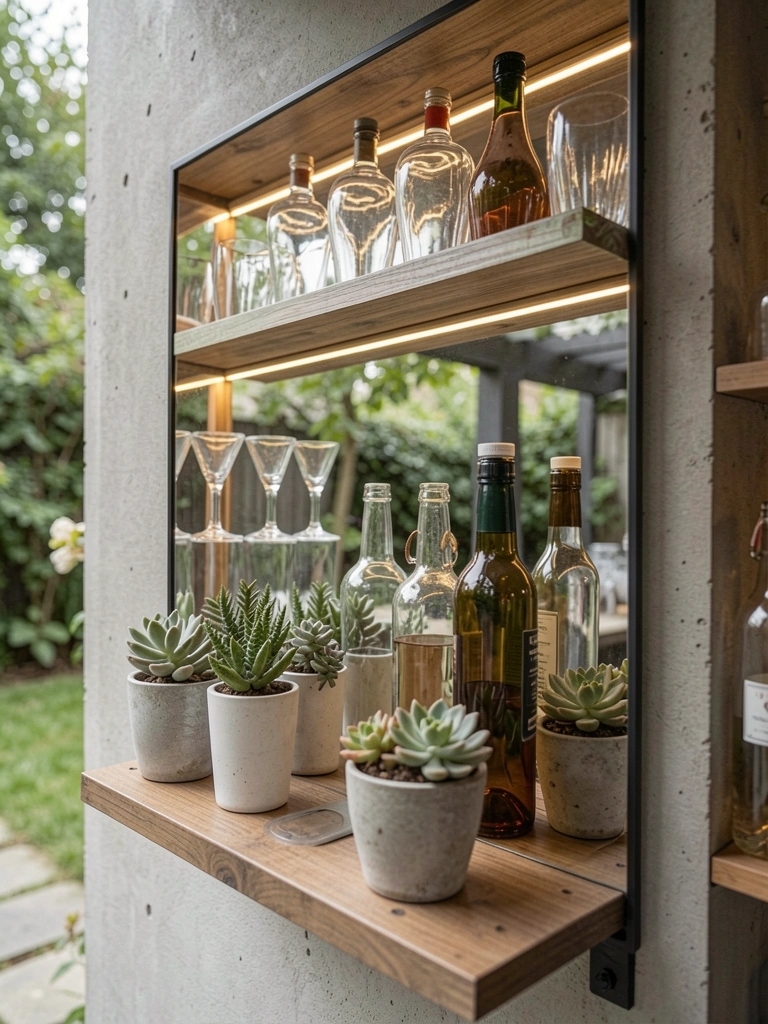
Glued a slim mirror behind open shelves. Doubles the bottle glow with LEDs. Succulents reflect too.
Makes small bar feel deeper, brighter—illusion works wonders.
Mirror fogged; choose outdoor-rated.
Nights sparkle without effort.
What You’ll Need for This Look
Outdoor mirror 24×36 inch slim
Open wall shelves black 3-pack
15. Outdoor Rug-Defined Bar Pad
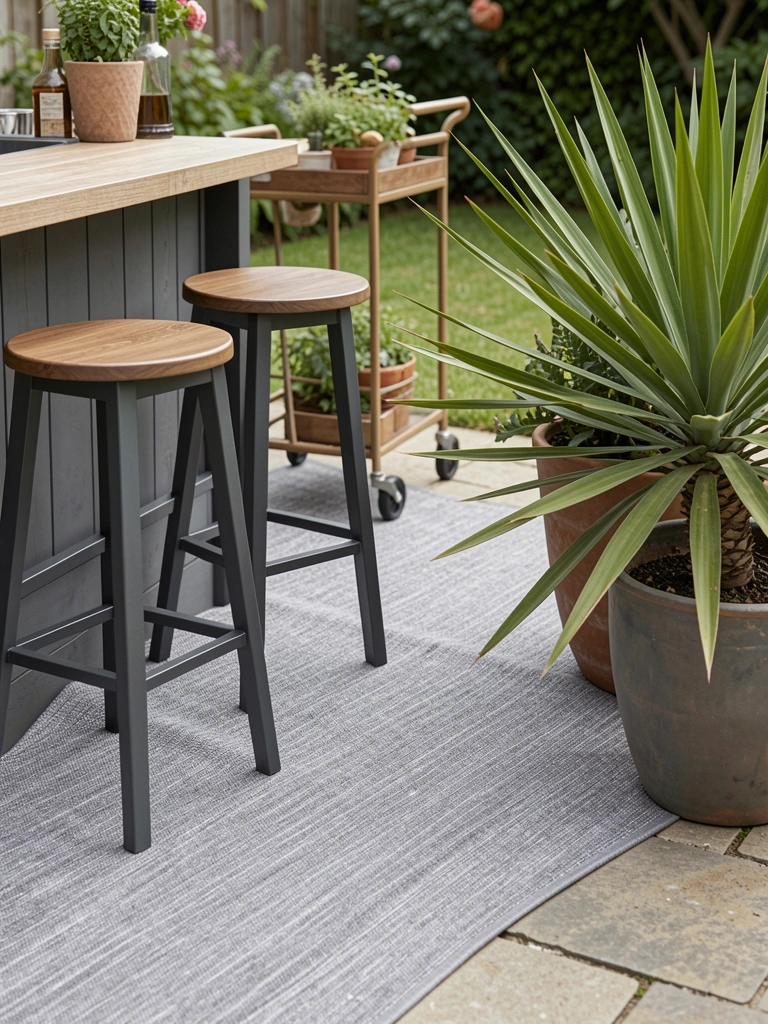
Rolled out a gray outdoor rug under the bar setup. Anchors stools, softens concrete. Yucca pot at corner.
Defines the zone instantly—no tape or lines.
Faded in sun; pick UV-protected.
Feet stay comfy all night.
What You’ll Need for This Look
Outdoor rug 8×10 ft gray low-pile
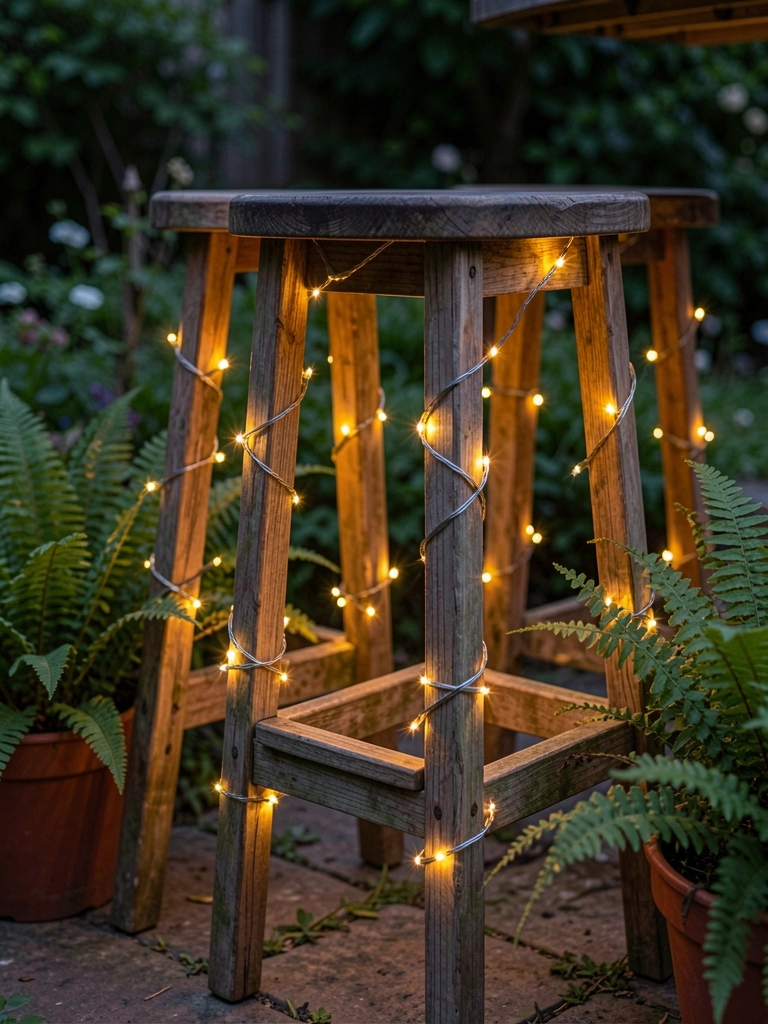
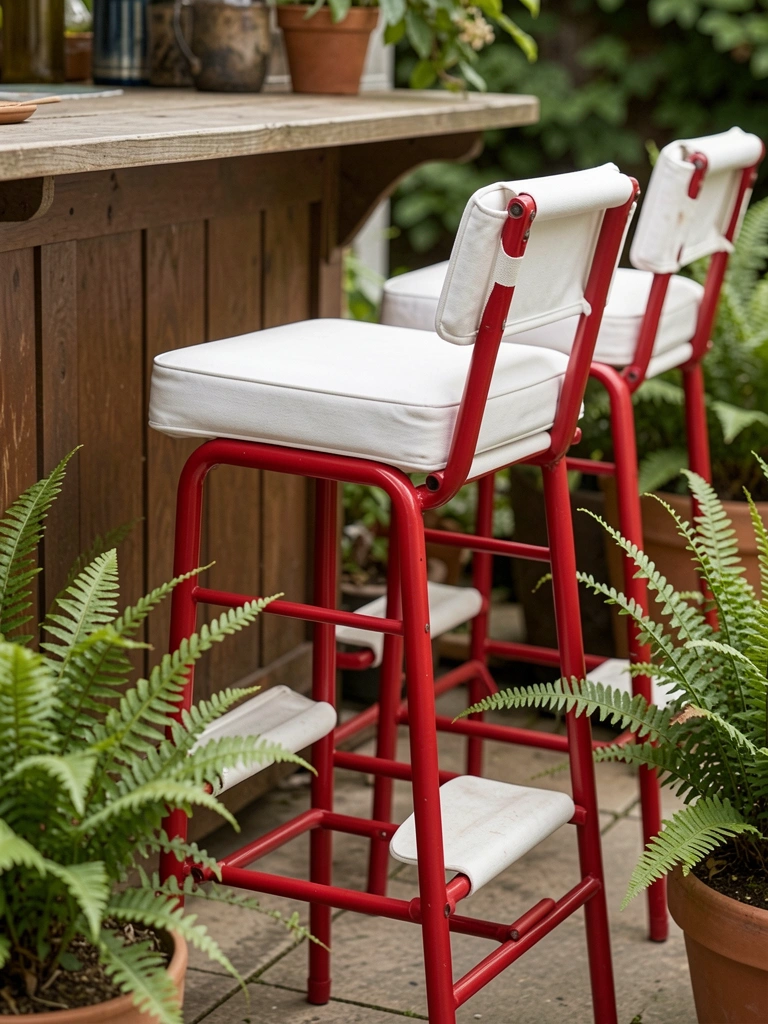
16. Stackable Metal Stool Seating
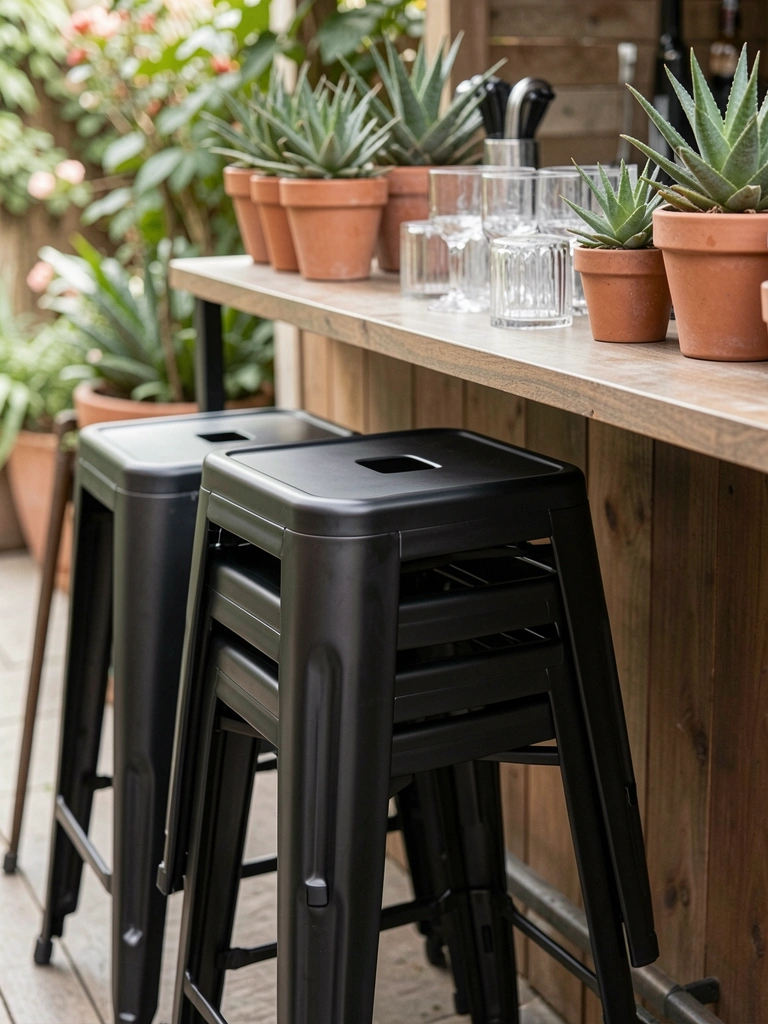
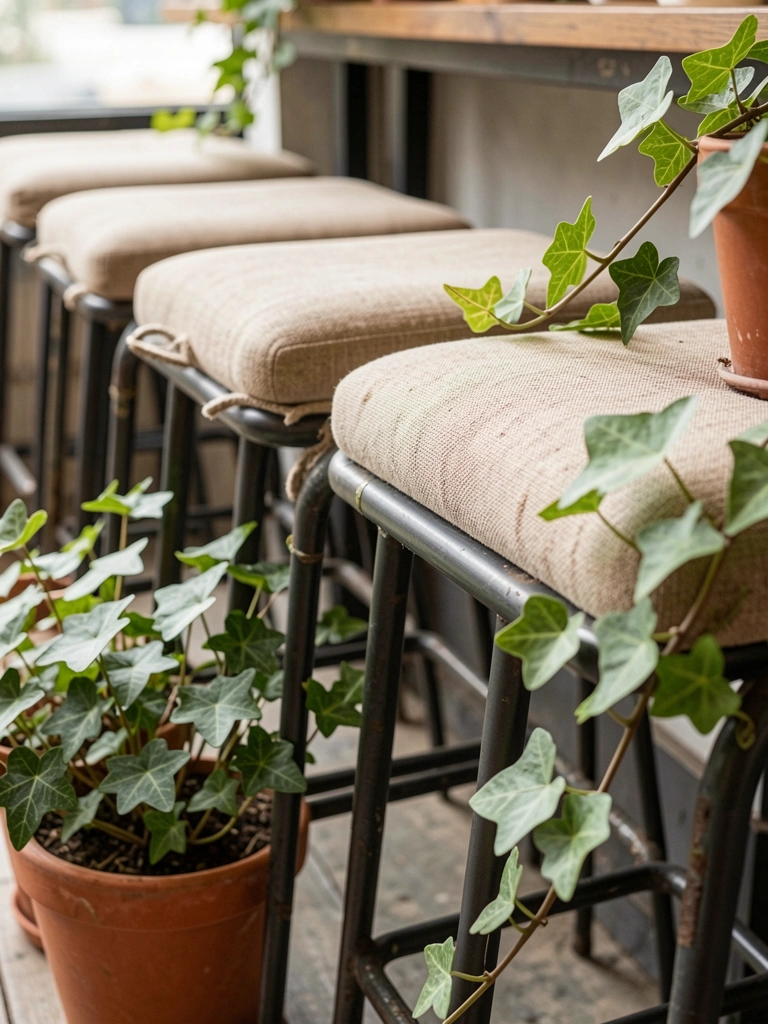
Got stackable metal stools for bar seating. Matte black matches everything. Aloe pots between for breaks.
Store flat when empty—zero clutter.
Slippery seats; add rubber pads.
Pull up quick for drop-ins.
What You’ll Need for This Look
Stackable metal bar stools black set of 4
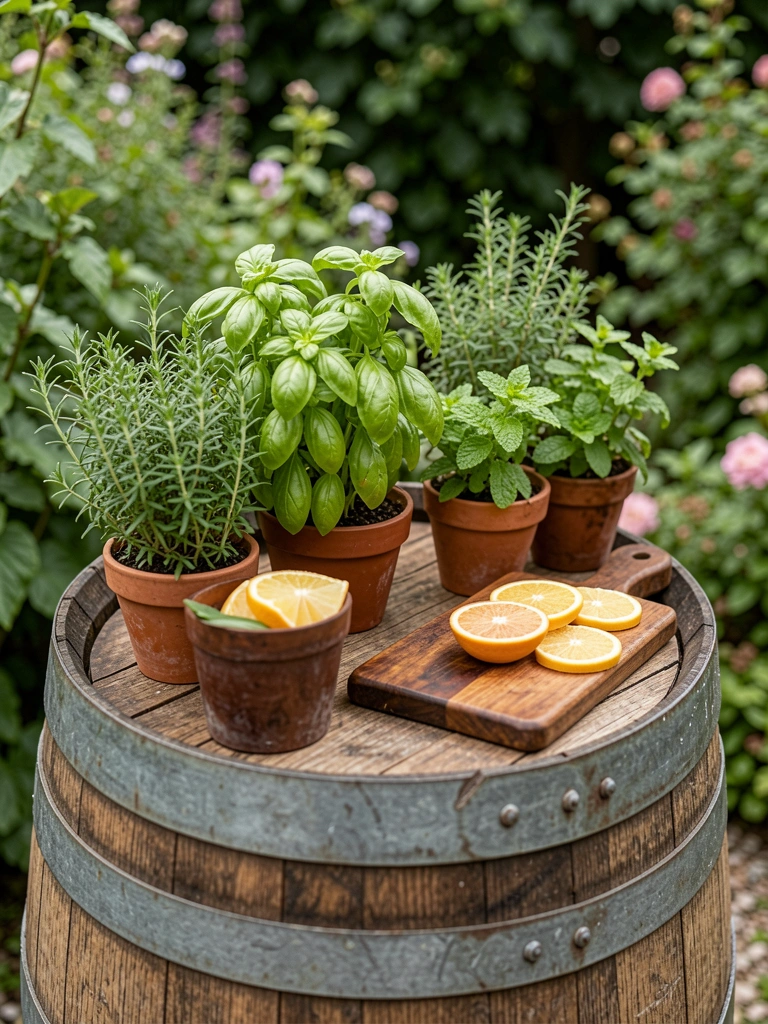
17. Built-In Garnish Herb Station
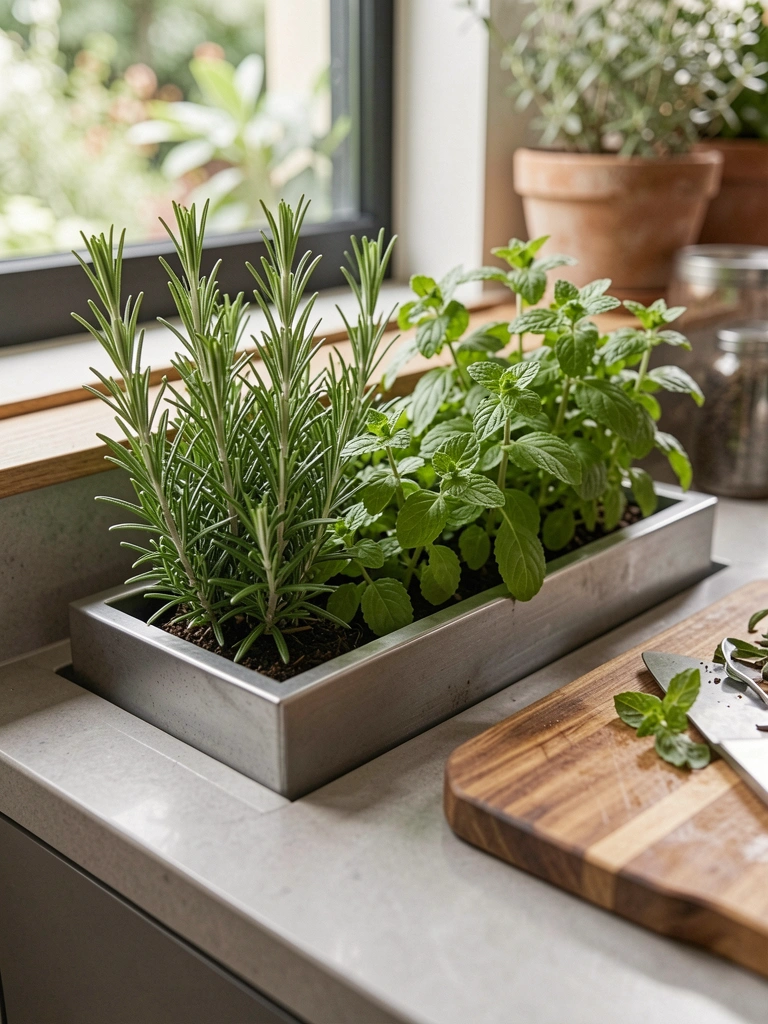
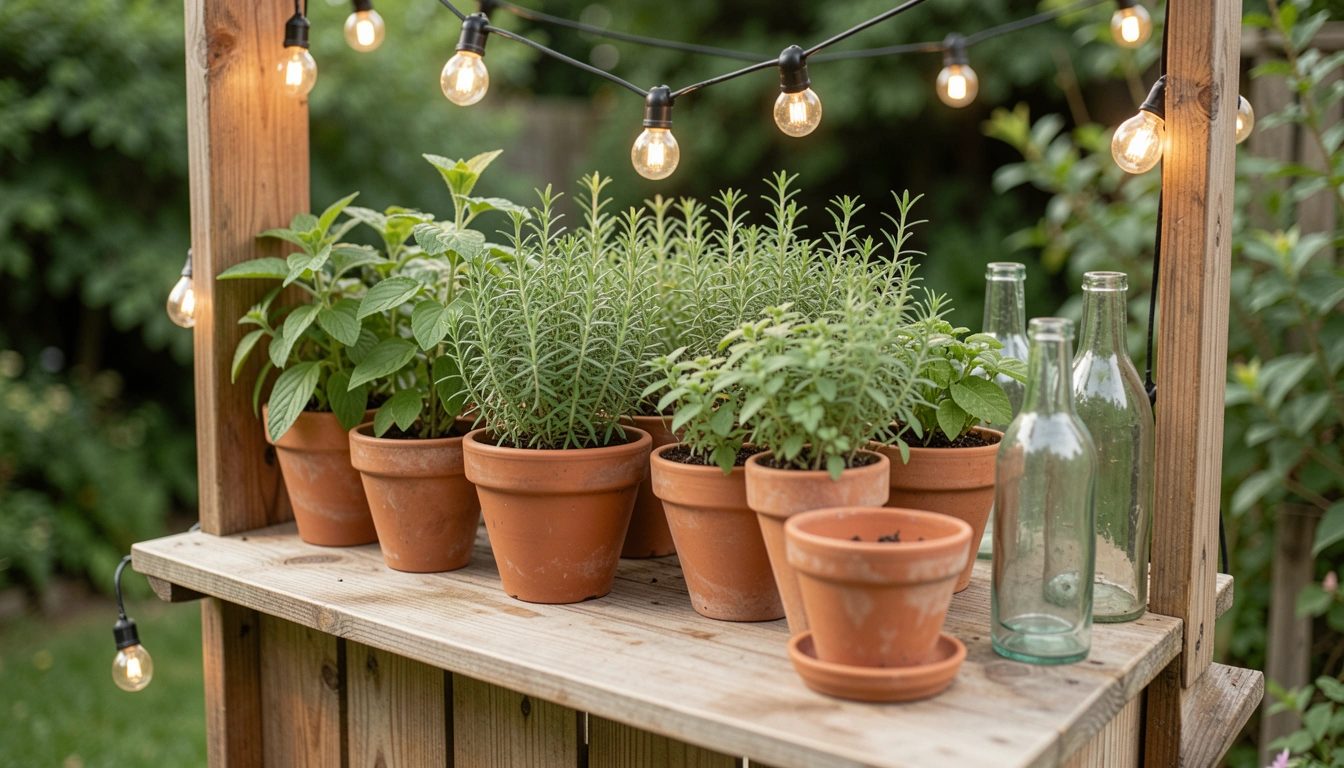
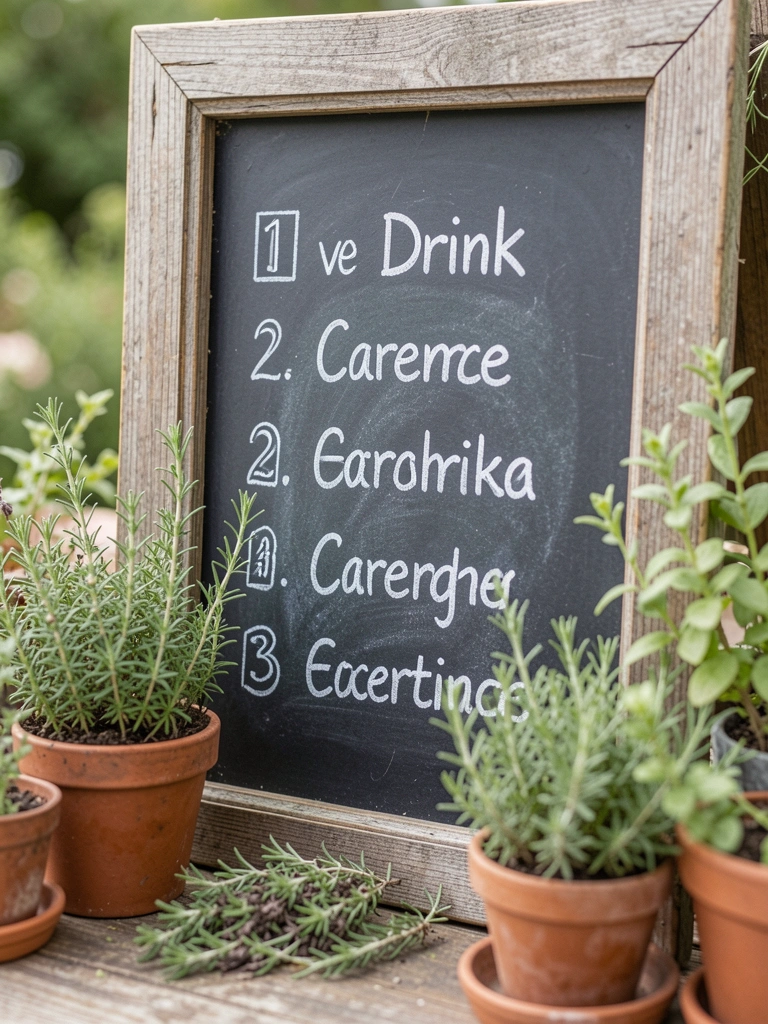
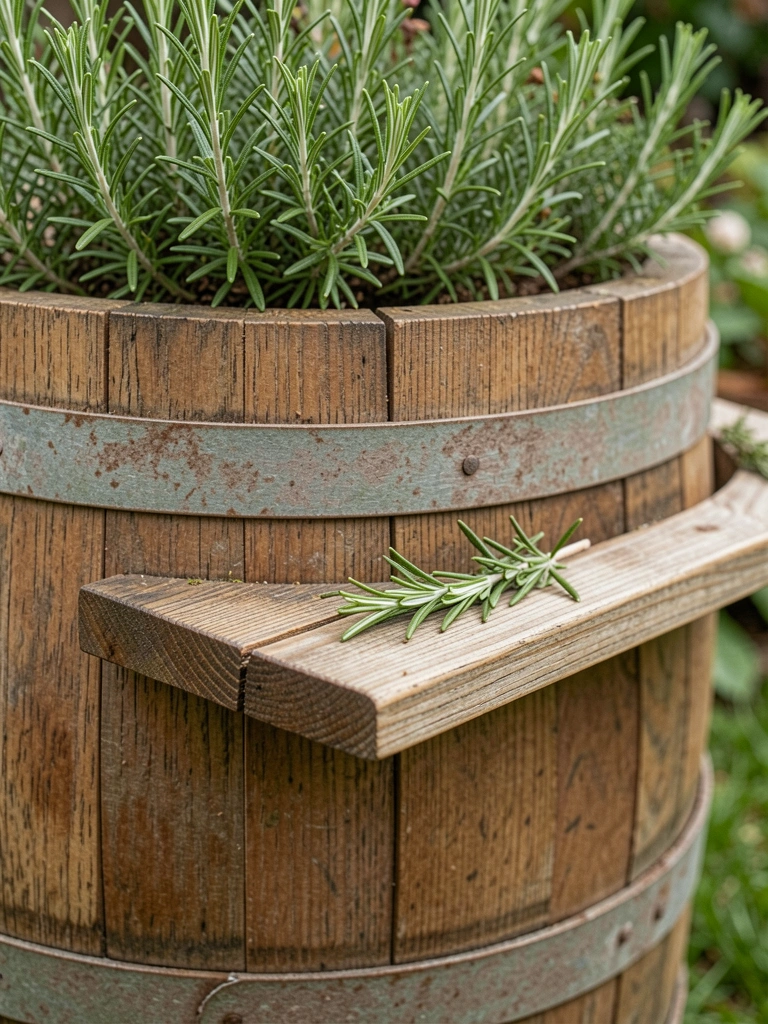
Carved a shelf into the bar for herb station. Shallow tray holds rosemary, balm—chop right there.
Fresh twists elevate drinks, no indoor trips.
Herbs bolted in heat; trim regular.
Little detail, big difference.
What You’ll Need for This Look
Shallow galvanized tray 18 inch
Rosemary and lemon balm plants
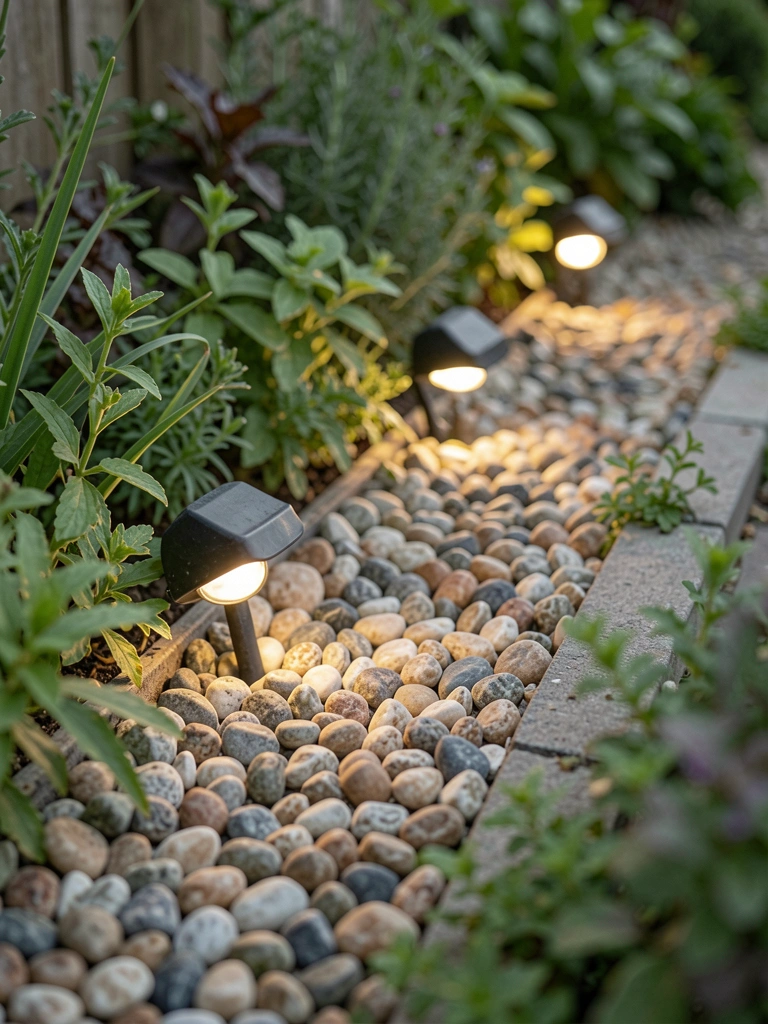
18. Solar Spotlights on Bar Facade
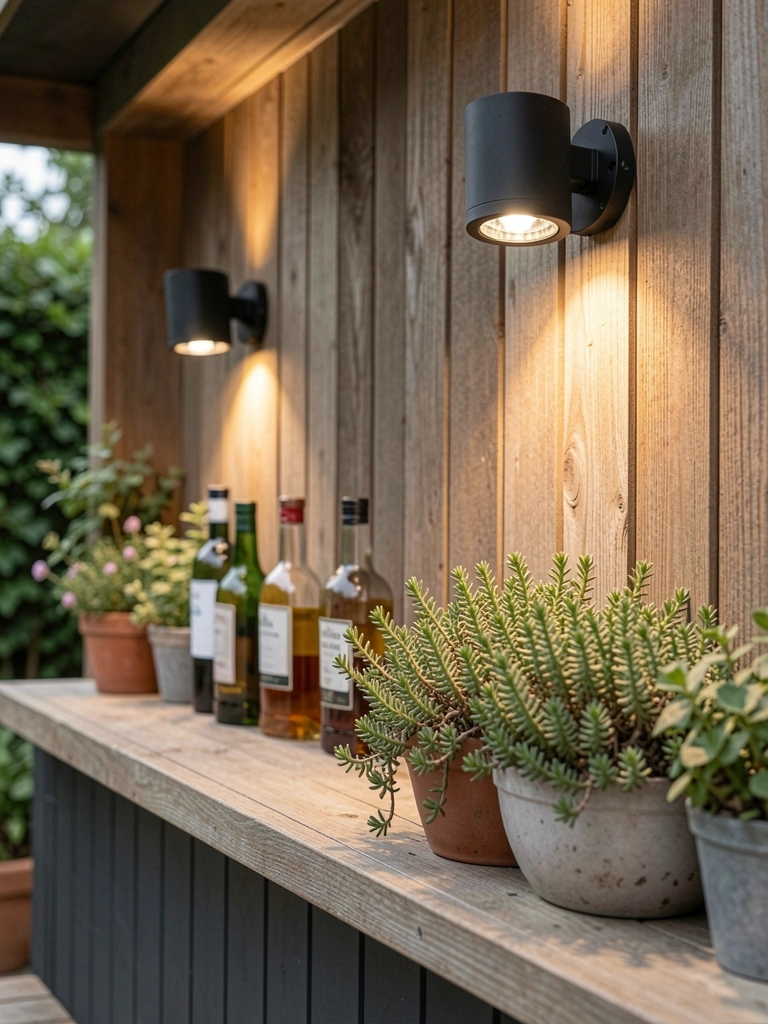
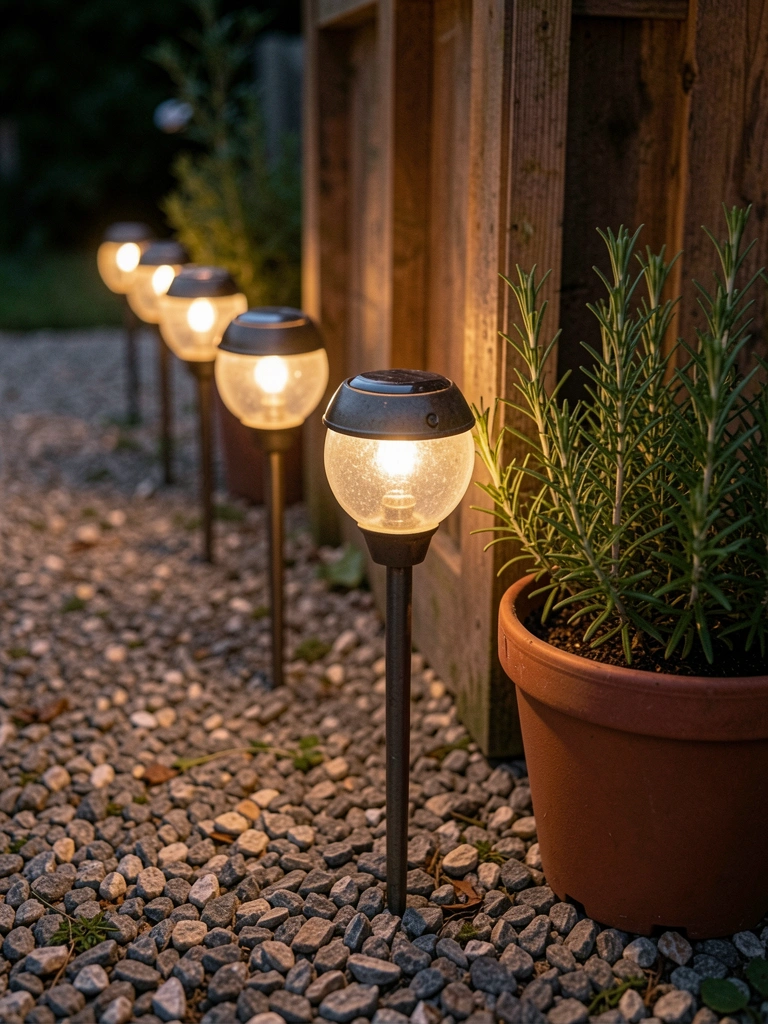
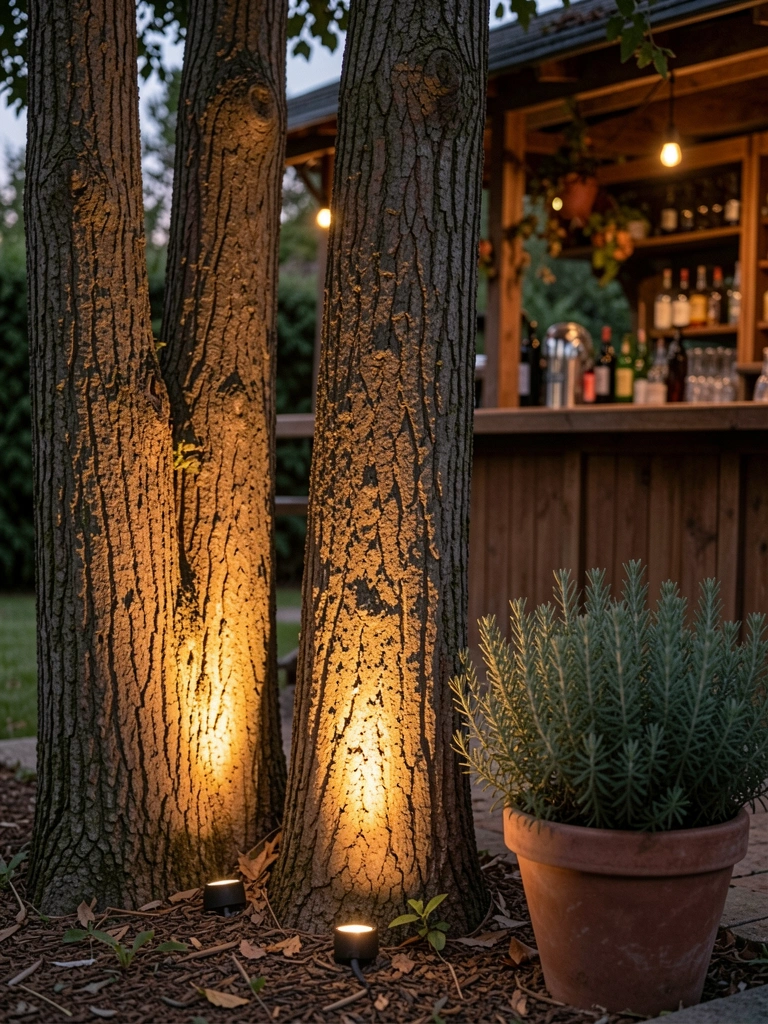
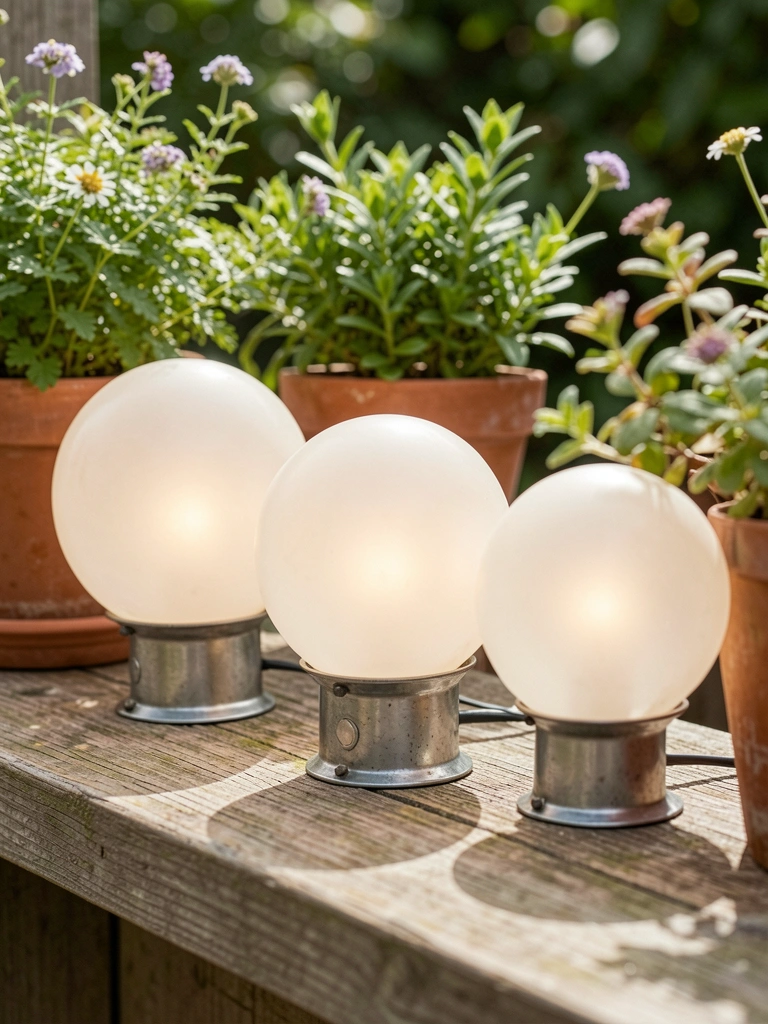
Staked solar spotlights along the bar front. Washes wood panels even at night. Sedum softens base.
No wiring hassle—charges all day.
Angle wrong first; point up for drama.
Sets mood hands-free.
What You’ll Need for This Look
Solar spotlights set of 4 adjustable
19. Fold-Down Wall Bar Counter
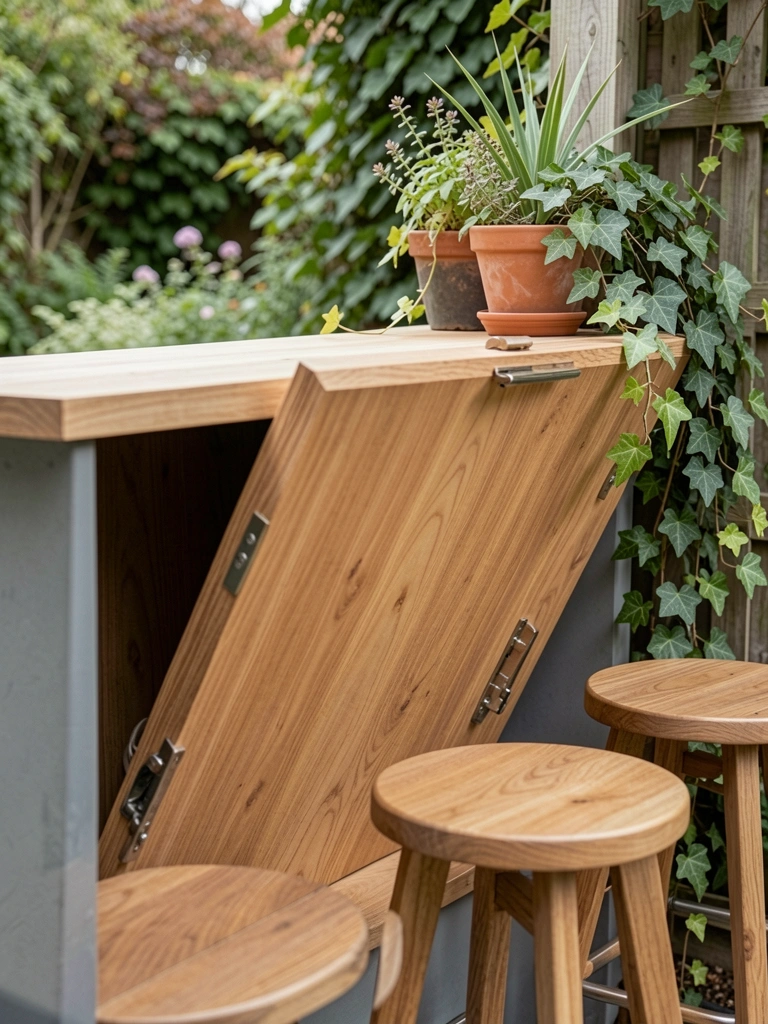
Hinged a plywood counter to the wall—folds flat when done. Supports with chains. Ivy frames it.
Saves space in small yards—sleek vanish.
Hinges rusted; galvanized next time.
Up for happy hour, down for peace.
What You’ll Need for This Look
Fold-down wall mount bracket set
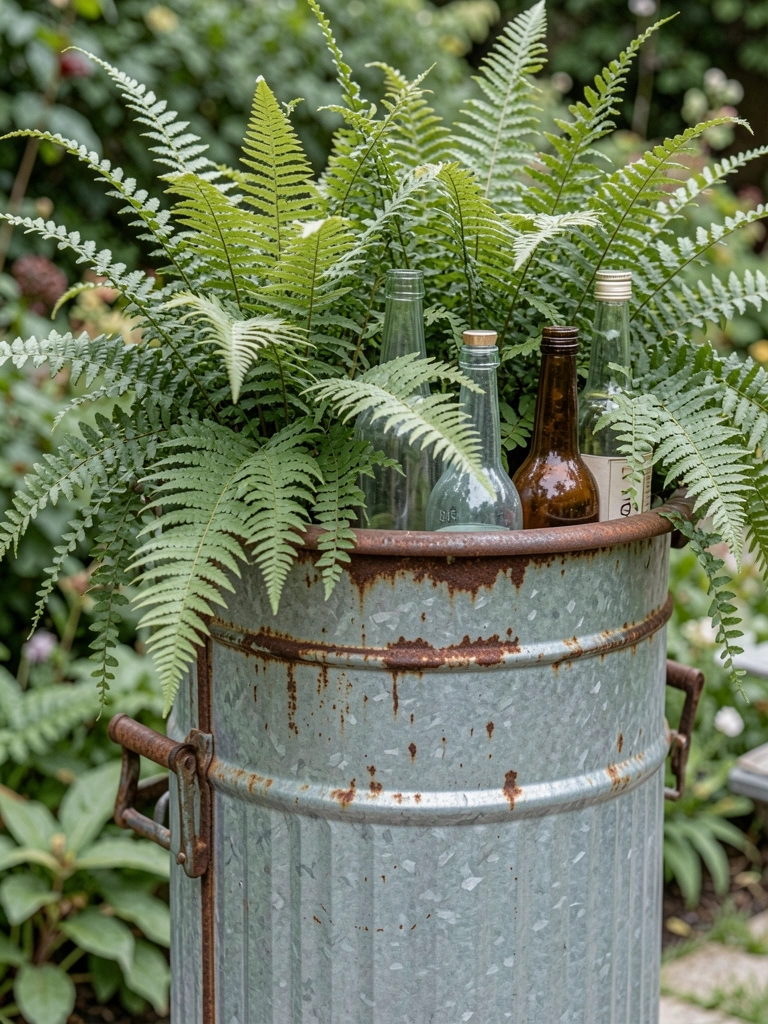
20. Galvanized Tub Ice Station
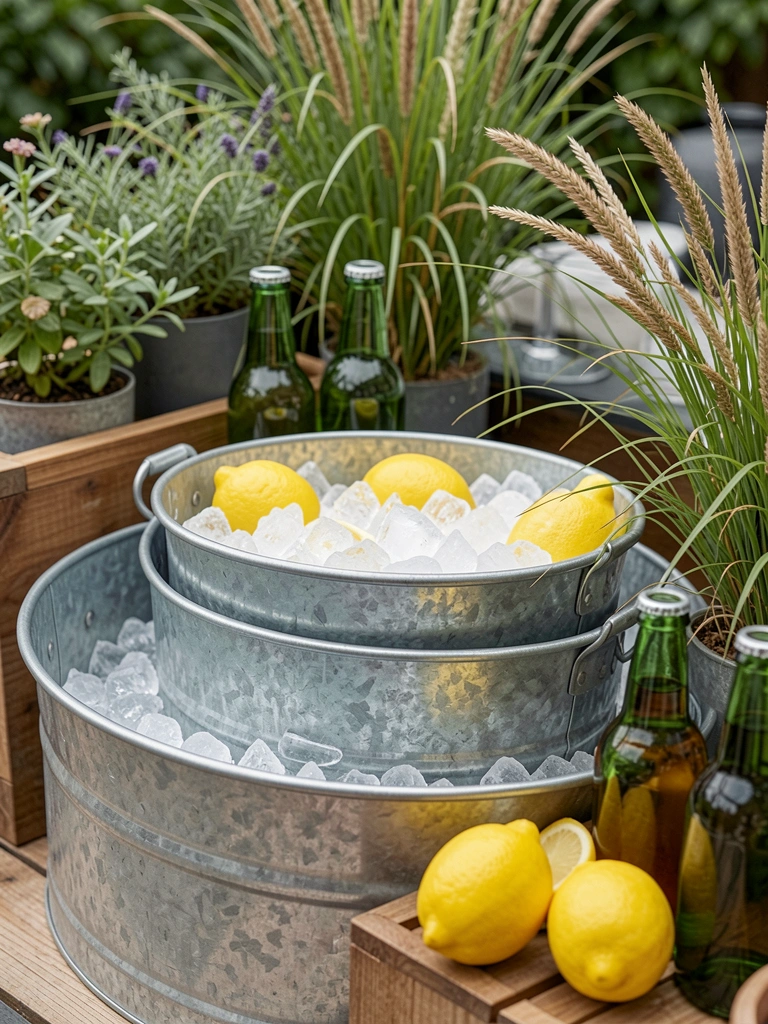
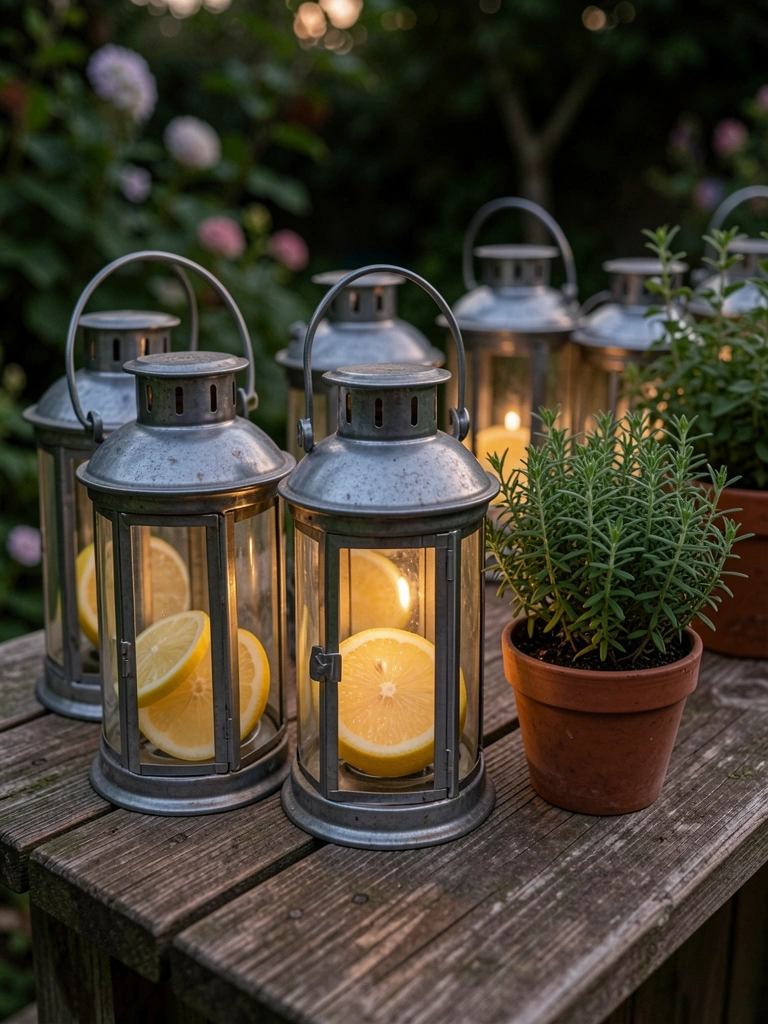
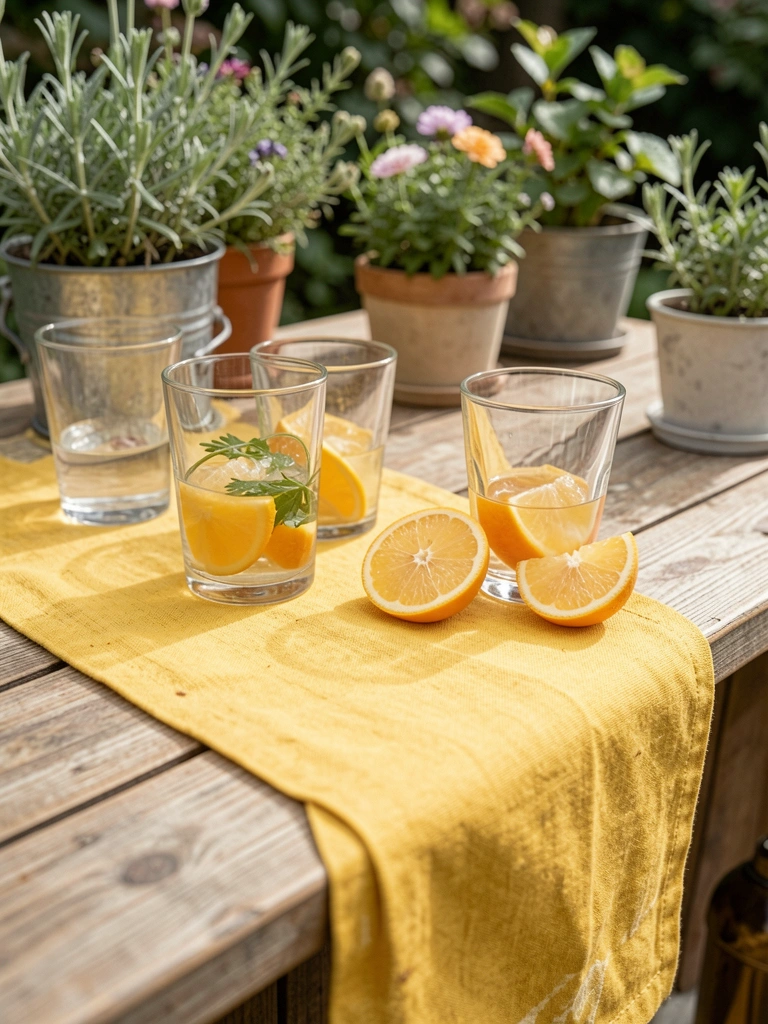
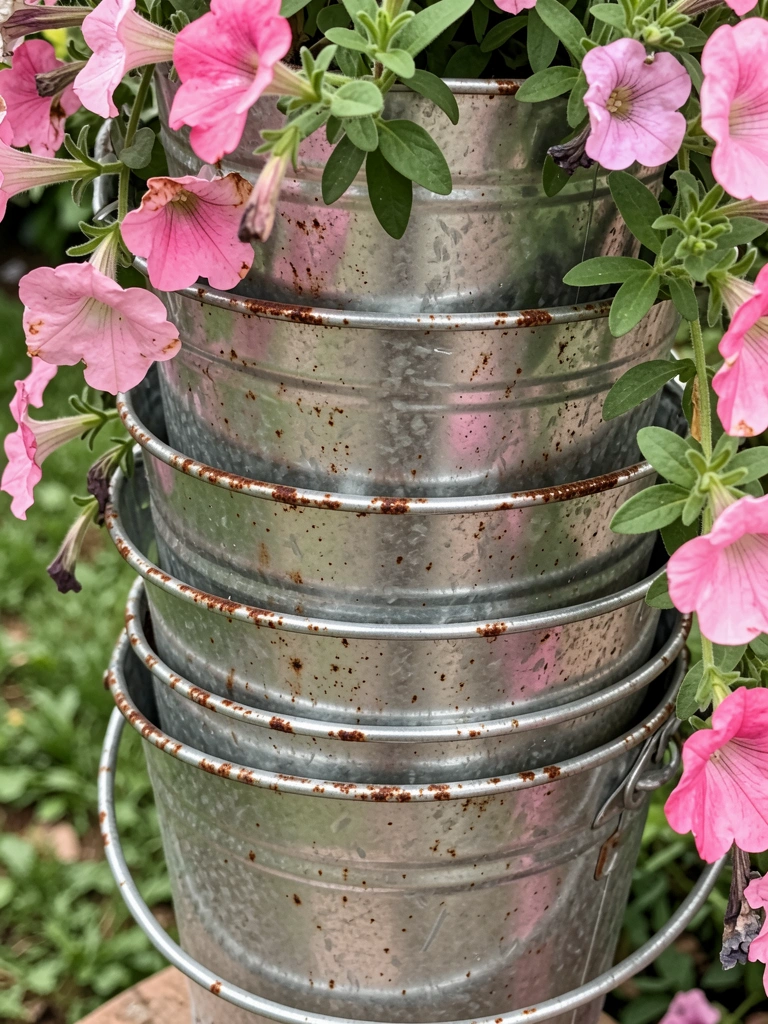
Nested galvanized tubs for ice and bottles. Lemons float in top one. Grasses hide the stand.
Chills drinks fast, drains easy—practical sleek.
Tubs dented easy; reinforce base.
Keeps parties flowing cool.
What You’ll Need for This Look
Galvanized tubs set medium-large
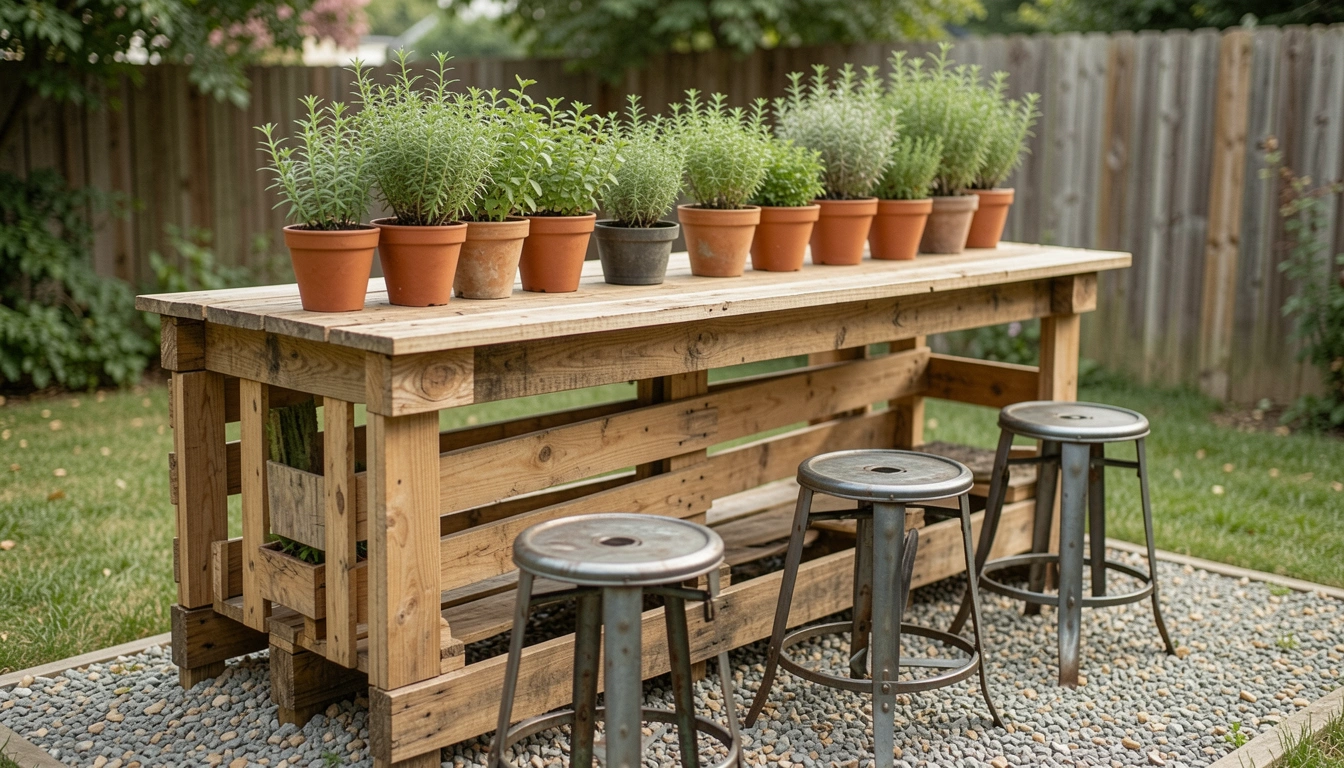
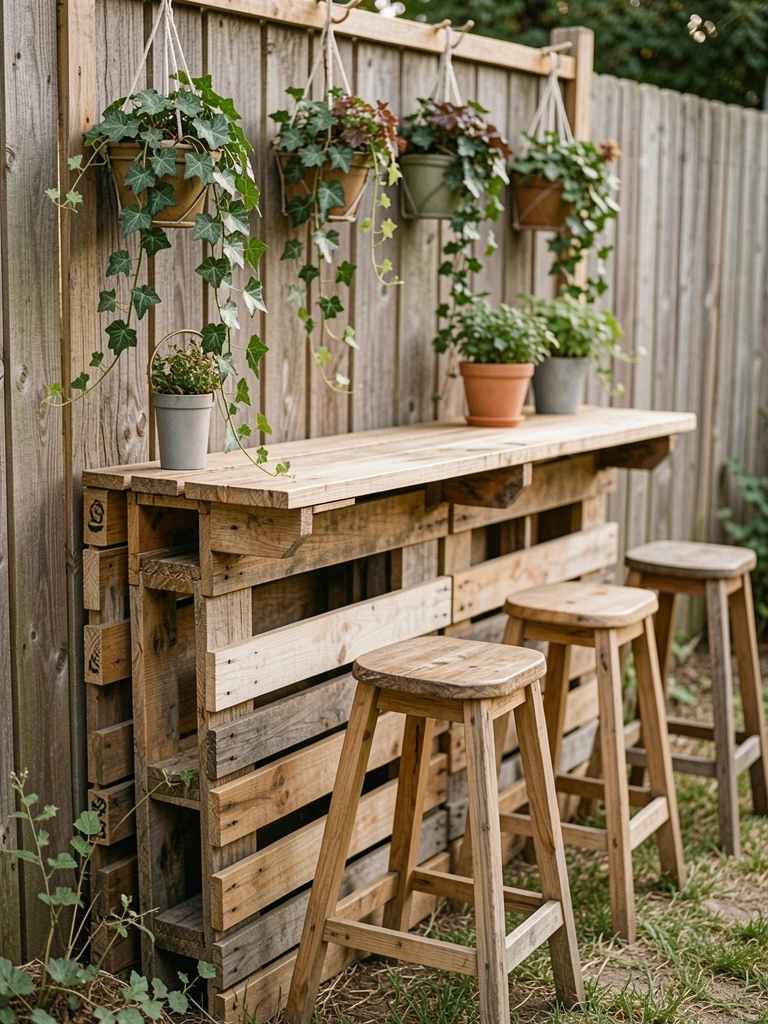
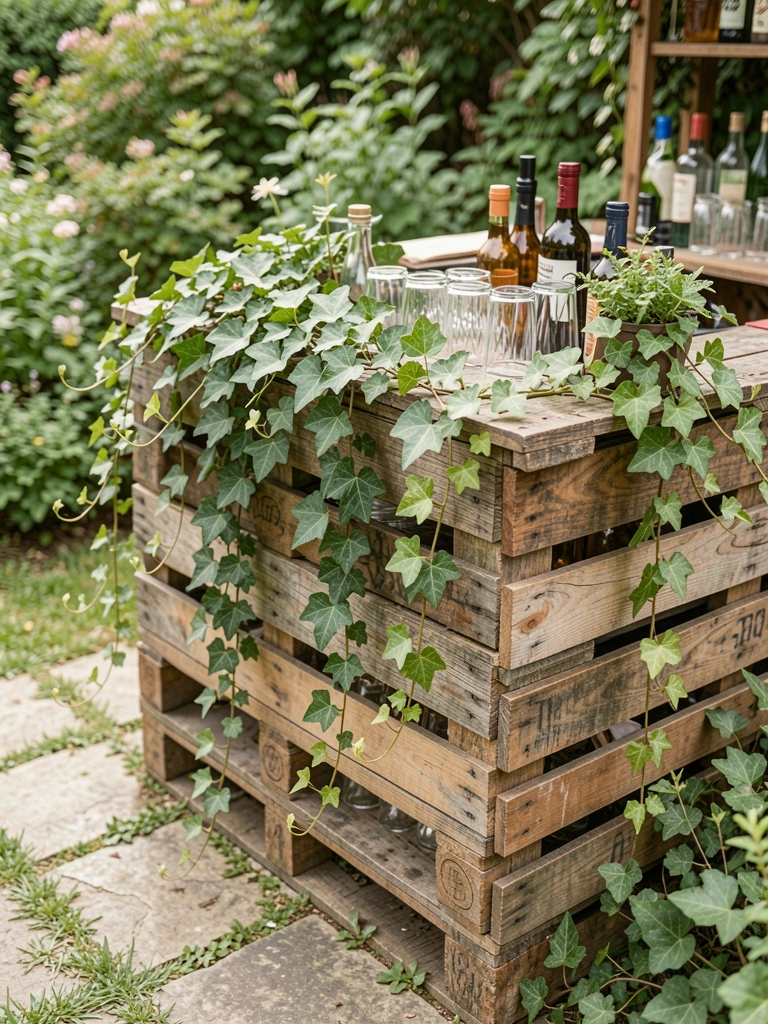
21. Modular Pallet Bar Frame
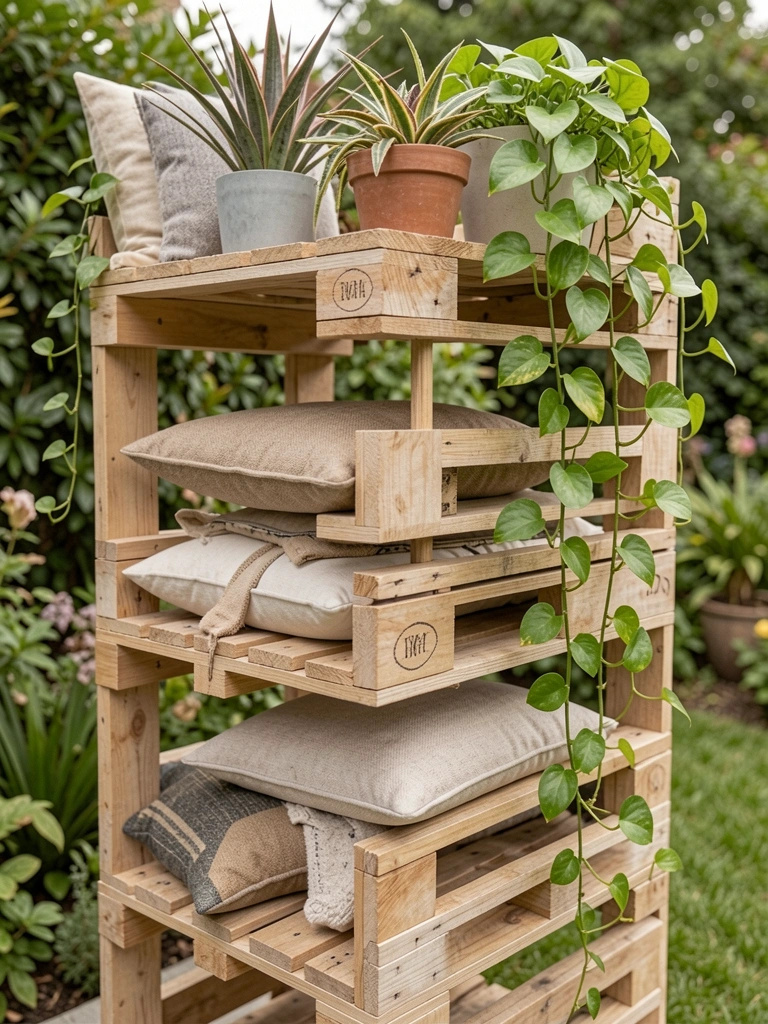
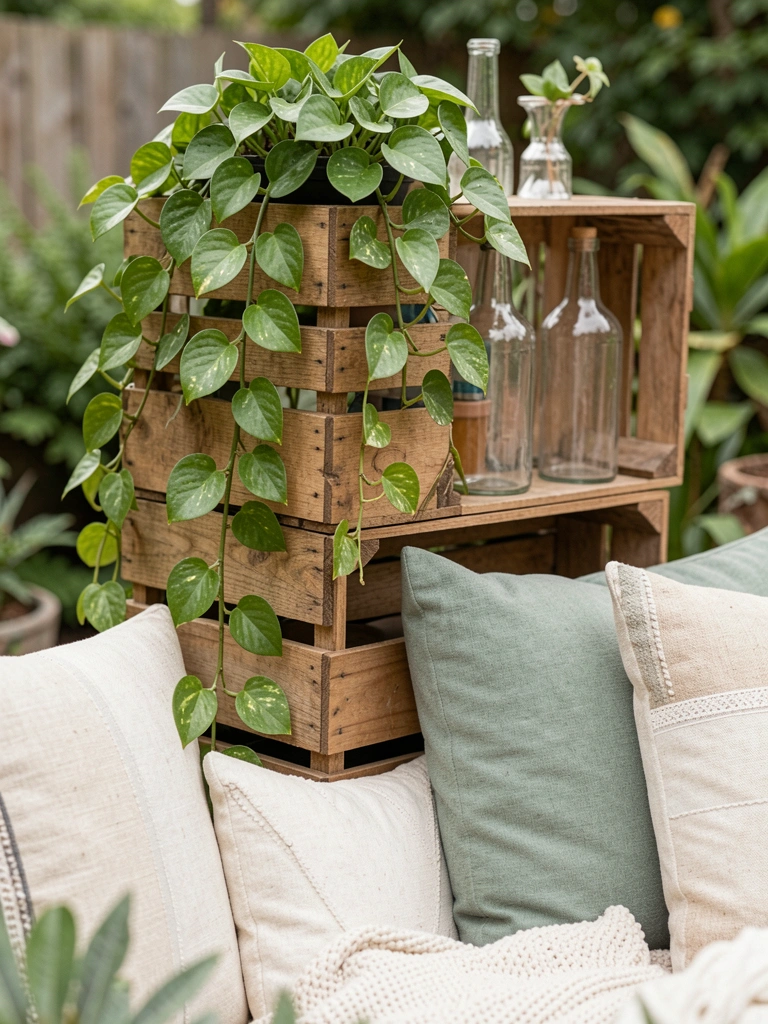
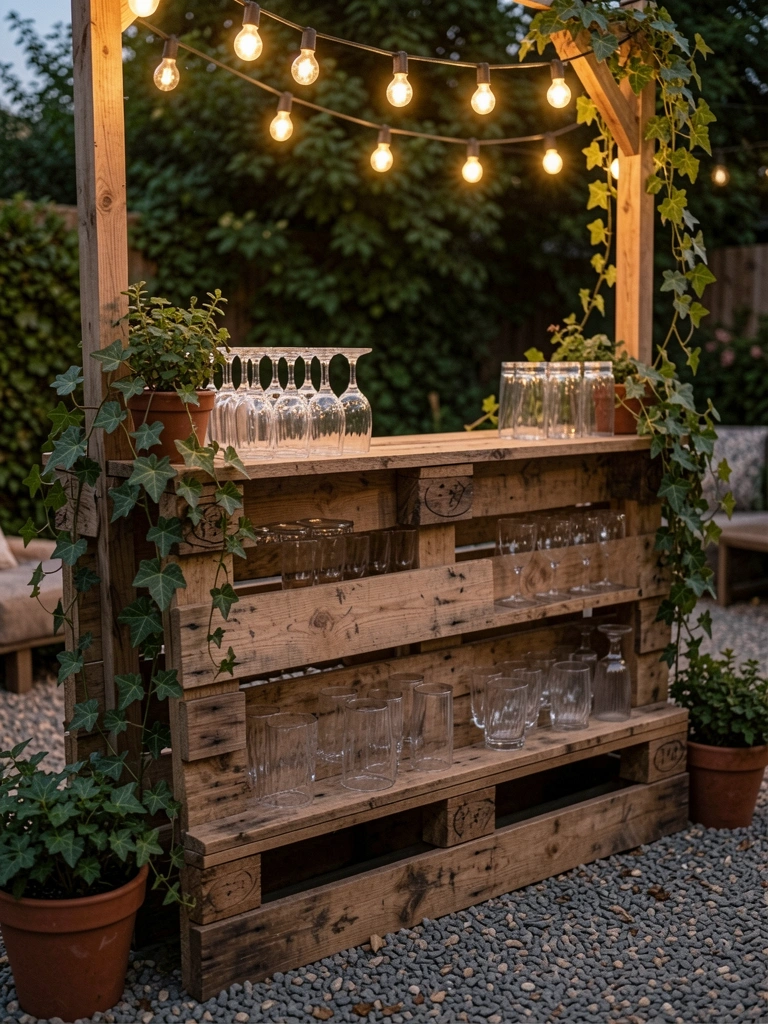
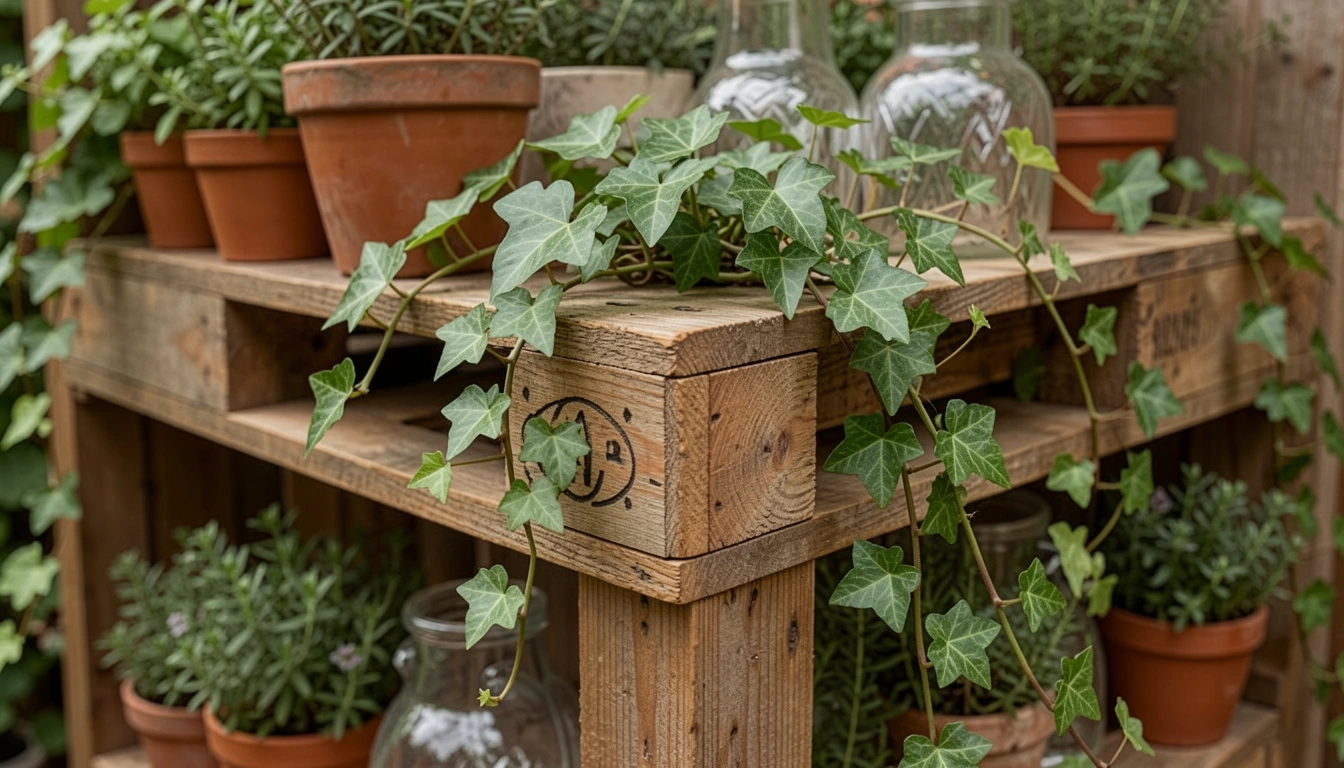
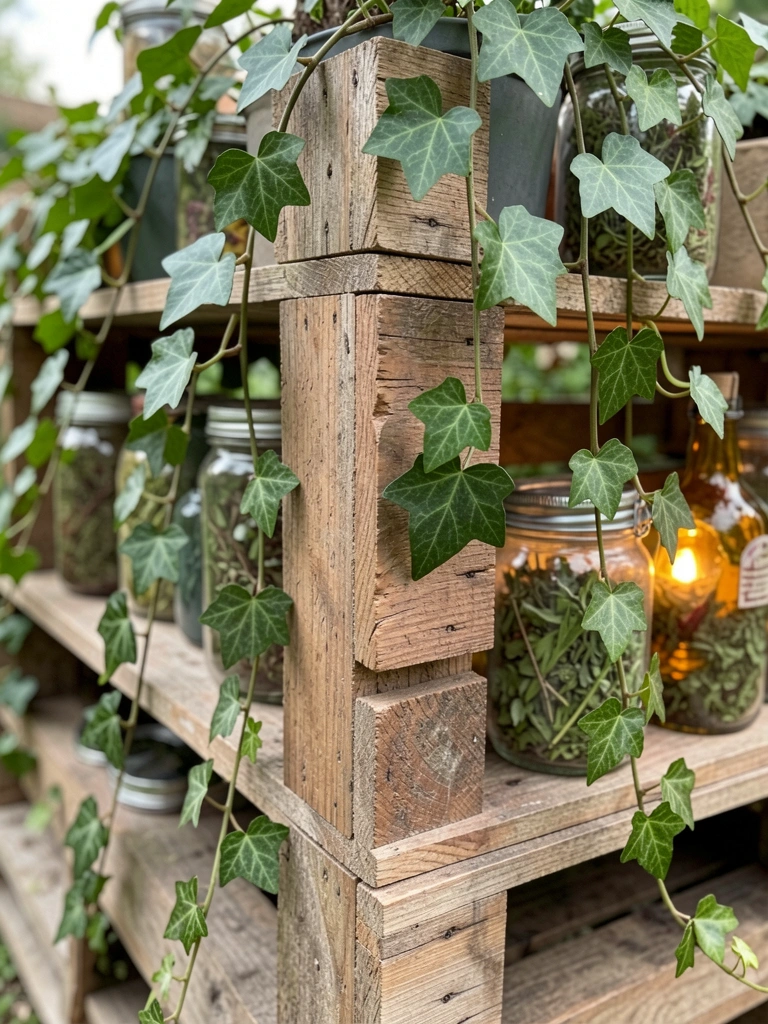
Disassembled pallets into a bar frame—sanded smooth, modular shelves. Pothos trails over.
Custom fit any spot, cheap start.
Splinters hurt first; sand thorough.
Grows with the garden—ours did.
What You’ll Need for This Look
Final Thoughts
Start with one idea that fits your space. No need for all 21.
Mine evolved slow—test, adjust.
You'll have that sleek spot soon. It works because it's yours.